A new generation with one clear identity
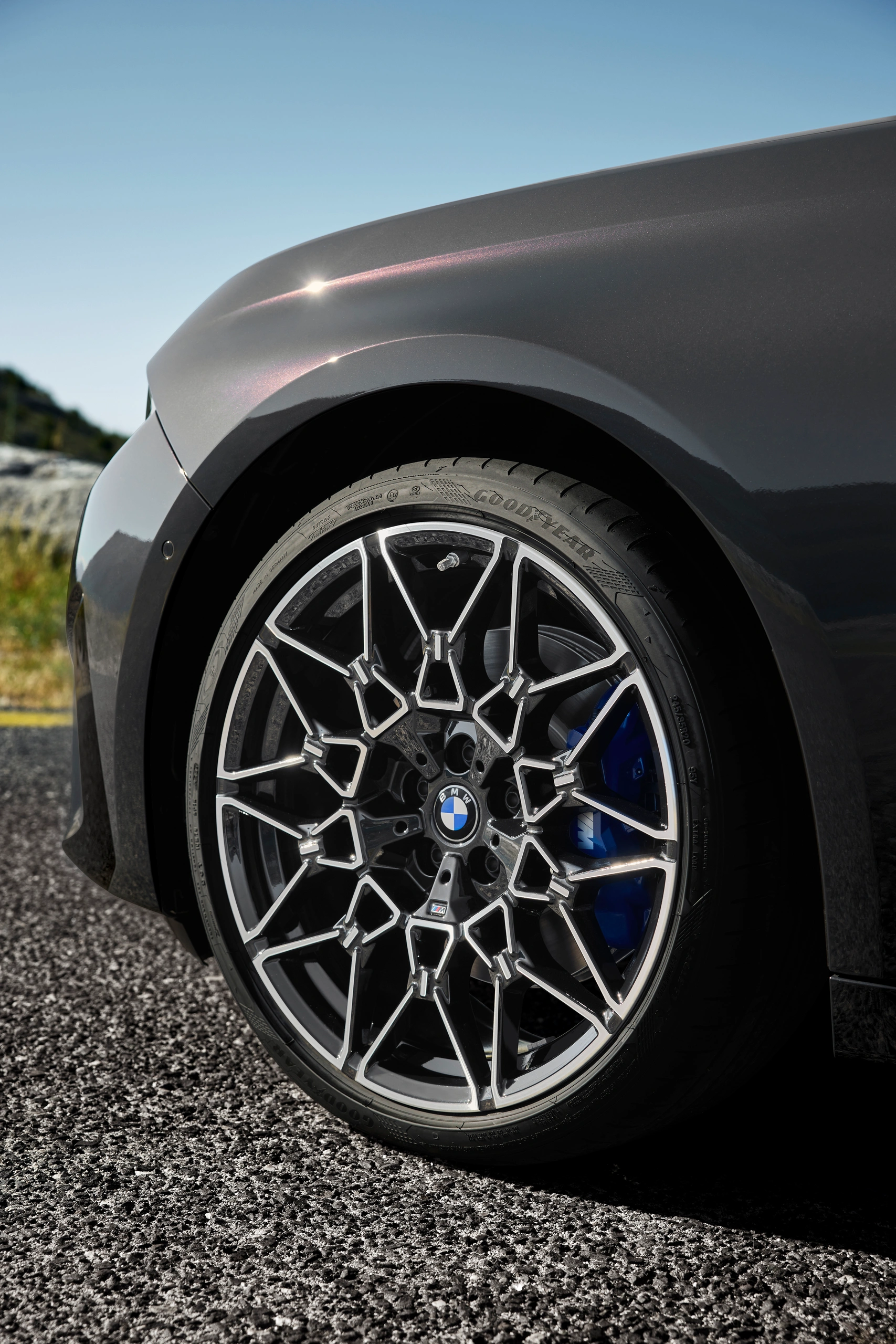
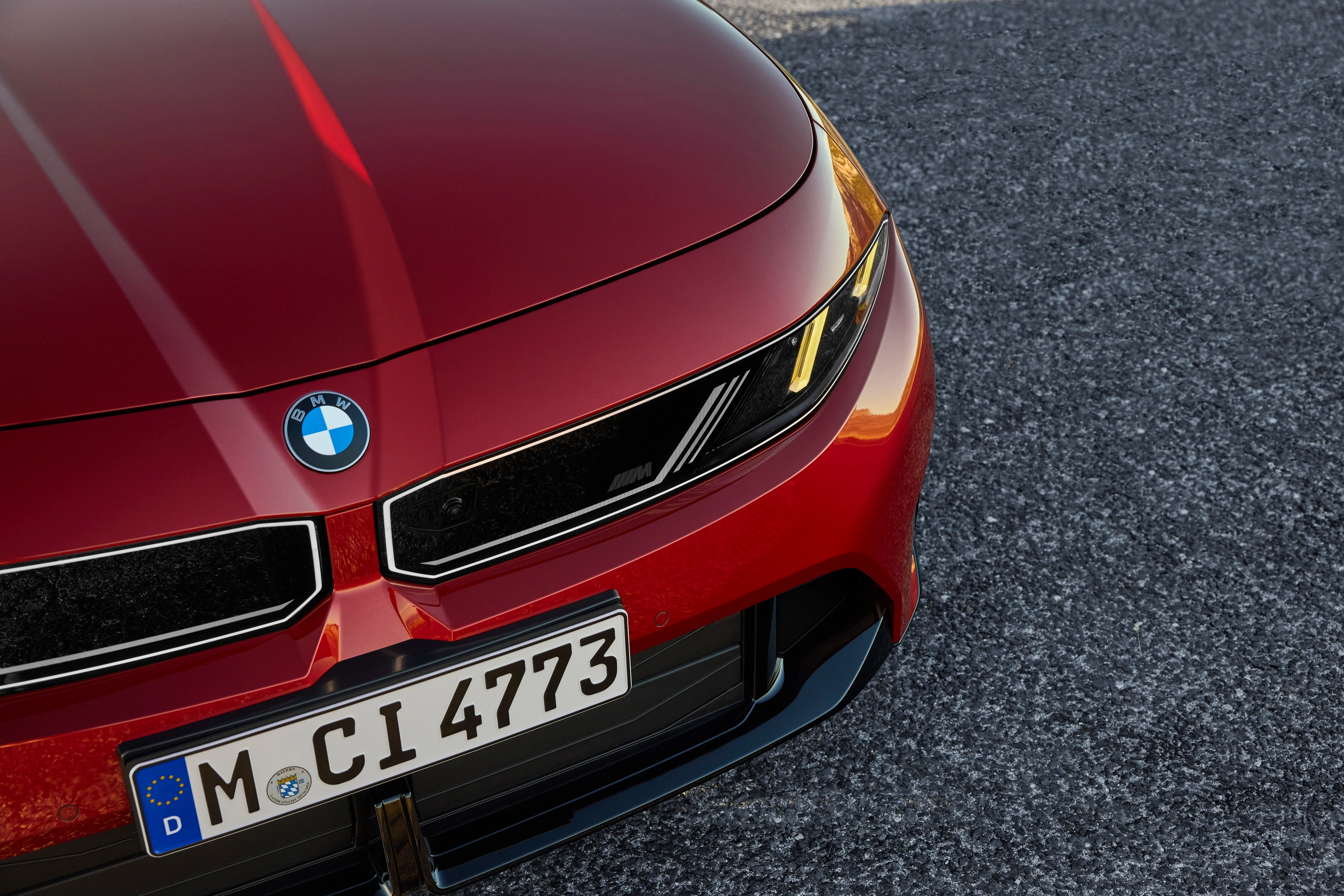
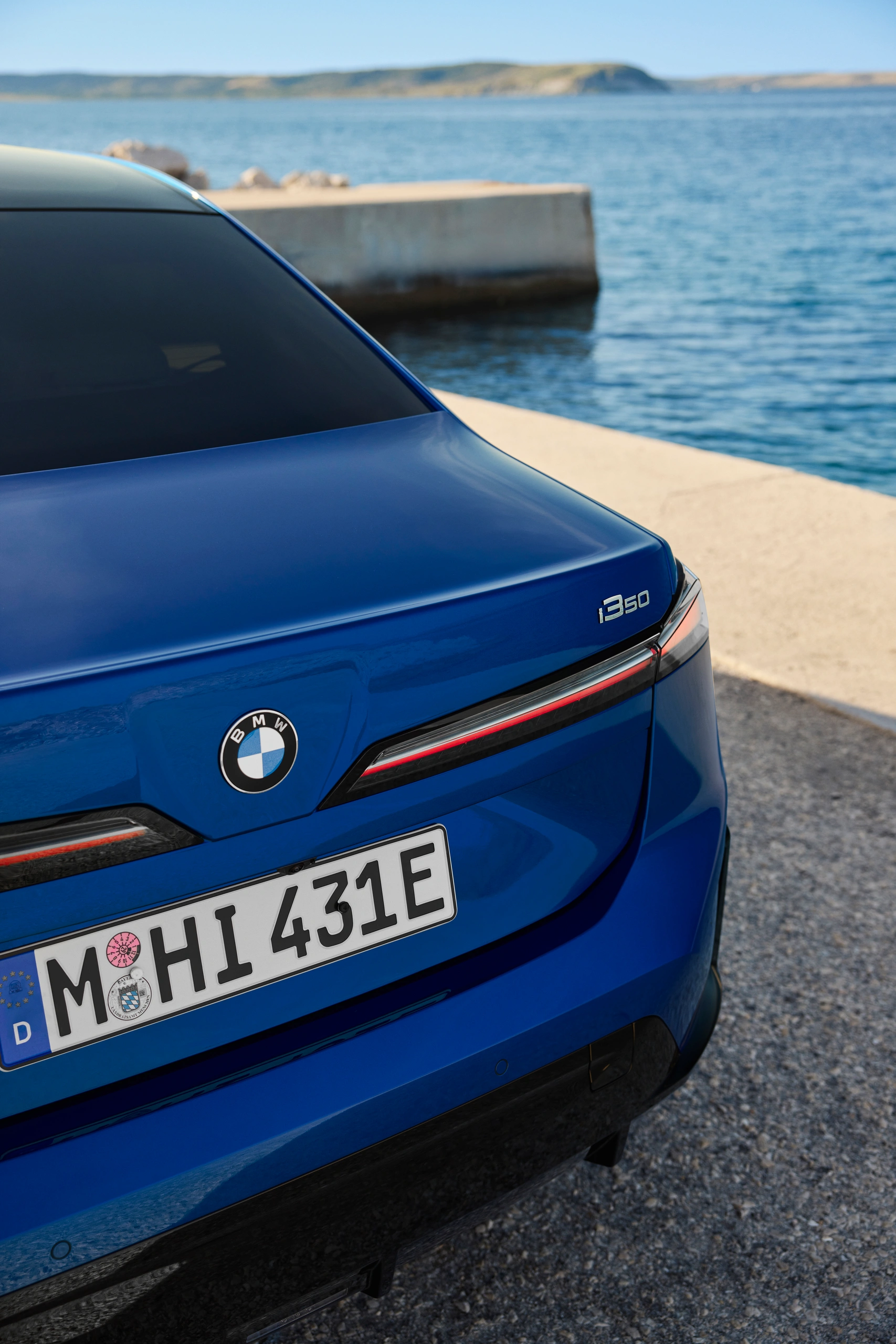
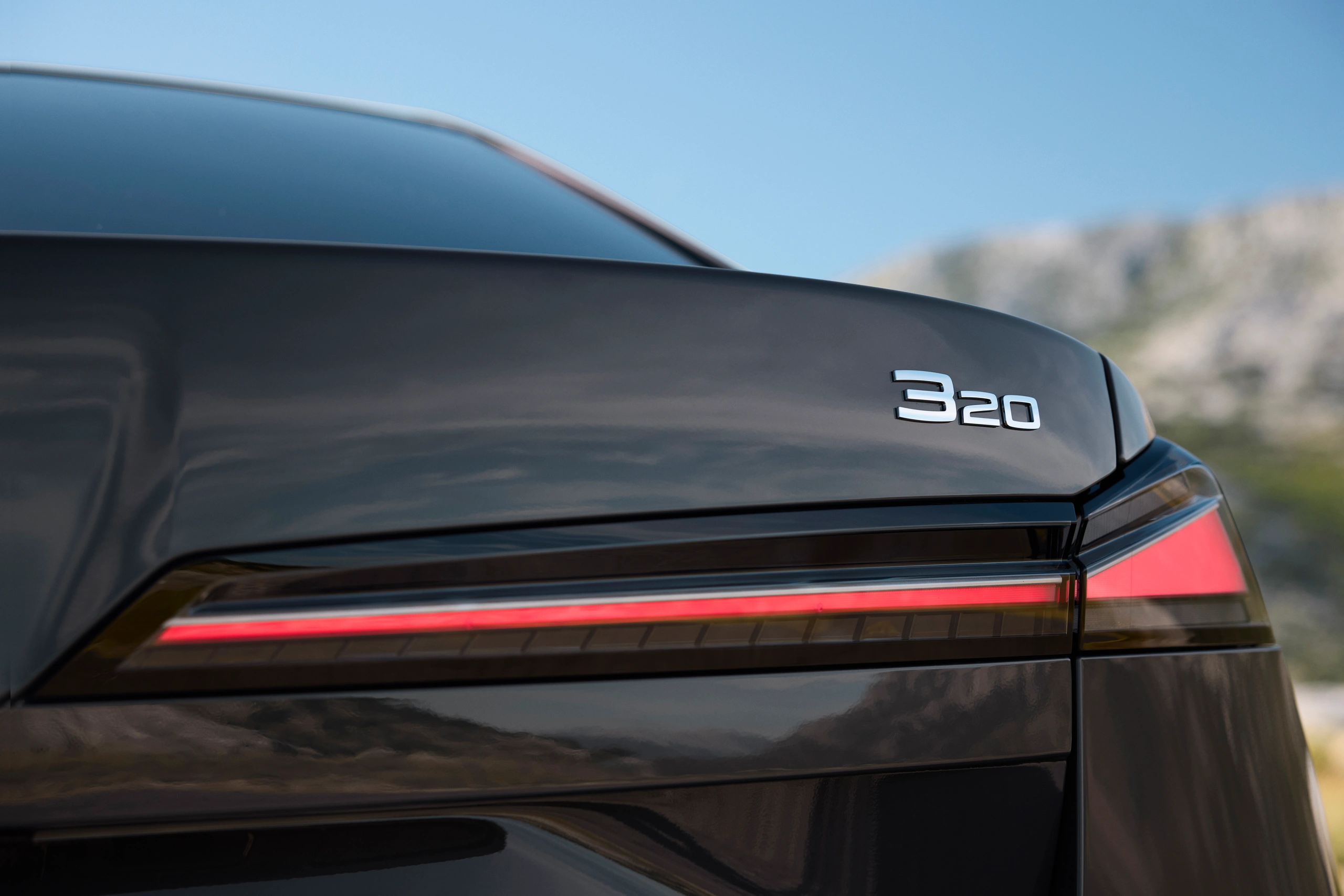
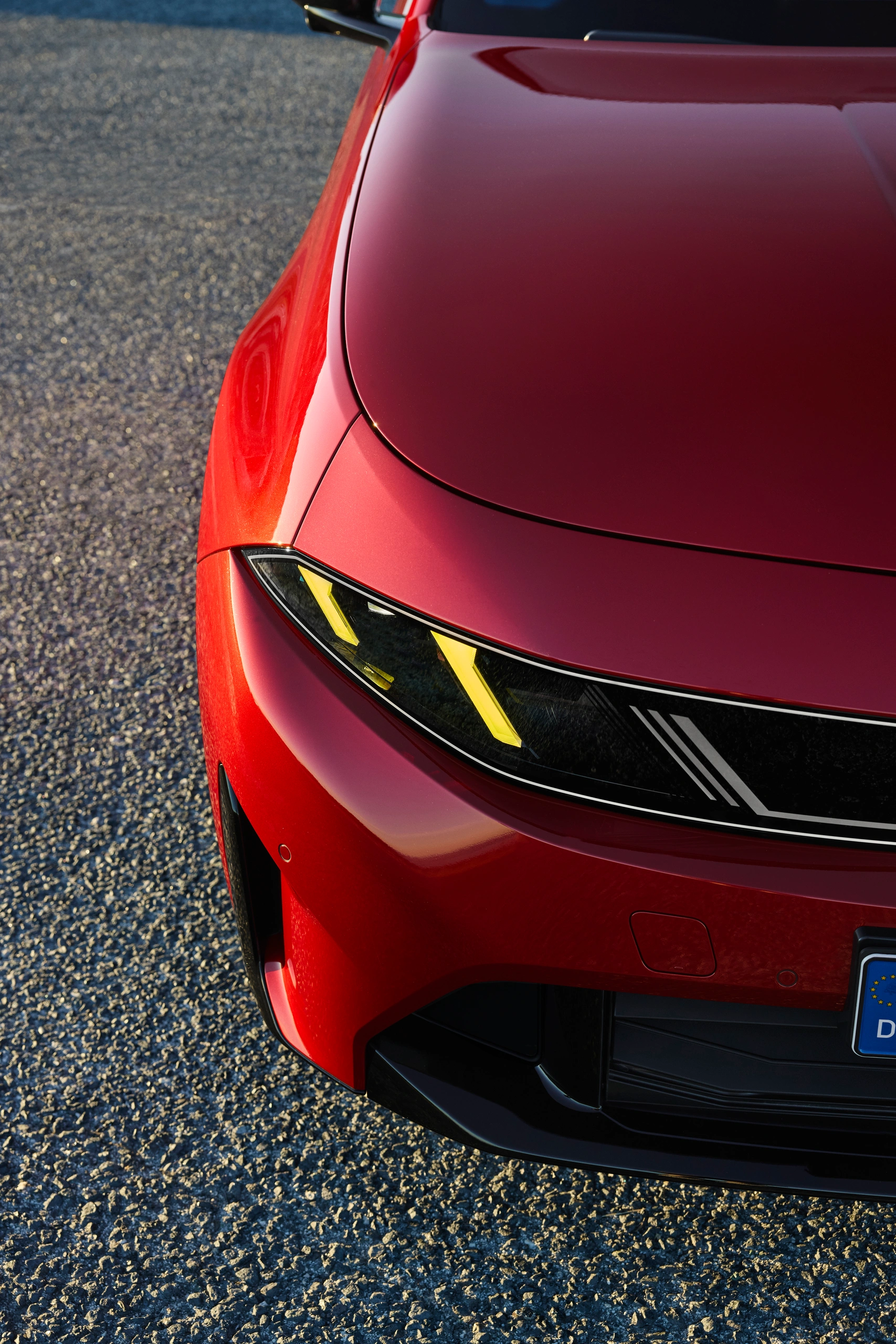
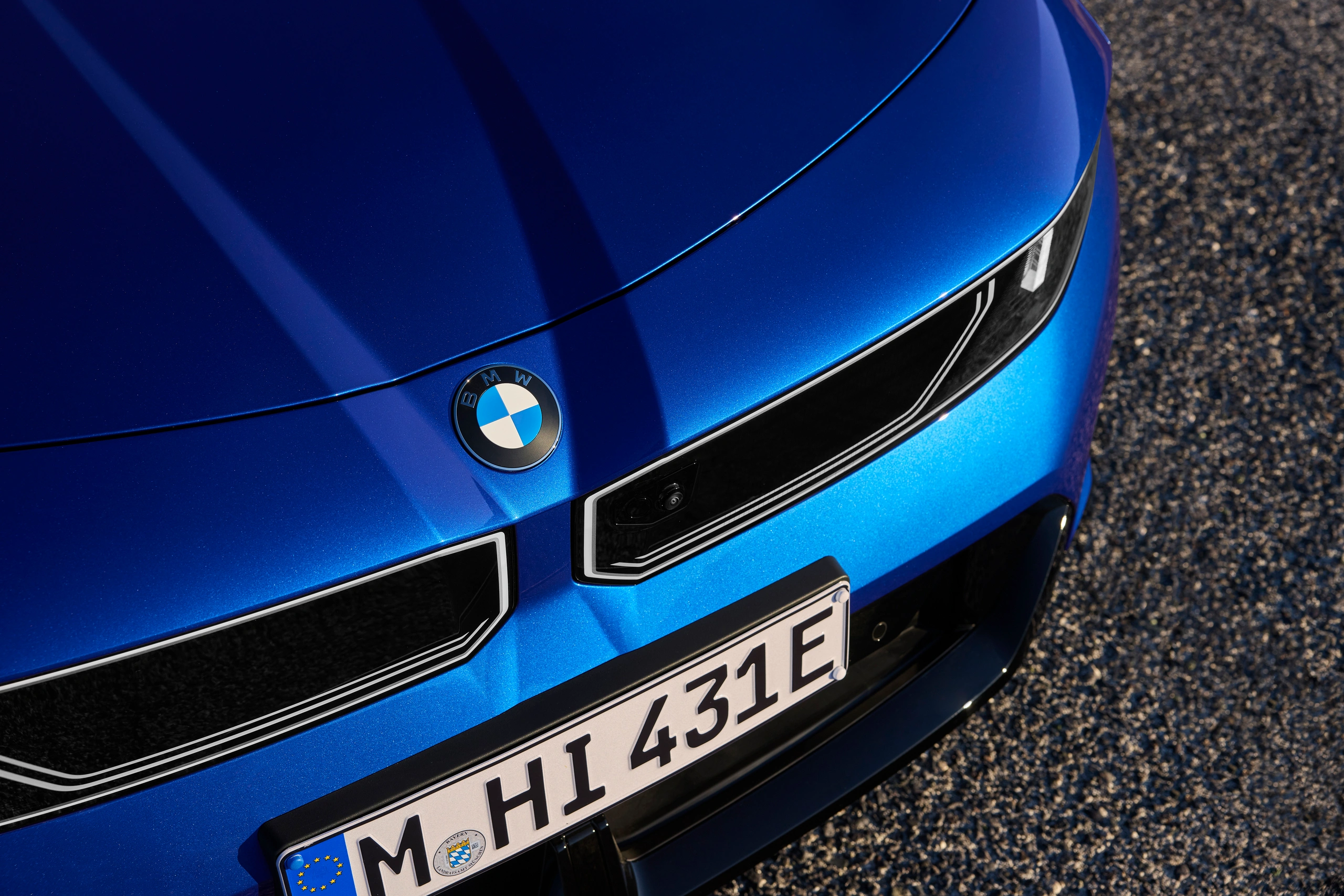
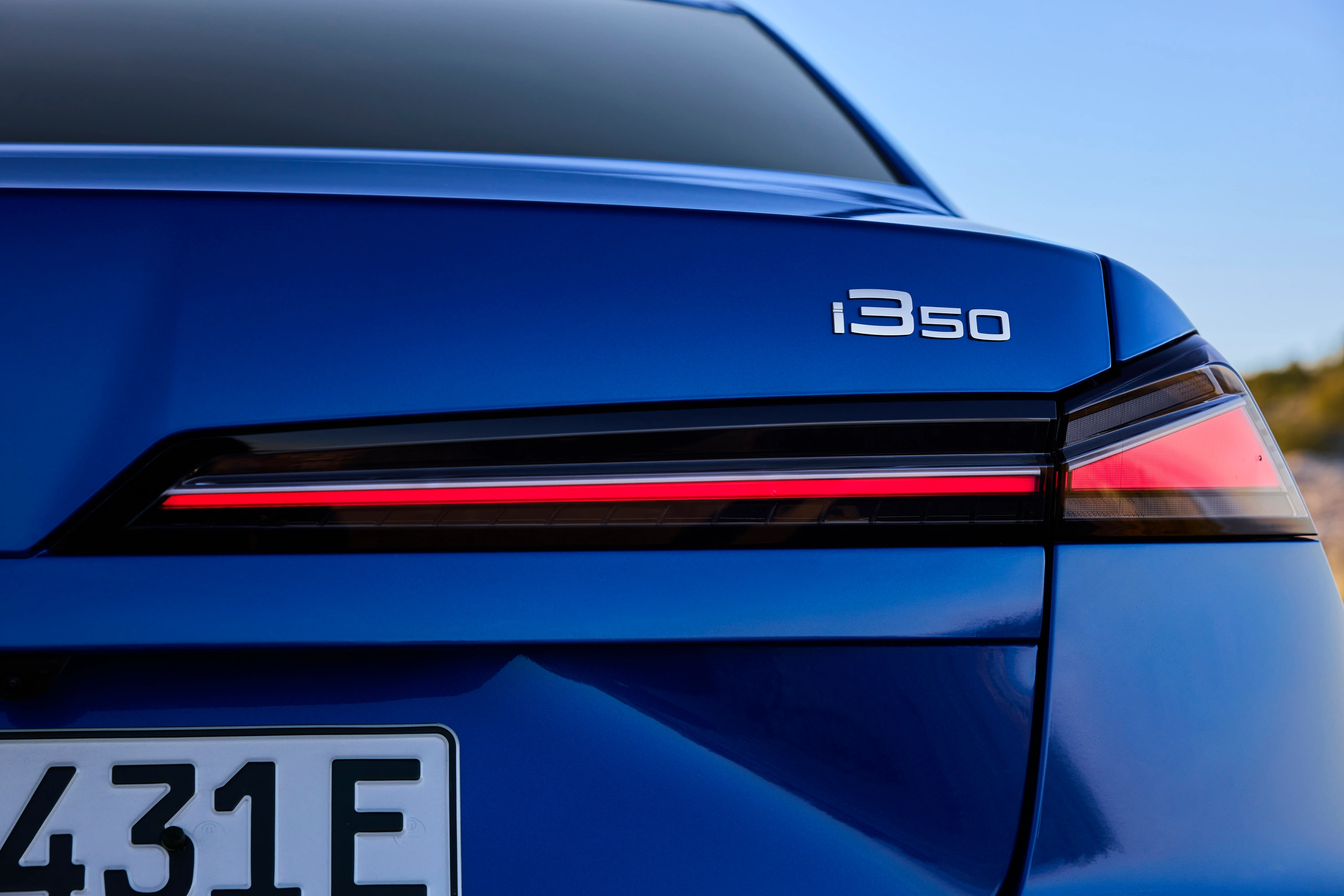
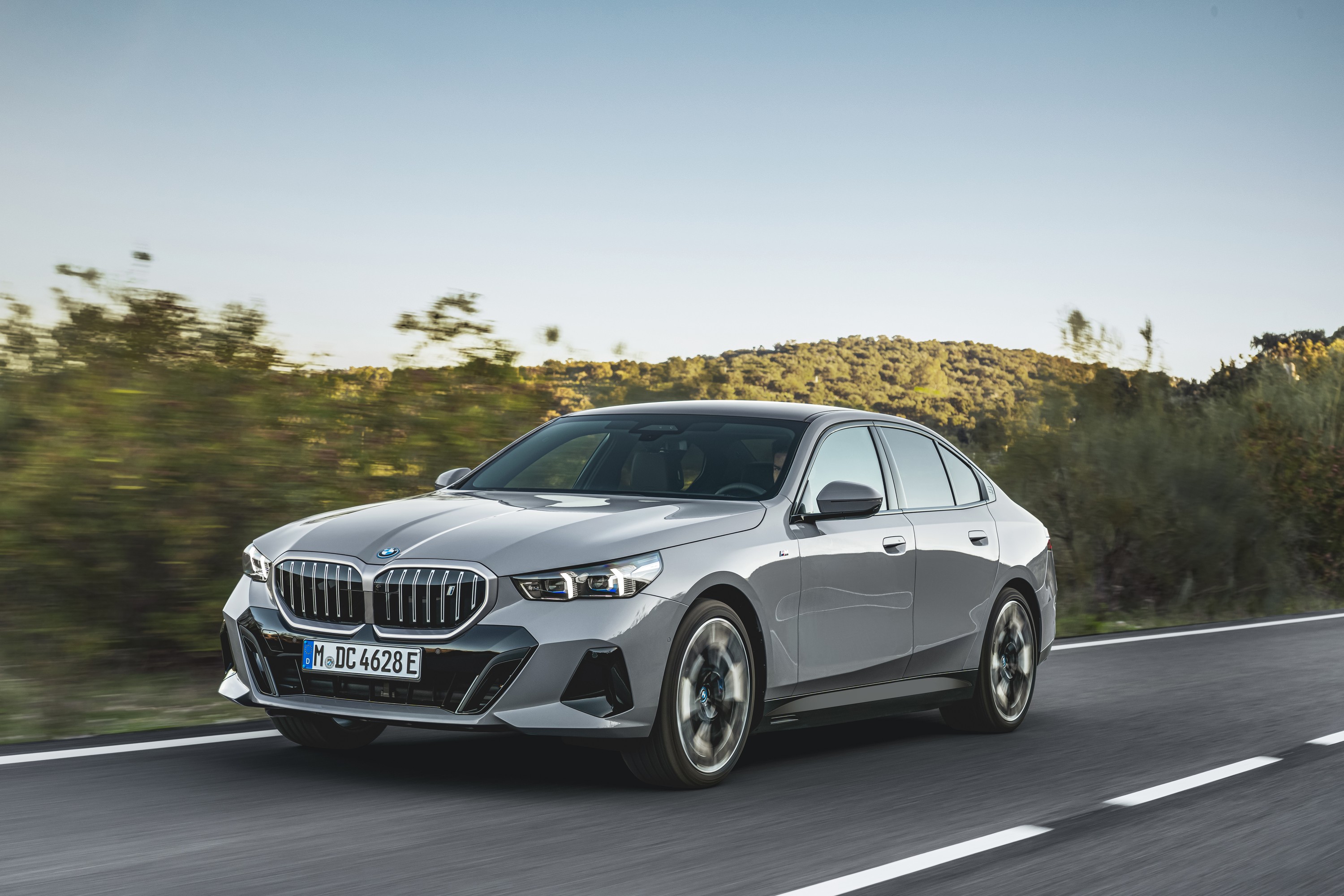
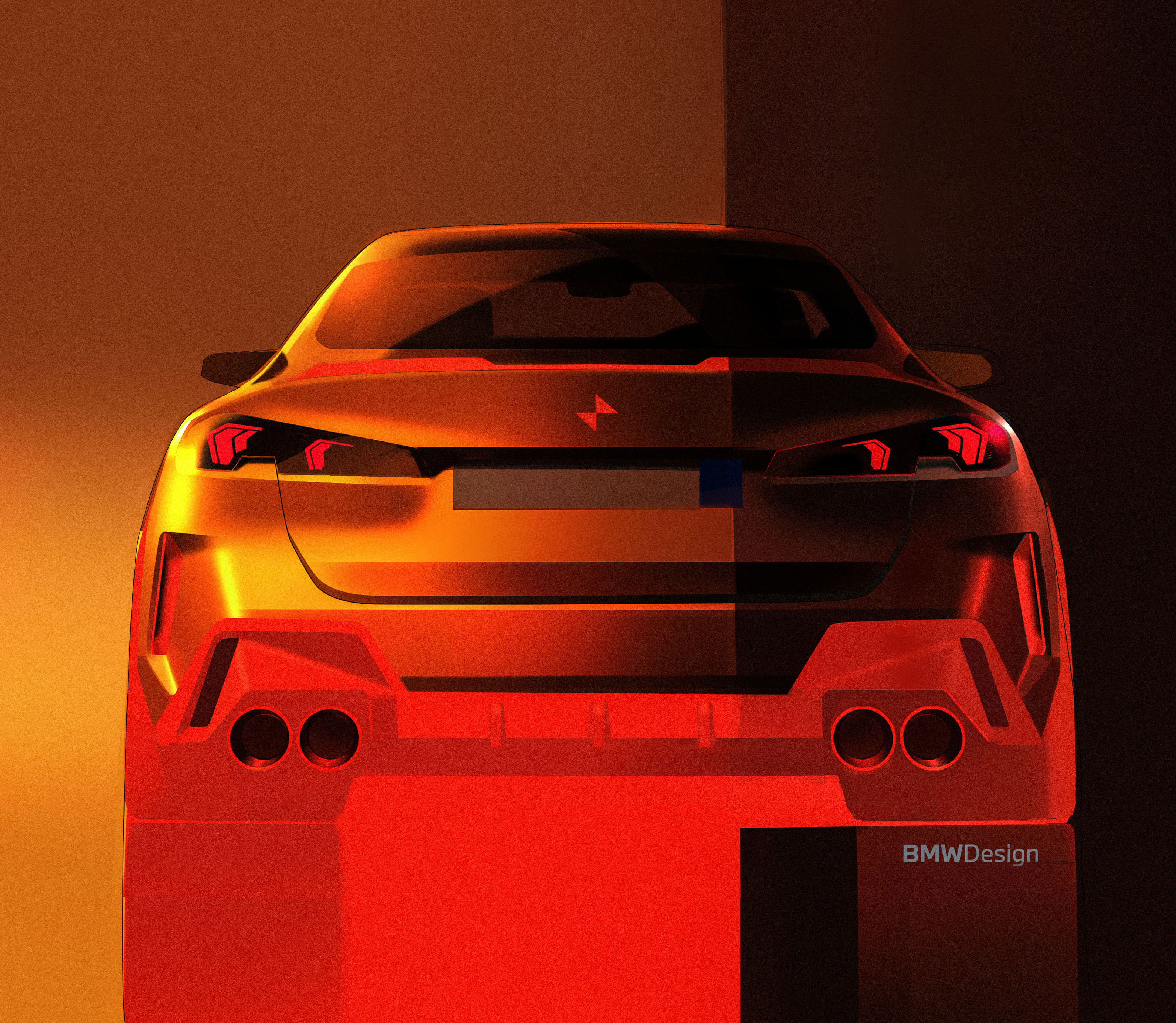
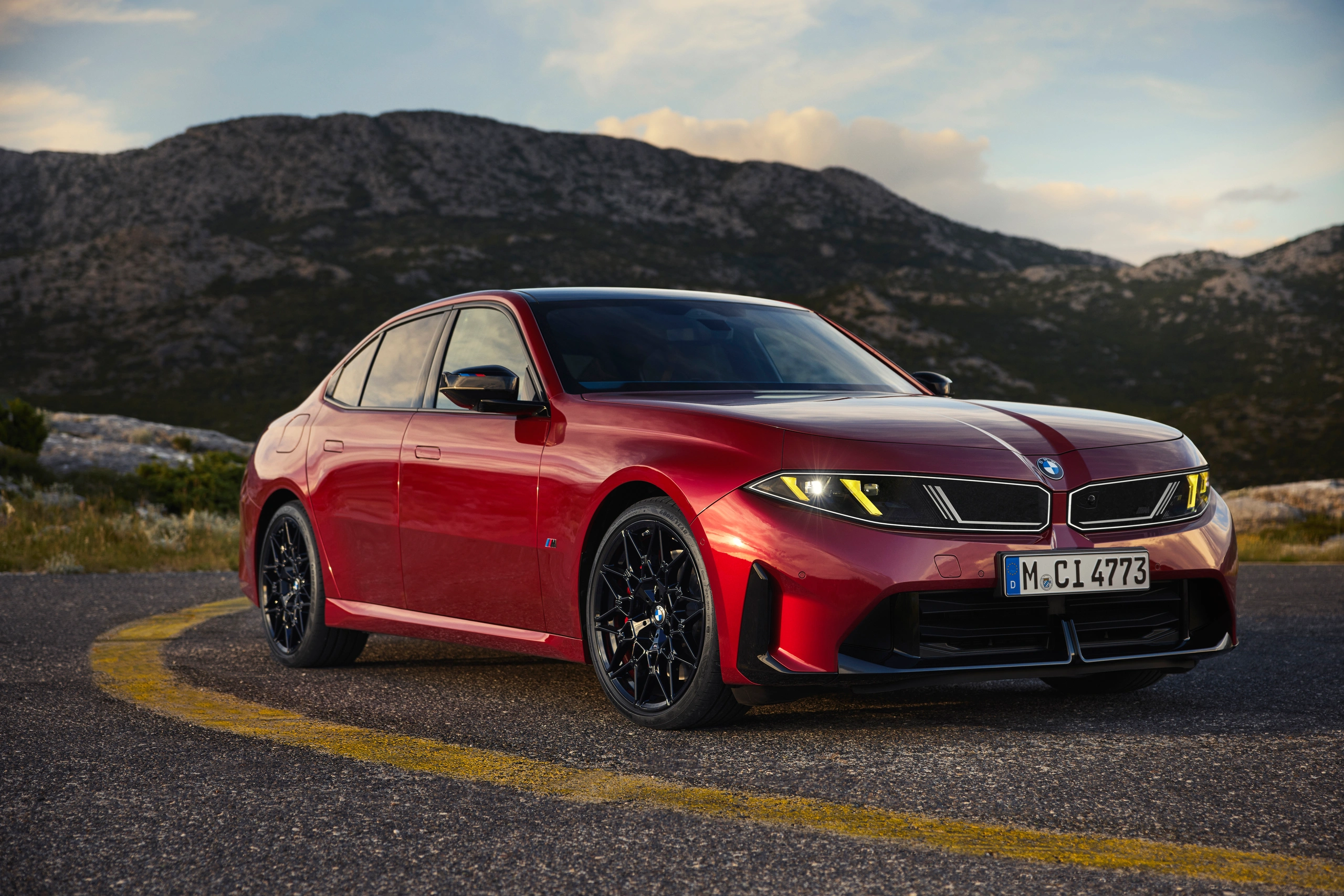
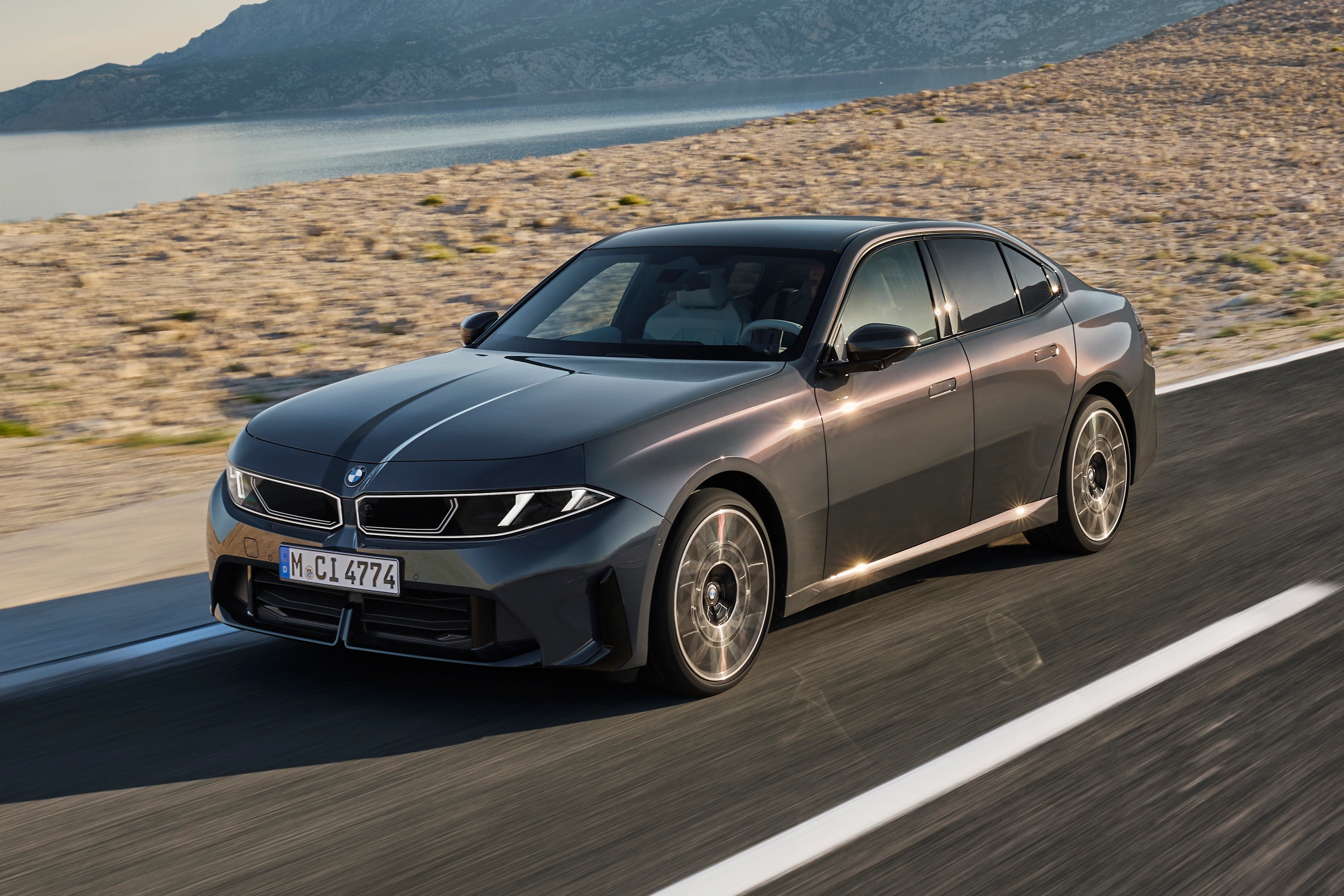
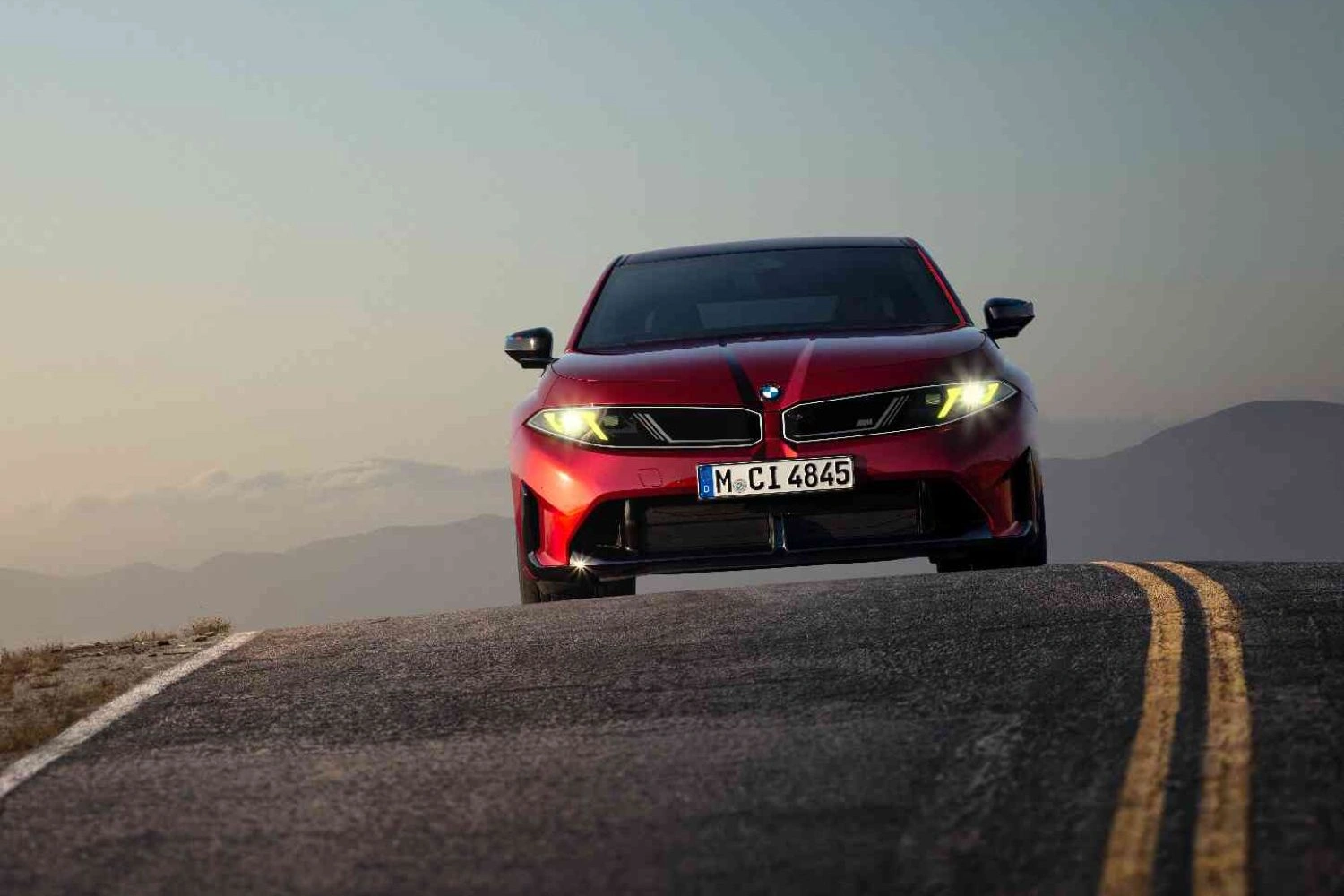
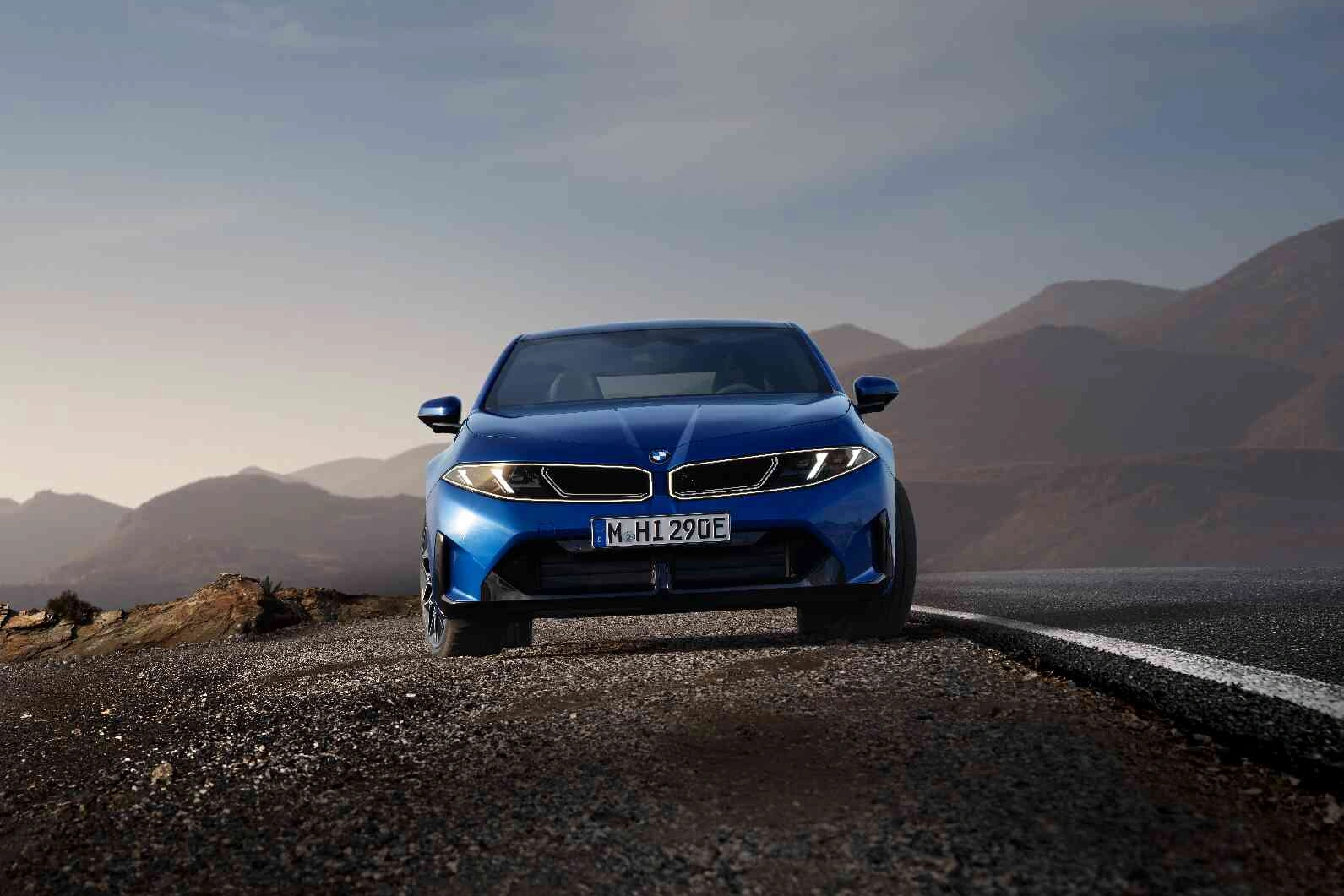
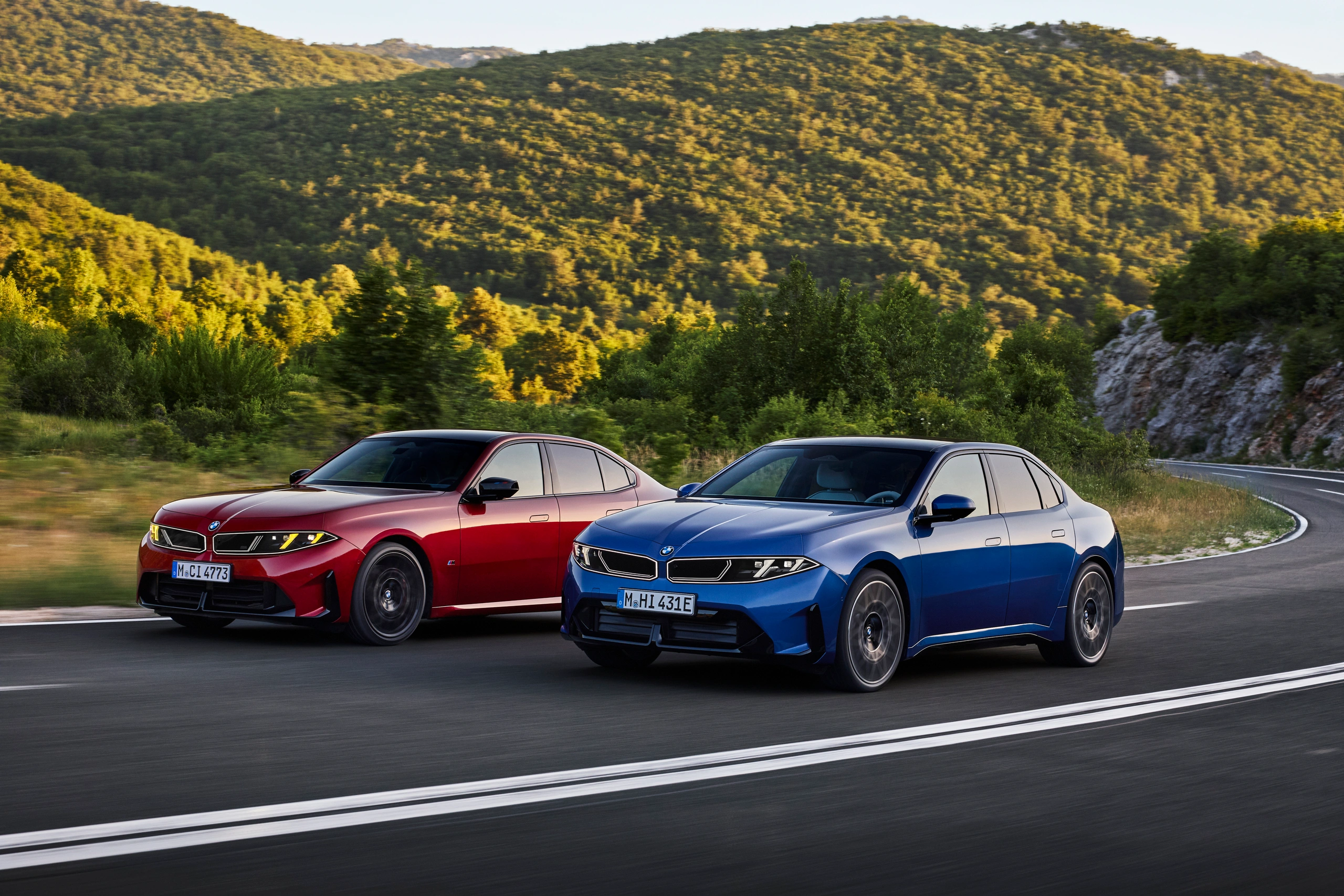
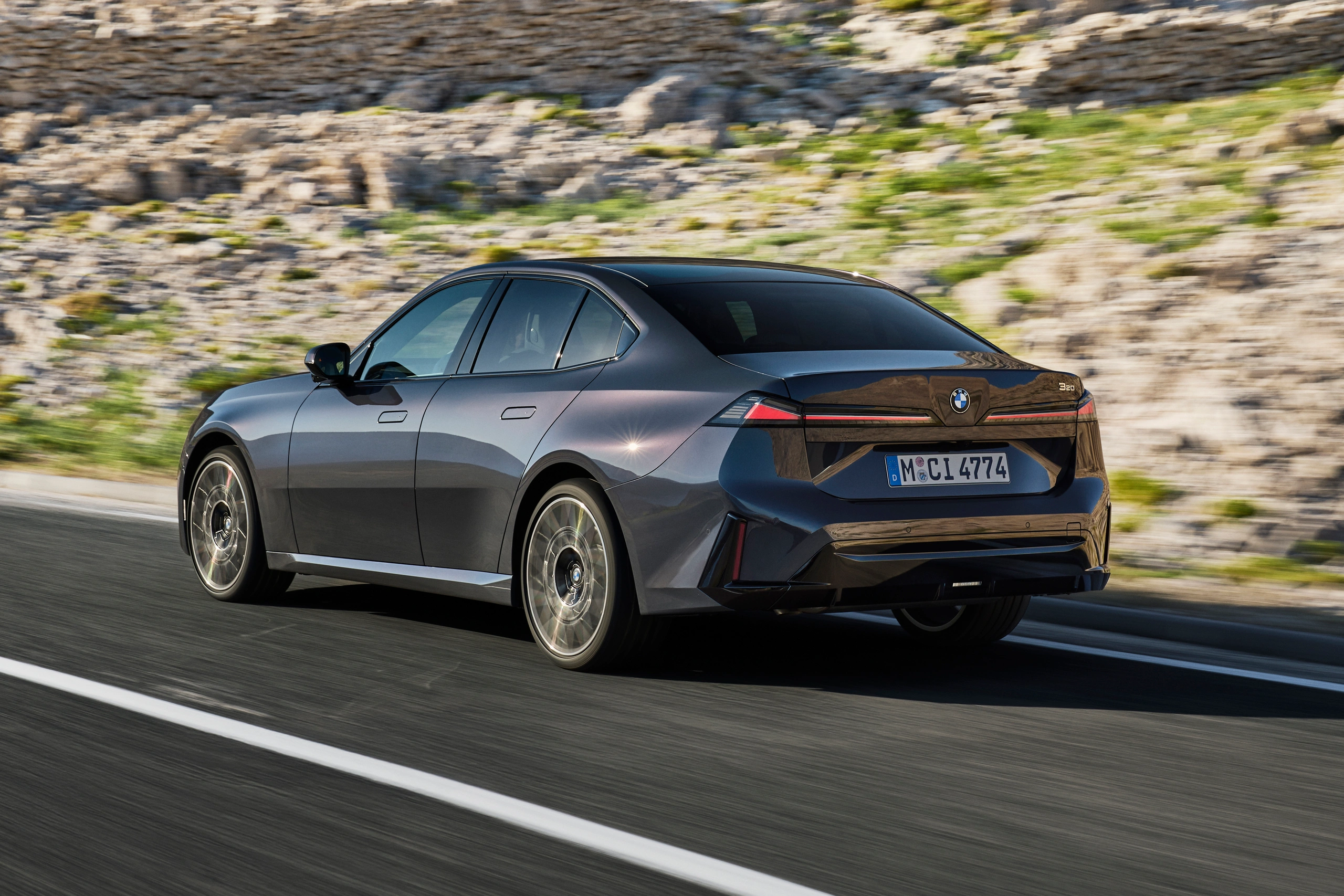
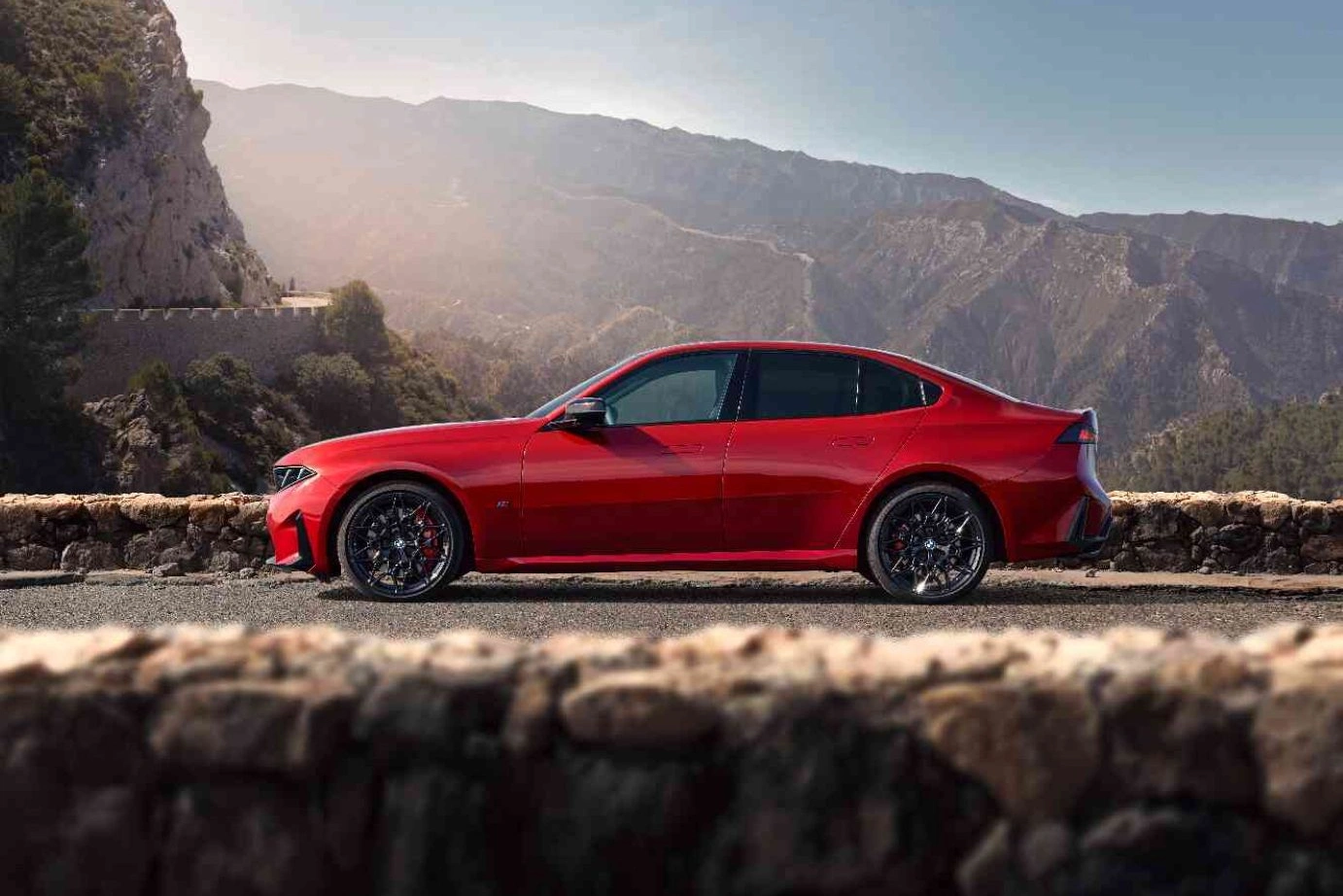
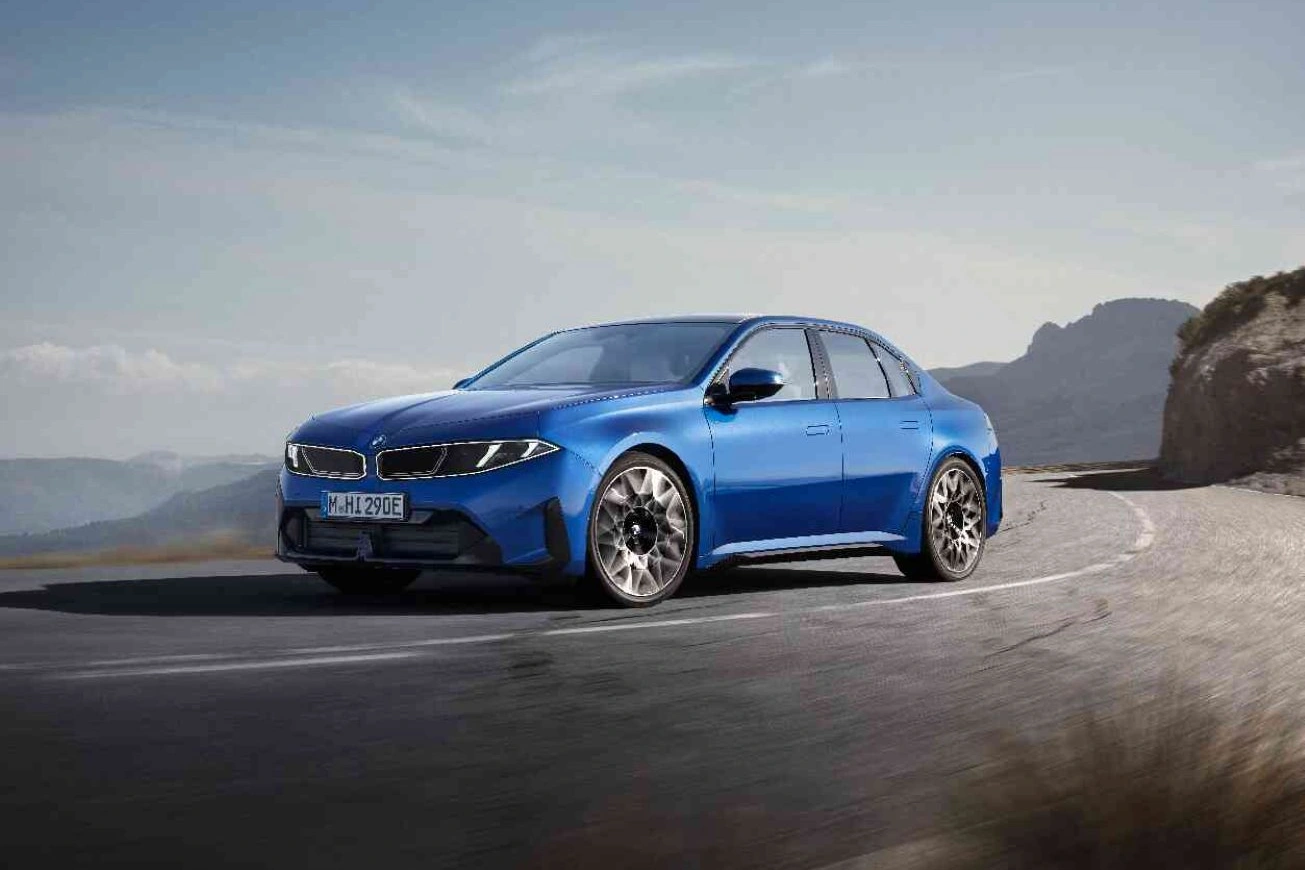
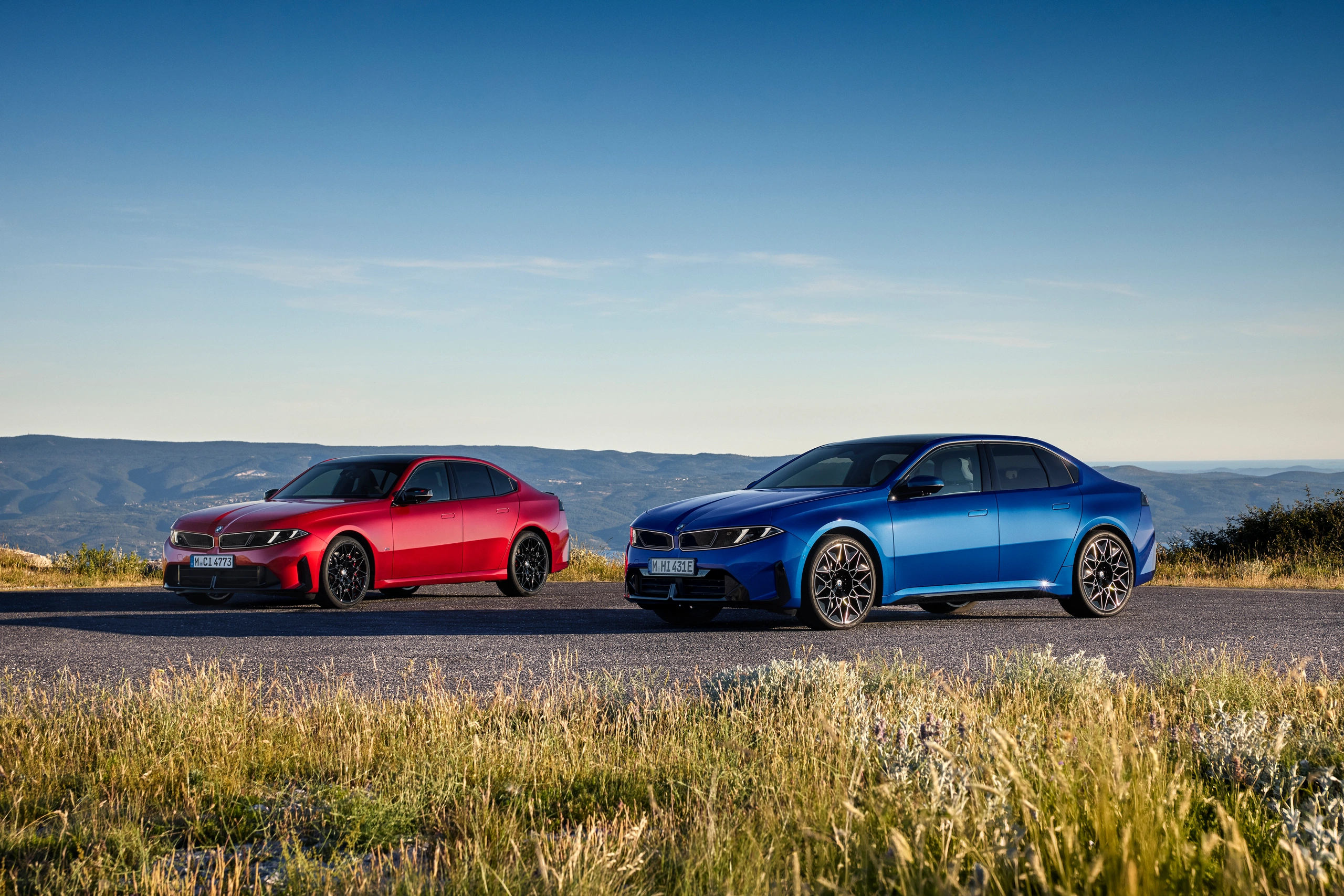
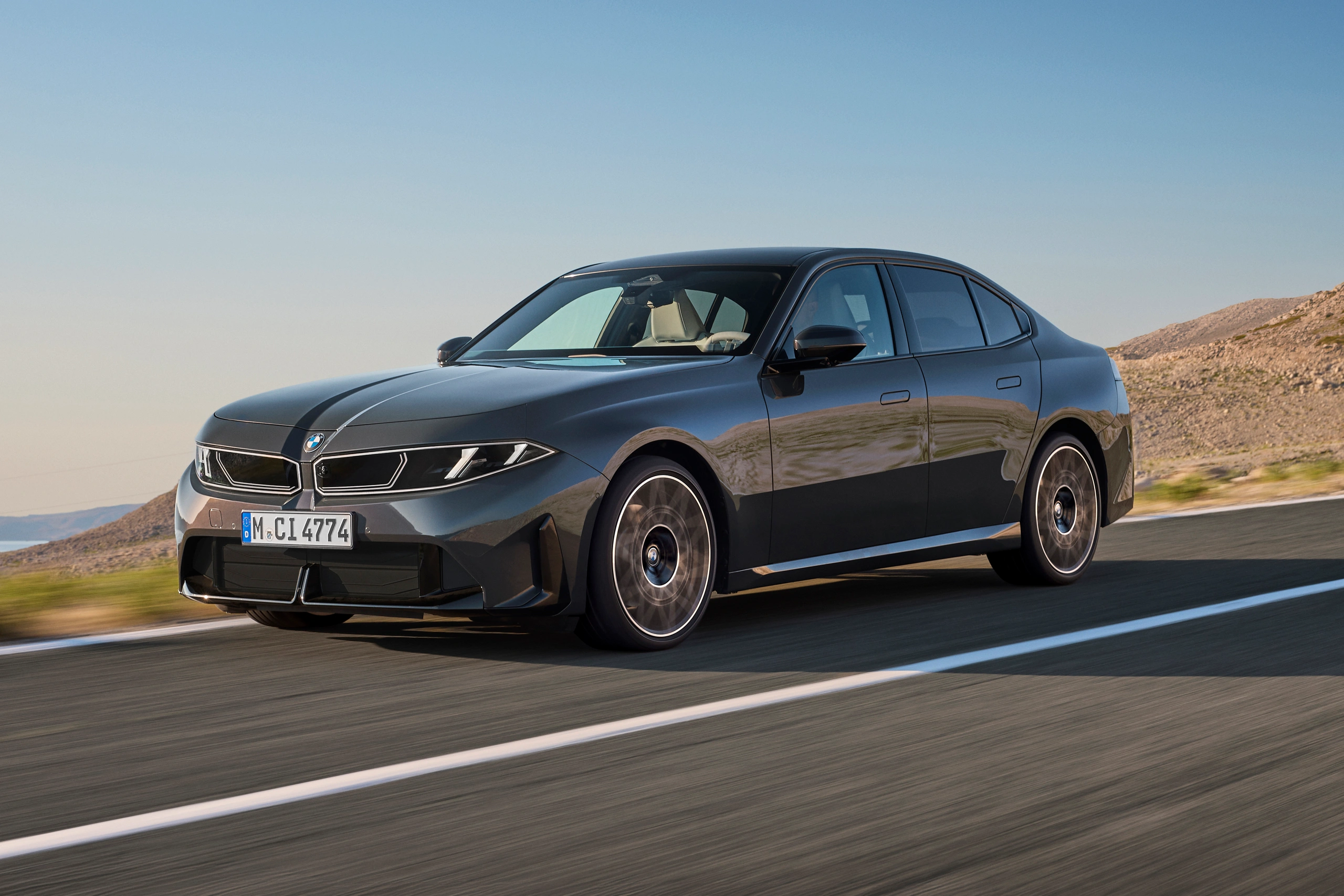
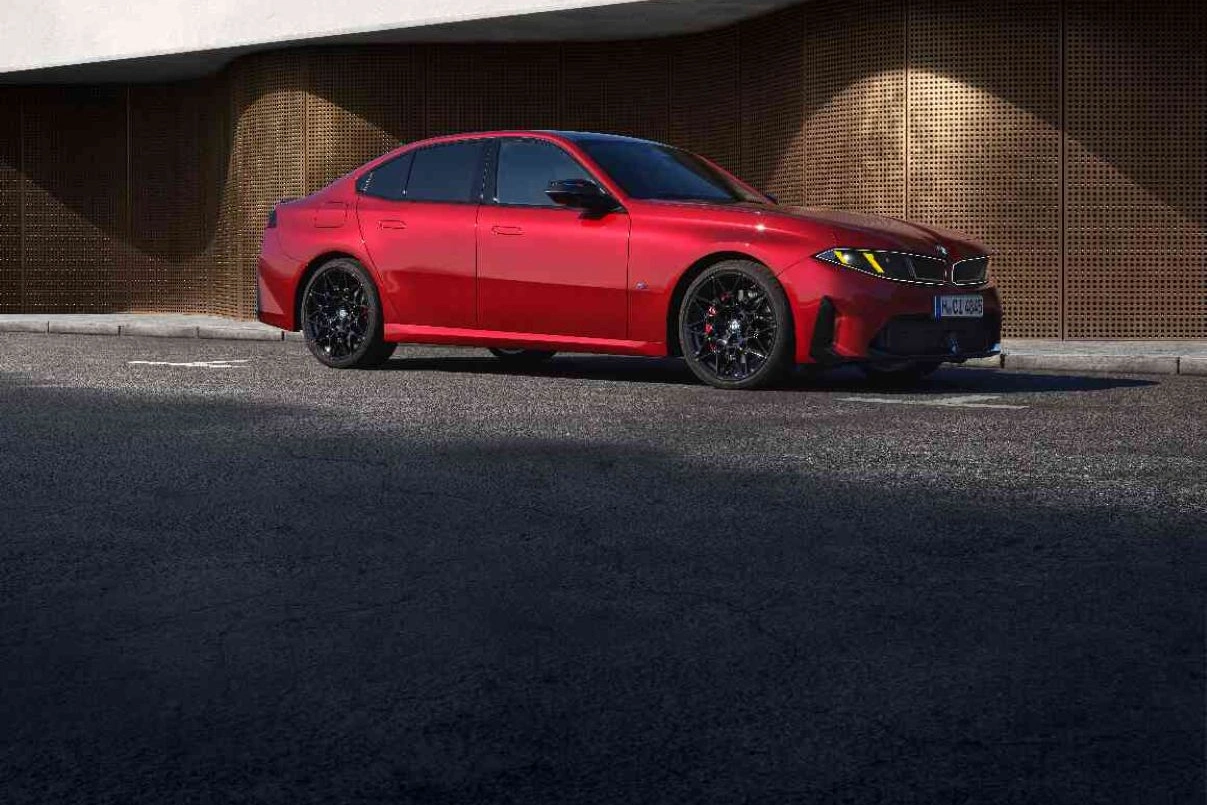
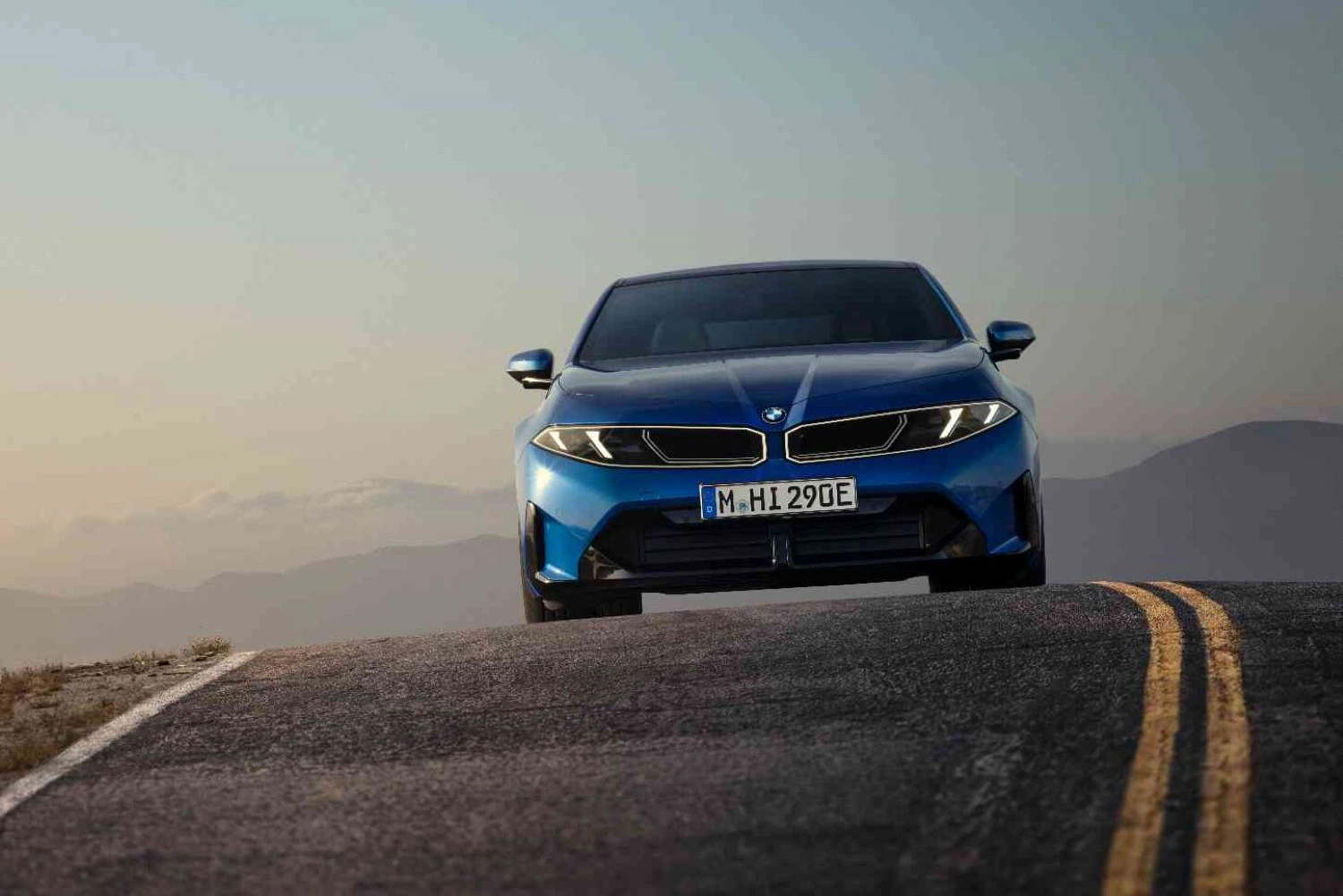
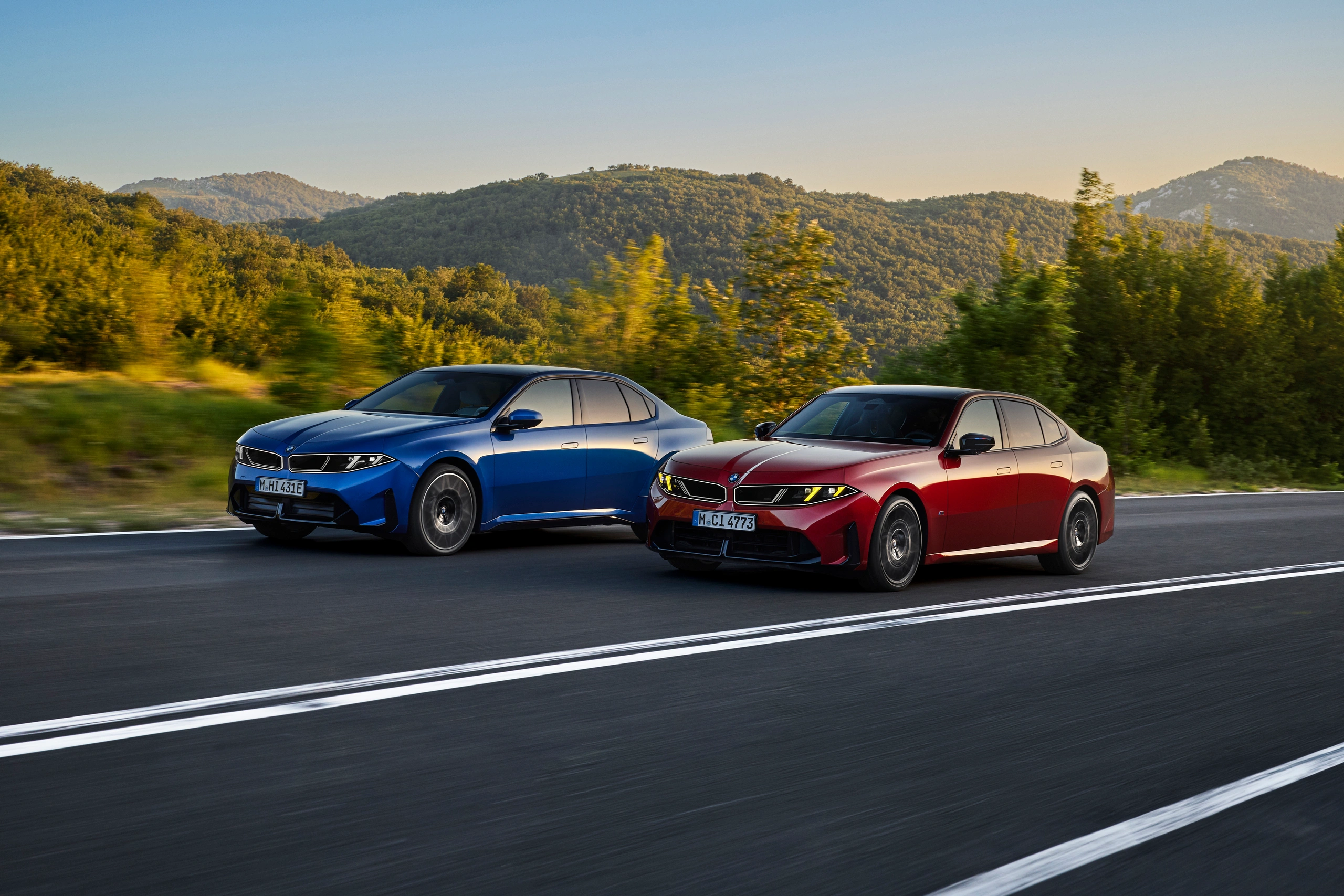
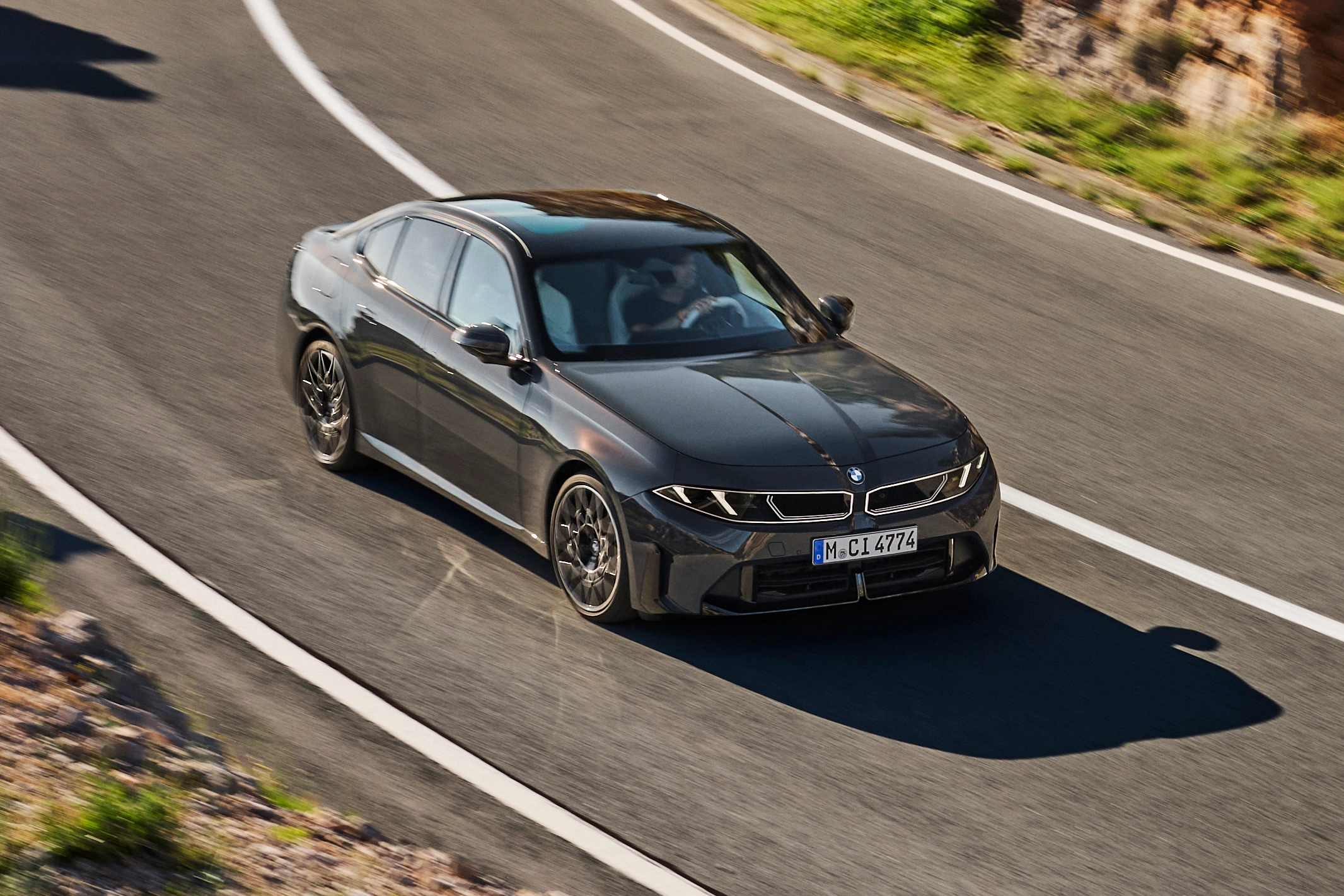
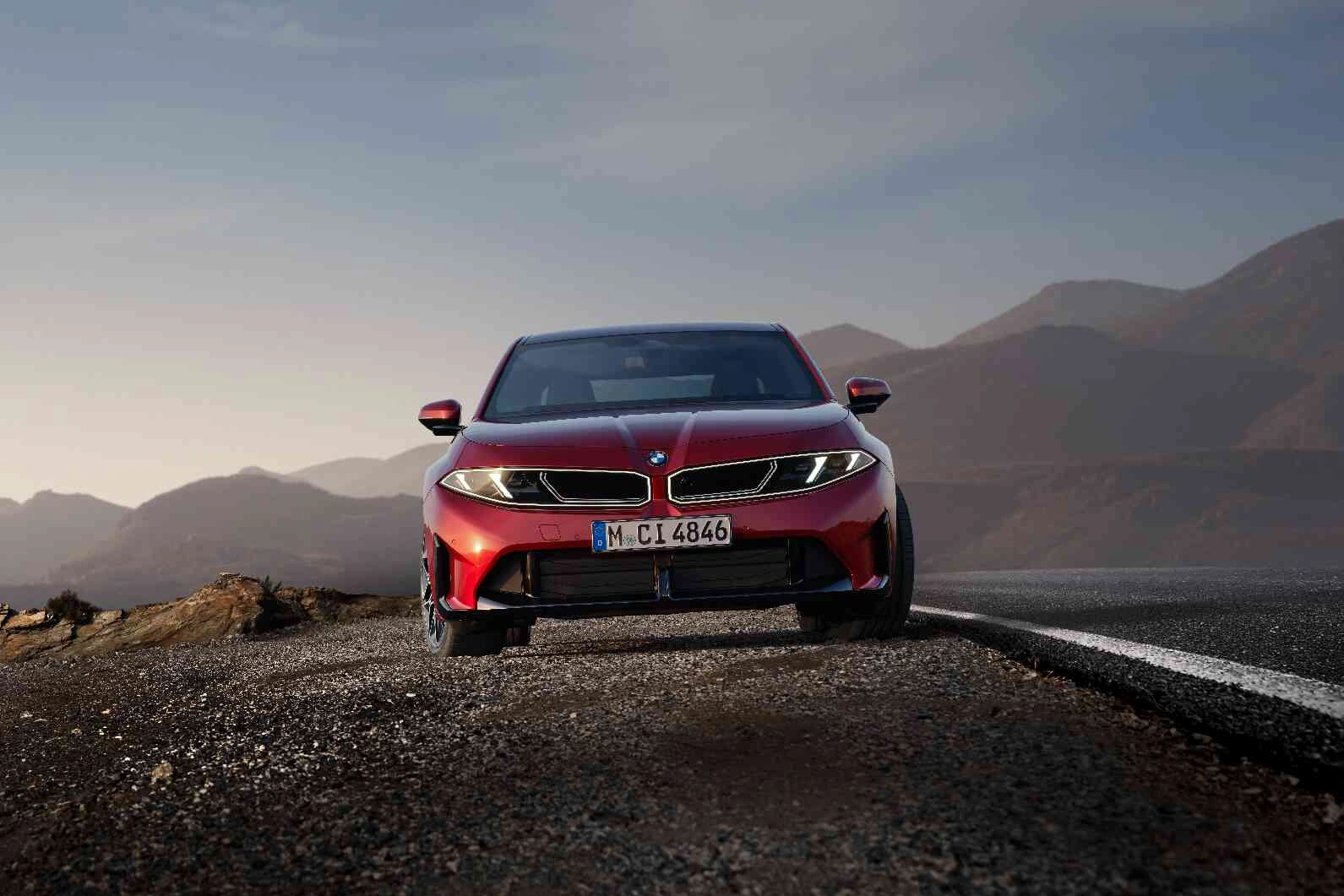
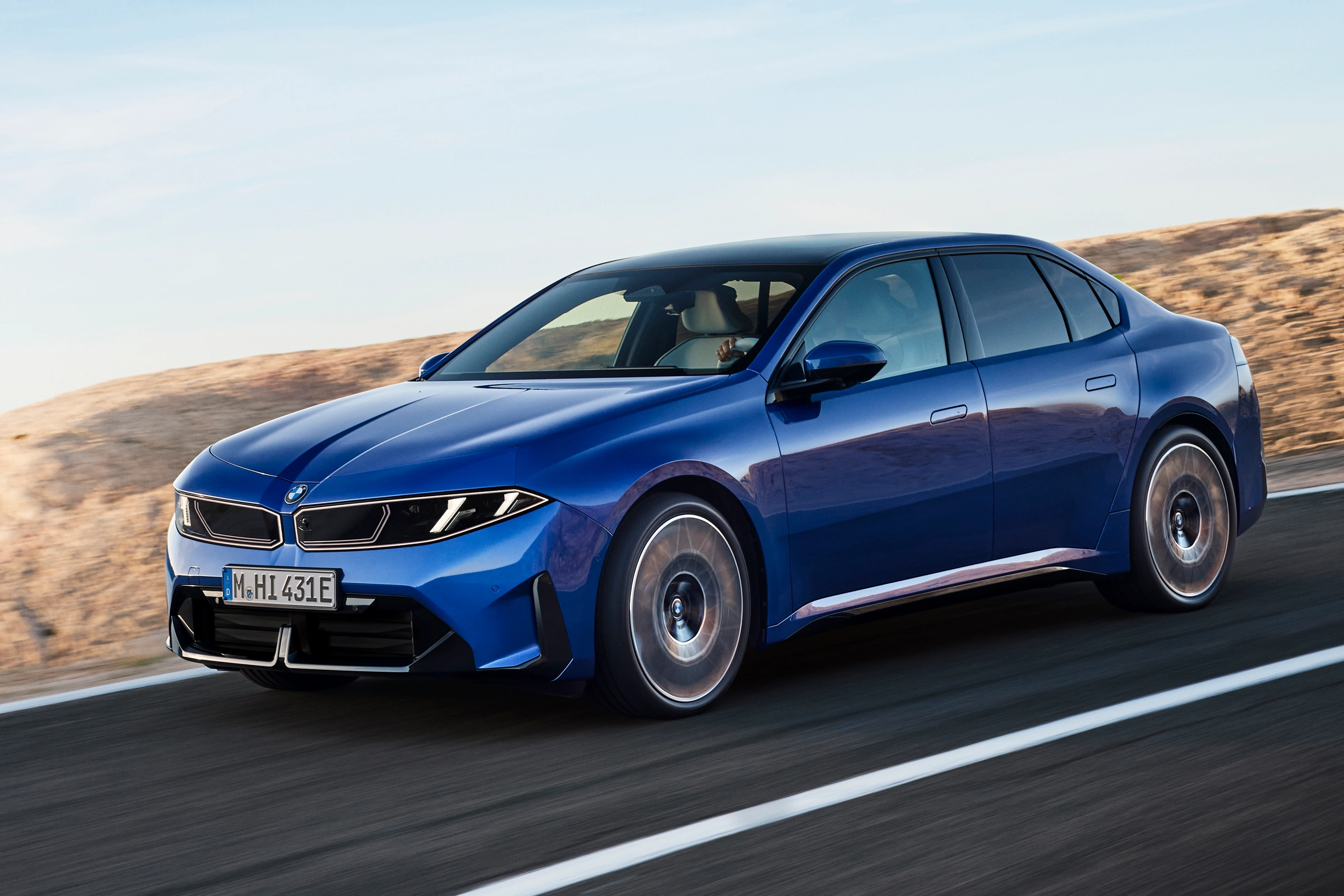
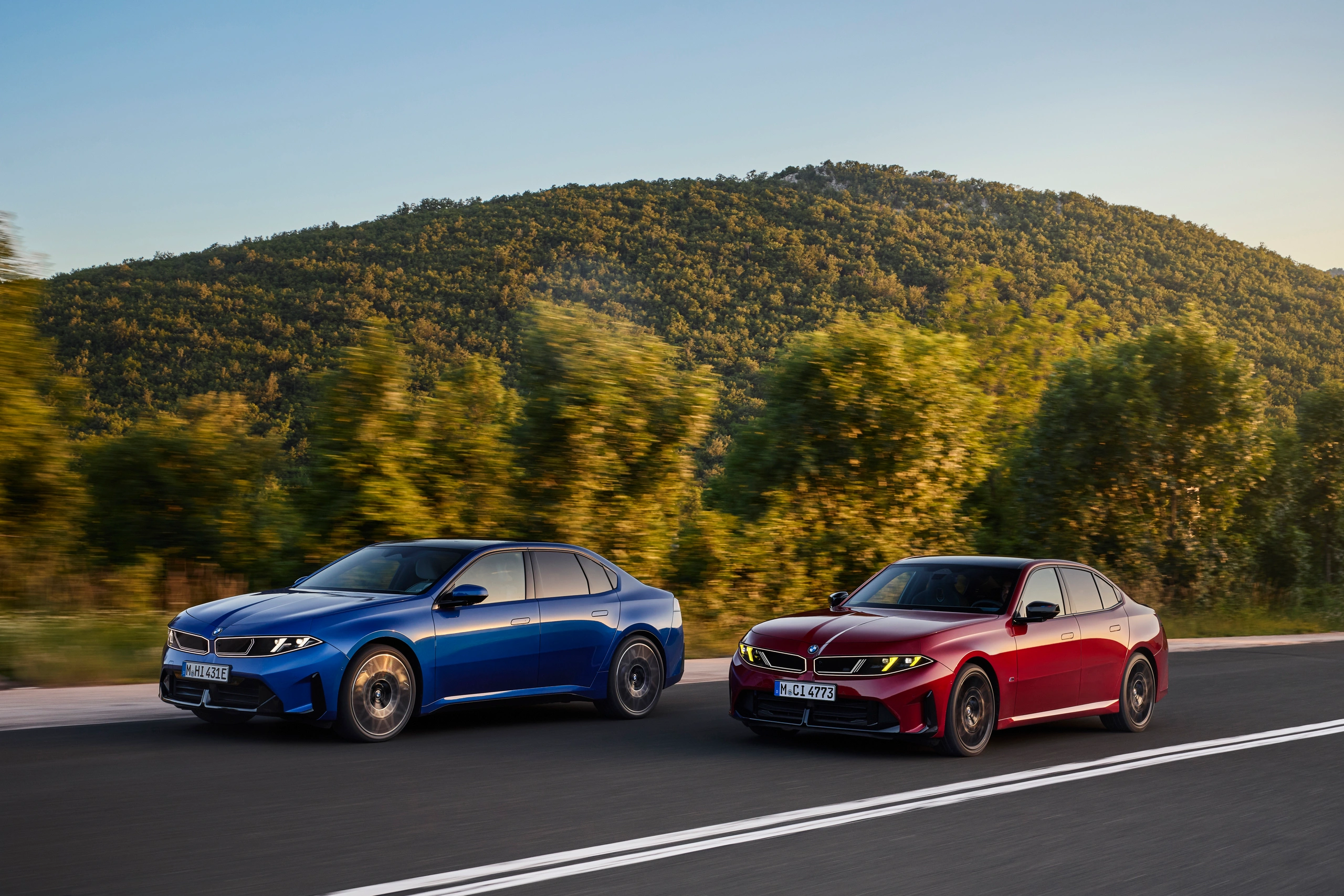
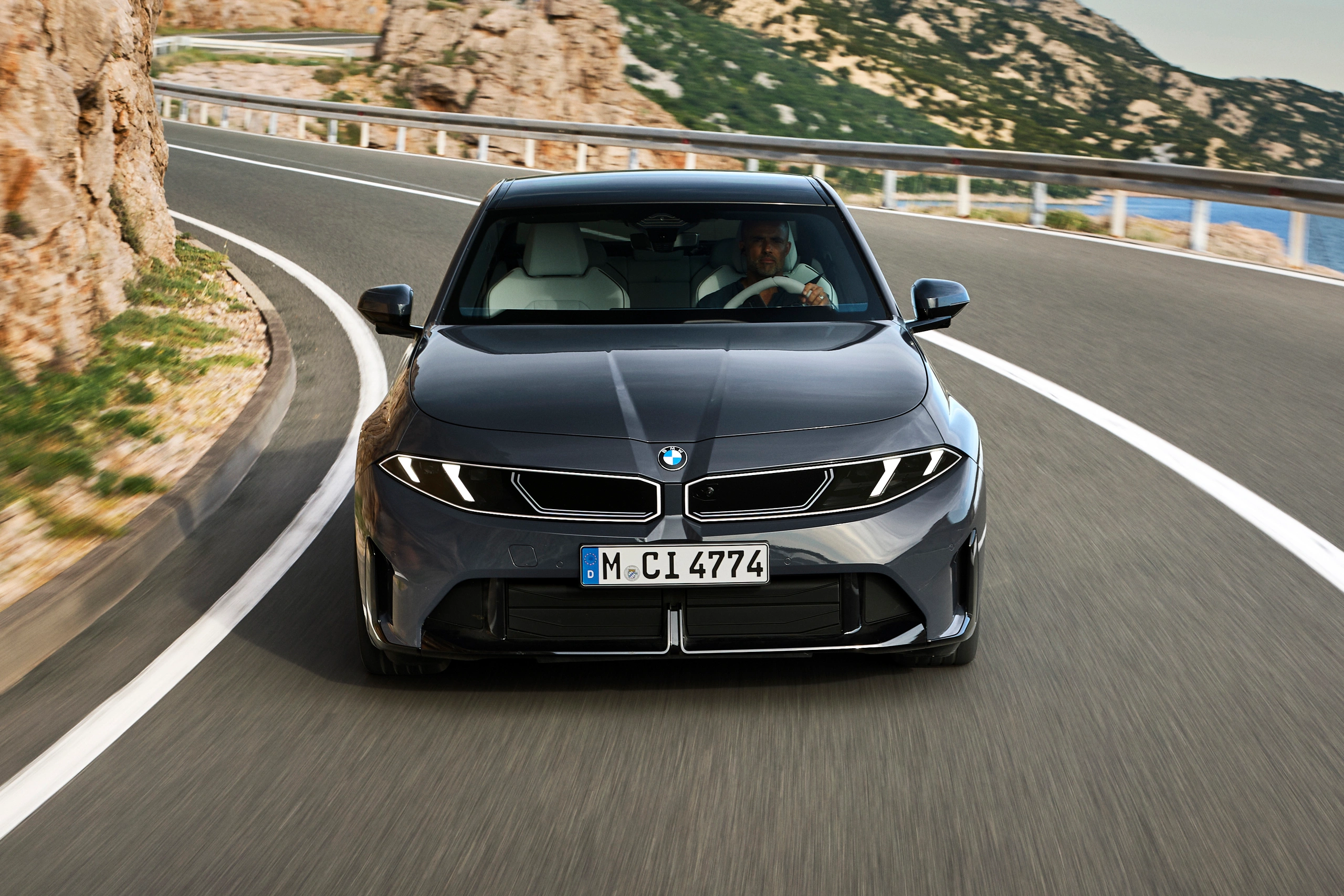
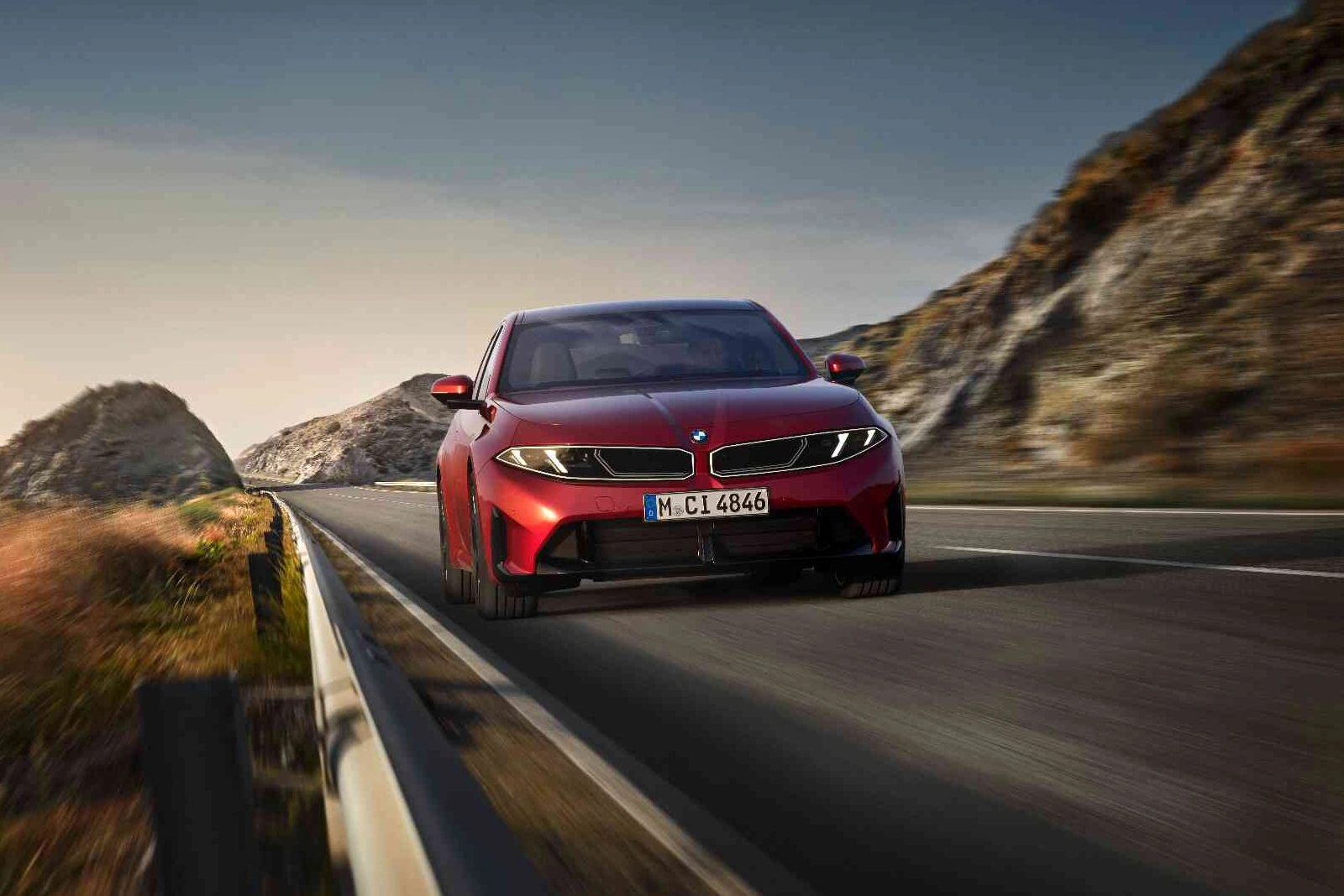
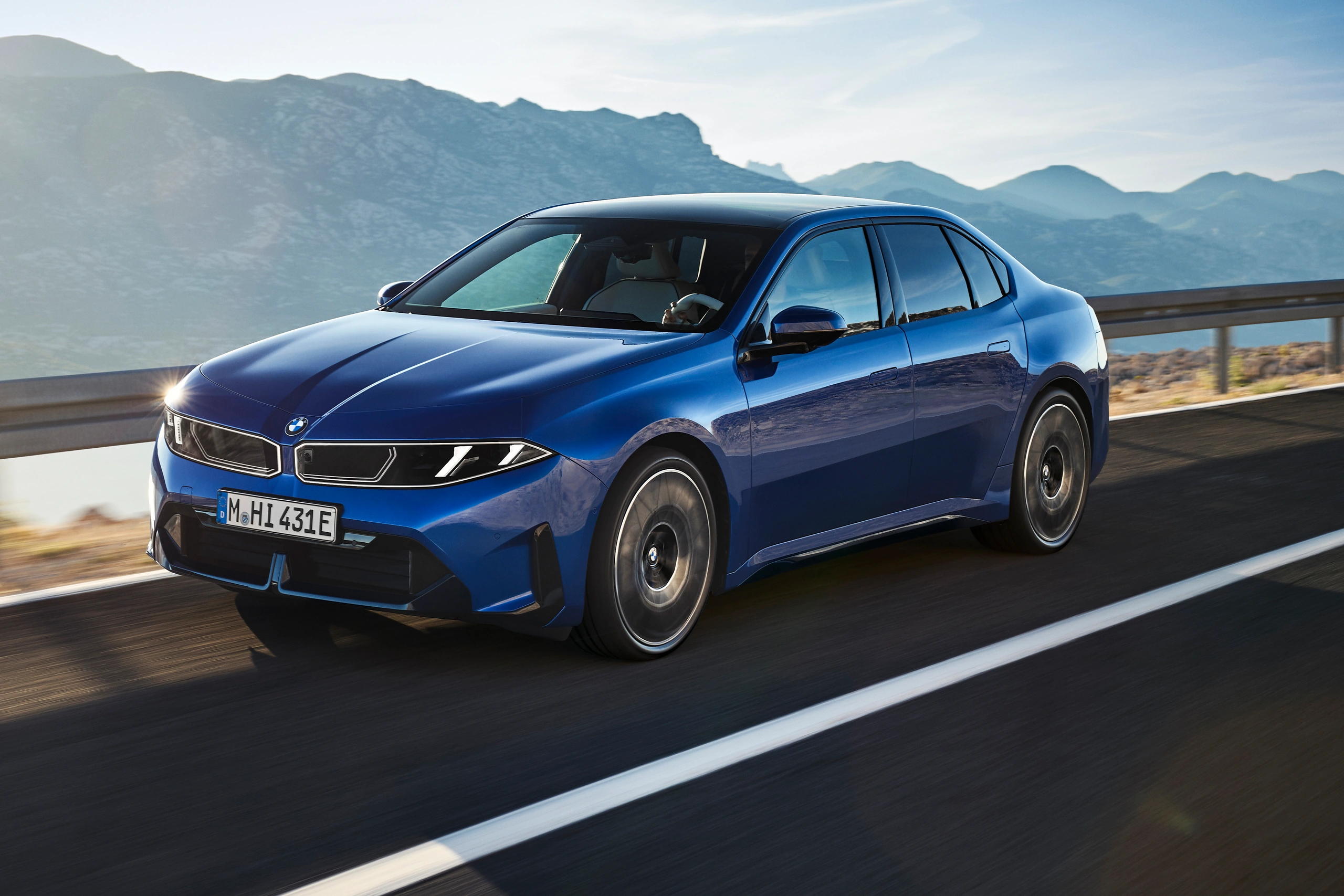
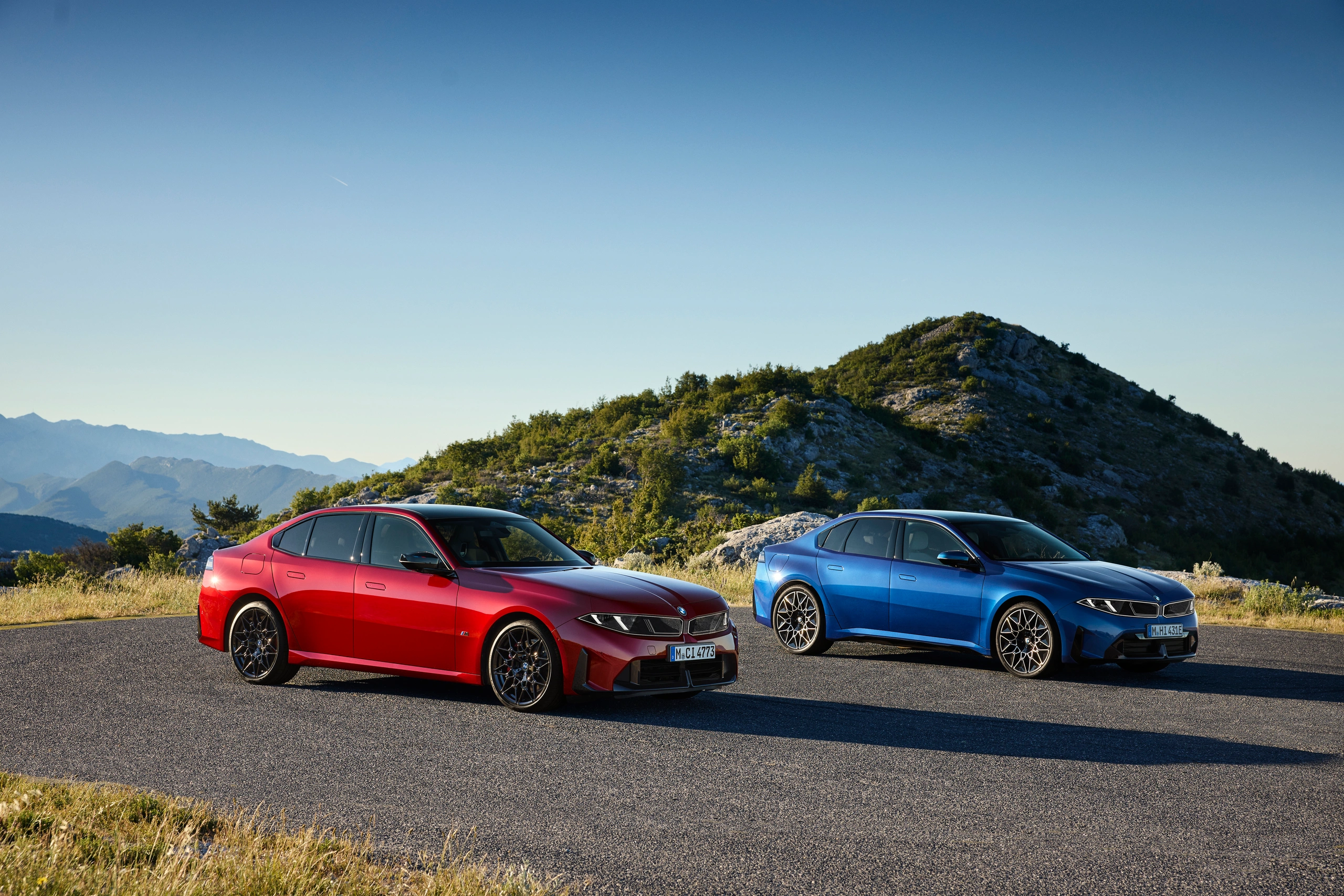
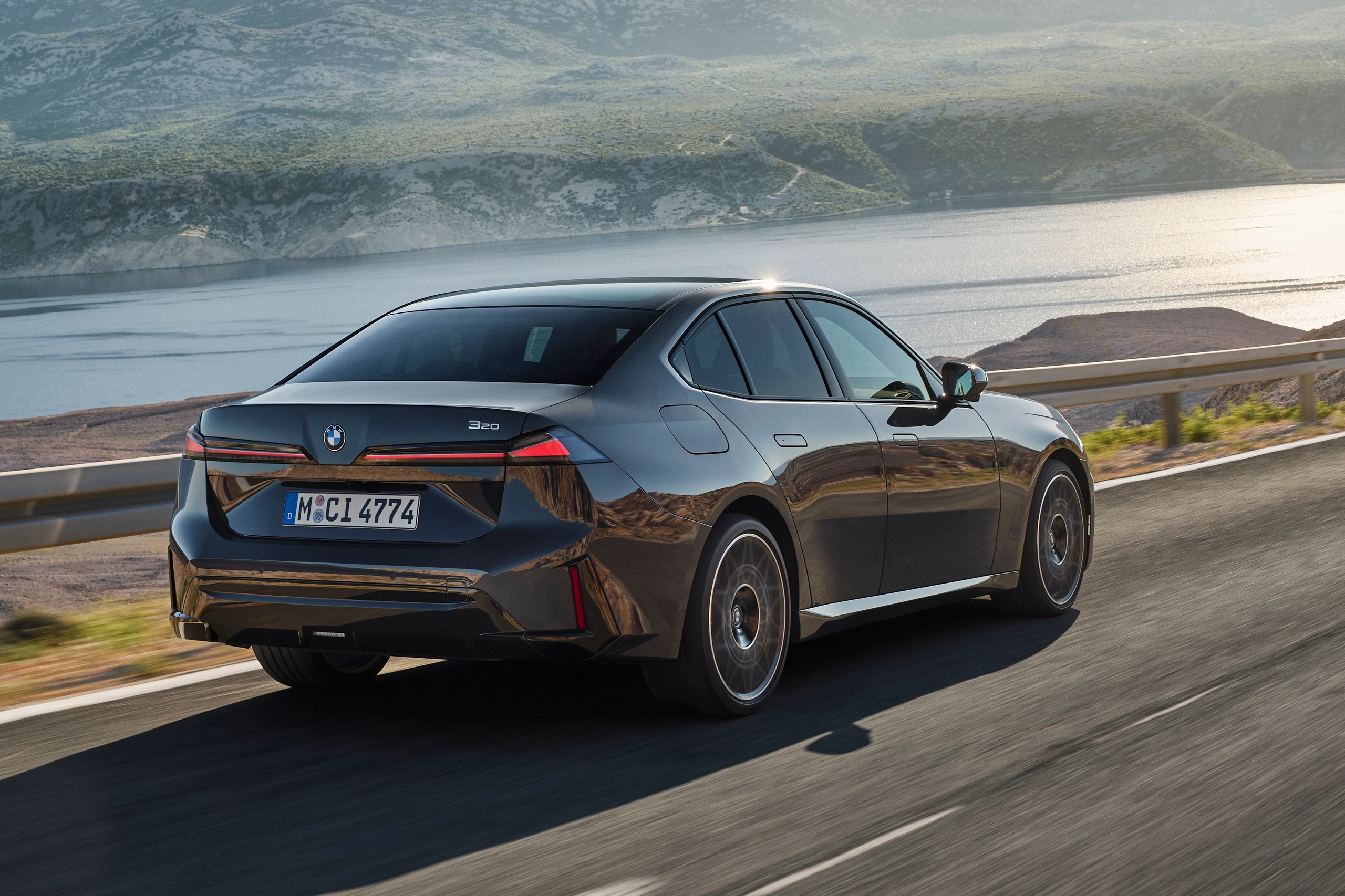
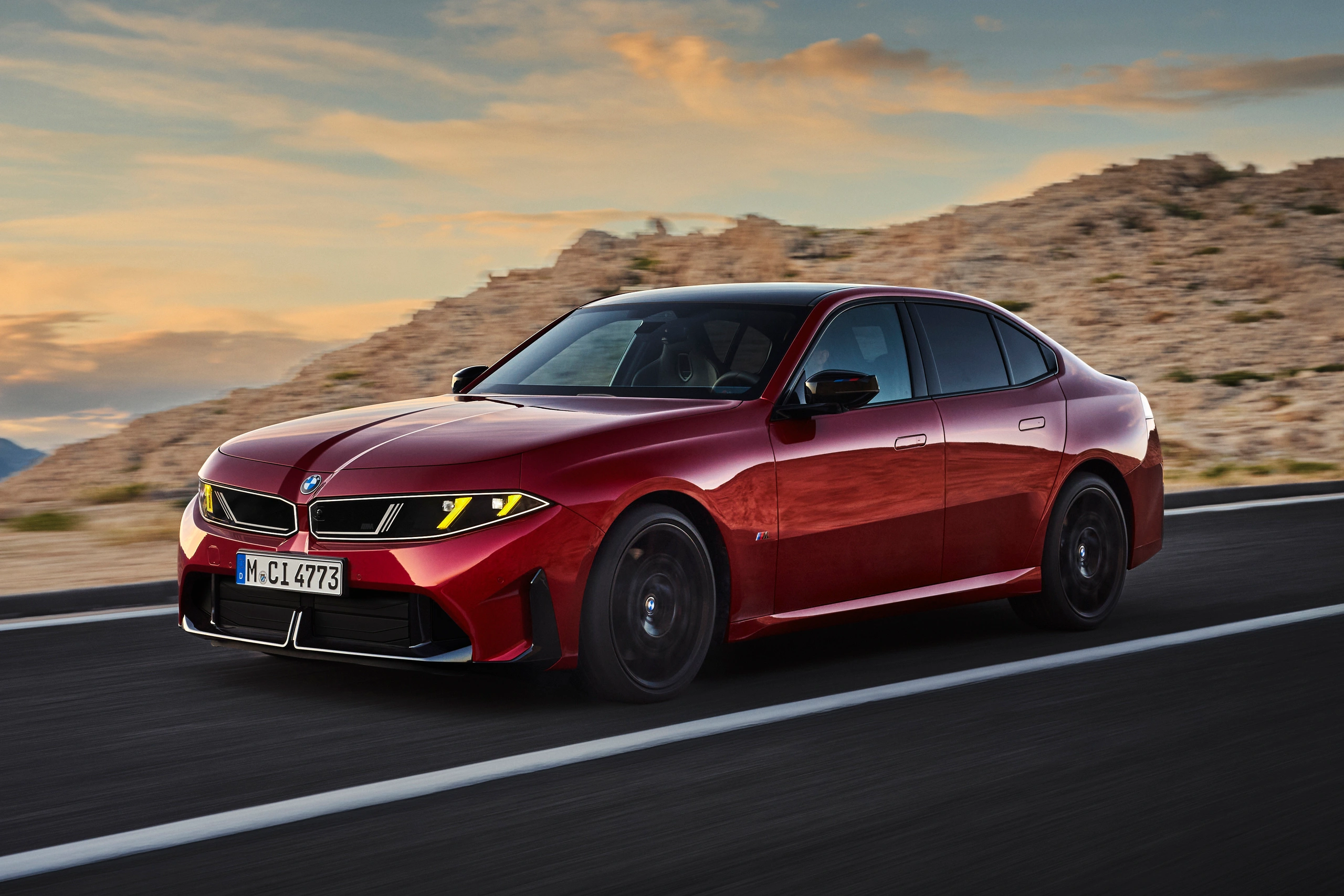
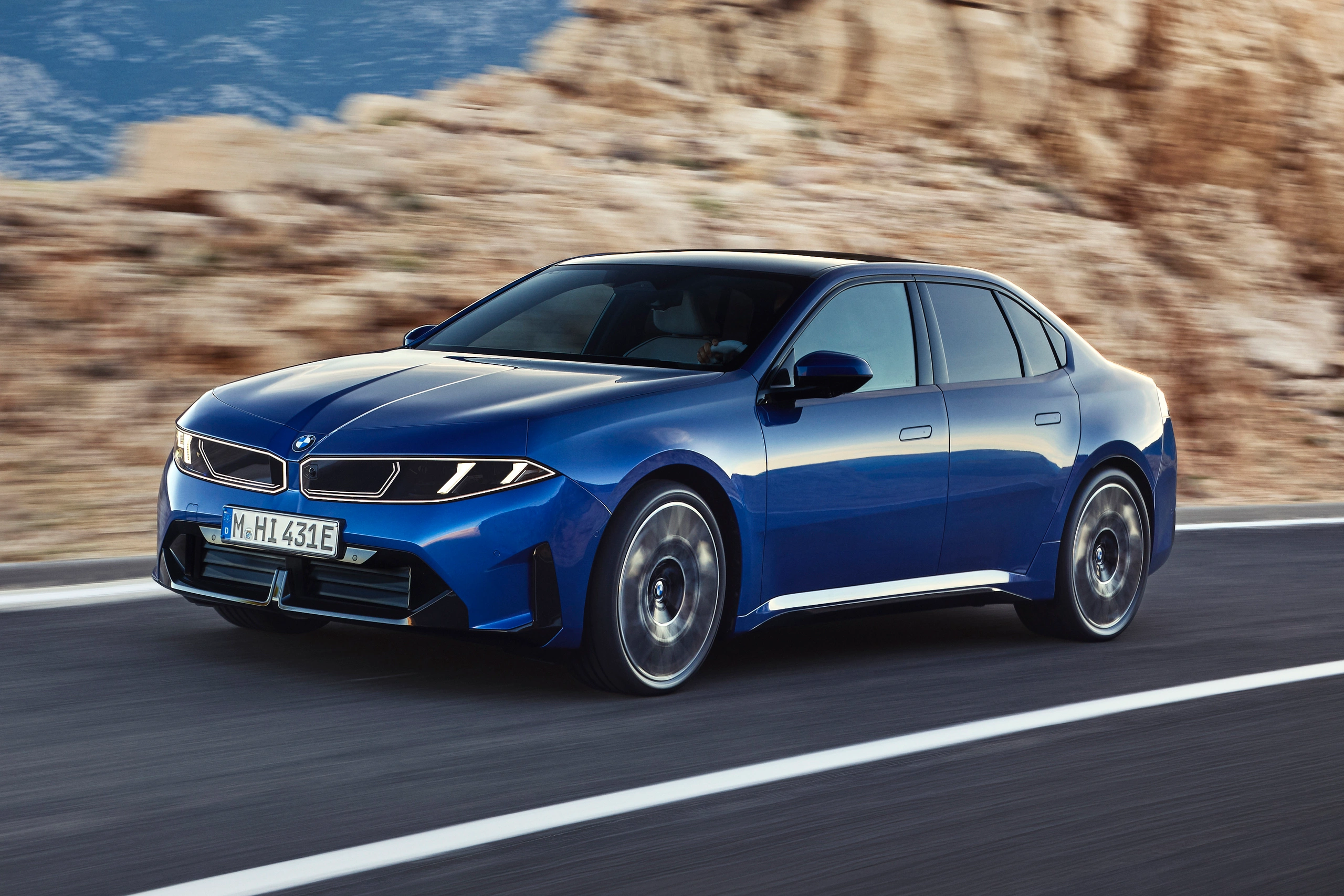
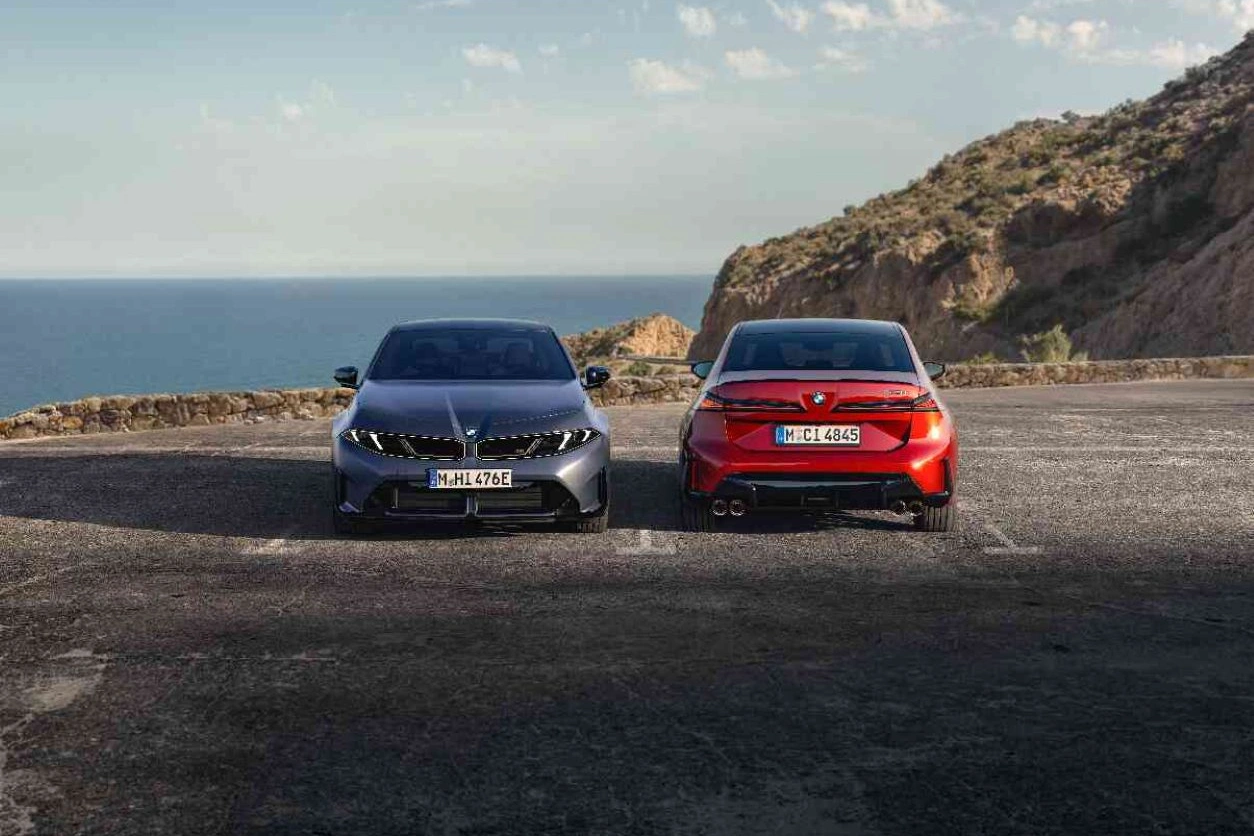
The new G50 3 Series carries Neue Klasse design into the centre of the BMW range. The sedan has a longer wheelbase, short overhangs, a set-back glasshouse and strongly defined wheel arches. At the front, the kidney grille and twin headlights are integrated into one horizontal light element. Flush-fitting door handles, a low character line and three-dimensional rear lights give the car a cleaner, more technical appearance while retaining the long-hood, rear-drive proportions associated with the 3 Series. The i3 changes details required by its electric architecture, but BMW keeps the same overall visual language across the range.
Exterior
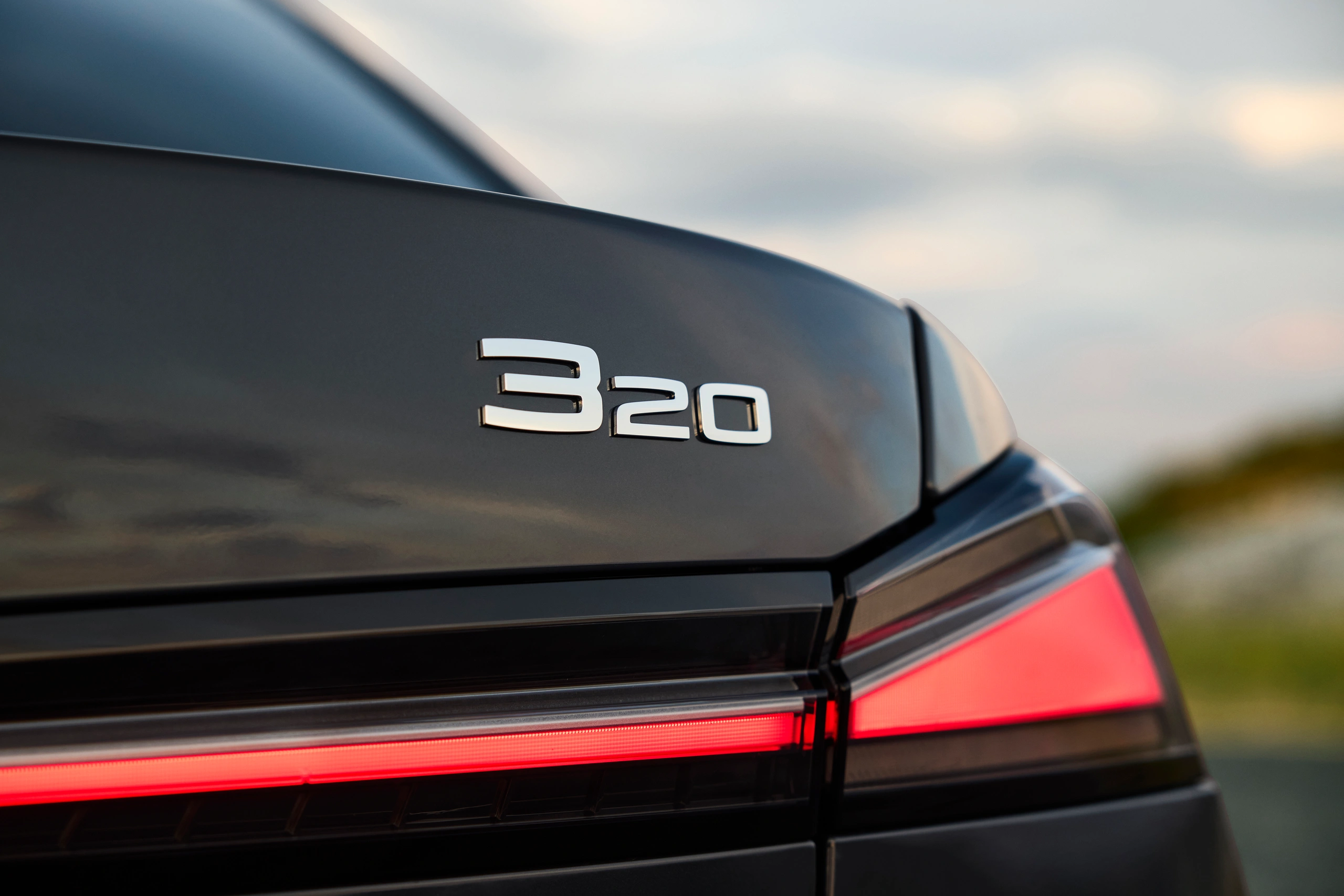
BMW 320: the everyday petrol model
The BMW 320 is the conventional entry point to the new range. Its 2.0-litre four-cylinder TwinPower Turbo engine is supported by a 48-volt mild-hybrid system and drives the rear wheels through an eight-speed Steptronic transmission. BMW quotes 211 PS and 330 Nm, with 0–100 km/h in 7.4 seconds and a 240 km/h top speed in the European technical data. The 320 is aimed at drivers who want the familiar balance of a petrol sedan, automatic transmission and rear-wheel drive, while adding the new cabin, driver-assistance systems and software architecture.
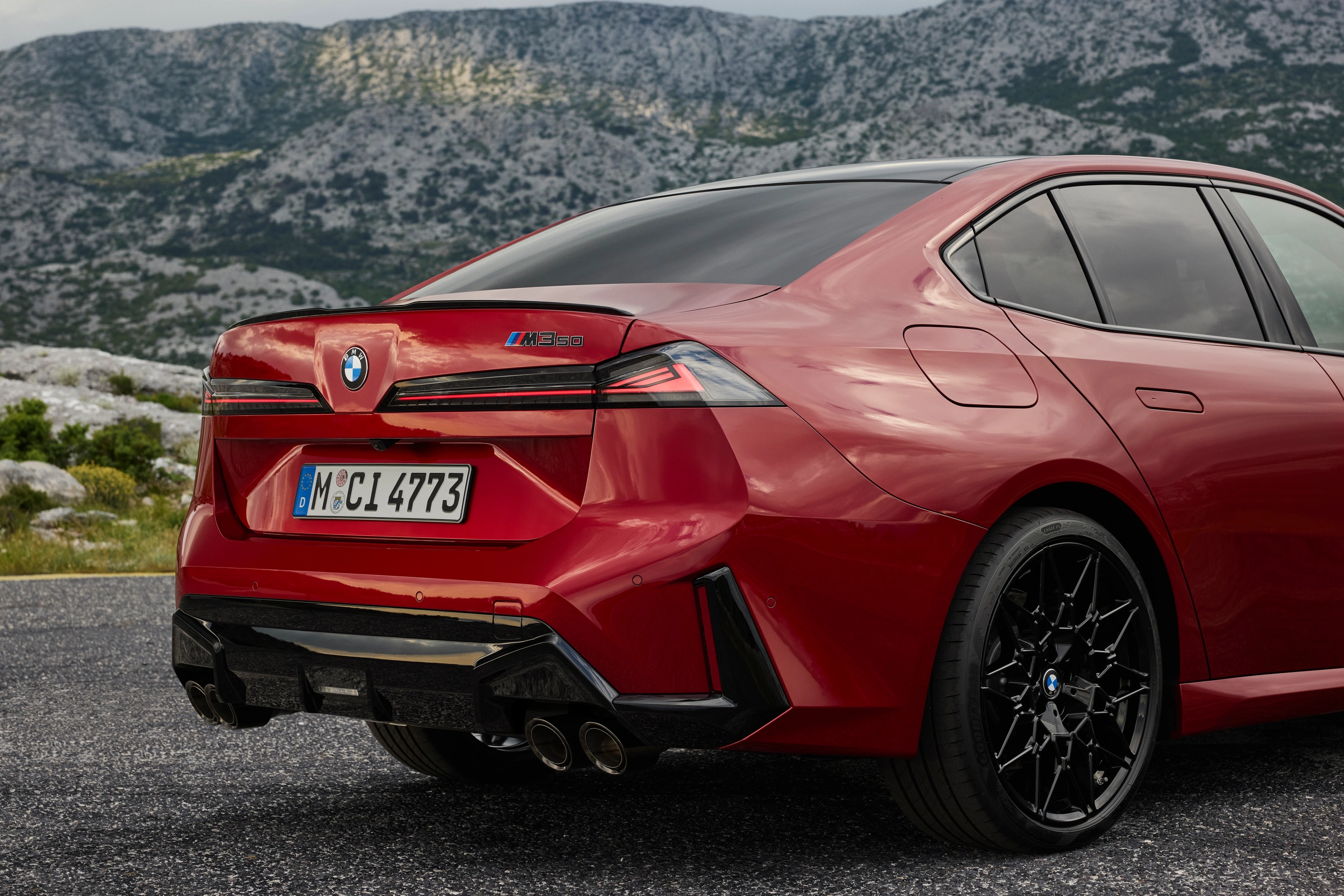
BMW M350 xDrive: the six-cylinder flagship
At the top of the combustion-powered launch range, the M350 xDrive uses a 3.0-litre inline-six petrol engine with a crankshaft-driven 48-volt starter-generator. The combined system output is 326 kW/443 PS and peak torque is 580 Nm. BMW quotes 0–100 km/h in 4.1 seconds and an electronically limited 250 km/h. Its equipment reflects the M Performance position: adaptive M suspension, variable sport steering, an M Sport differential, M Sport brakes and an M steering wheel are standard, while 20-inch wheels are available as an option. The model also introduces Drift Moment. When activated through the central display with the stability system switched off, the xDrive system can send drive power to the rear wheels for controlled oversteer. BMW says the feature will arrive during 2027 and can also be enabled on cars already delivered through a software update.
BMW i3 40 xDrive and i3 50 xDrive
The new i3 is the first fully electric version of the 3 Series. Both launch variants use two electric motors and BMW’s sixth-generation eDrive system with 800-volt technology. The i3 40 xDrive produces 275 kW/374 PS and 520 Nm from an 82.8 kWh battery. Its stated WLTP range is up to 710 km, and DC charging reaches 300 kW. The i3 50 xDrive raises output to 345 kW/469 PS and 645 Nm. Its 108.7 kWh battery supports a stated range of up to 912 km WLTP and up to 400 kW DC charging. BMW’s technical data lists a 10–80 per cent charge time of 21 minutes for both versions when the required high-power charger is available. The real range and charging speed depend on equipment, temperature, battery condition and the charging point.
| Model | Power | Torque | 0–100 km/h | Powertrain |
|---|---|---|---|---|
| BMW 320 | 211 PS | 330 Nm | 7.4 s | Petrol, RWD, 48V mild hybrid |
| BMW M350 xDrive | 443 PS | 580 Nm | 4.1 s | Petrol, AWD, 48V mild hybrid |
| BMW i3 40 xDrive | 374 PS | 520 Nm | 5.4 s | BEV, AWD, 82.8 kWh |
| BMW i3 50 xDrive | 469 PS | 645 Nm | 4.7 s | BEV, AWD, 108.7 kWh |
BMW provisional European specifications. WLTP, equipment, availability and final figures can vary by market and configuration.
Panoramic iDrive and a more connected cabin
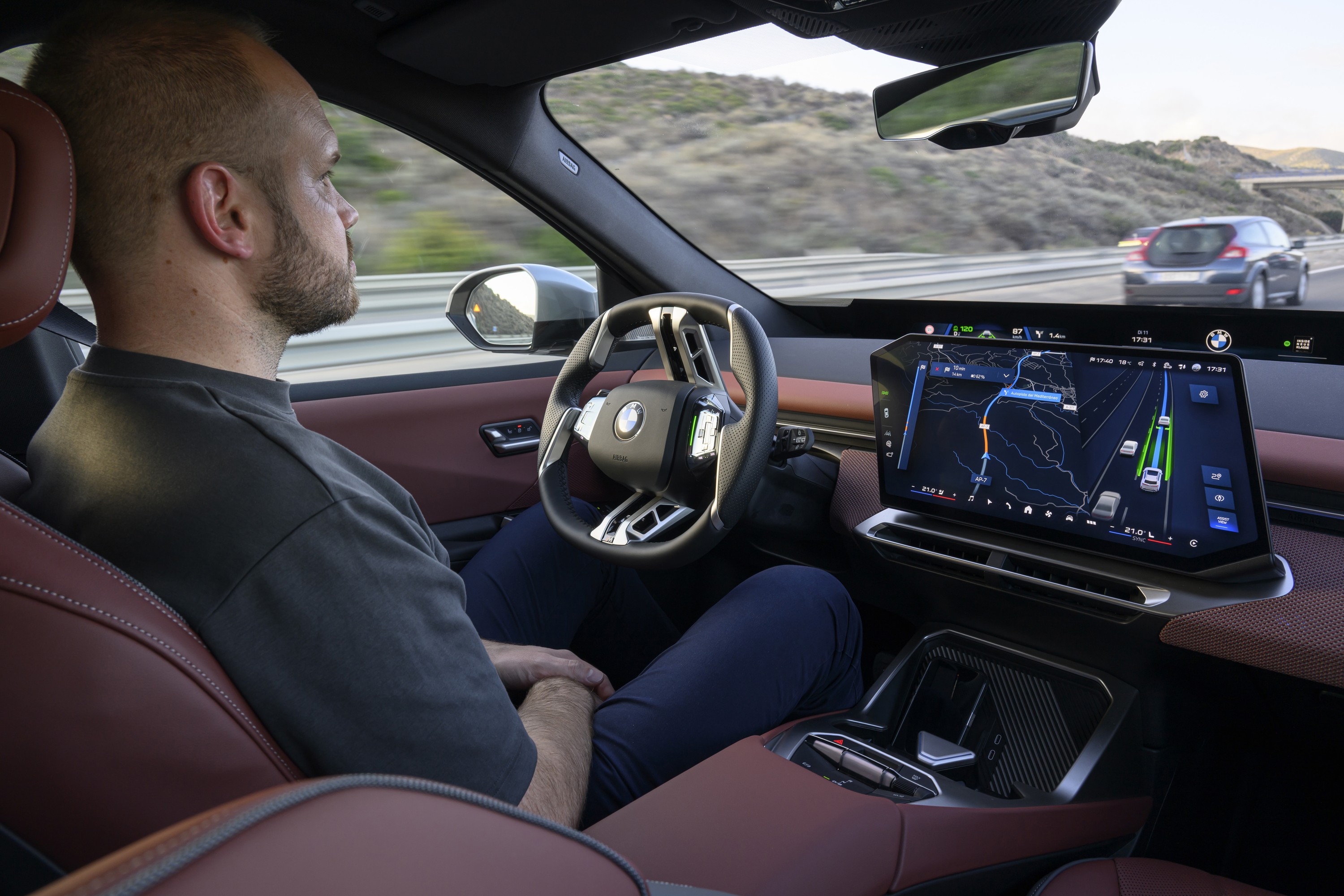
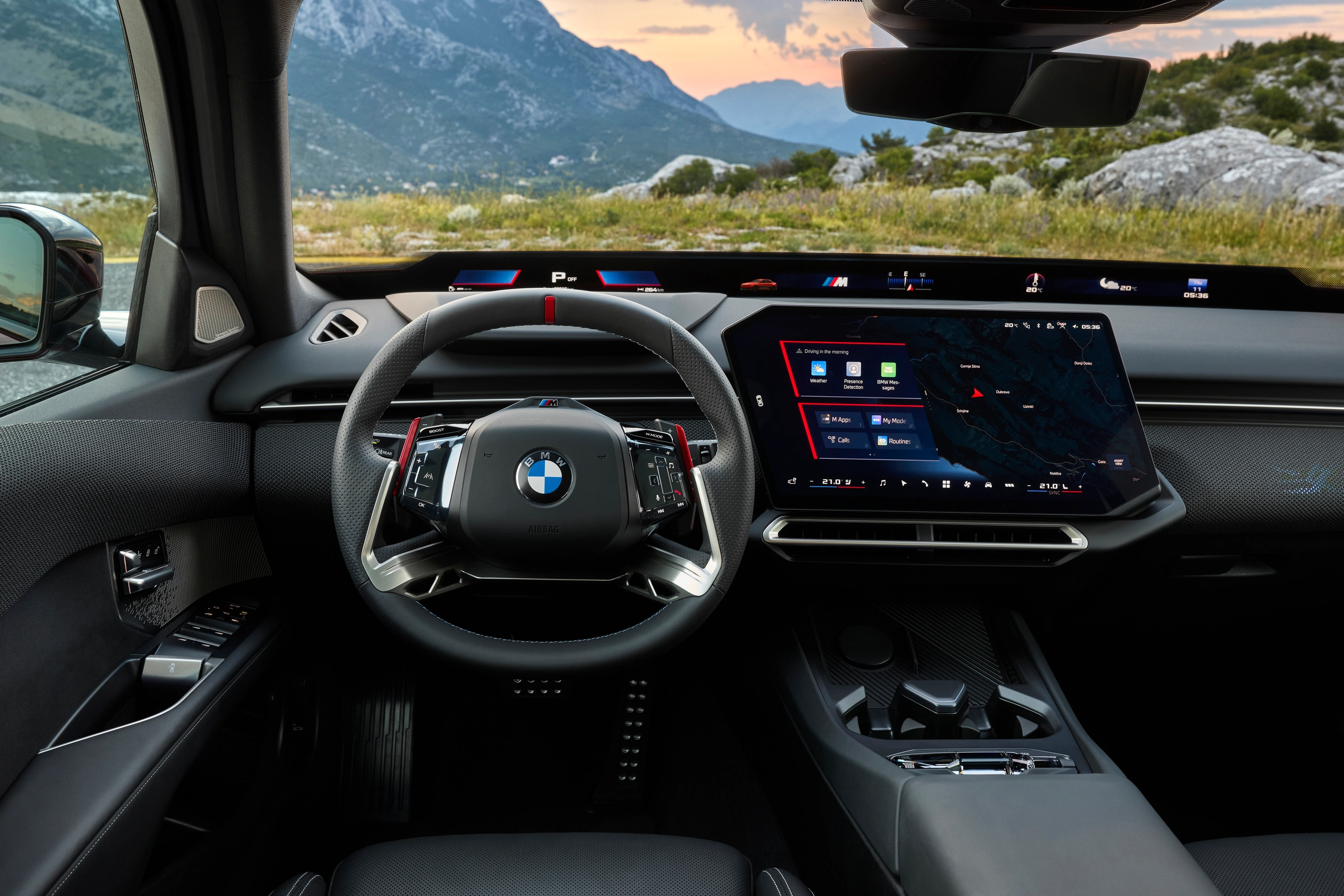
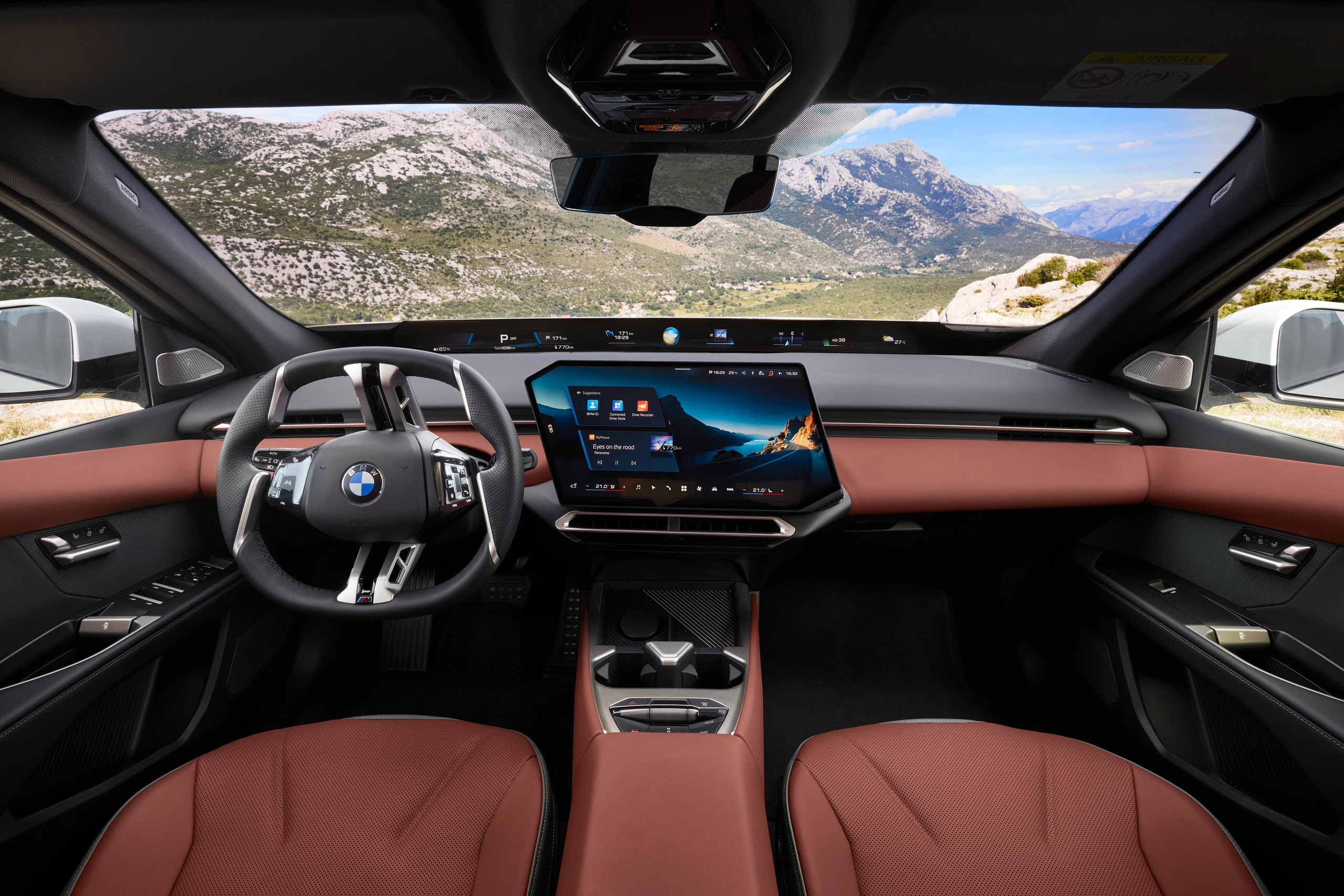
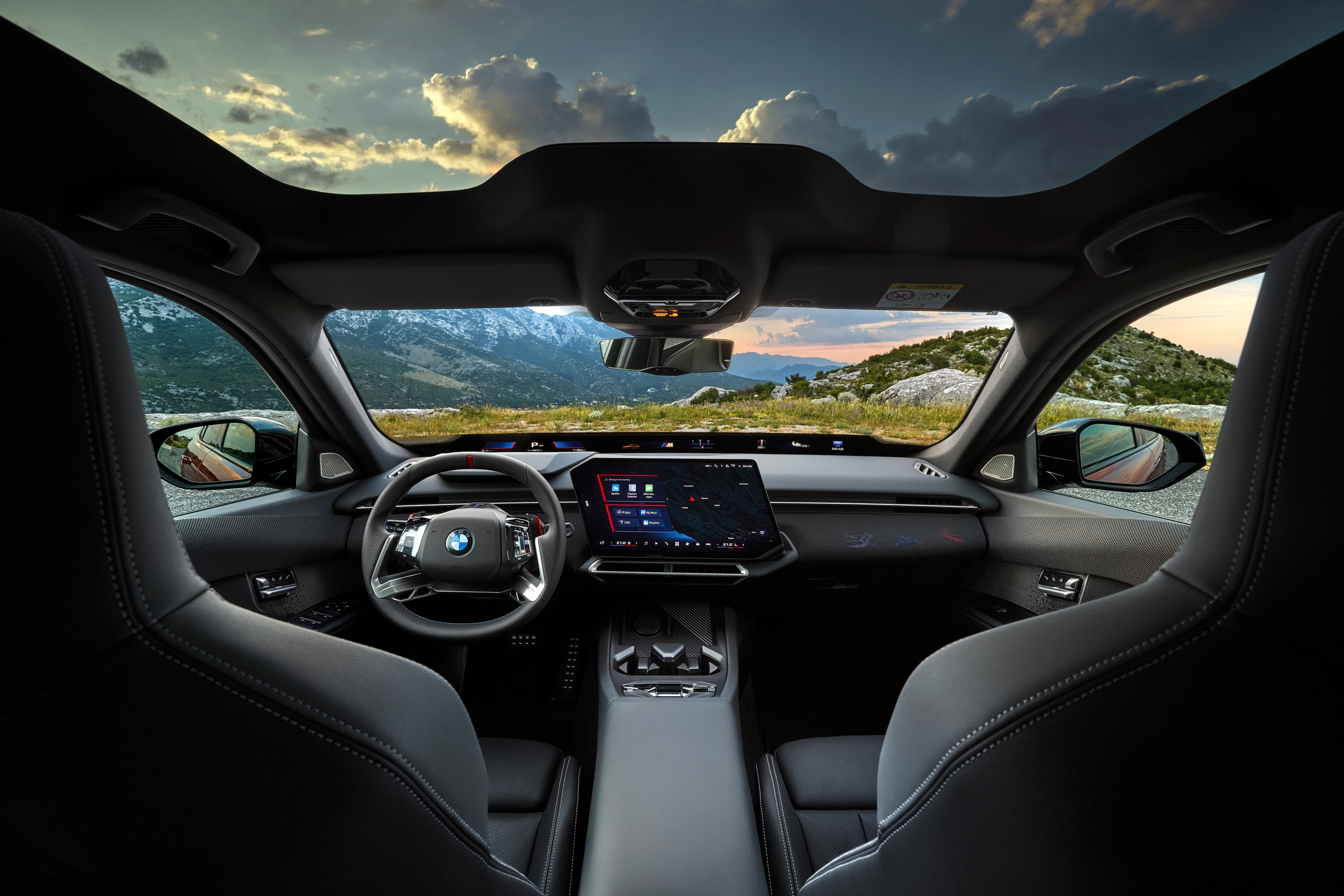
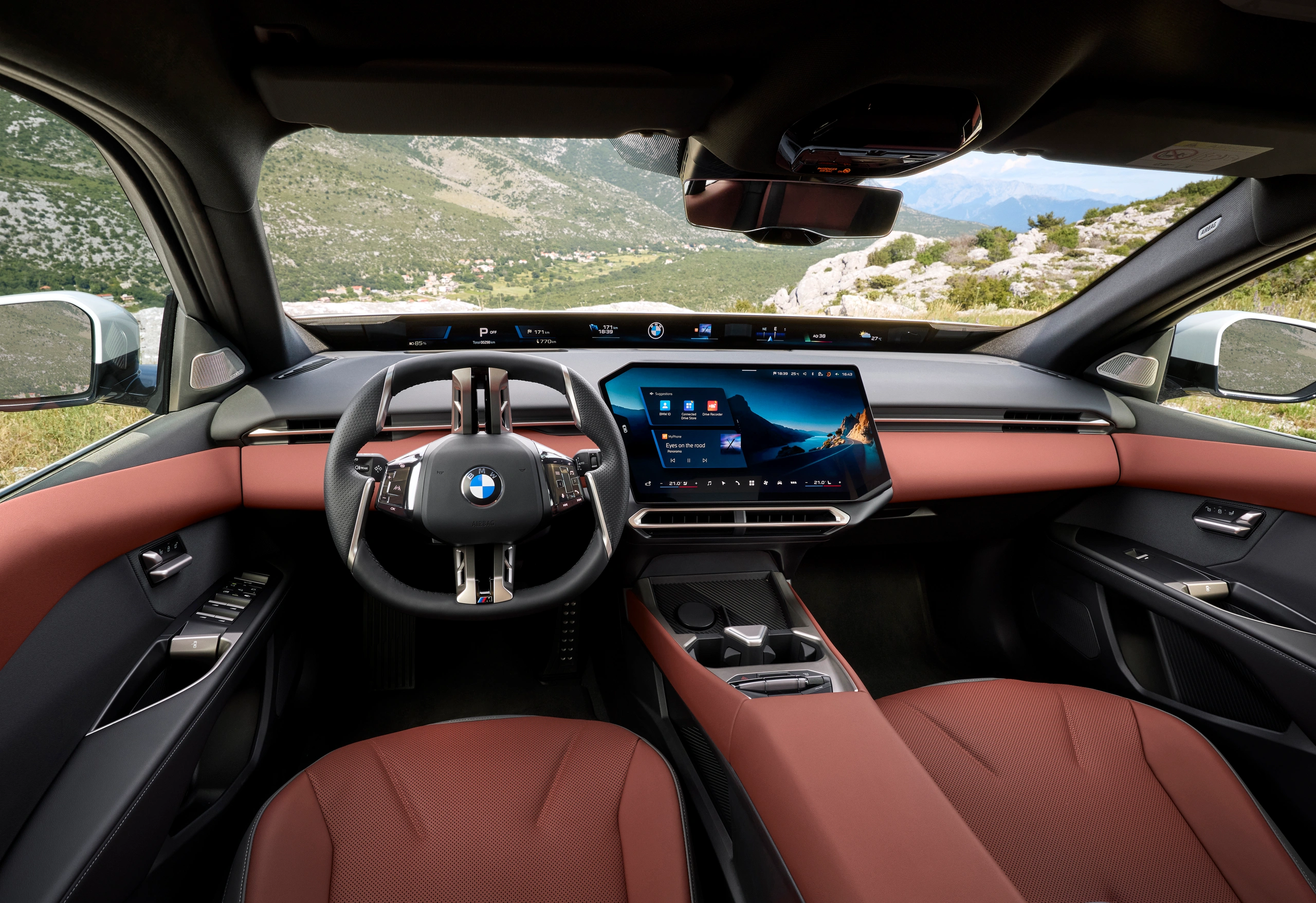
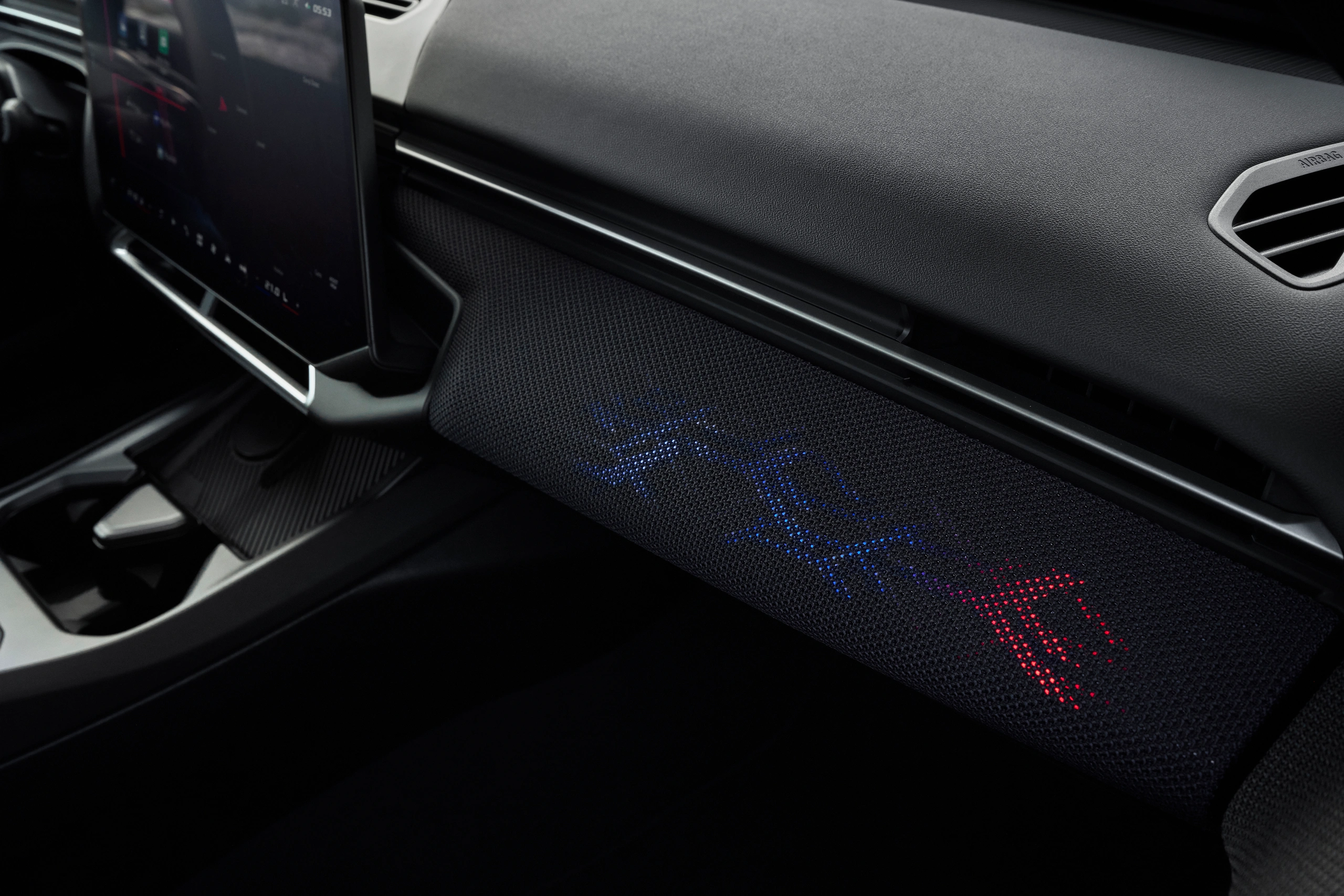
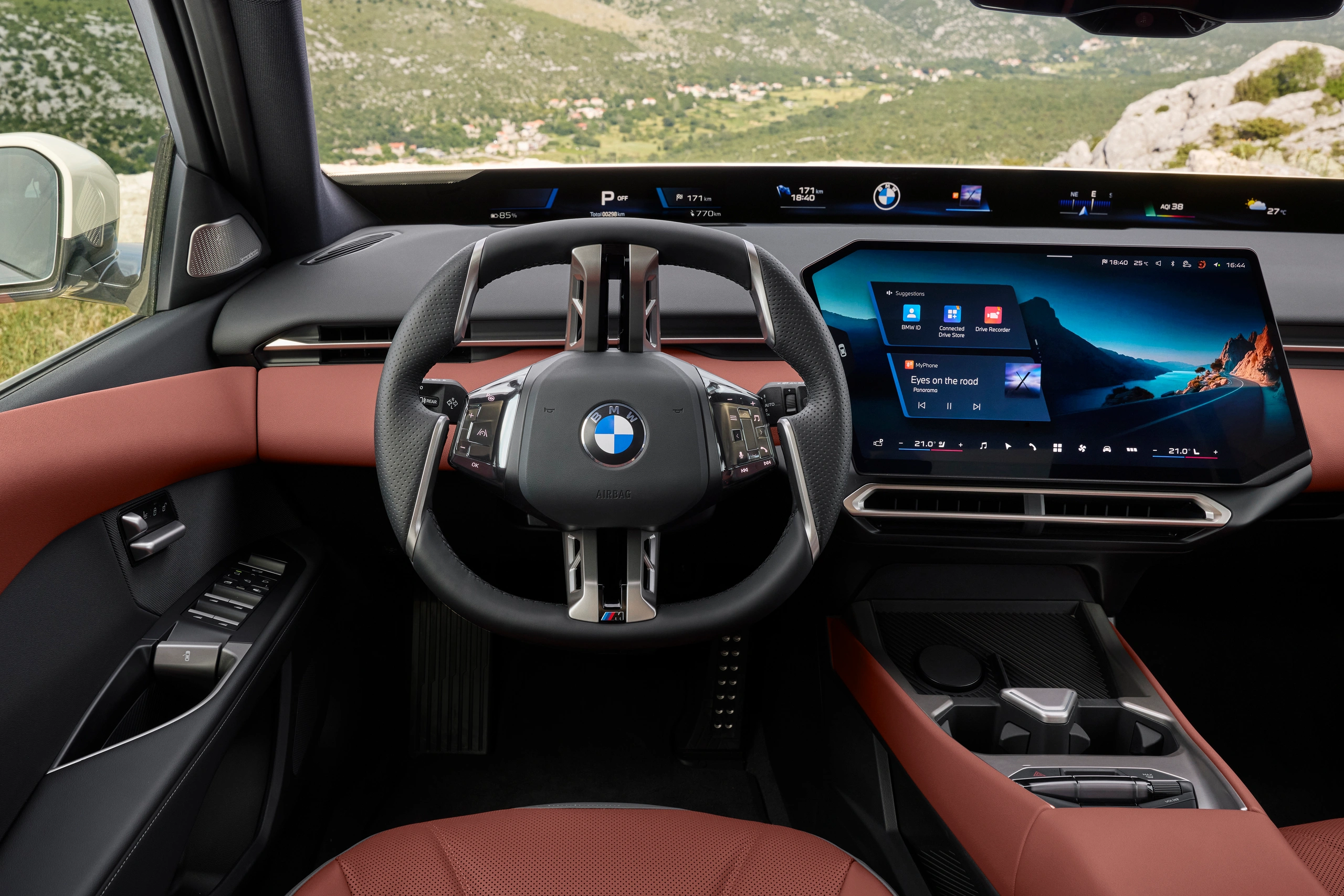
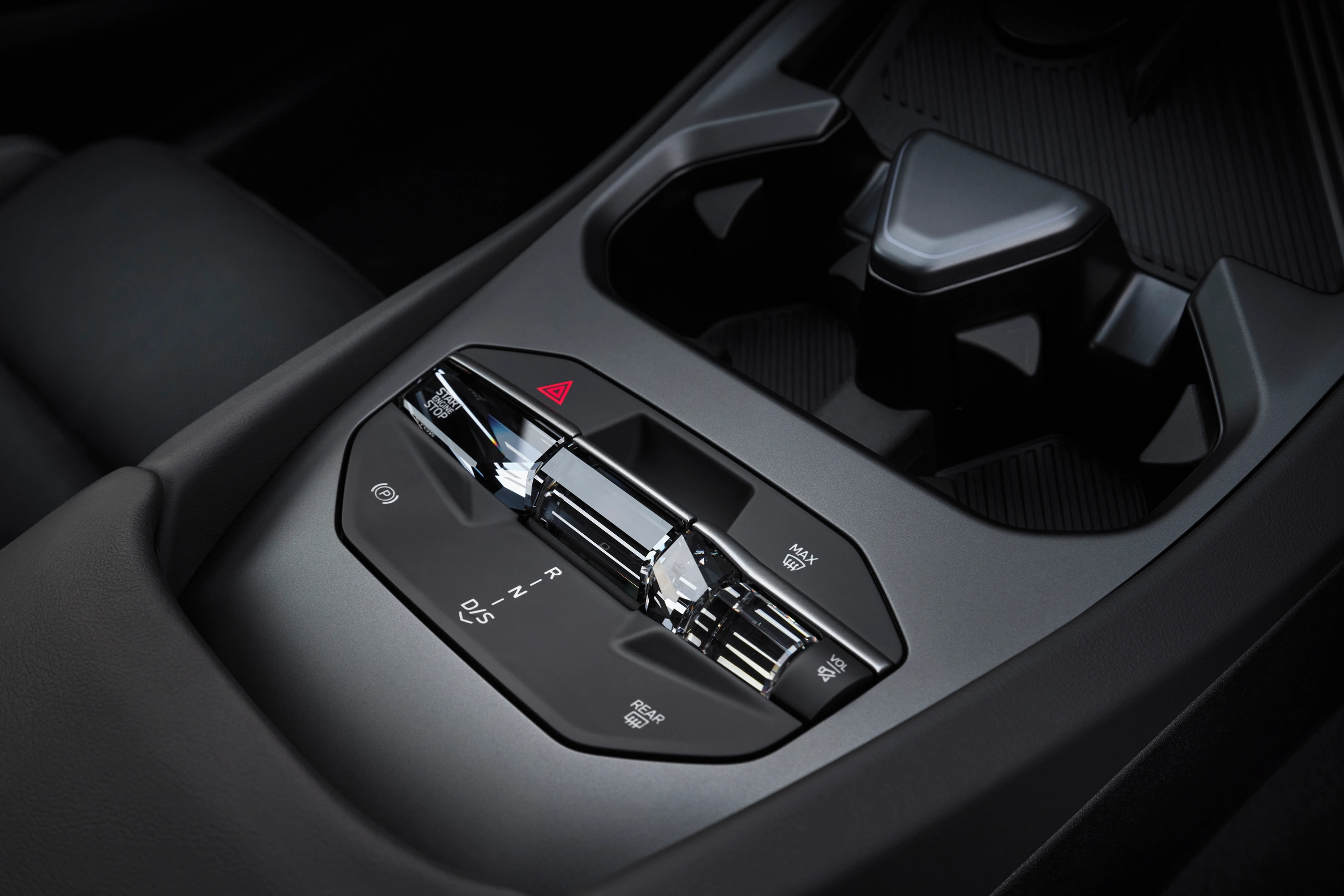
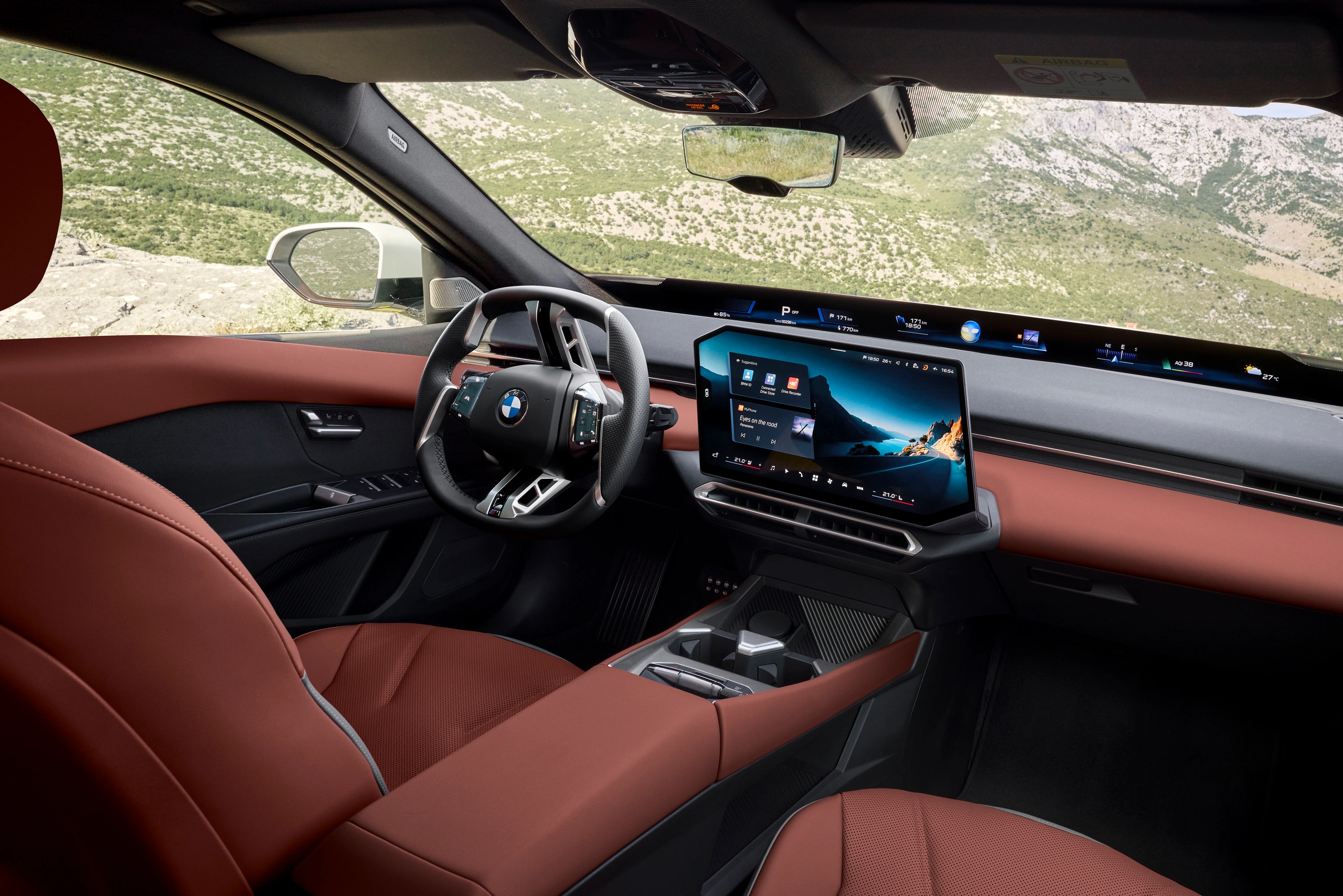
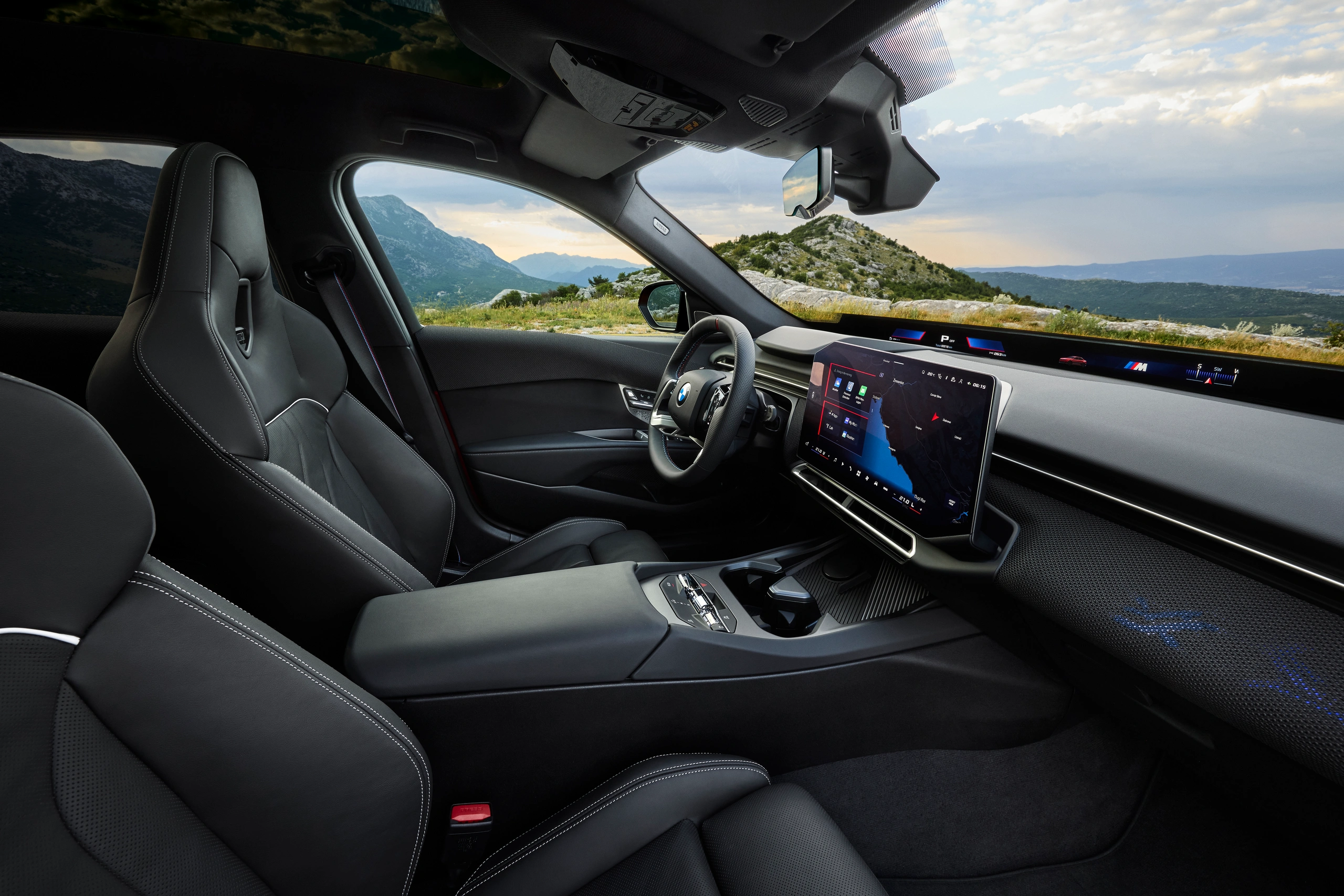
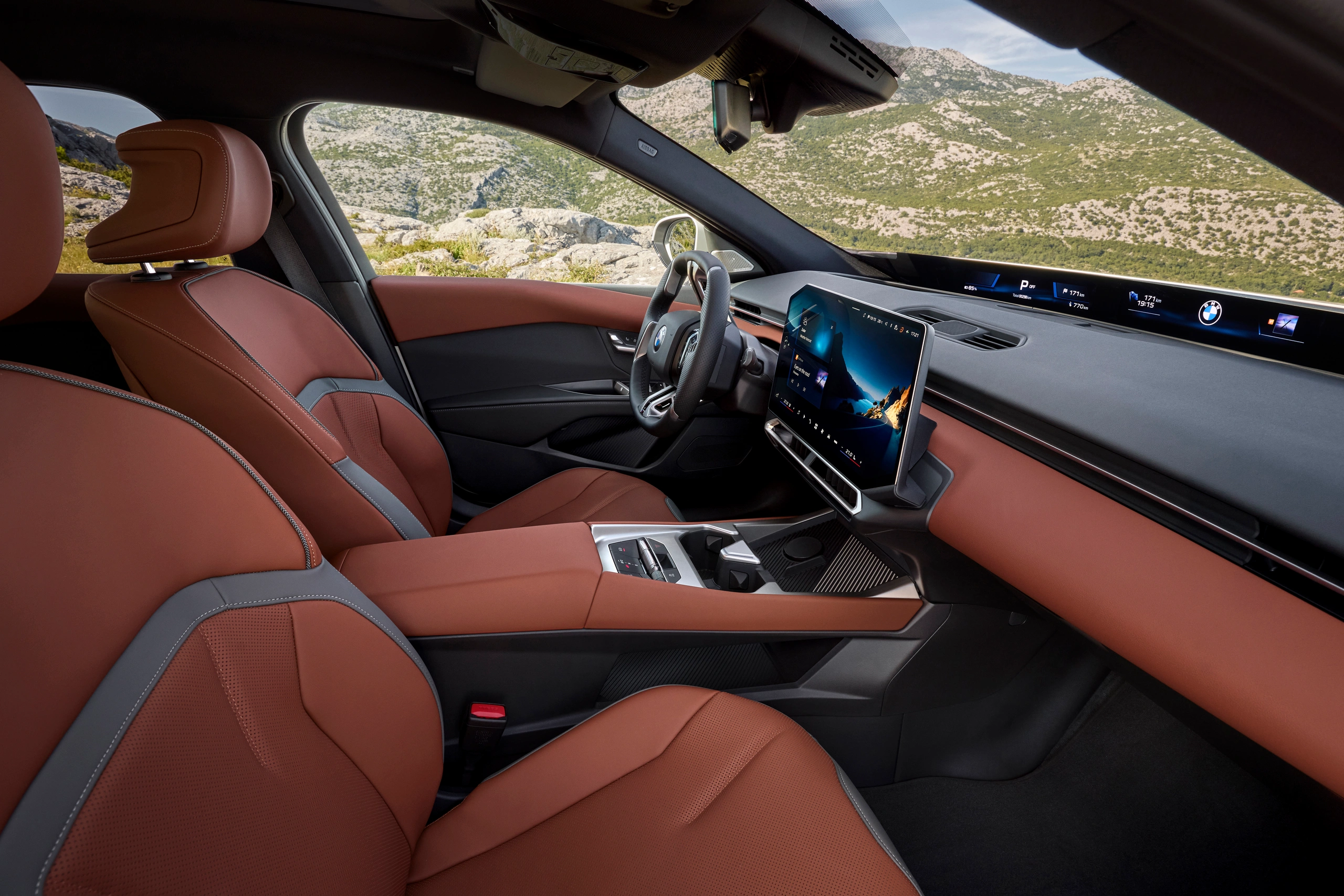
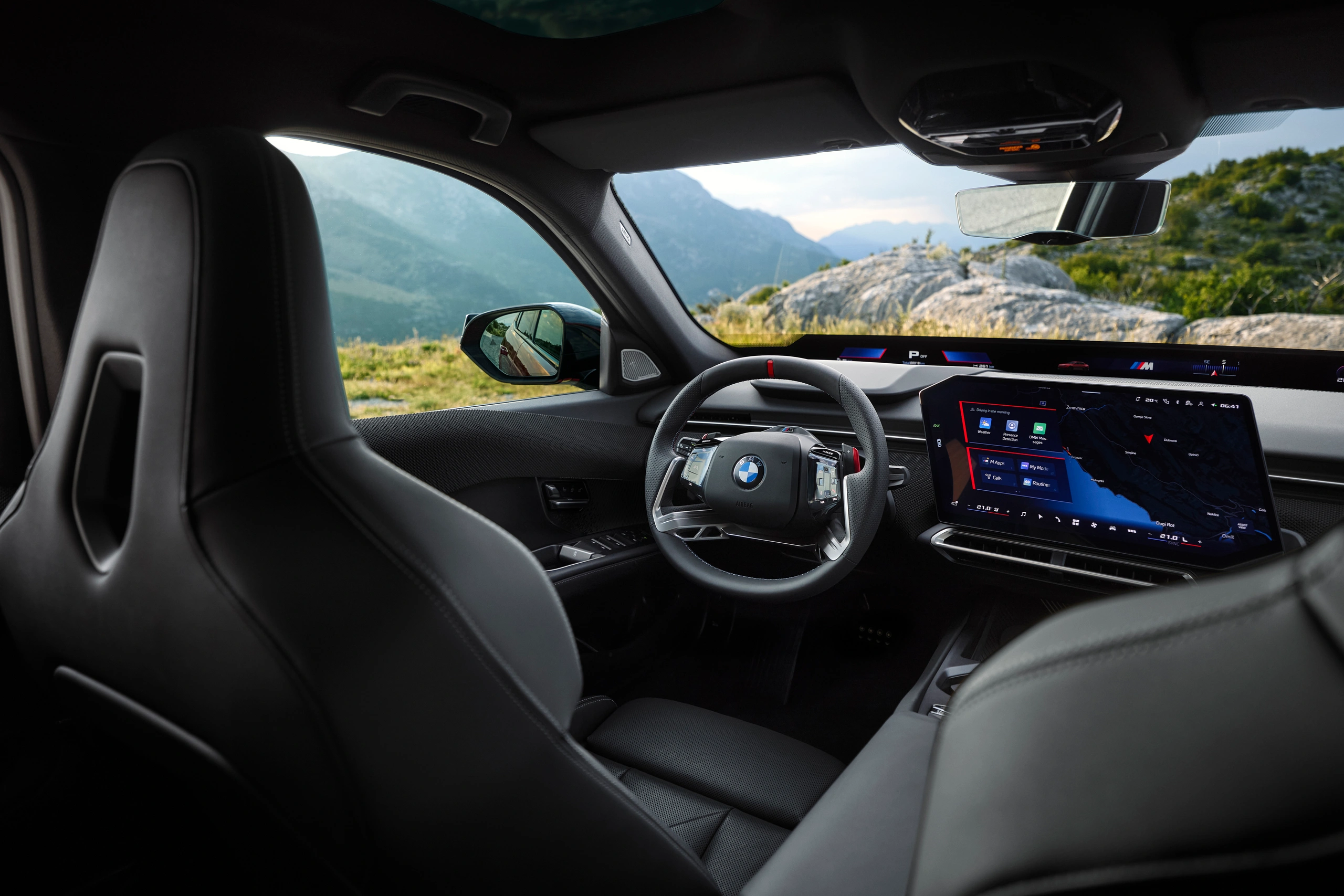
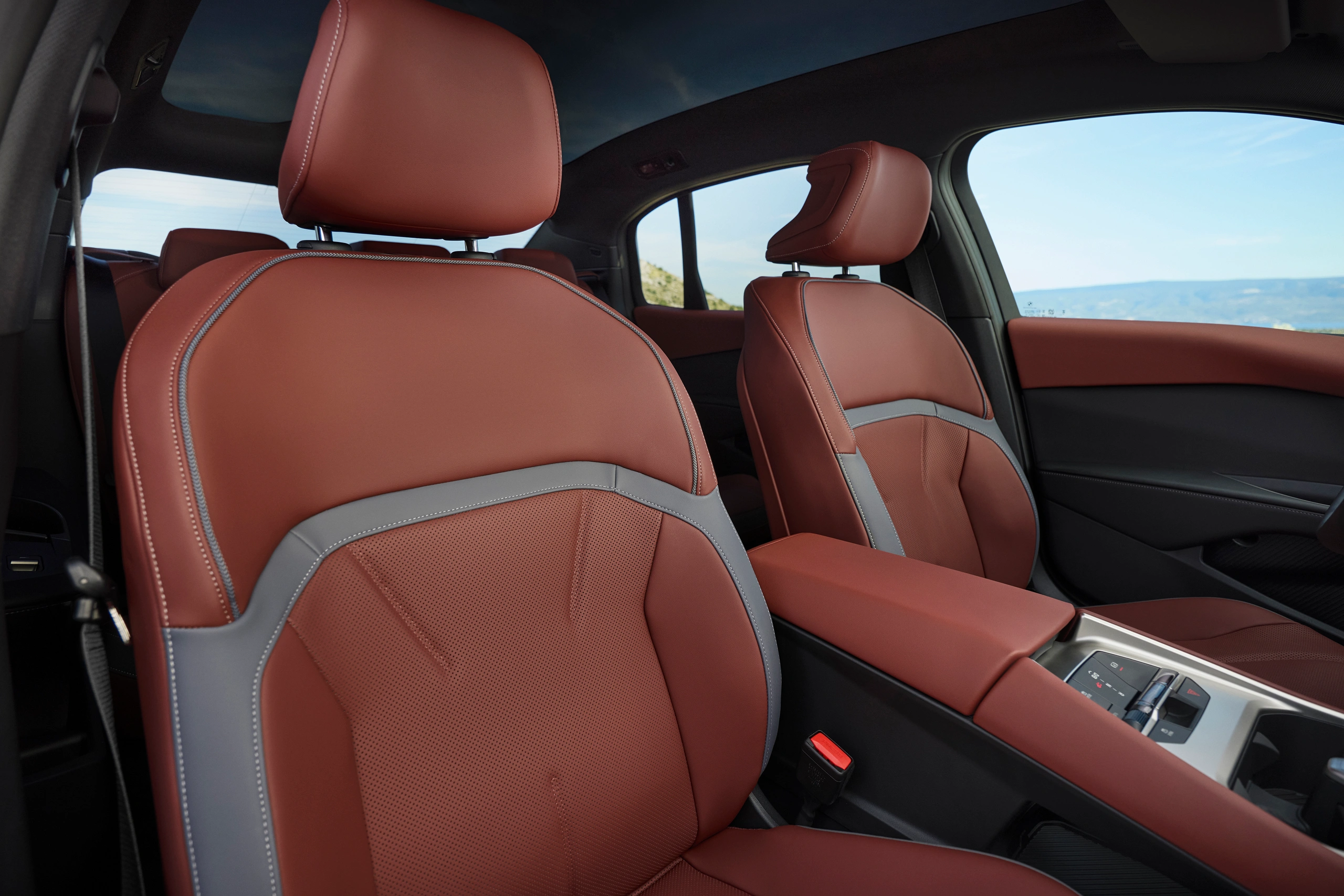
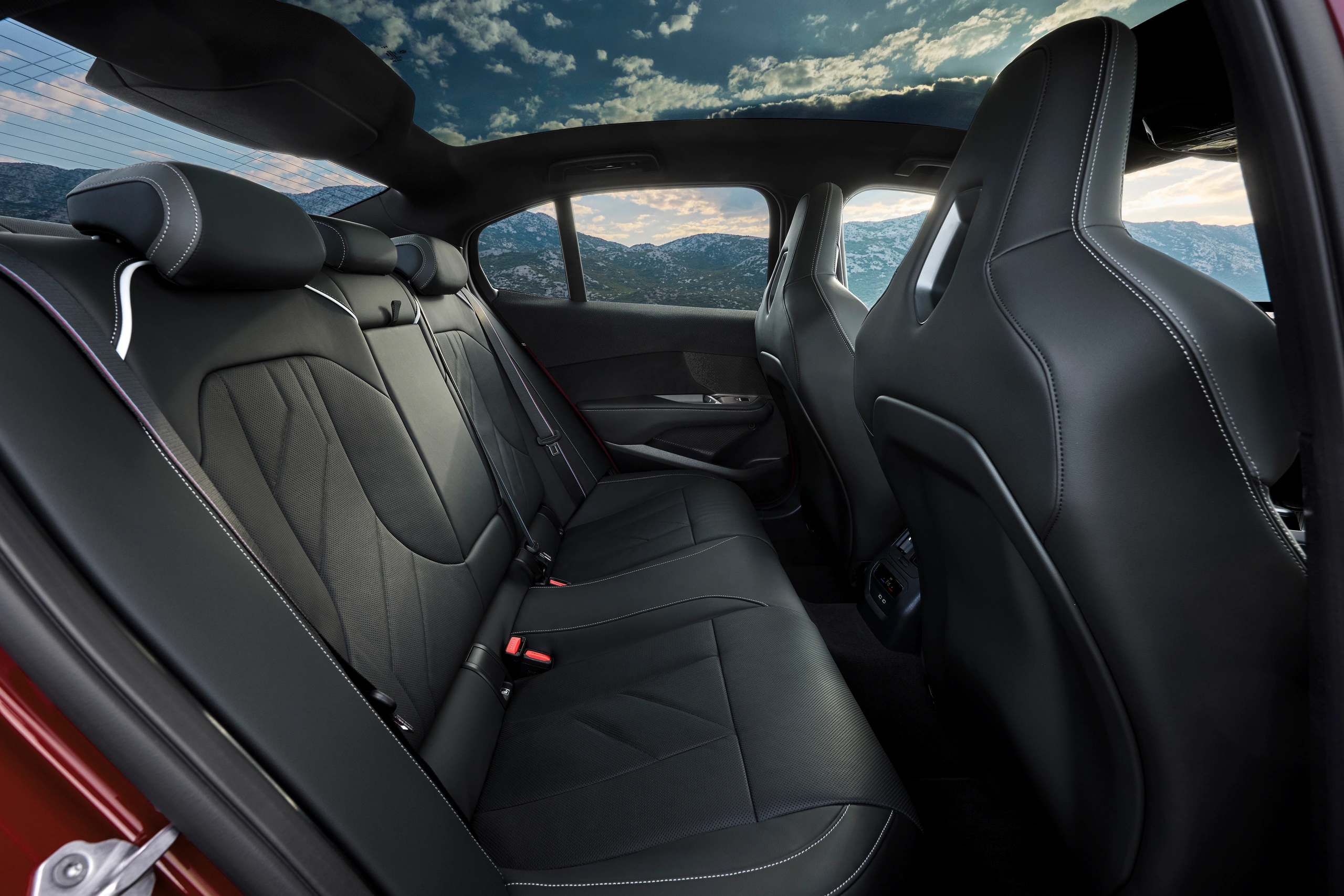
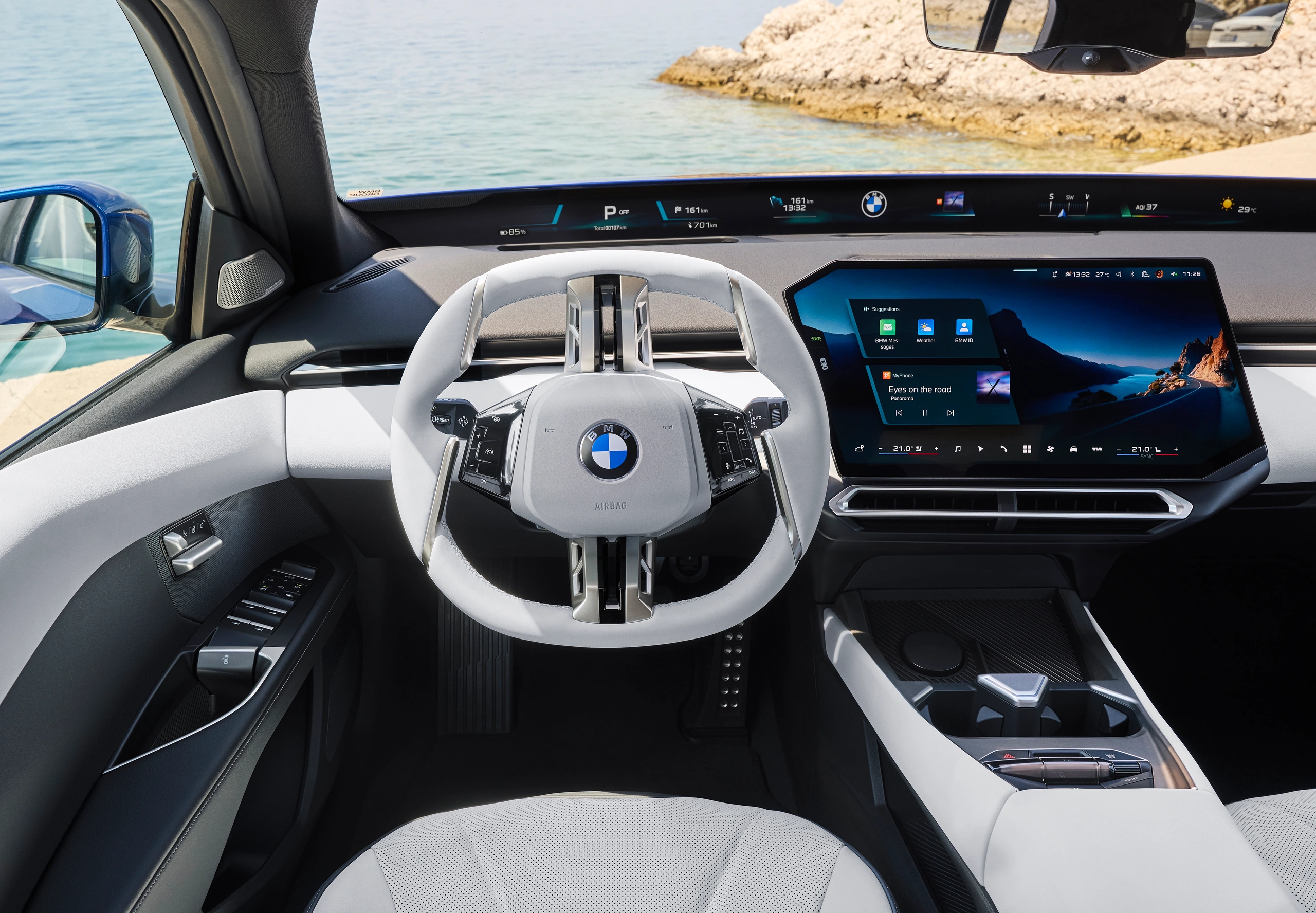
The interior is shared in concept across the four launch variants. BMW Panoramic Vision projects information across the lower area of the windscreen, while an optional 3D Head-Up Display can add spatial navigation and driver-assistance information. The 17.9-inch central display is angled towards the driver, and a new multifunction steering wheel uses illuminated shy-tech controls with haptic feedback. BMW Operating System X is based on the Android Open Source Project and is designed for regular software upgrades. The new 3 Series also supports Apple CarPlay and Android Auto as standard in the technical media information. Cabin materials range from Econeer and Veganza to BMW Individual Merino leather, depending on the selected interior design.
Interior
Practicality, chassis and production
Petrol versions provide a 450-litre boot. The electric i3 offers a 420-litre luggage compartment plus 31 litres of storage beneath the bonnet, with split-folding rear seats. The i3 is 4,760 mm long, 1,865 mm wide and 1,480 mm tall, while the combustion-powered models are 4,765 mm long, 1,850 mm wide and 1,455 mm tall. BMW’s Heart of Joy central computer brings the electric drive, braking, energy recuperation and steering subfunctions together and processes driving information faster than the separate systems it replaces. Production of the i3 began at Munich in August 2026; the BMW 320 and M350 xDrive are scheduled to start production at Dingolfing in November 2026. The electric BMW i3 M60 xDrive is planned for 2027 and is shown in the press material as a prototype, so it is not included as a launch model here.
Exterior details