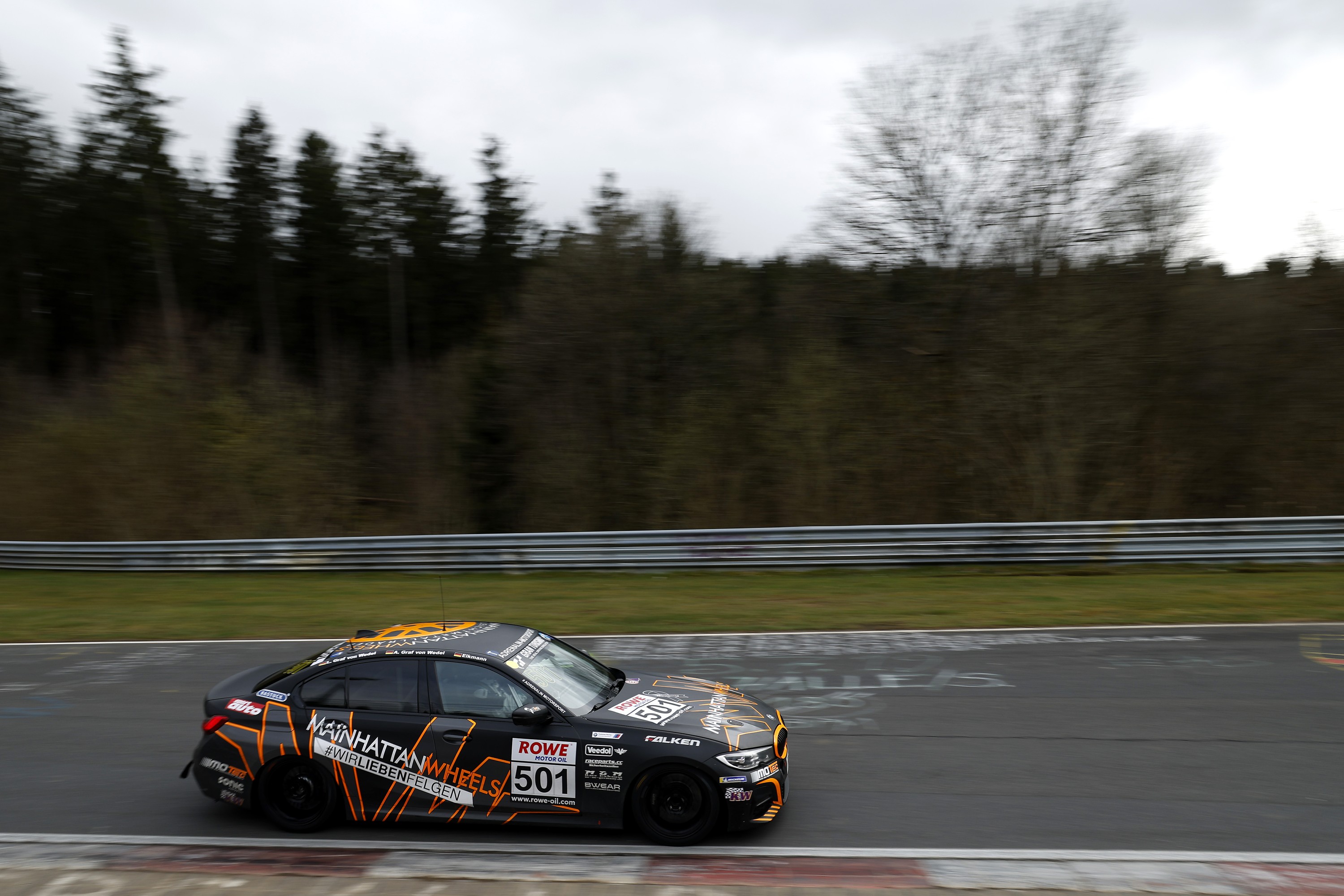
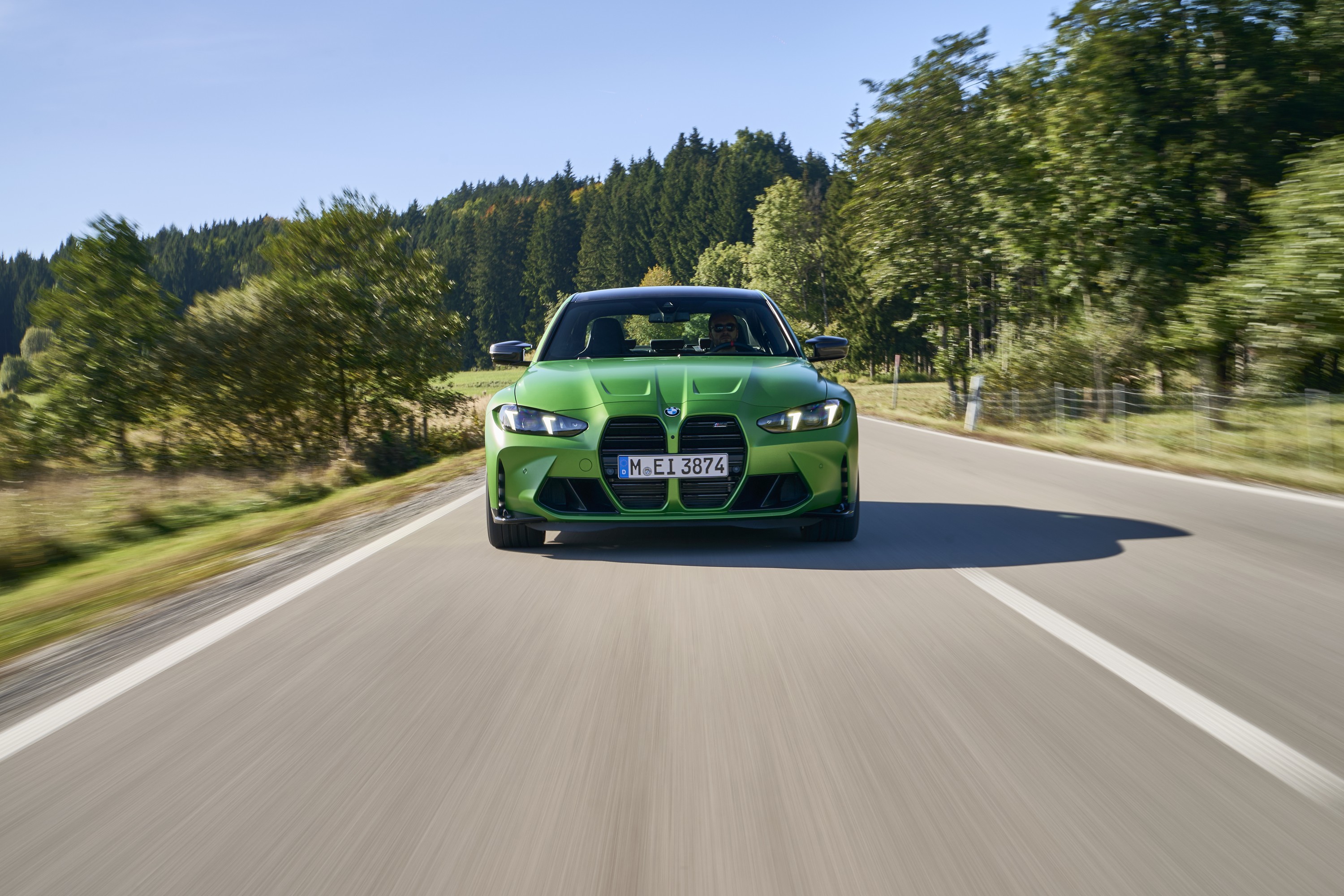
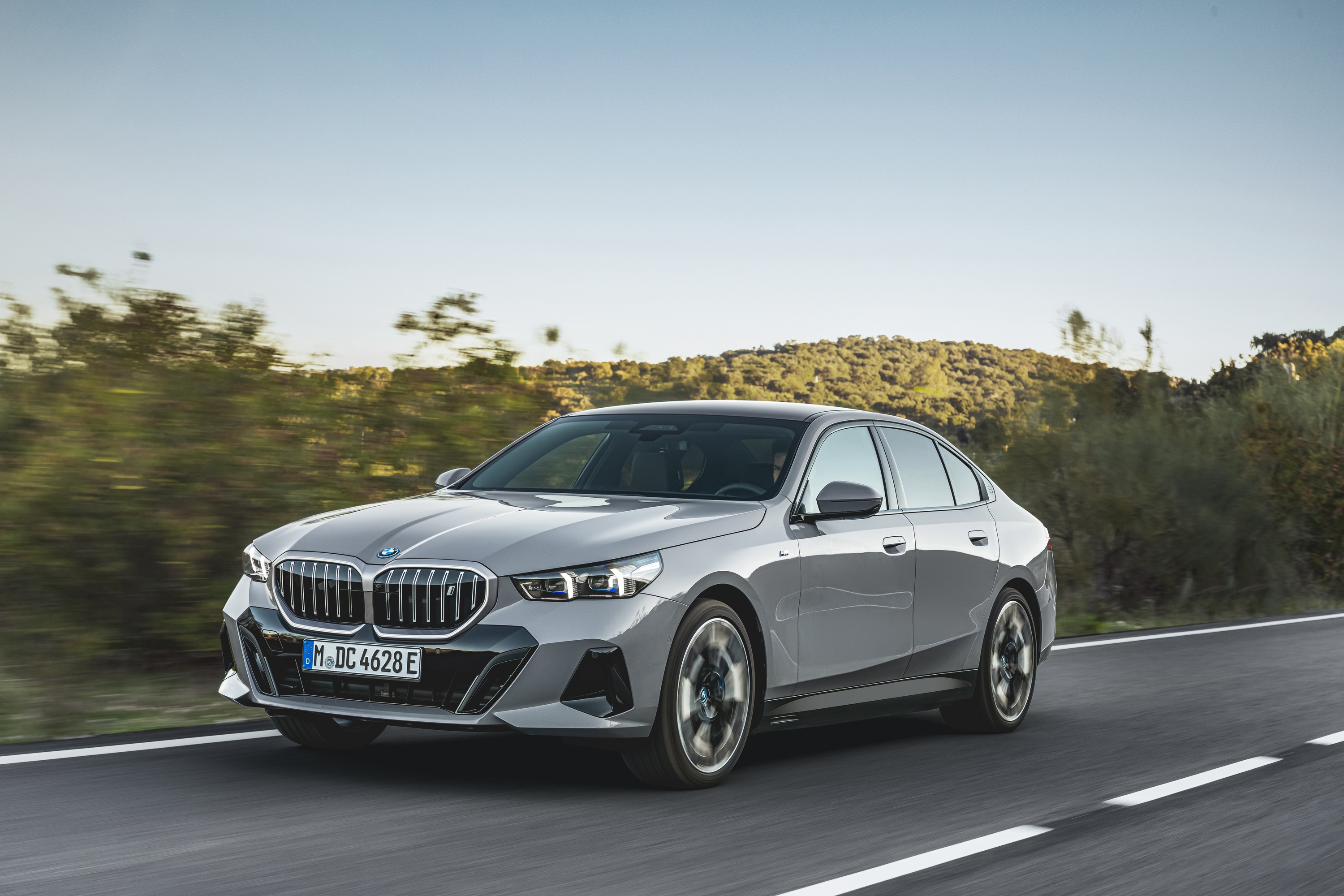
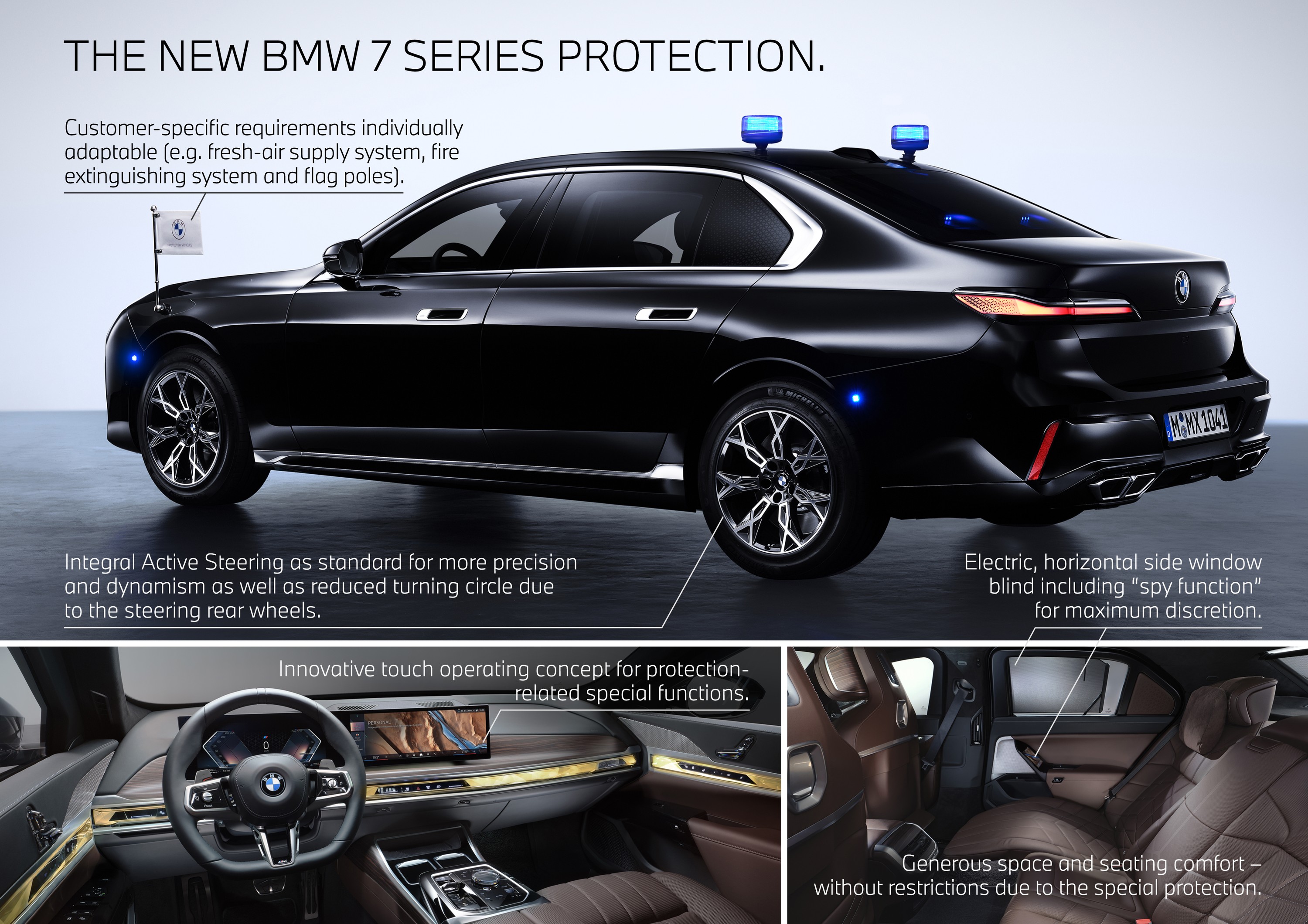
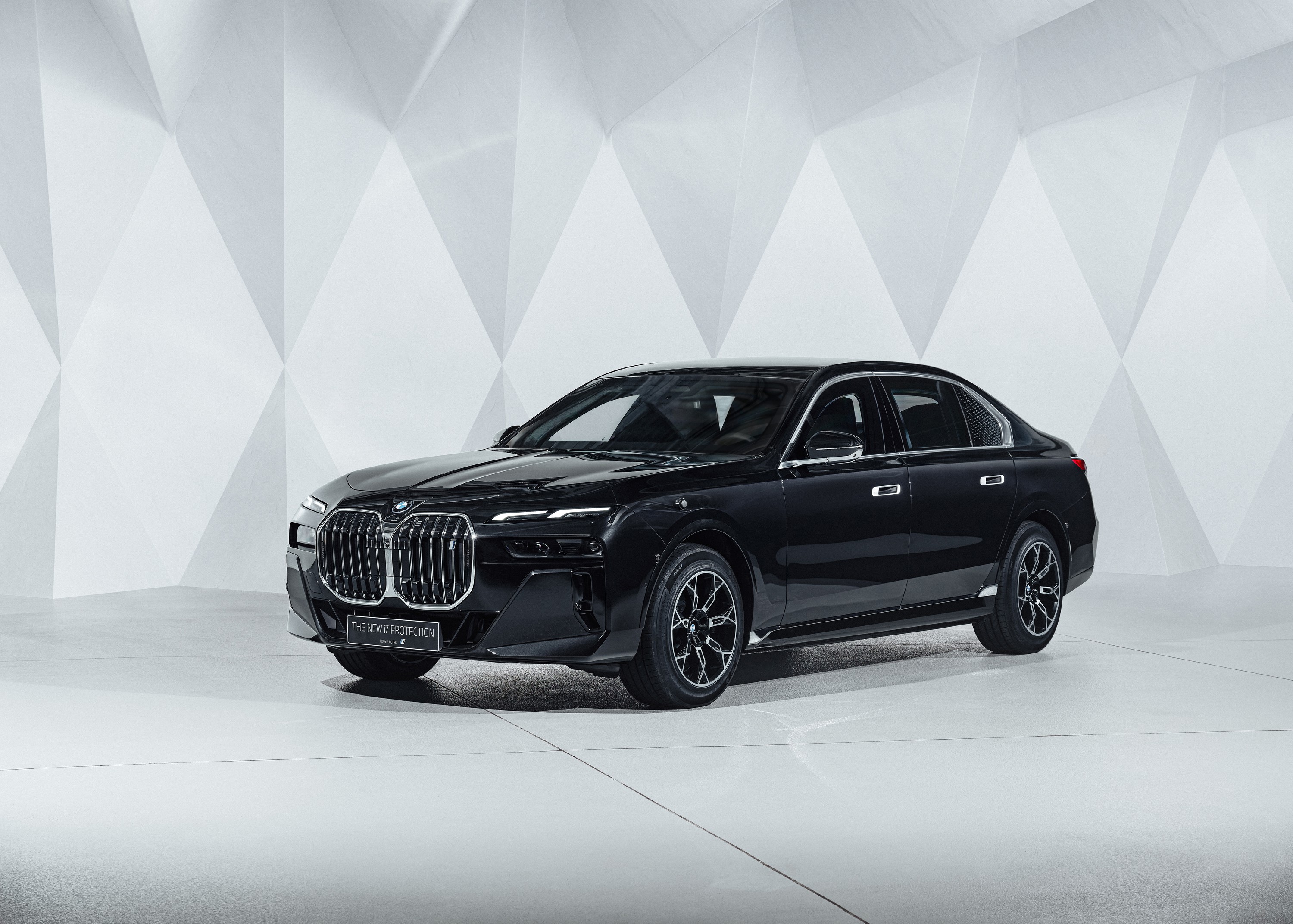
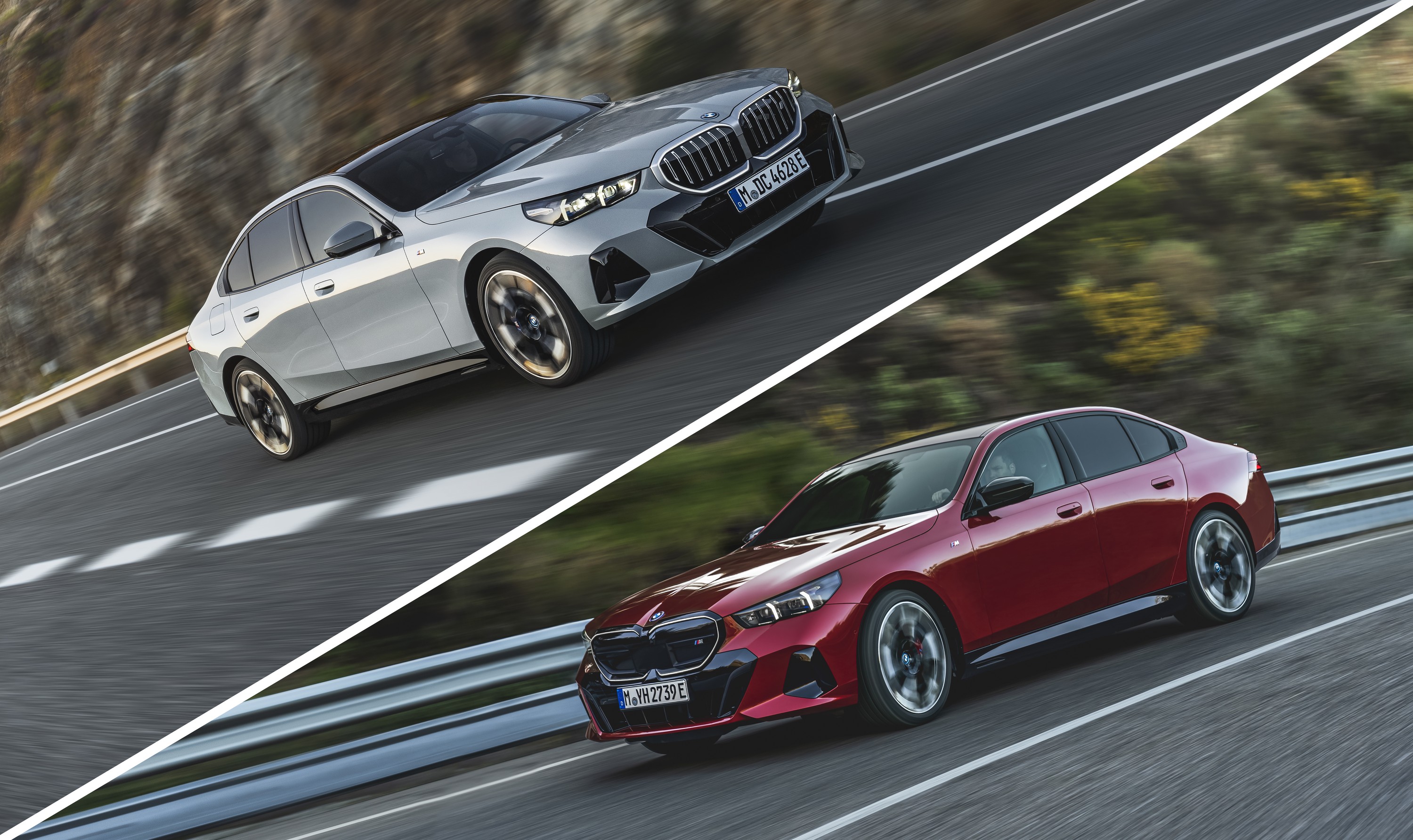
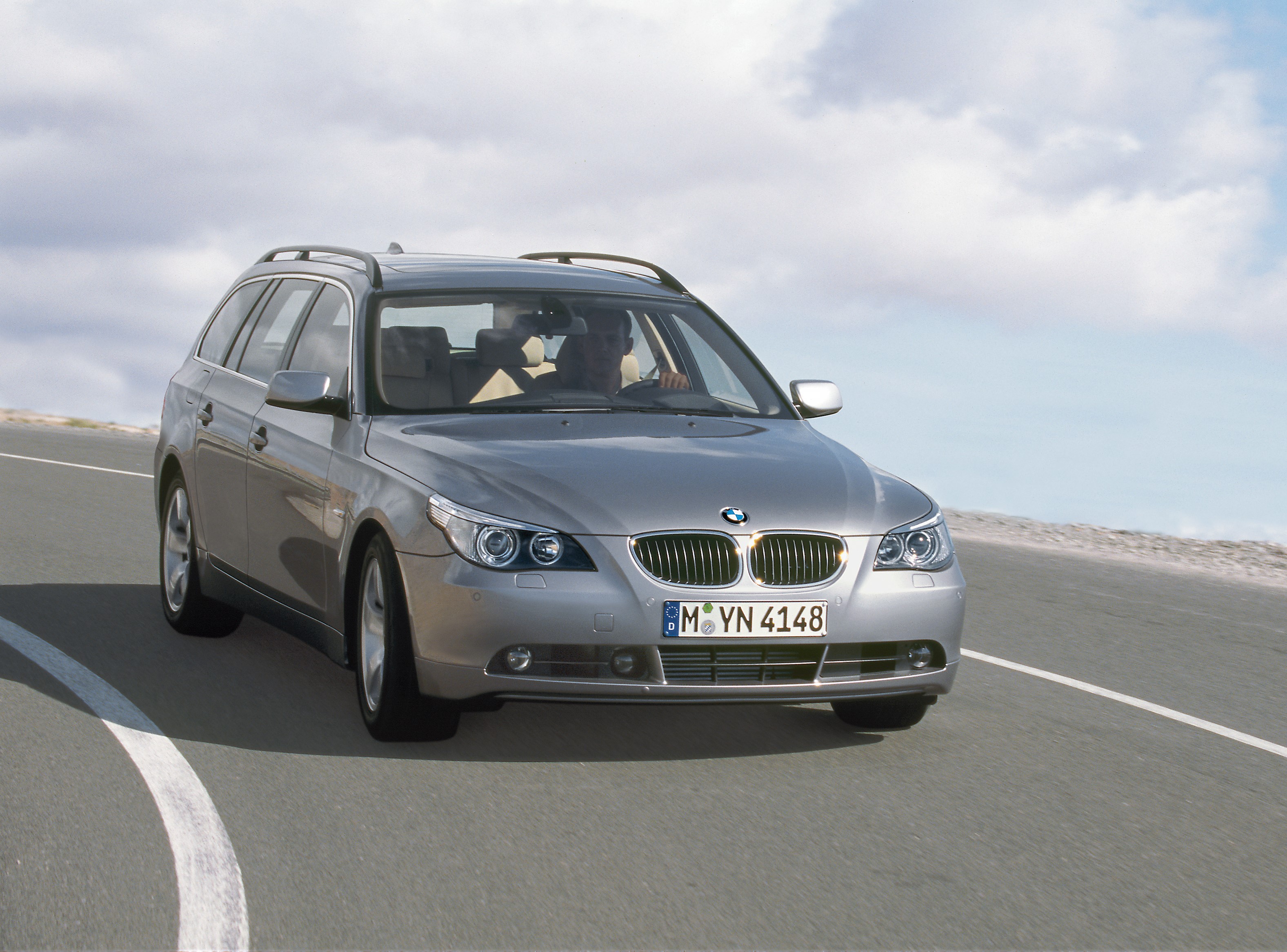
BMW 5 Series is BMW's core business-class model line. This New Auto Drive feature treats the model as a complete car rather than a simple image archive, with the official BMW PressClub photography divided into driving scenes, exterior, interior and technology sections.
The basic formula is an executive premium sedan family, while the powertrain story centres on combustion, plug-in hybrid and electric alternatives across the wider family. The model's place in the range is shaped by long-distance refinement, digital technology and balanced road manners. Equipment and powertrain availability can vary by market, so this page focuses on the current official model identity rather than presenting one market's option list as universal.
BMW 5 Series: position in the BMW range
BMW 5 Series has to satisfy more than one requirement at the same time. BMW traditionally uses this part of the range to combine a clear driver focus with day-to-day usability, premium materials and the digital functions expected from a modern car. The result is intended to feel recognisably BMW before the driver starts exploring individual drive modes or options.
That balance is important because buyers increasingly compare cars across traditional segments. Performance, efficiency, cabin technology, luggage space and long-distance refinement now matter together. A successful model therefore needs to work in ordinary traffic and on a long journey just as convincingly as it does in the carefully selected conditions of a launch.
Exterior design
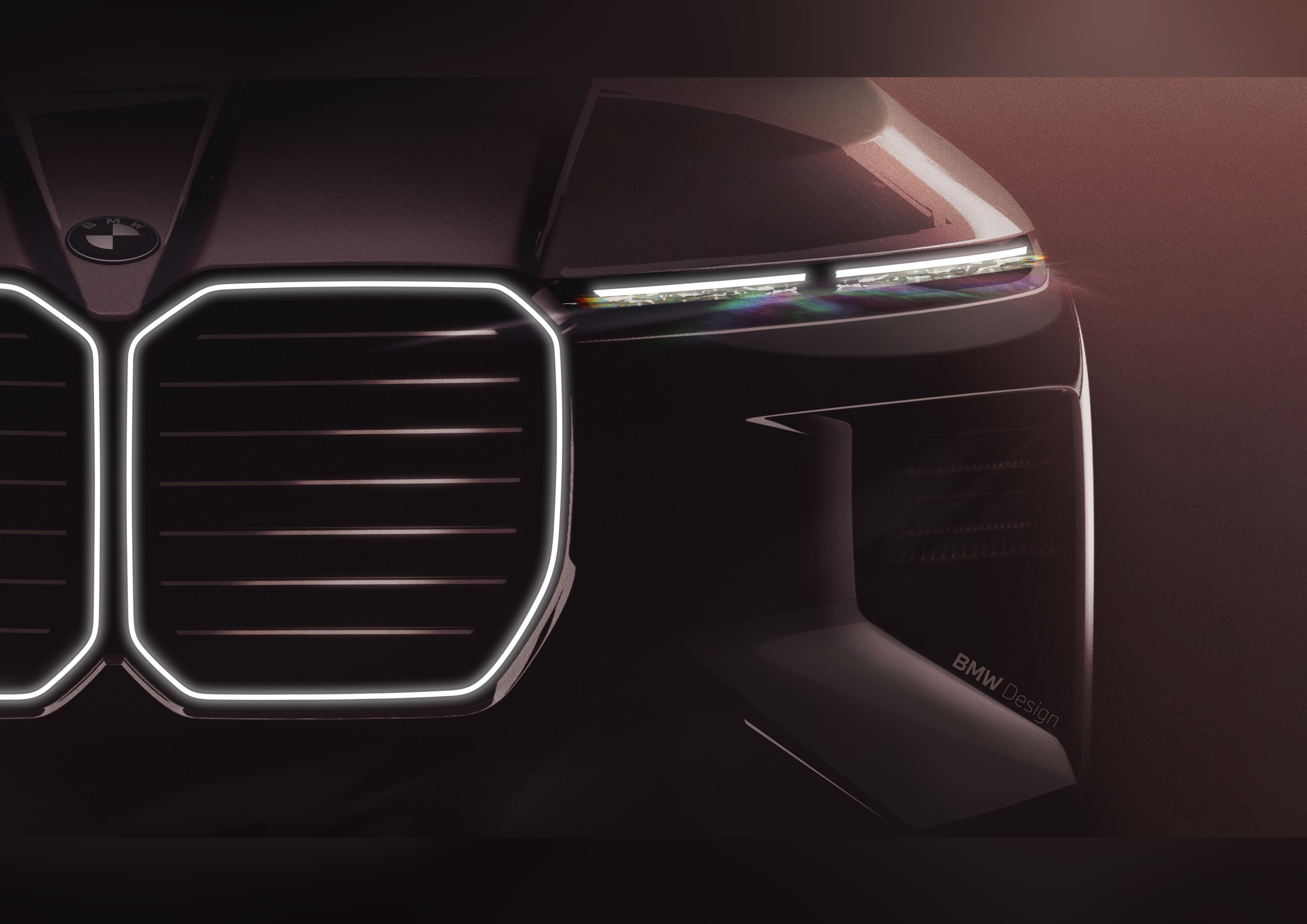
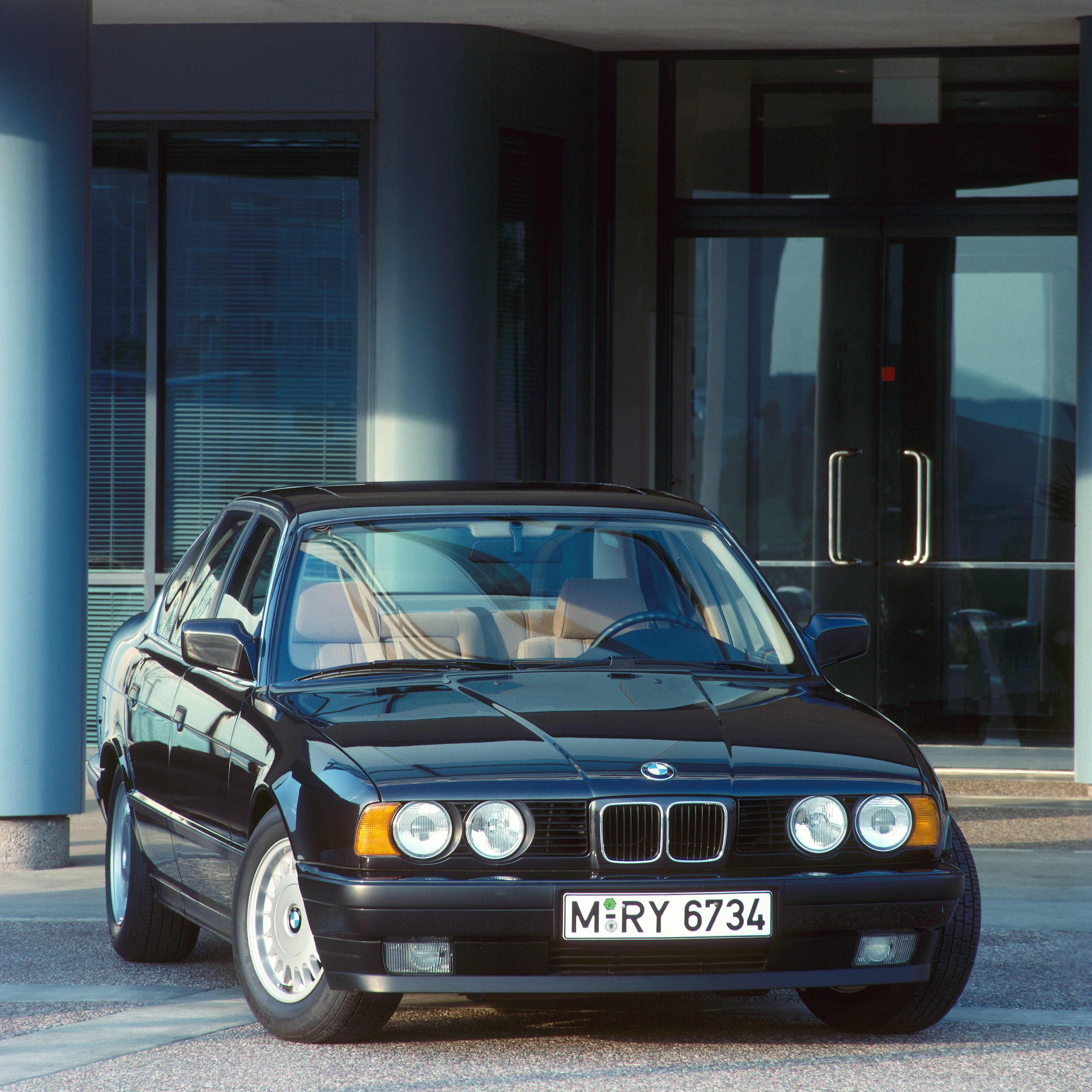
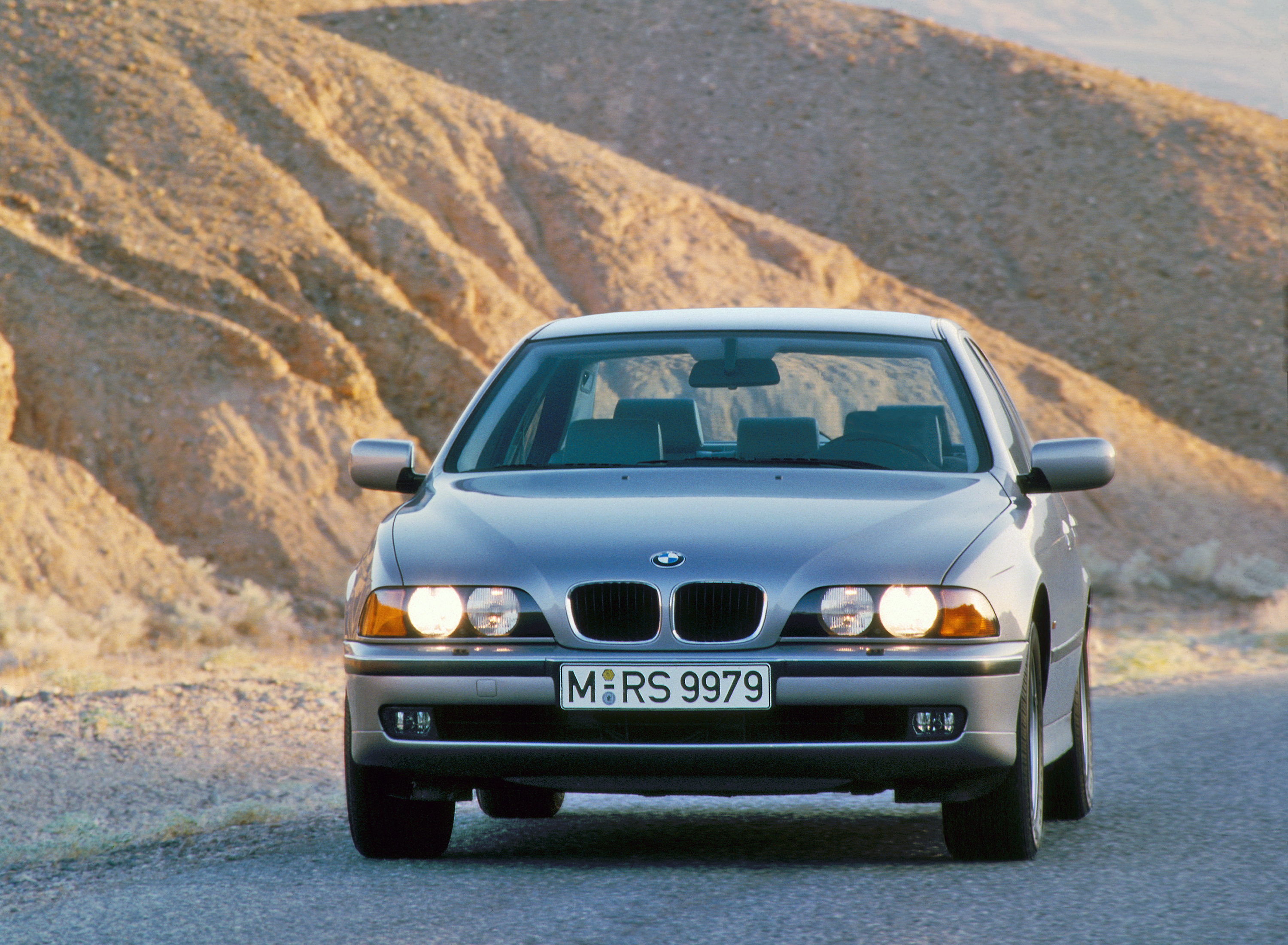
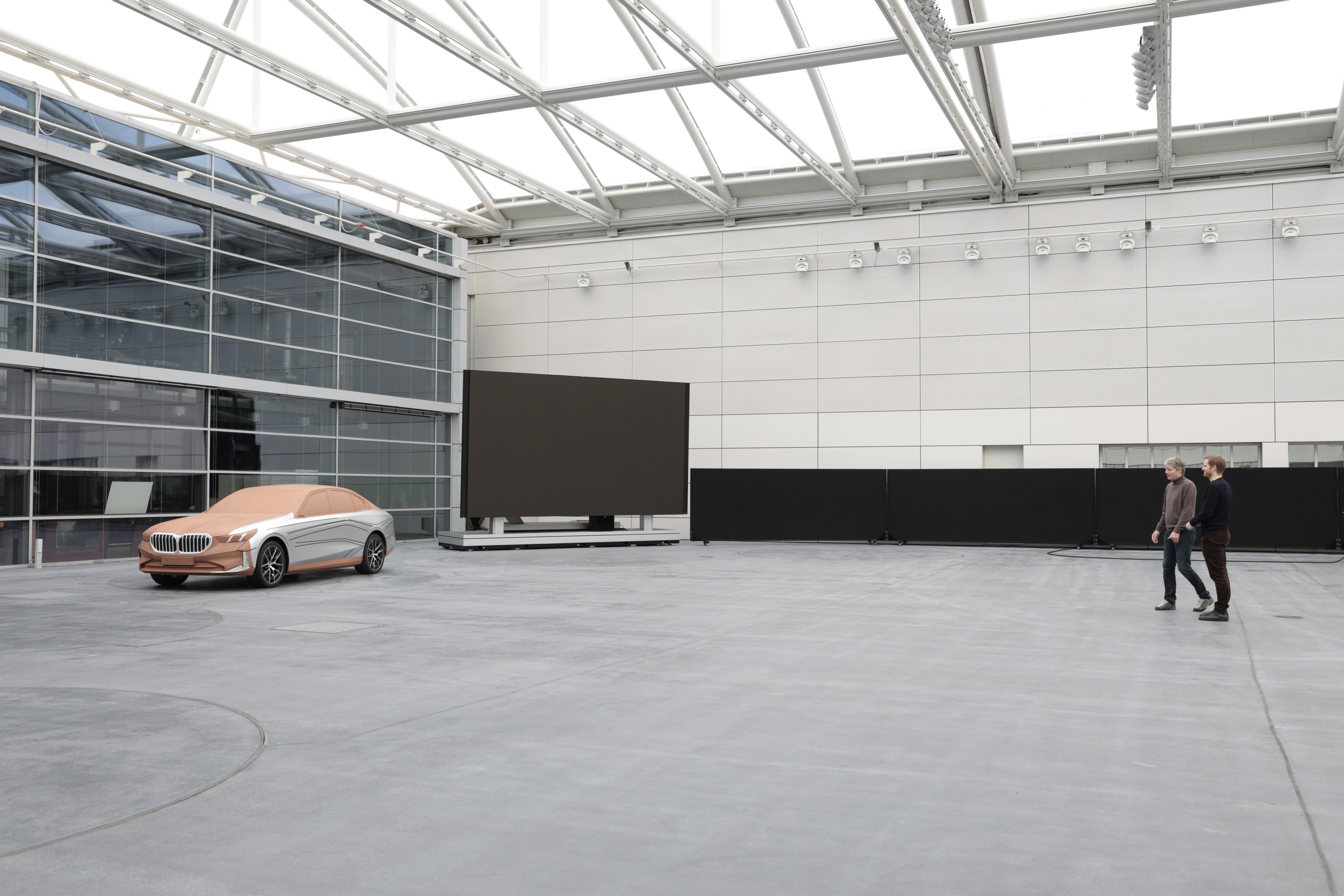
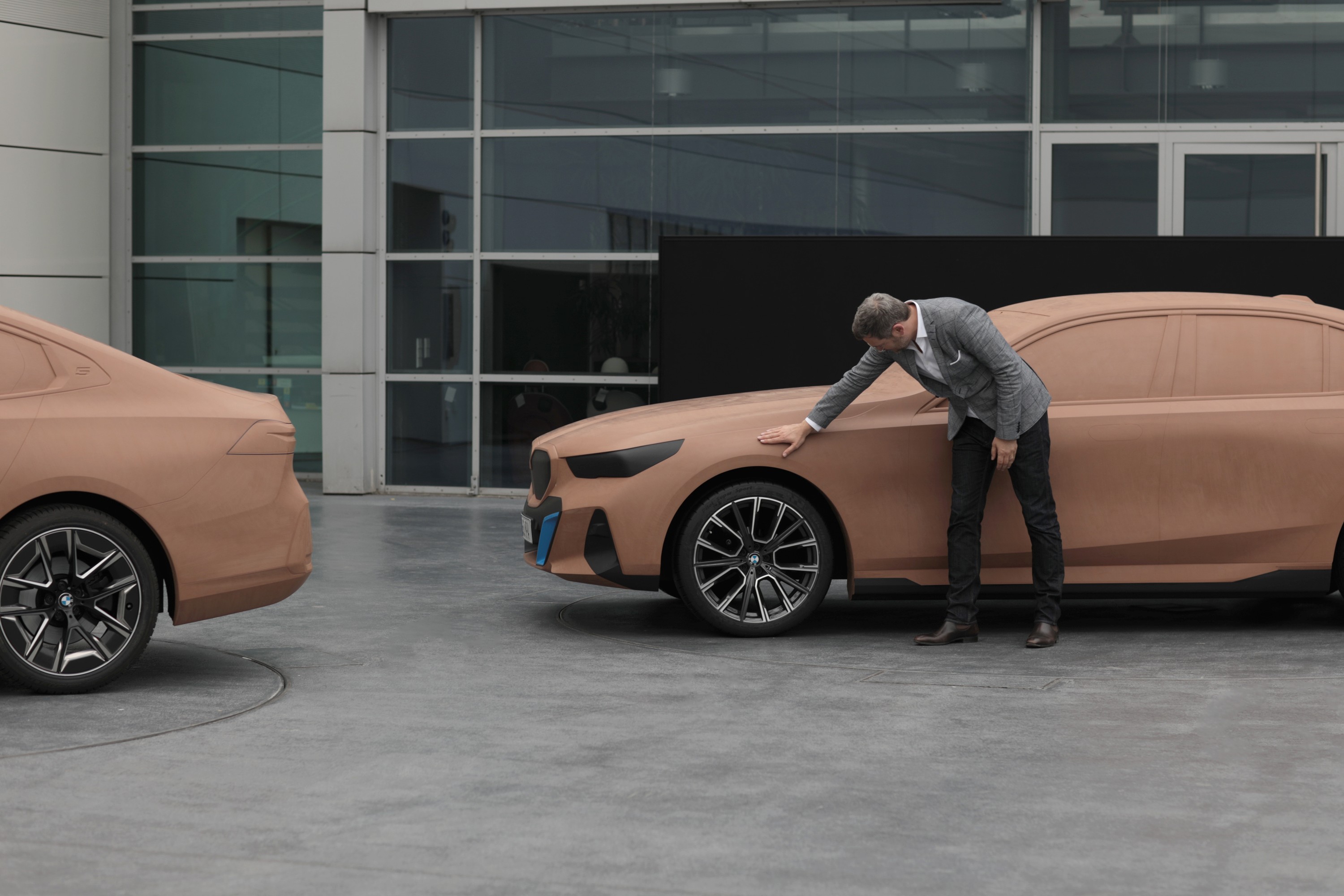
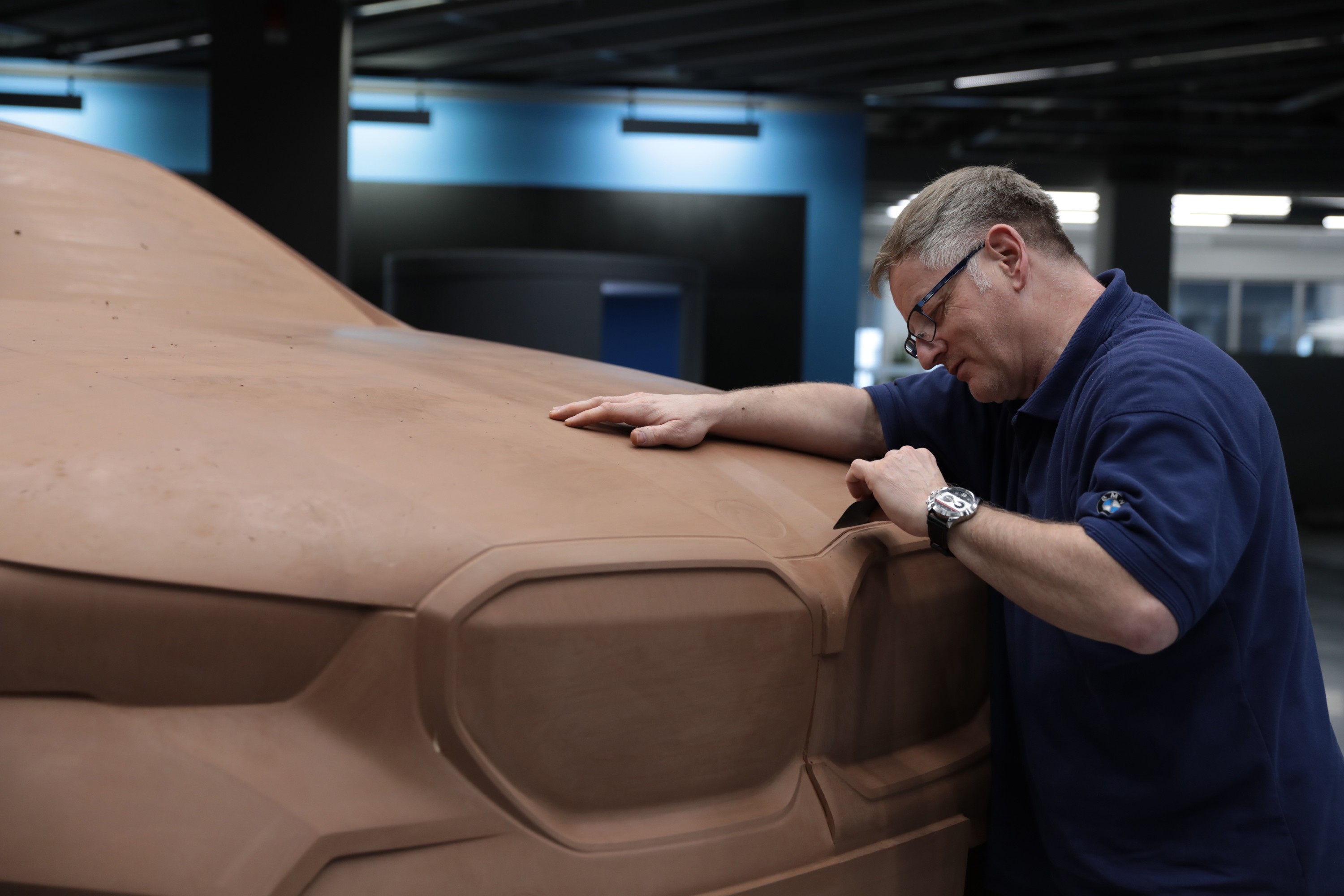
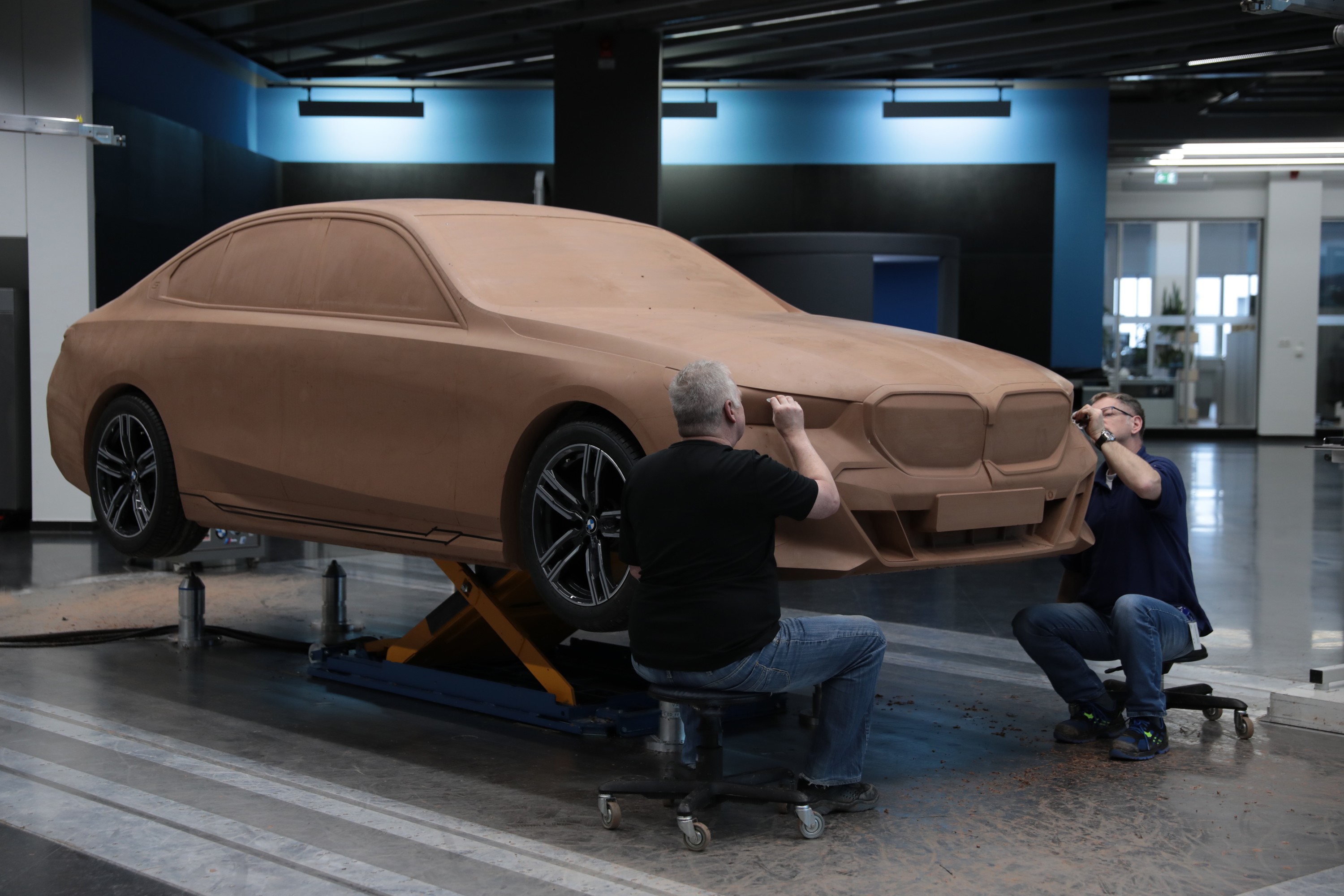
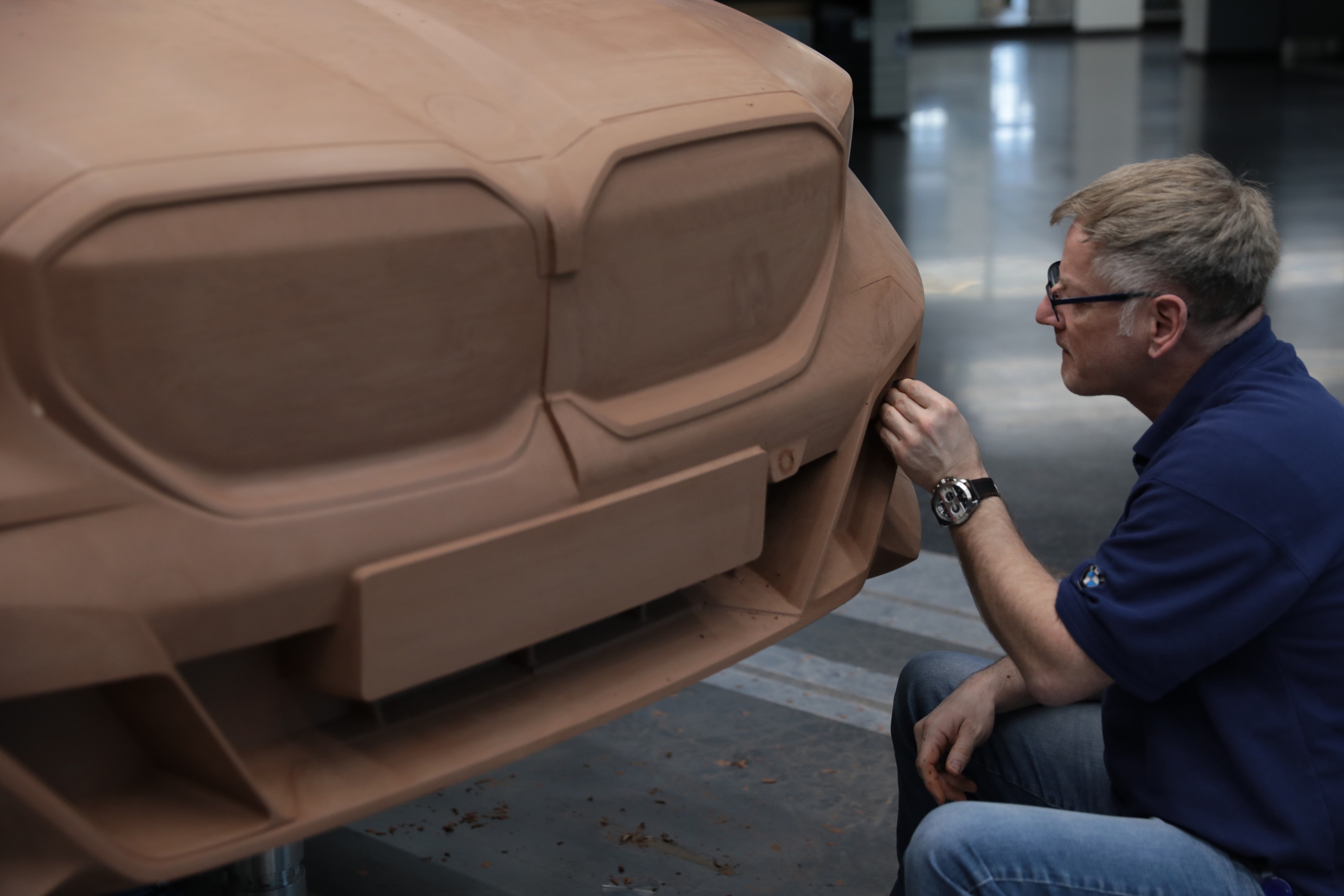
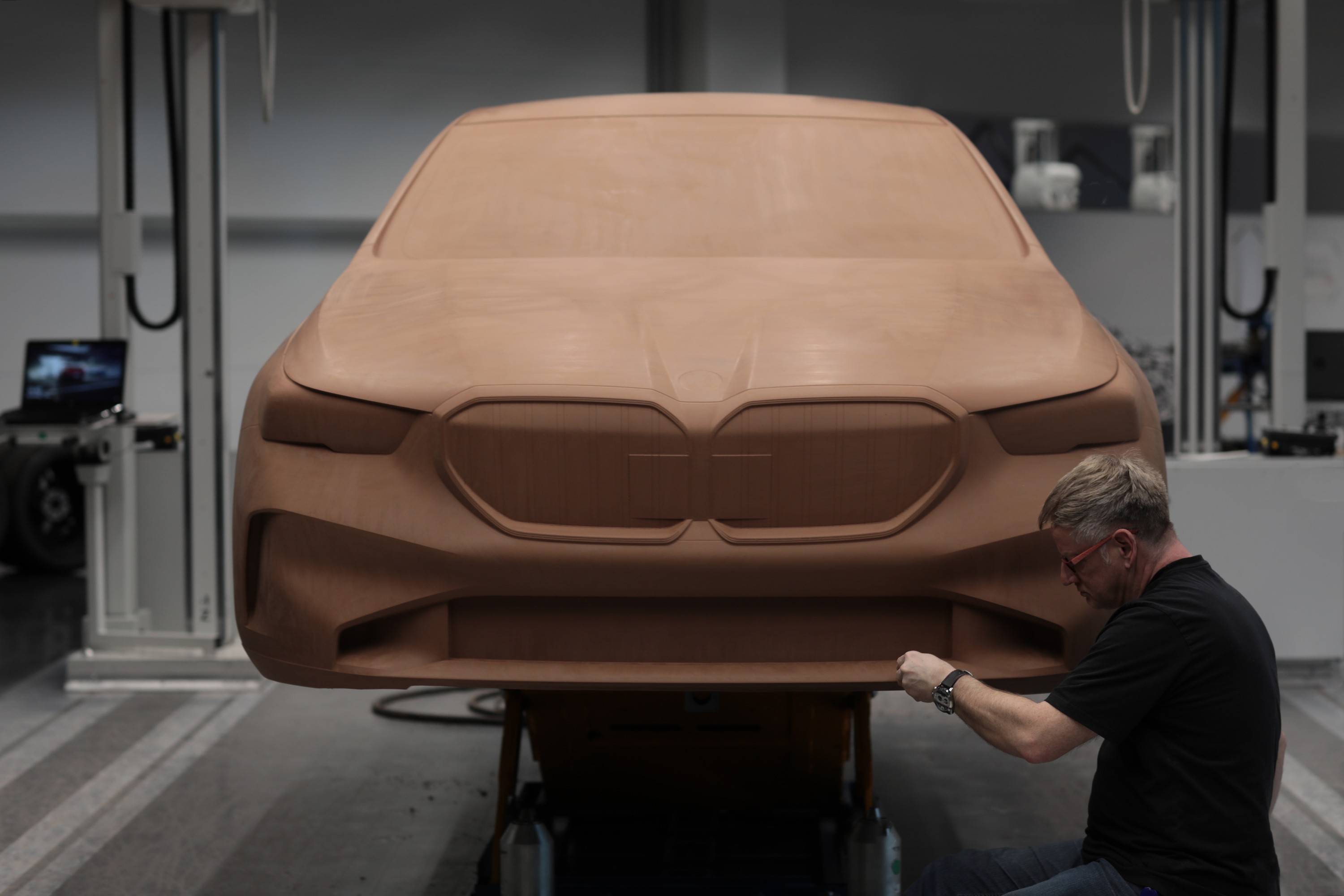
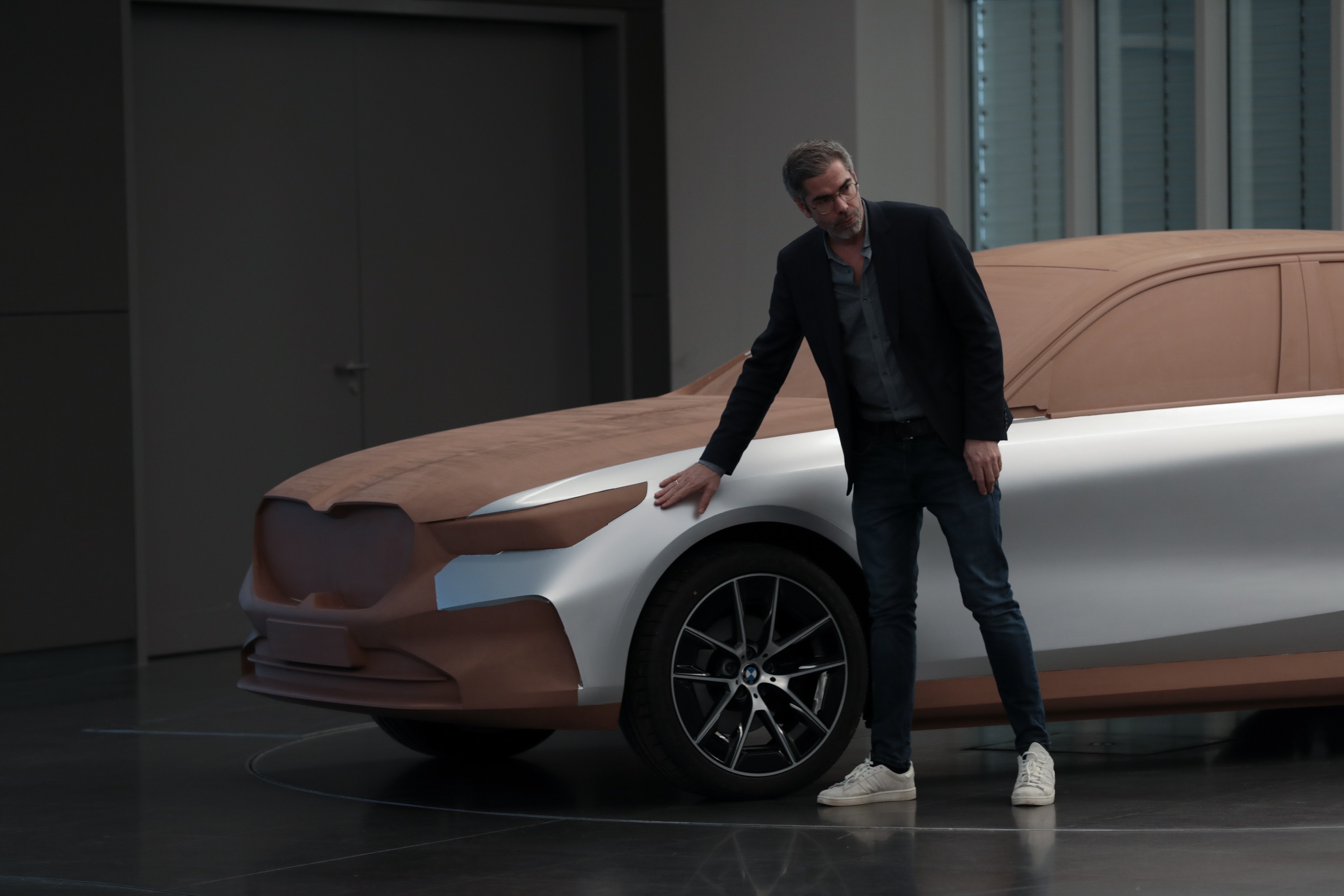
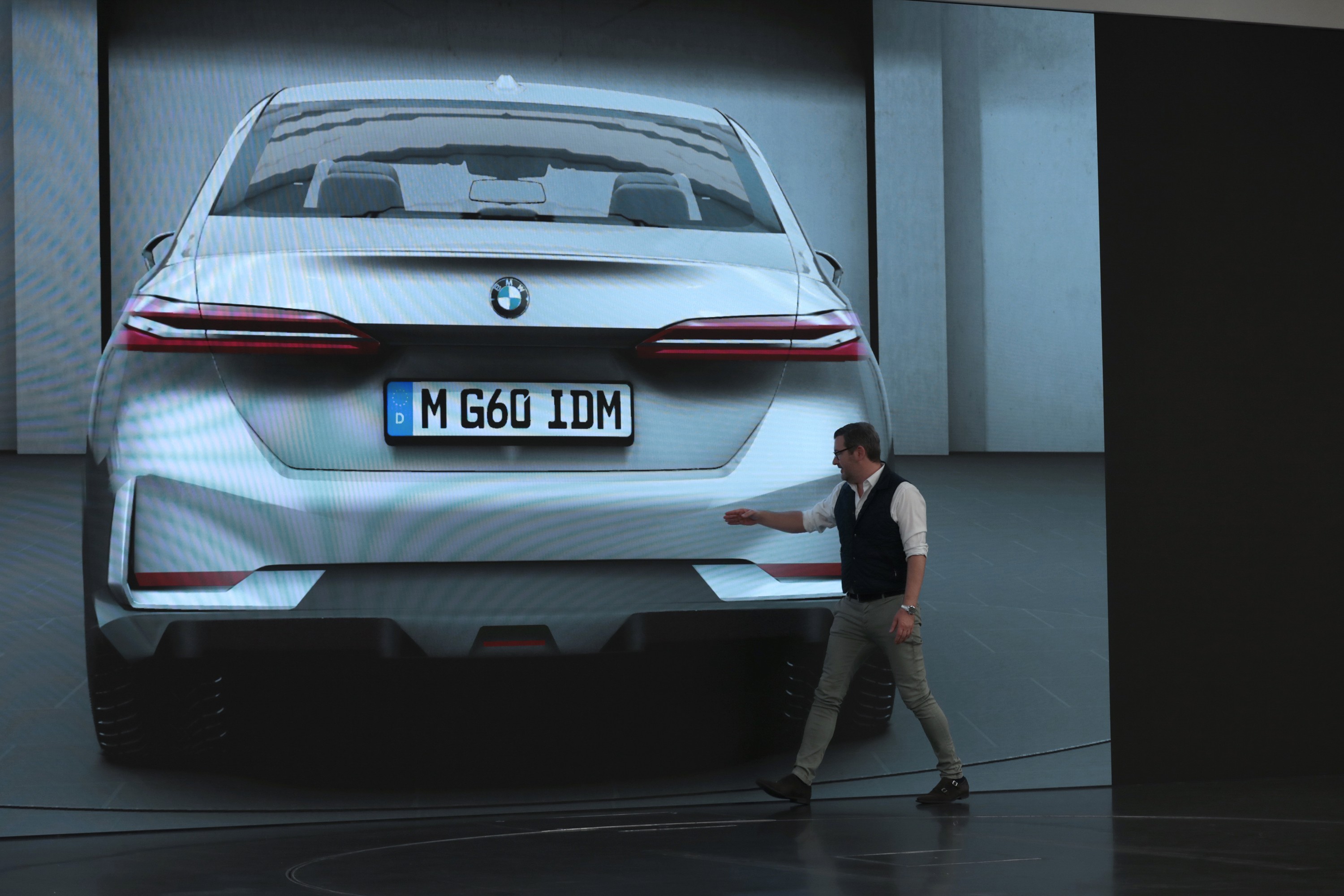
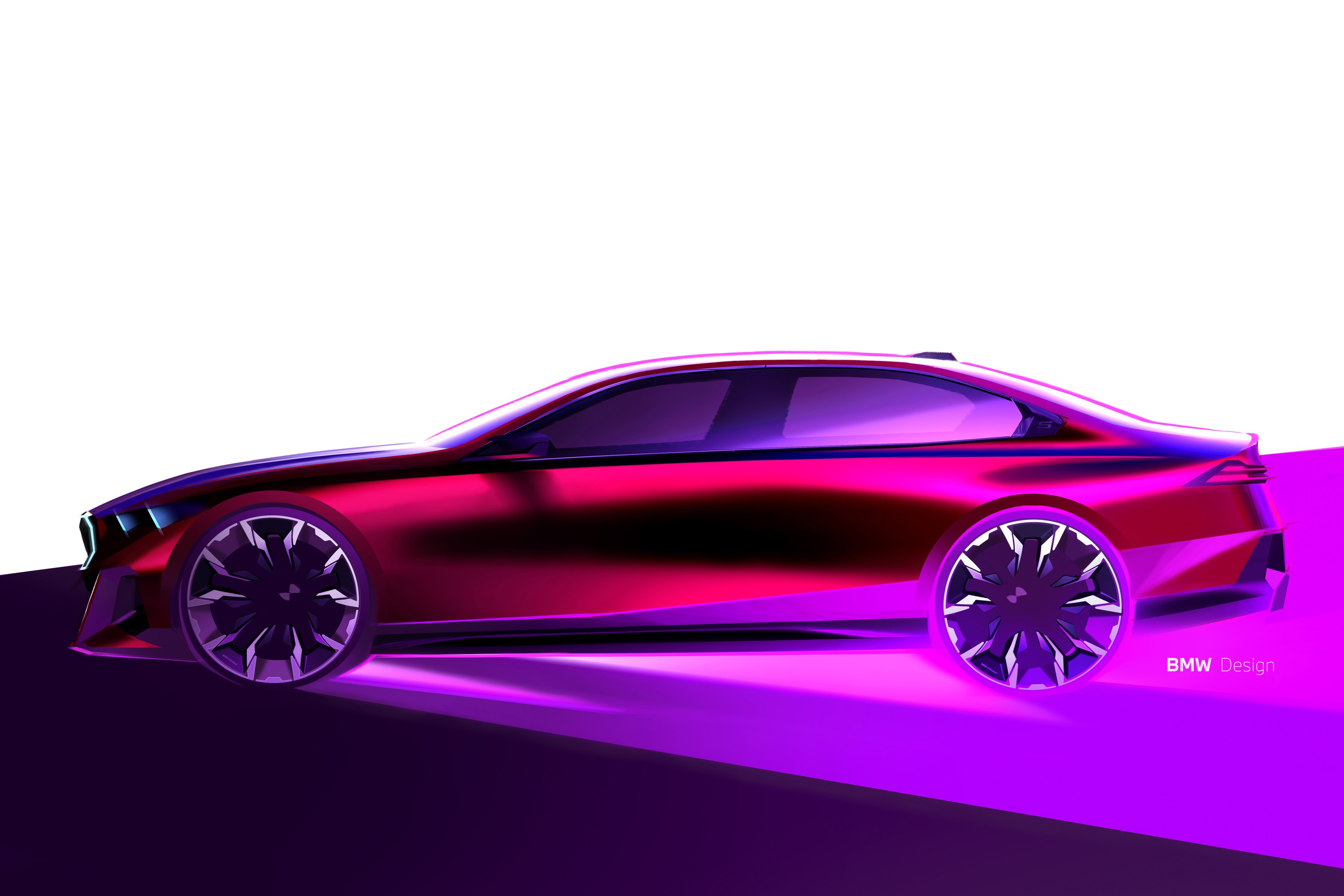
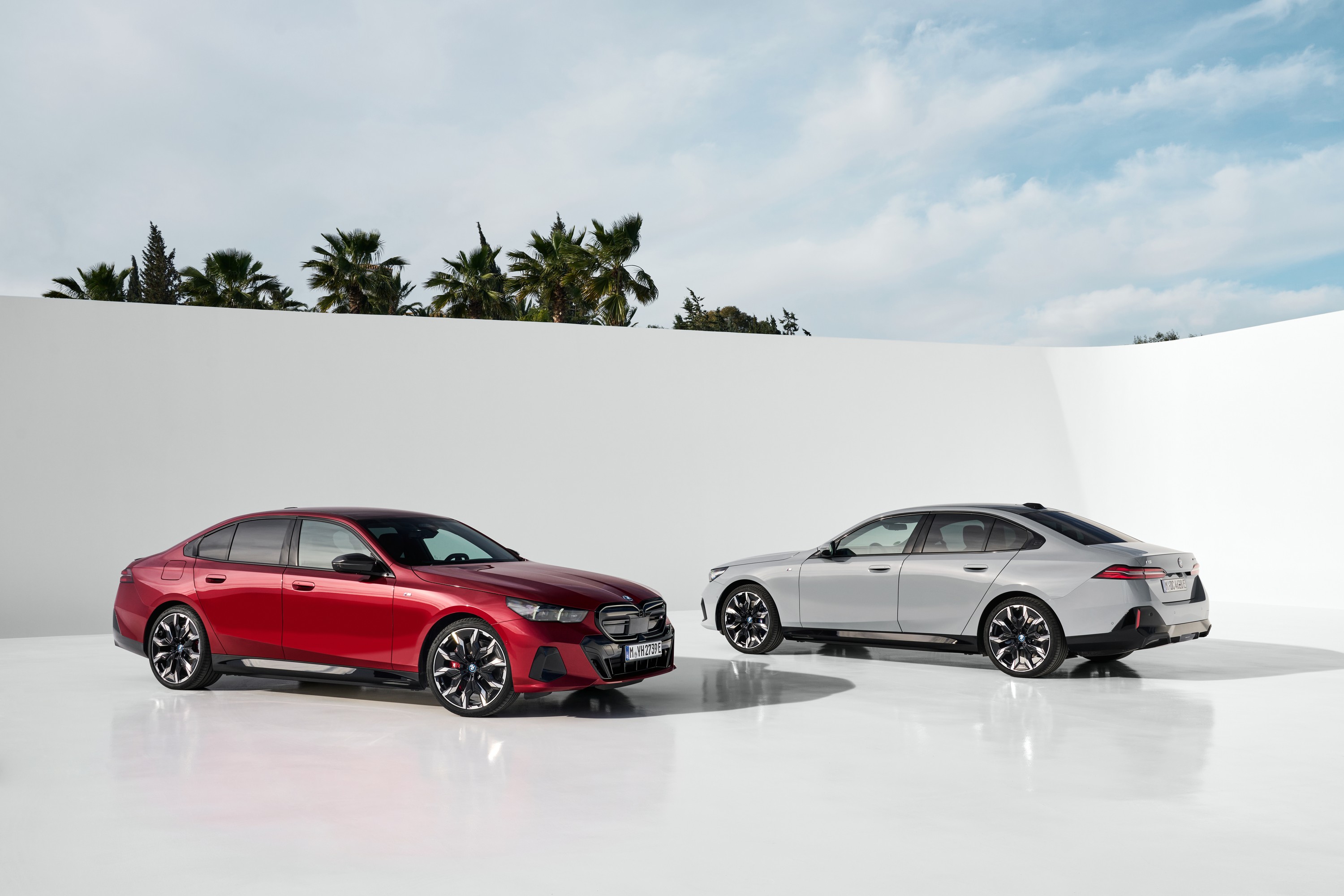
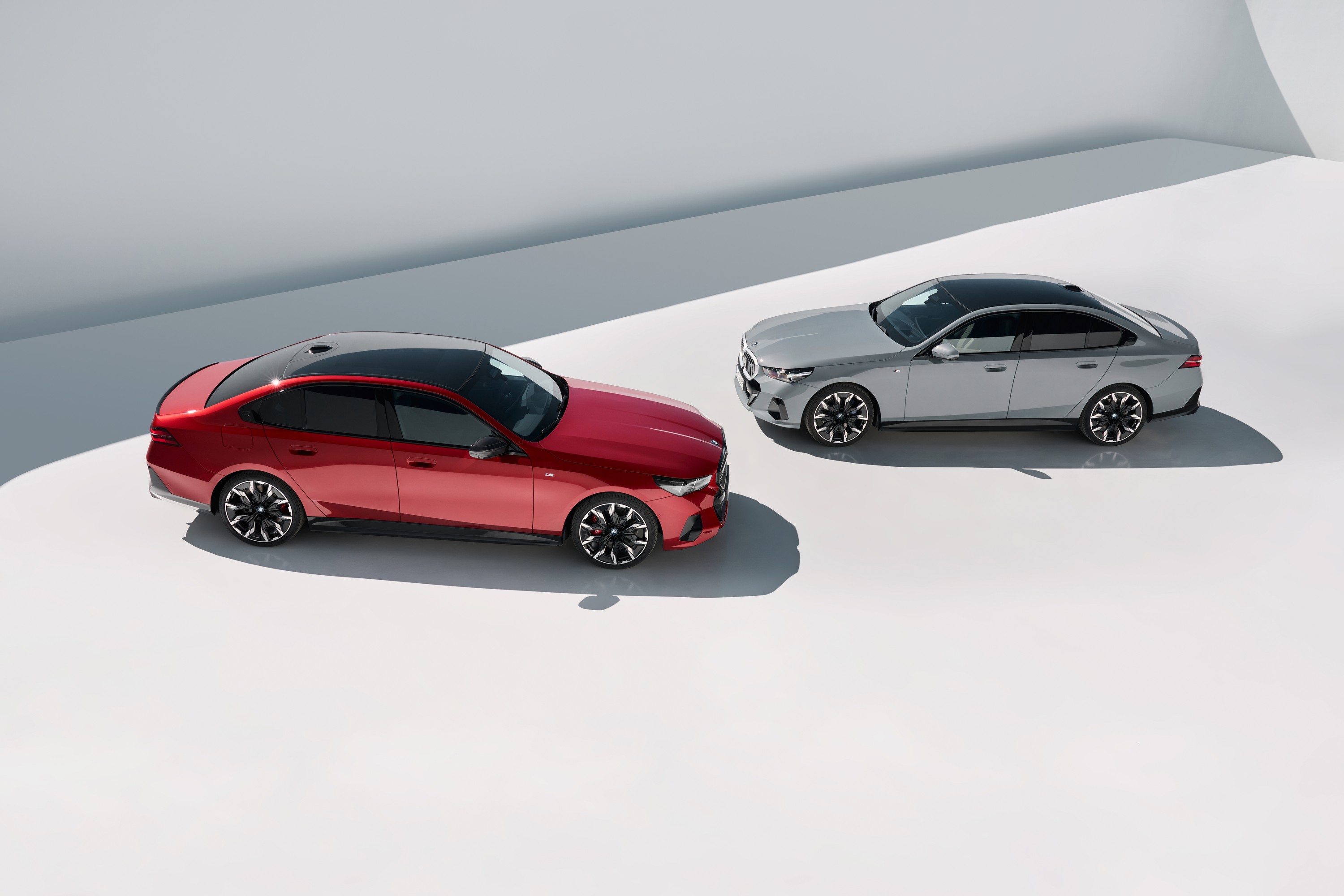
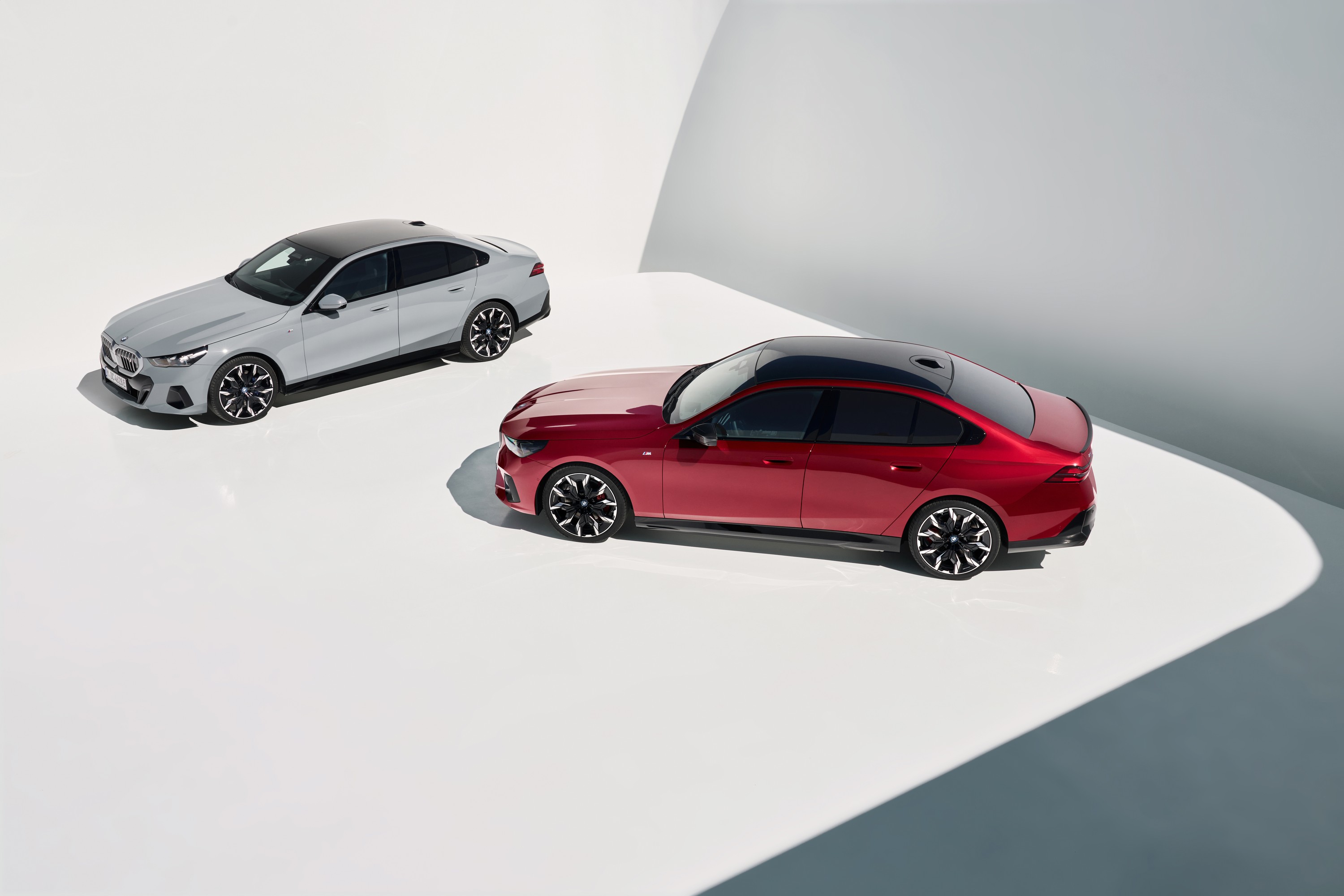
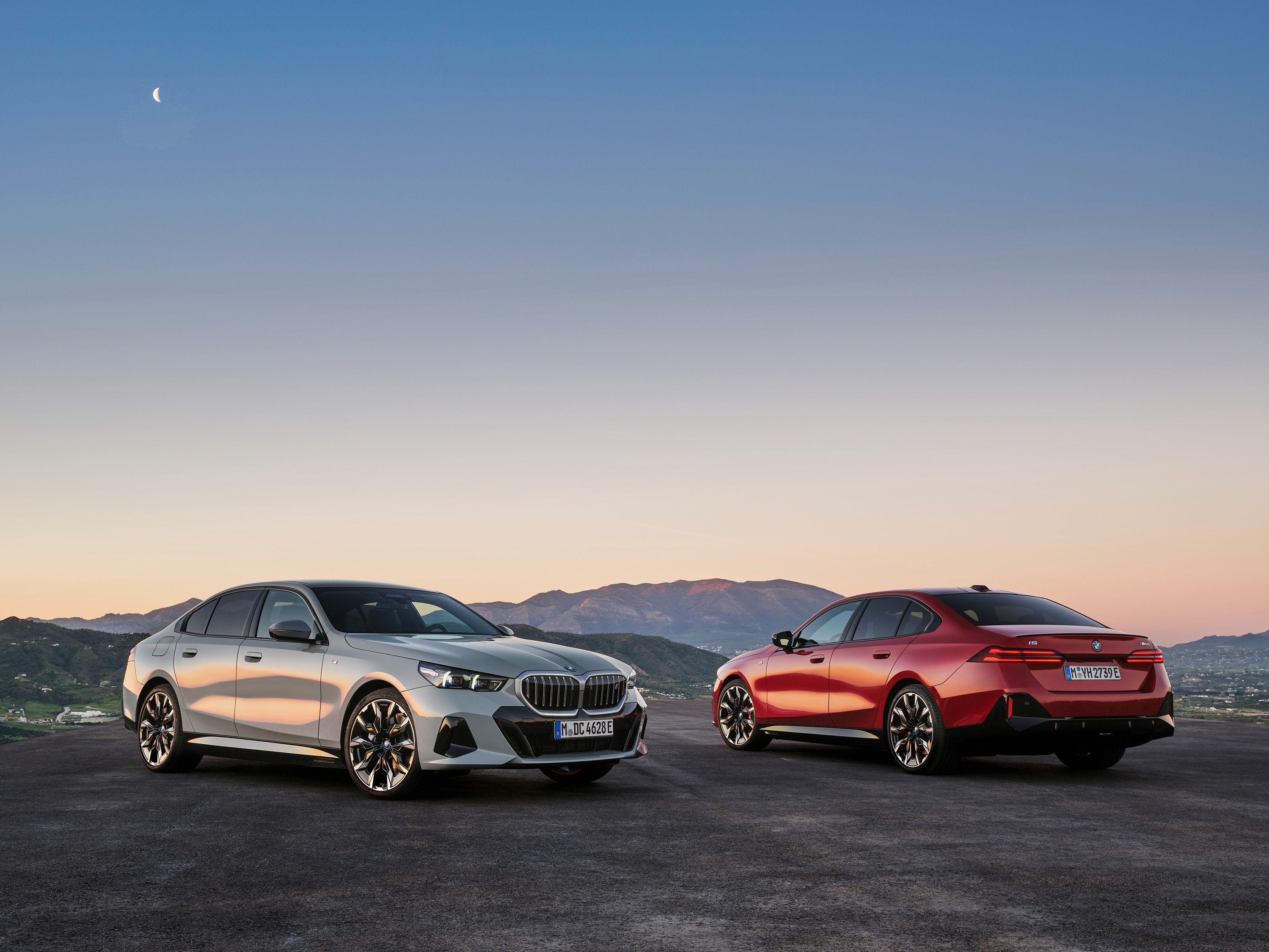
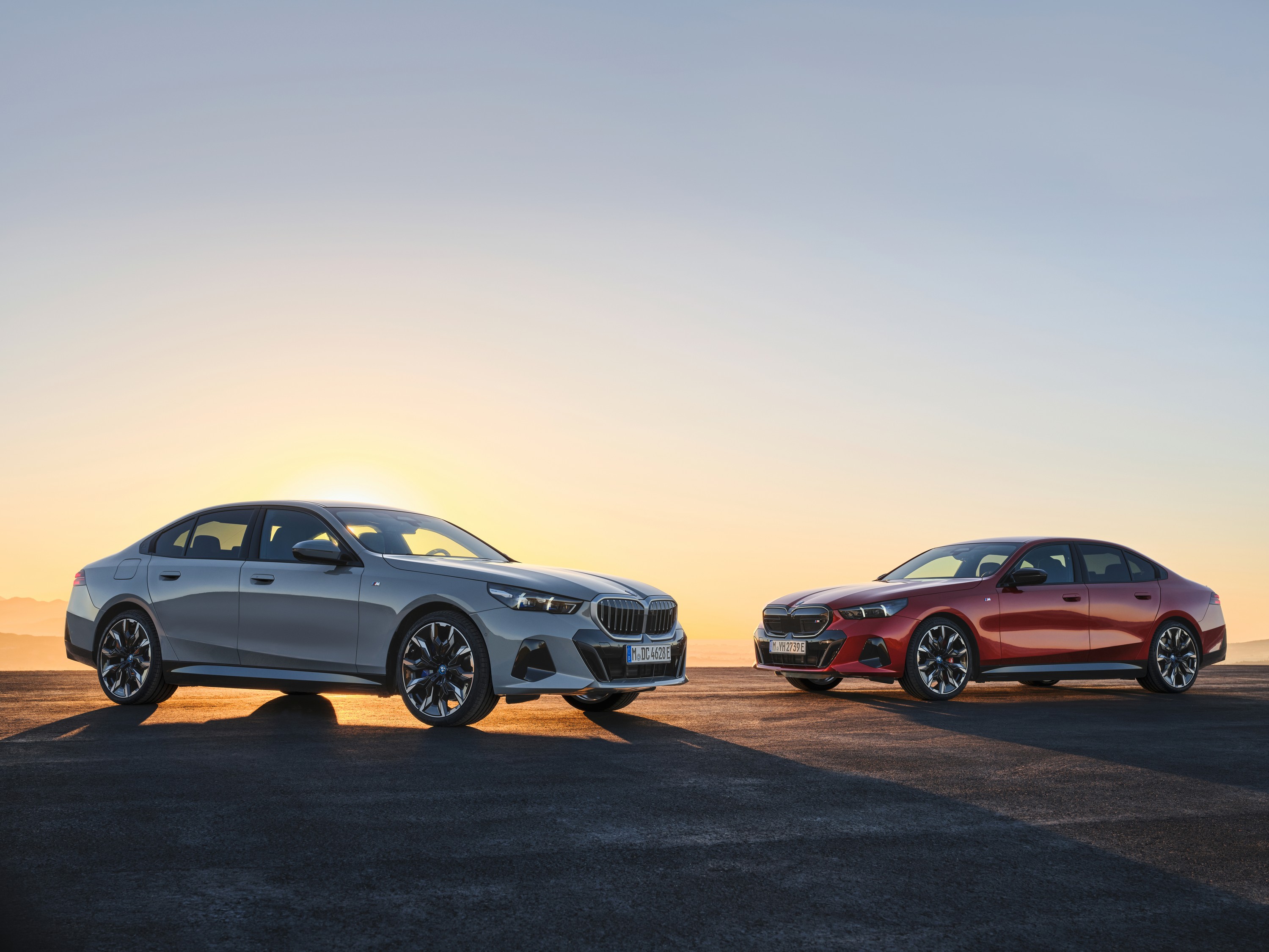
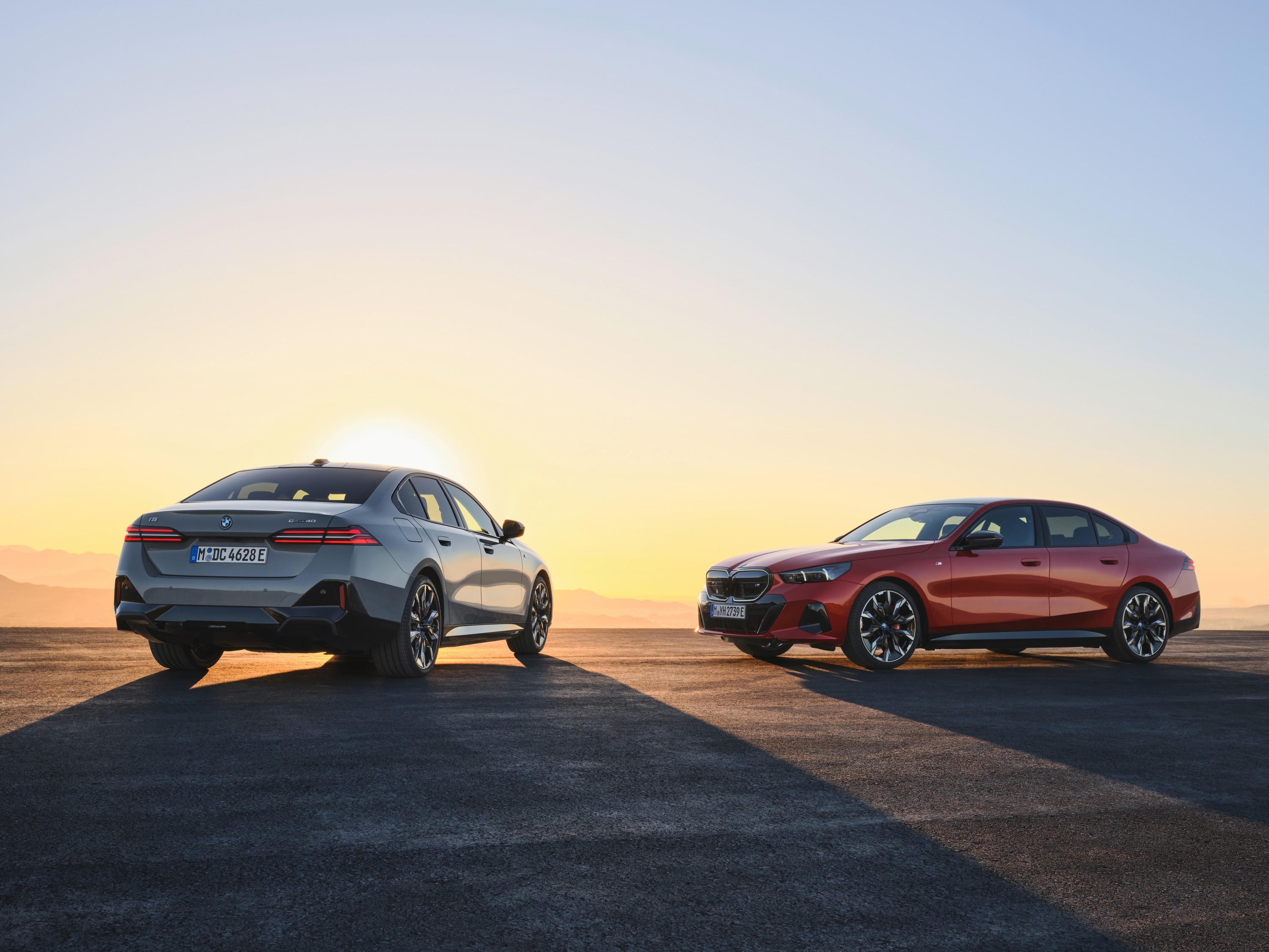
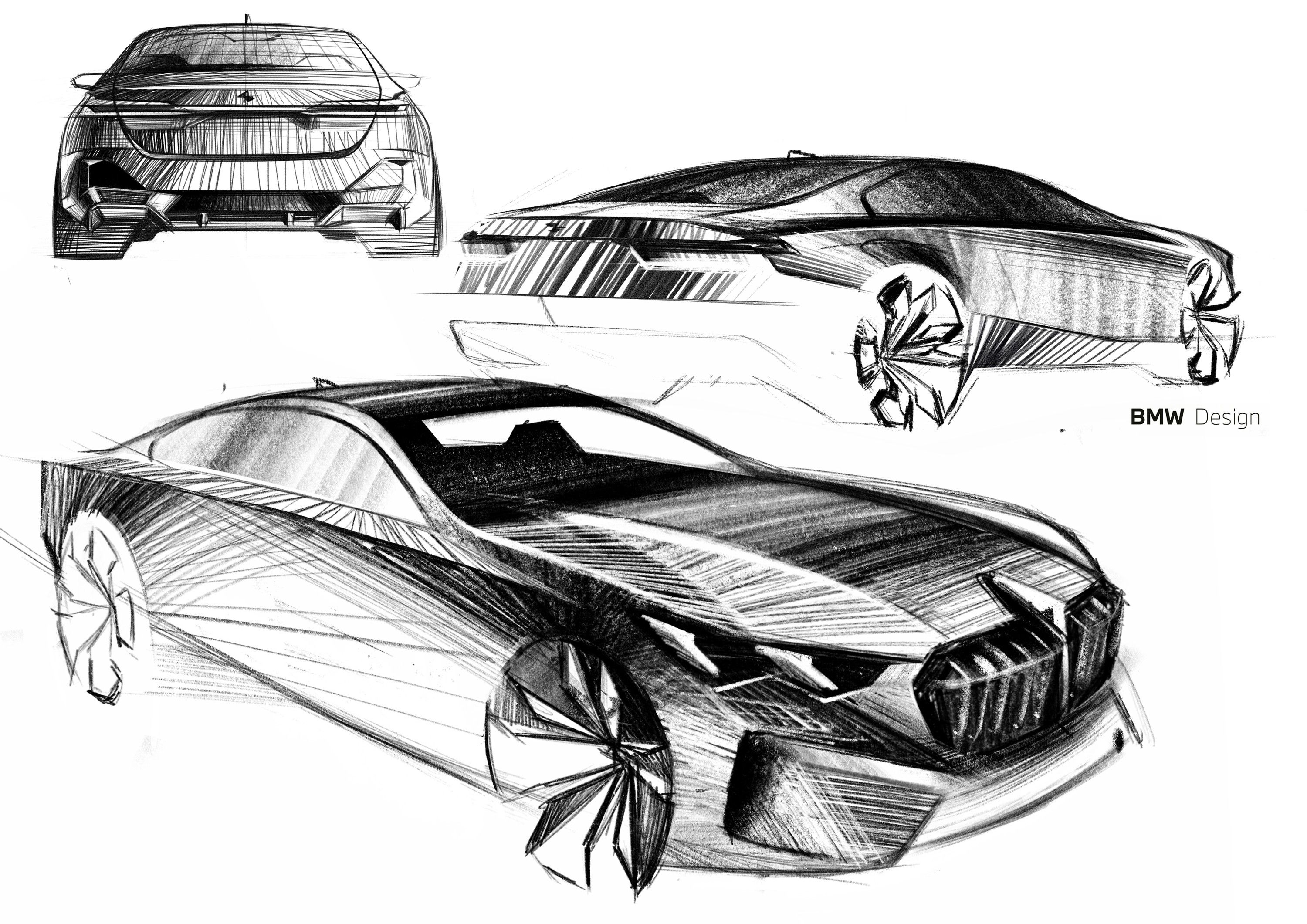
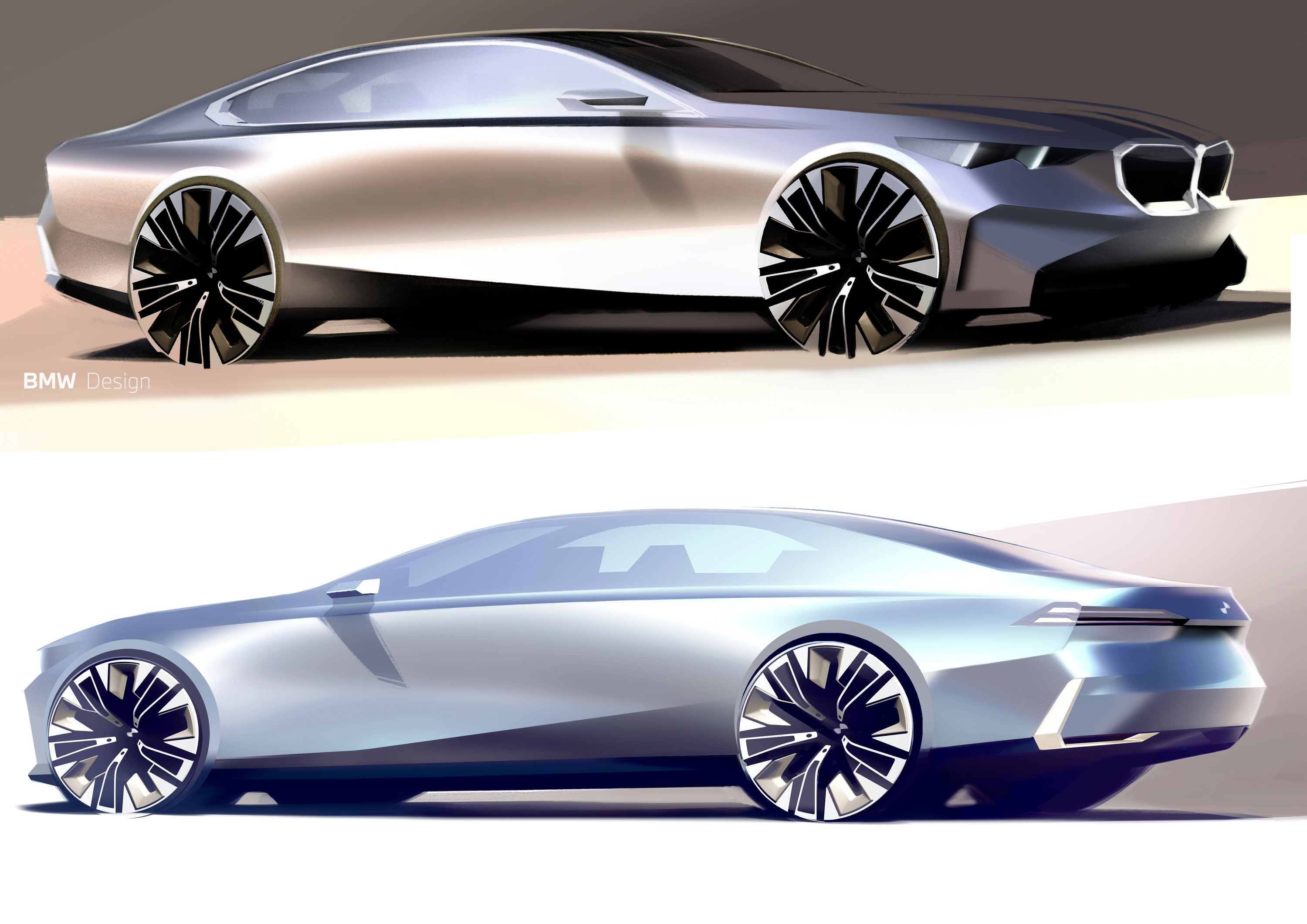
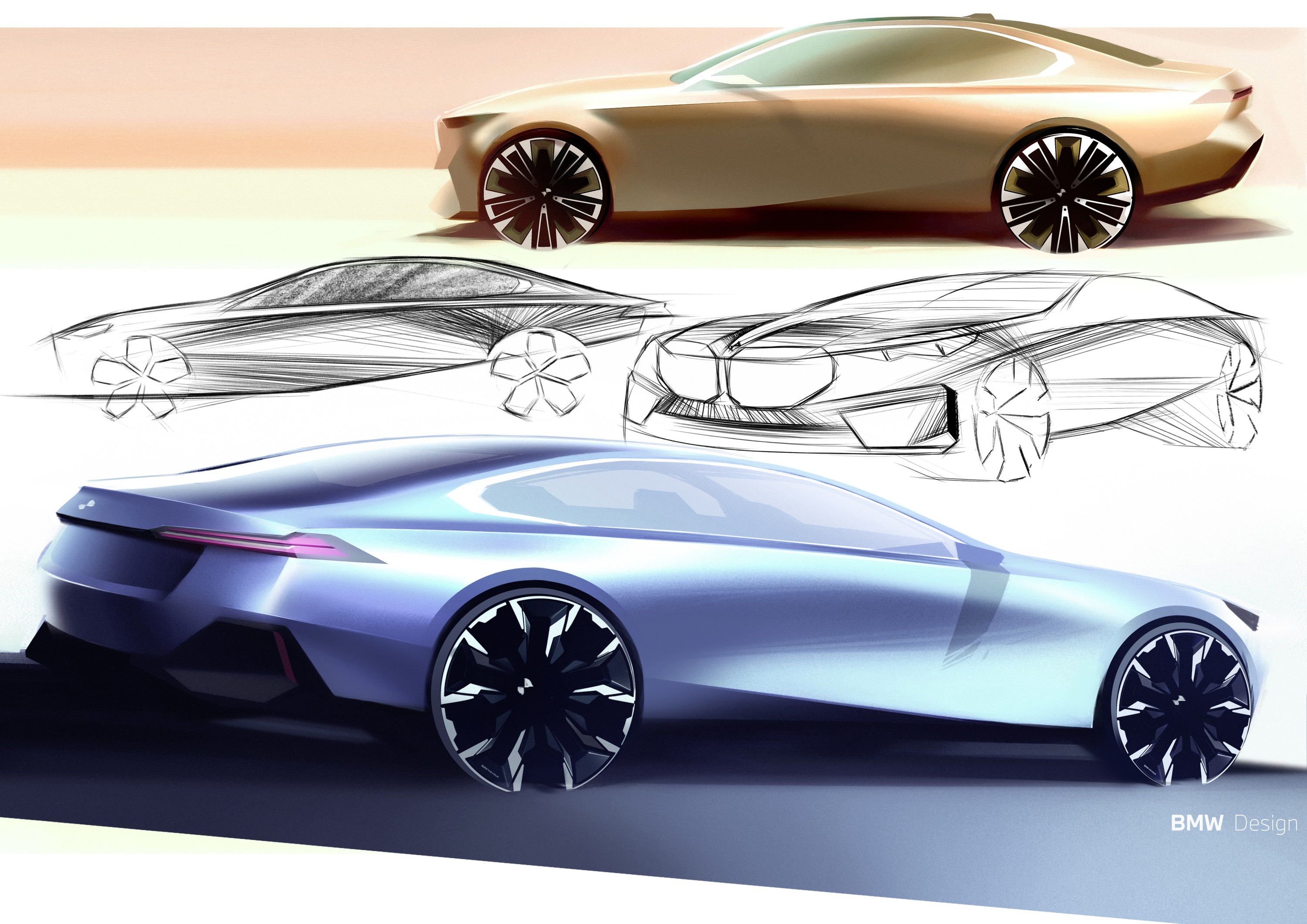
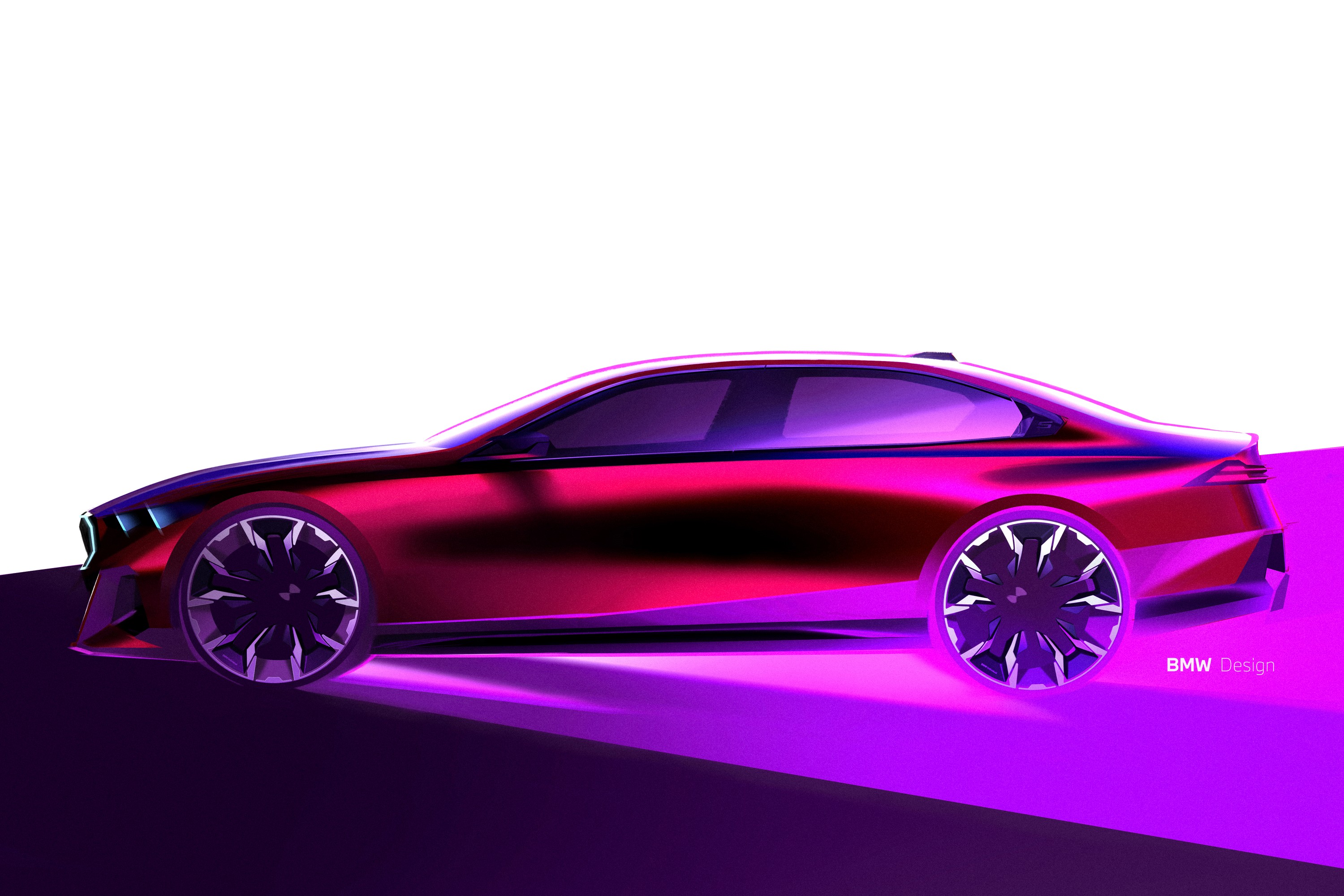
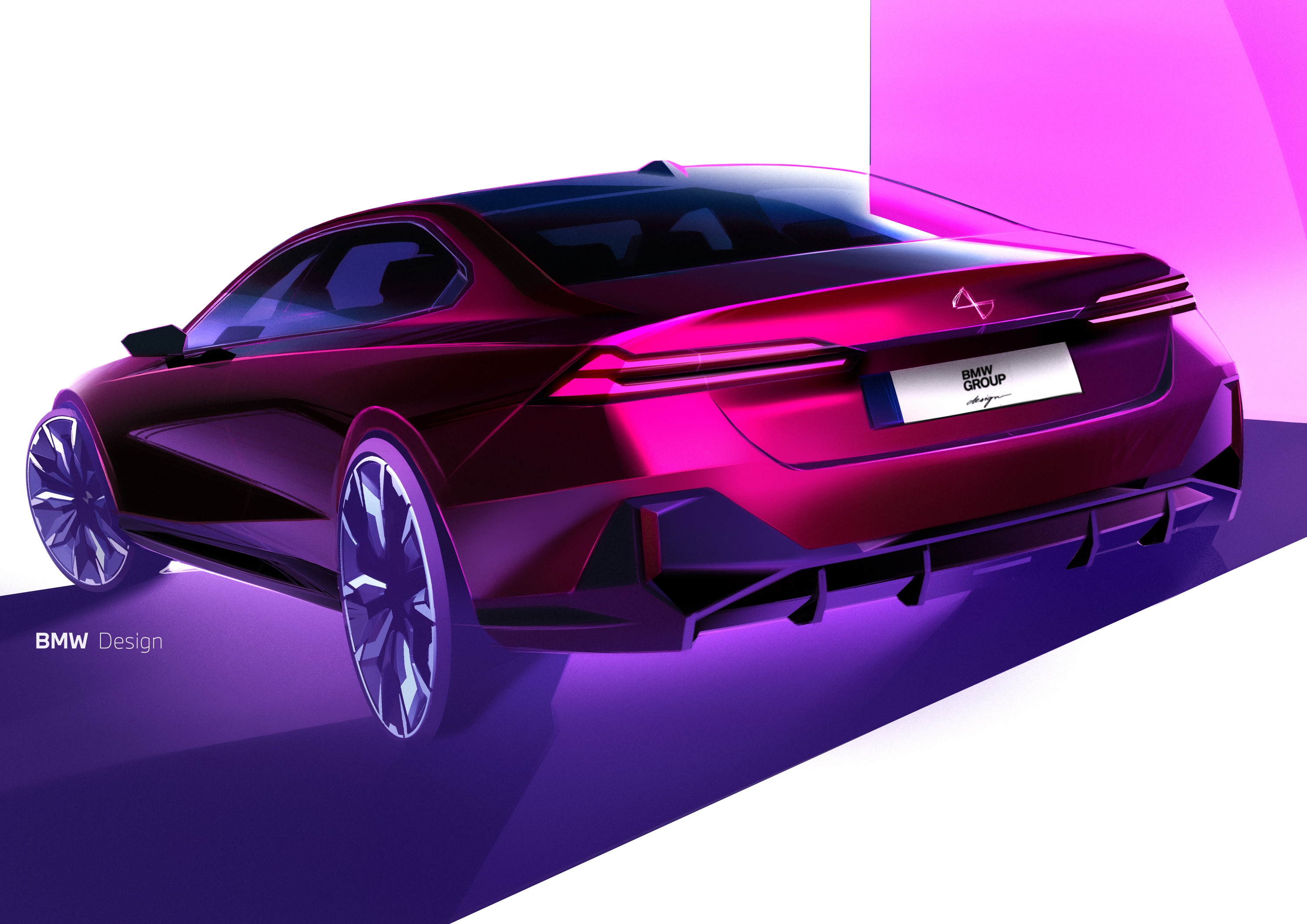
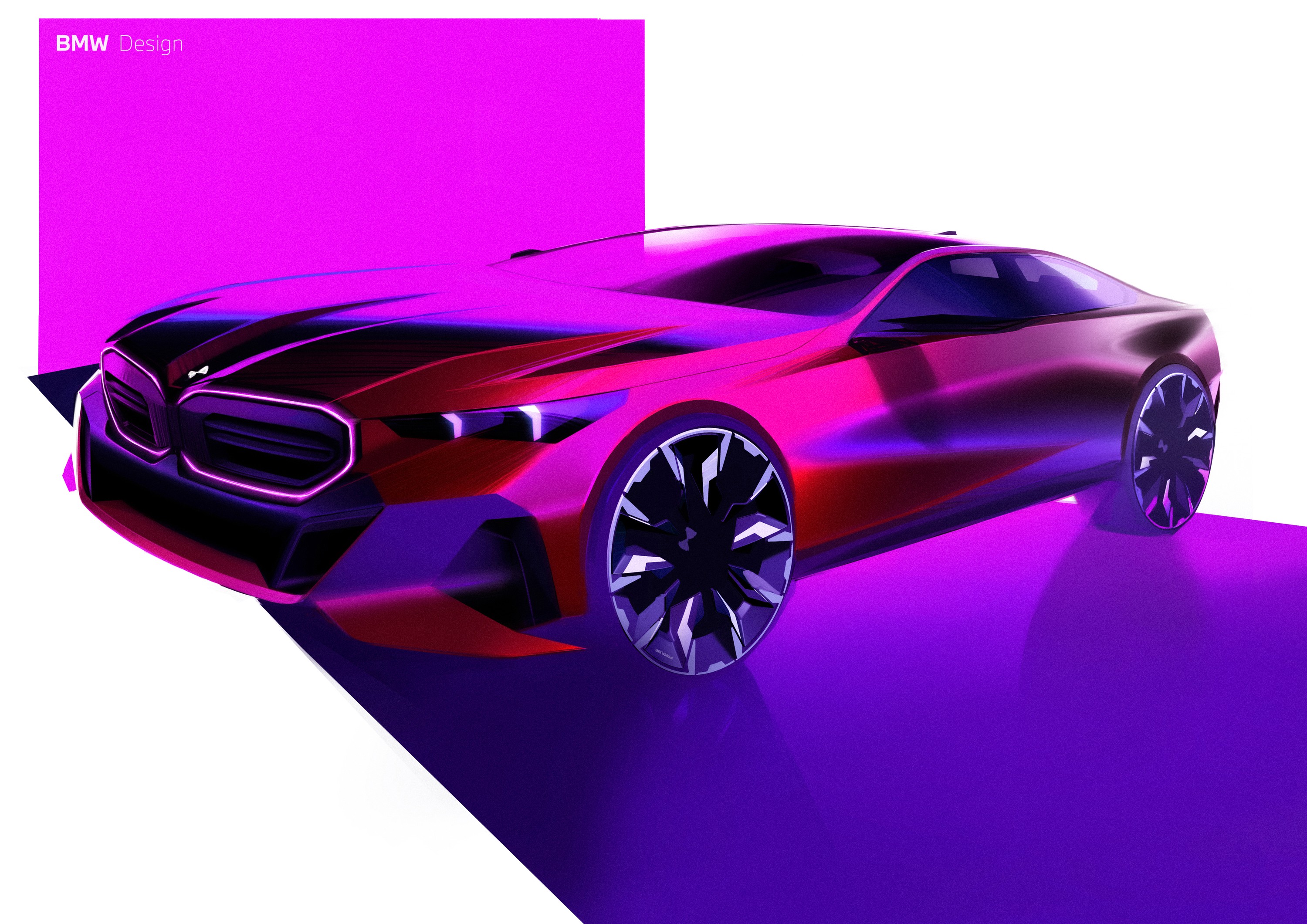
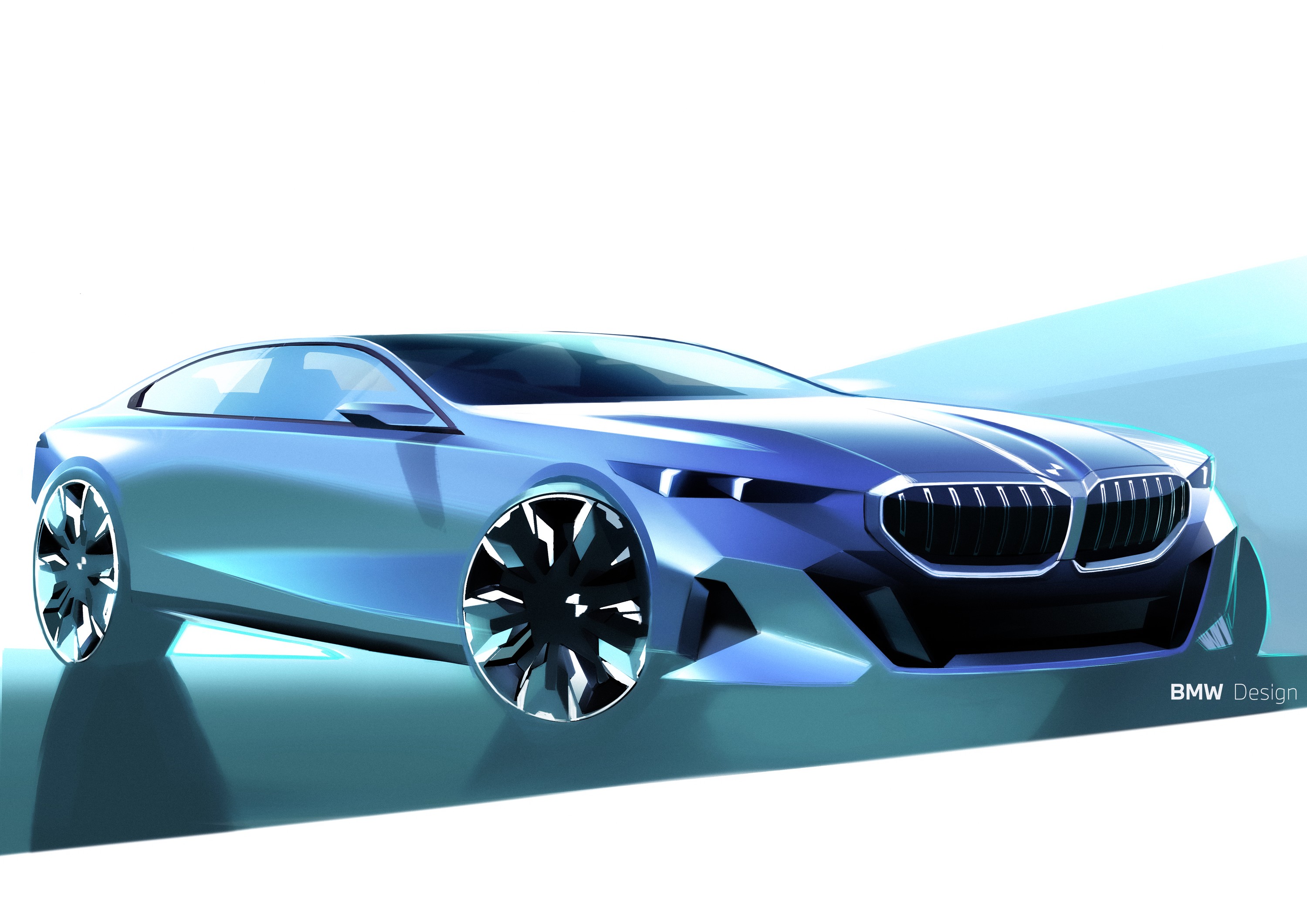
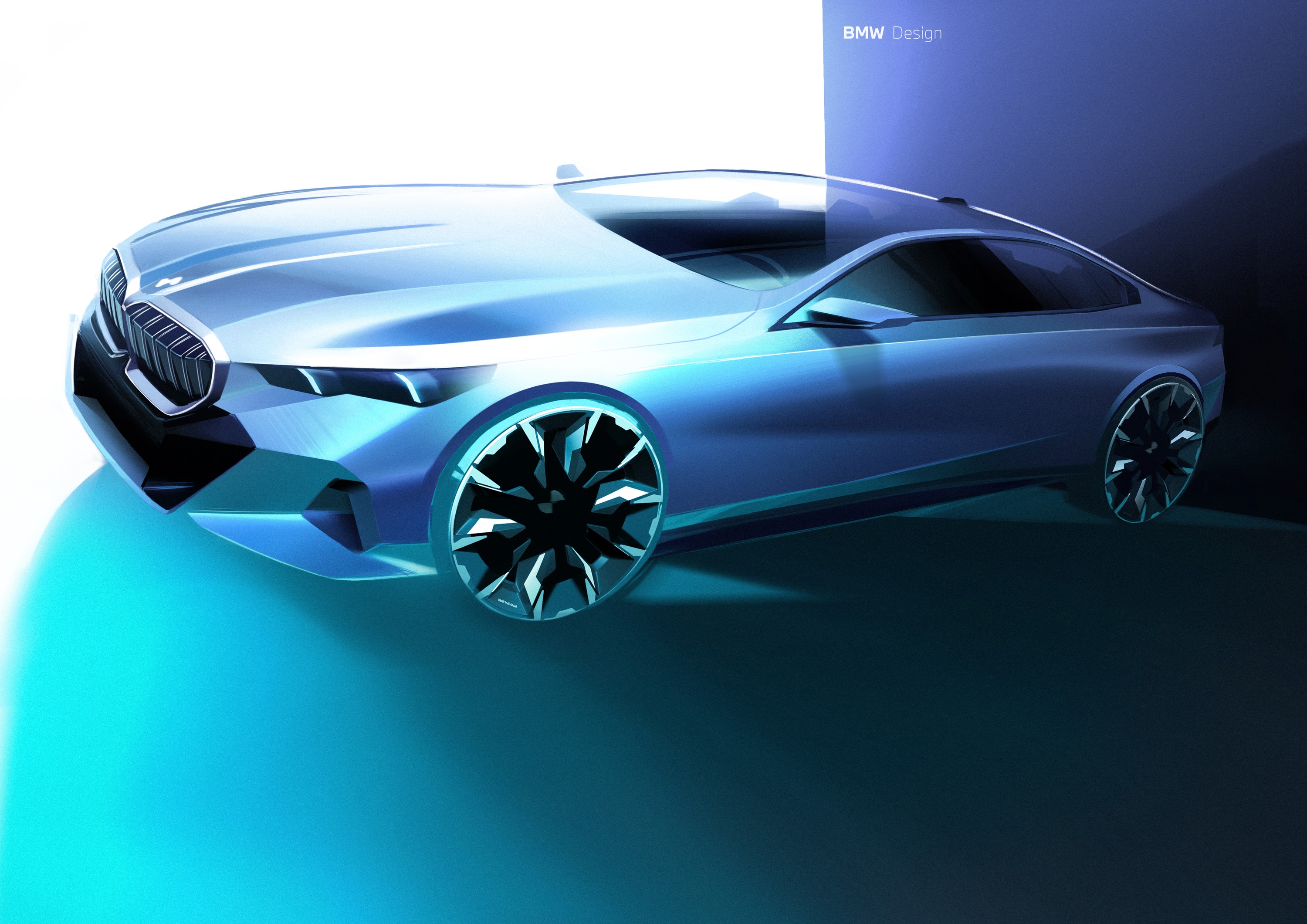
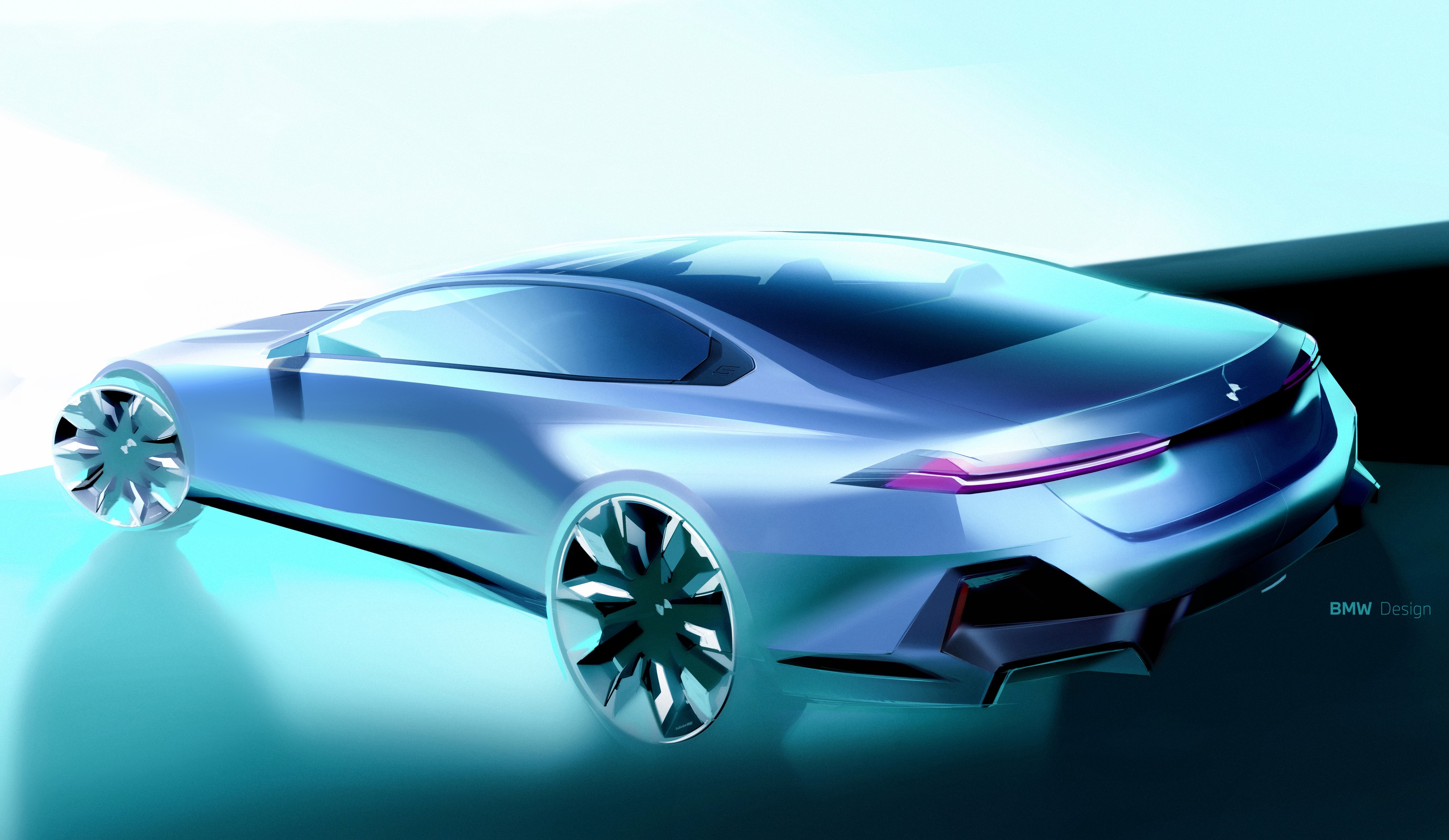
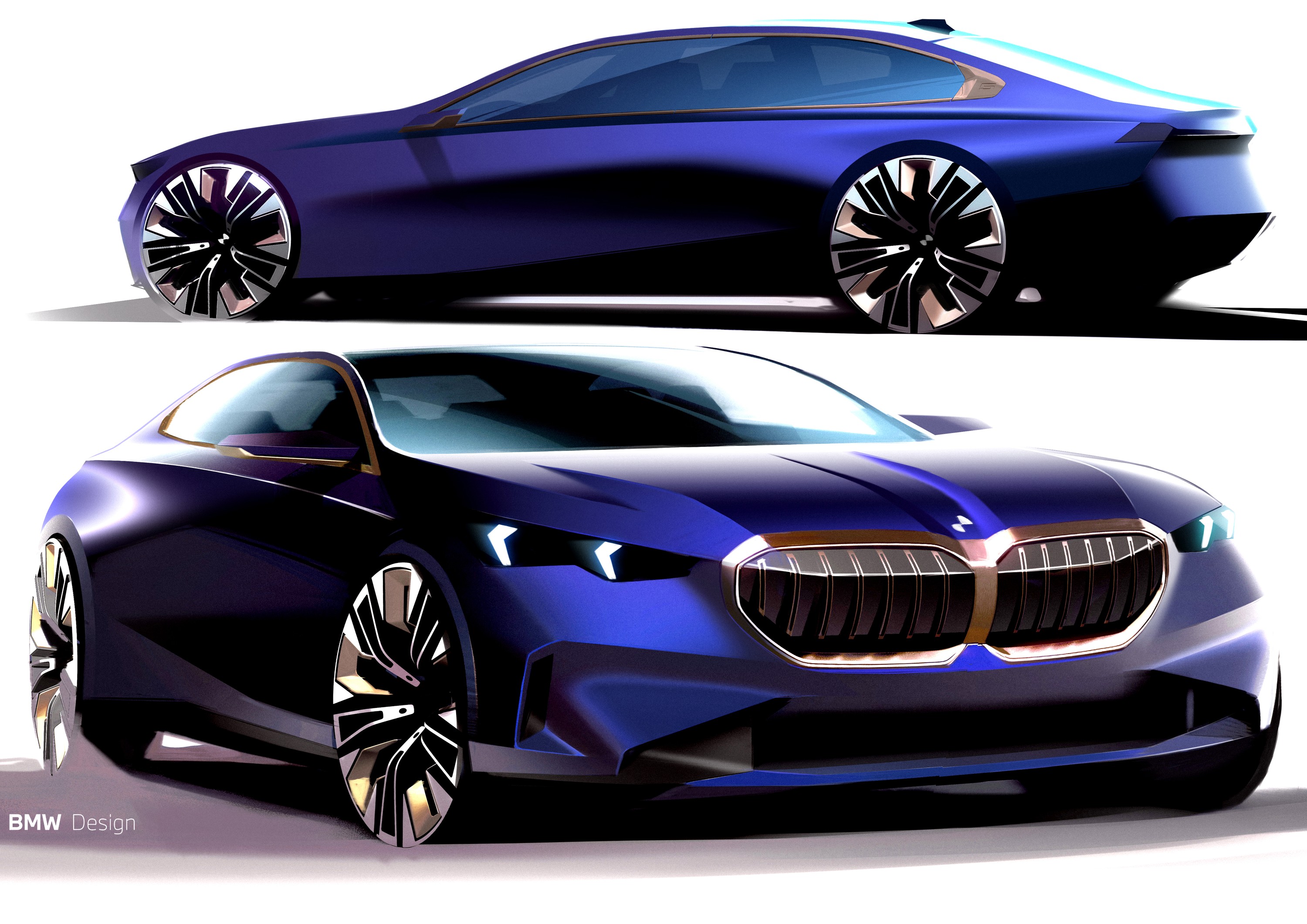
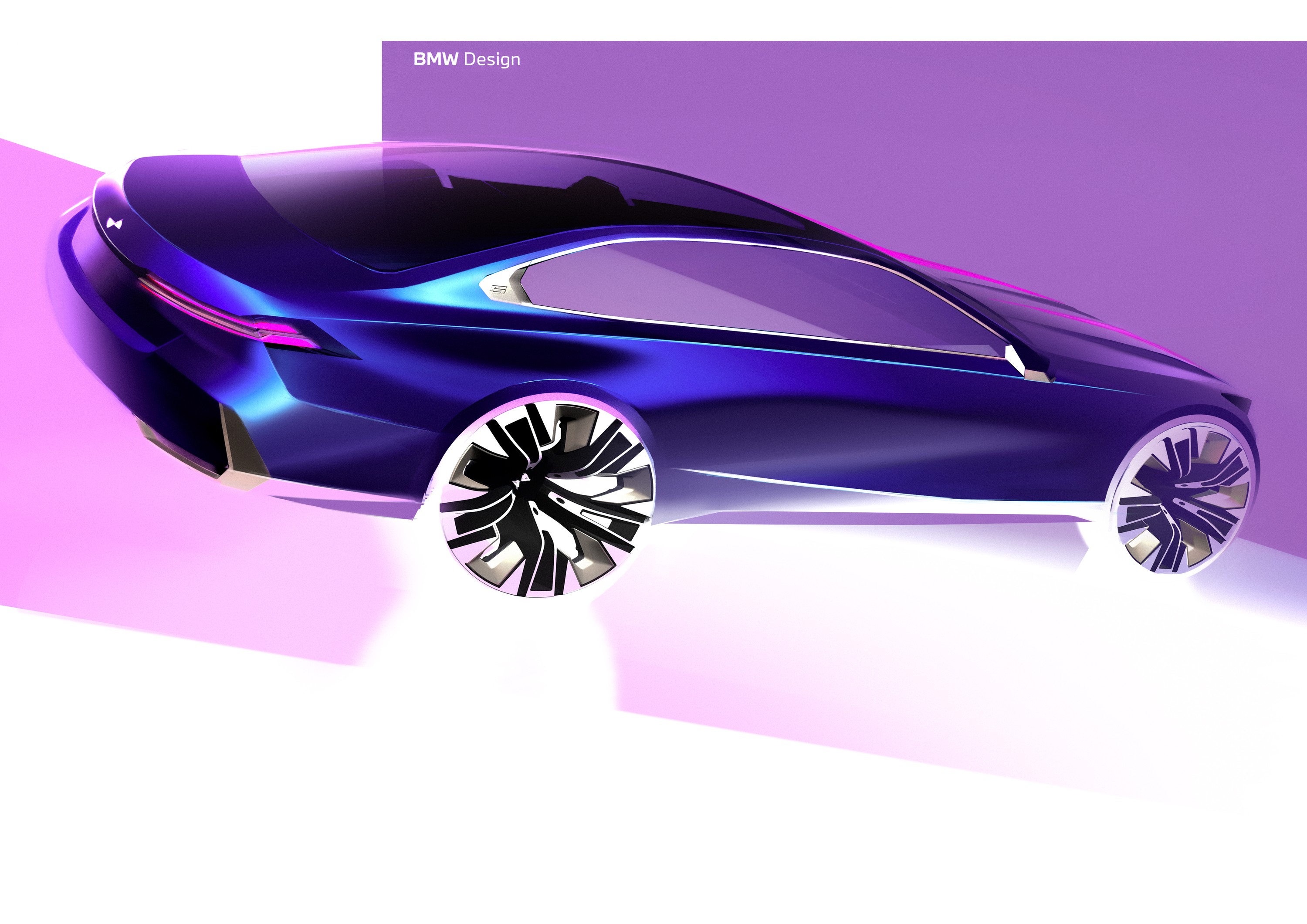
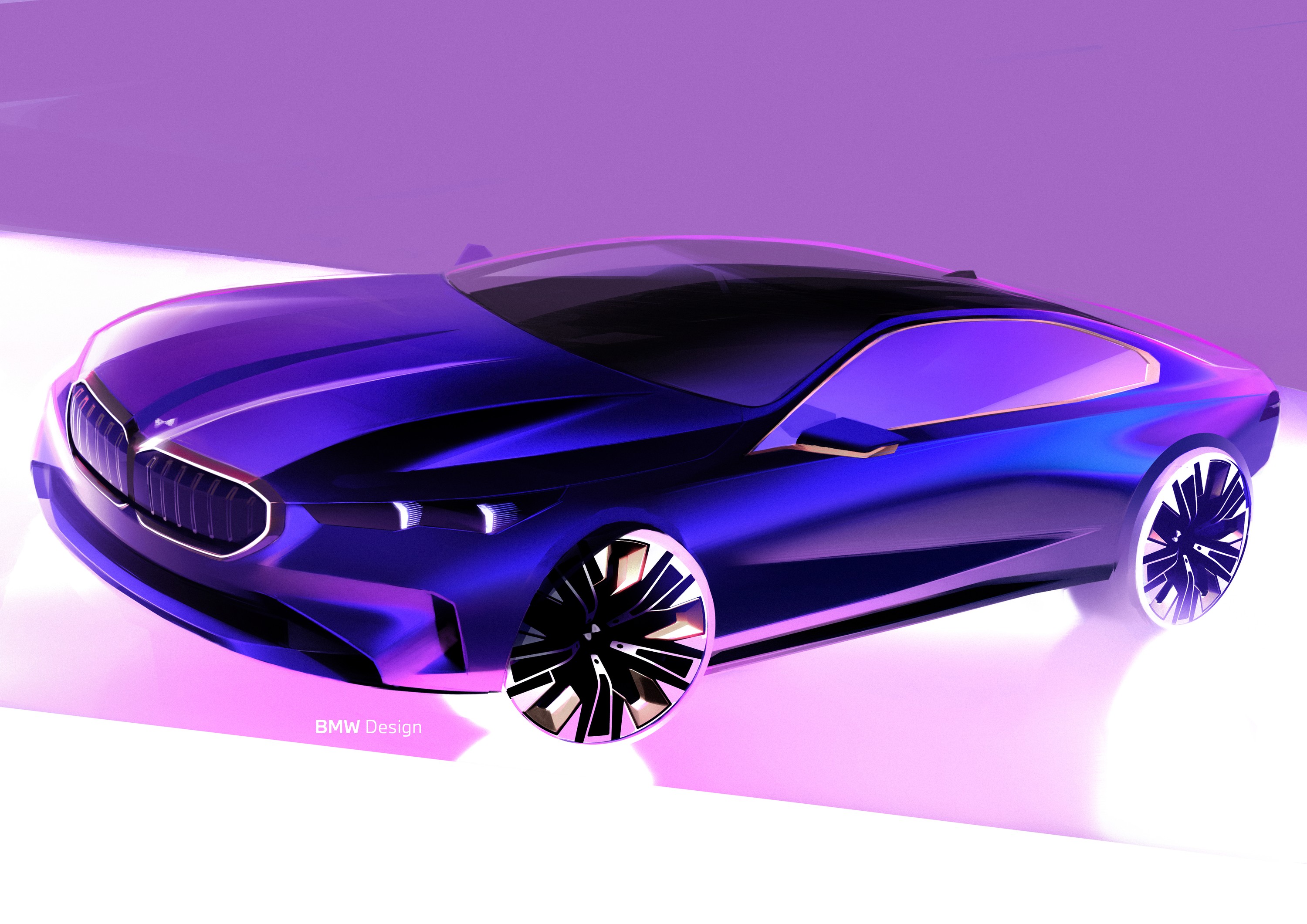
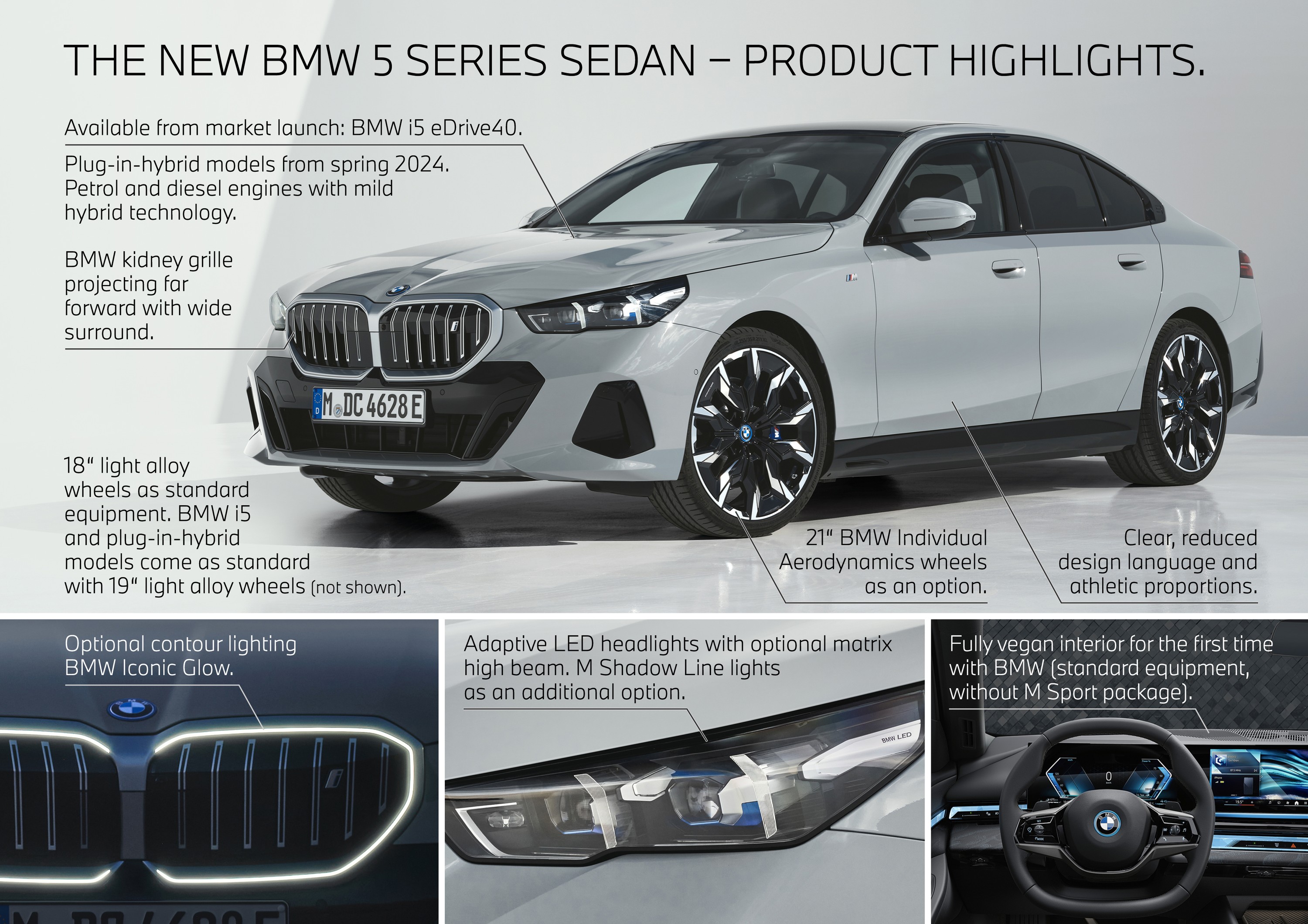
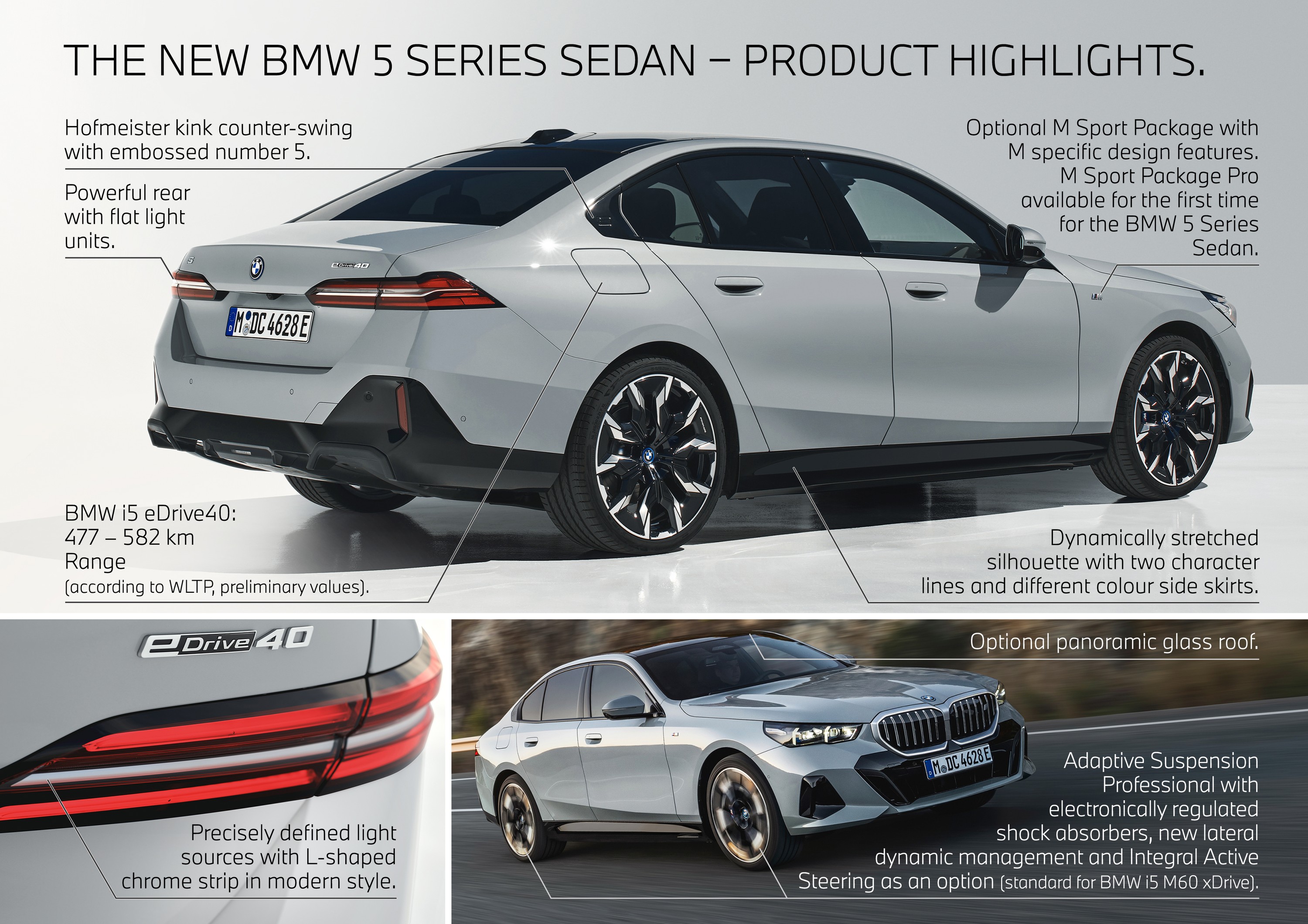
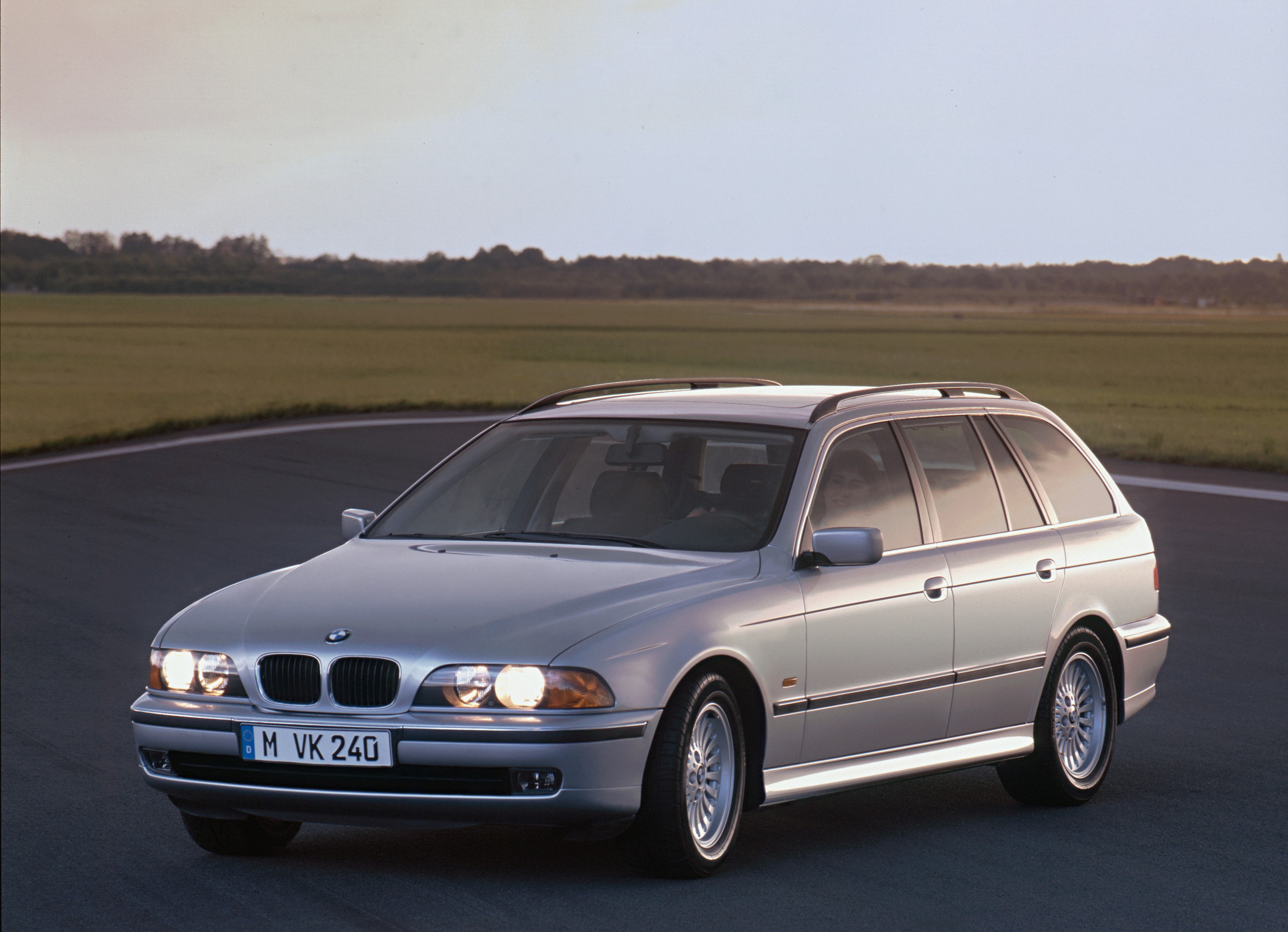
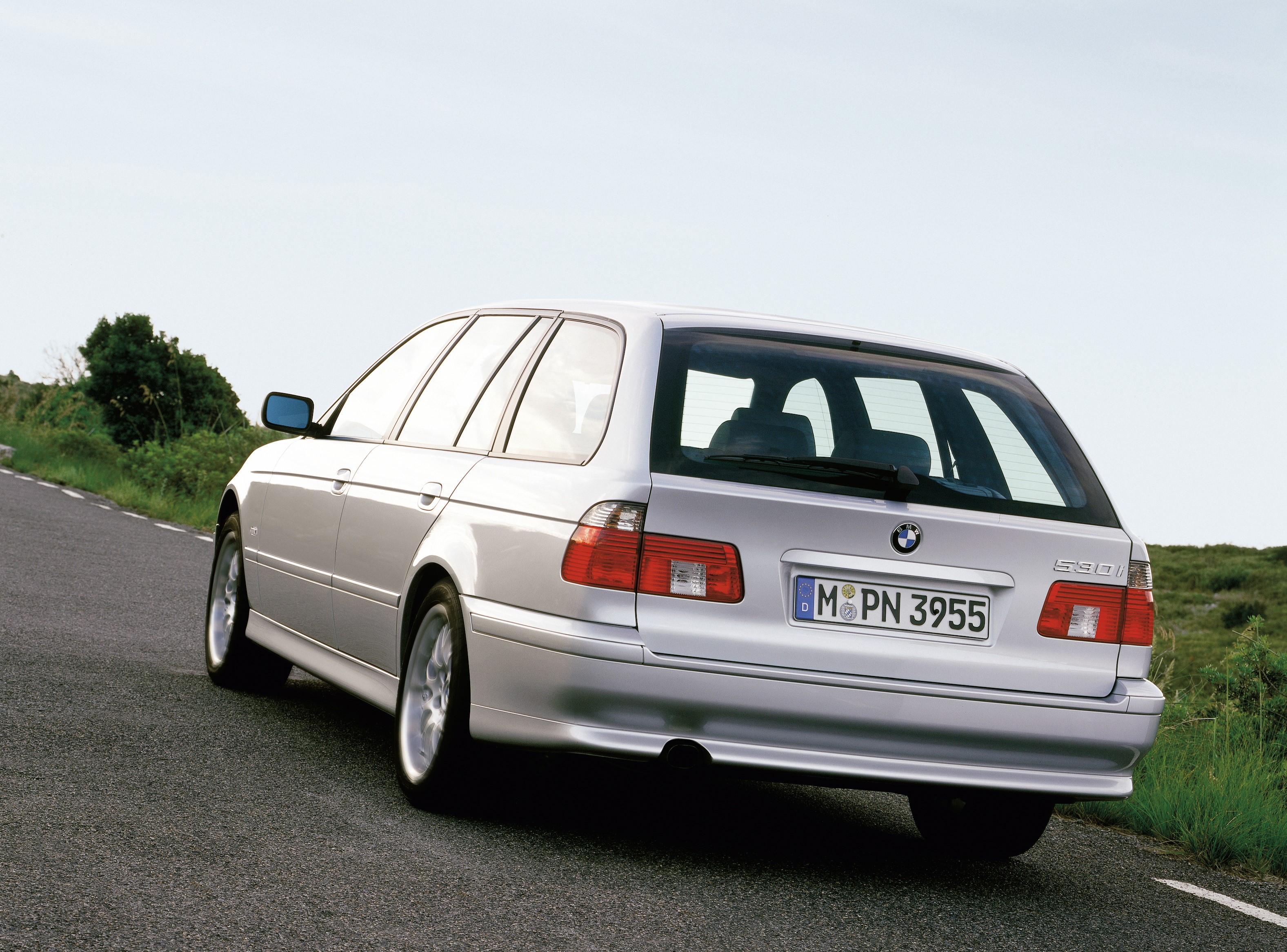
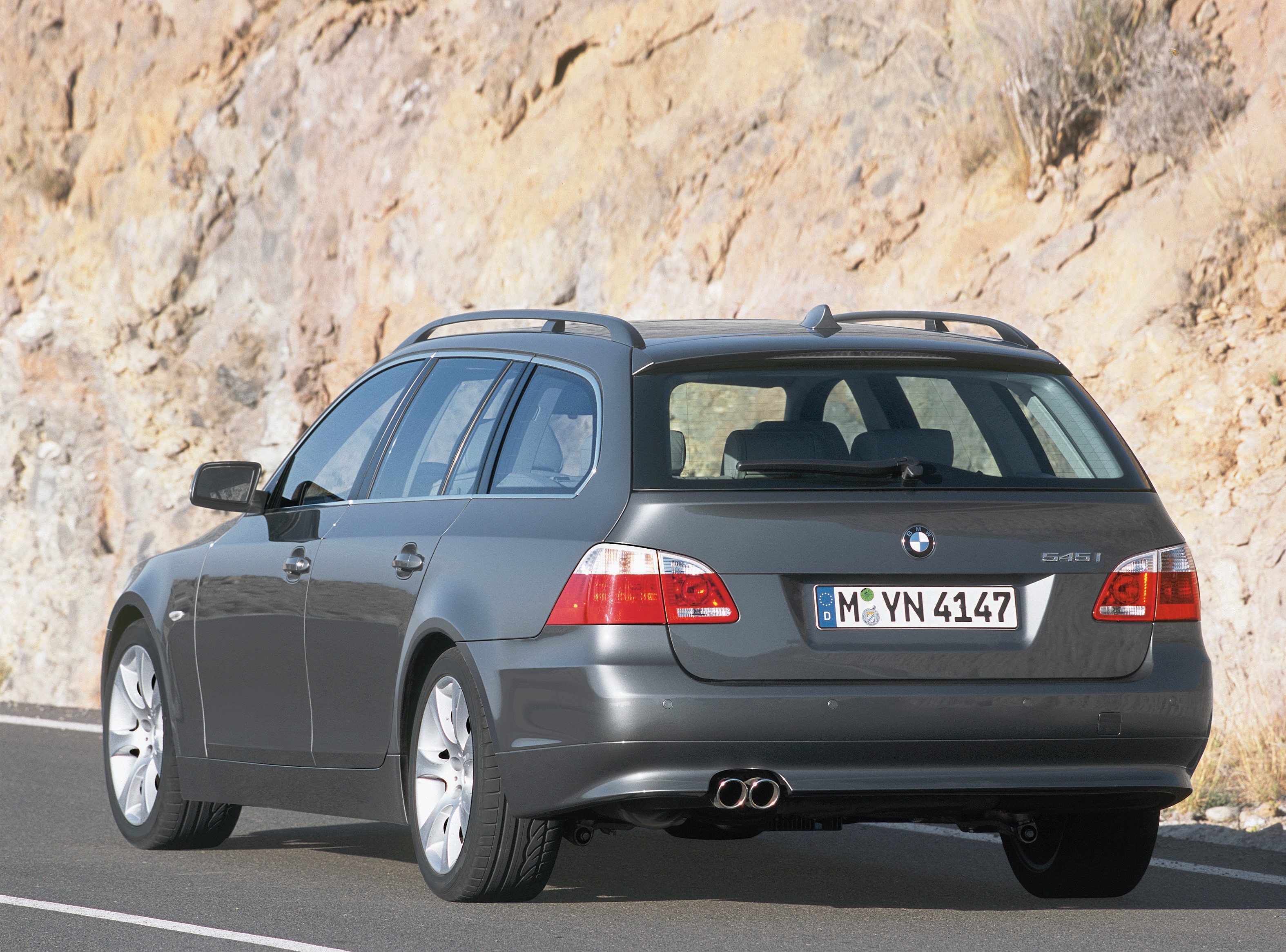
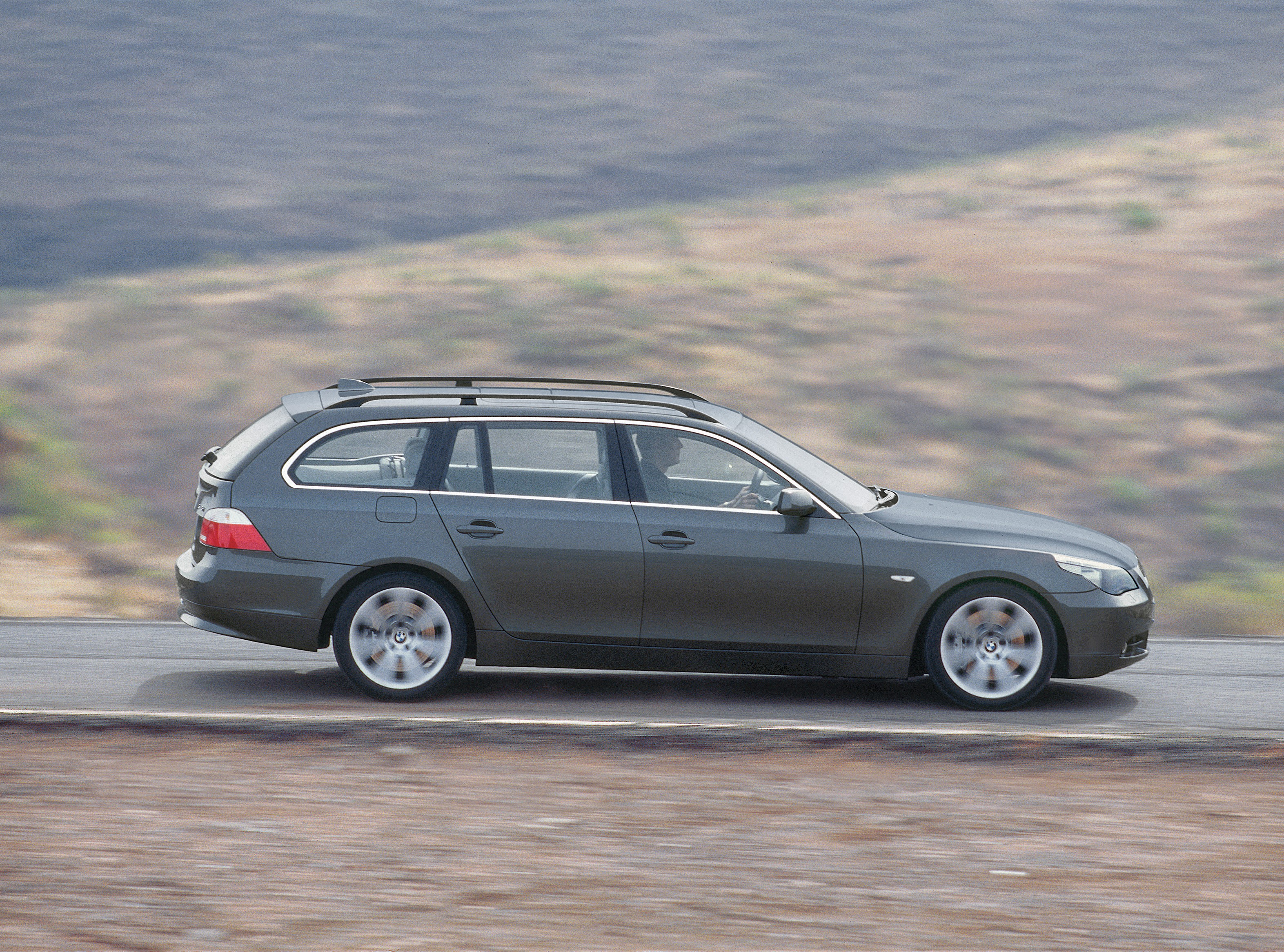
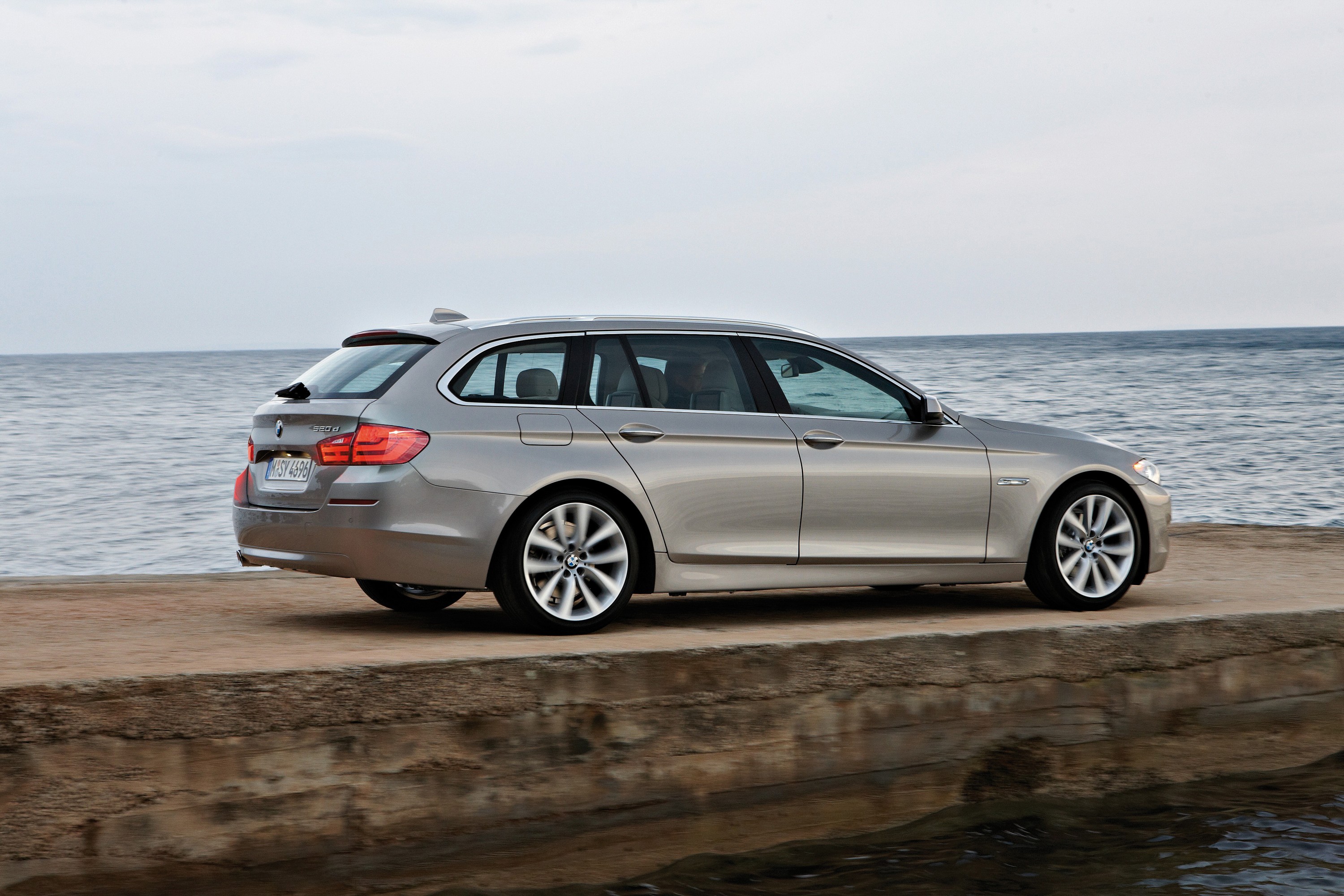
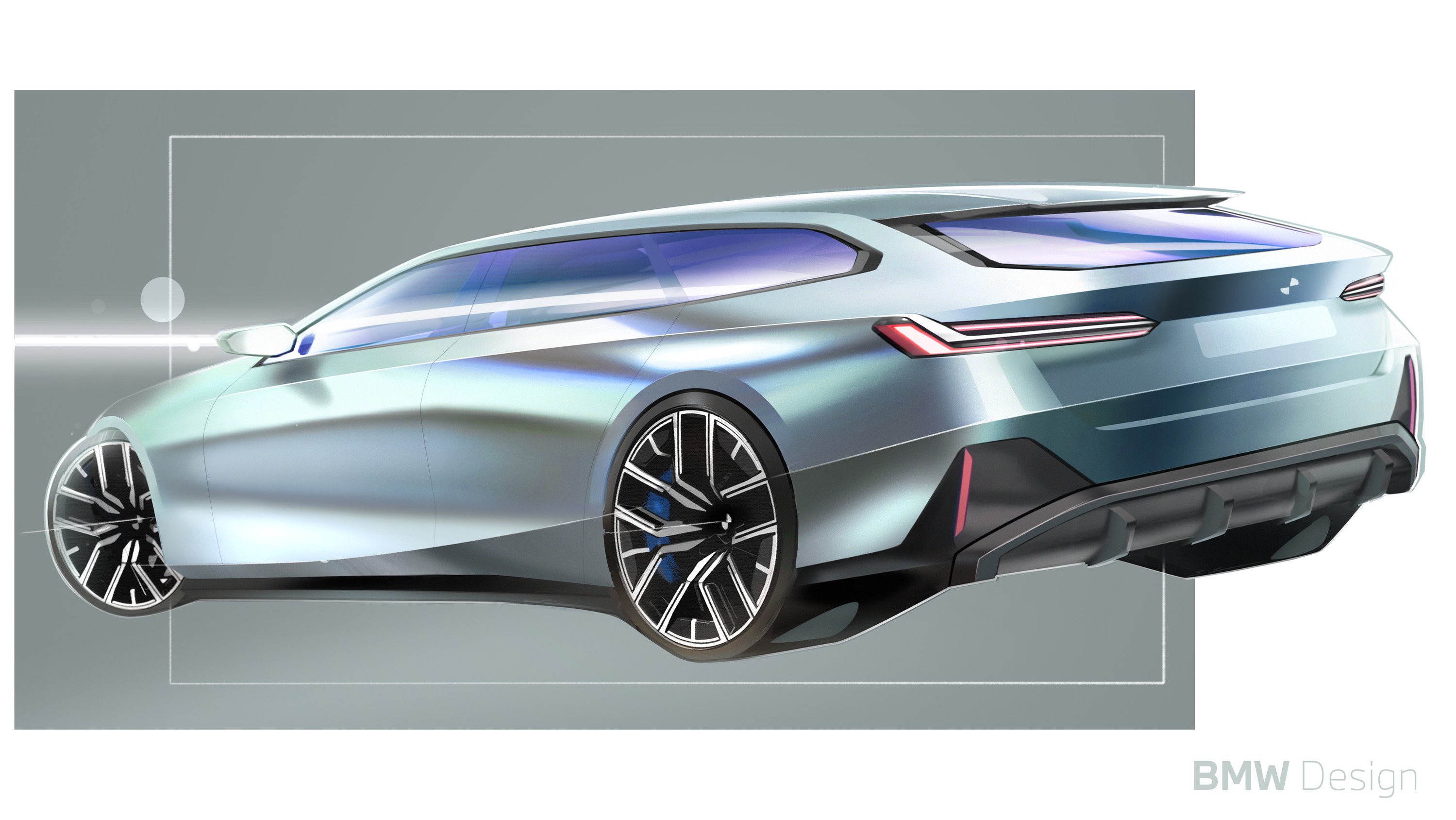
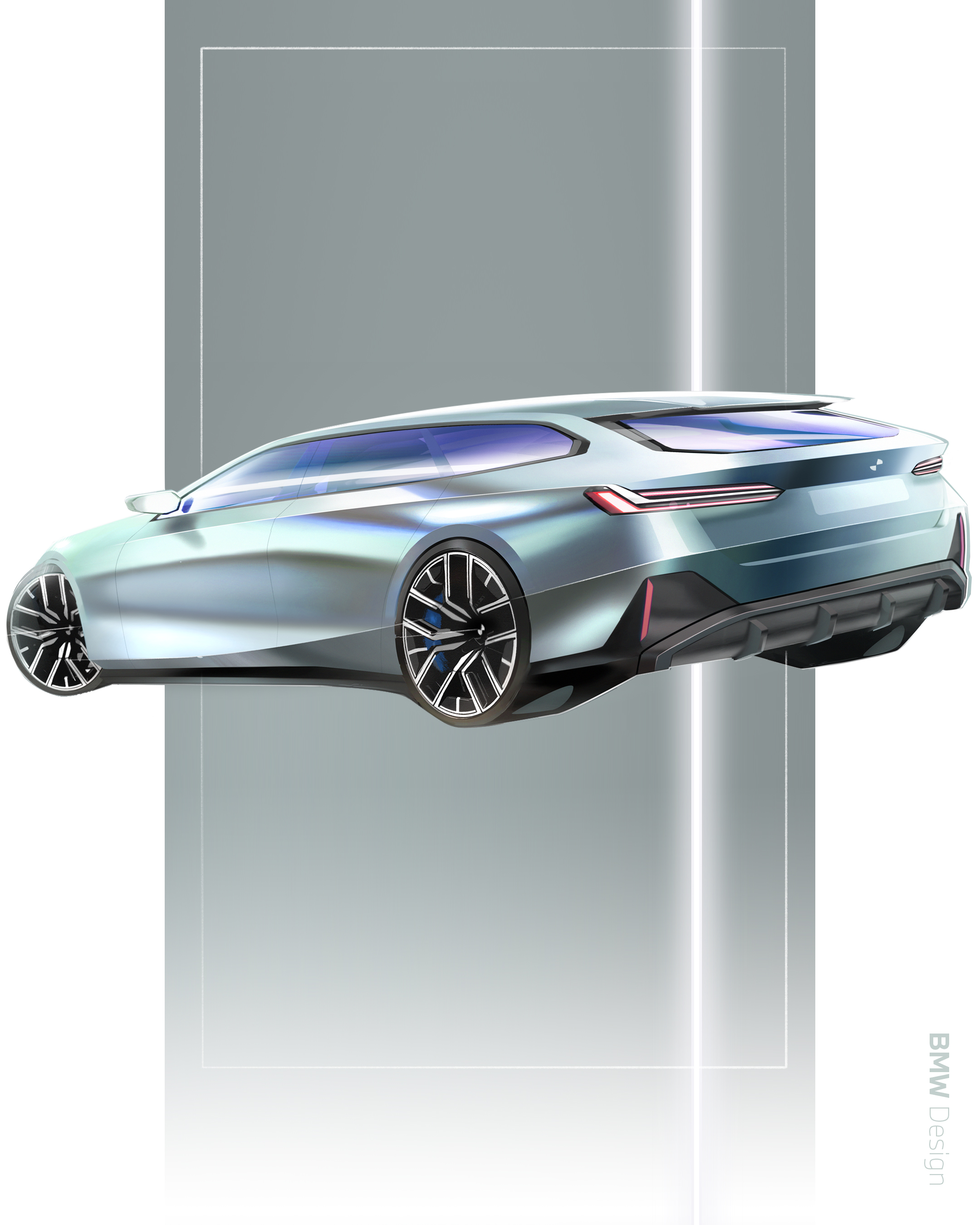
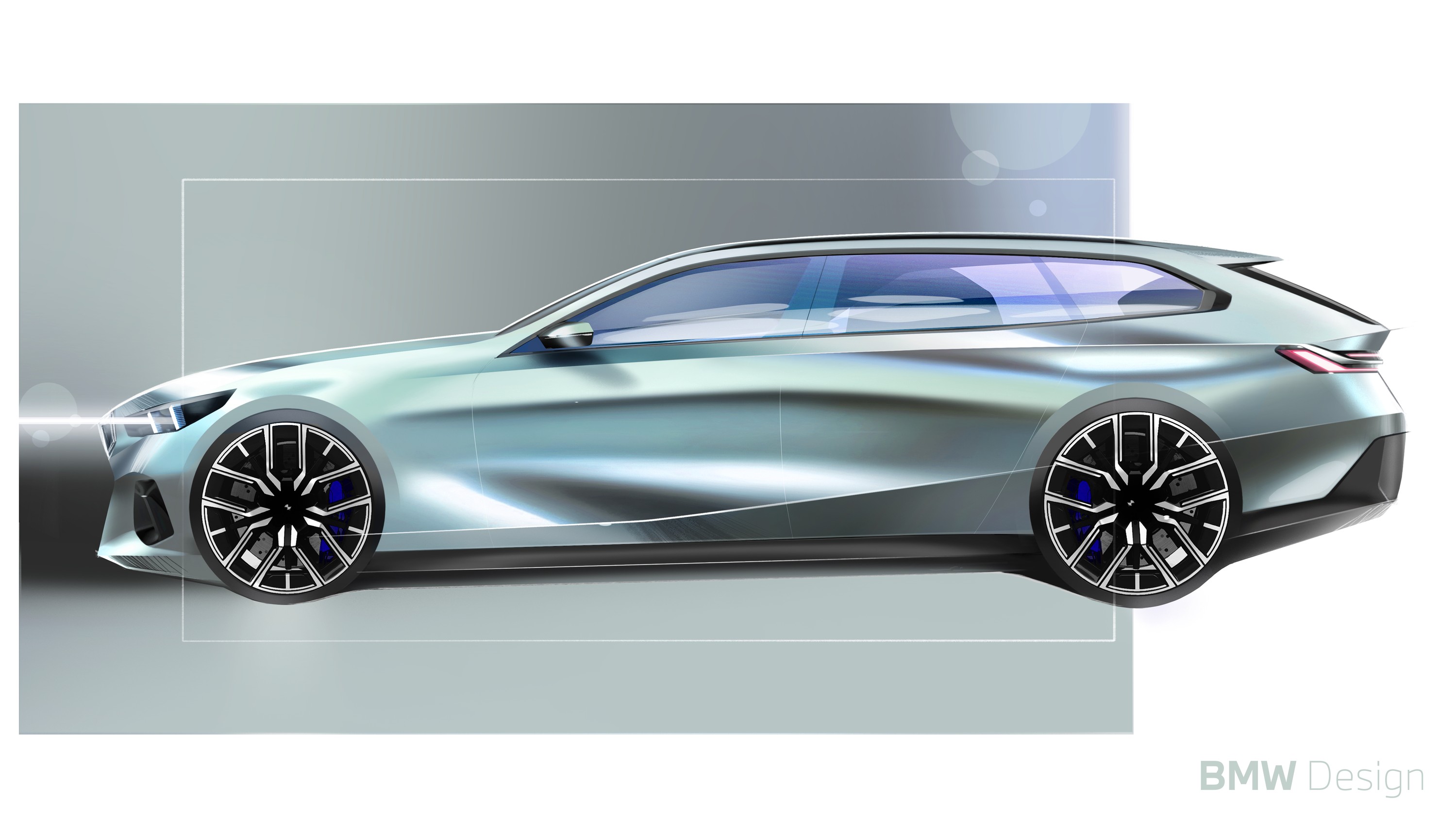
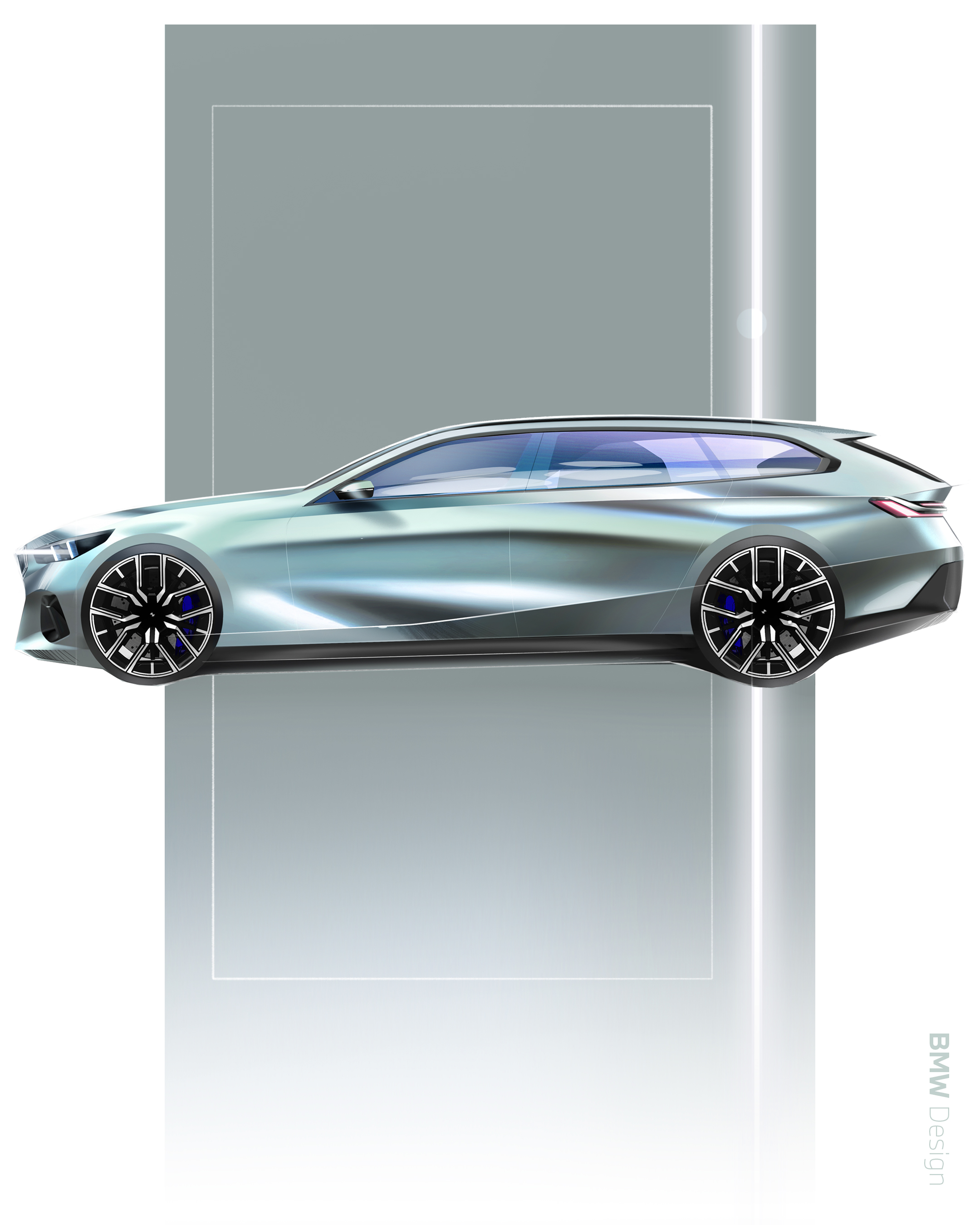
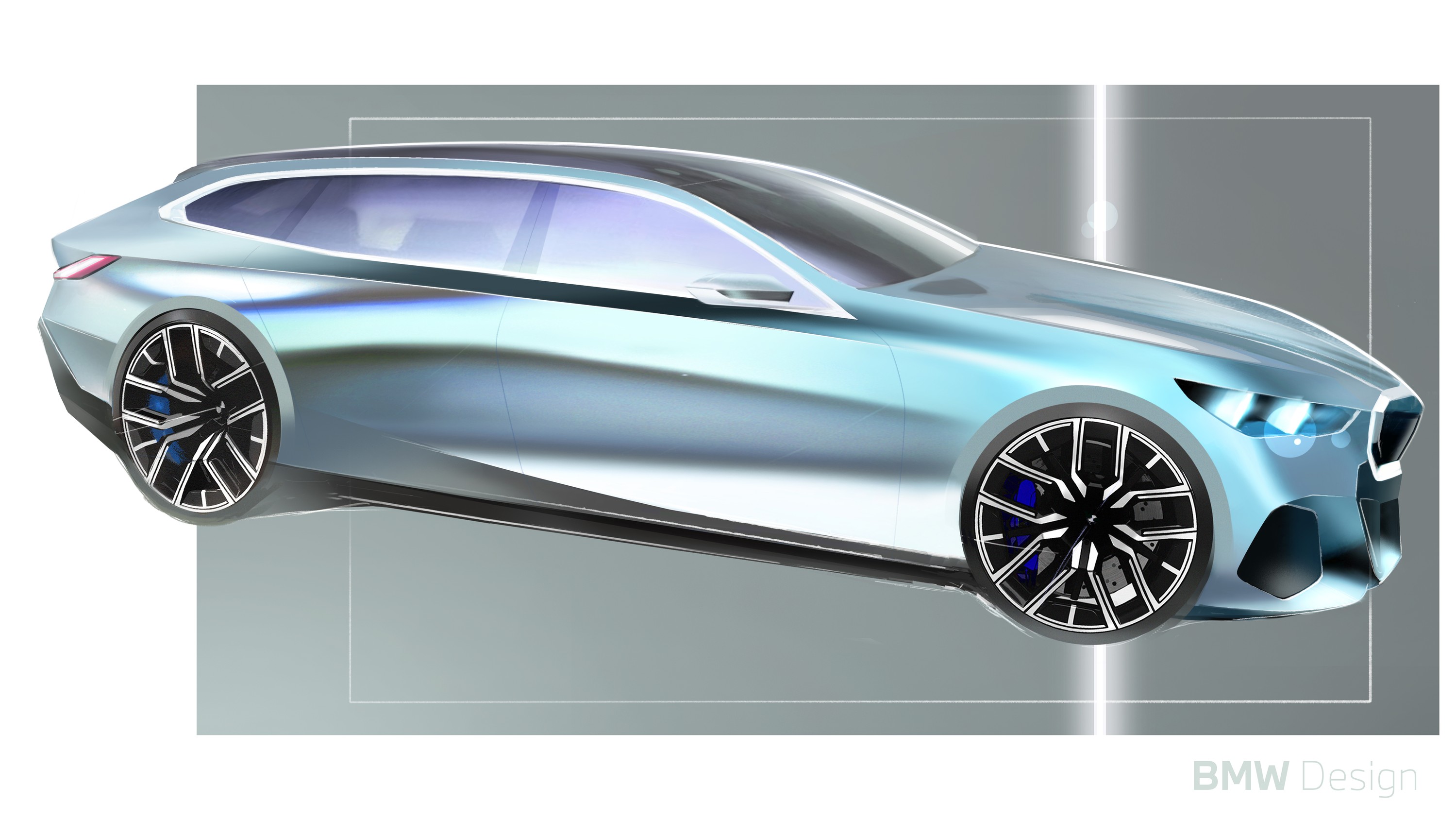
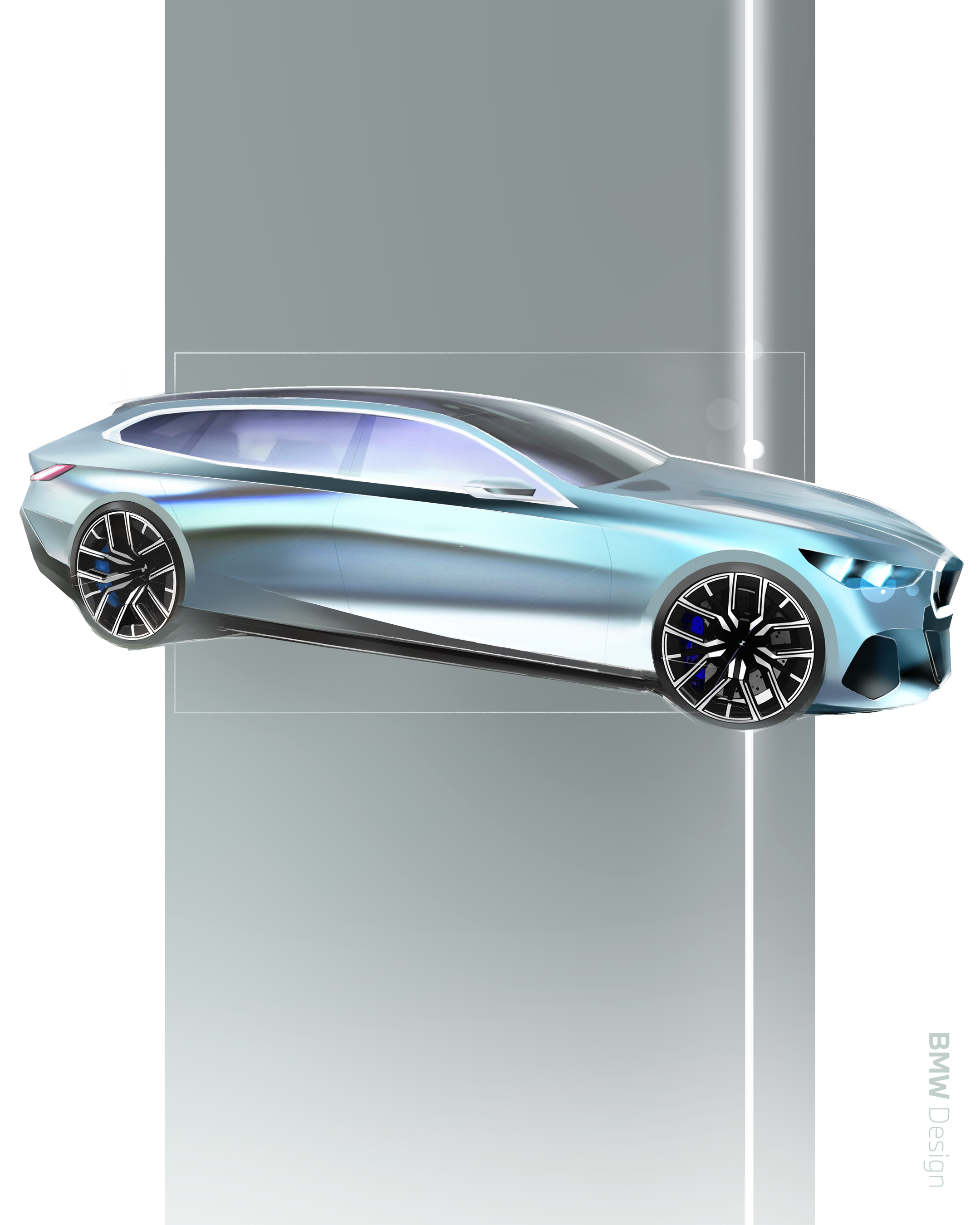
The exterior of BMW 5 Series is shaped around the proportions of an executive premium sedan family. BMW's current design language places particular emphasis on the relationship between the kidney grille, lighting, shoulder line and wheel arches. Different trims can alter the details considerably, but the underlying proportions remain the strongest part of the visual identity.
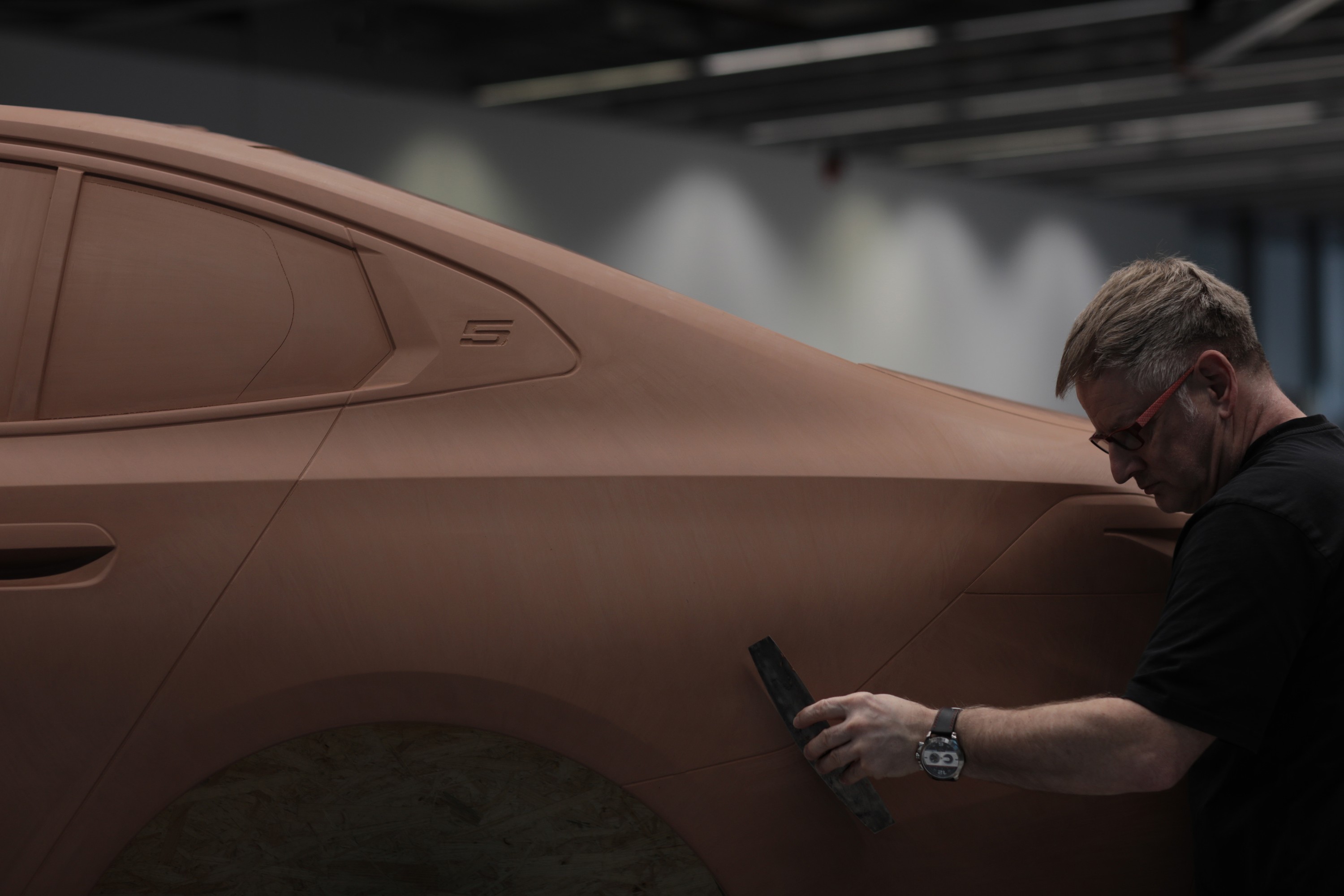
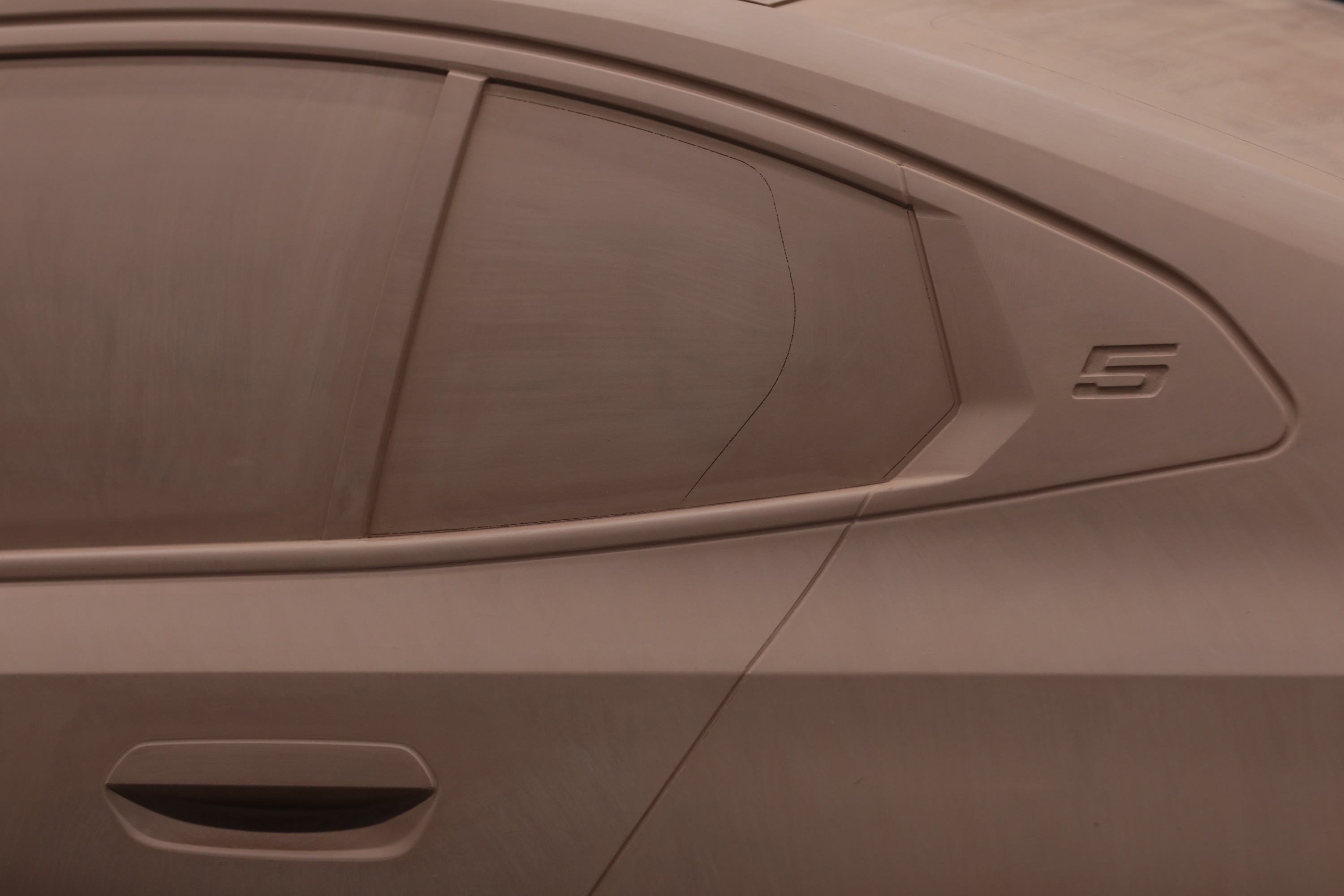
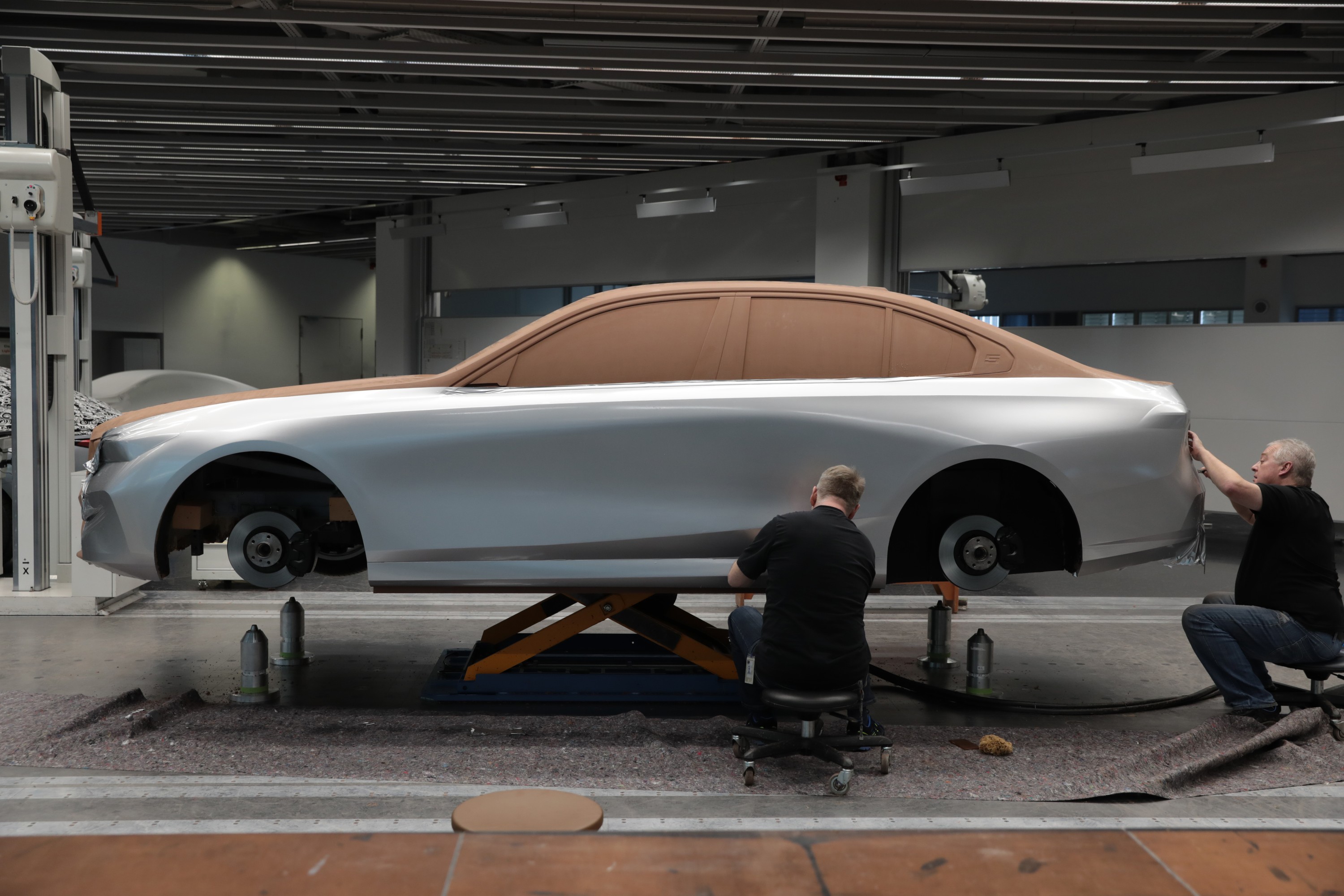
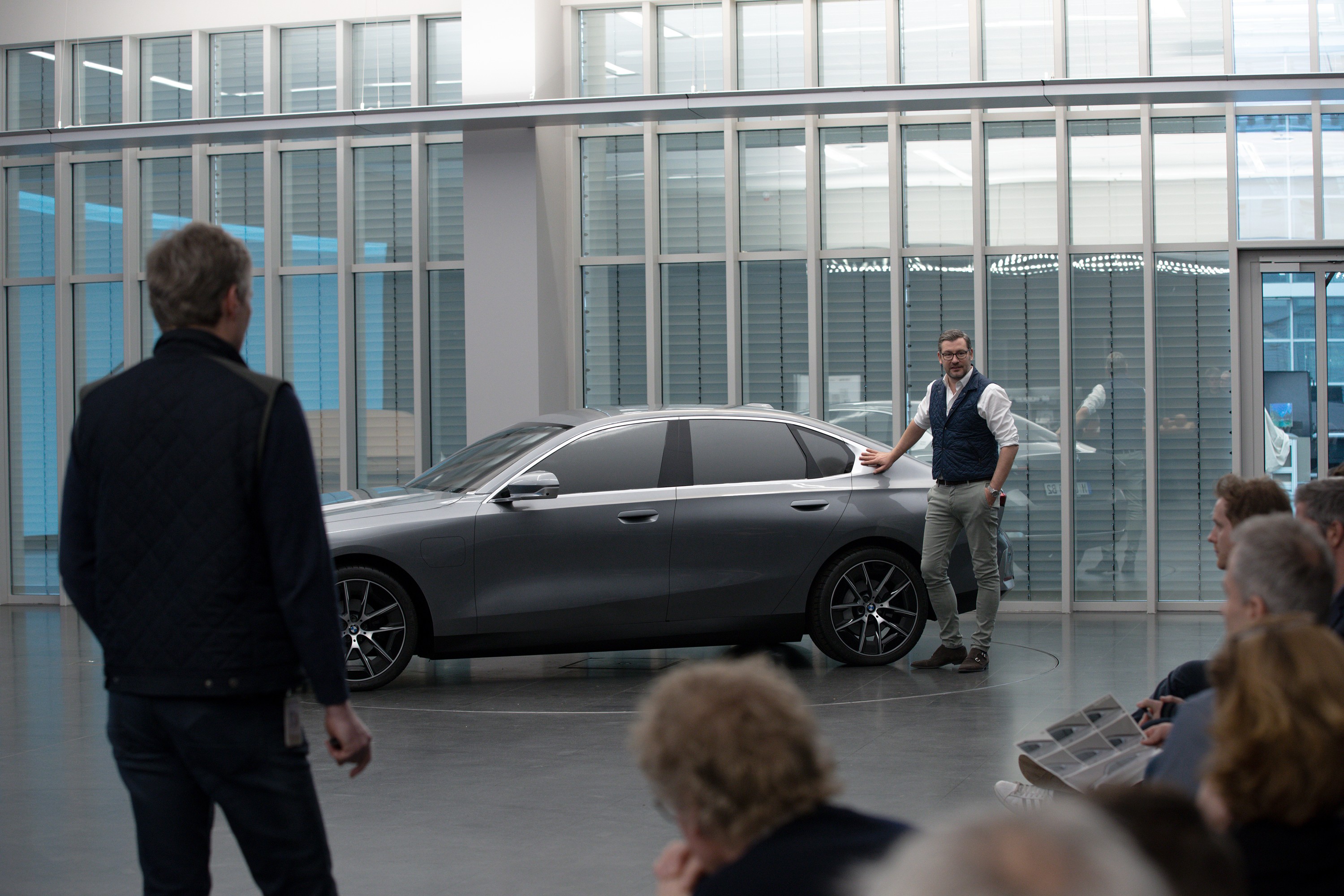
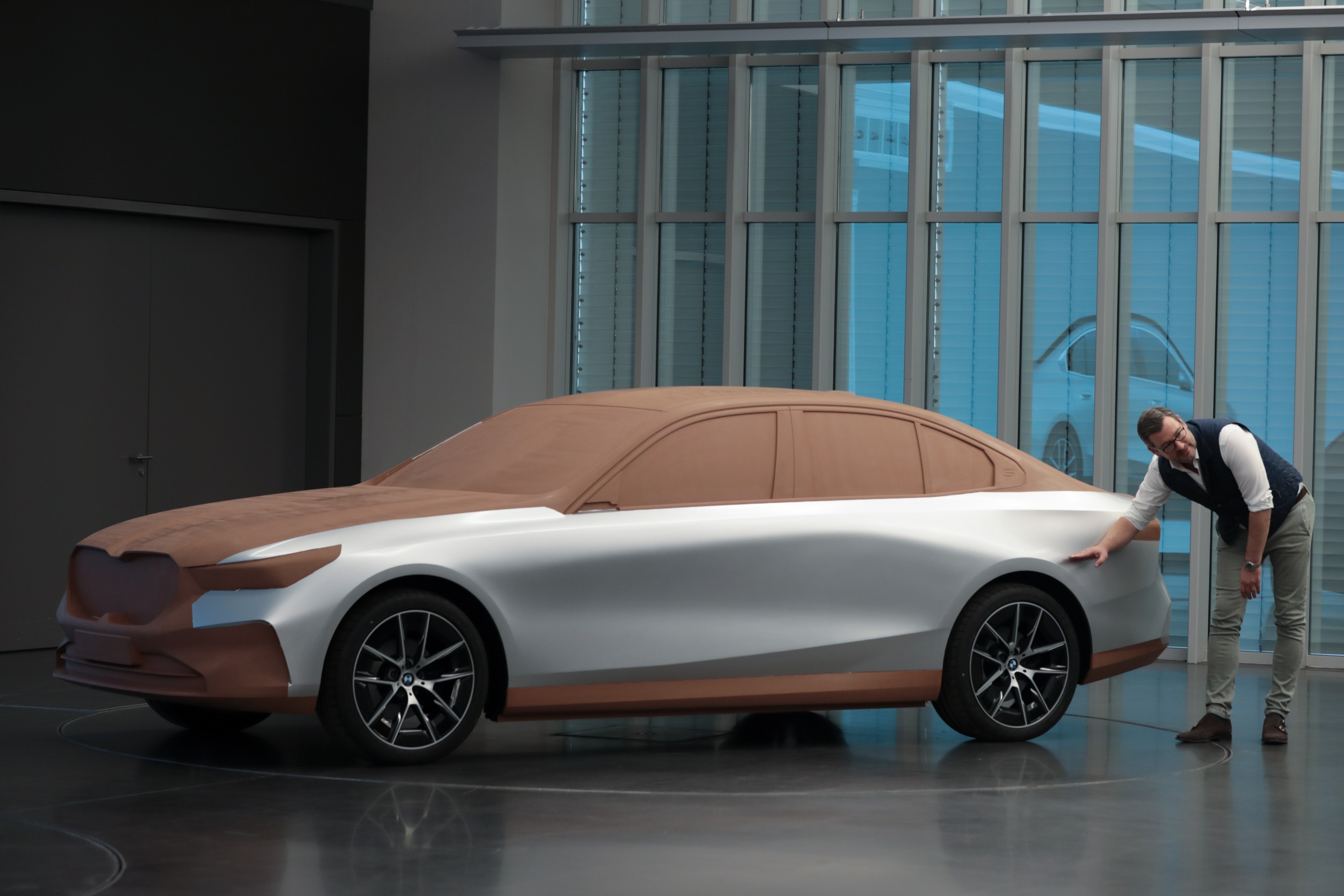
From the side, wheelbase, overhangs and roofline determine whether the car looks compact, formal, athletic or utility-focused. At the rear, lighting graphics and bumper treatment often provide the clearest distinction between regular, M Sport and full BMW M derivatives. The official static photography is useful here because it removes the distraction of motion and lets those differences be compared directly.
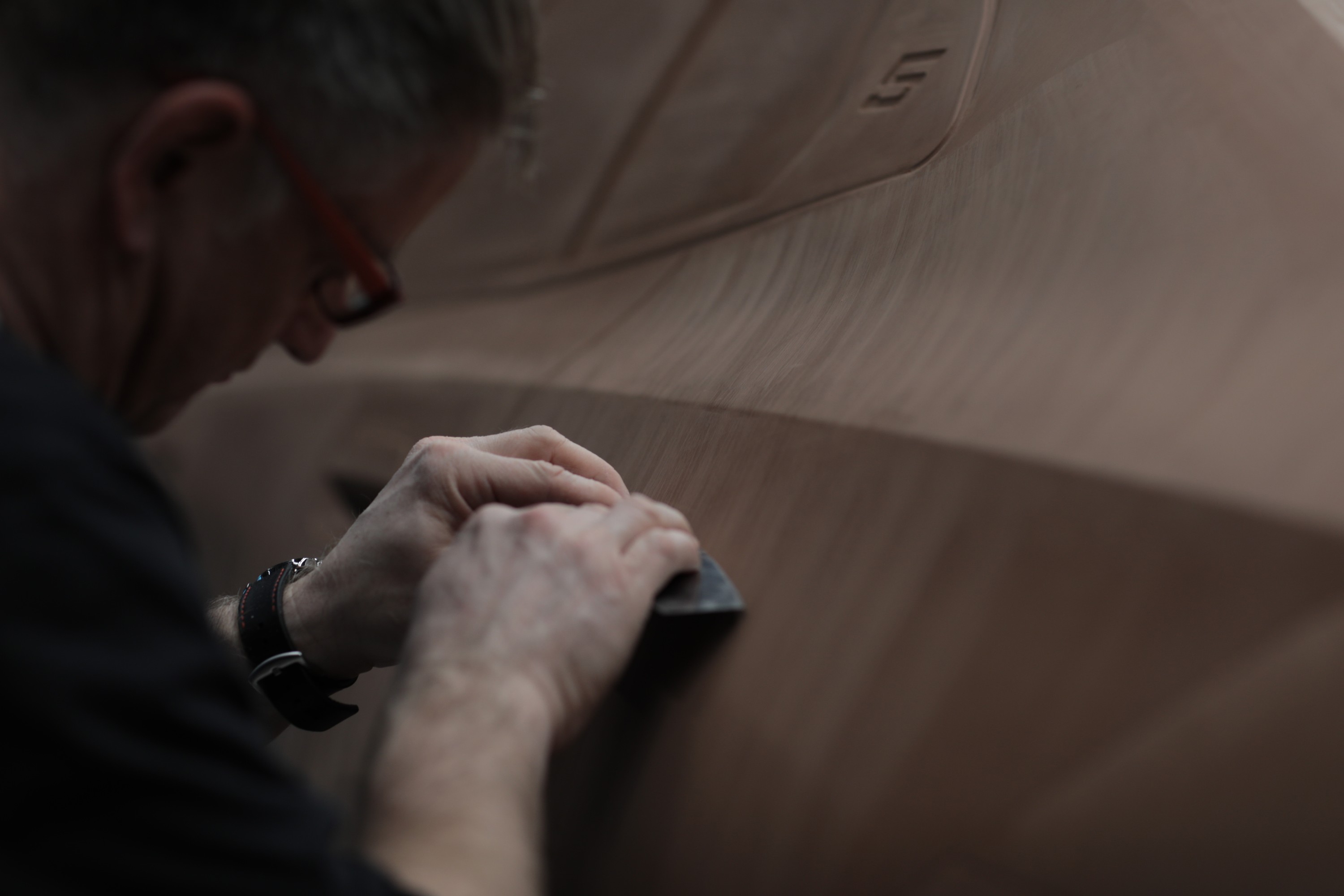
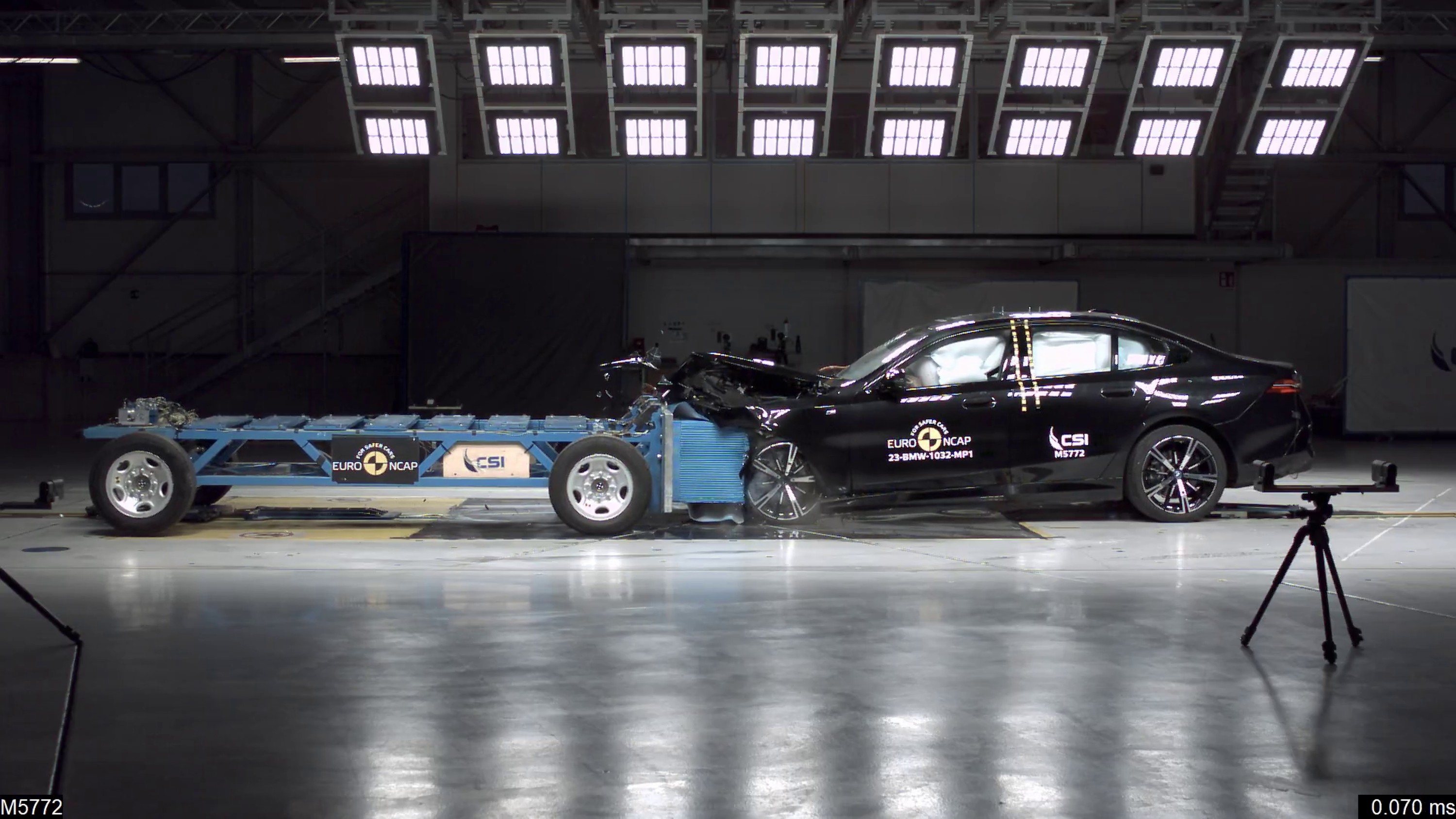
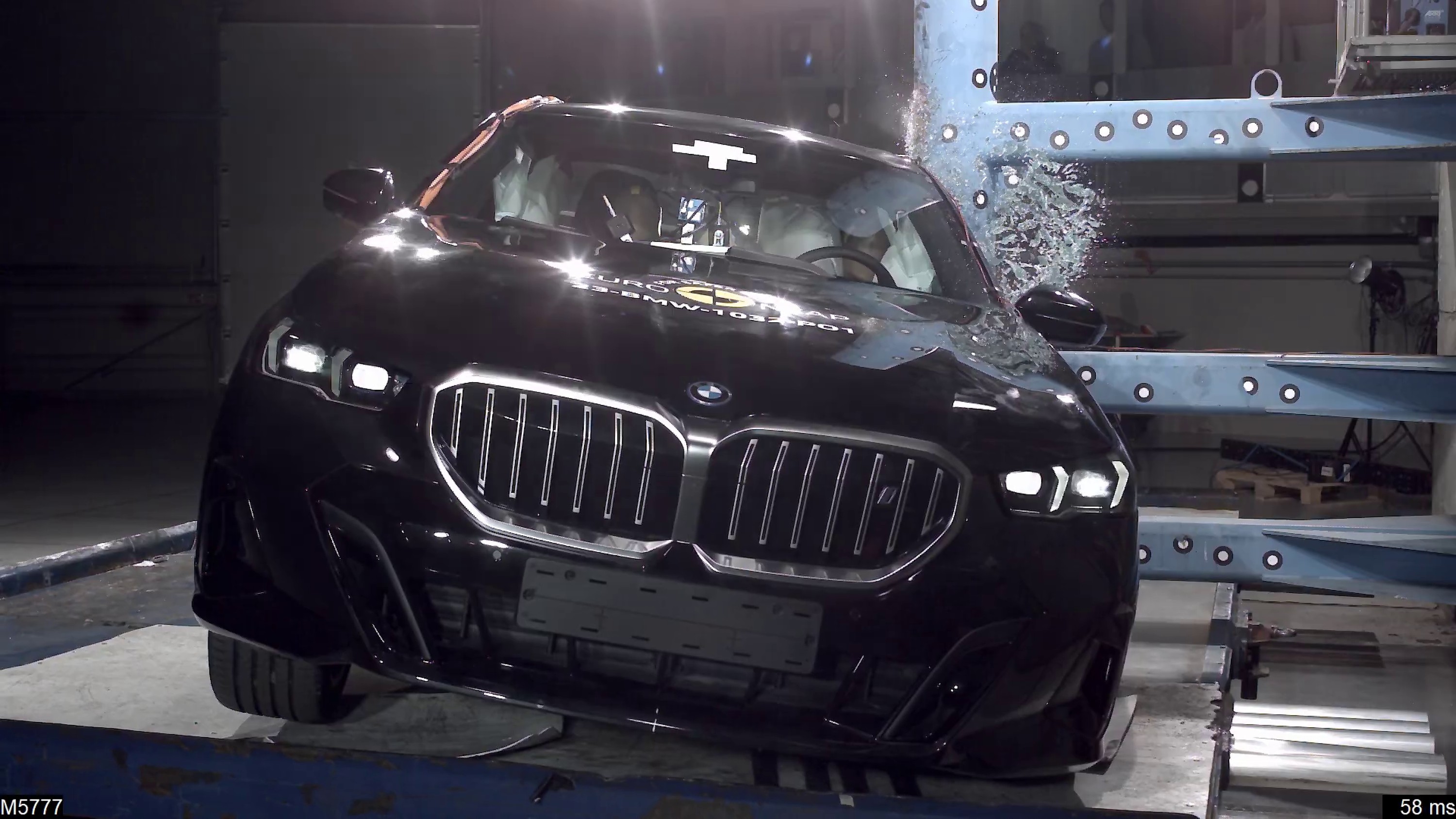
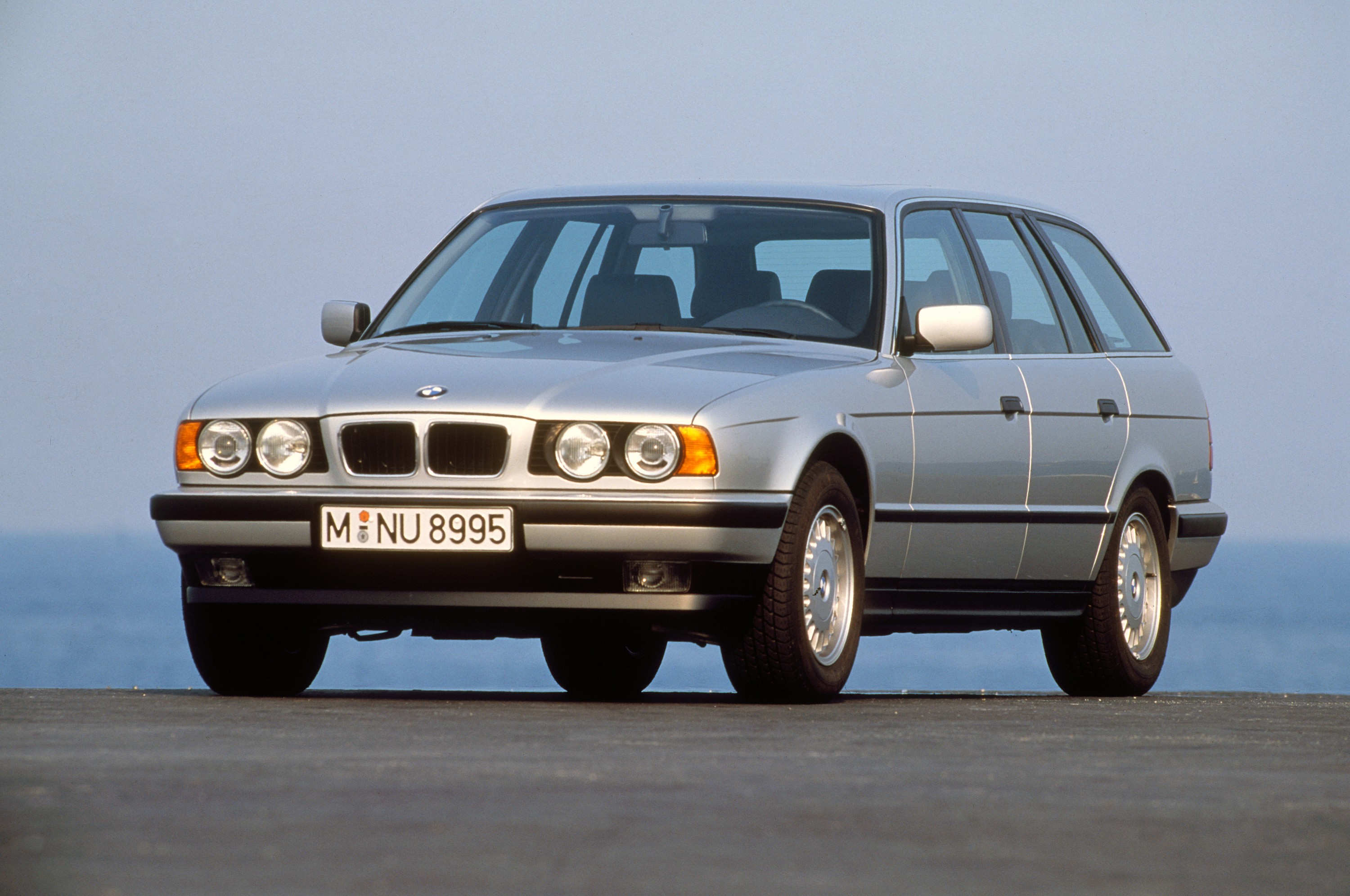
Exterior and static gallery
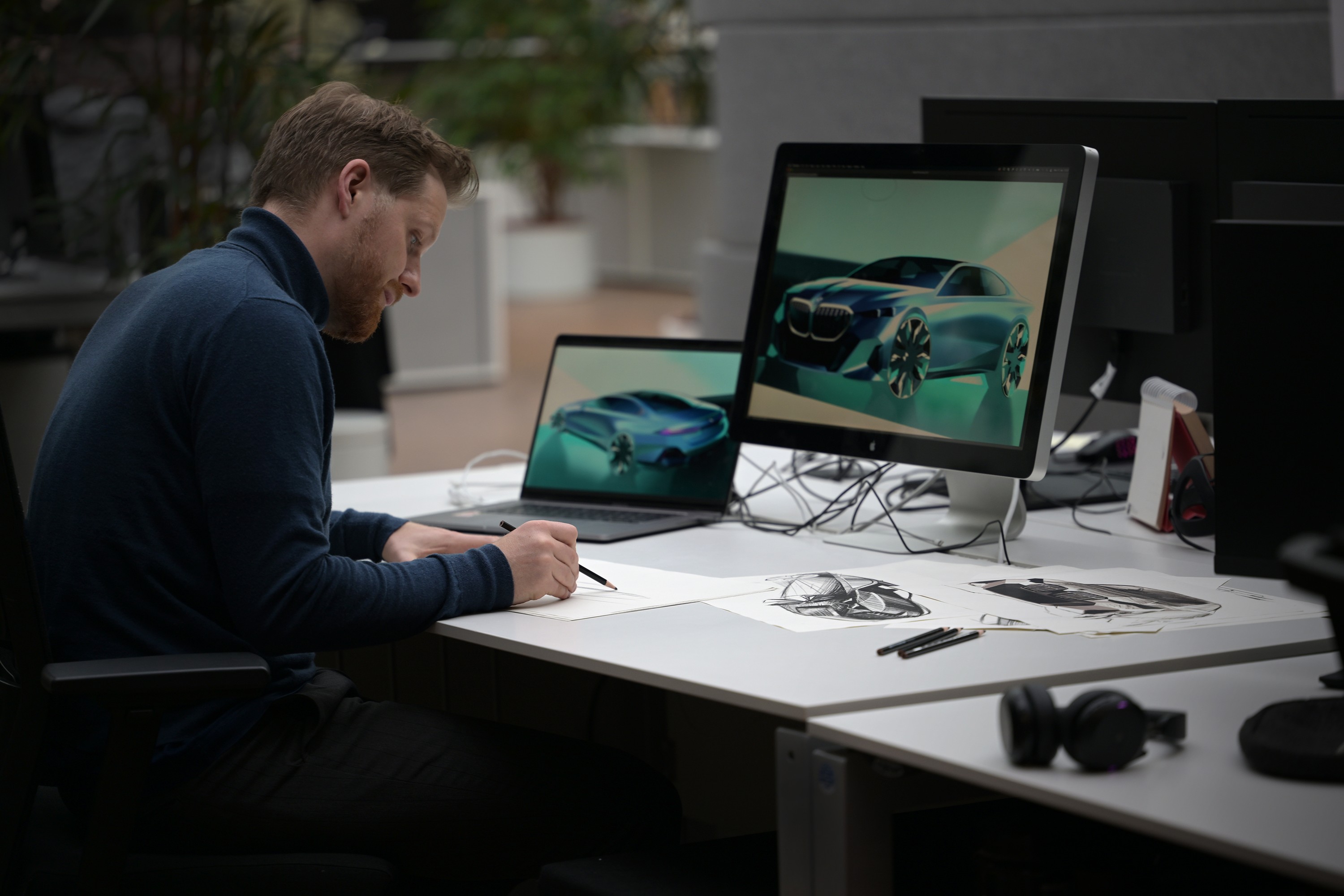
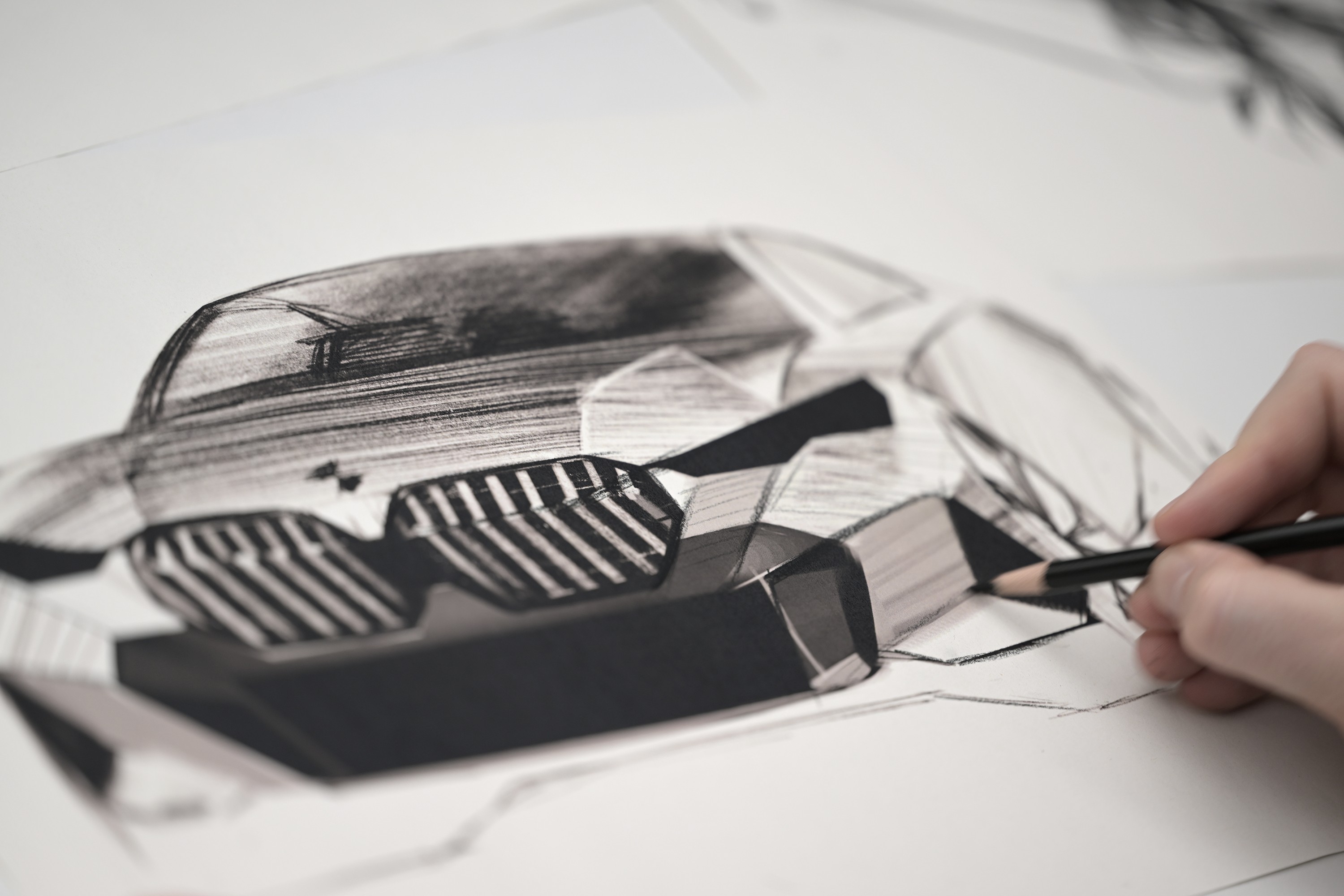
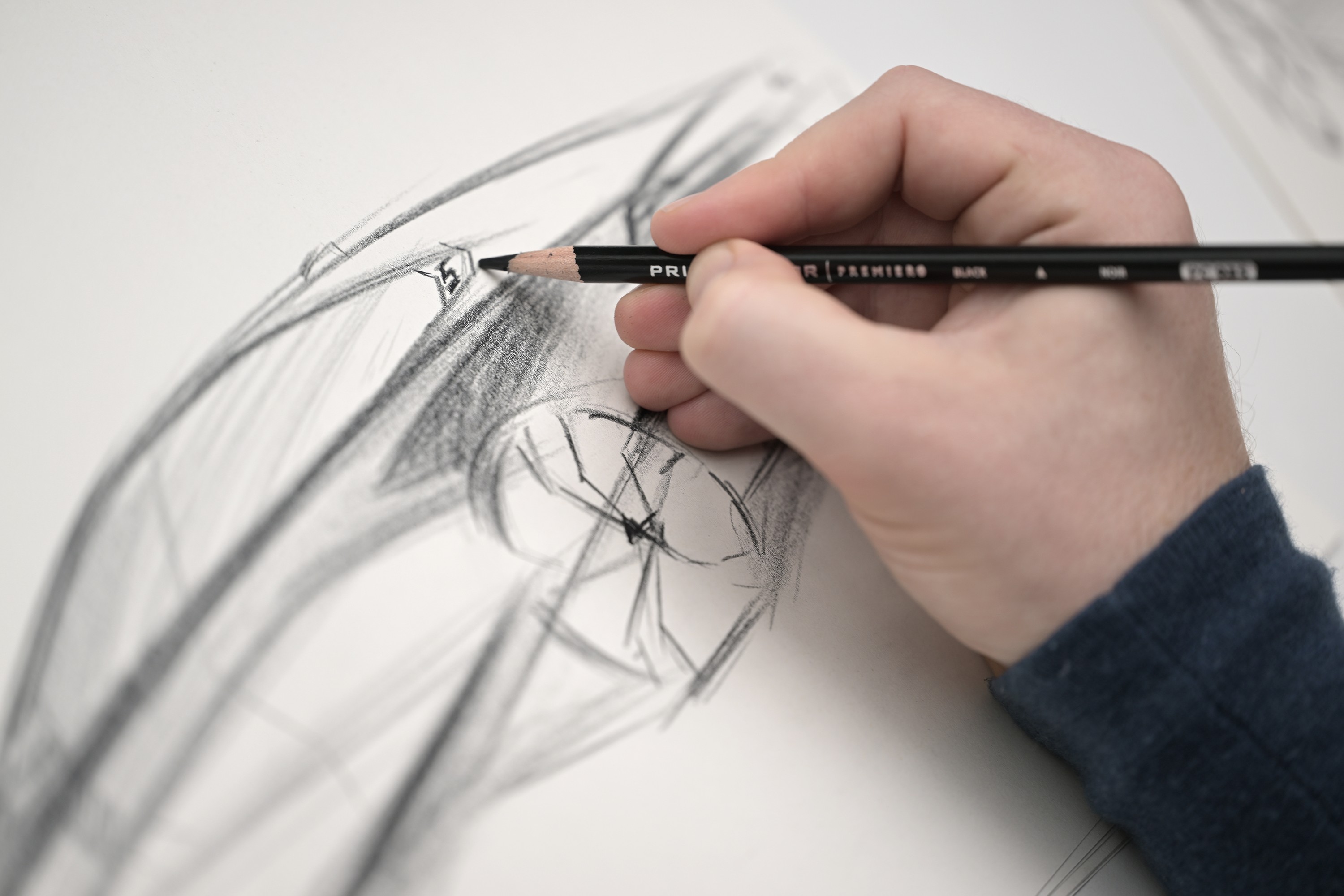
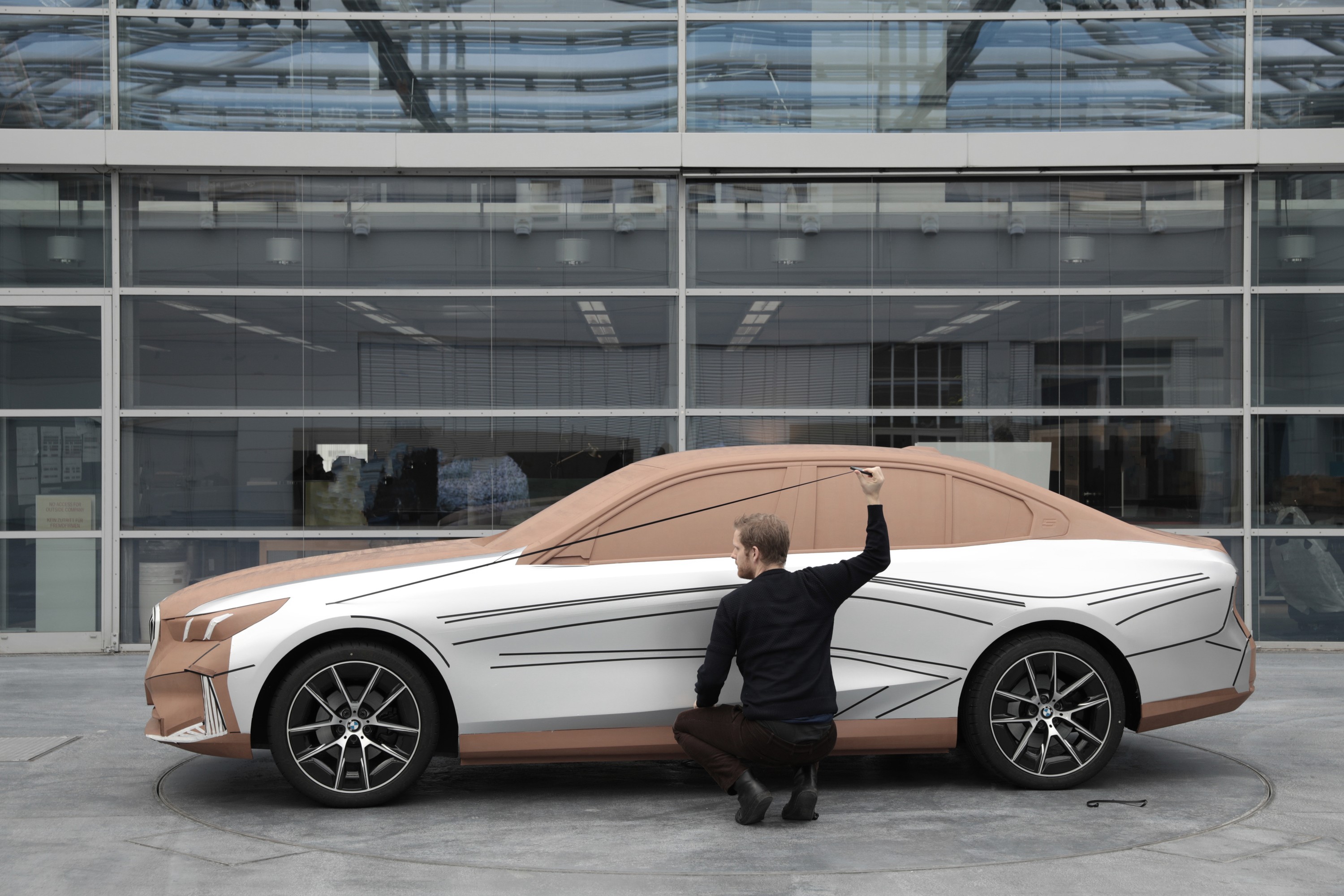
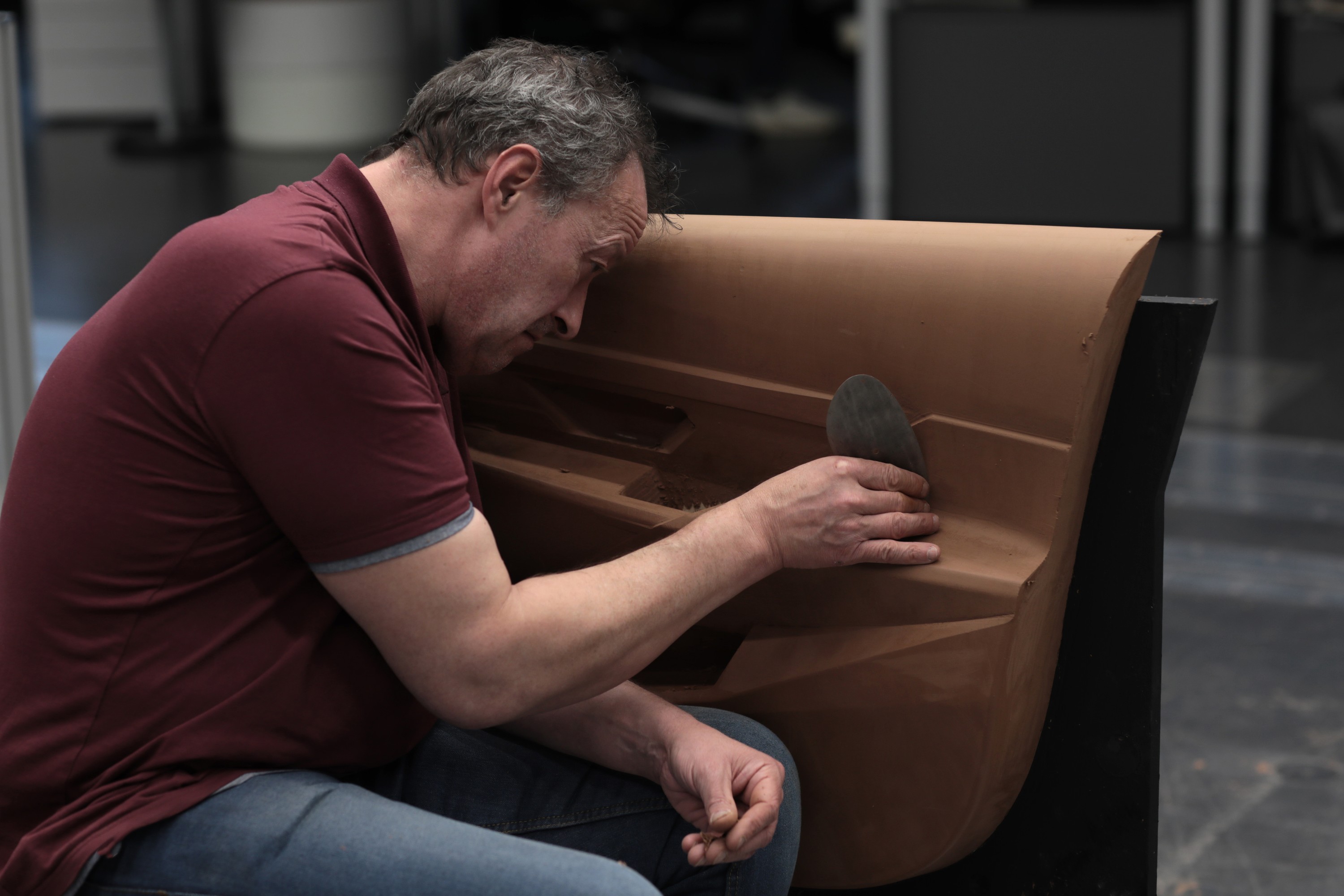
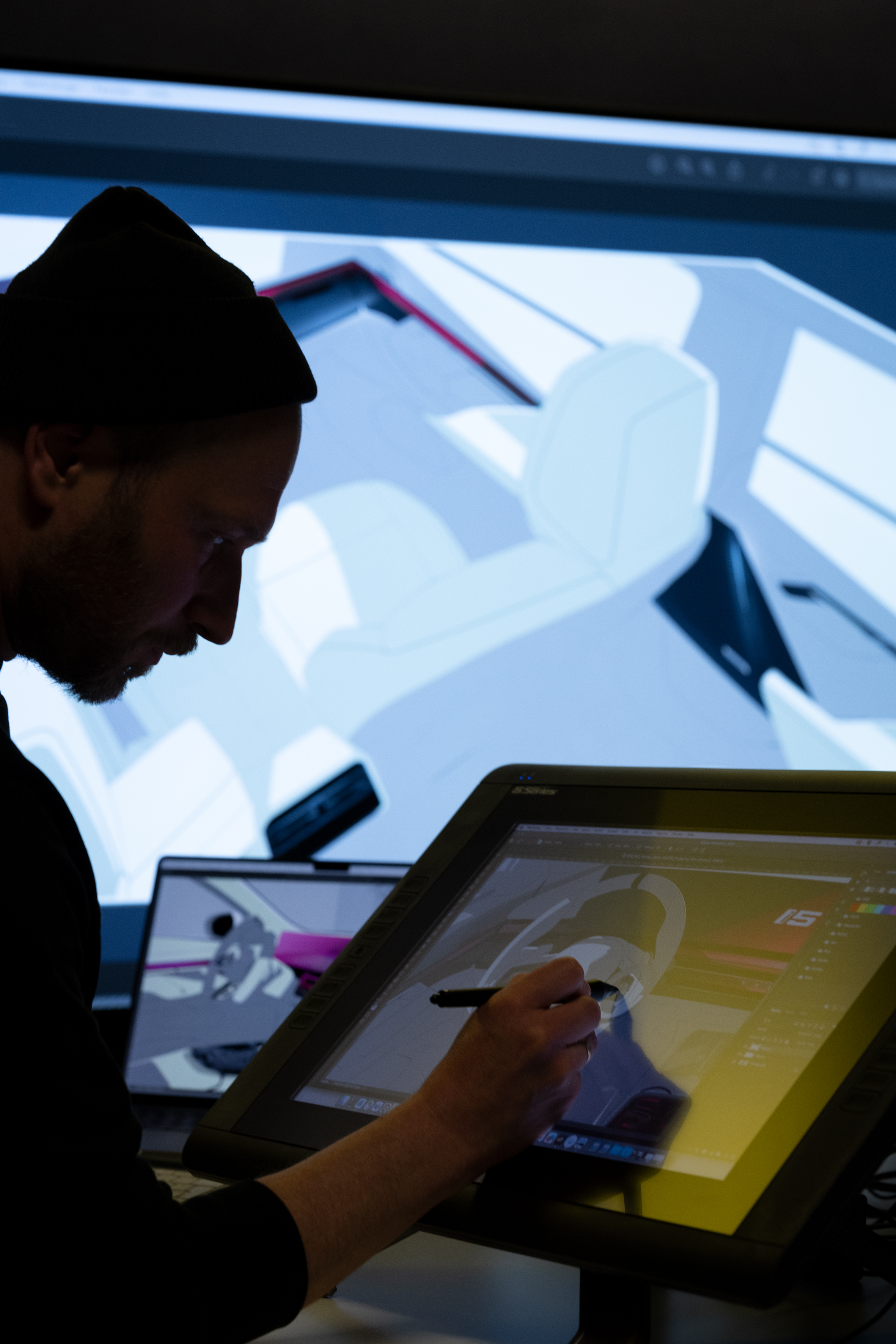
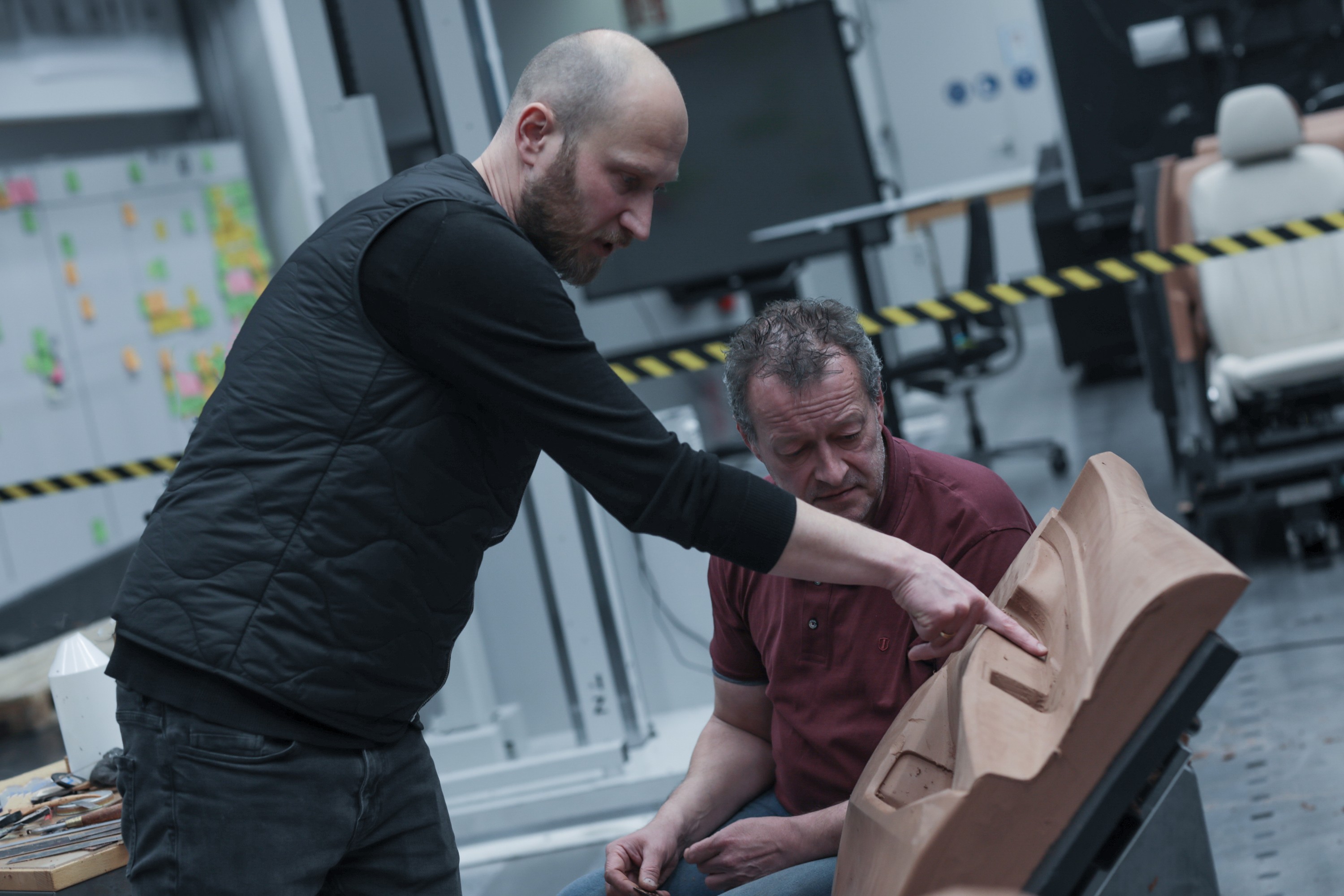
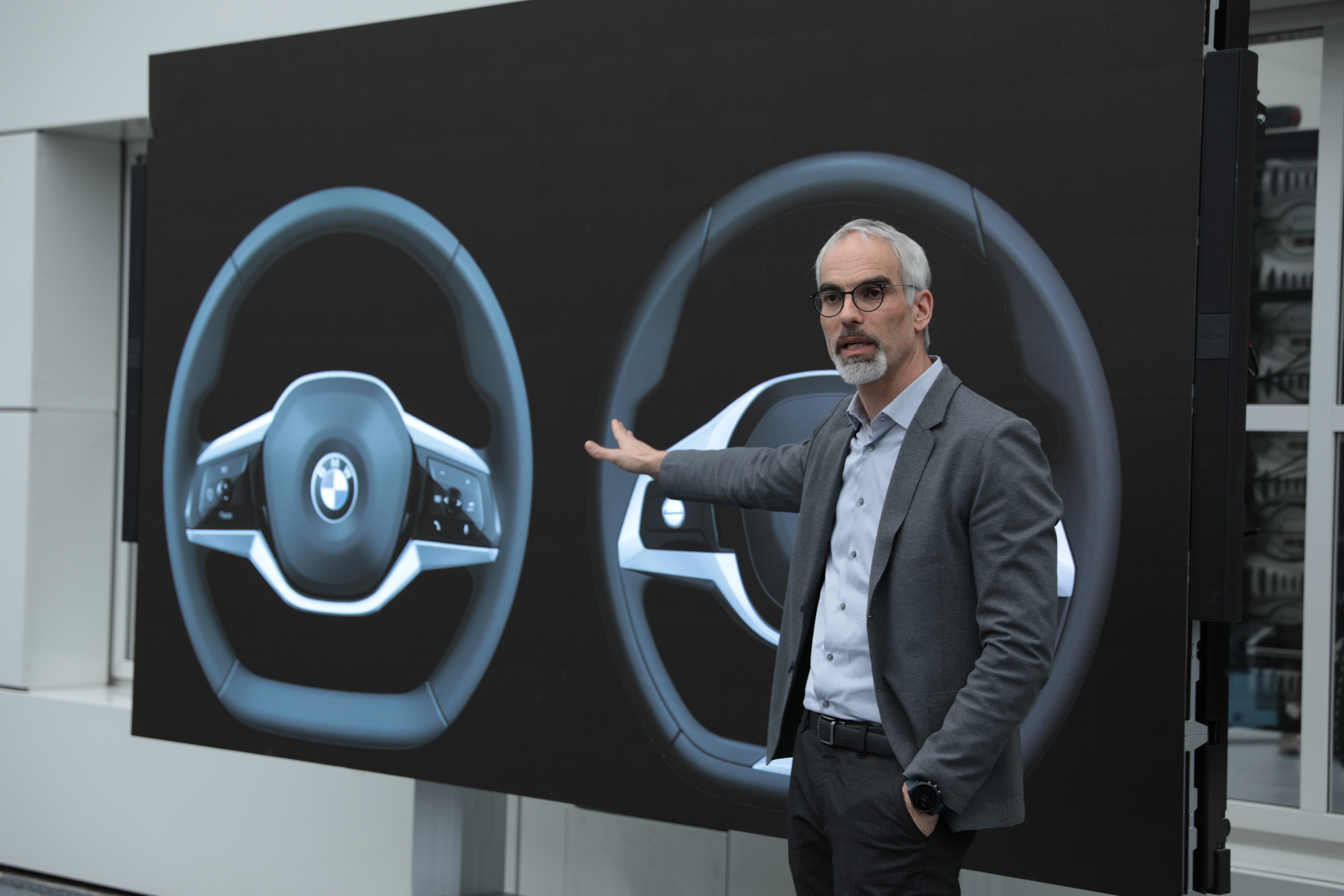
Interior and driving environment
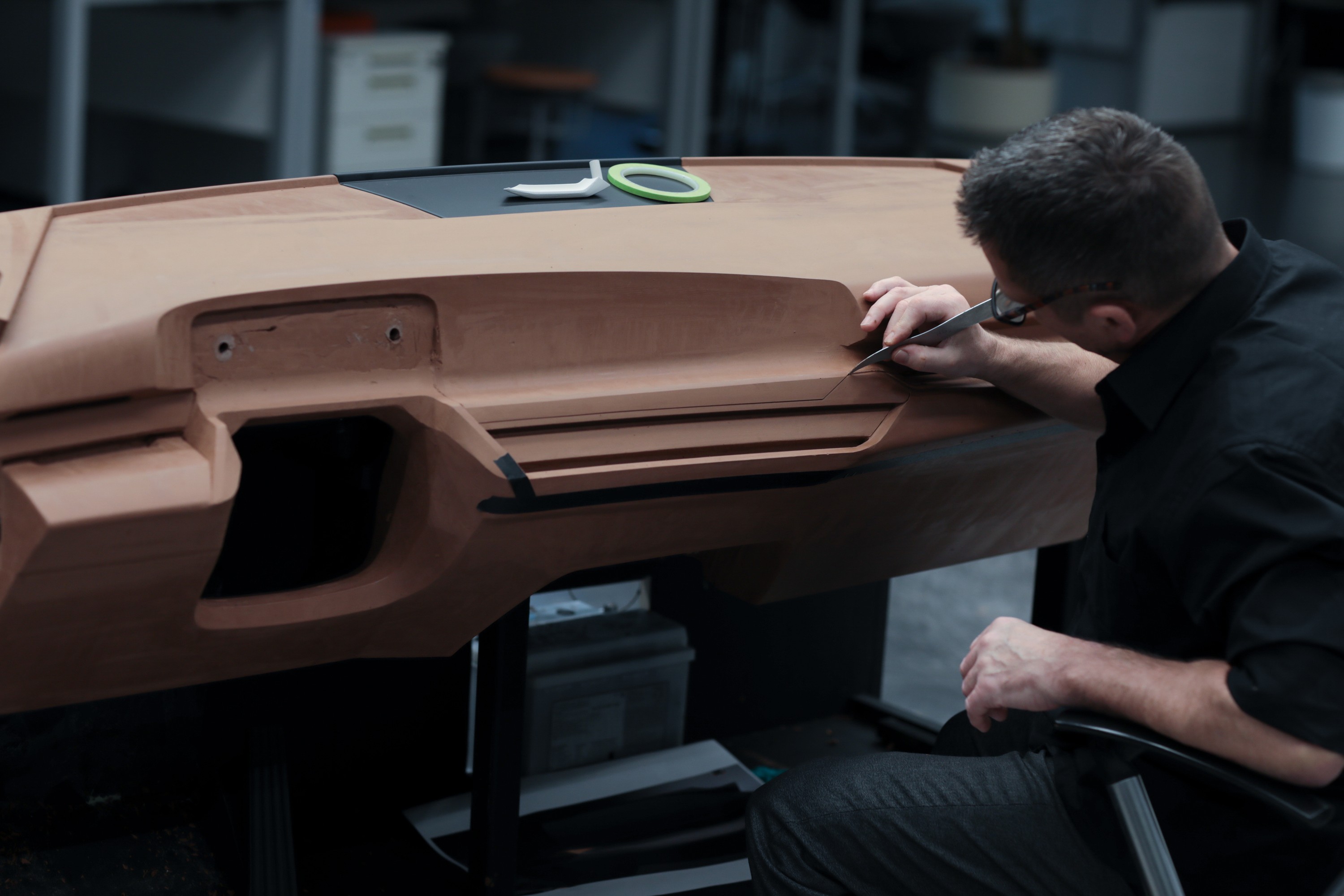
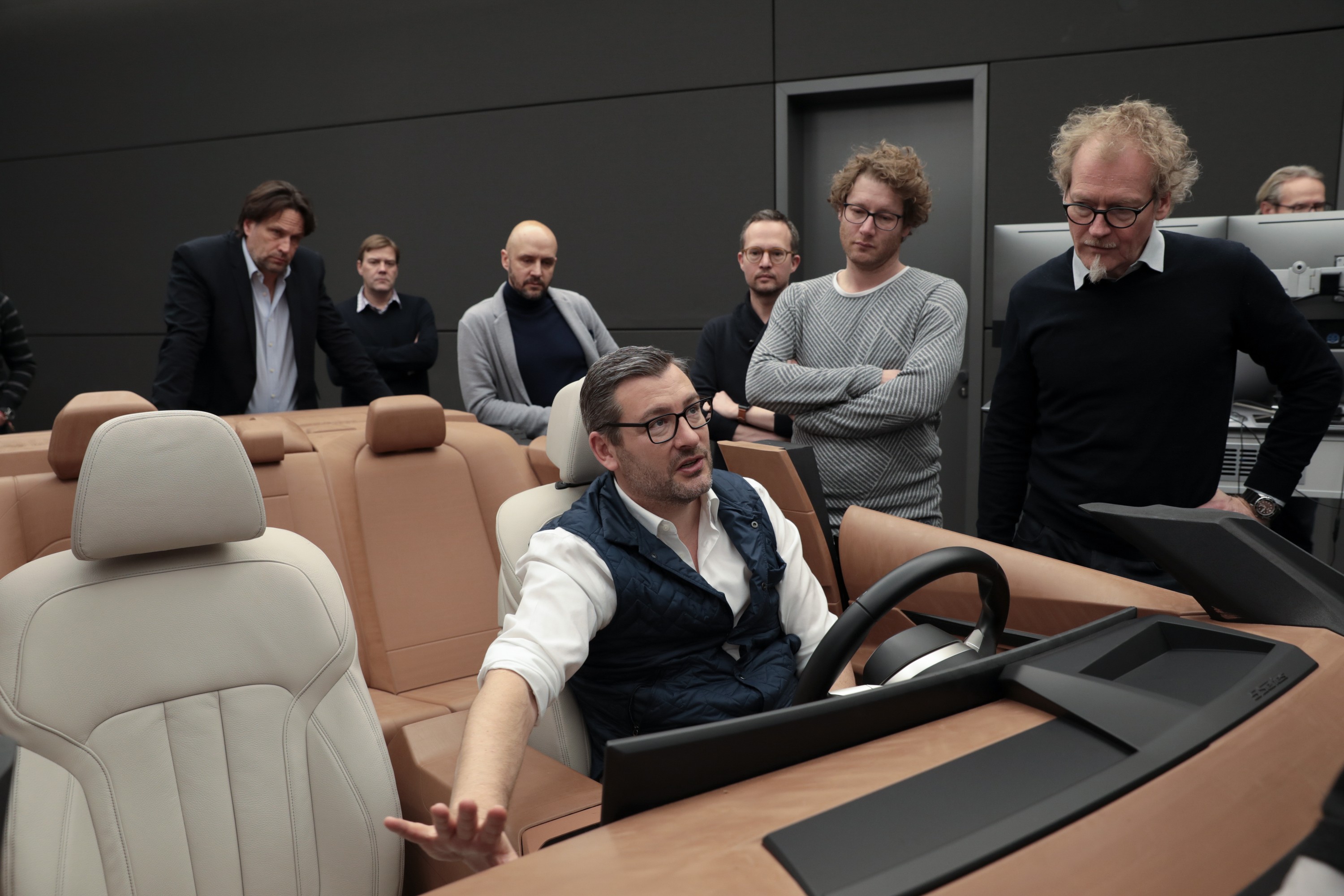
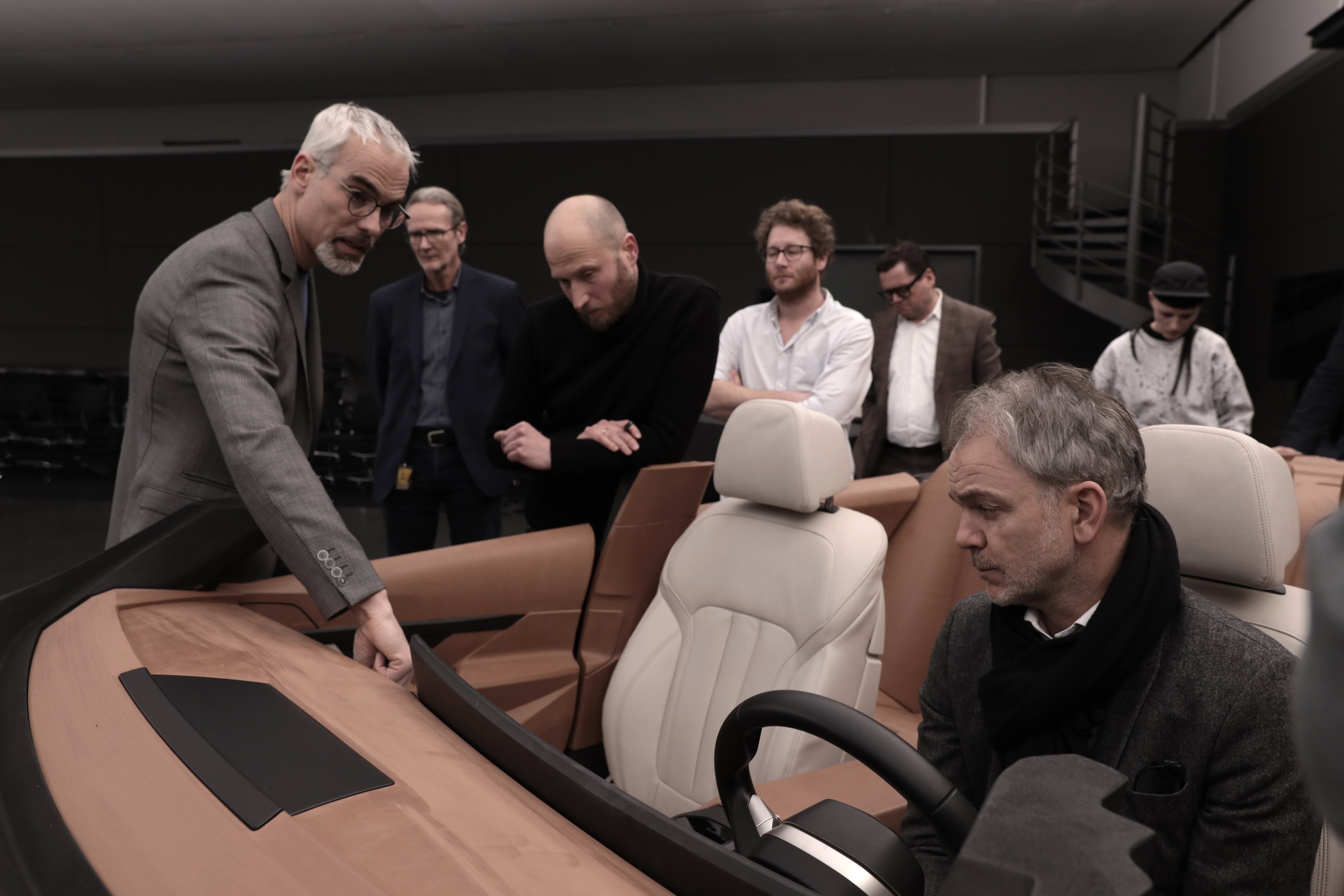
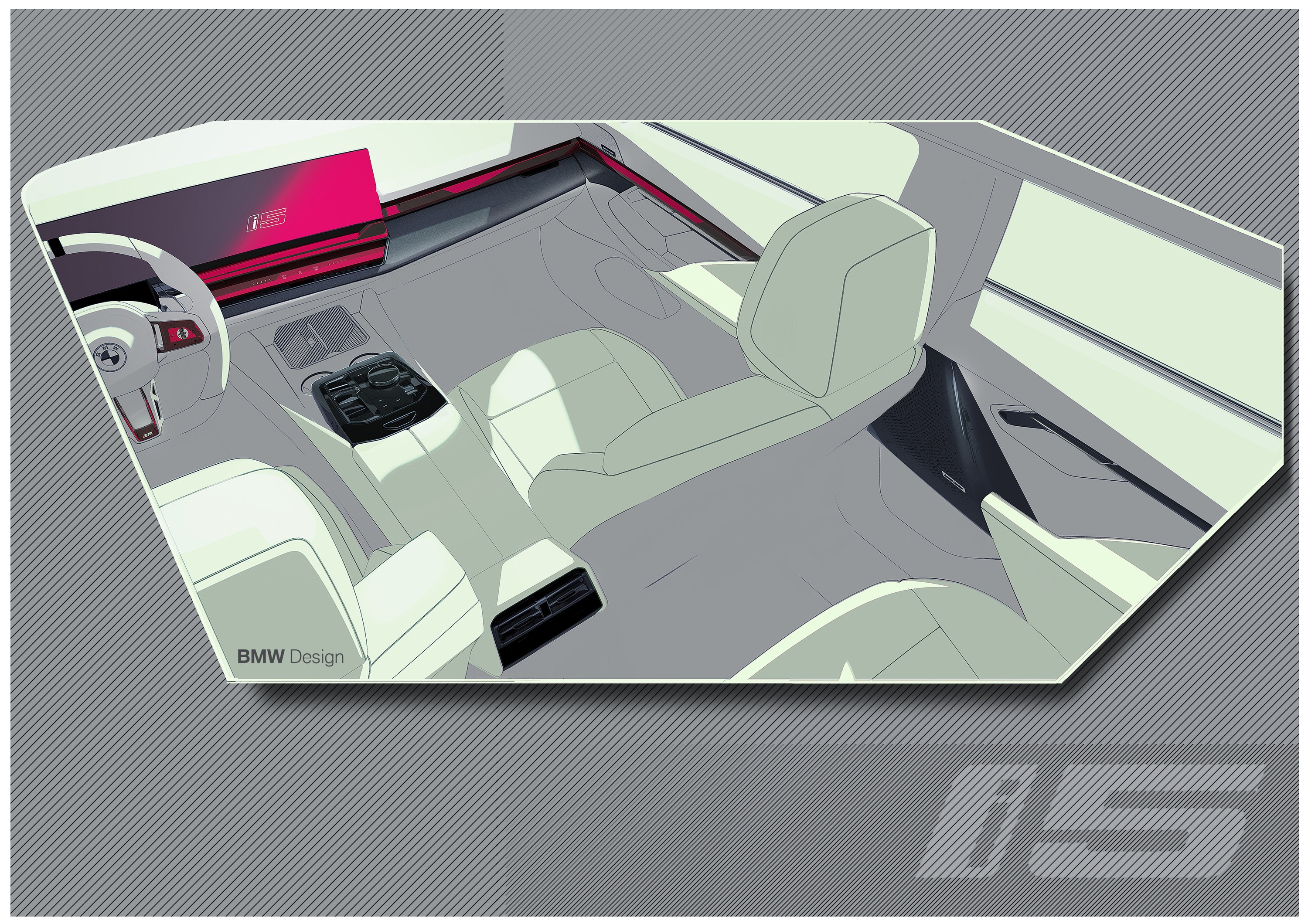
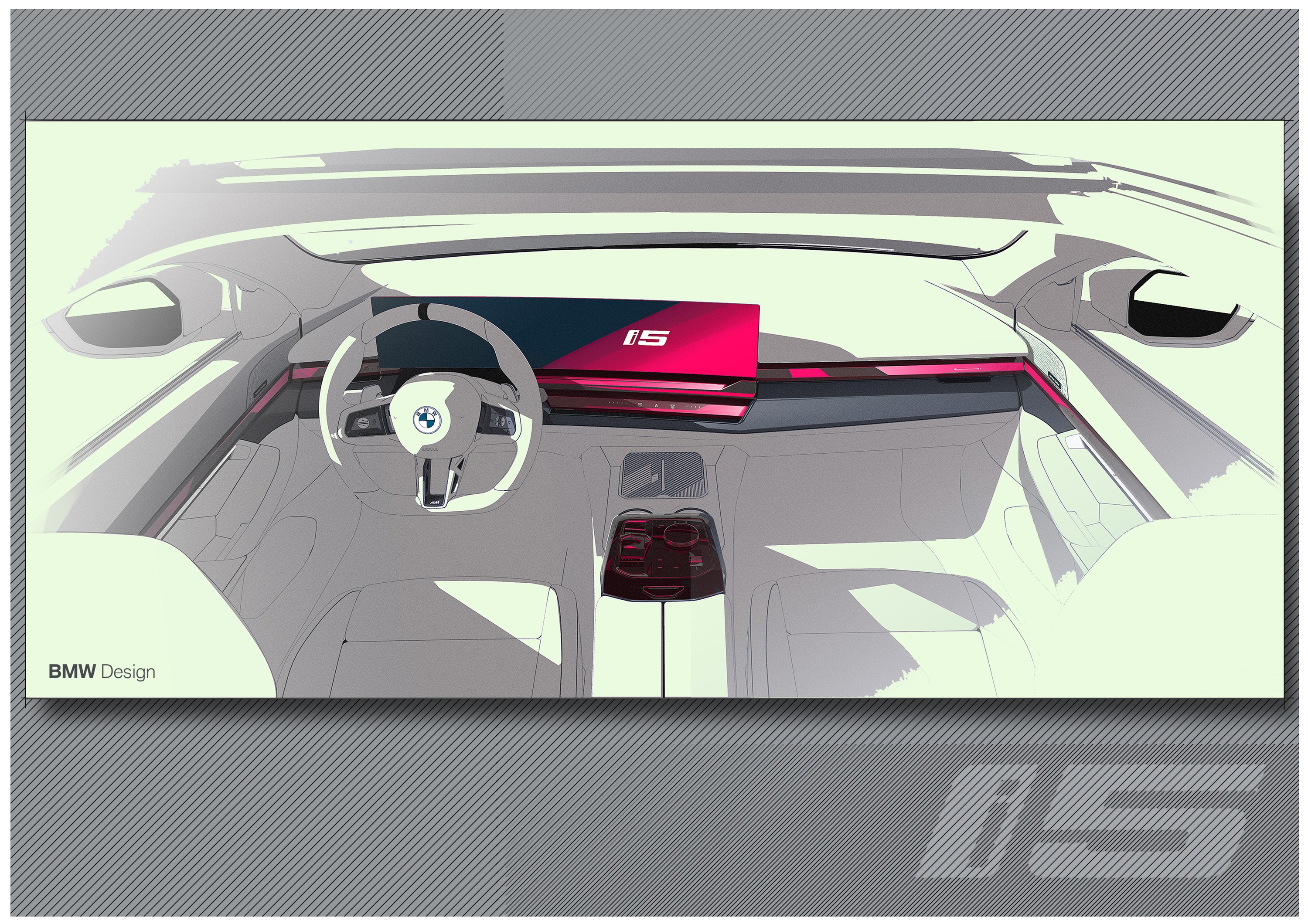
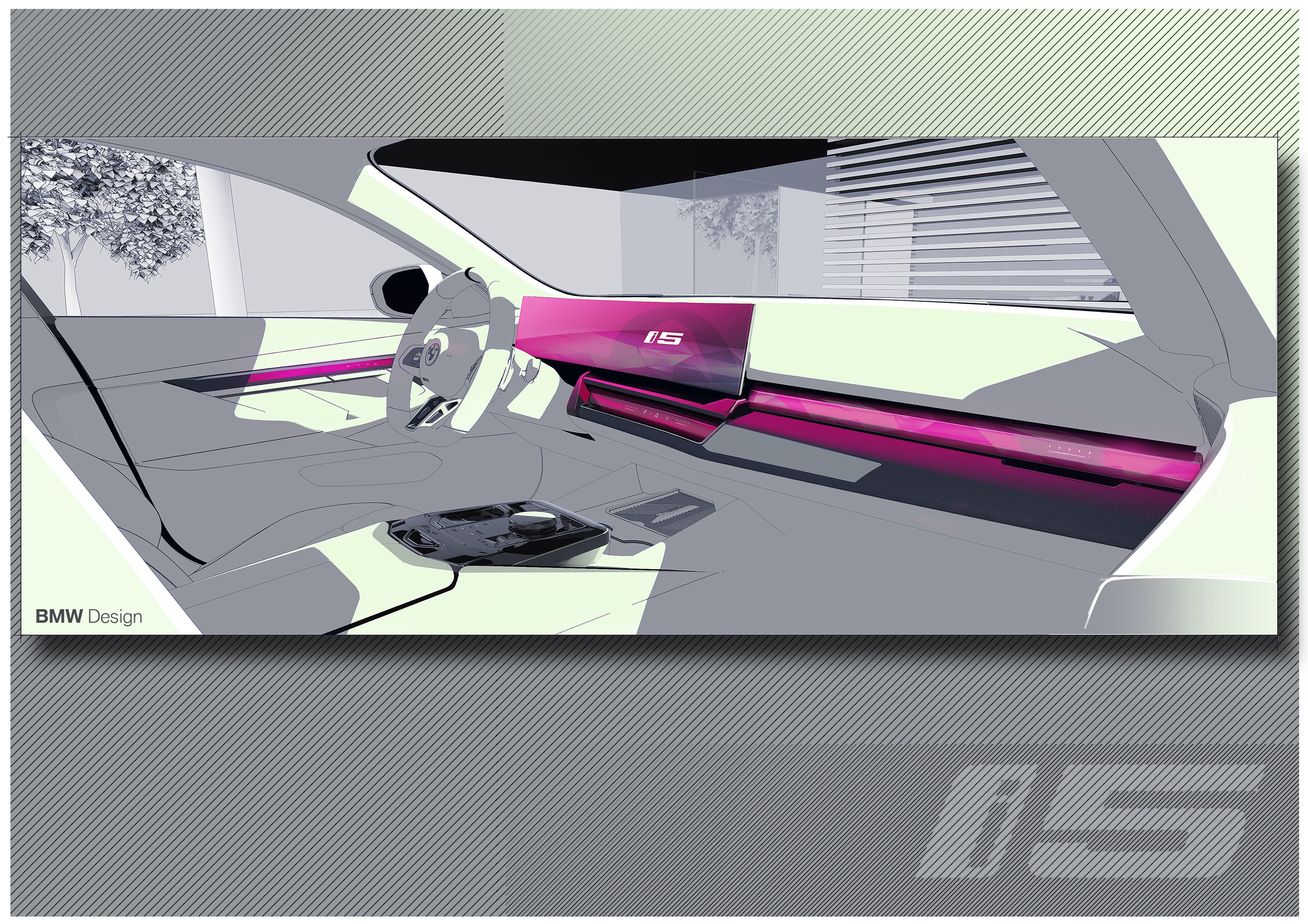
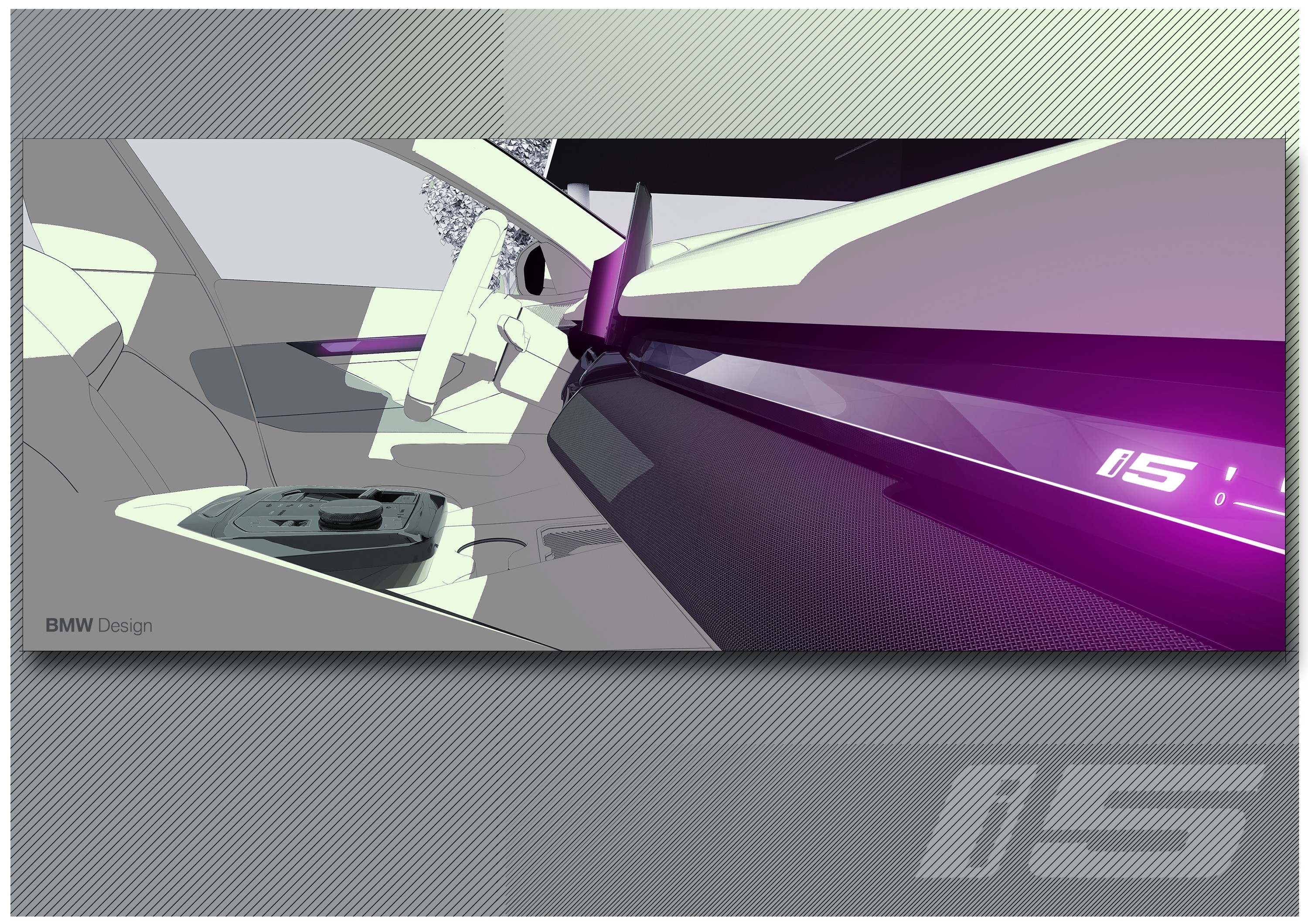
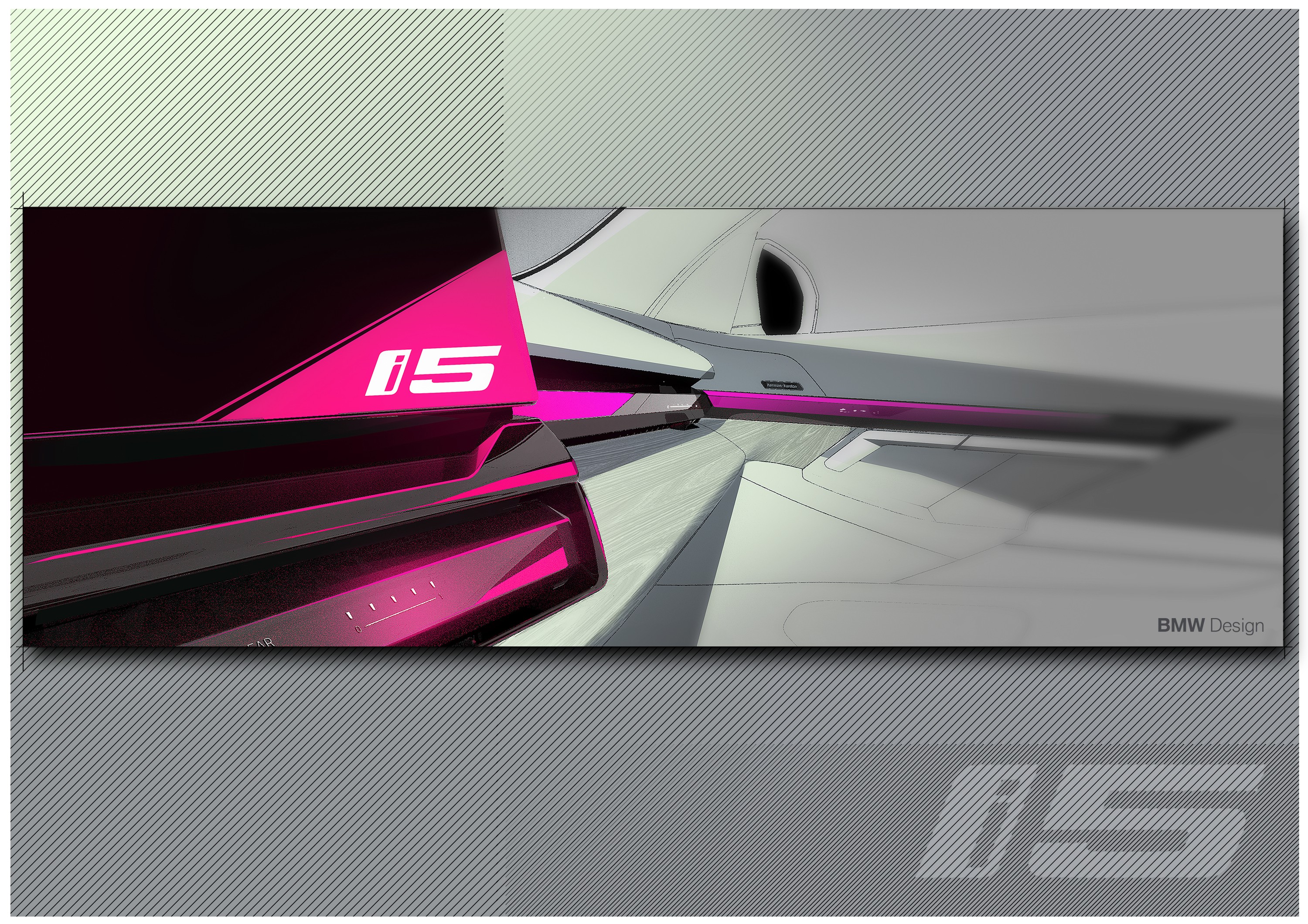
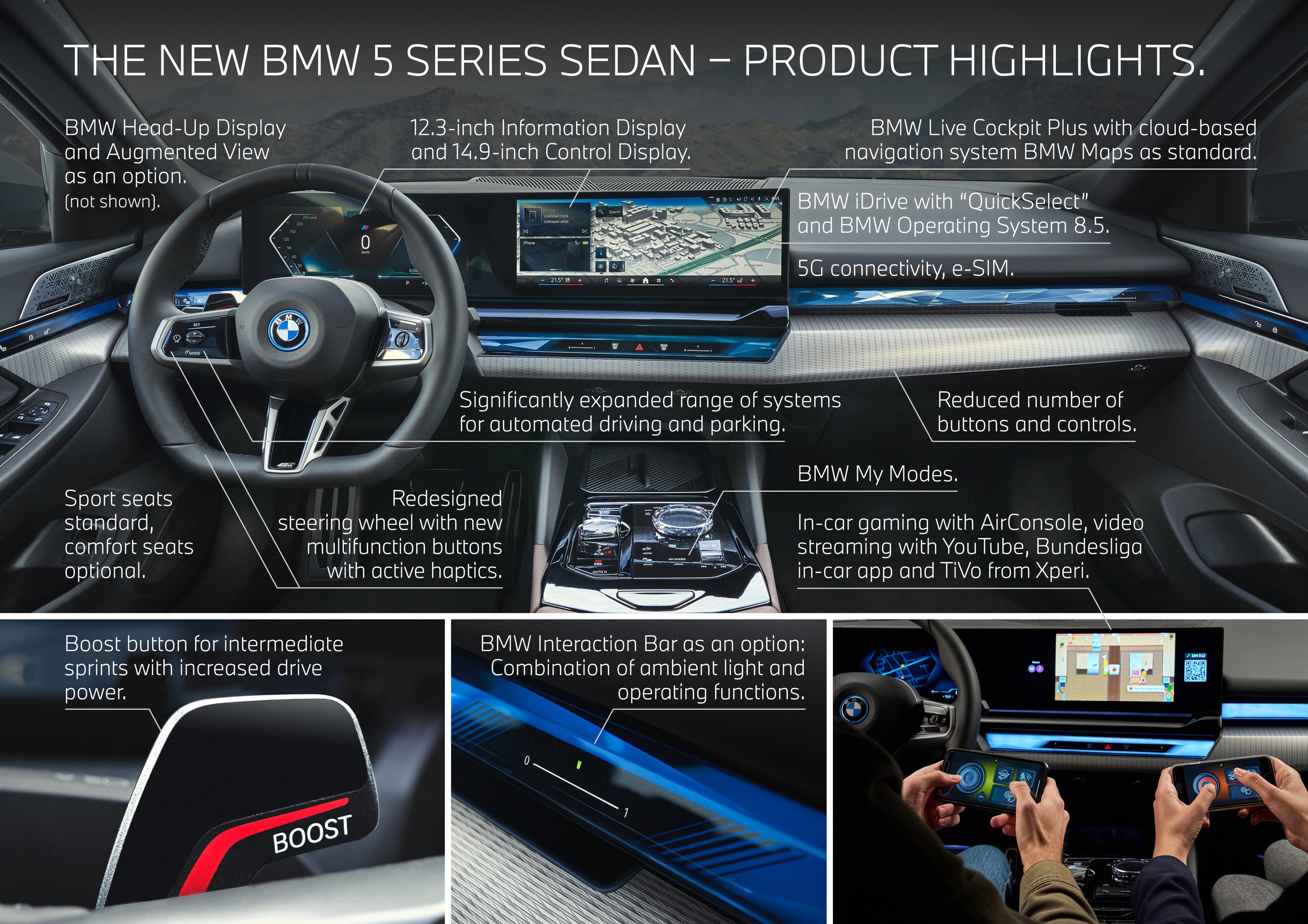
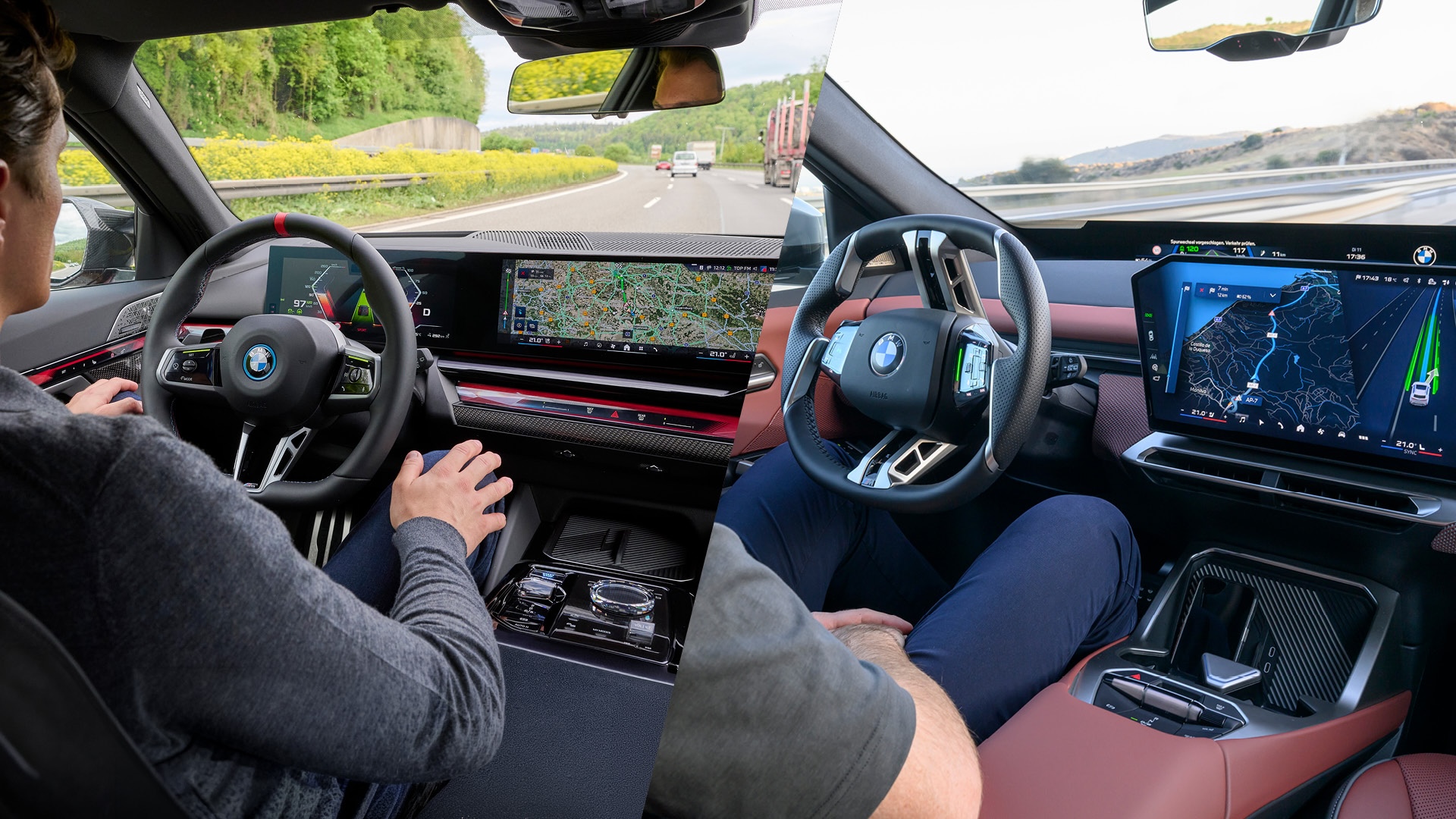
Inside BMW 5 Series, the layout is designed around a modern BMW interpretation of a driver-oriented cockpit. Displays, steering-wheel controls, the centre console and the front seats all contribute to how quickly the driver can understand the car. The exact screen generation and control layout varies between model families, but the emphasis remains on combining digital information with a clear view of the road.
Material quality matters as much as screen size. Seat upholstery, door panels, dashboard surfaces and frequently touched controls determine how premium the cabin feels after the first visual impression. Sportier versions typically add more supportive seats, model-specific graphics and steering-wheel treatments, while luxury-oriented cars put more emphasis on rear-seat comfort and ambience.
Practicality is also part of the cabin story. Storage spaces, cupholders, phone charging, rear-seat access and the shape of the luggage area can have a greater effect on daily satisfaction than a feature that is used only occasionally. This is why interior photography is kept as its own section instead of being mixed into the exterior gallery.
Powertrain and performance character
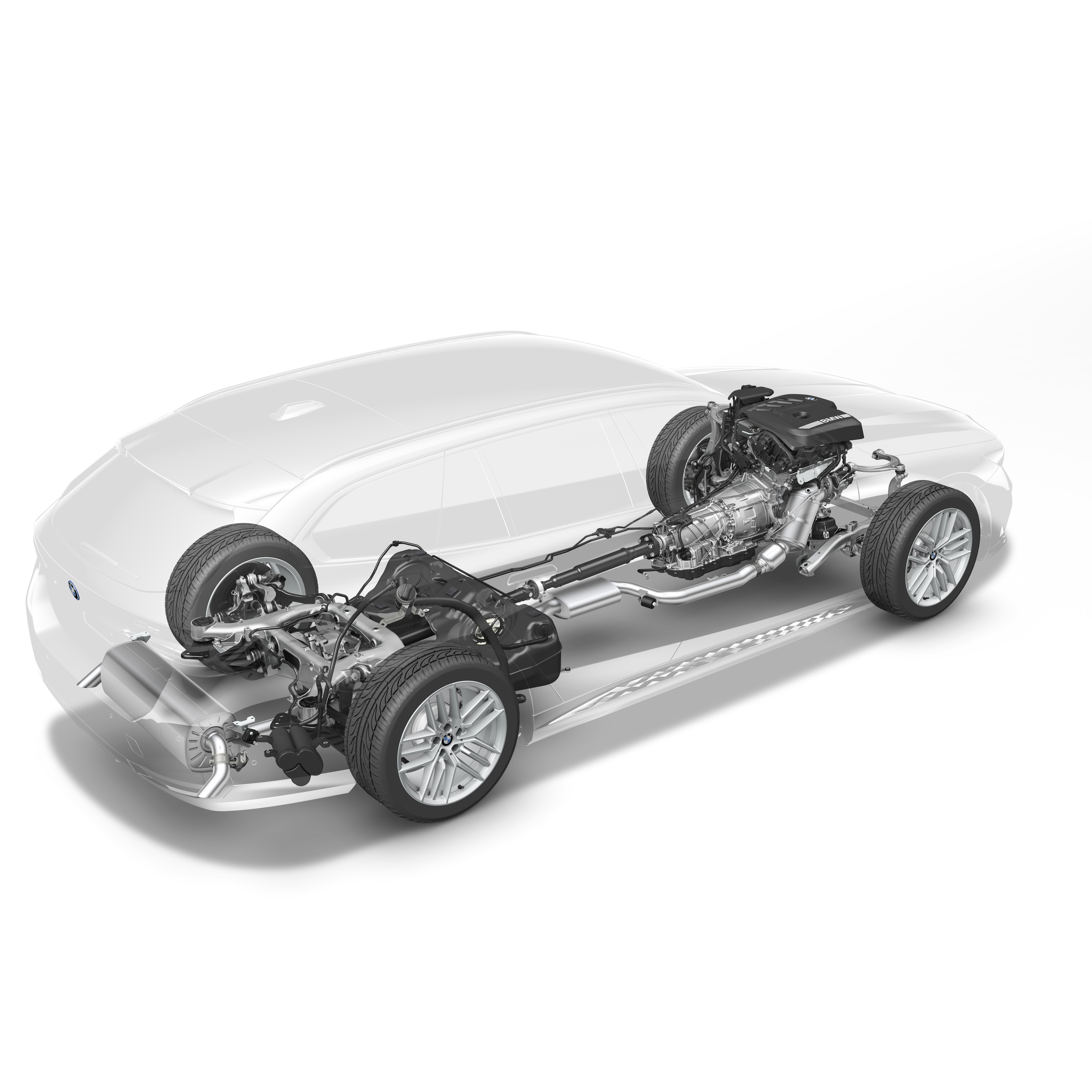
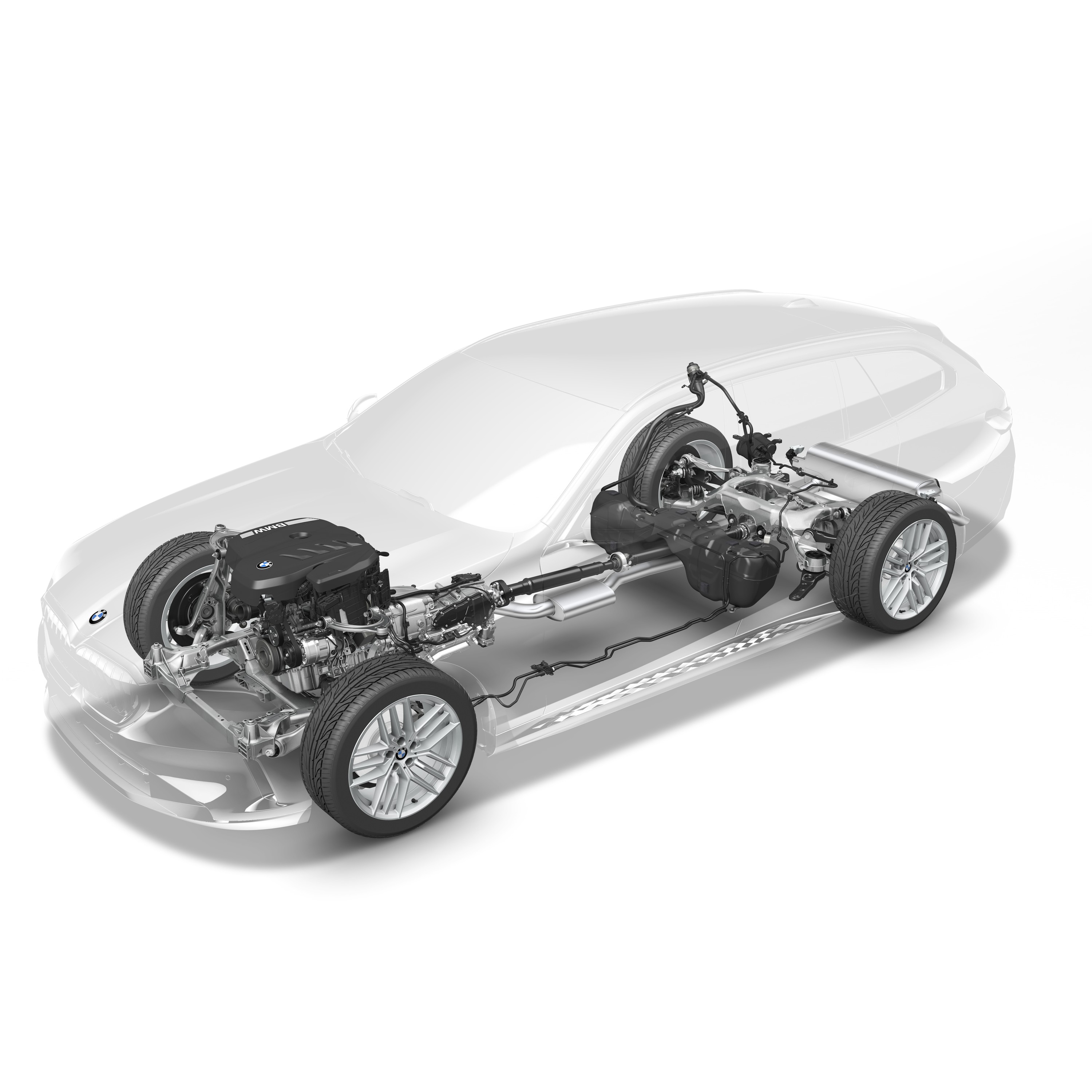
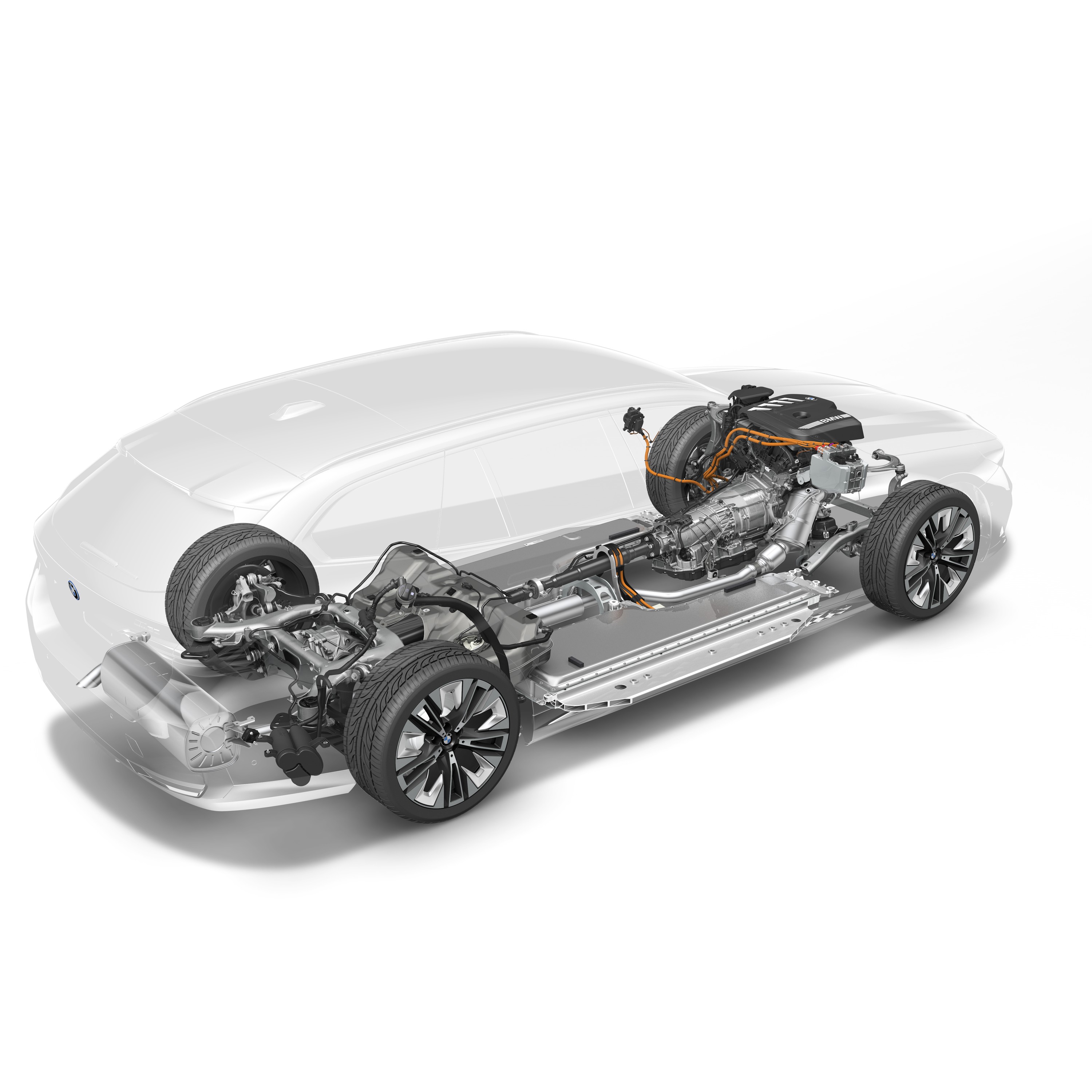
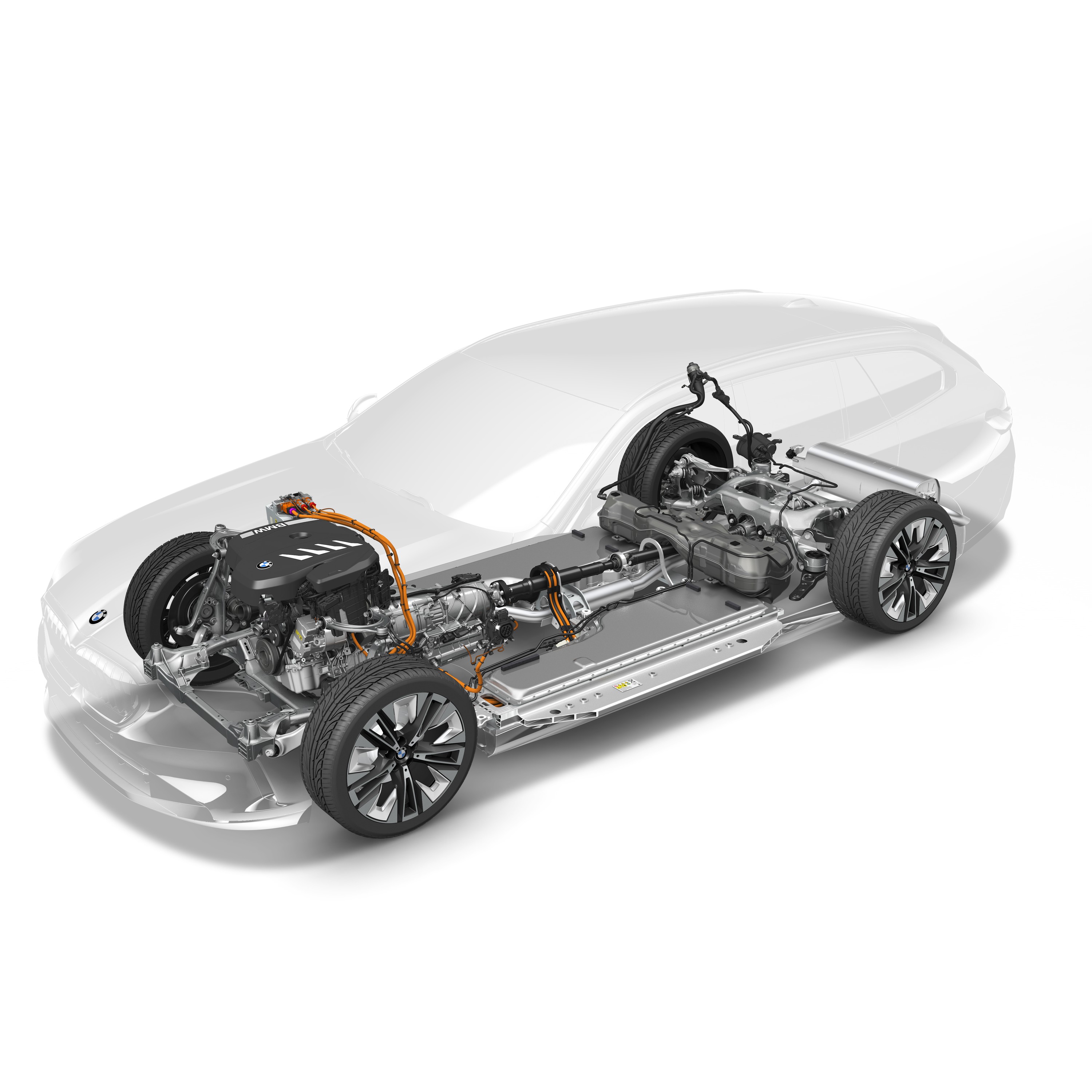
The powertrain direction for BMW 5 Series is combustion, plug-in hybrid and electric alternatives across the wider family. BMW tunes each model for a particular balance of response, refinement and efficiency rather than treating peak output as the only measure of performance. In everyday use, throttle calibration, transmission behaviour or electric-motor response can influence the character as much as the headline figures.
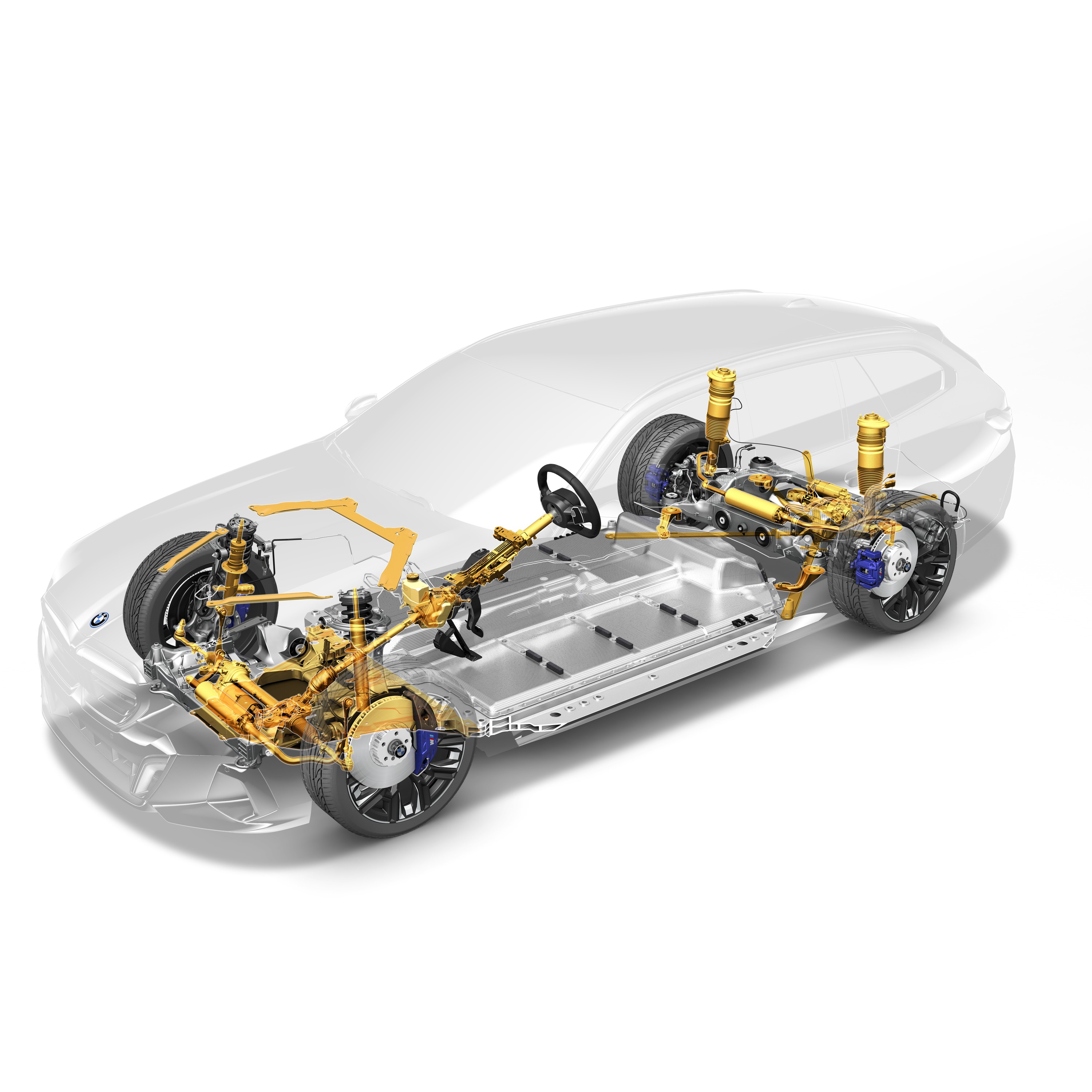
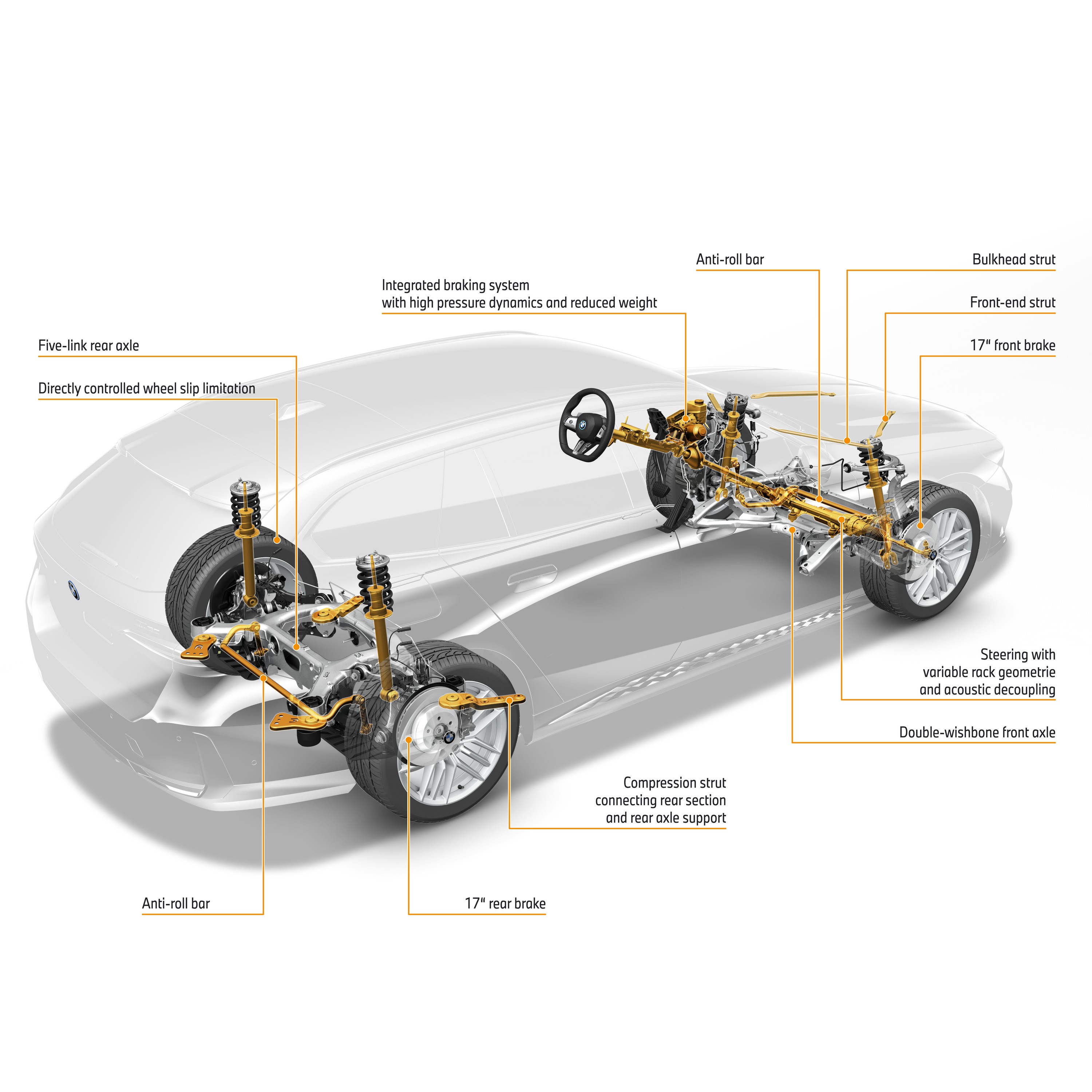
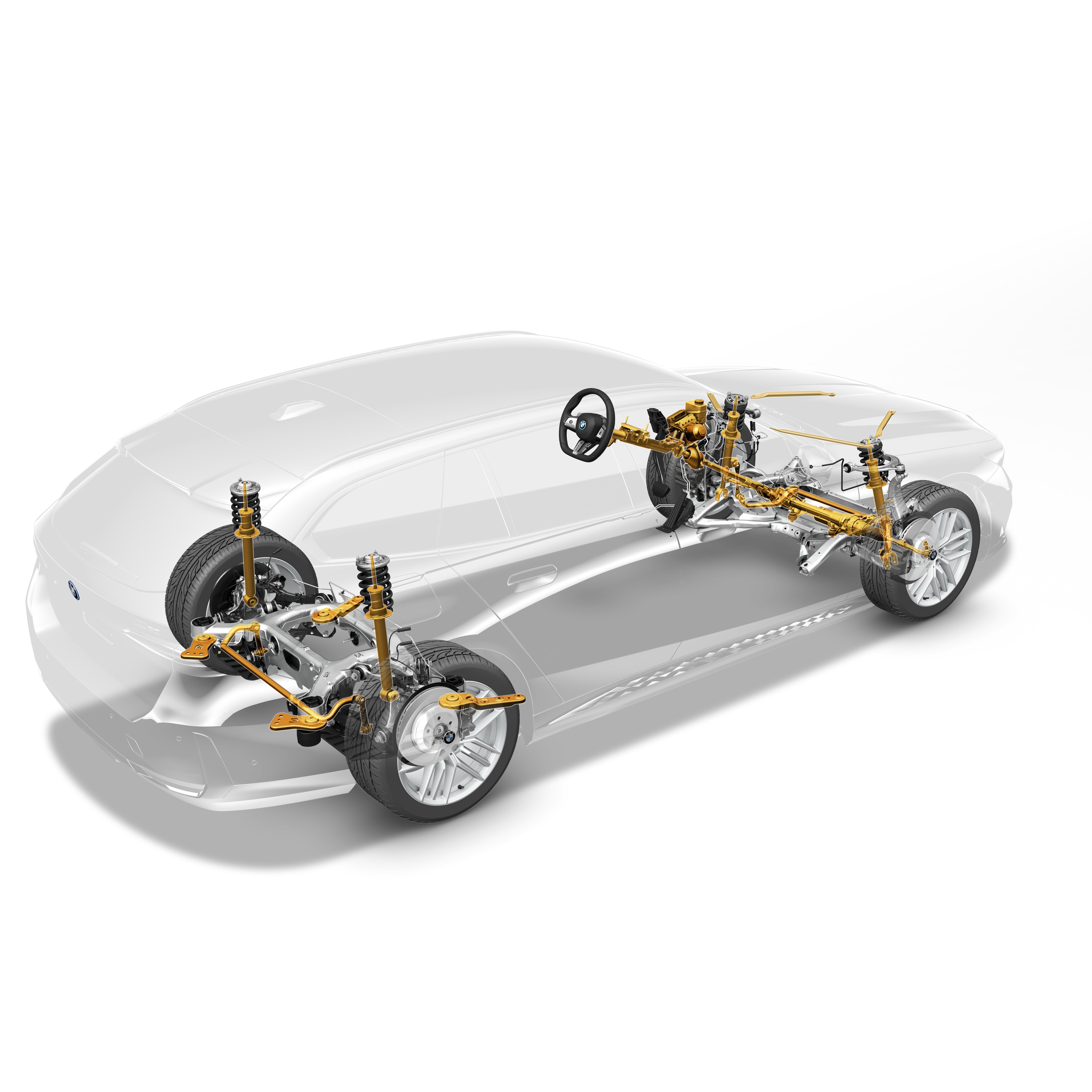
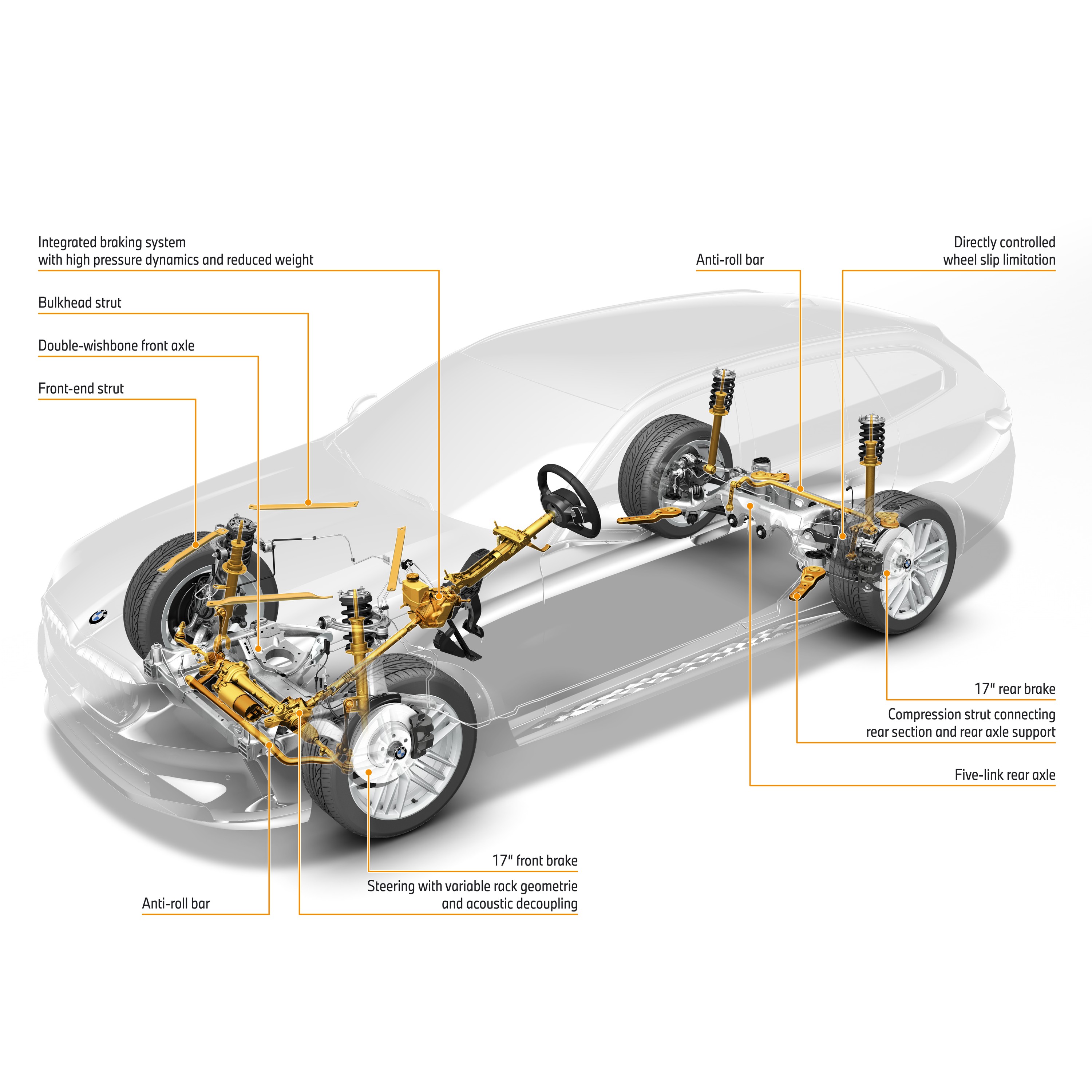
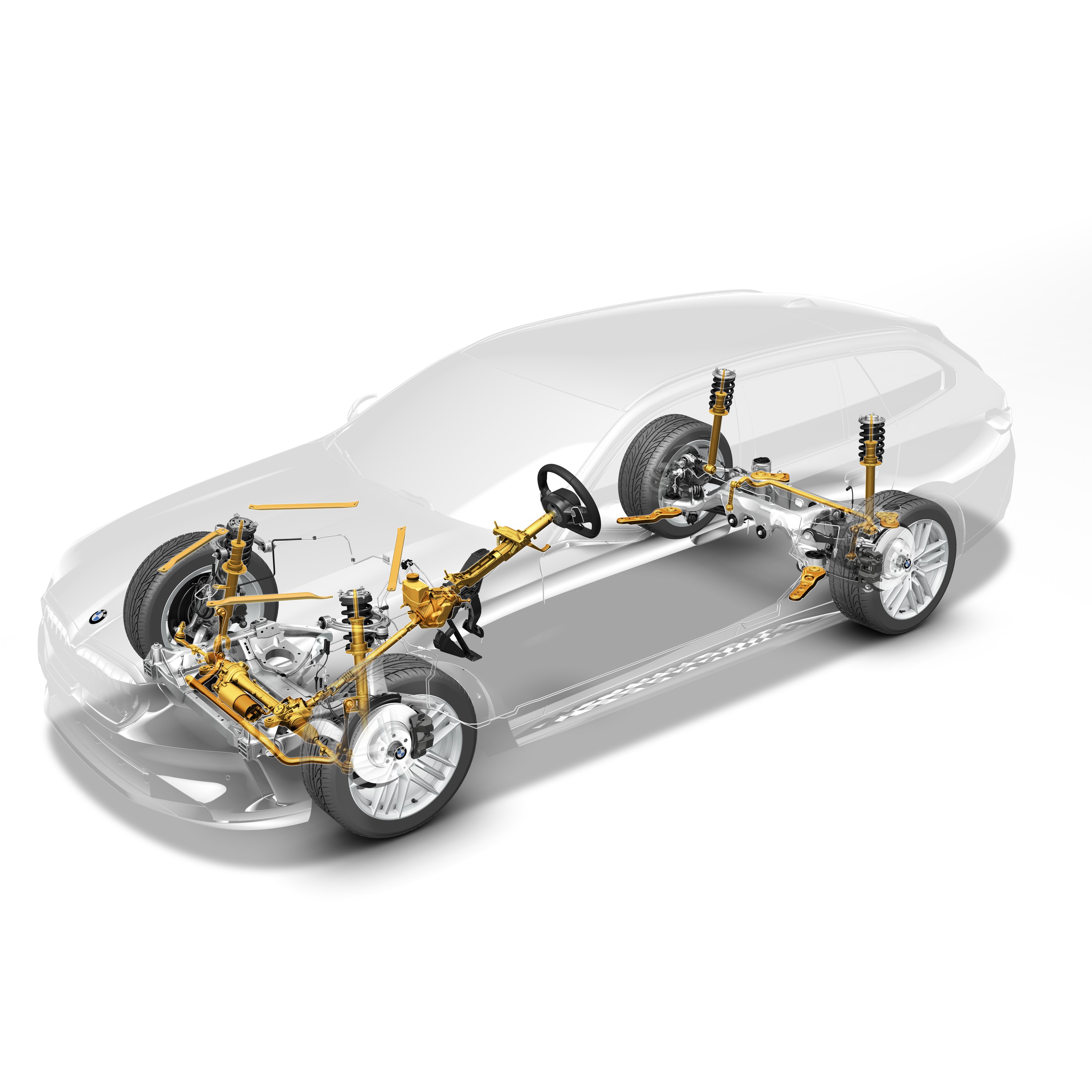
Chassis calibration is equally important. Steering weight, damping, body control, tyre choice and the way the car transfers load through a corner all affect confidence. Models with adaptive systems can cover a wider range between relaxed motorway driving and a more controlled sporting setup, while simpler versions often aim for one well-judged compromise.
Braking performance and thermal consistency matter when a car is driven hard repeatedly, but they also influence normal driving through pedal feel and smoothness. Electric and plug-in hybrid models add regenerative braking to that equation, requiring a natural transition between energy recovery and the friction brakes.
Technology and connected functions
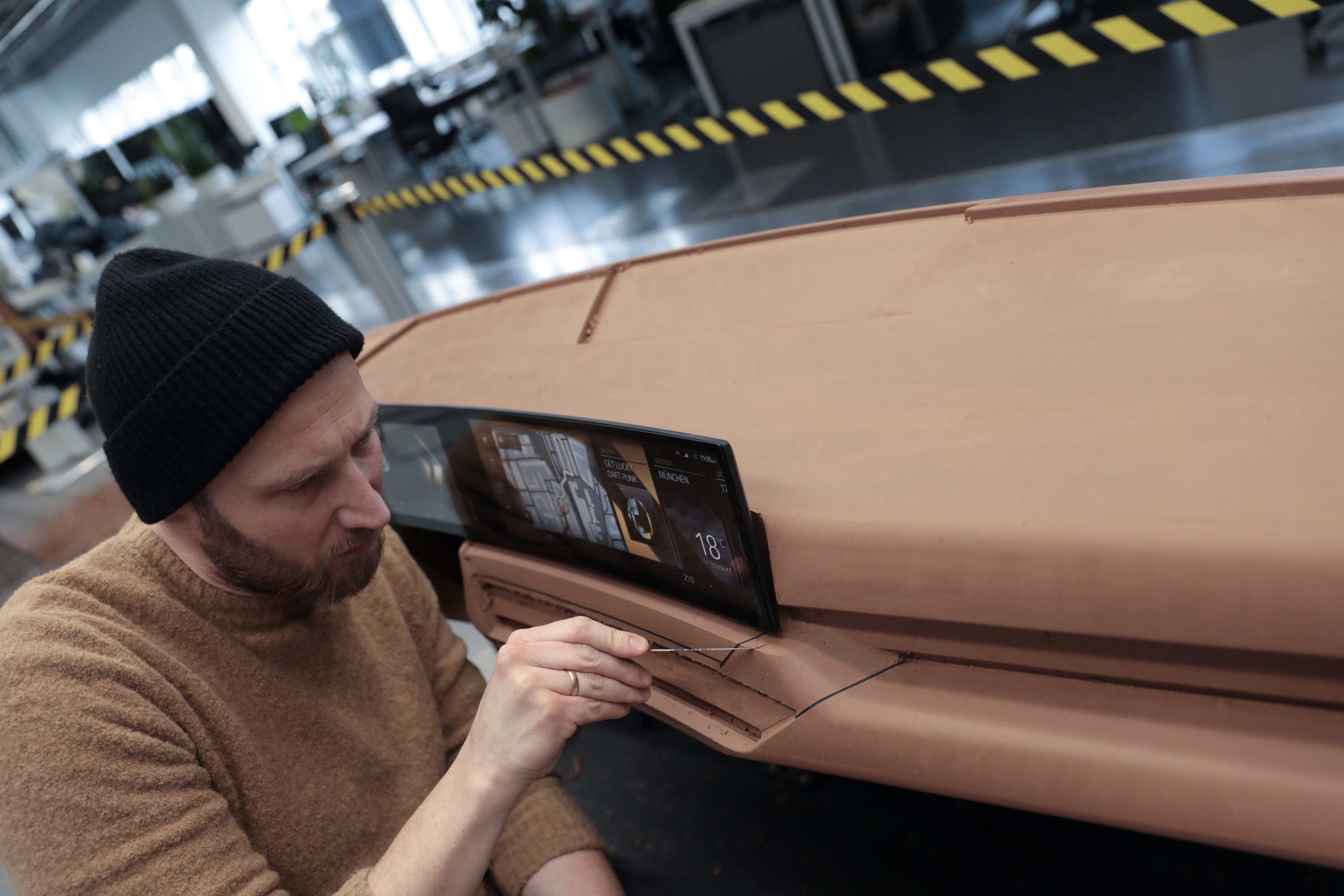
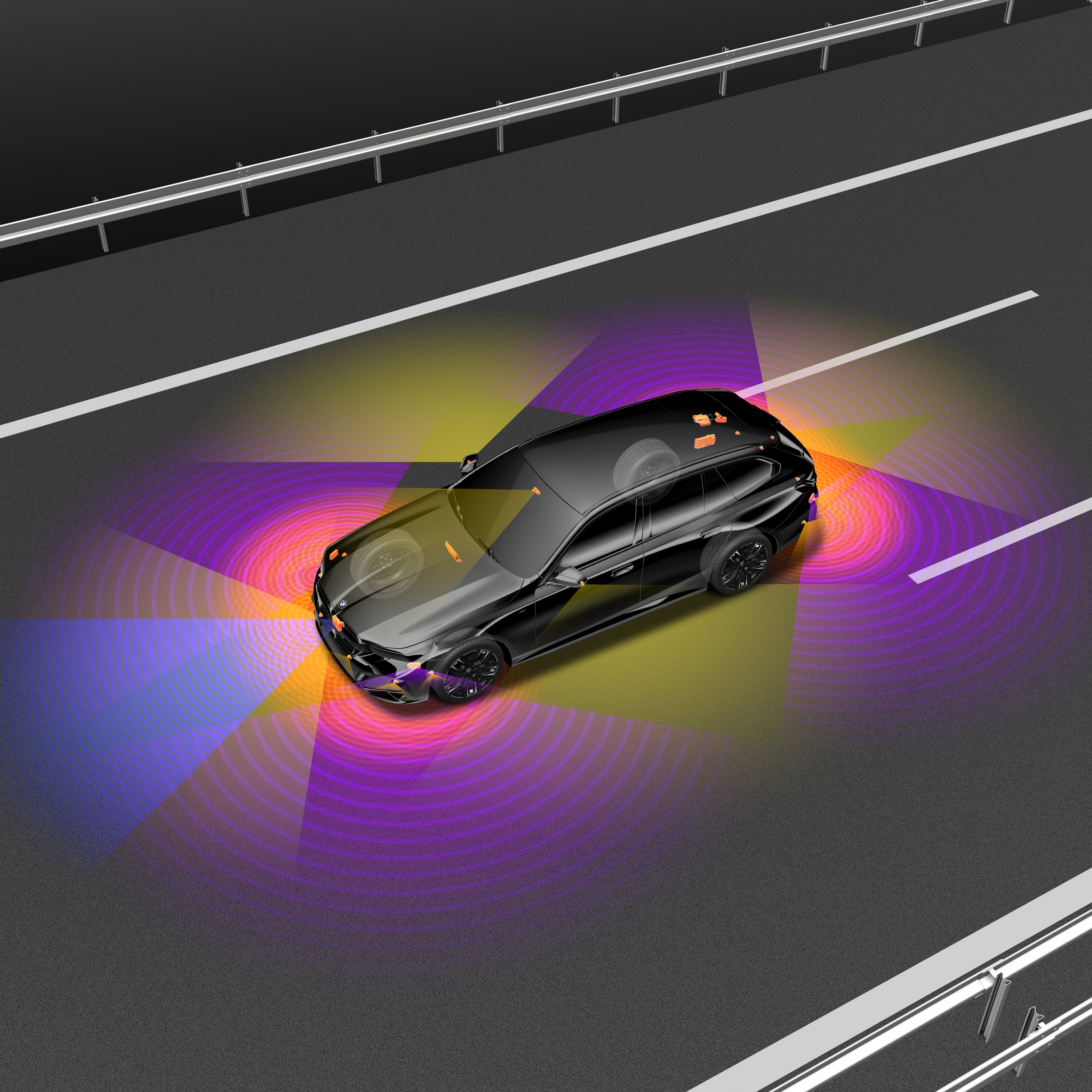
BMW's current technology strategy links navigation, infotainment, vehicle settings and driver-assistance functions more closely than before. The driver can configure information according to the journey, while connected services can add traffic data, charging information or remote functions depending on the model and market.
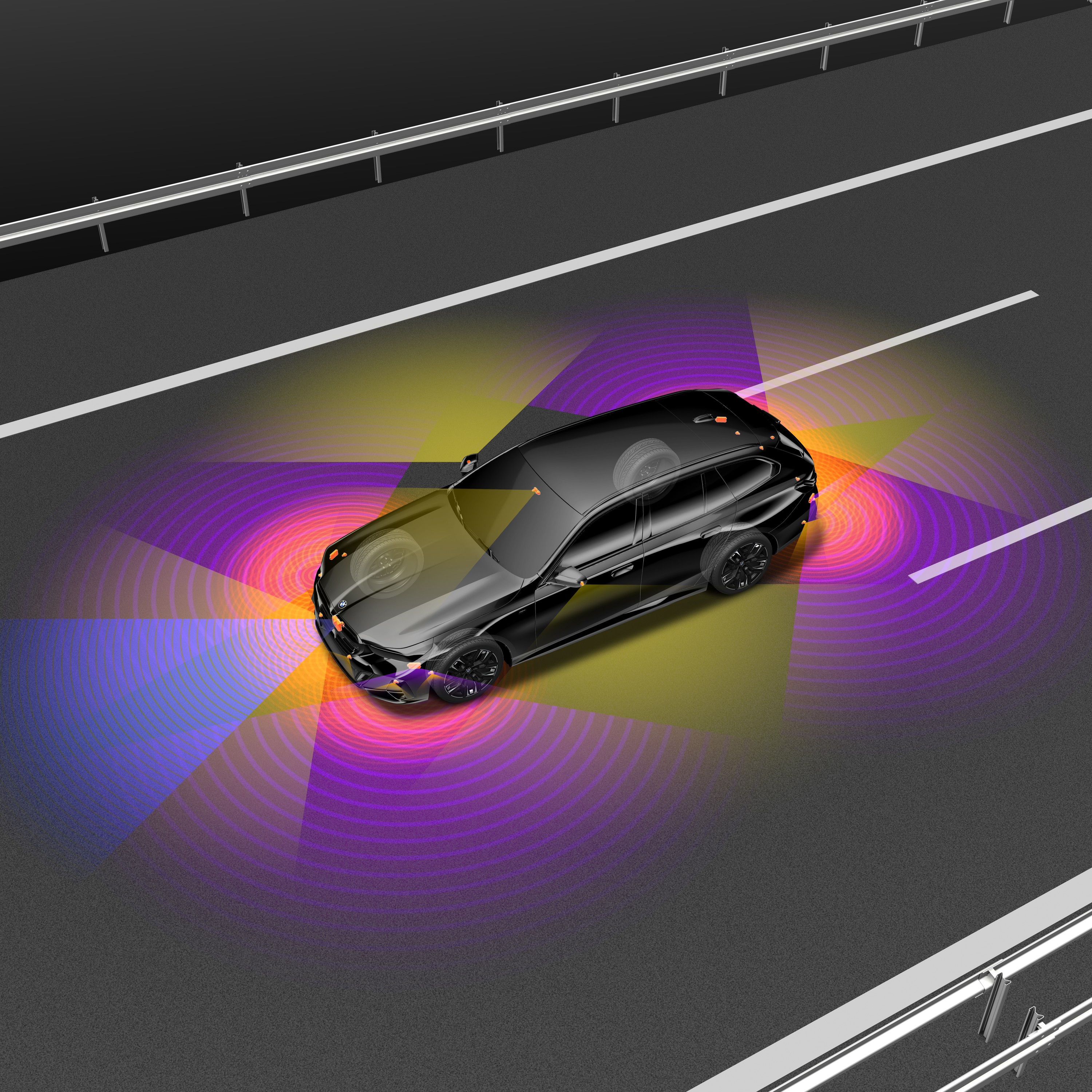
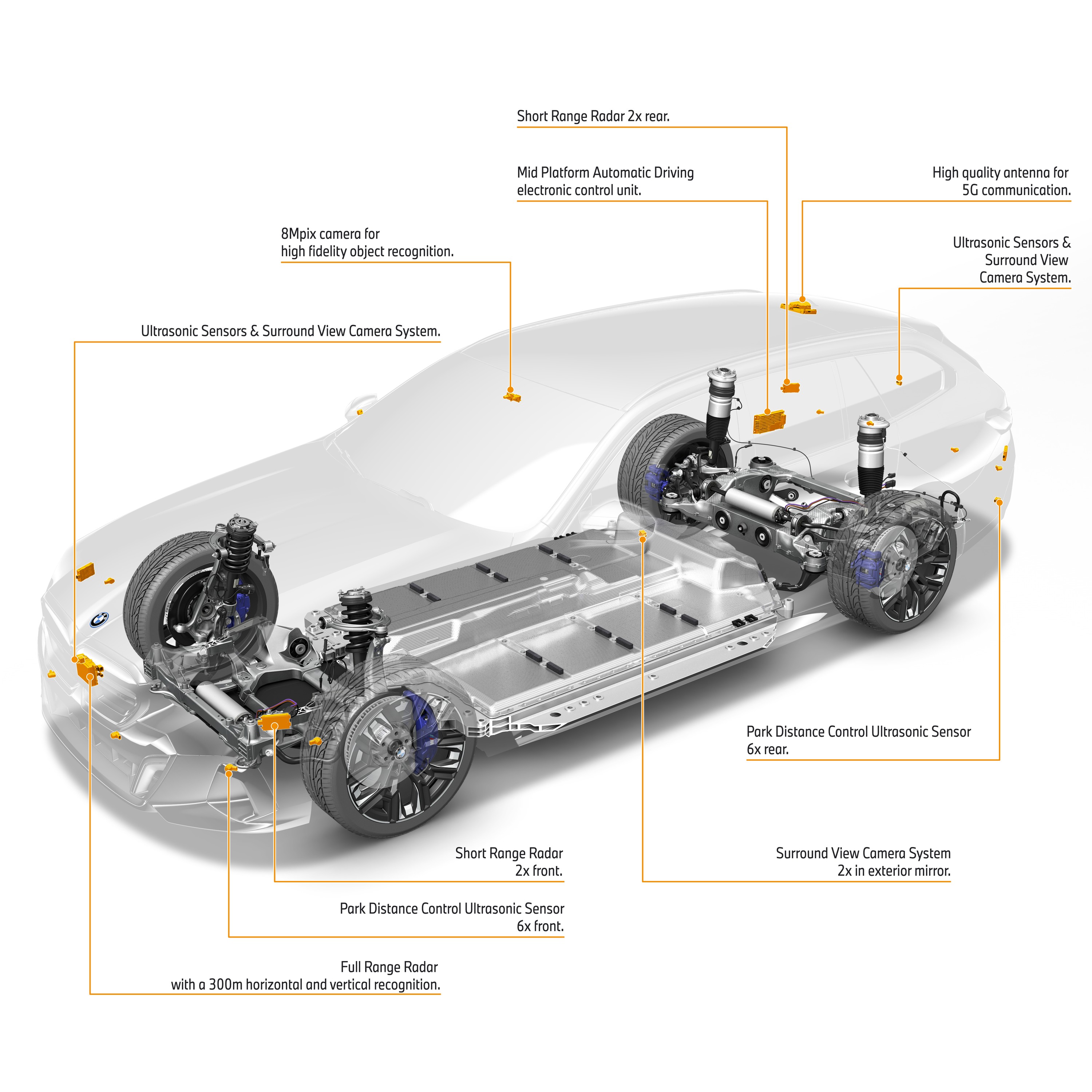
Assistance systems are most valuable when they reduce workload without making the driver search through unnecessary menus. Parking cameras, lane support, adaptive speed functions and navigation-based information are therefore most convincing when the interface remains predictable and the car communicates clearly what it is doing.
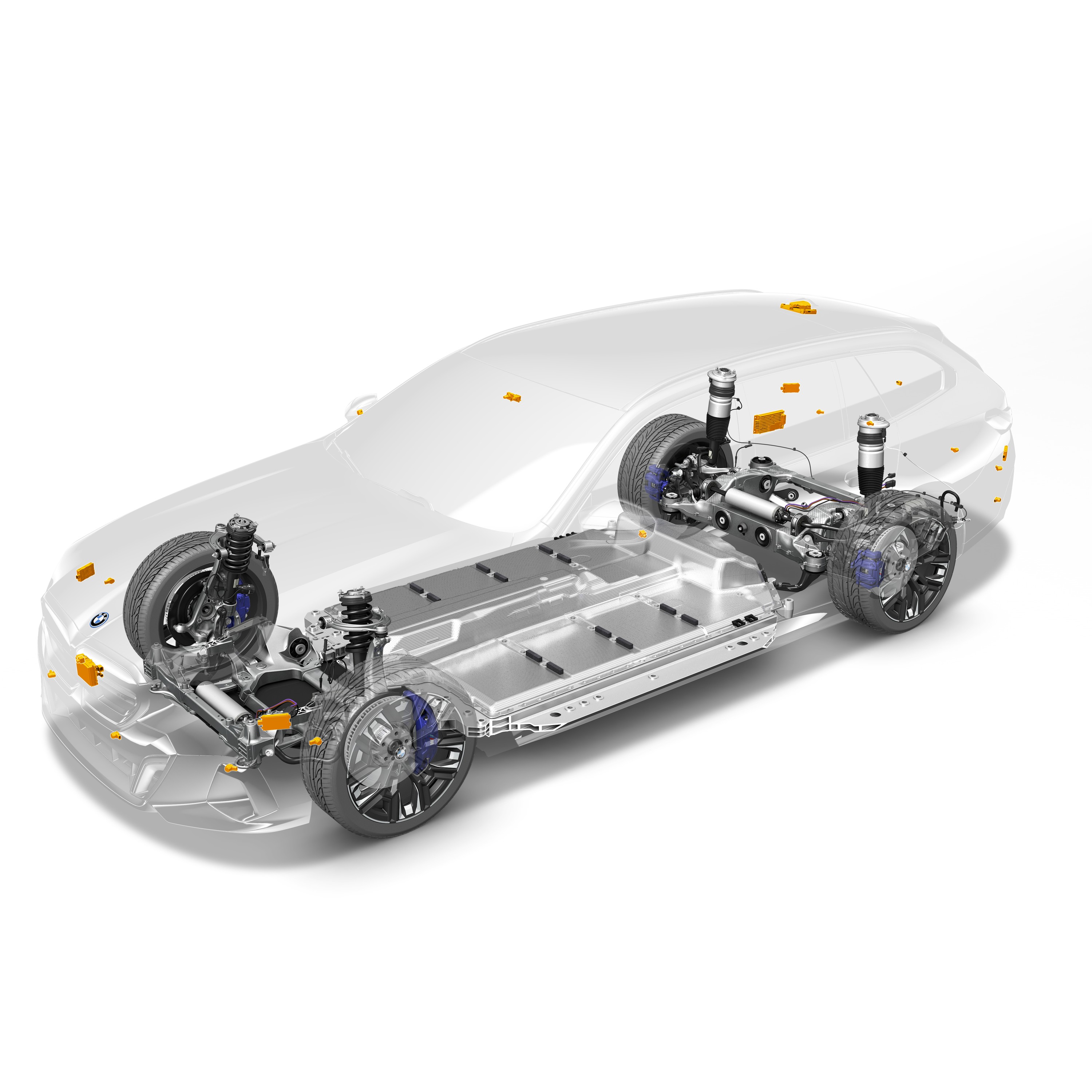
Technology, engines and detail gallery
Comfort and long-distance use
A car in the position of BMW 5 Series cannot be judged only by a short burst of performance. Seat comfort, wind noise, tyre noise, suspension control and the ease of using the navigation system all become more important after several hours on the road. The best BMW models preserve a sense of control without forcing the occupants to accept constant firmness or noise.
Wheel and tyre choice can change that balance. Larger wheels usually sharpen the visual stance and can improve steering response, but they may also make broken road surfaces more noticeable. Buyers comparing trims should therefore consider the intended use of the car rather than assuming that the largest available wheel is automatically the best choice.
Practicality and ownership
The practical strengths of an executive premium sedan family define how easy BMW 5 Series is to live with. Door size, seating position, rear headroom, luggage access and visibility all influence daily use. These factors become especially important when a car is expected to perform several roles — commuting during the week, longer trips at weekends and occasional use with passengers or luggage.
Running costs depend heavily on engine, battery, wheel size, climate and driving style. Official consumption and range figures are useful comparison tools, but real-world results vary. The same applies to charging: electric models are easiest to own when home or workplace charging is available, while long-distance charging performance matters more for drivers who make frequent motorway journeys.
What defines this model
The clearest theme around BMW 5 Series is long-distance refinement, digital technology and balanced road manners. That theme shapes the way the car looks, the way BMW positions its equipment and the kind of driver it is intended to attract. It also explains why two models with similar dimensions can feel very different once seating position, power delivery and chassis tuning are considered.
For New Auto Drive, the useful way to present the model is therefore to keep the written story and the official media together. The photos show the exact details and environments chosen by BMW, while the article gives those images structure so the page remains useful for readers researching the model rather than simply browsing a gallery.
Overall
BMW 5 Series is best viewed as a complete package built around long-distance refinement, digital technology and balanced road manners. Its appeal is not limited to one performance number, one screen or one styling feature. Design, powertrain, chassis behaviour, interior usability and the ownership experience all contribute to whether it suits a particular buyer.
Source & photos: BMW Group PressClub.