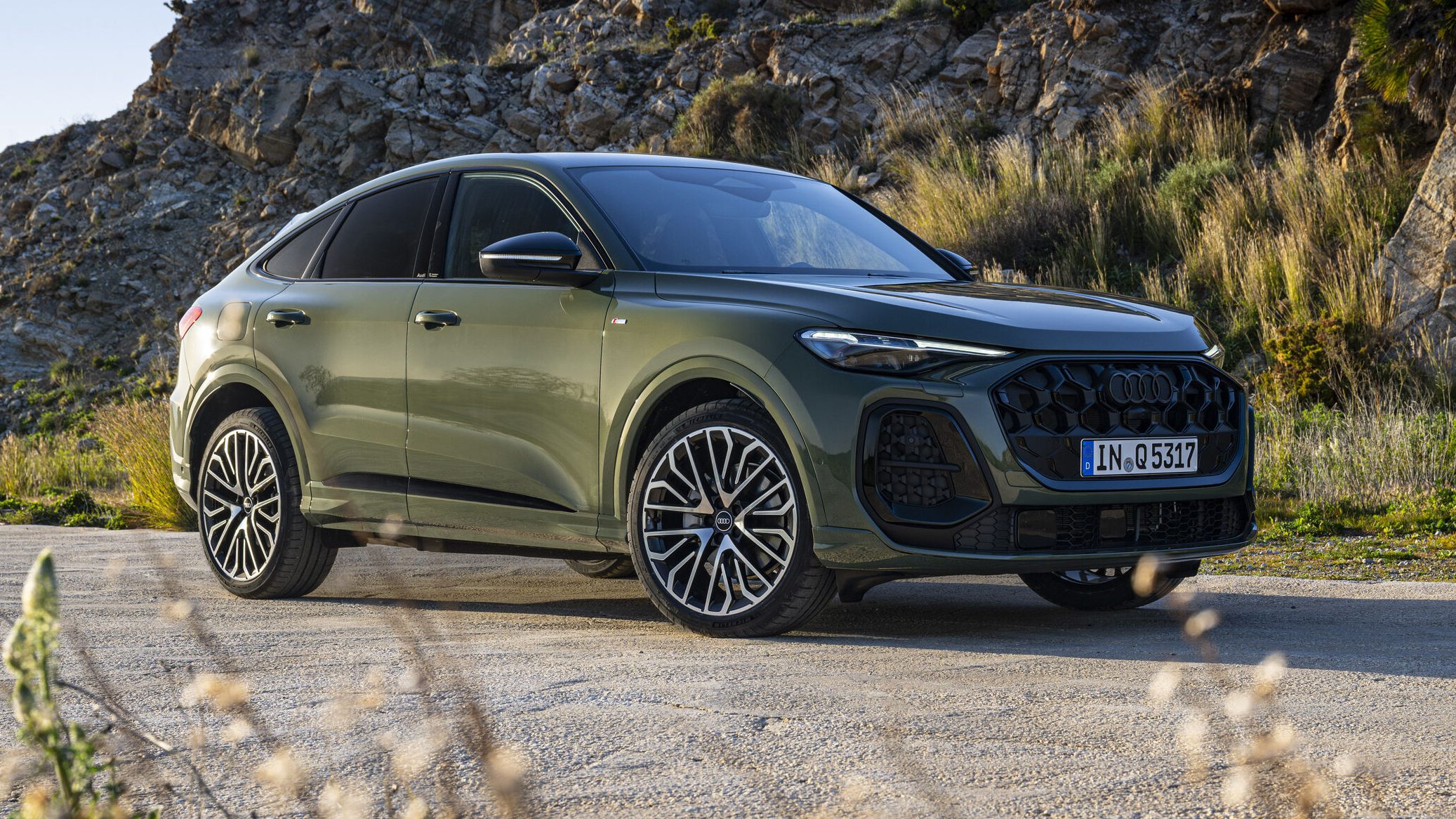
Audi Q5 Sportback — The second-generation Audi Q5 Sportback is the coupe-style member of the current Q5 family, combining the higher seating position and everyday flexibility of an SUV with a lower, more flowing roofline. Underneath, it shares the Premium Platform Combustion architecture and MHEV plus technology of the latest Q5 generation.
This New Auto Drive page focuses only on the current production derivative shown in the official Audi album. Older generations, illustrations and mixed-family assets are deliberately kept out so the photos and technical information remain specific to this version.
Key point
The Q5 Sportback trades a small amount of ultimate cargo flexibility for a more distinctive silhouette, while retaining the new Q5 platform, MHEV plus powertrains and Audi’s latest digital cabin.
Audi Q5 Sportback at a glance
| Generation | Second-generation Q5 Sportback |
| Platform | Premium Platform Combustion (PPC) |
| Launch petrol | 2.0 TFSI, 150 kW / 204 hp, 340 Nm |
| Launch diesel | 2.0 TDI, 150 kW / 204 hp, 400 Nm |
| Transmission | 7-speed S tronic |
| Electrification | 48-volt MHEV plus |
| MHEV boost | Up to 18 kW temporarily |
| Recuperation | Up to 25 kW |
| Performance derivative | SQ5 Sportback — separate model page |
Exterior design
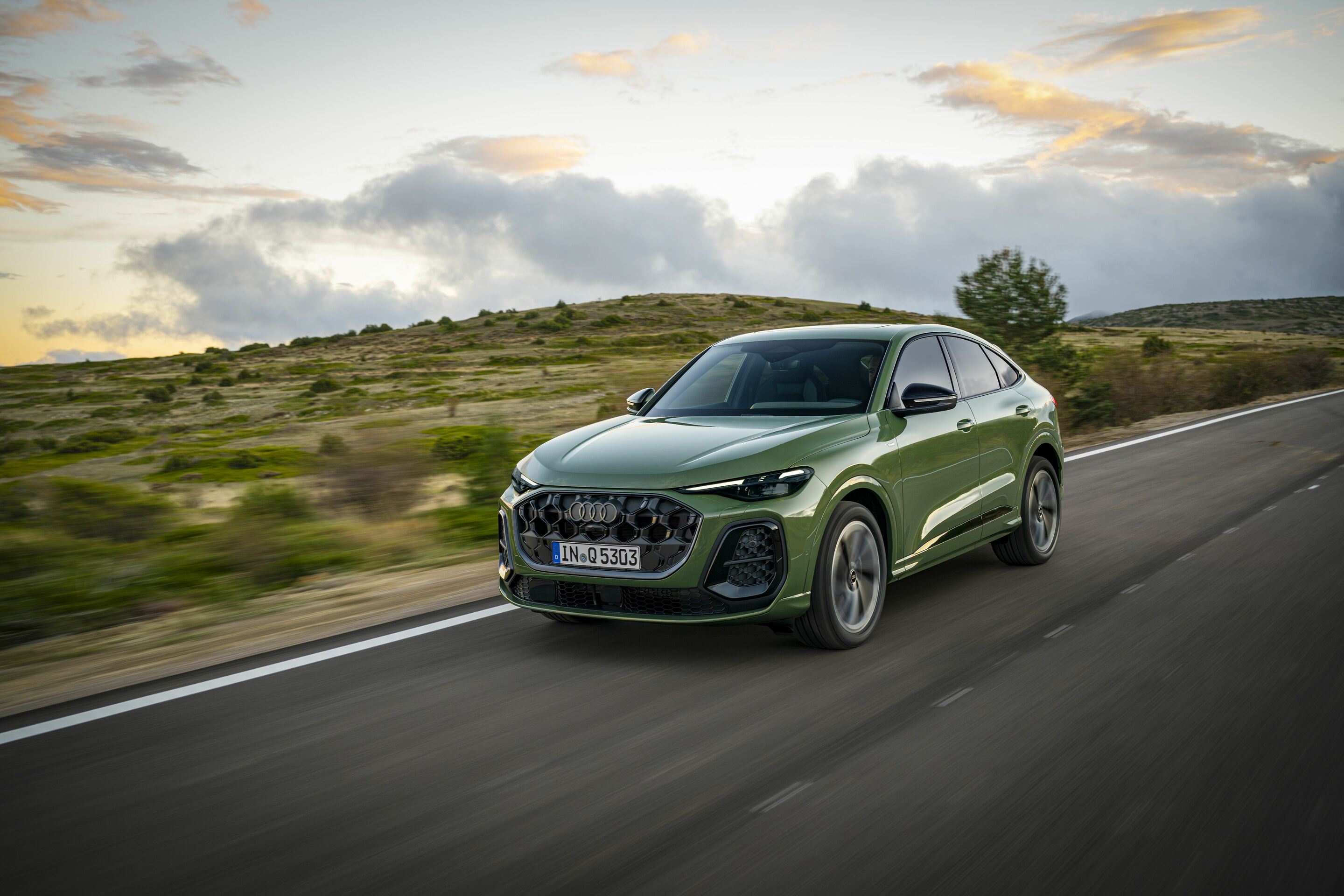
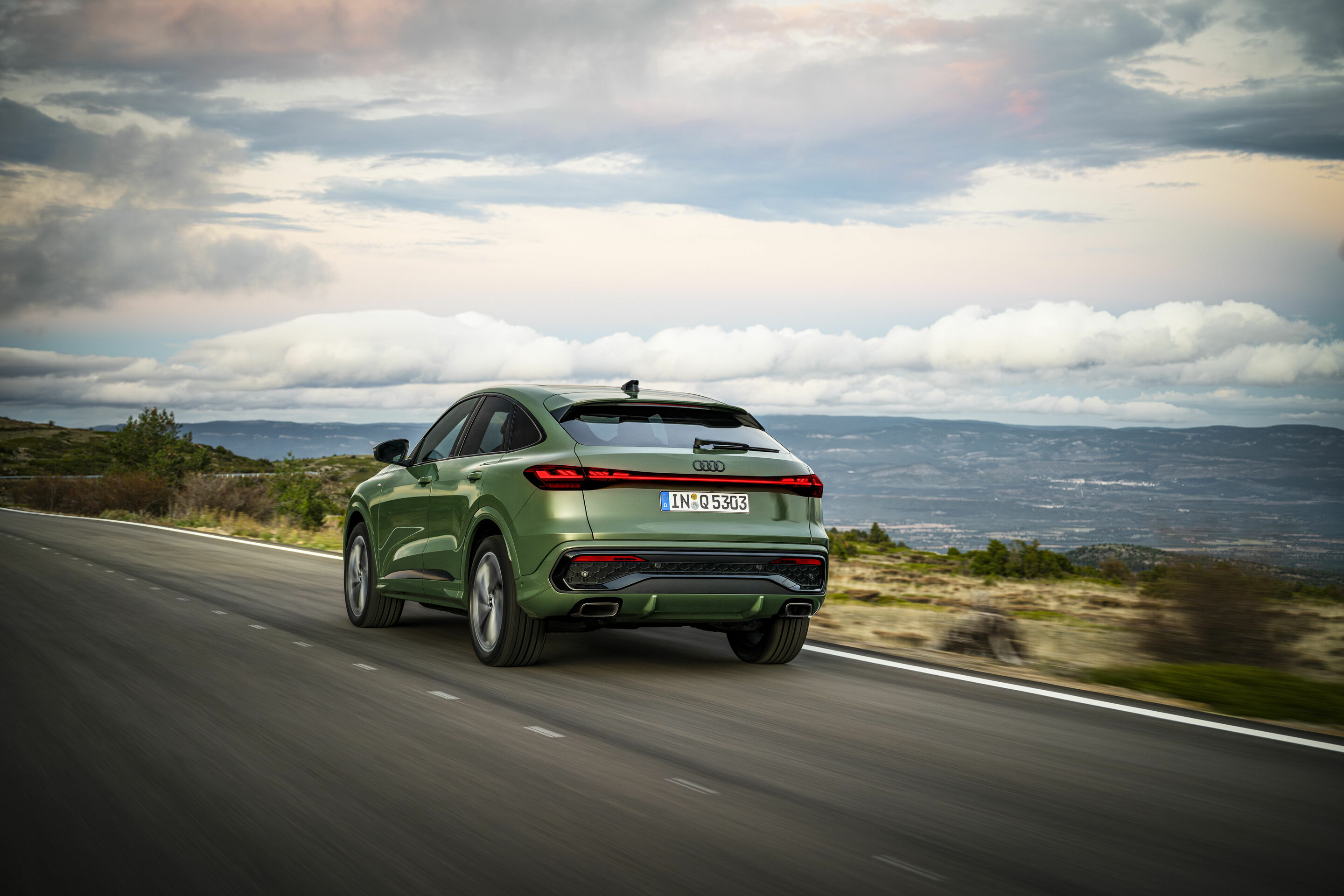
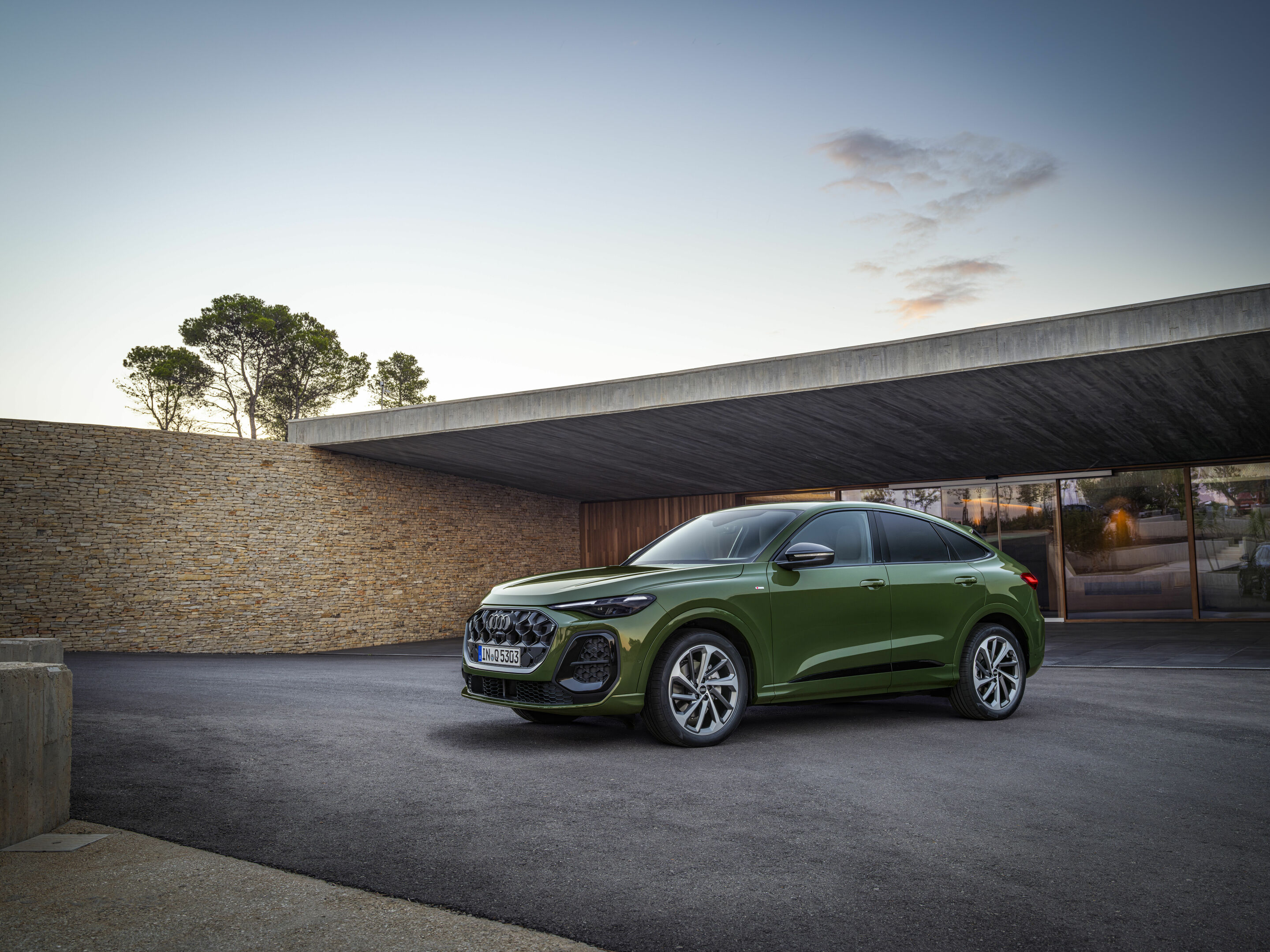
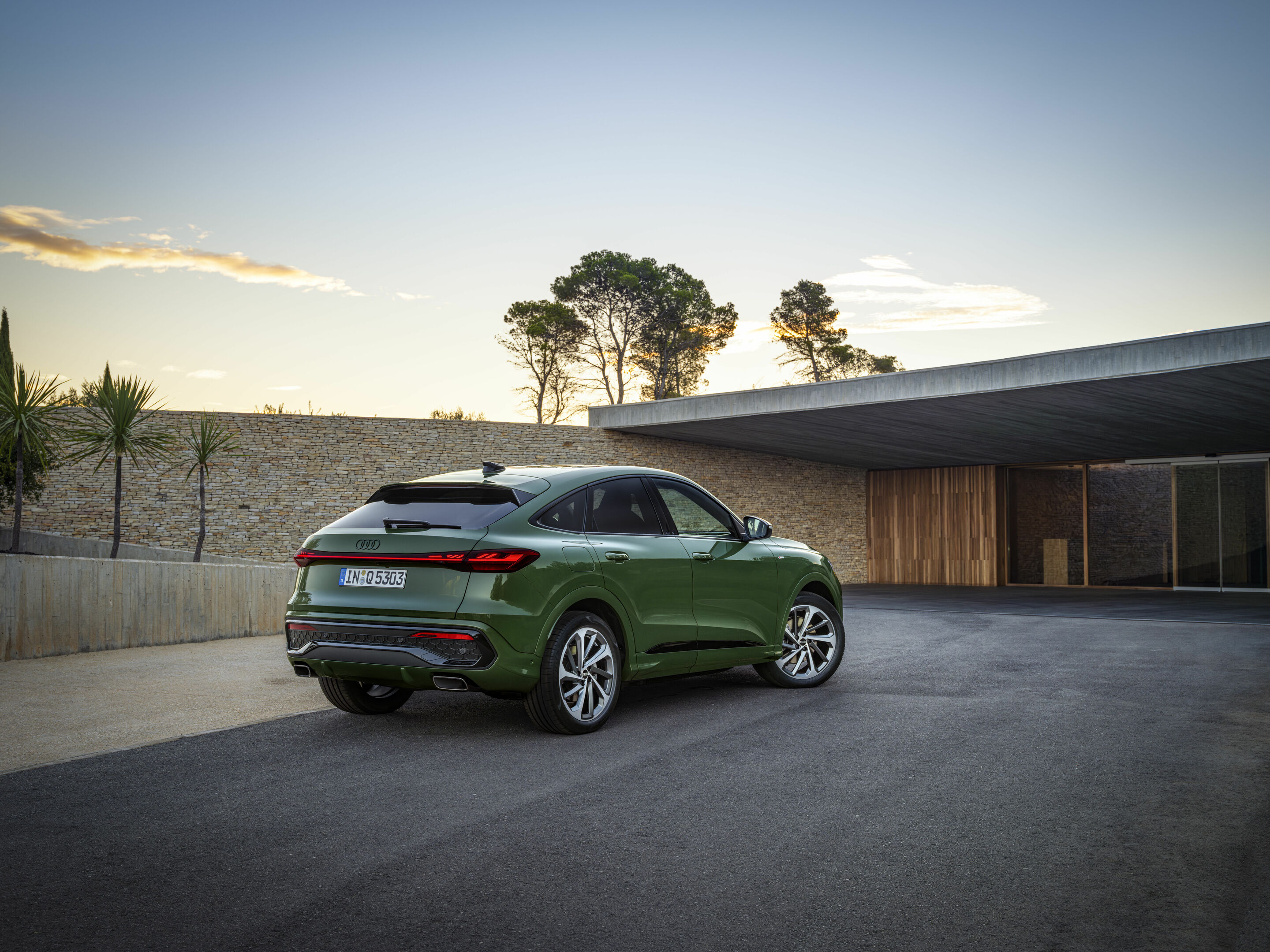
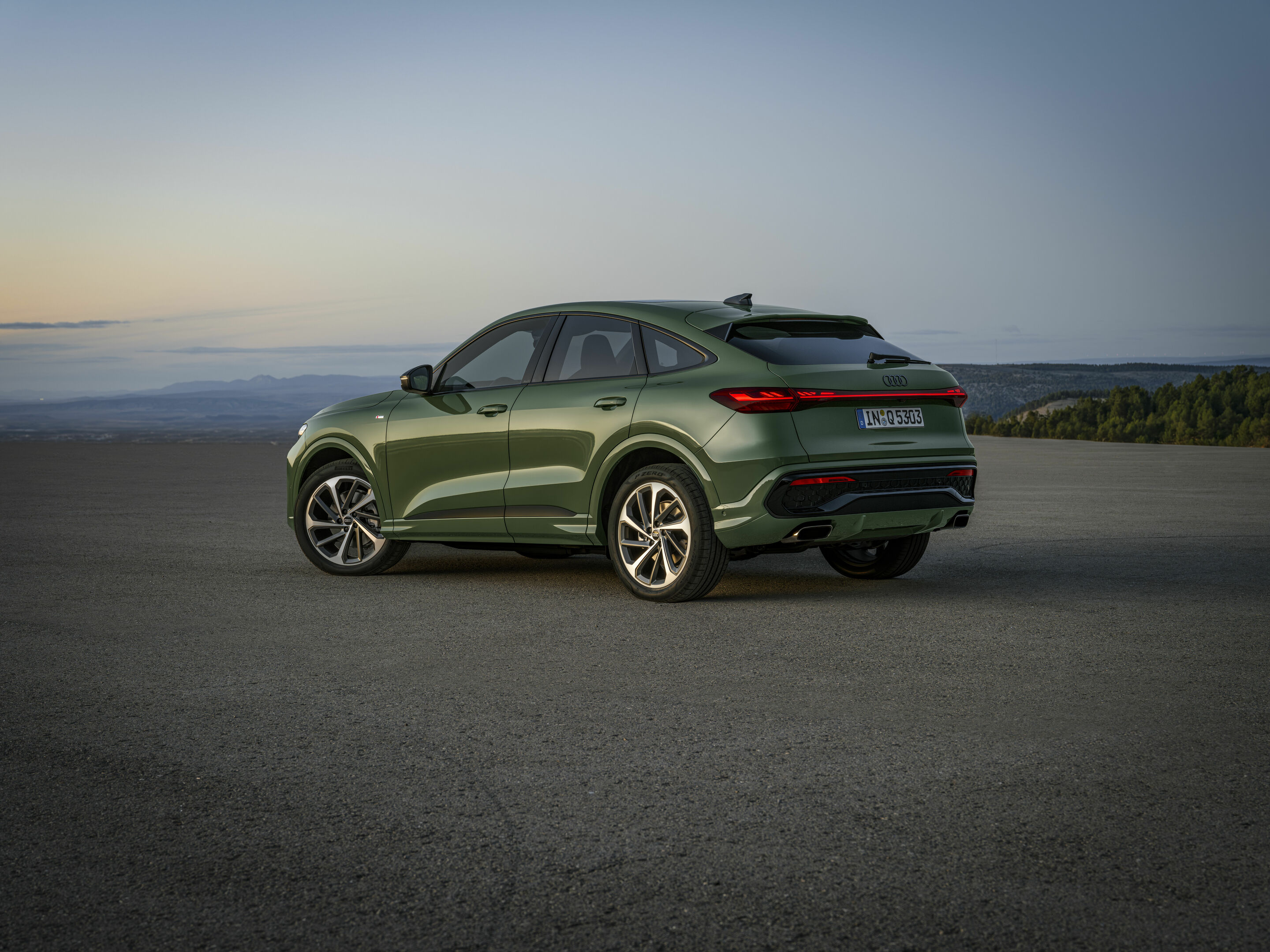
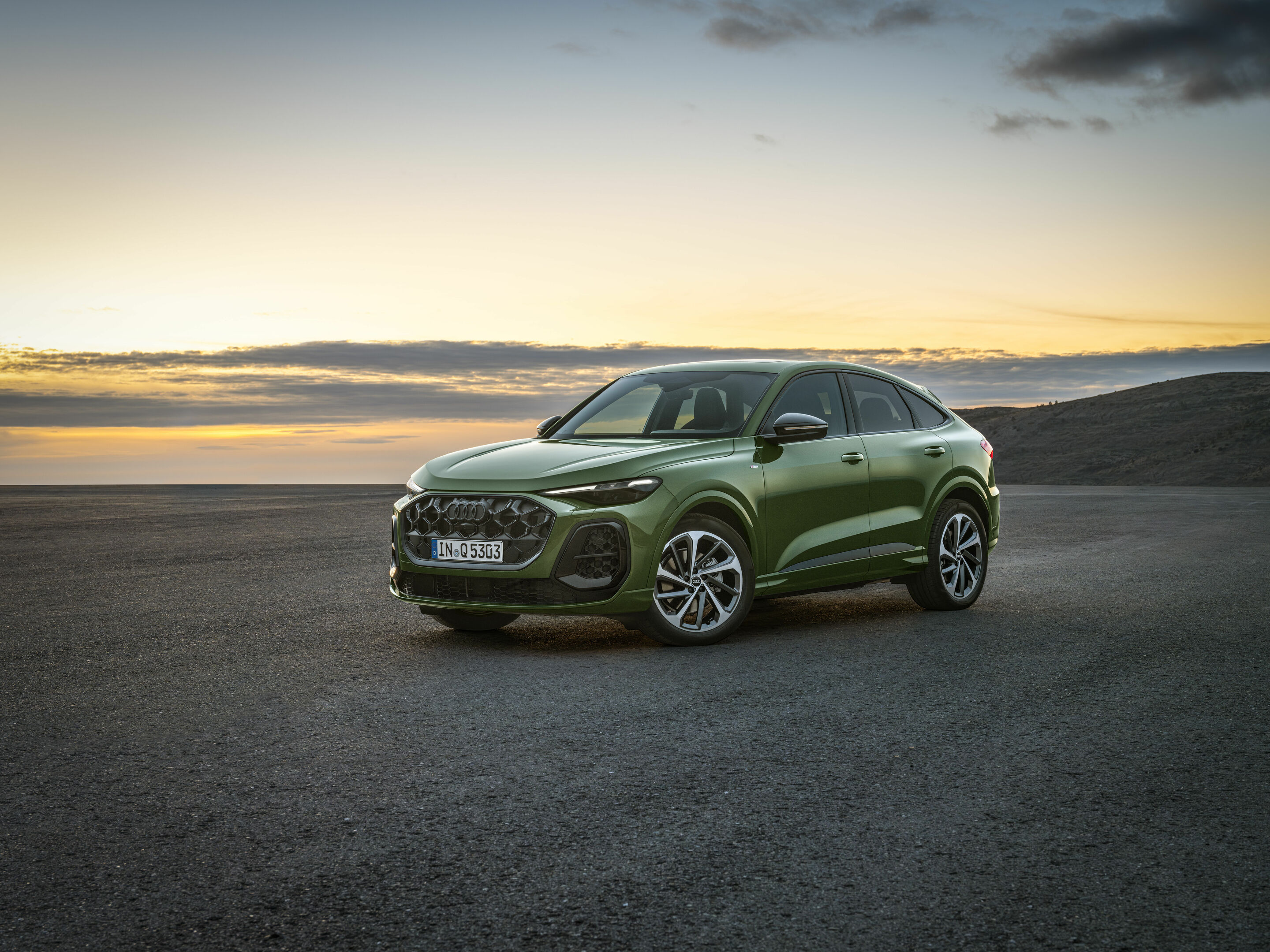
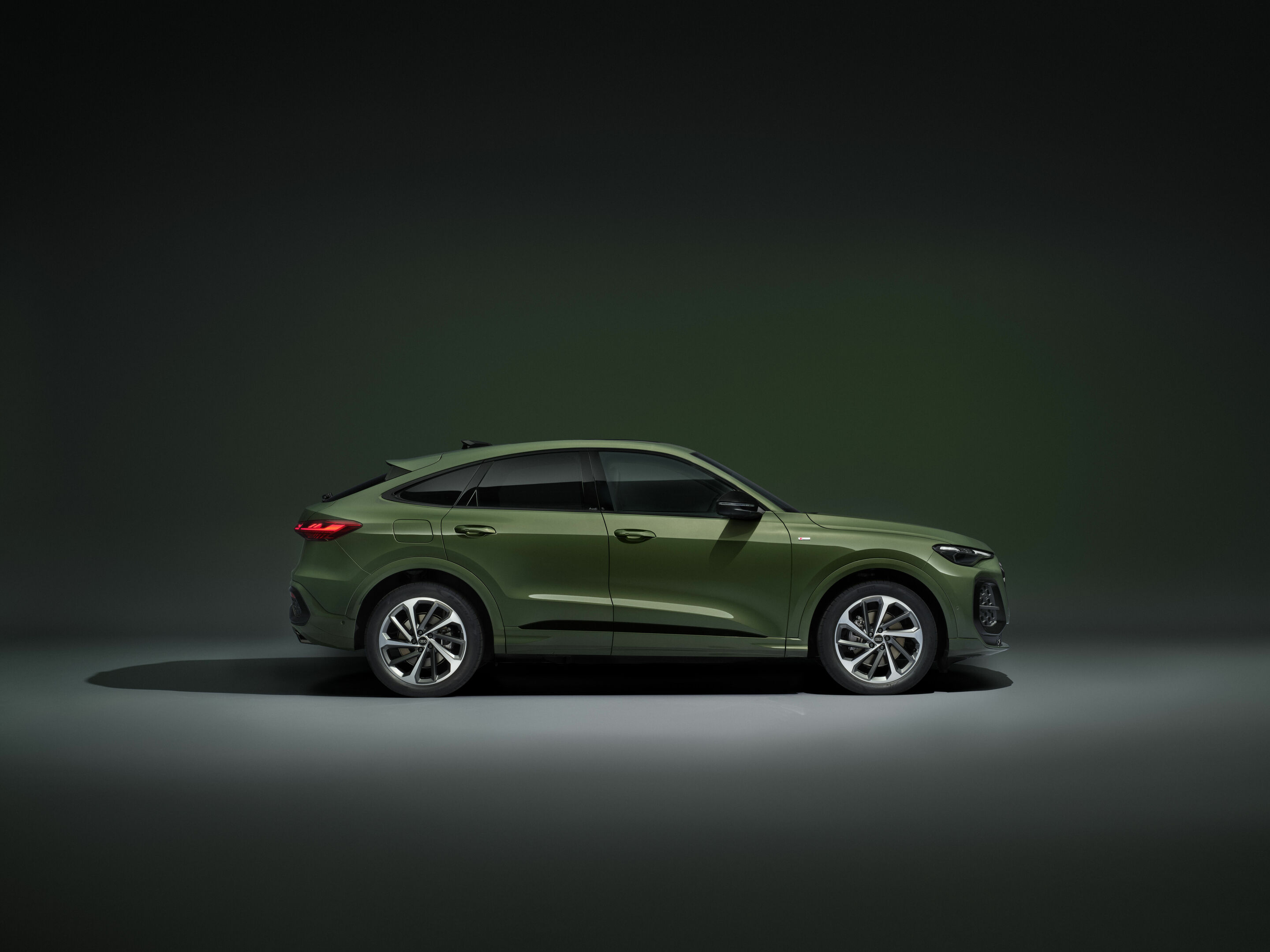
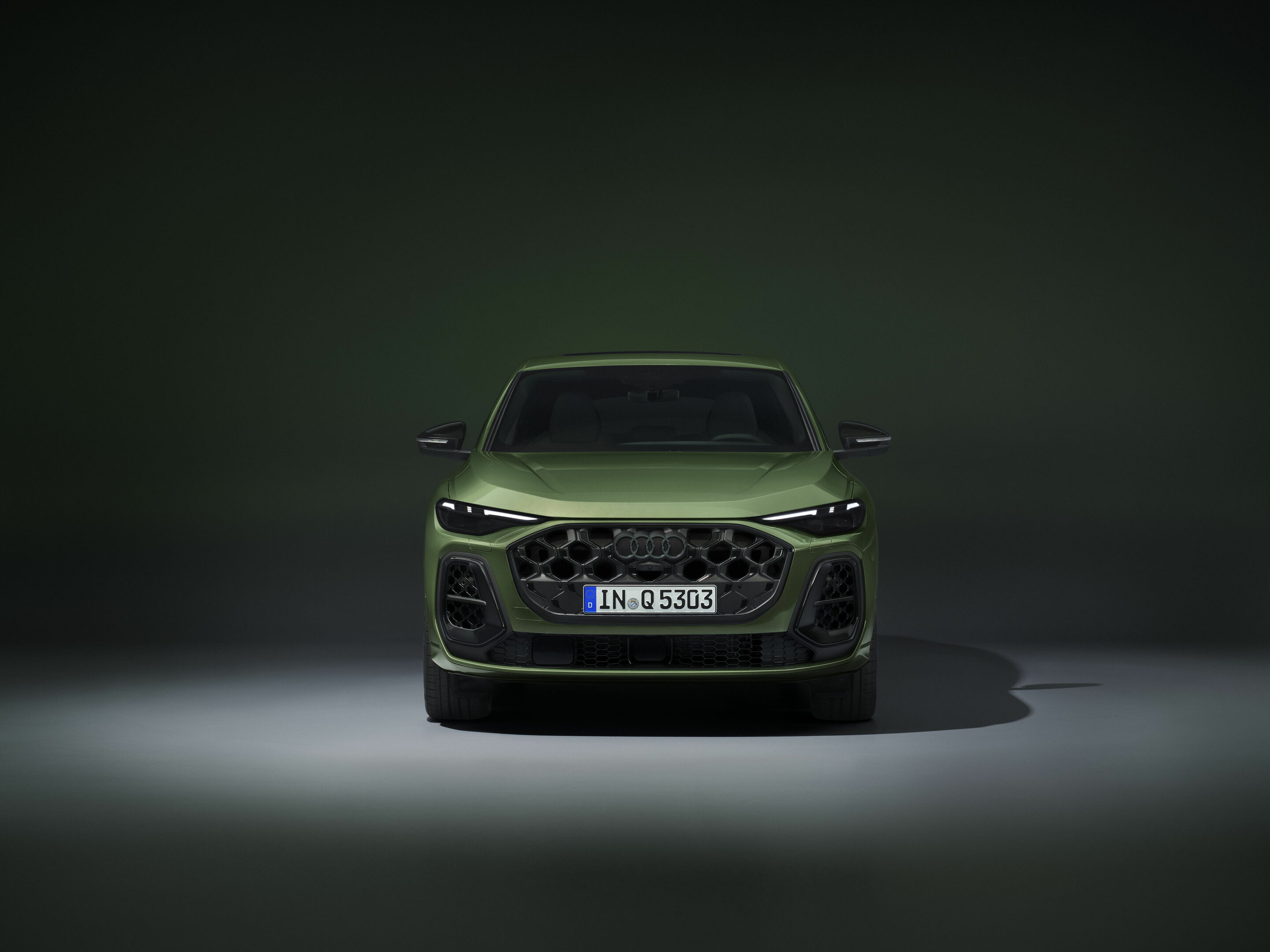
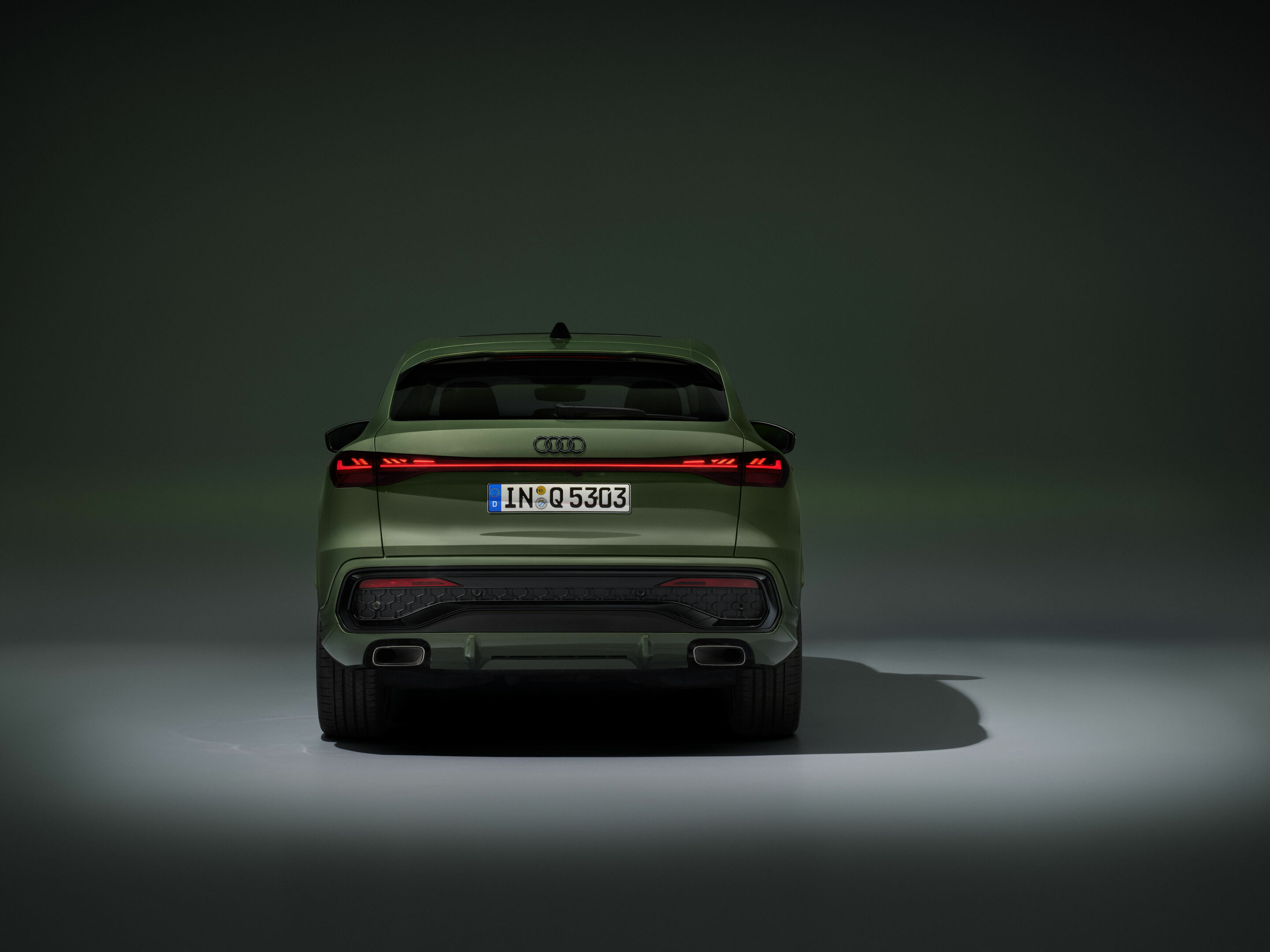
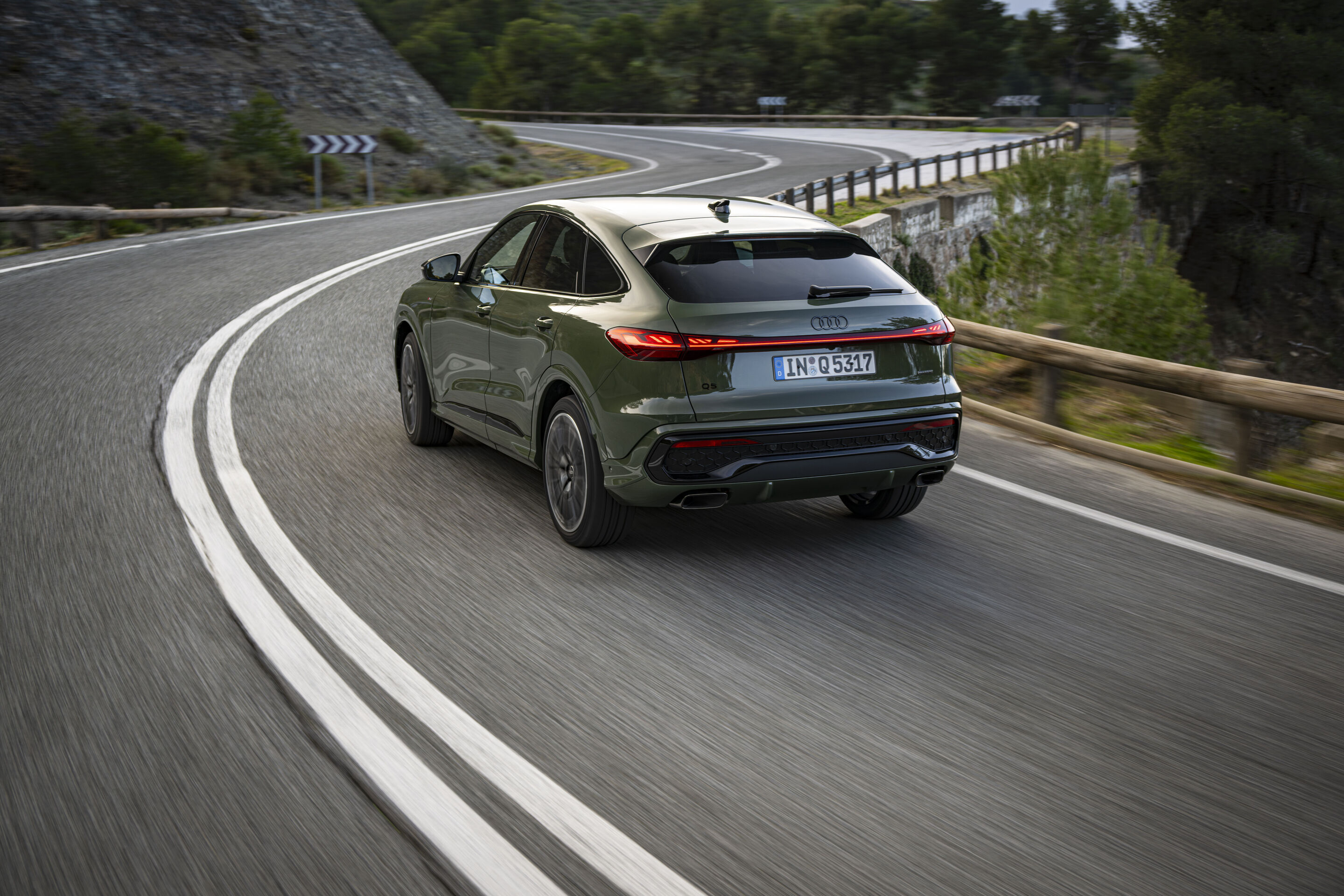
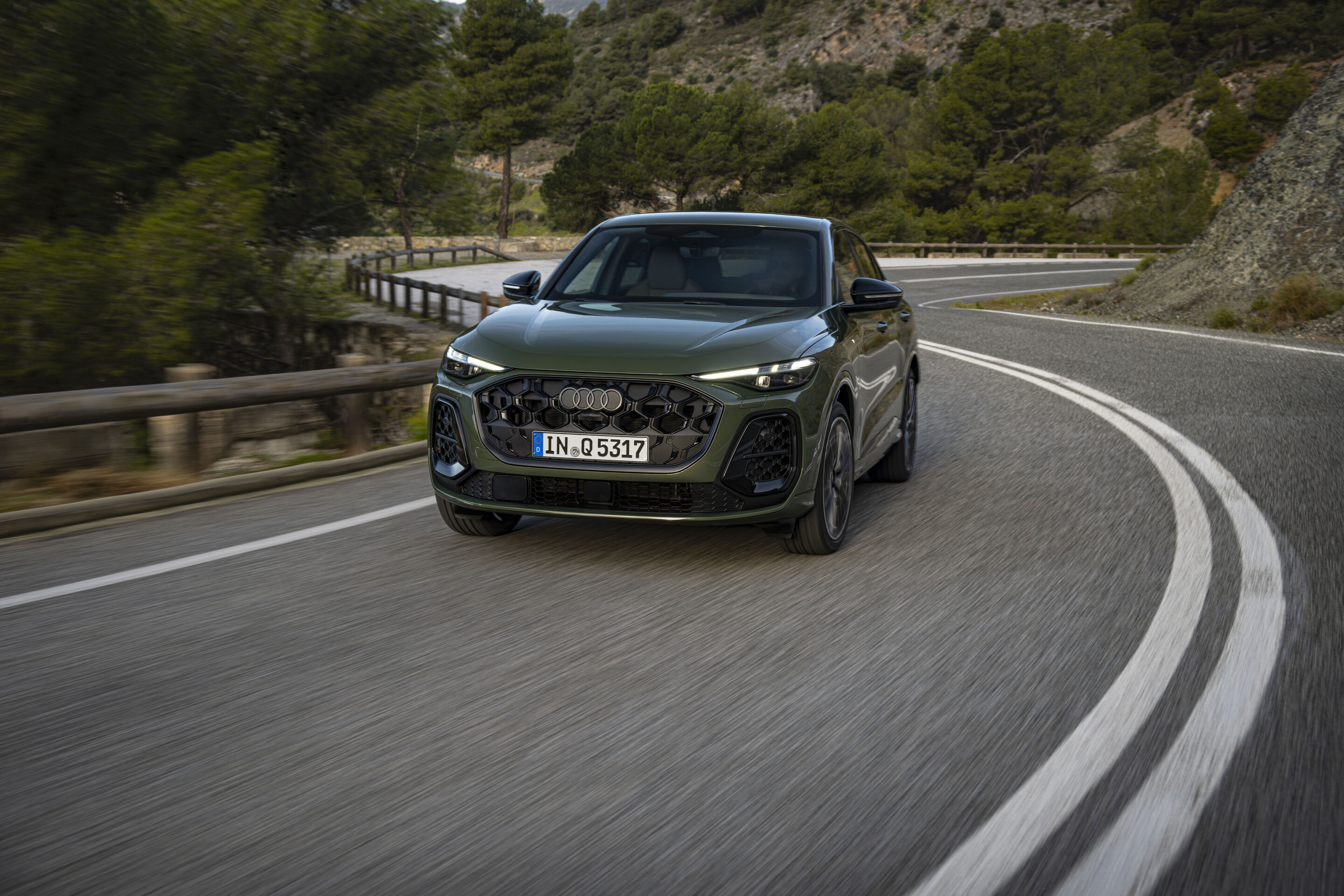
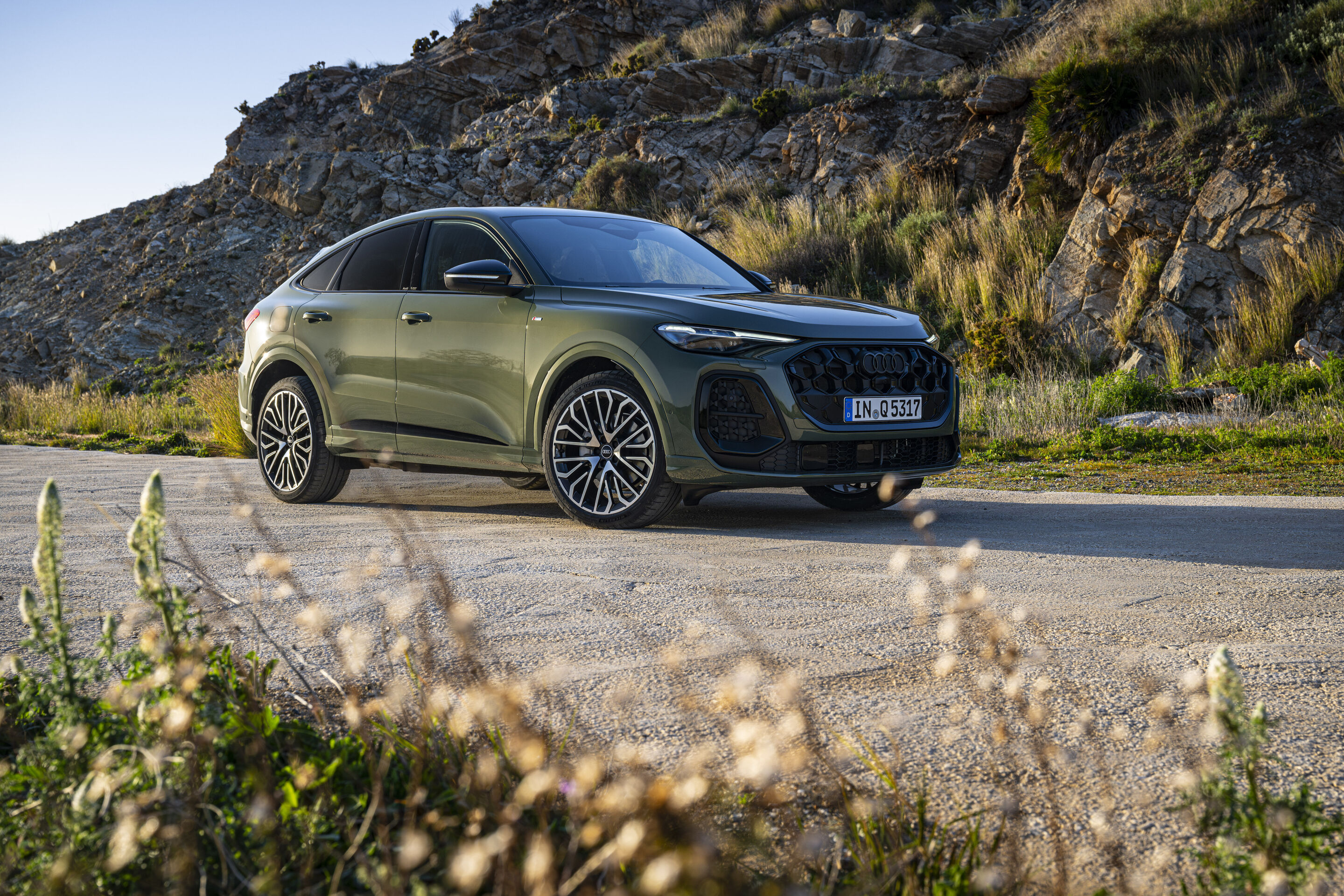
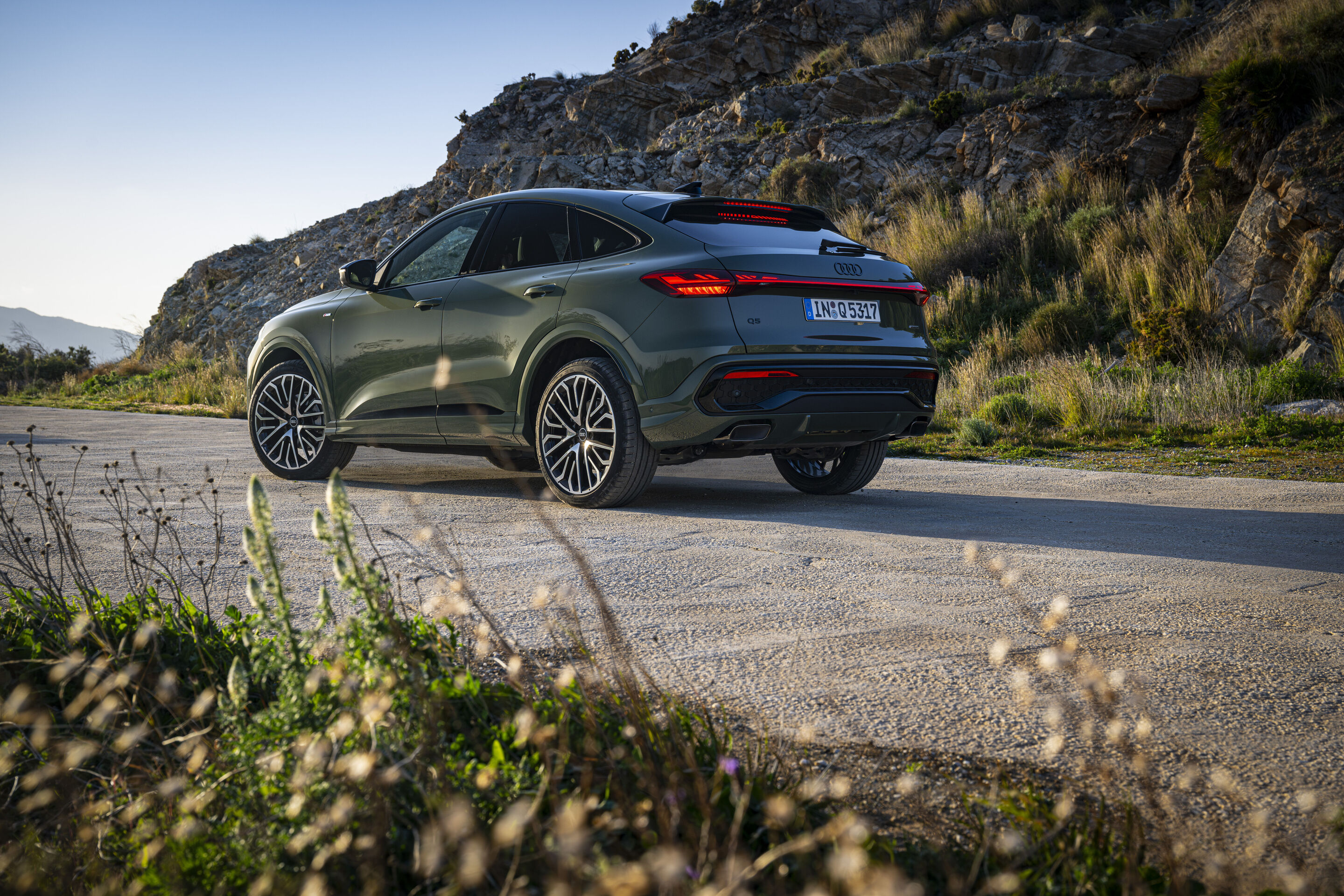
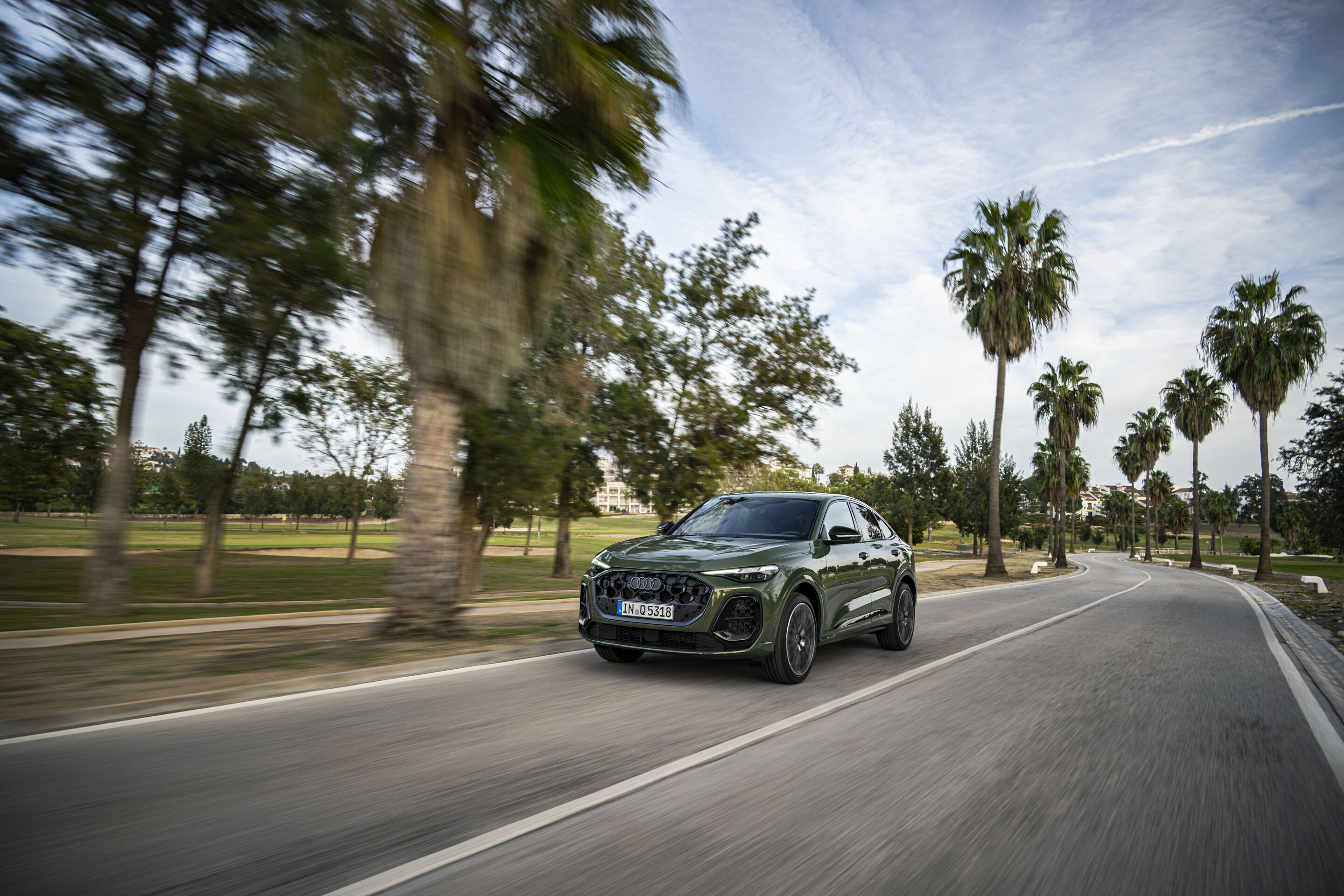
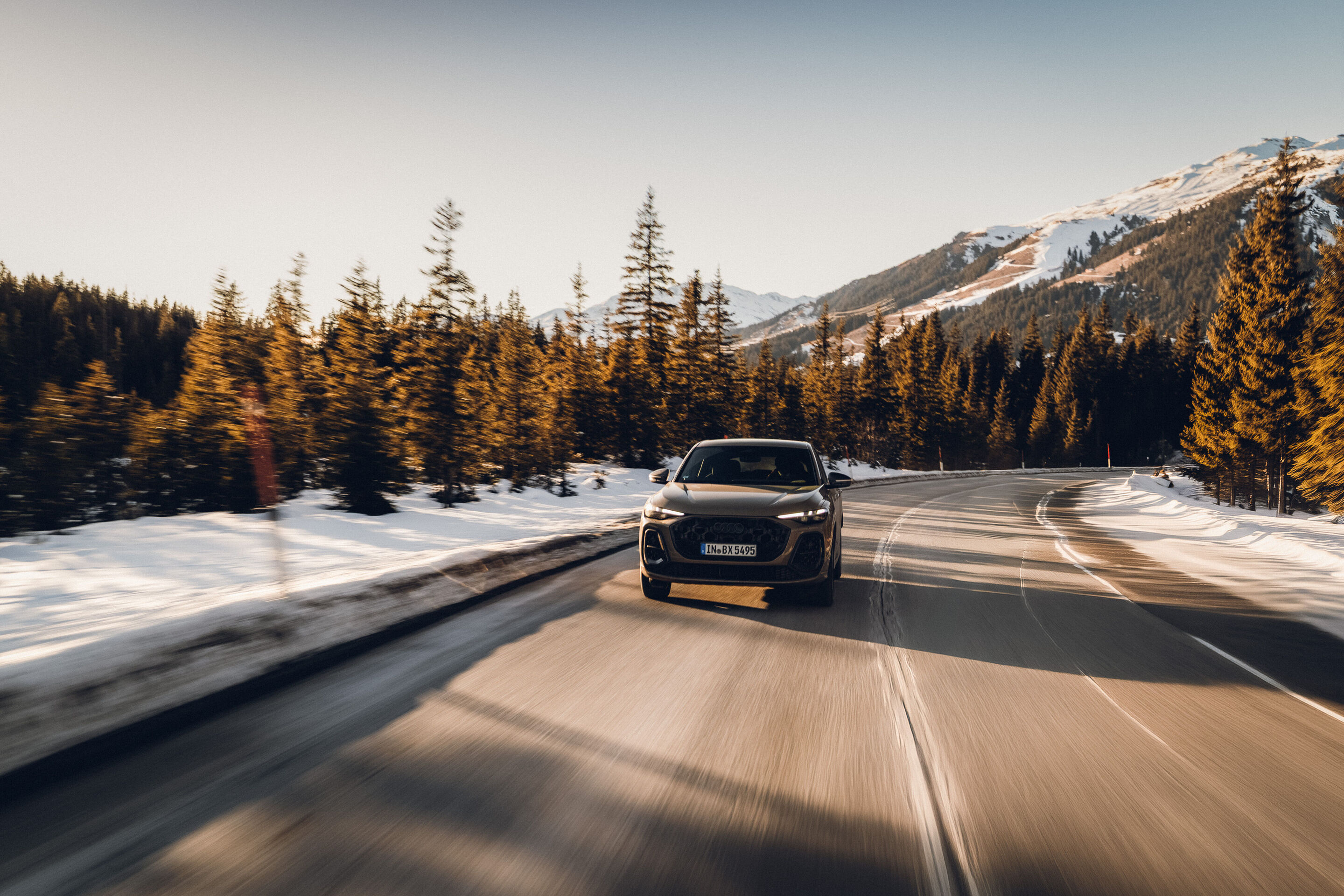
The defining difference is behind the B-pillars. The roof descends earlier than on the Q5 SUV and flows into a more sculpted rear section, giving the Sportback a longer and more athletic appearance. Audi still keeps the Singleframe grille, sharply drawn lighting and strong shoulder treatment that identify it as part of the latest Q5 family.
The exact wheel, trim, lighting and bumper treatment changes with equipment level. Keeping those variations within the correct derivative is important because the Q5 family now covers standard SUV, Sportback, plug-in-hybrid and S performance versions.
Additional exterior views
Interior and digital cockpit
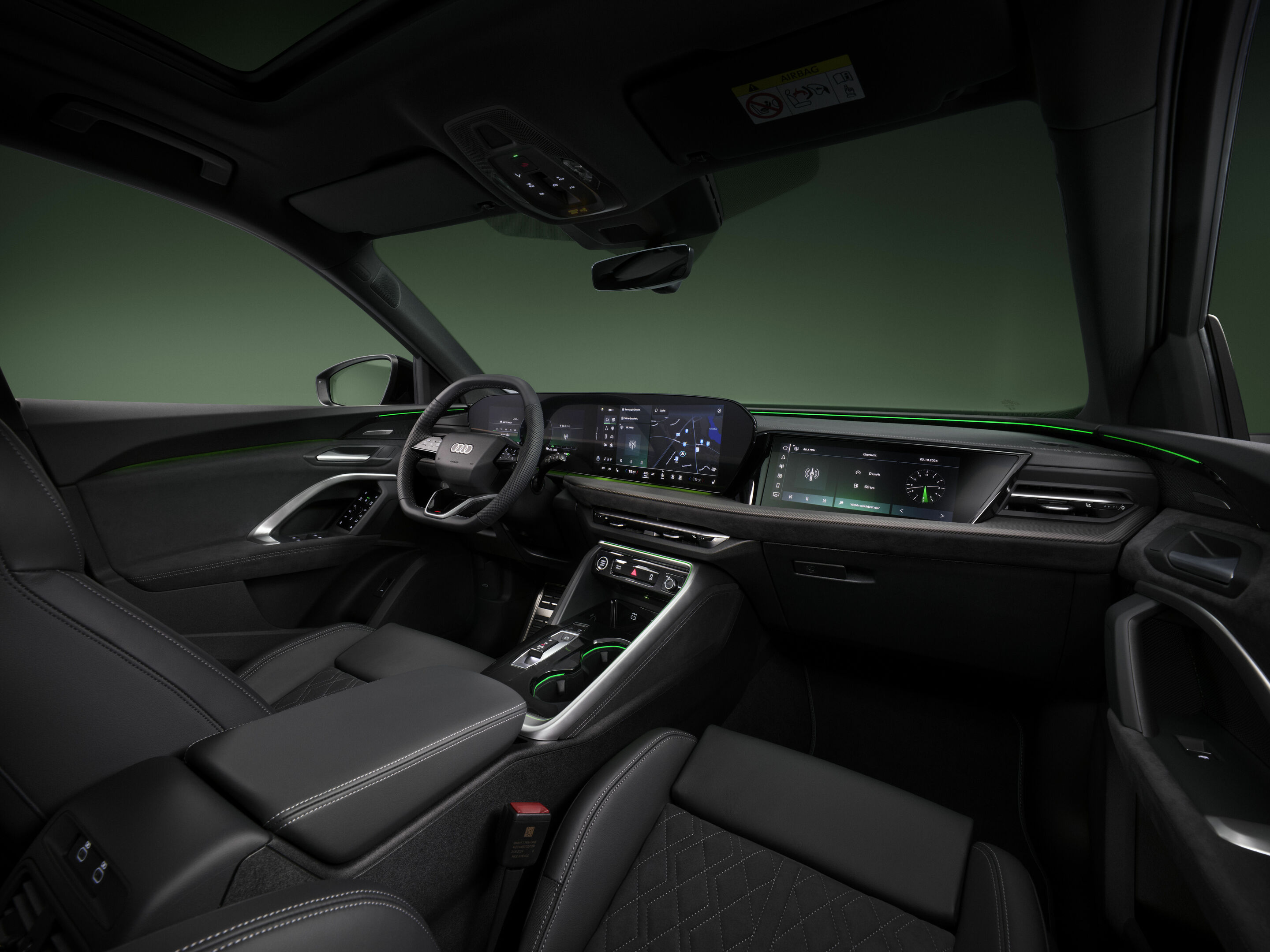
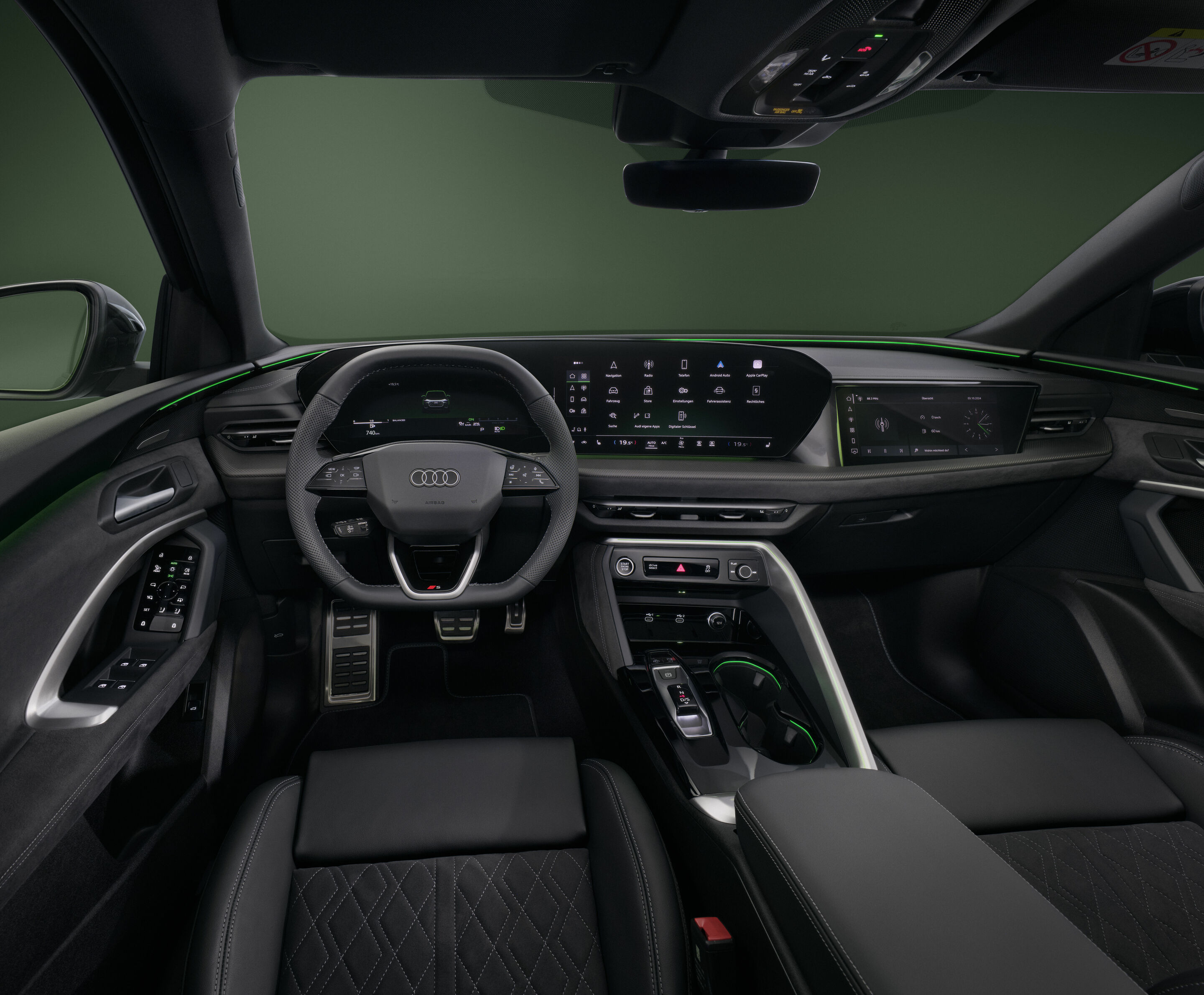
The current Q5 generation uses Audi’s newer Digital Stage concept. The driver faces a curved panoramic display architecture, while infotainment, navigation, connected services and vehicle settings are brought together in the latest MMI environment.
The cabin uses Audi’s latest Digital Stage concept, combining the curved Audi virtual cockpit and central MMI display, with an optional passenger display. Android Automotive-based software, connected services, the Audi assistant and modern driver-assistance systems are integrated into the same architecture.
Materials, seat design and decorative trim vary by line and market. Higher specifications add more supportive seating, richer surface treatments, upgraded lighting and additional comfort equipment.
Powertrain and performance
At launch in Europe, the range includes a 2.0 TFSI with 150 kW (204 hp) and 340 Nm, available with front-wheel drive or optional quattro, plus a 2.0 TDI with the same 150 kW output and 400 Nm, paired with quattro. Both use MHEV plus and the seven-speed S tronic. The 48-volt system can contribute up to 18 kW temporarily and recuperate up to 25 kW under braking.
Published consumption, electric range and performance values can vary with wheels, options, temperature, road conditions and market specification. The exact local configuration should therefore be checked when comparing versions.
Practicality and everyday use
The Sportback is still designed as a family SUV, but the sloping roof changes the shape of the rear luggage area compared with the regular Q5 SUV. The sliding and reclining rear bench remains important because it lets owners trade rear passenger room against cargo space depending on the journey.
Everyday usability also depends on rear-seat access, storage around the cabin, the shape of the luggage area and how easily the rear seats can be reconfigured. These details are especially important in a Q5 because the model is intended to combine premium positioning with genuine family use.
Driver assistance, connectivity and comfort
The latest Q5 architecture supports modern parking aids, lane and distance assistance, collision-mitigation functions and connected navigation. Equipment varies by trim, option package and market, so not every system is standard on every car.
USB-C charging, smartphone integration, connected services and optional premium audio are part of the wider digital package. On electrified versions, route and energy functions are integrated more closely with the drivetrain.
How this version fits into the Q5 family
This page covers the standard Q5 Sportback only. Q5 Sportback e-hybrid and SQ5 Sportback are kept separate because their powertrains, performance figures, equipment and official photo sets differ significantly.
Separating each derivative also improves the usefulness of the photo archive: a reader looking at this page should not need to guess whether a photographed car is the SUV, Sportback, e-hybrid or SQ5.
Overall
The Audi Q5 Sportback is not simply another body style inside a single generic Q5 page. Its combination of body shape, drivetrain and equipment gives it a distinct role within the current family, which is why New Auto Drive treats it as an individual model page with its own specifications and official photography.
Source & photos: AUDI AG. Official Audi MediaCenter album.