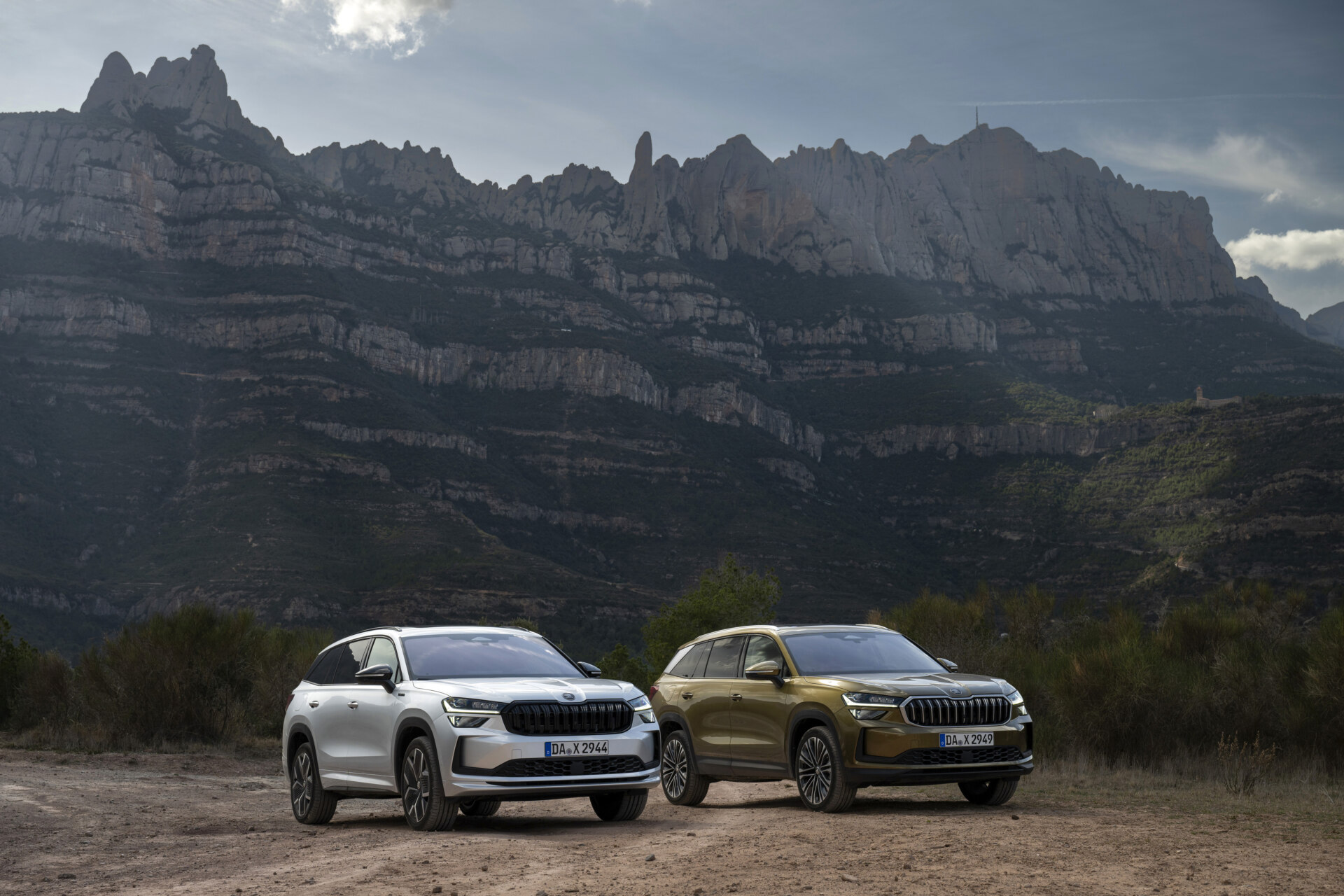
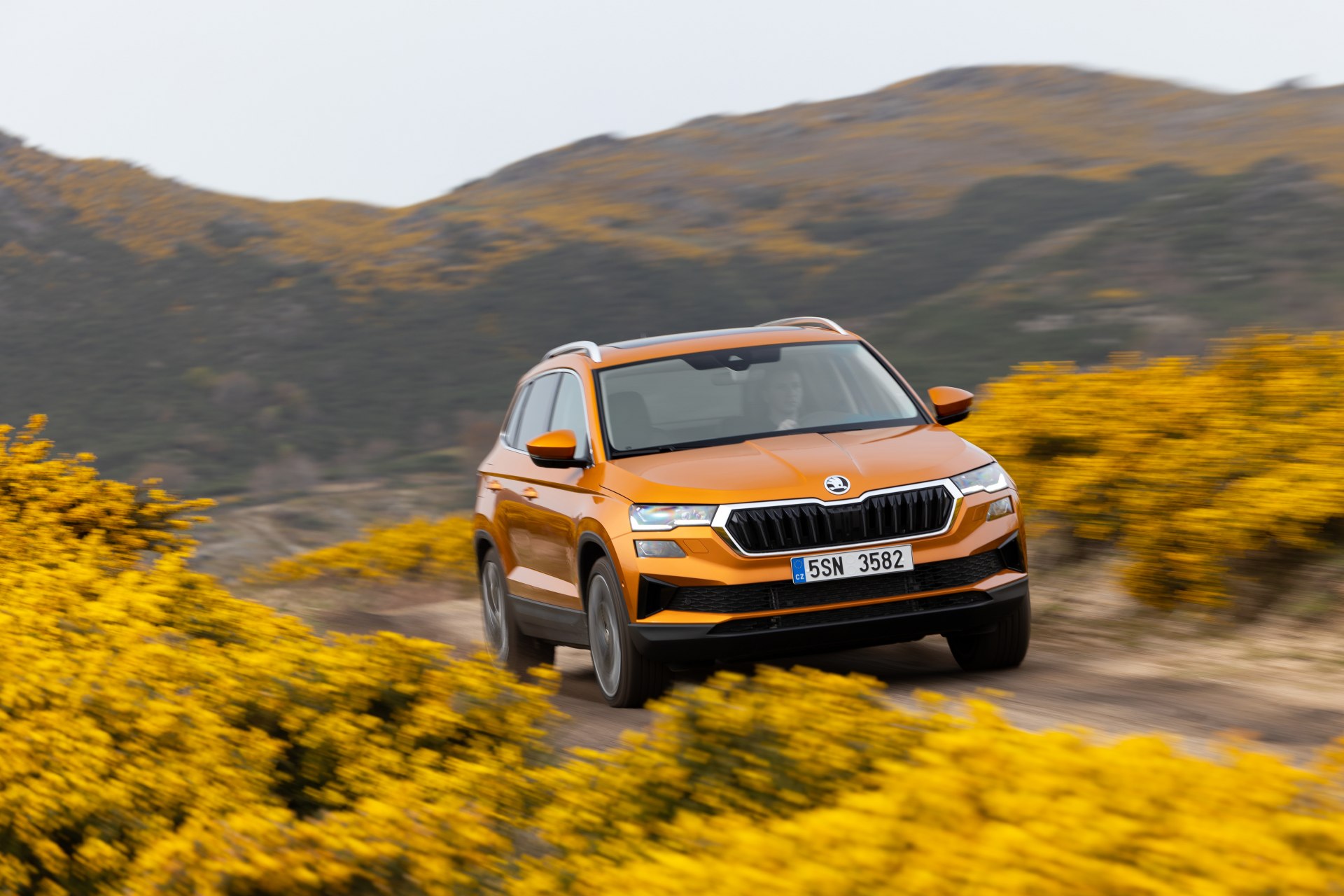
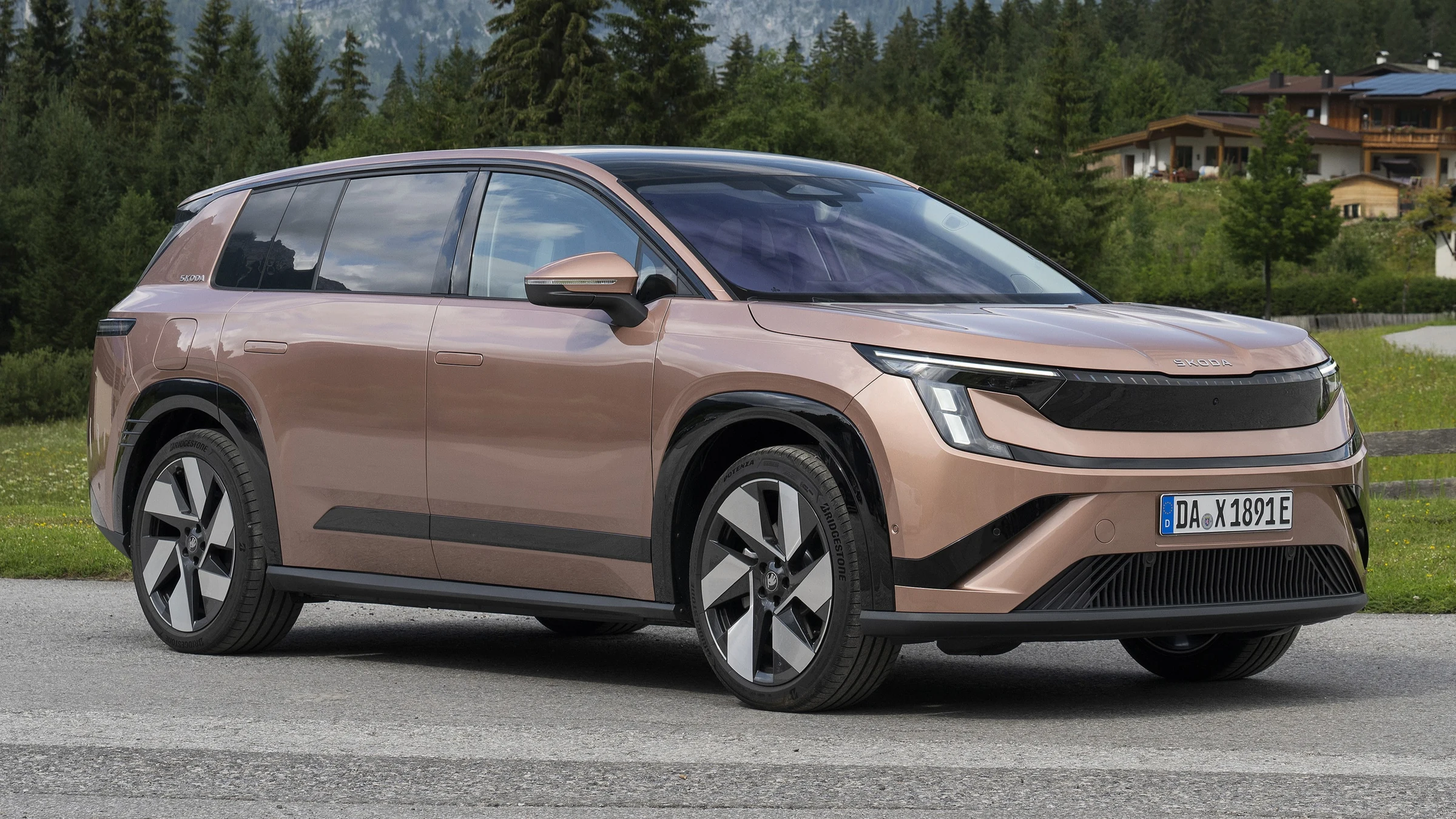
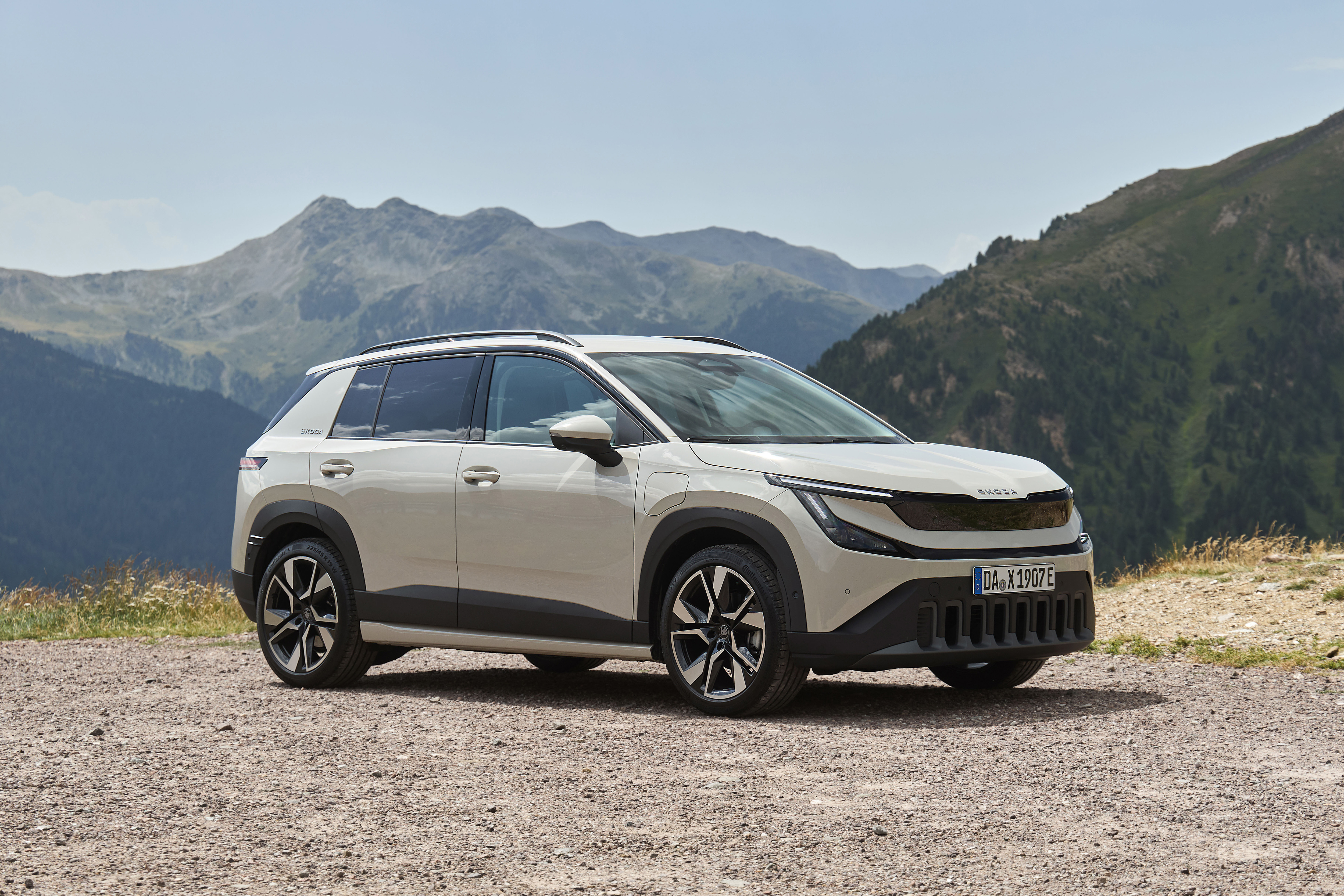
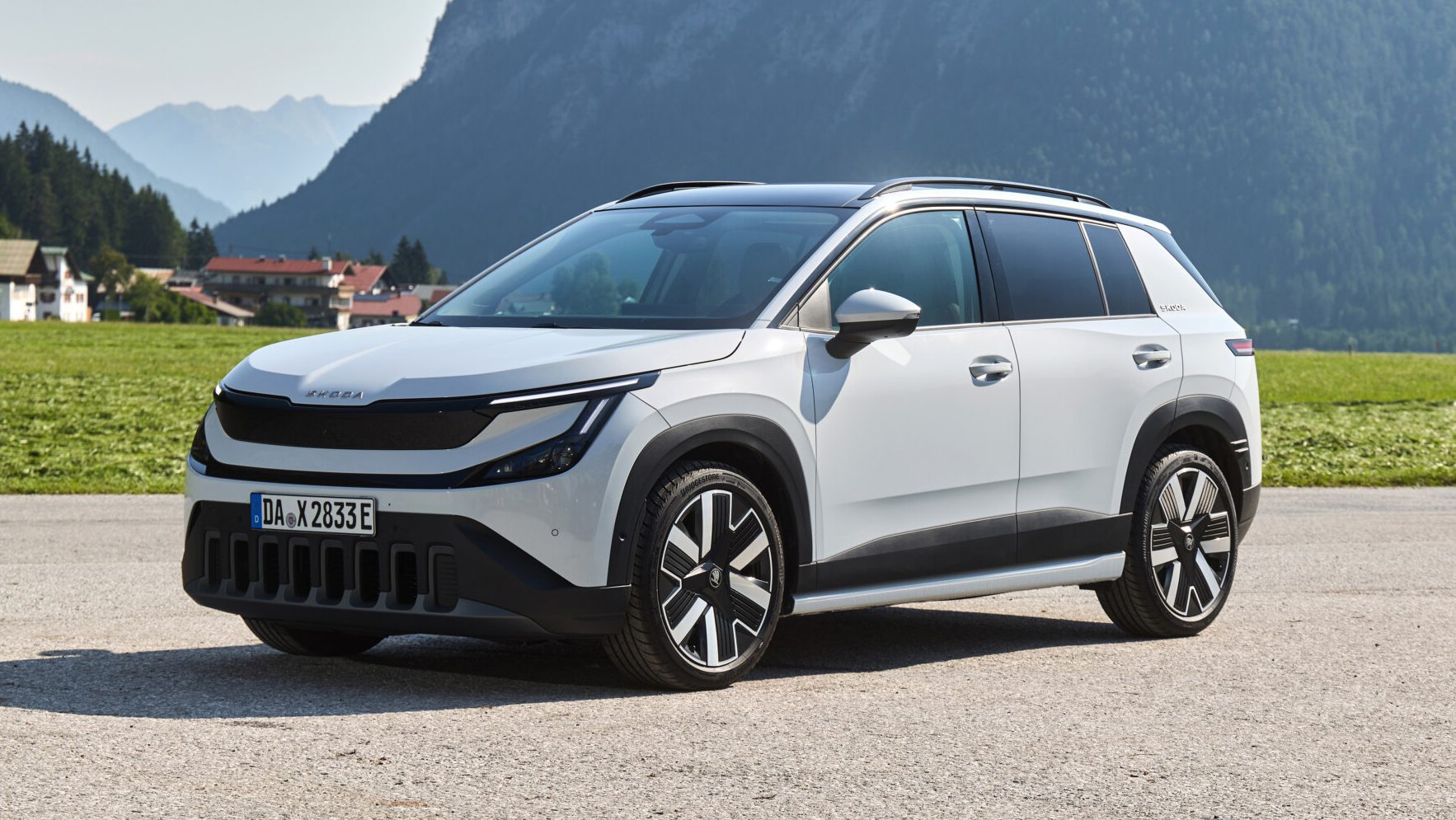
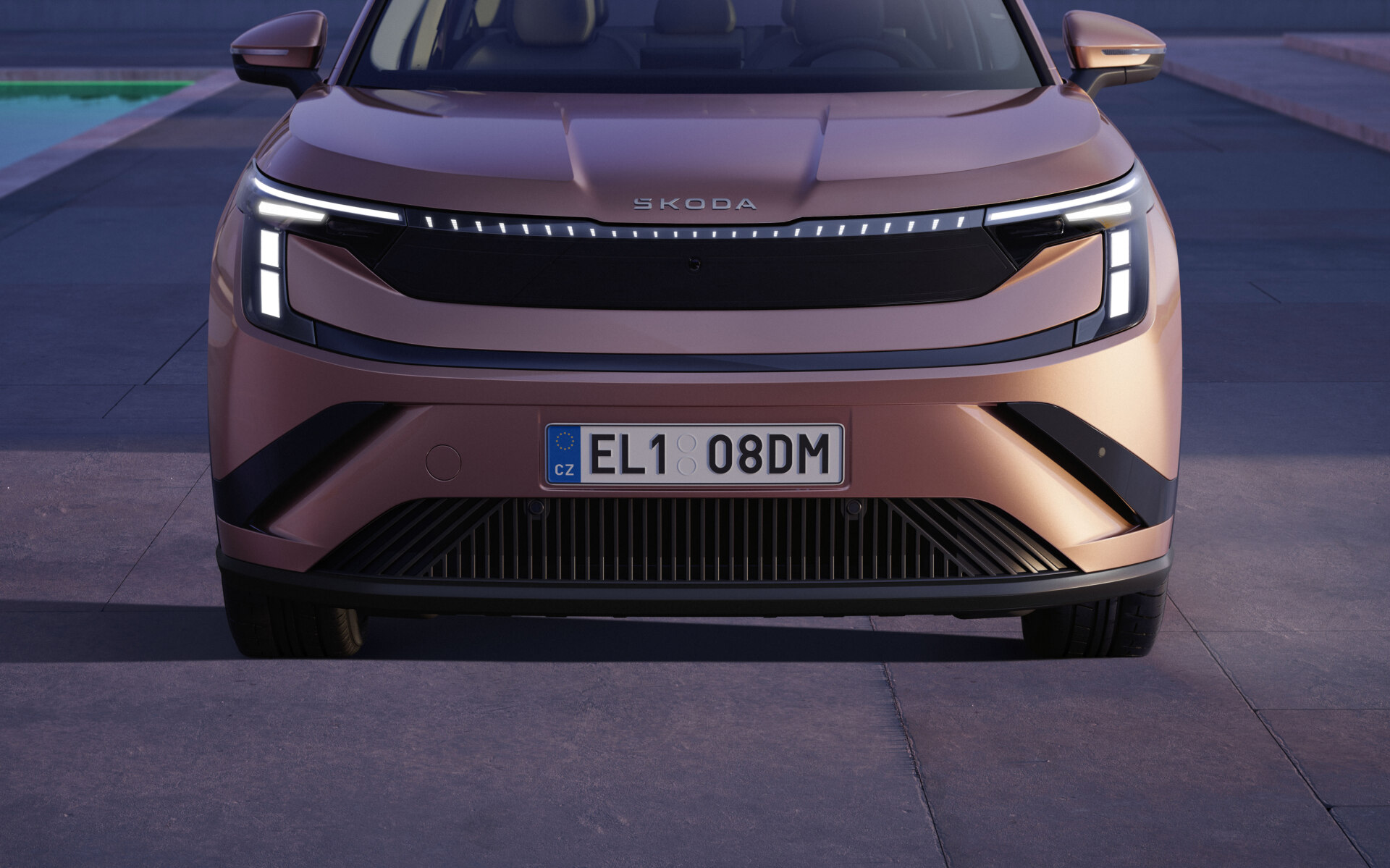
Škoda Fabia — The current Škoda Fabia is the brand’s compact hatchback and one of the clearest examples of Škoda’s practicality-first approach in a small footprint. The fourth generation moved to the MQB-A0 platform, bringing more cabin space, a larger boot, stronger safety technology and a more mature driving environment.
This page focuses on the current/latest production version. Older generations, historical archive material and unrelated promotional assets are kept separate so the specifications and photography remain relevant to the model shown here.
Key point
A compact exterior hides genuinely useful family-car practicality, while the range stretches from efficient everyday petrol versions to the sportier Fabia 130.
Škoda Fabia at a glance
| Platform | MQB-A0 |
| Length | 4,108 mm |
| Wheelbase | 2,564 mm |
| Boot | 380 litres |
| Maximum luggage volume | 1,190 litres |
| Power range | 59–130 kW |
| Infotainment | Up to 9.2 inches |
| Airbags | Up to nine |
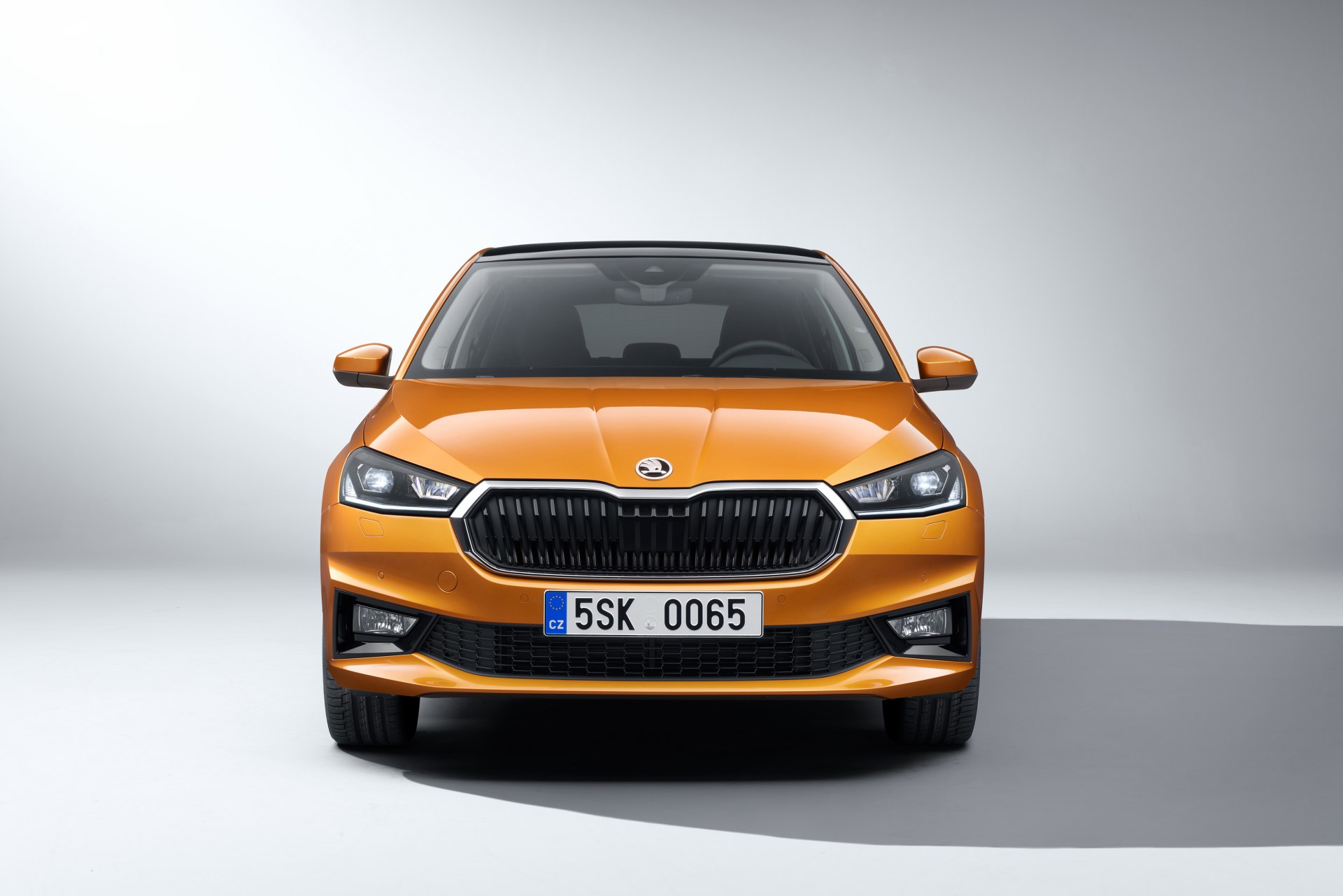
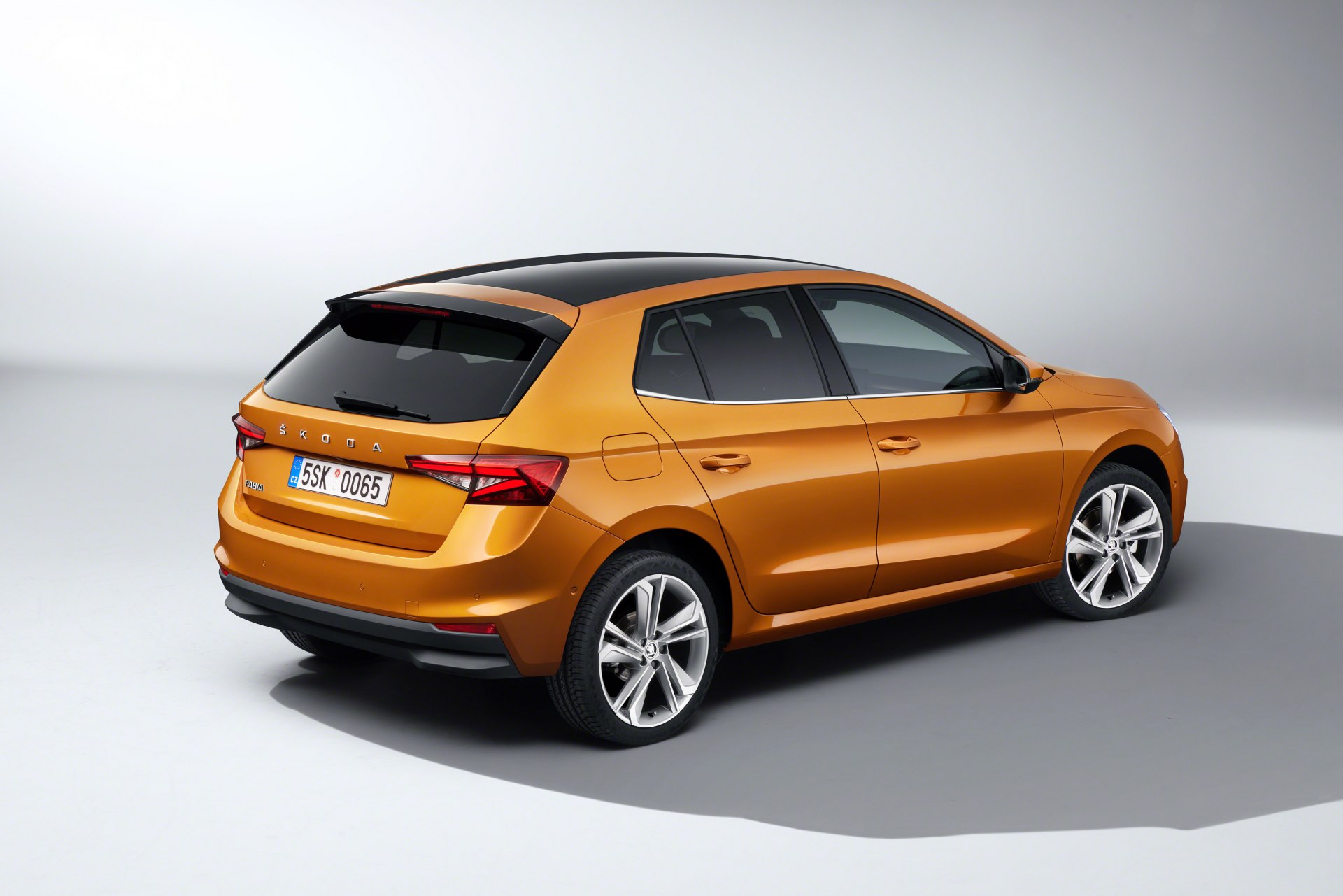
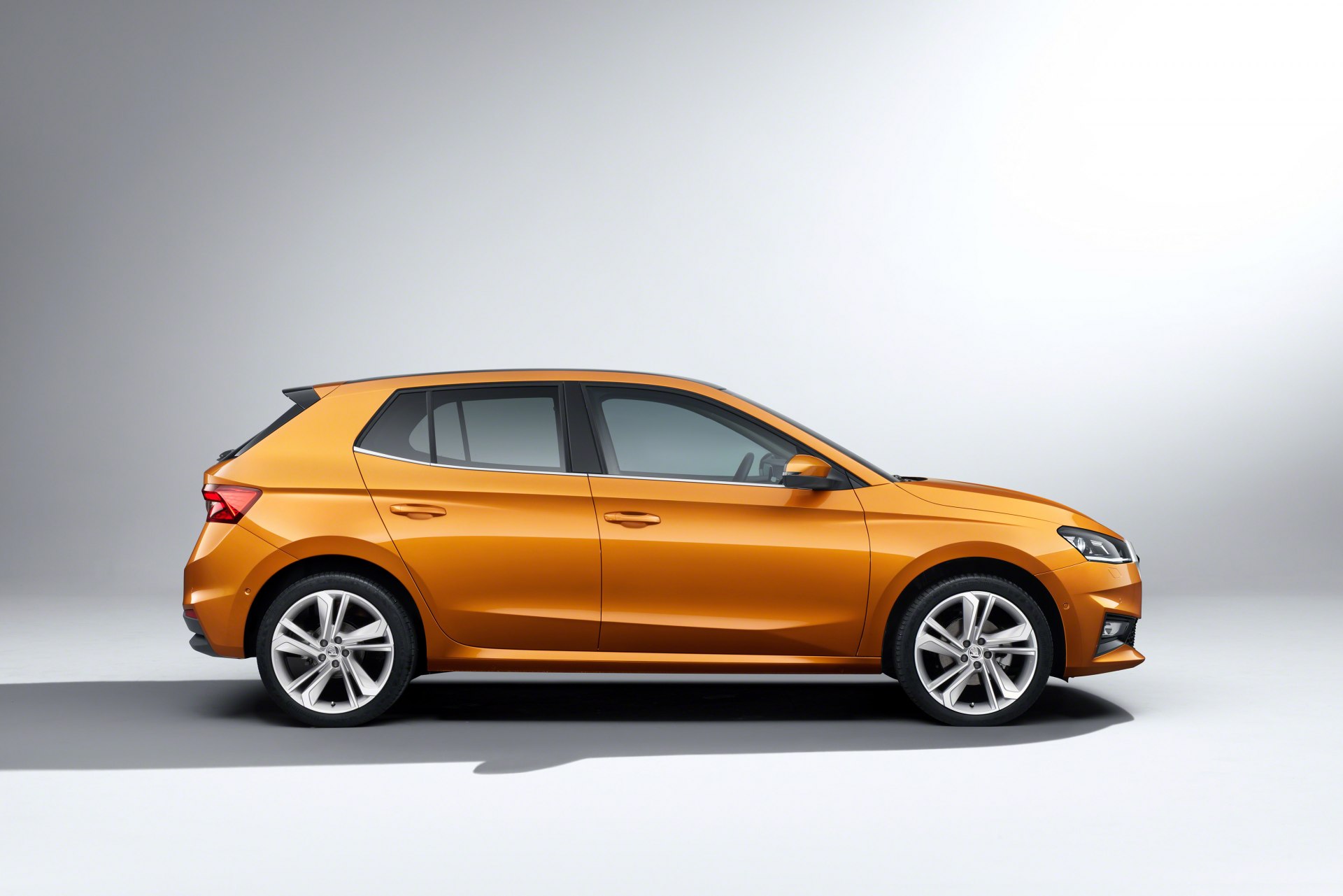
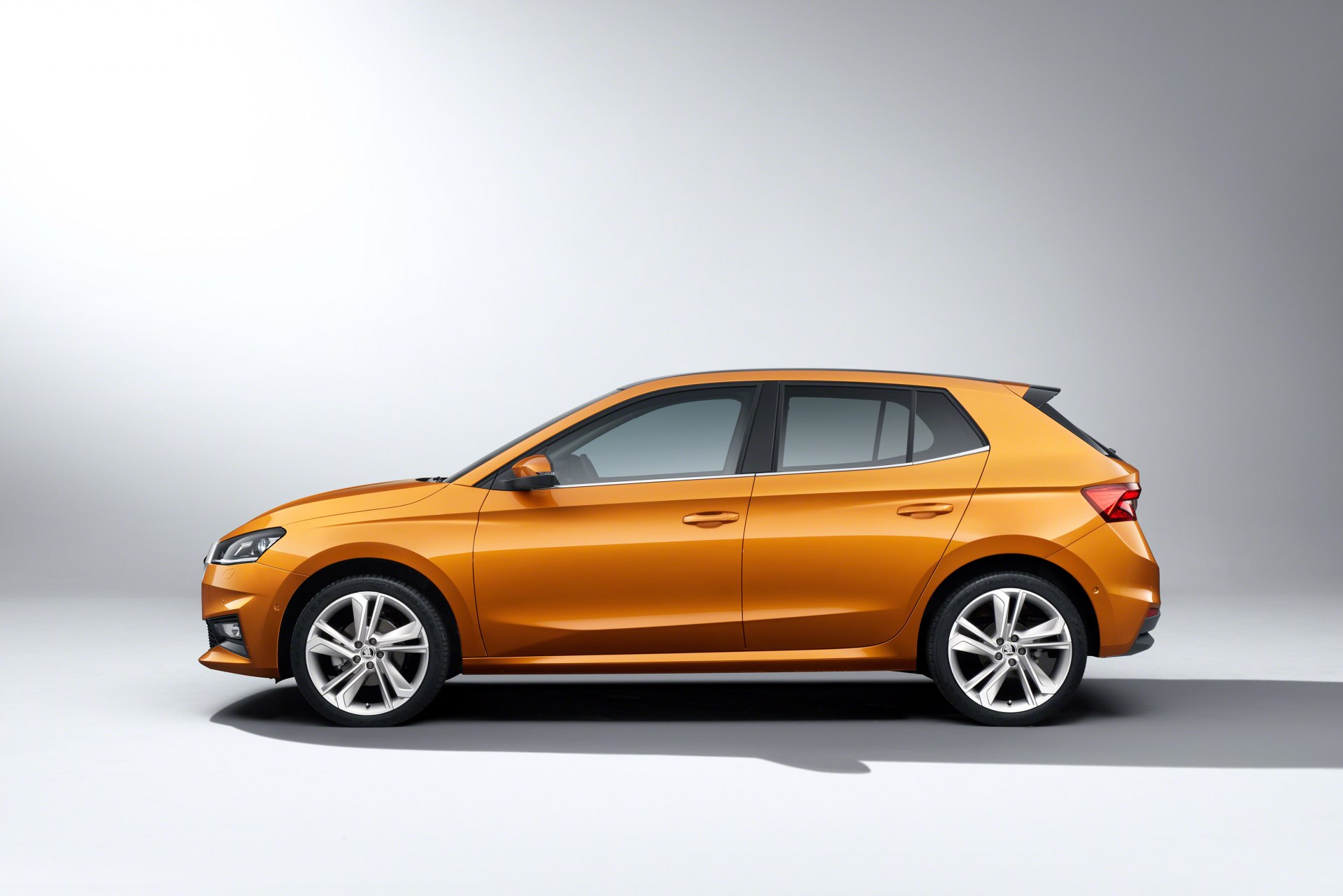
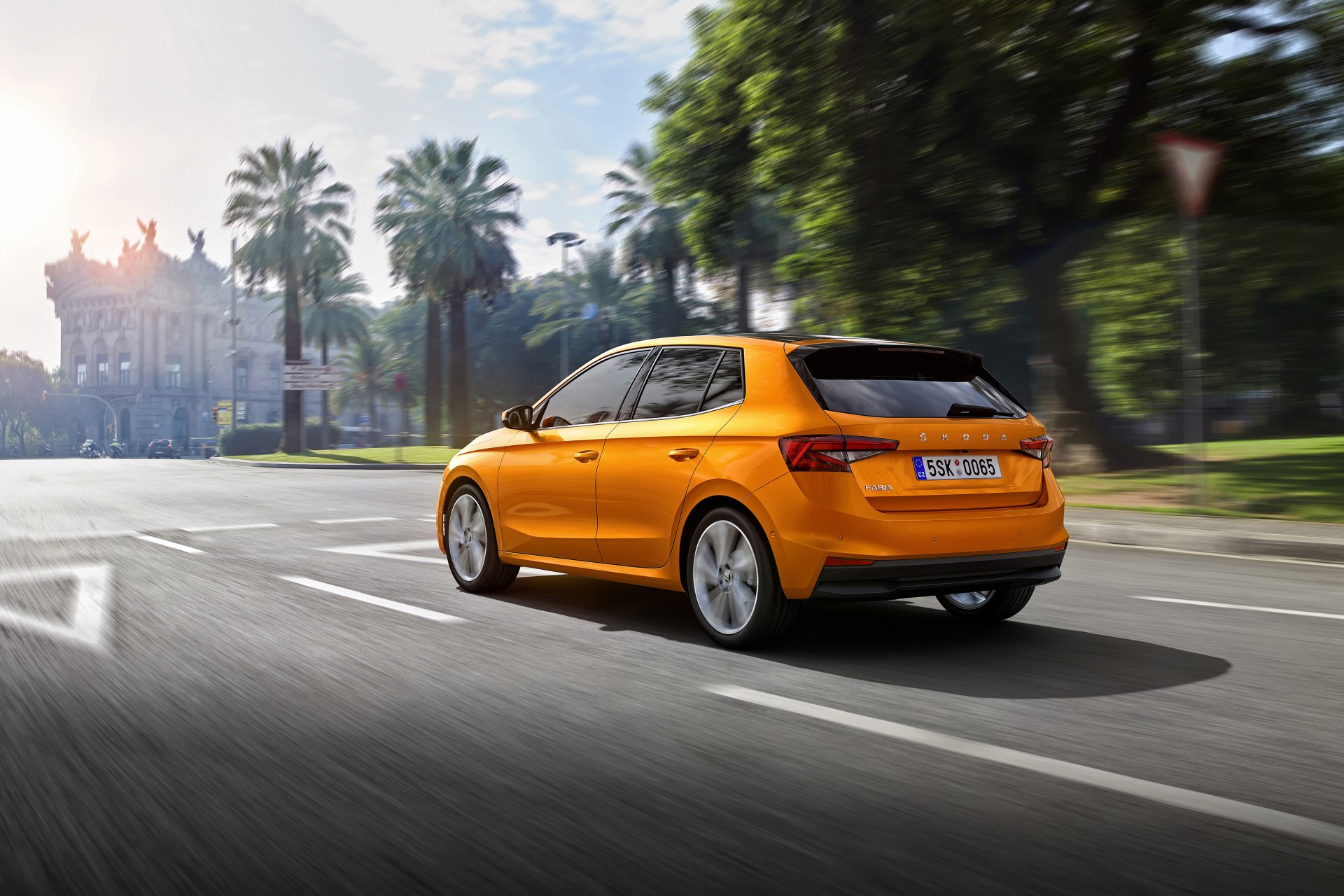
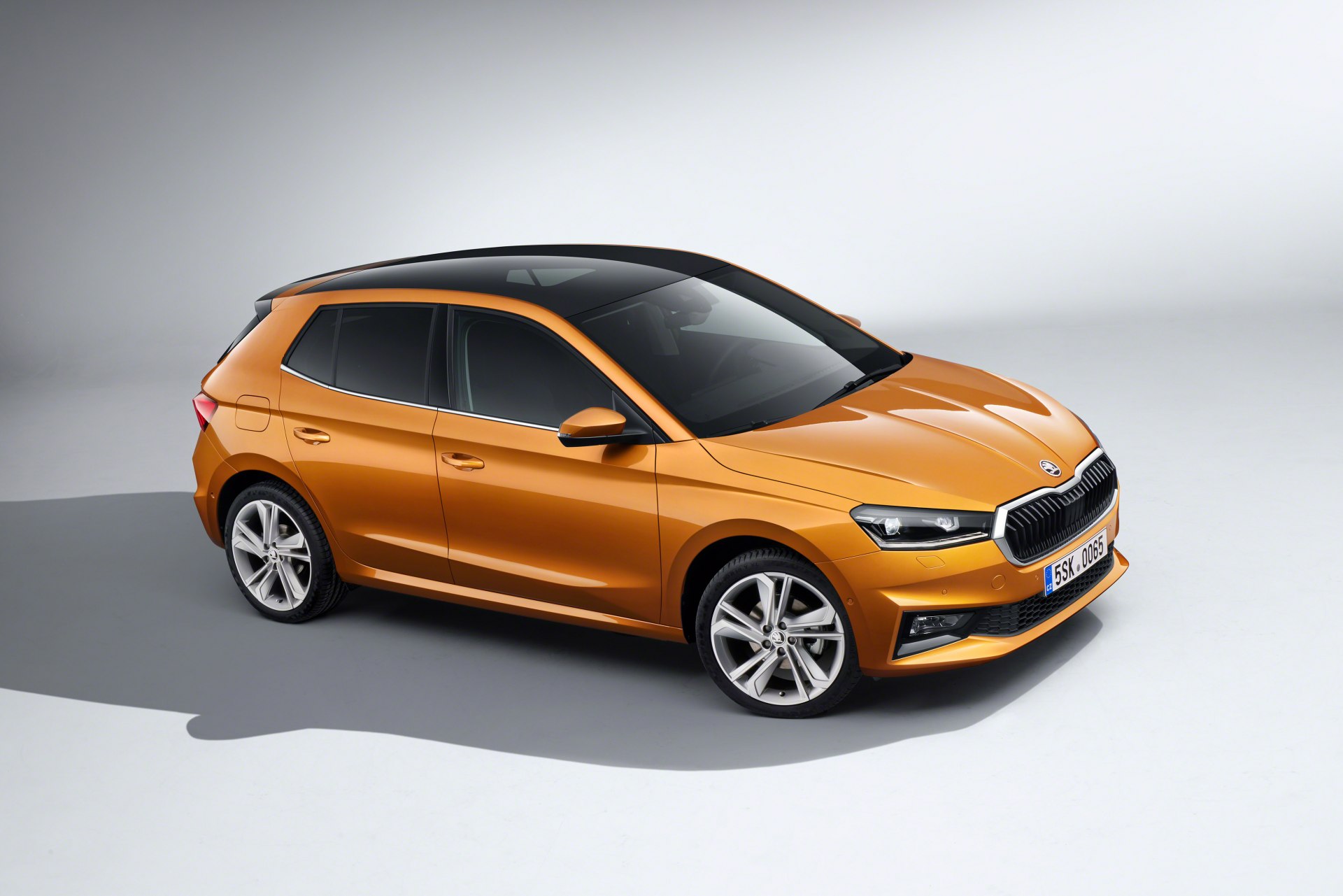
Official overview photos
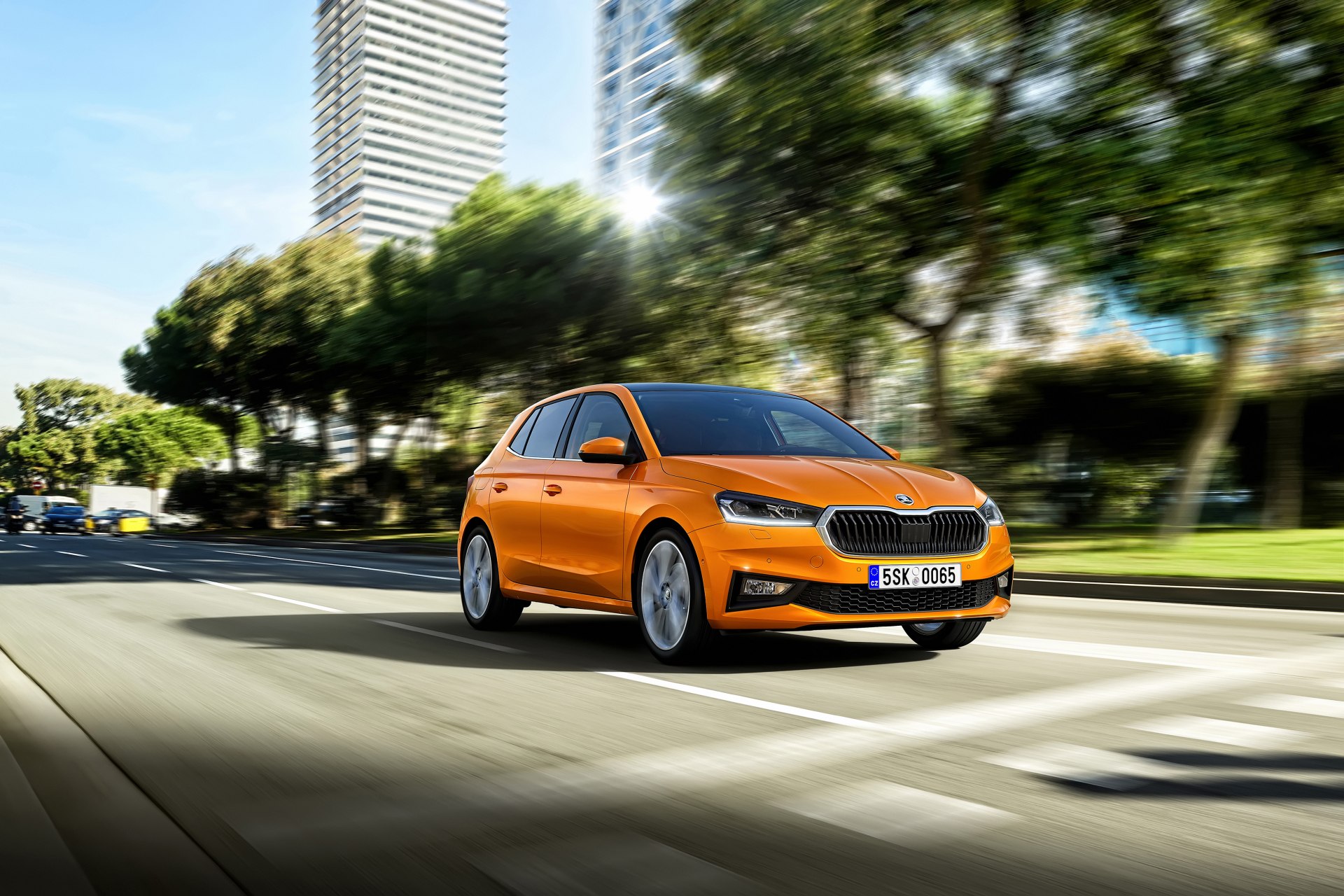
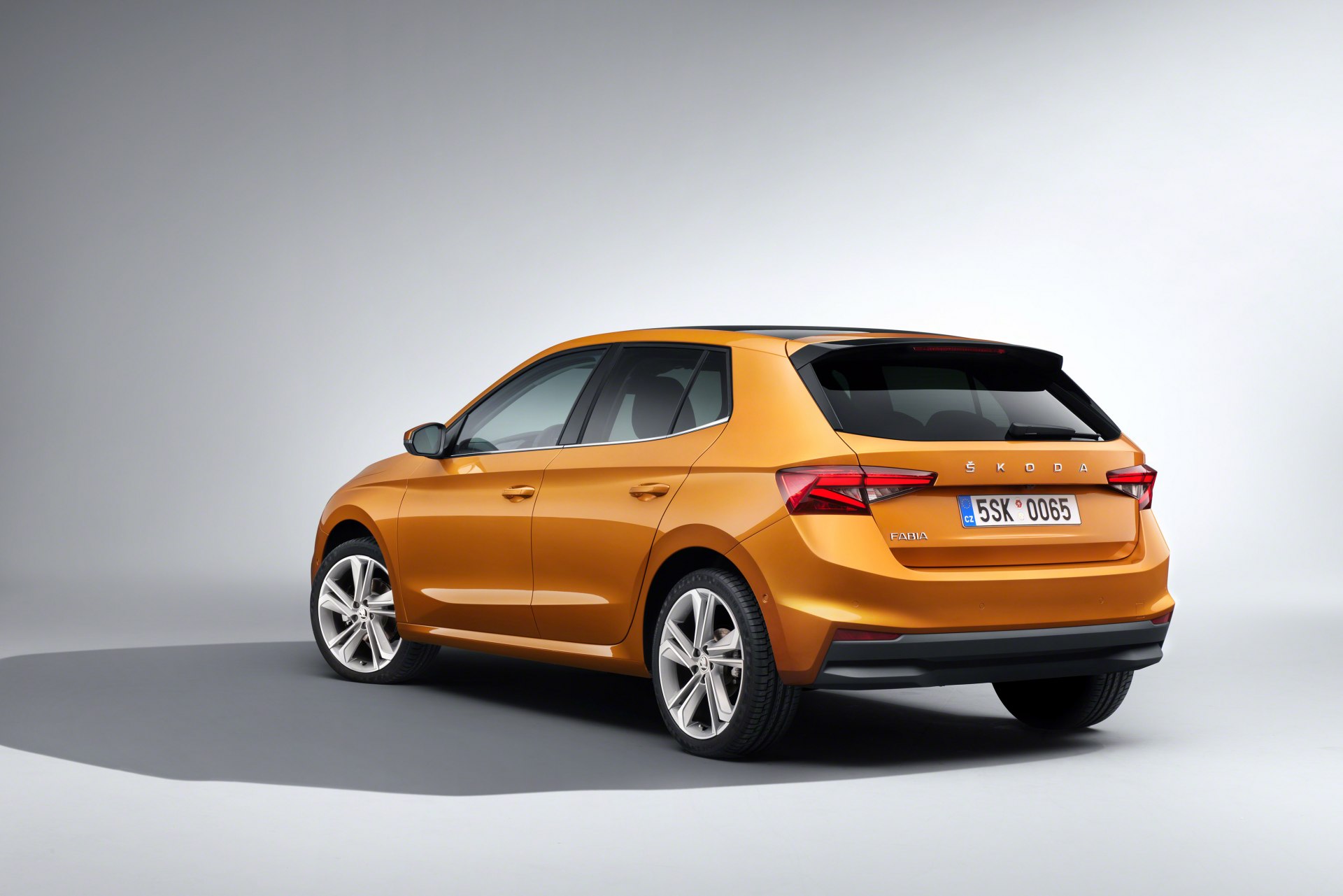
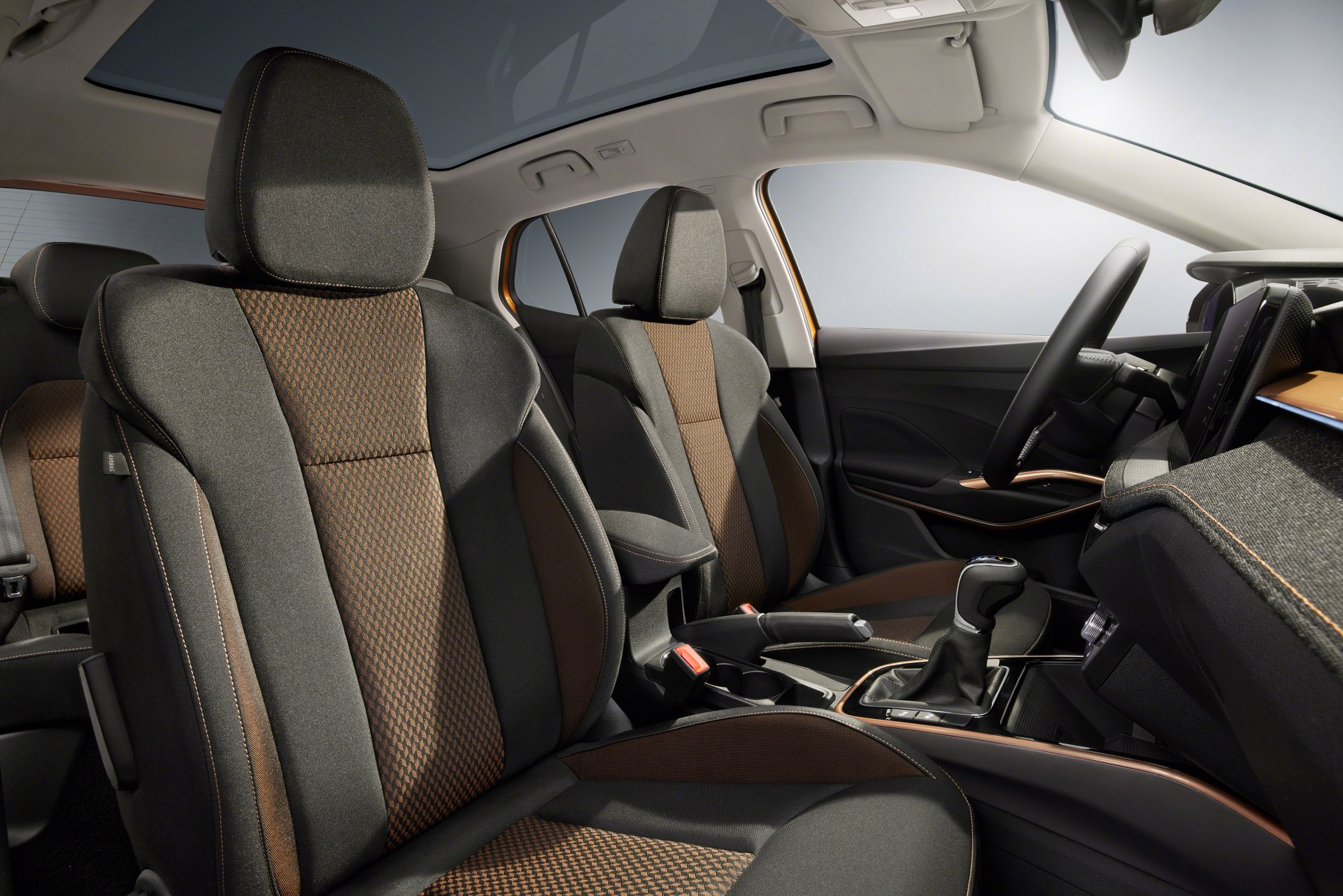
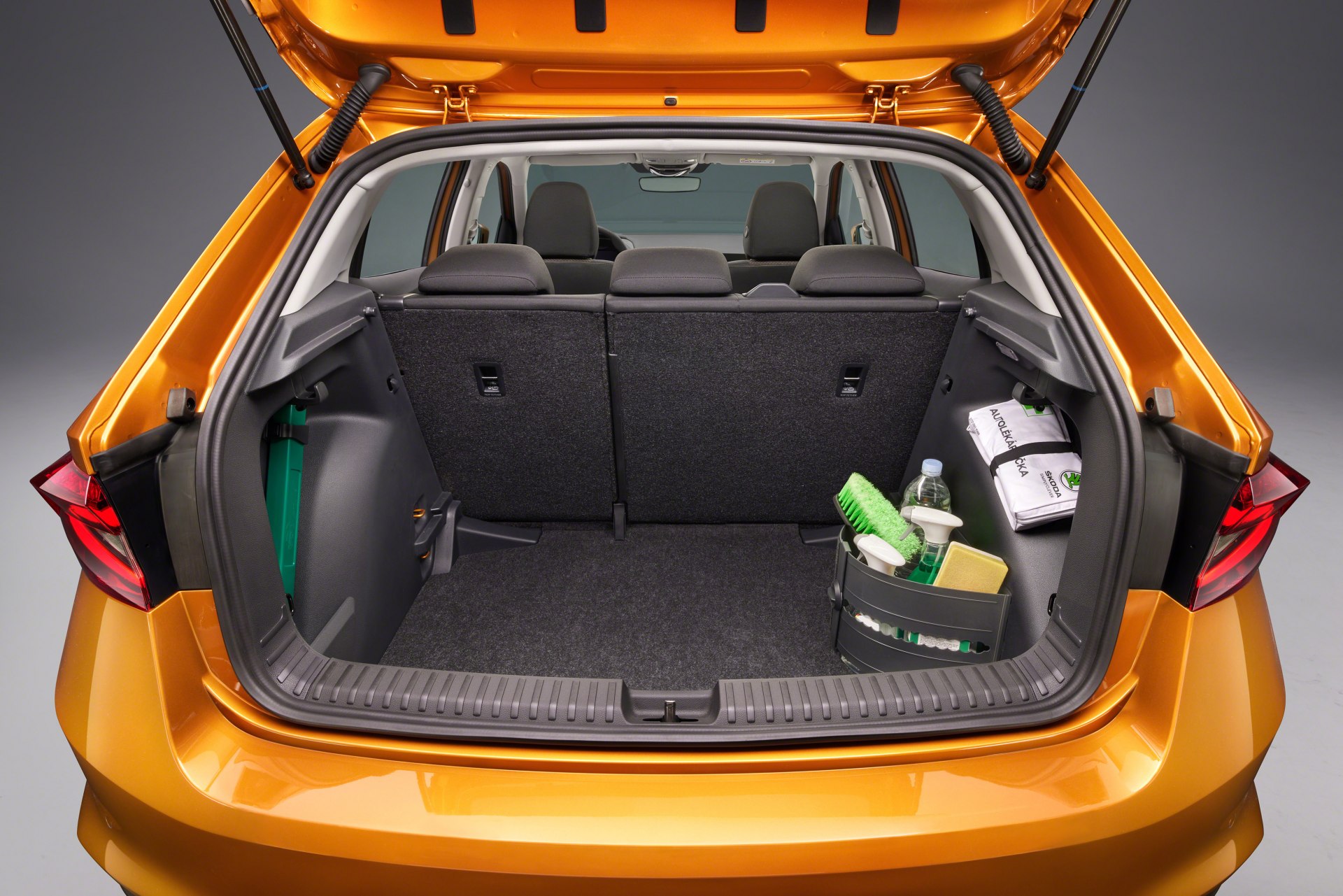
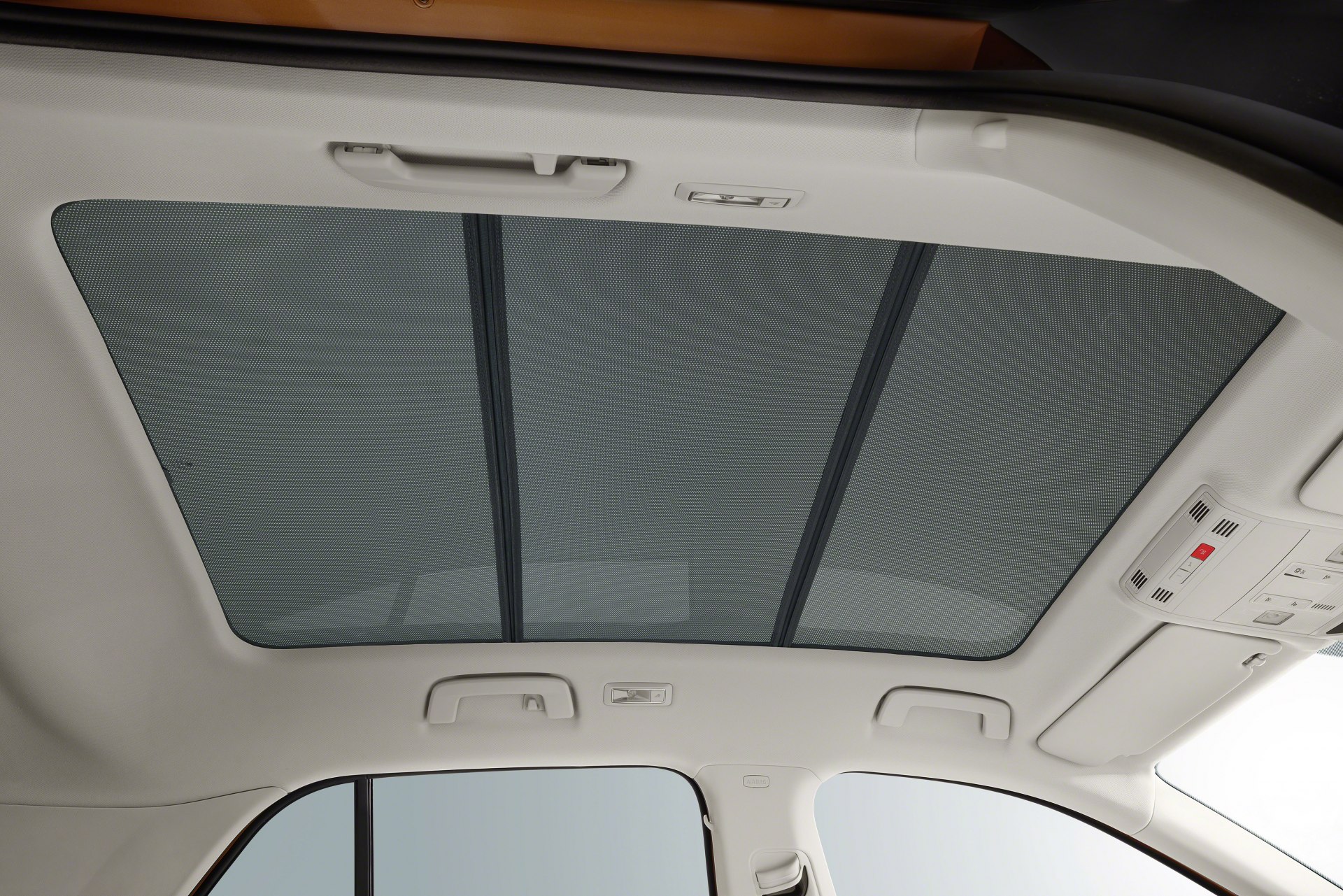
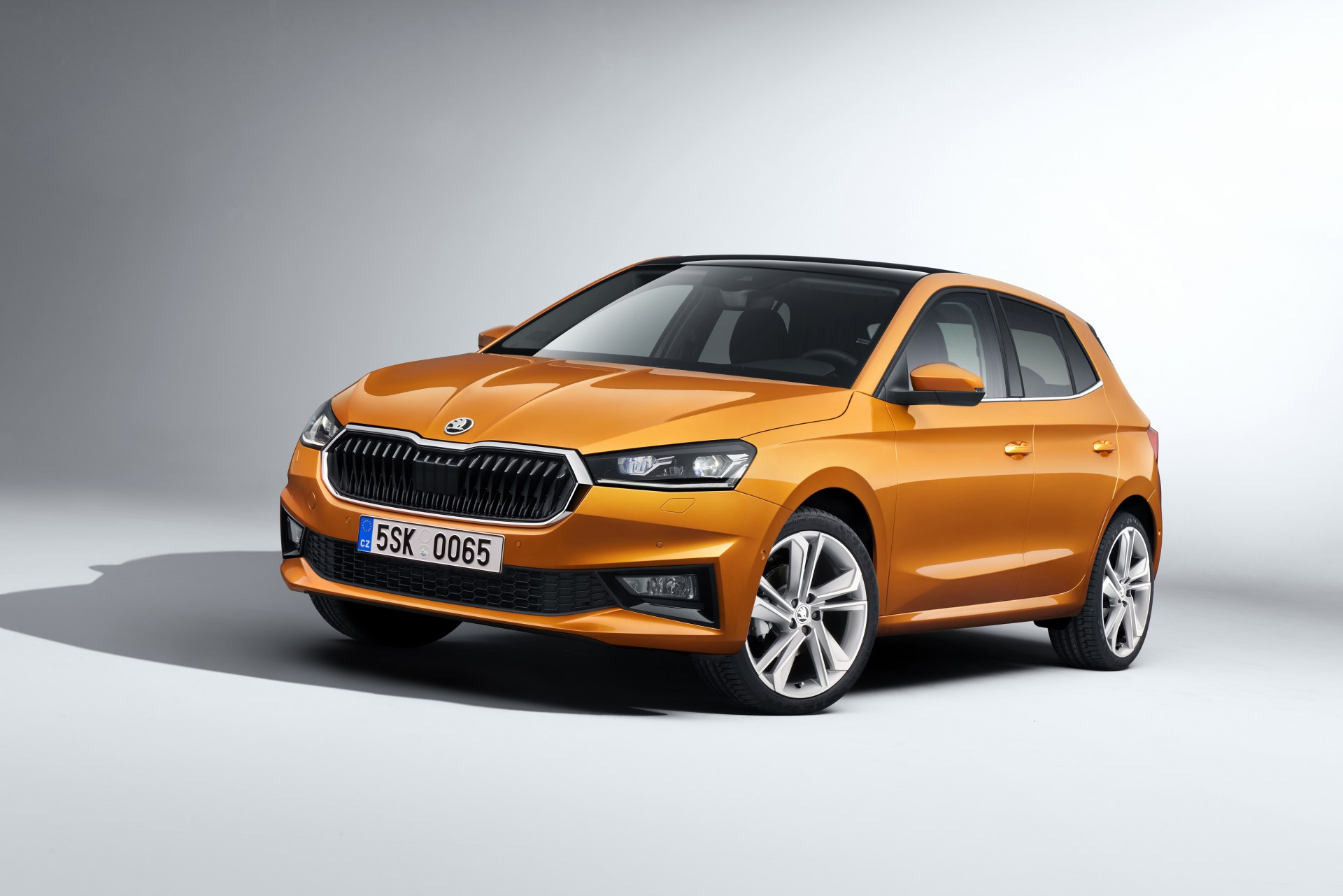
The overview gallery shows the current production model and its main design themes. Click any image to enlarge it and browse the set.
Exterior design
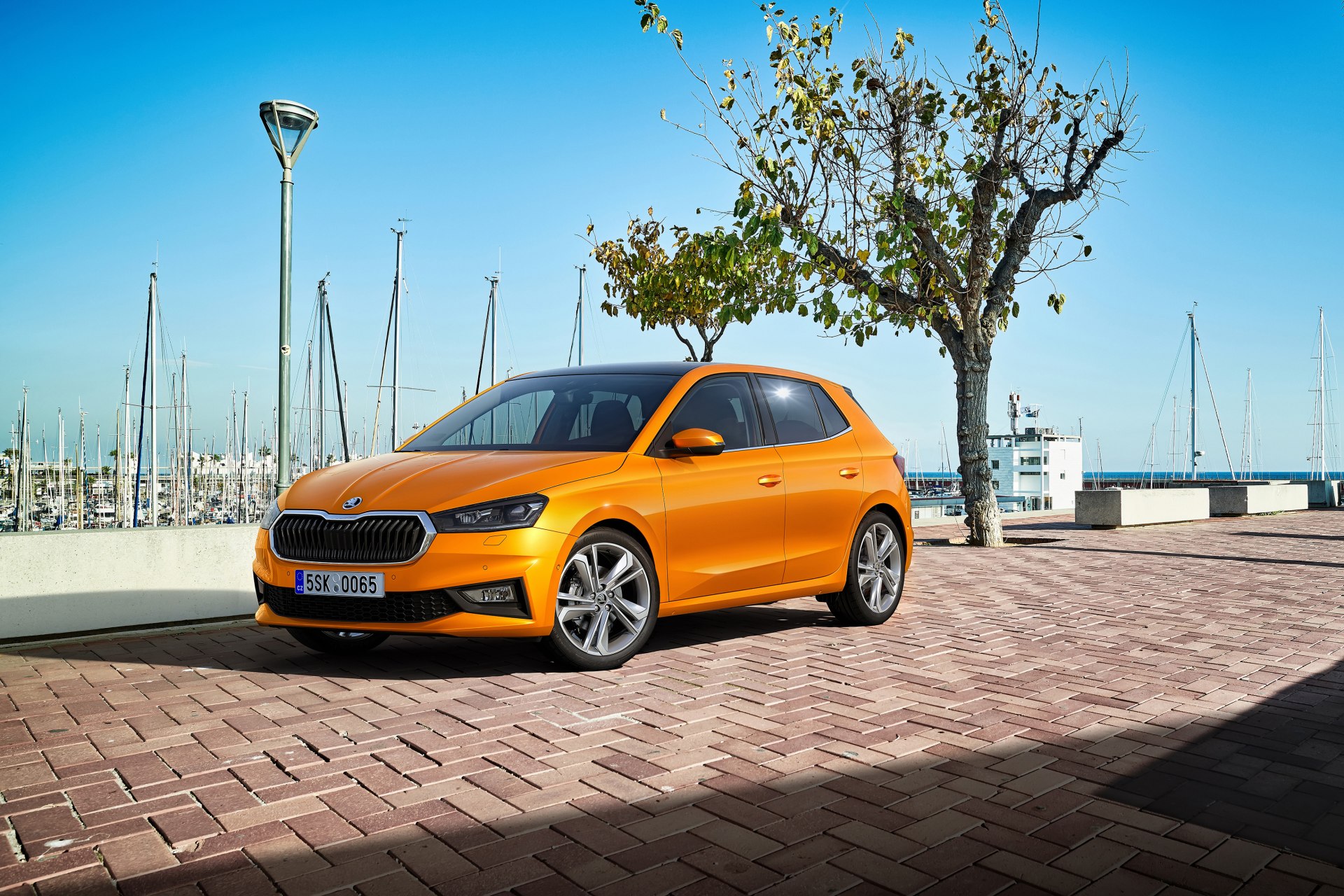
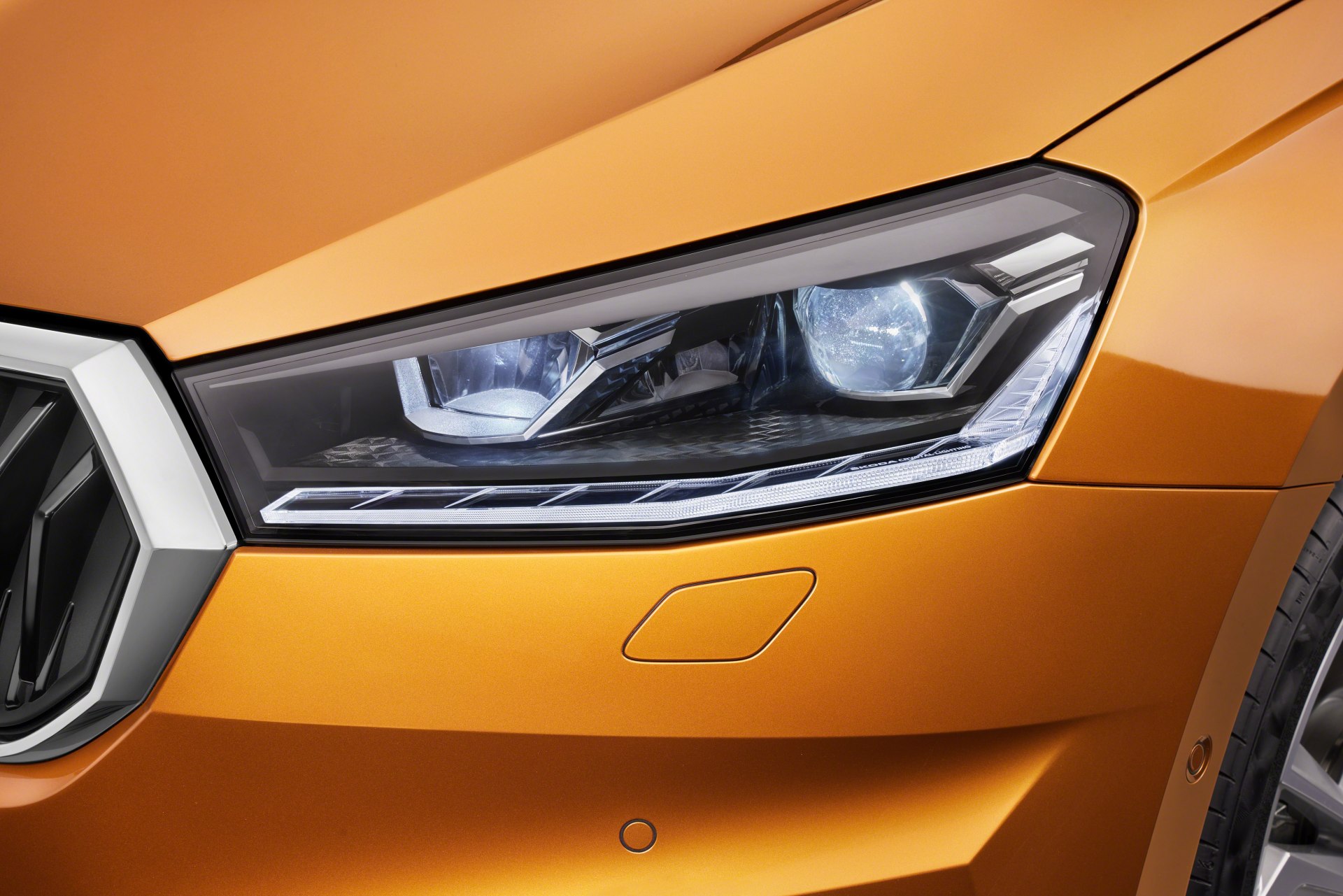
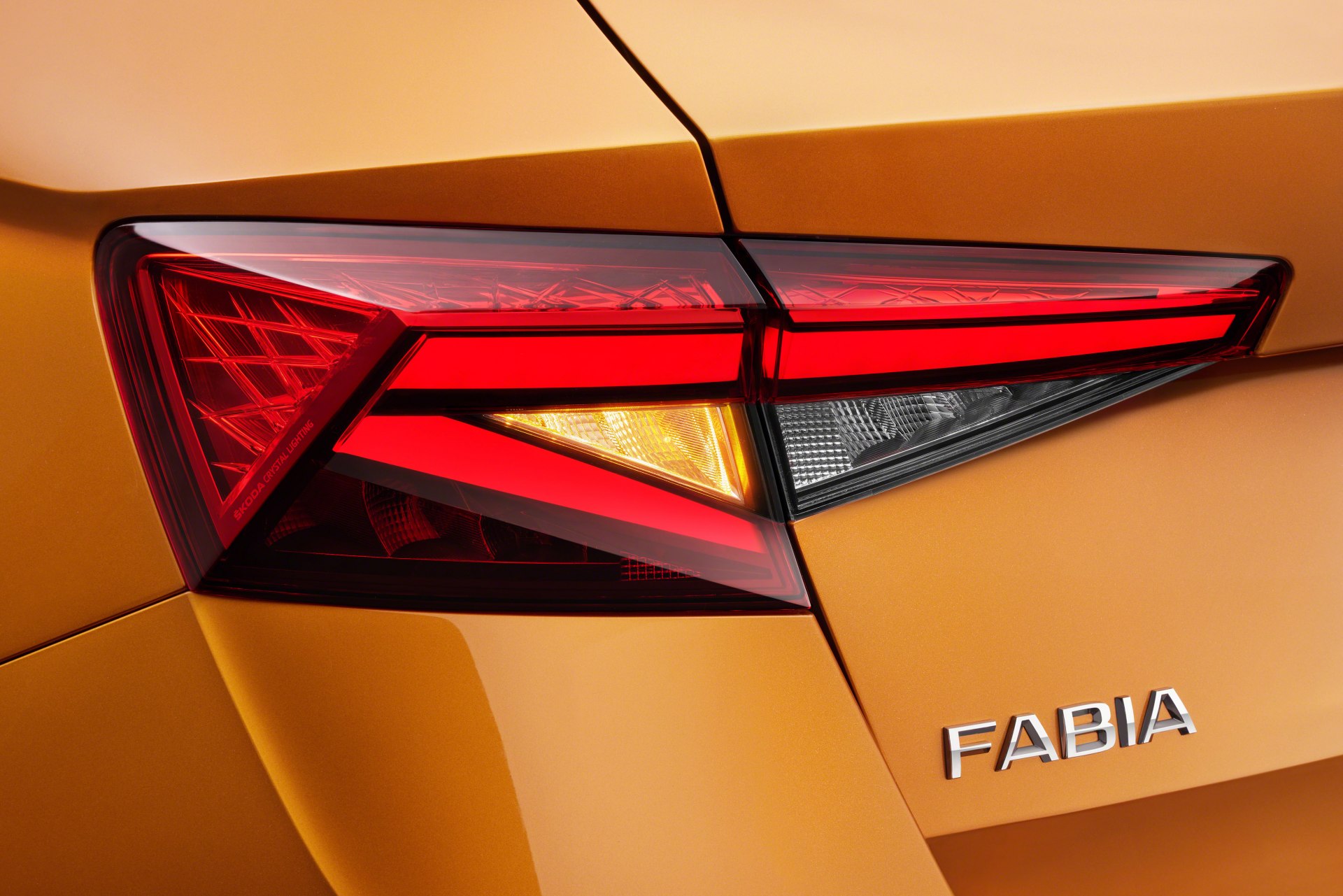
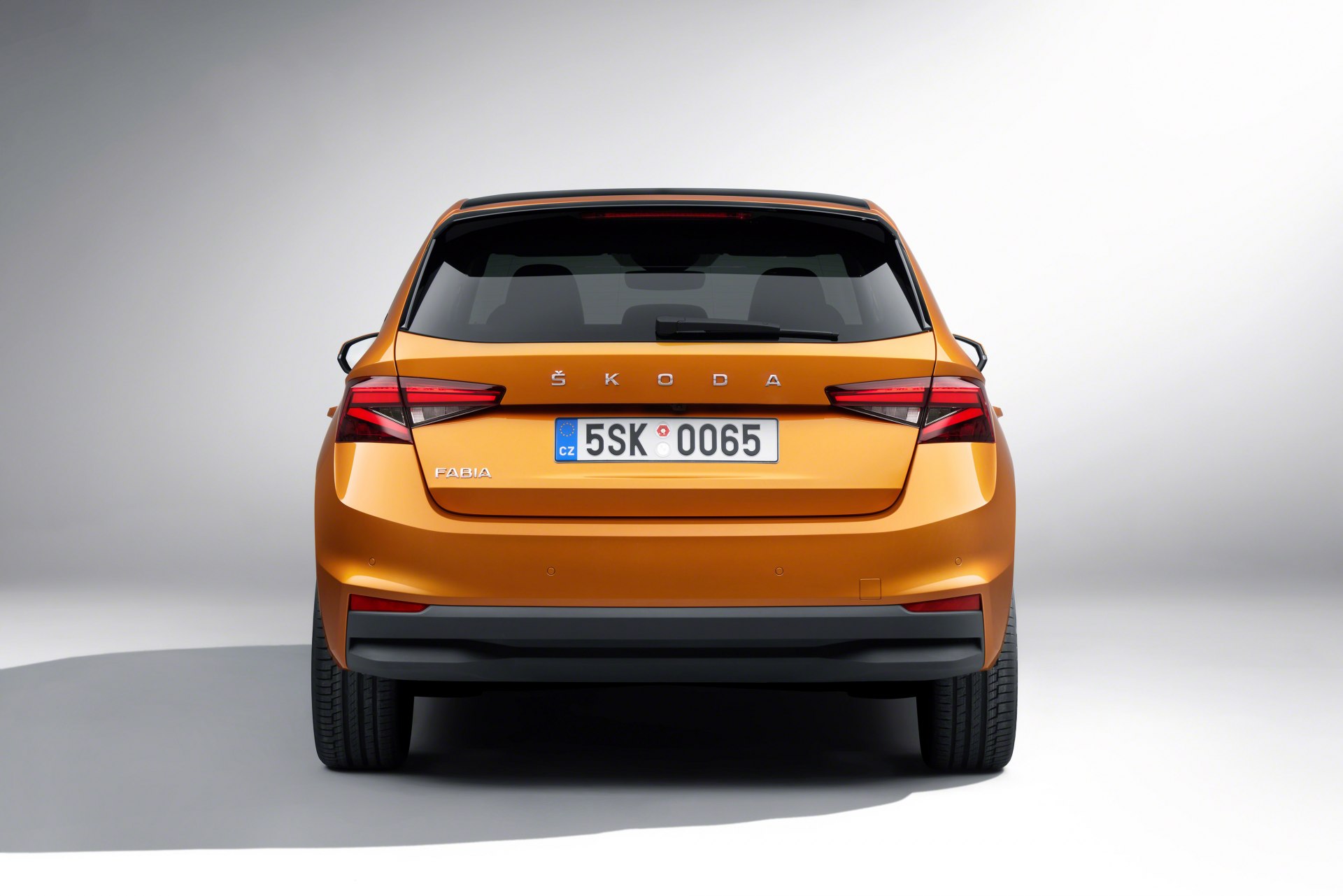
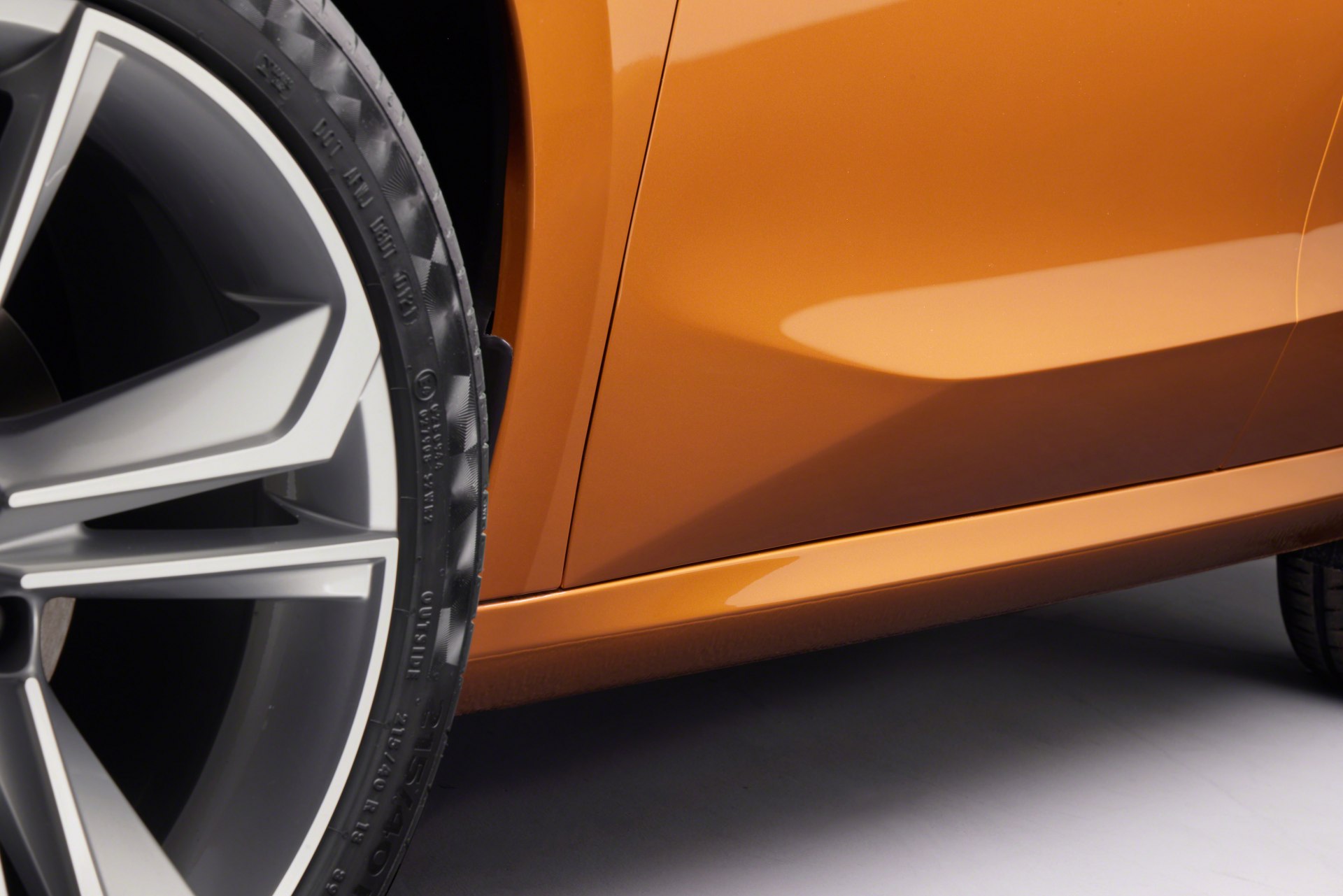
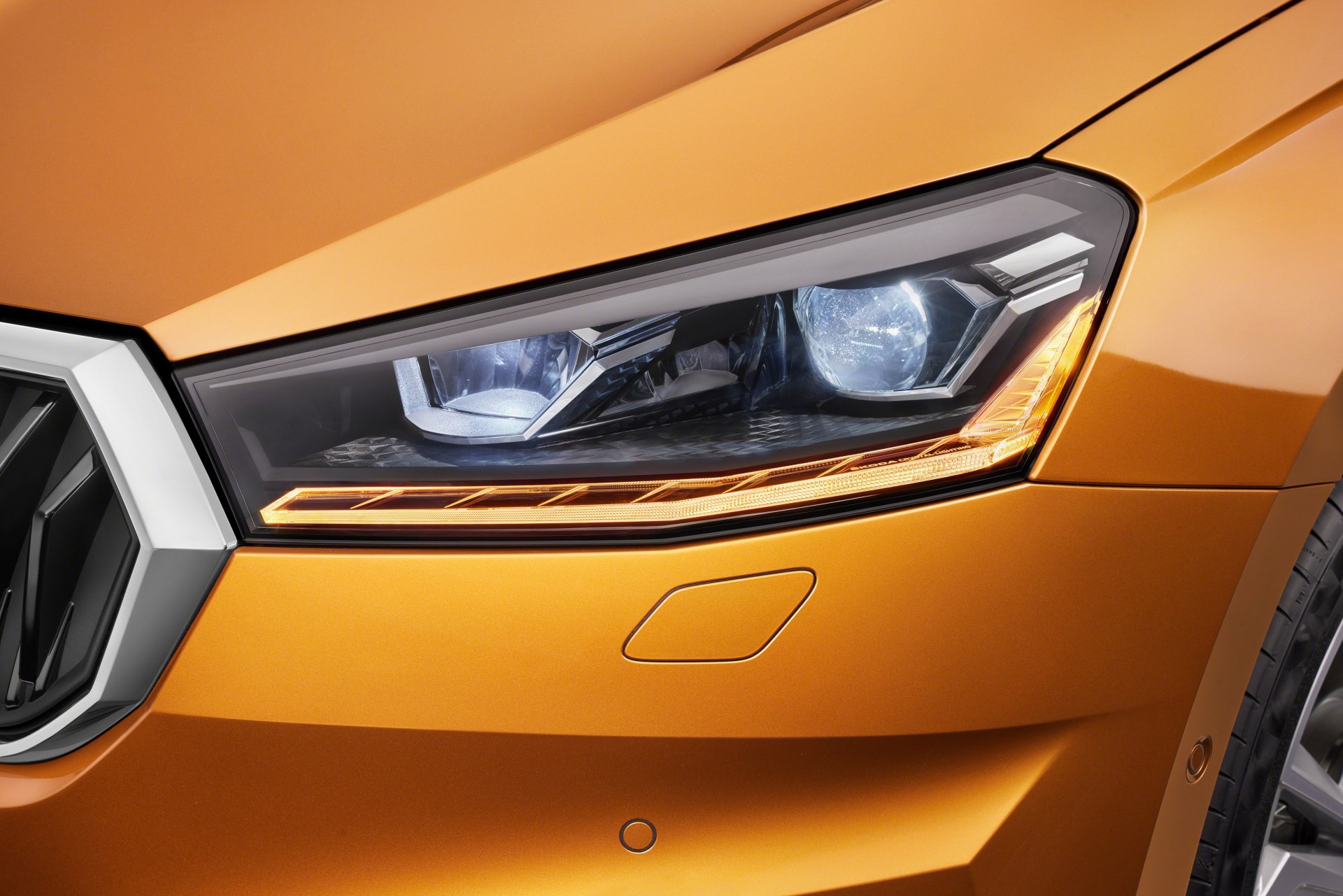
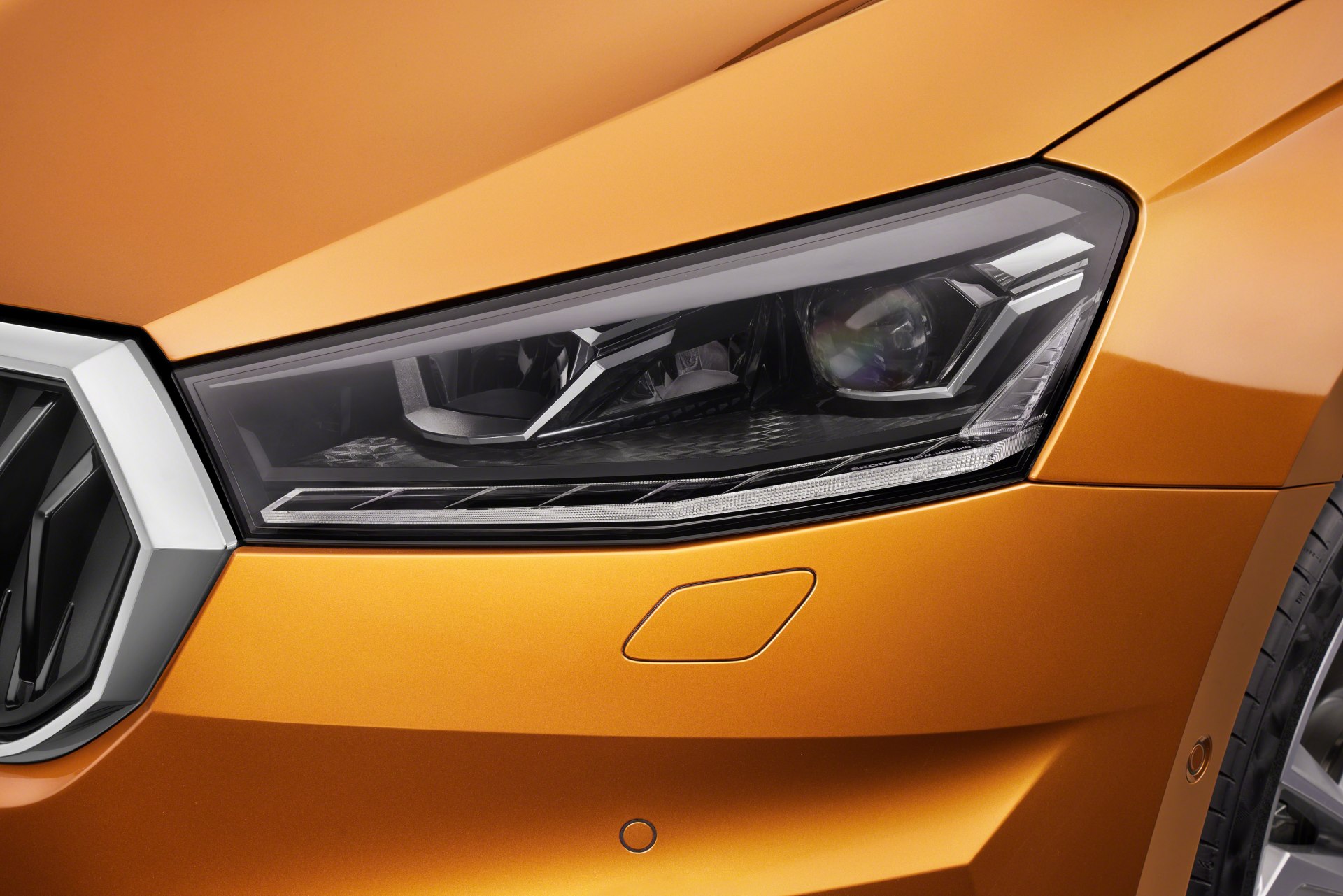
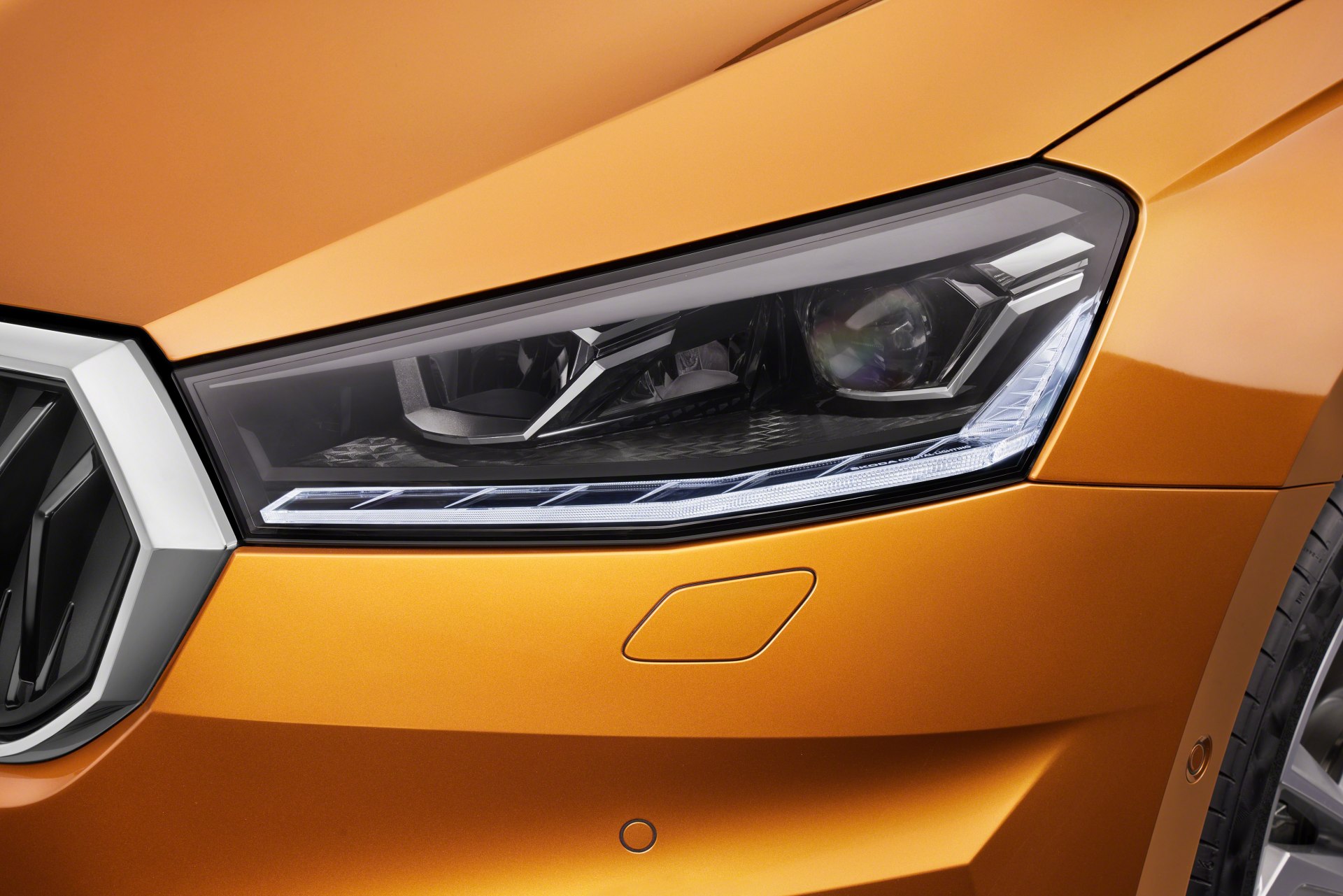
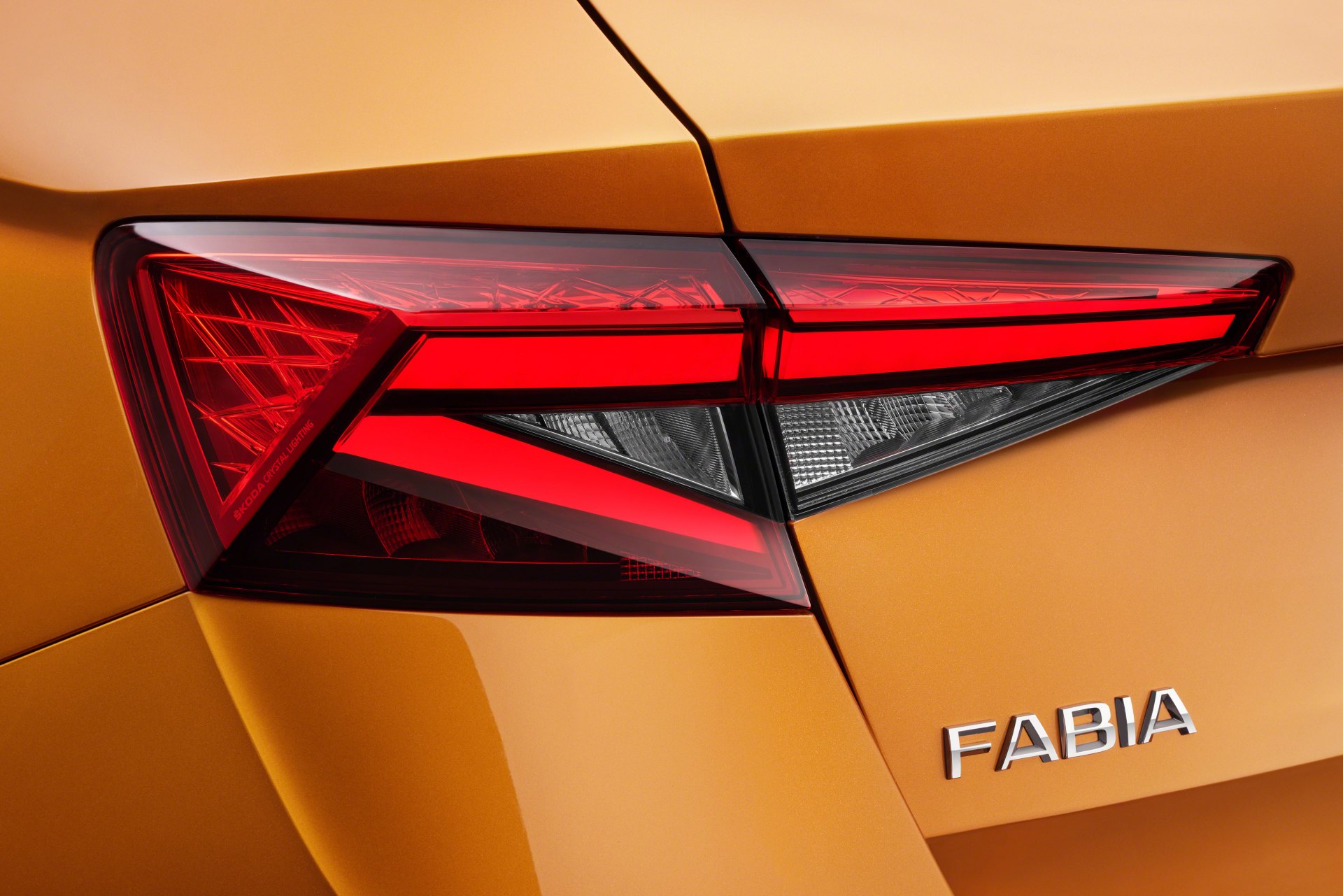
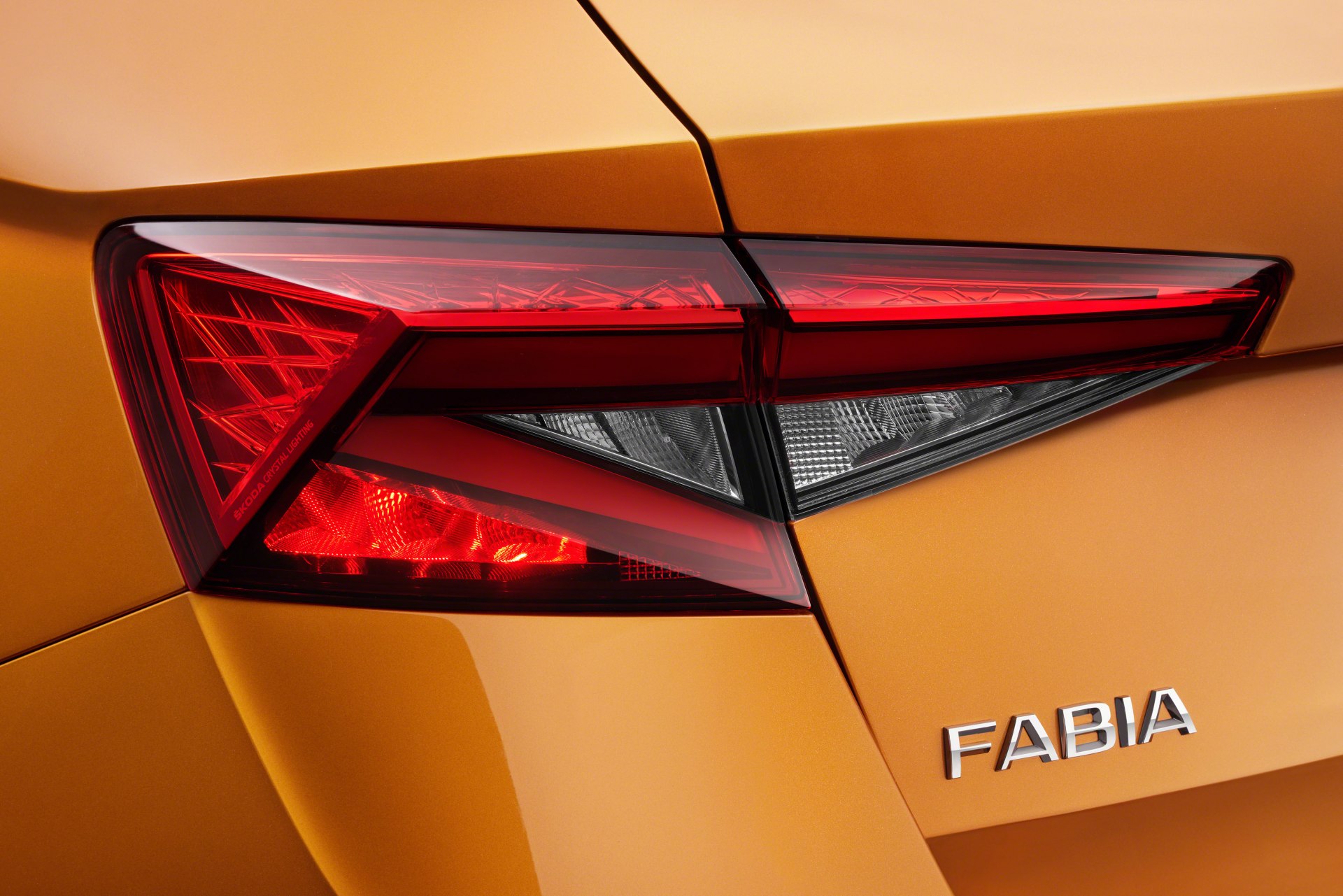
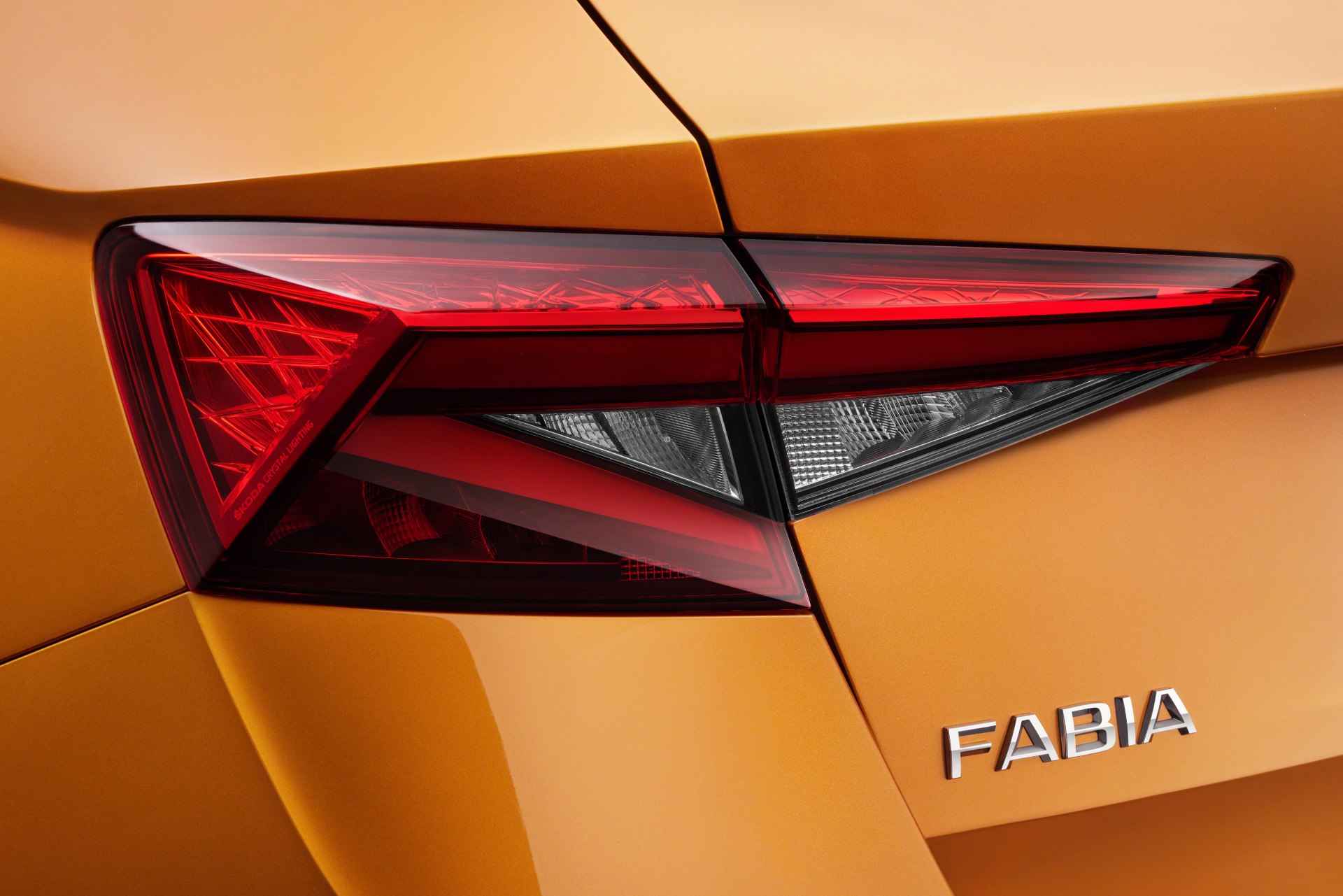
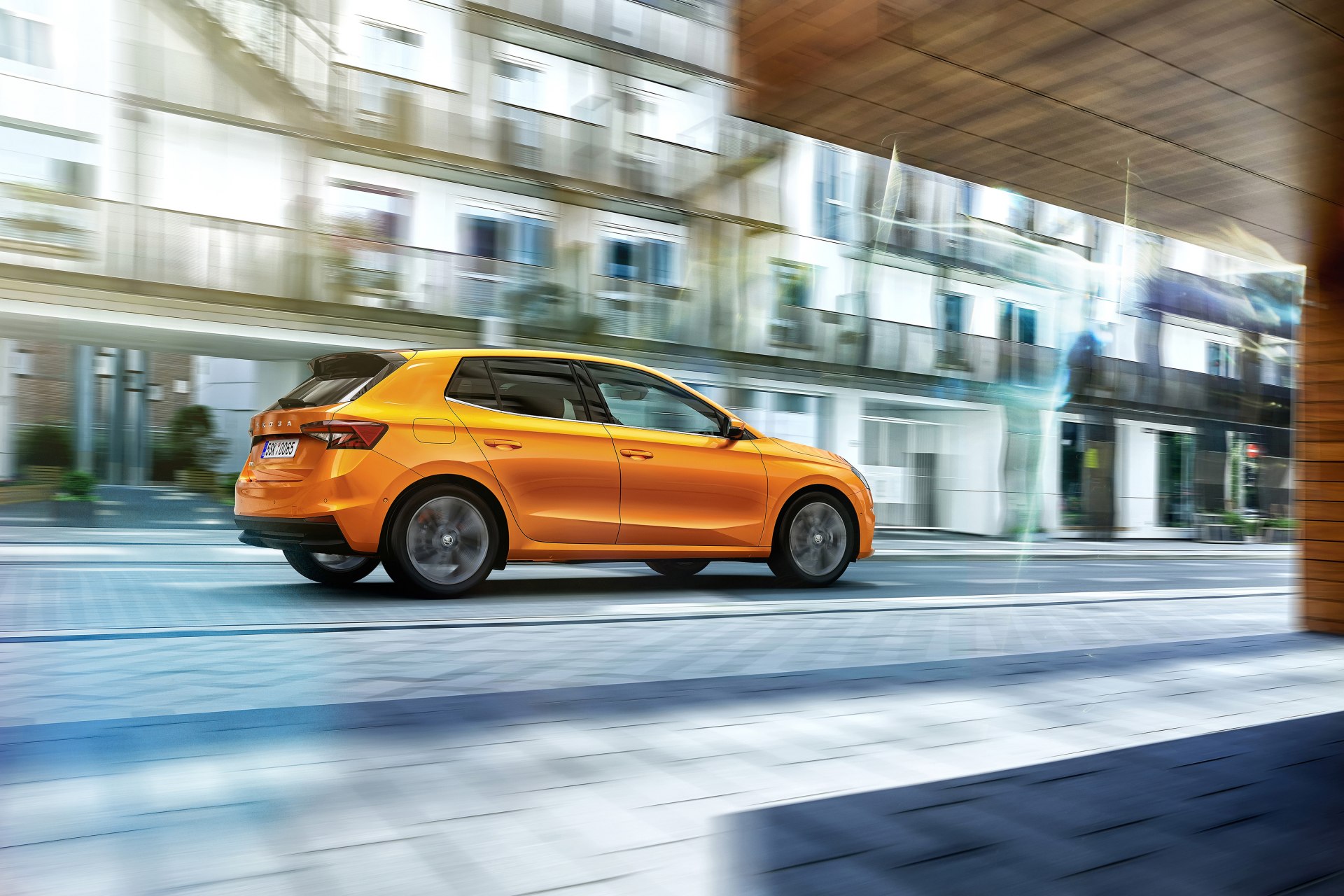
The current Škoda Fabia is designed to communicate its role clearly rather than relying on decorative detail alone. Proportions, lighting graphics, wheel design and aerodynamic treatment all contribute to the model’s identity, while higher trims and performance derivatives add more assertive detailing without changing the underlying body architecture.
For buyers comparing versions, the important point is that the exterior changes are not purely cosmetic: wheel size, tyre choice, ride height and aerodynamic equipment can also affect efficiency, comfort and road behaviour.
Interior and driving environment
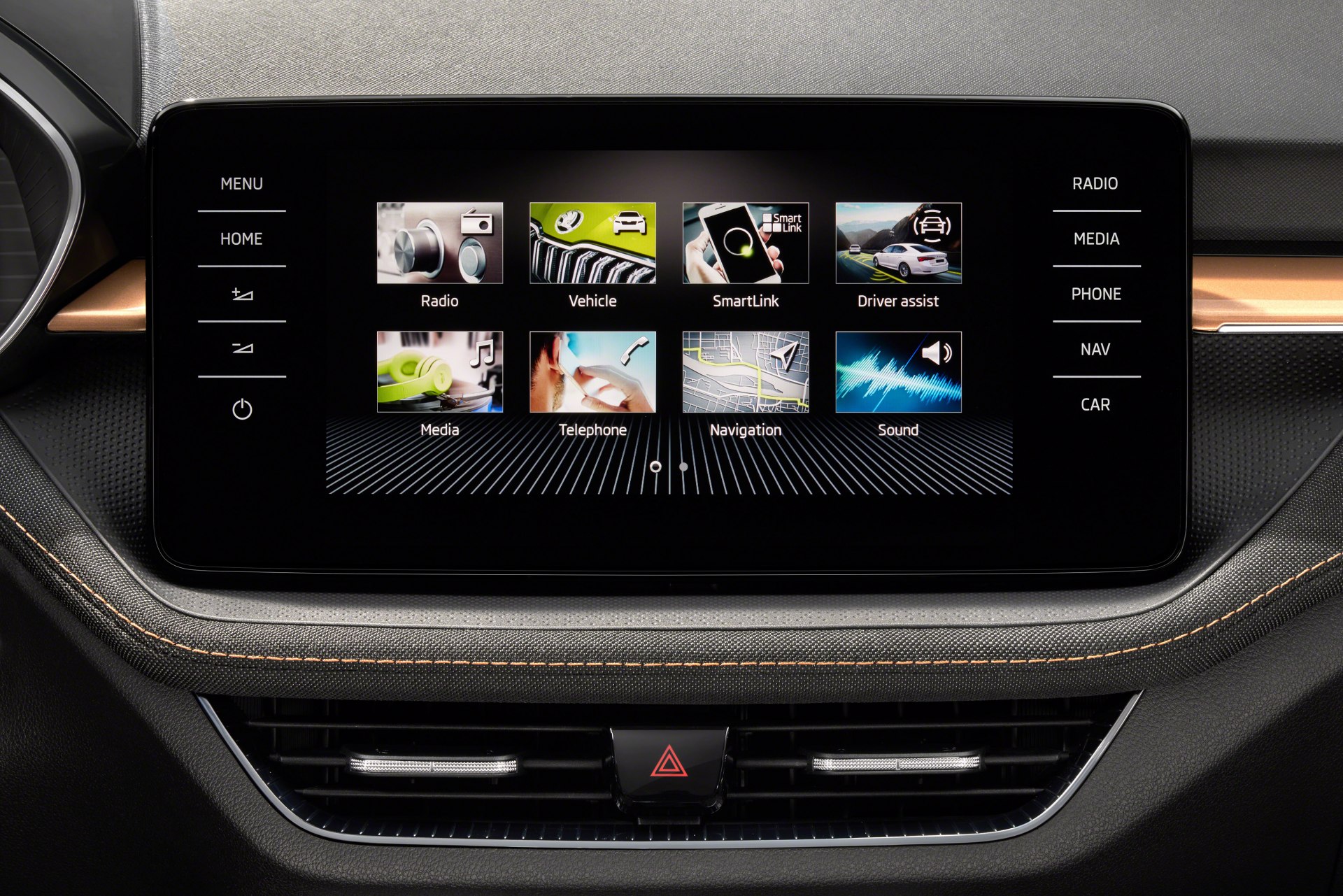
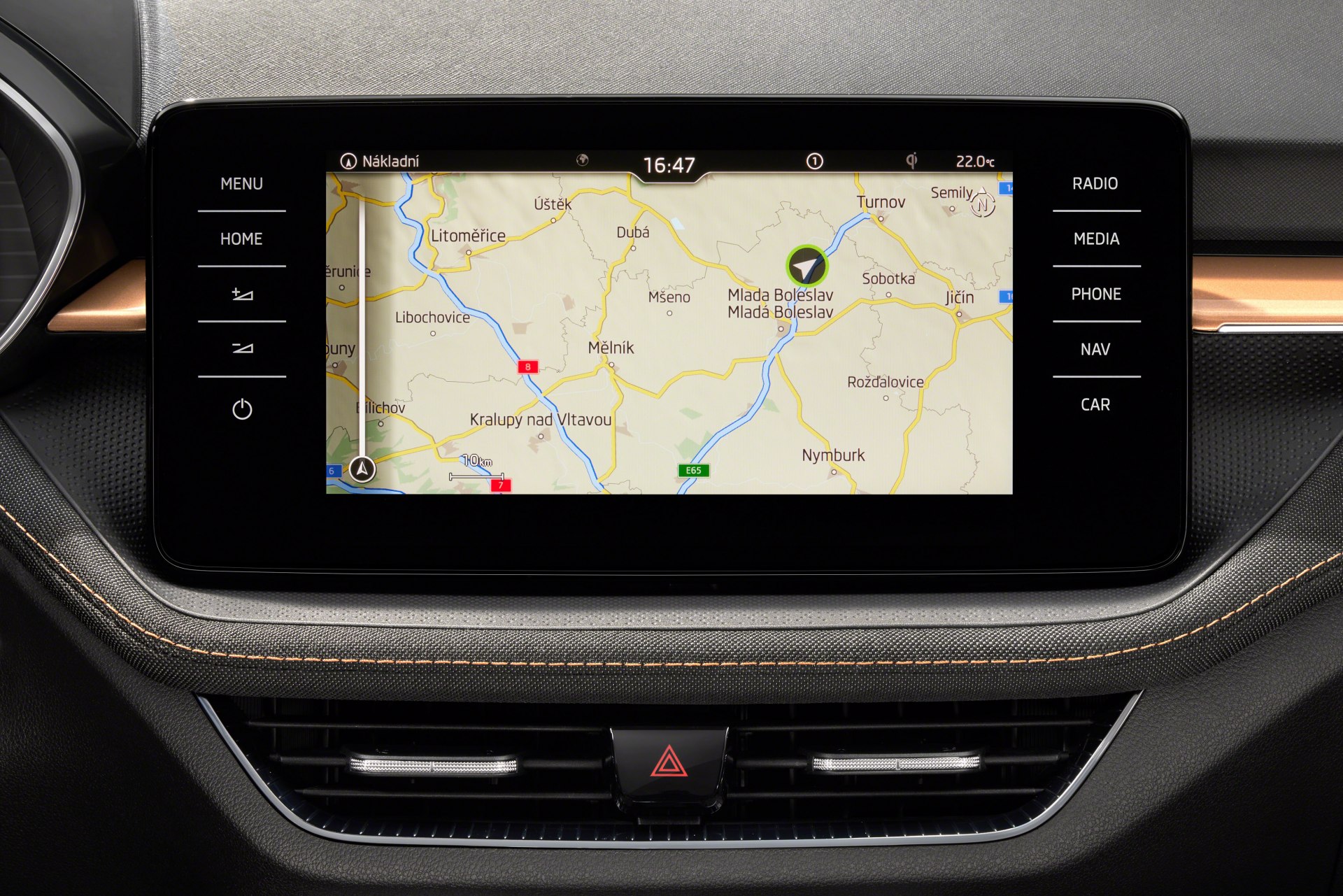
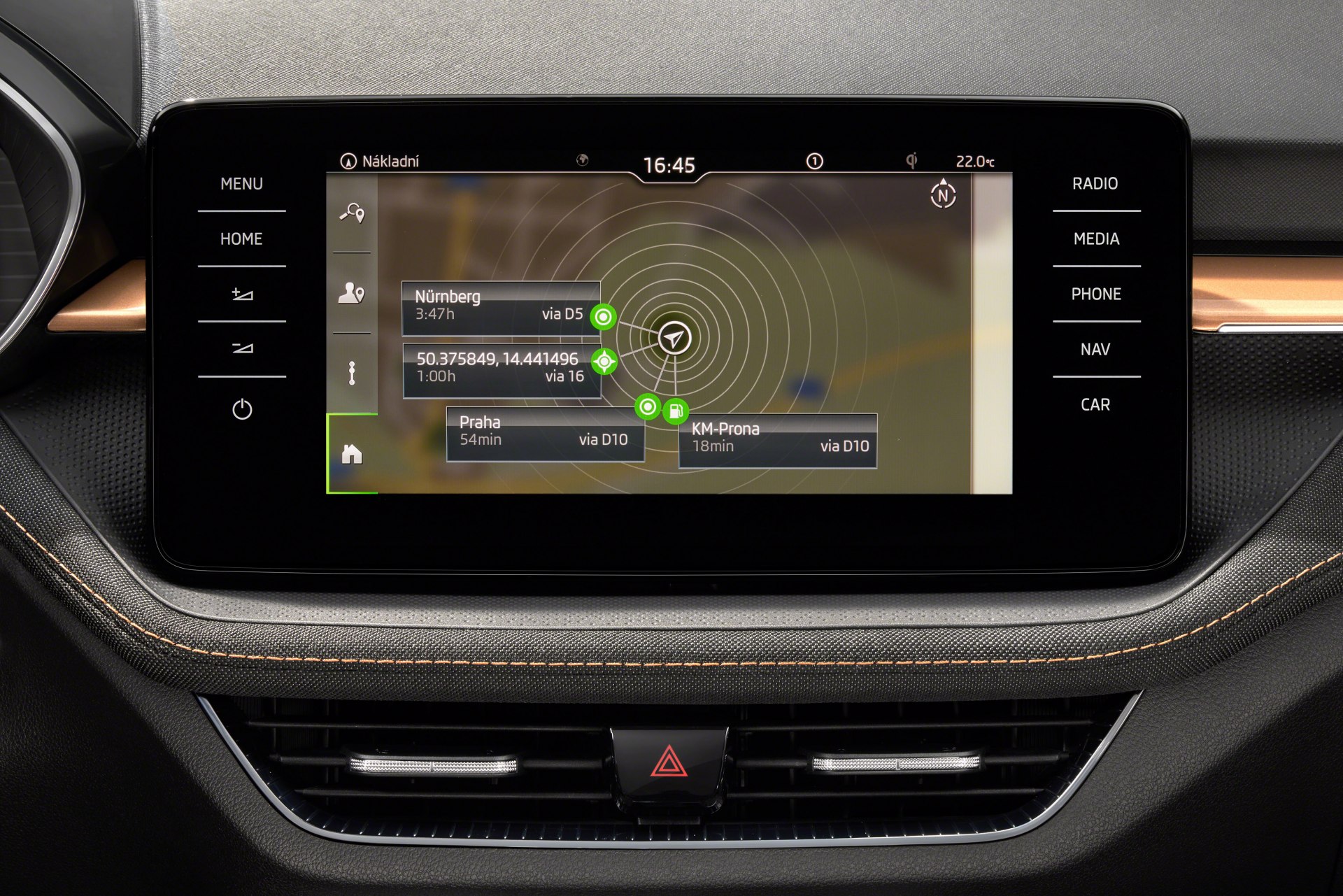
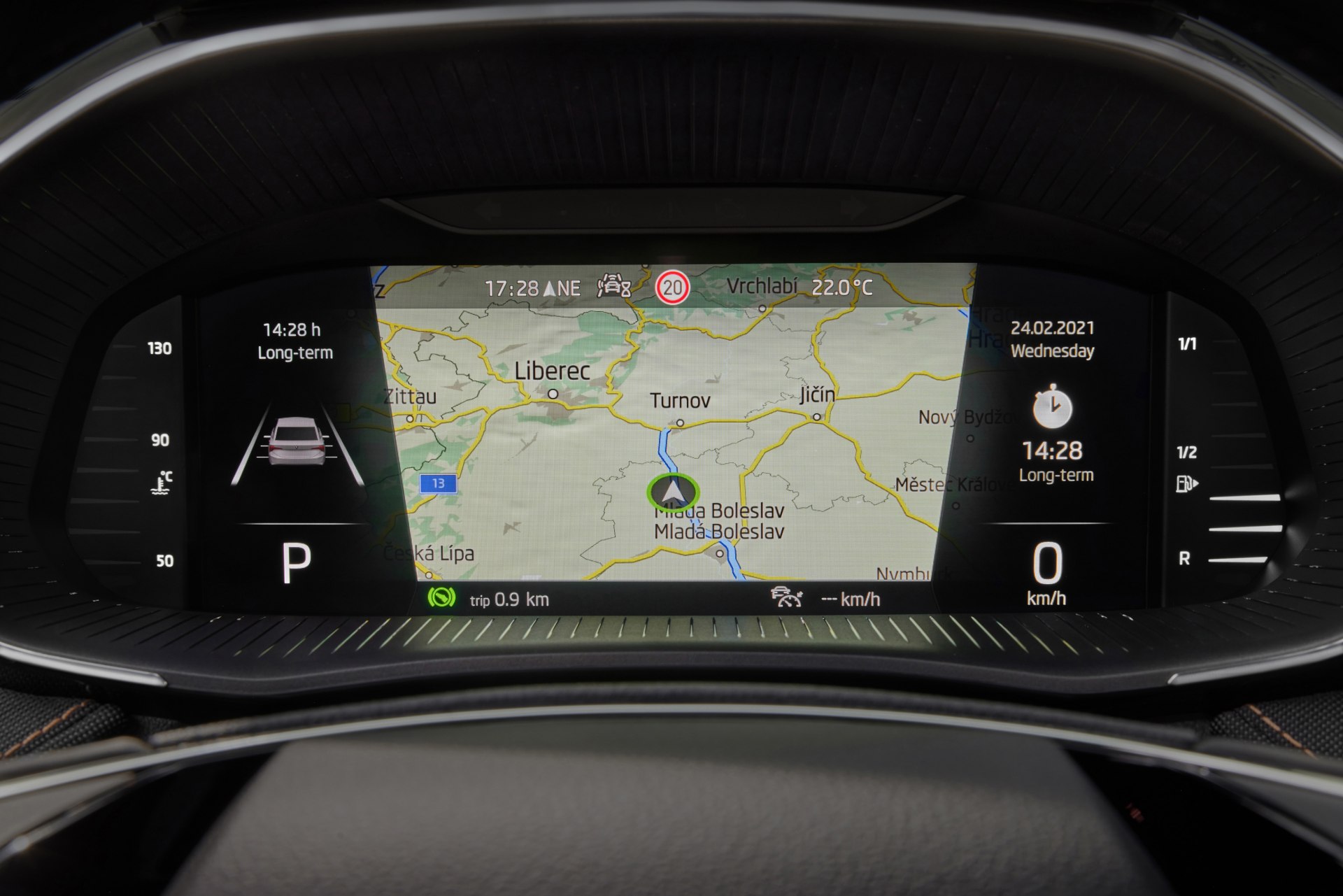
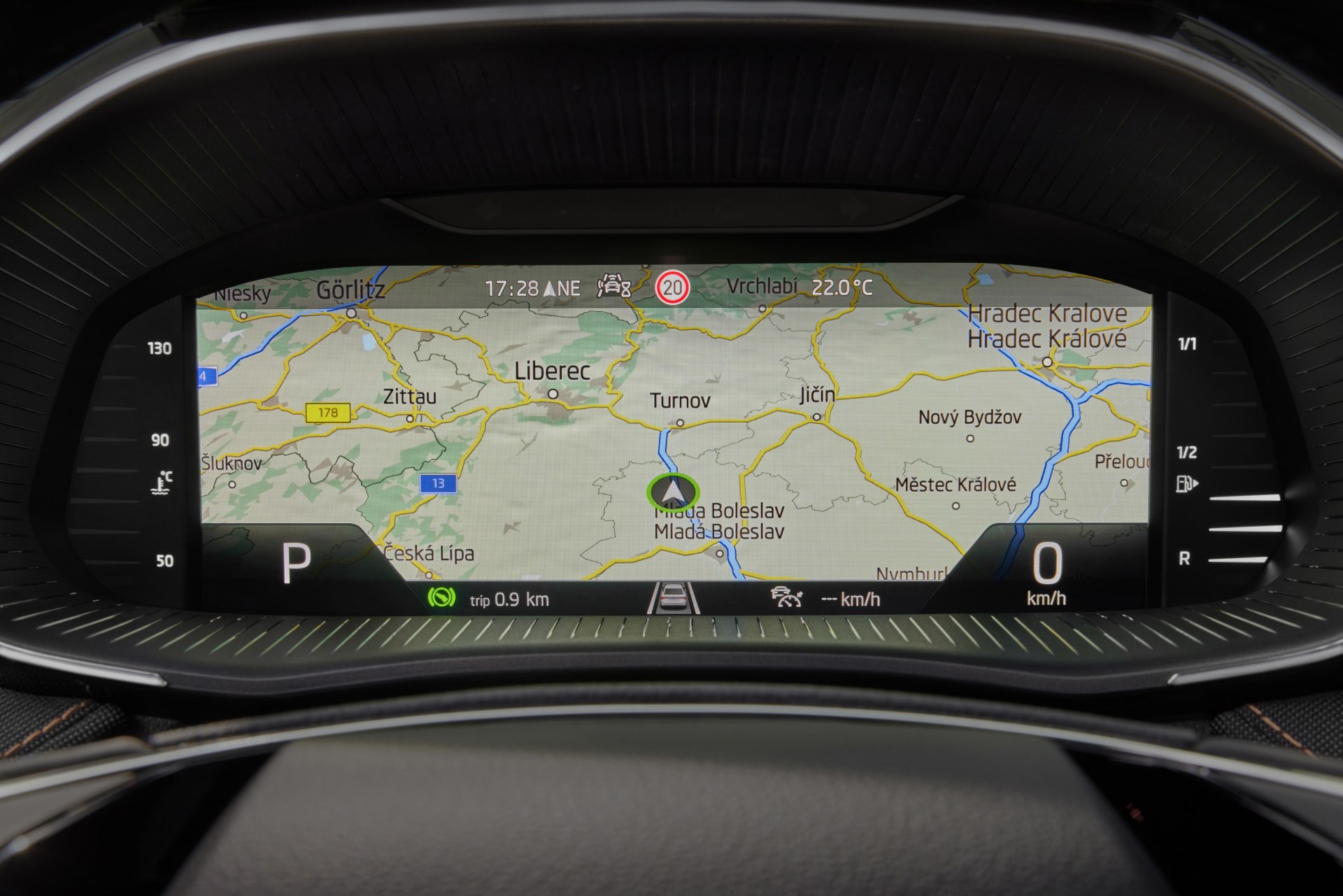
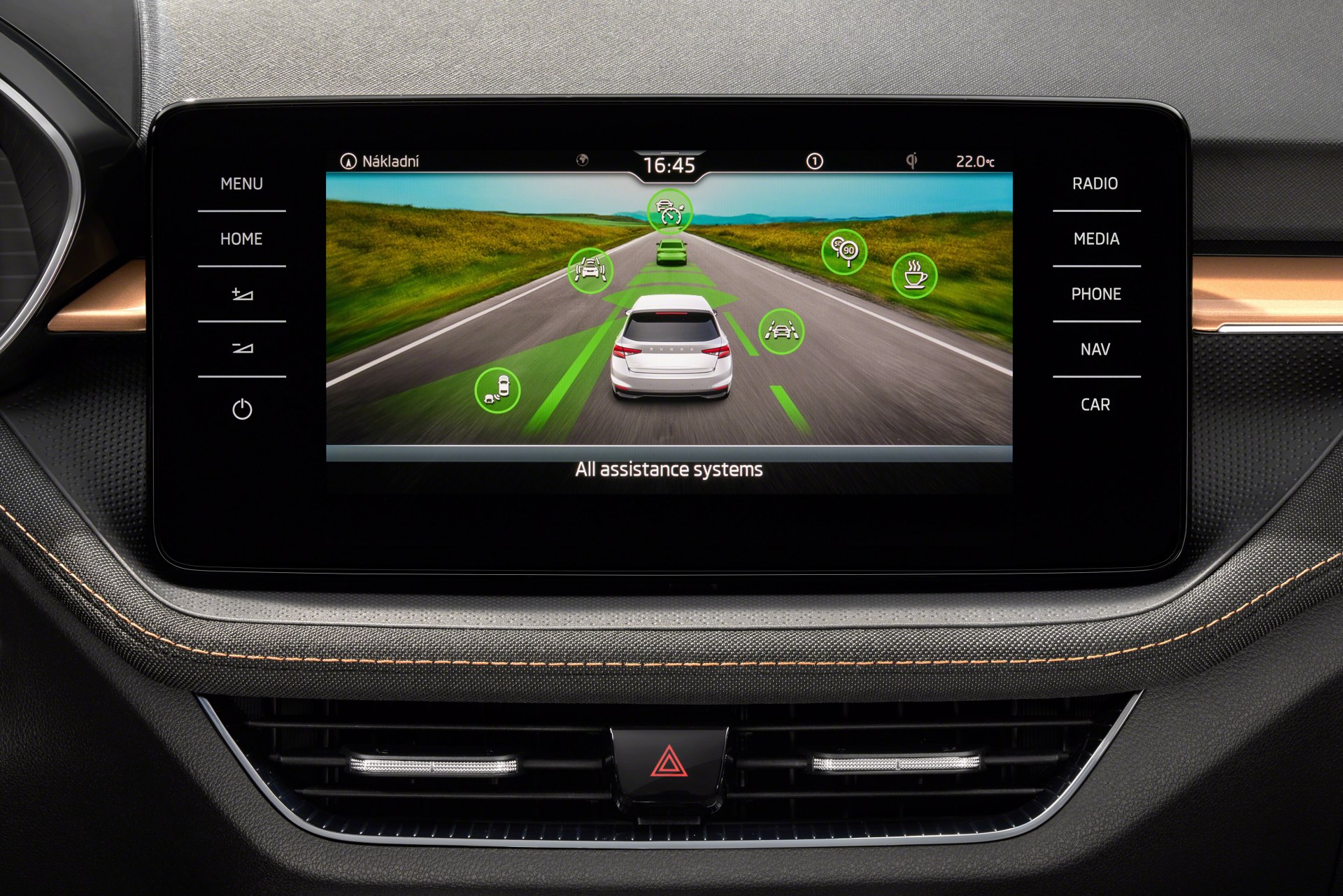
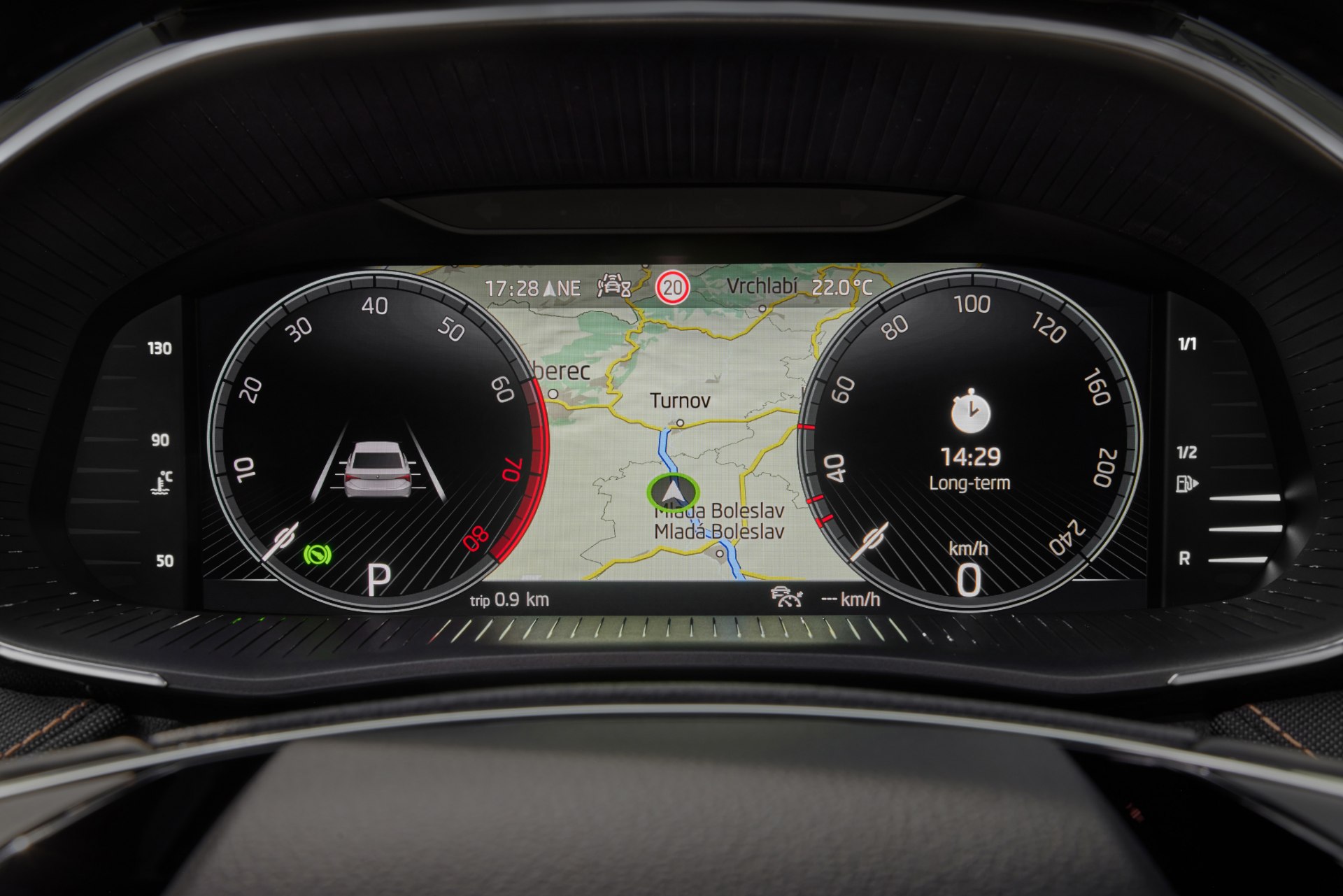
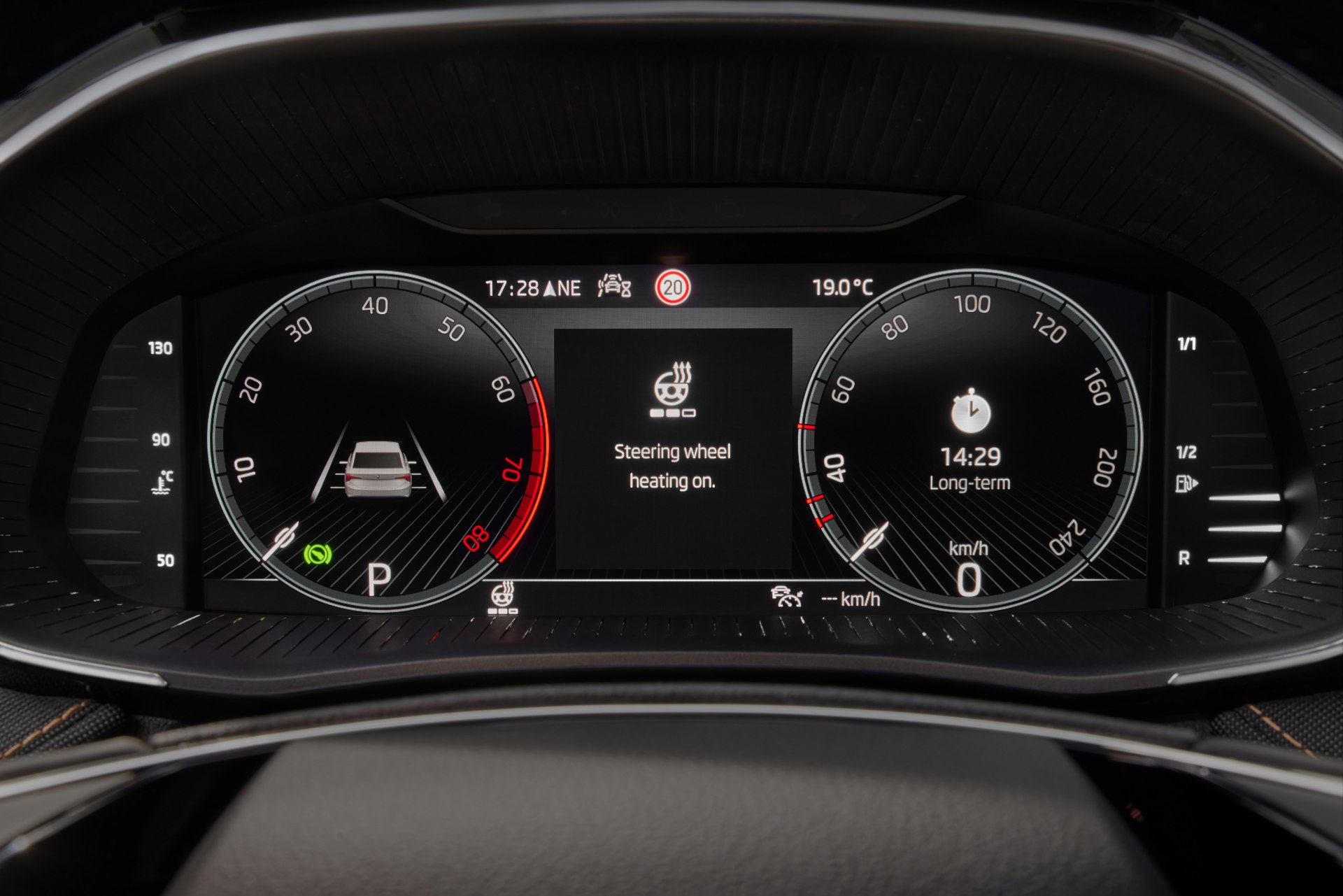
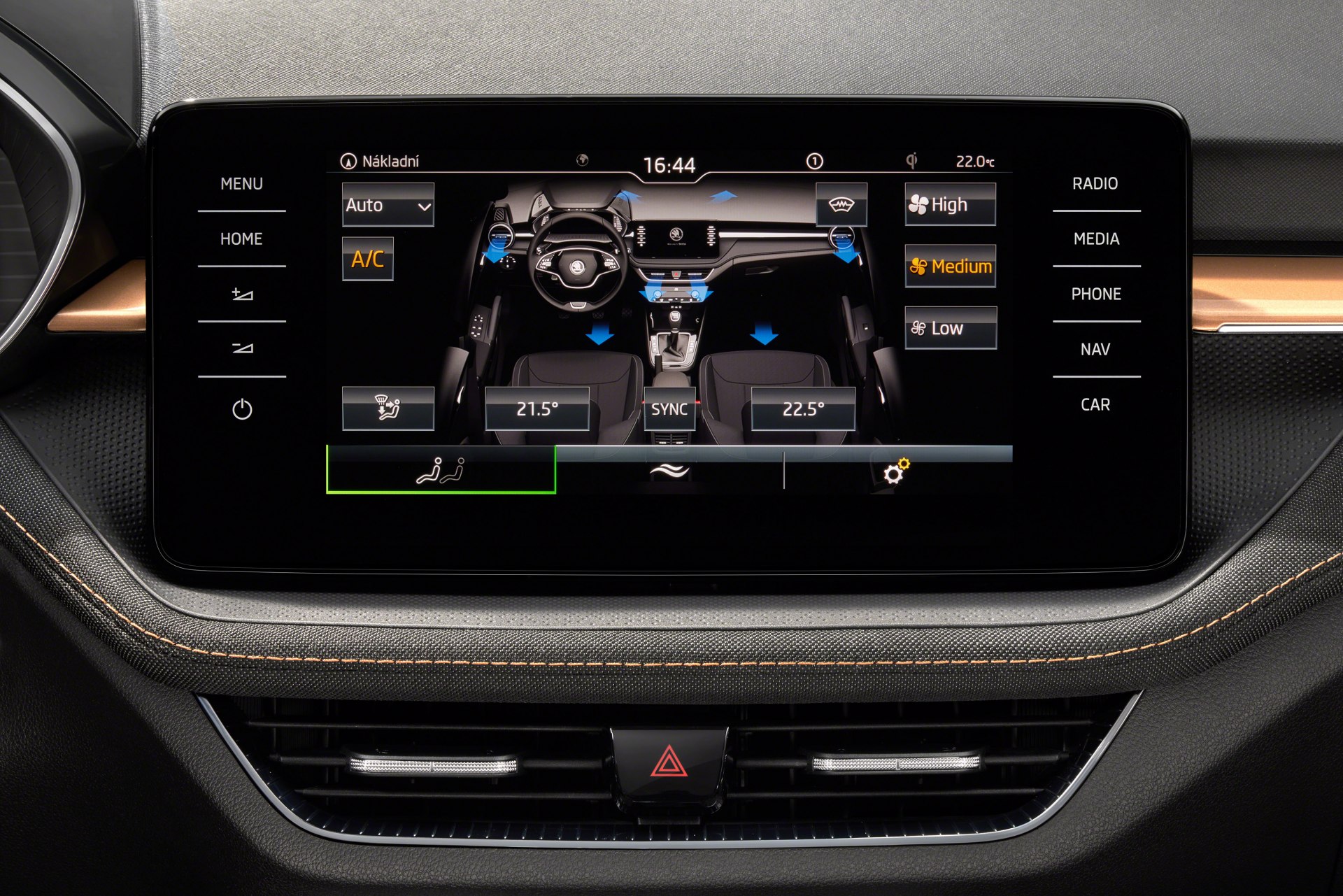
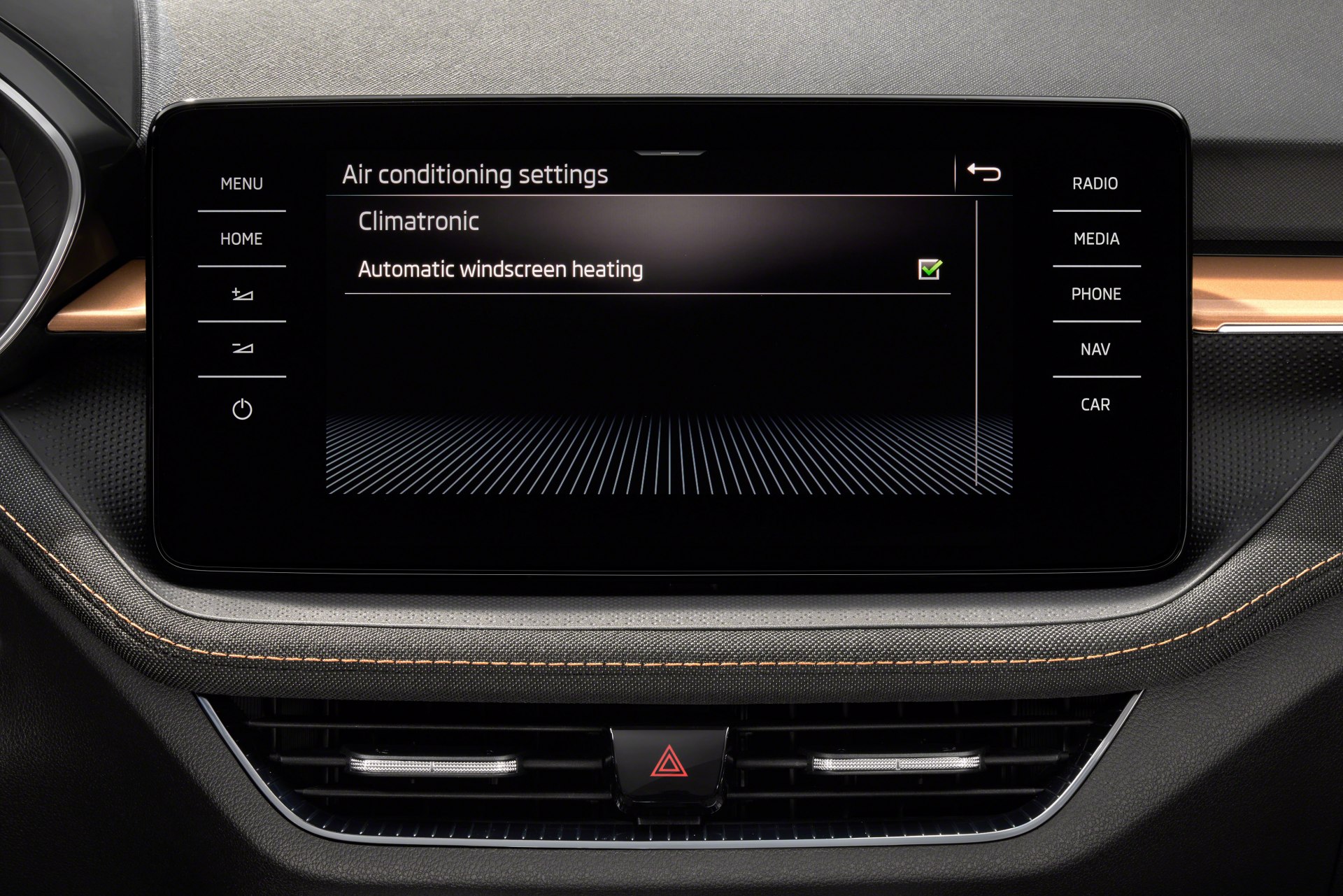
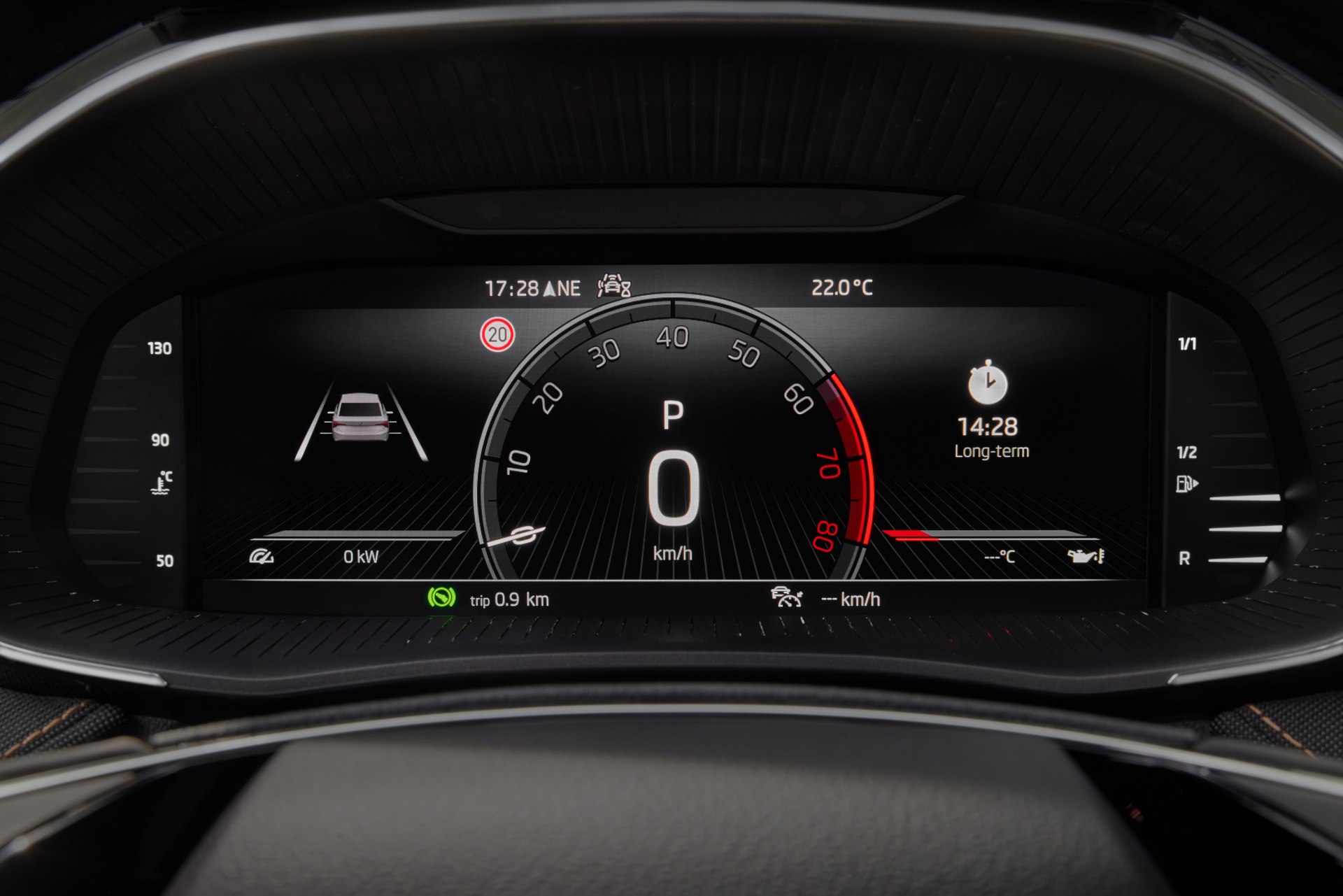
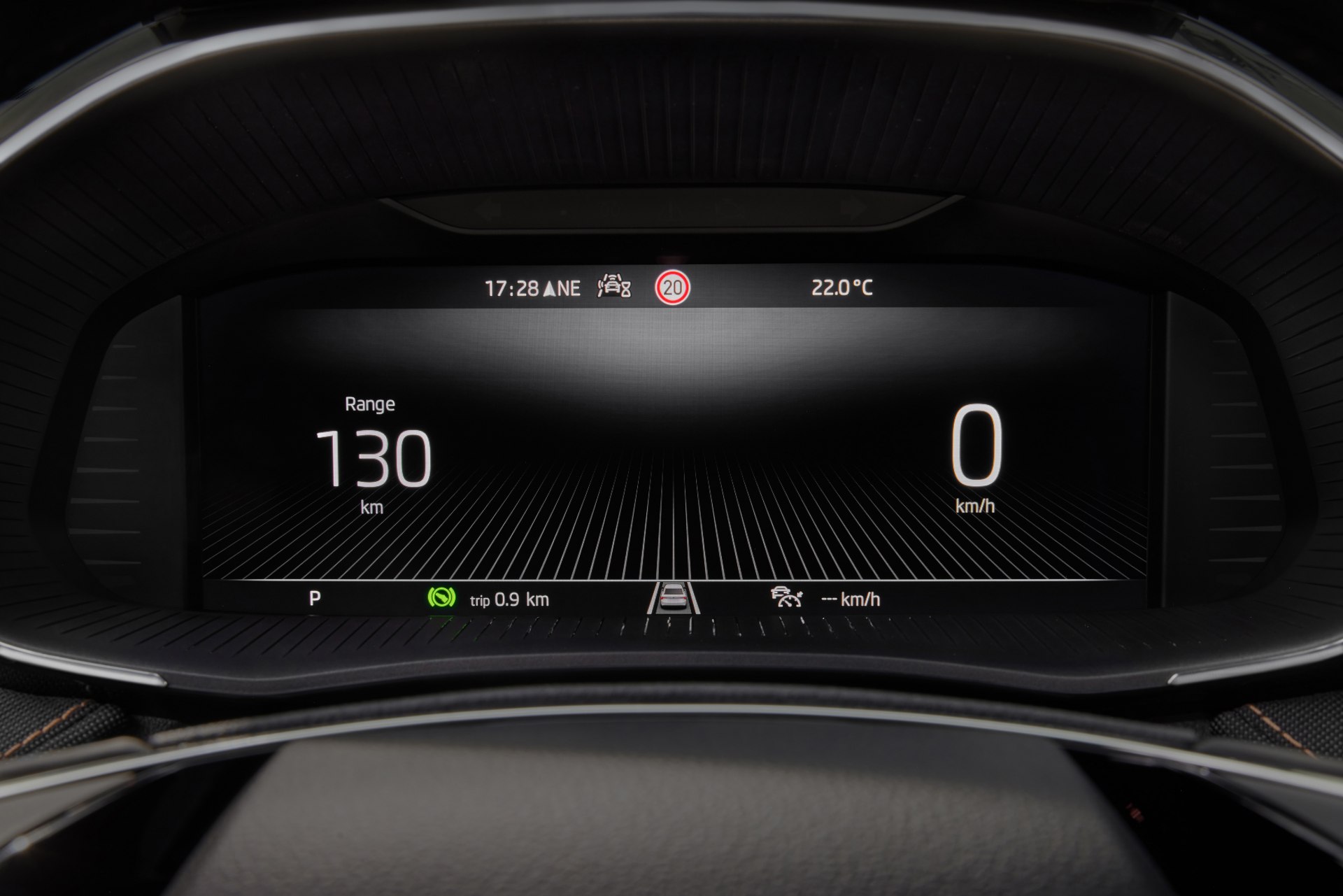
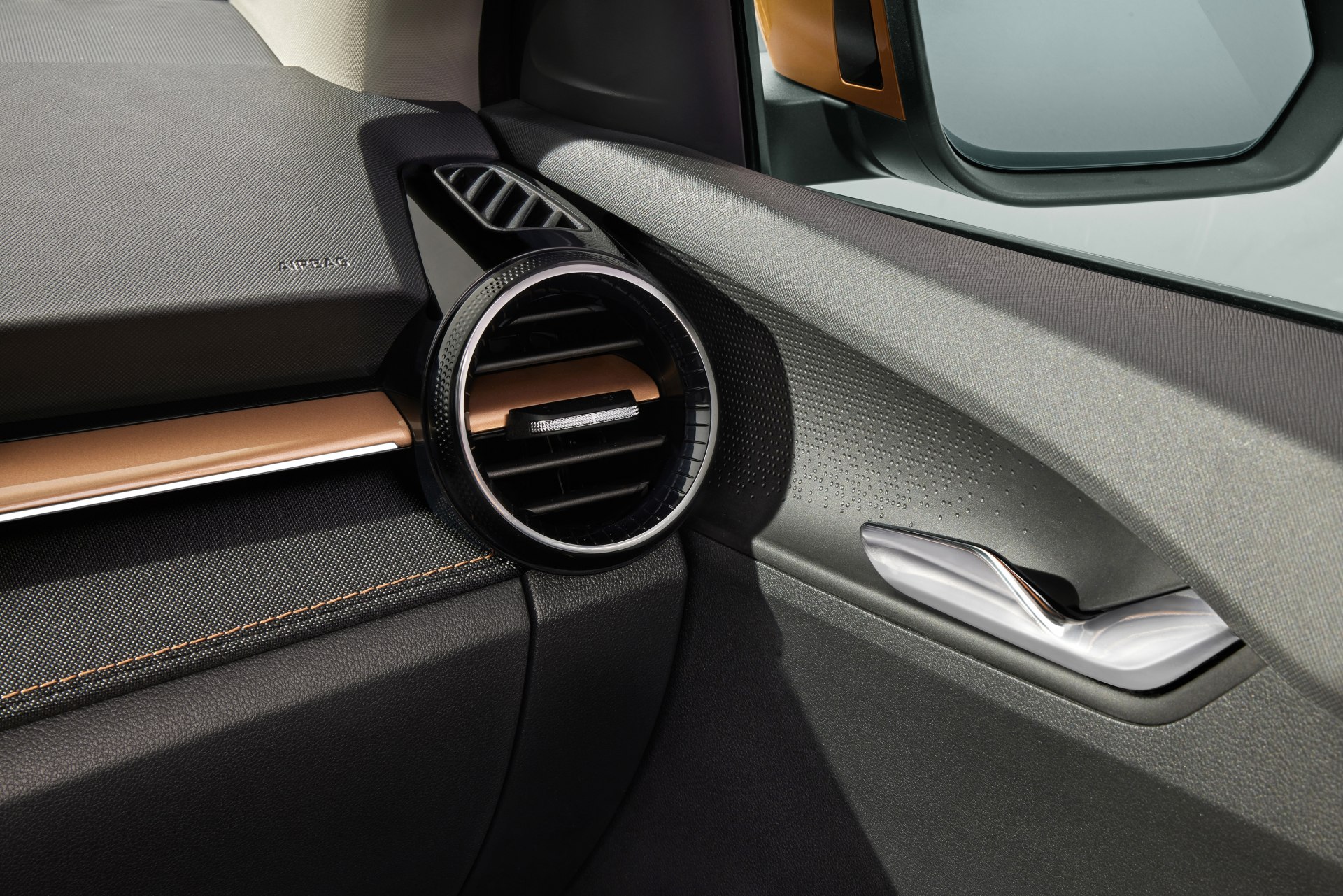
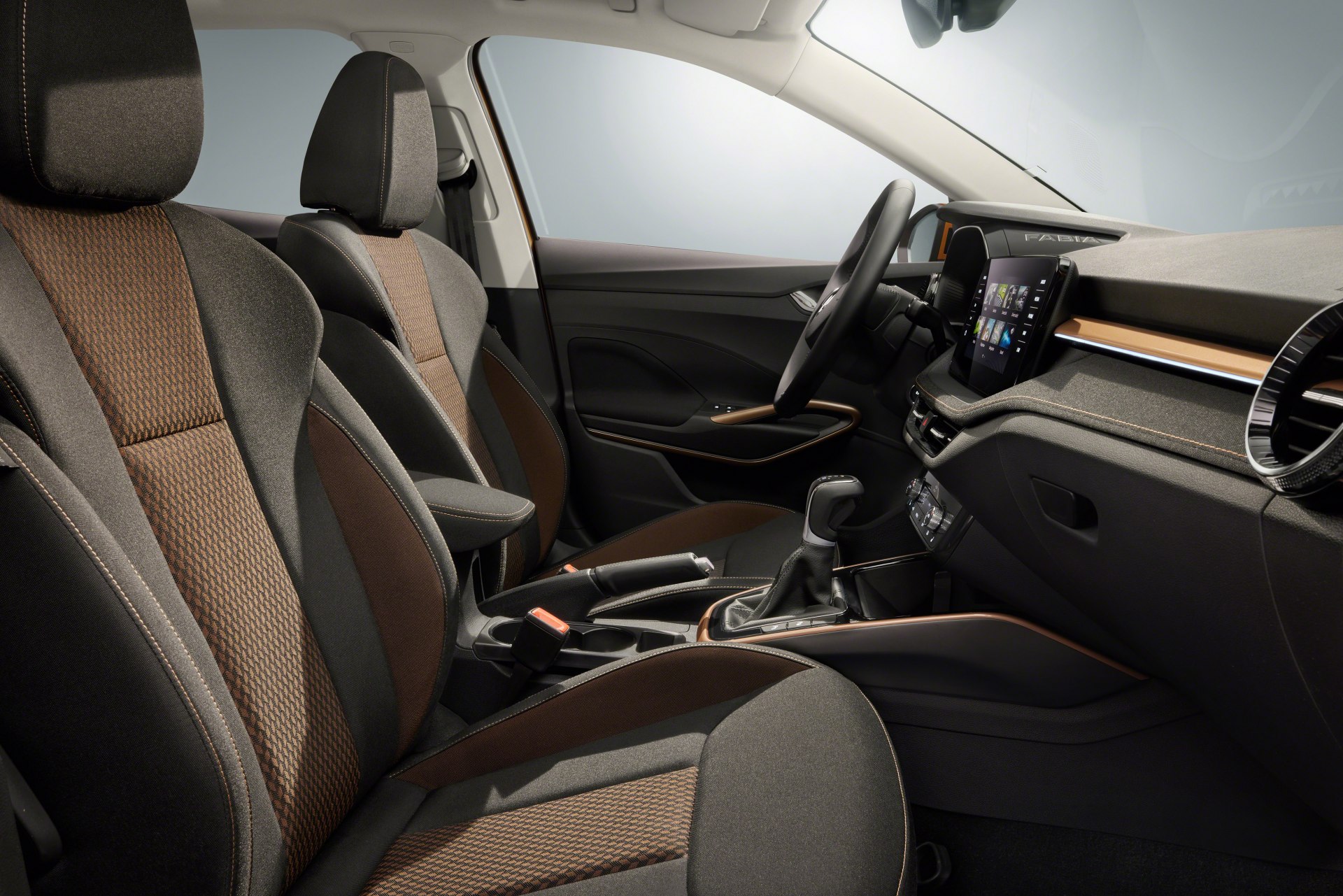
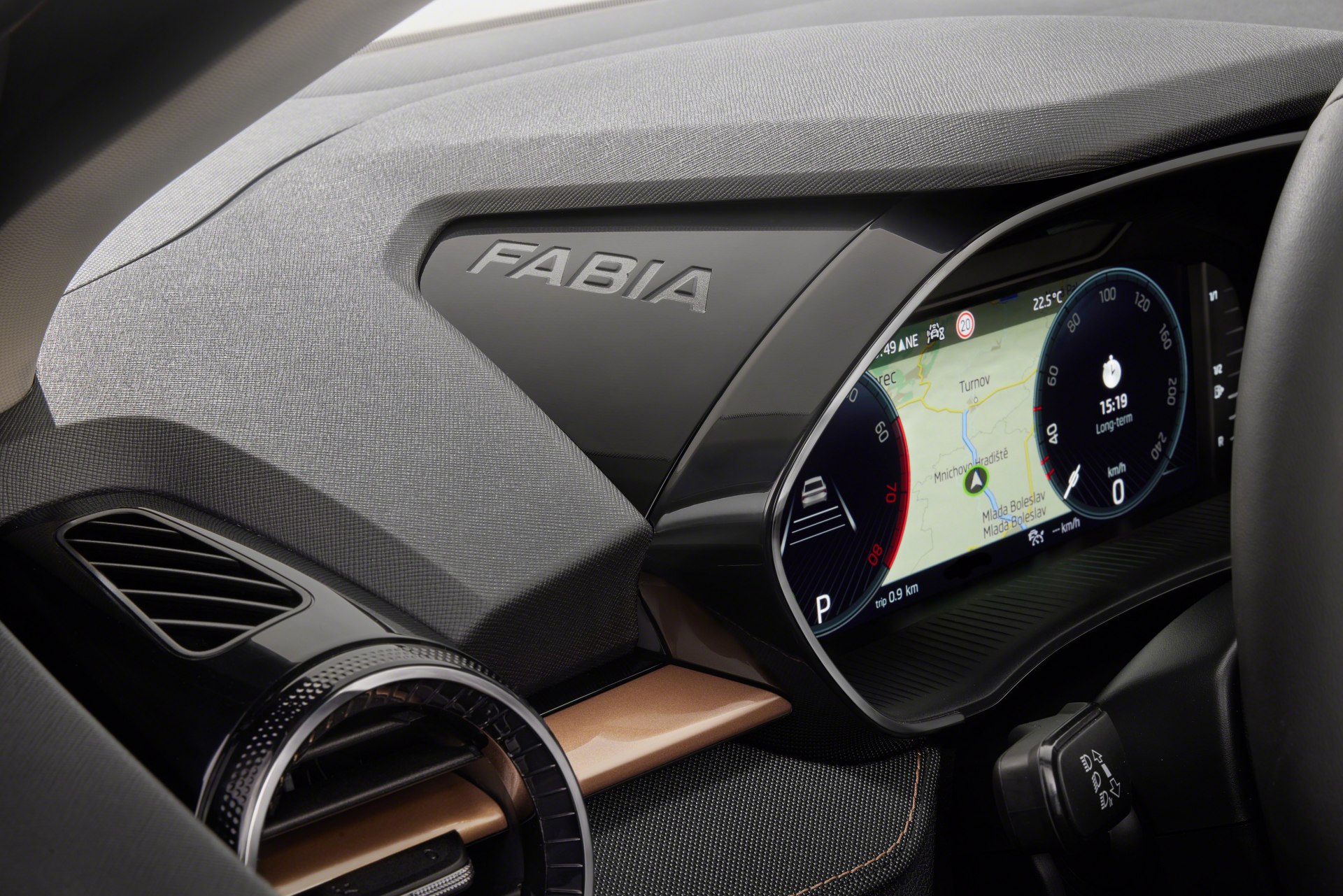
Inside, the Škoda Fabia follows the current Škoda Auto approach of combining digital displays with a clean, structured dashboard. The exact screen layout and trim depend on version, but the focus is on keeping navigation, media, vehicle functions and driver information easy to access.
Depending on specification, the cabin can include a digital instrument display, connected infotainment, smartphone integration and online services. Škoda also continues its Simply Clever approach with small storage and convenience solutions throughout the cabin.
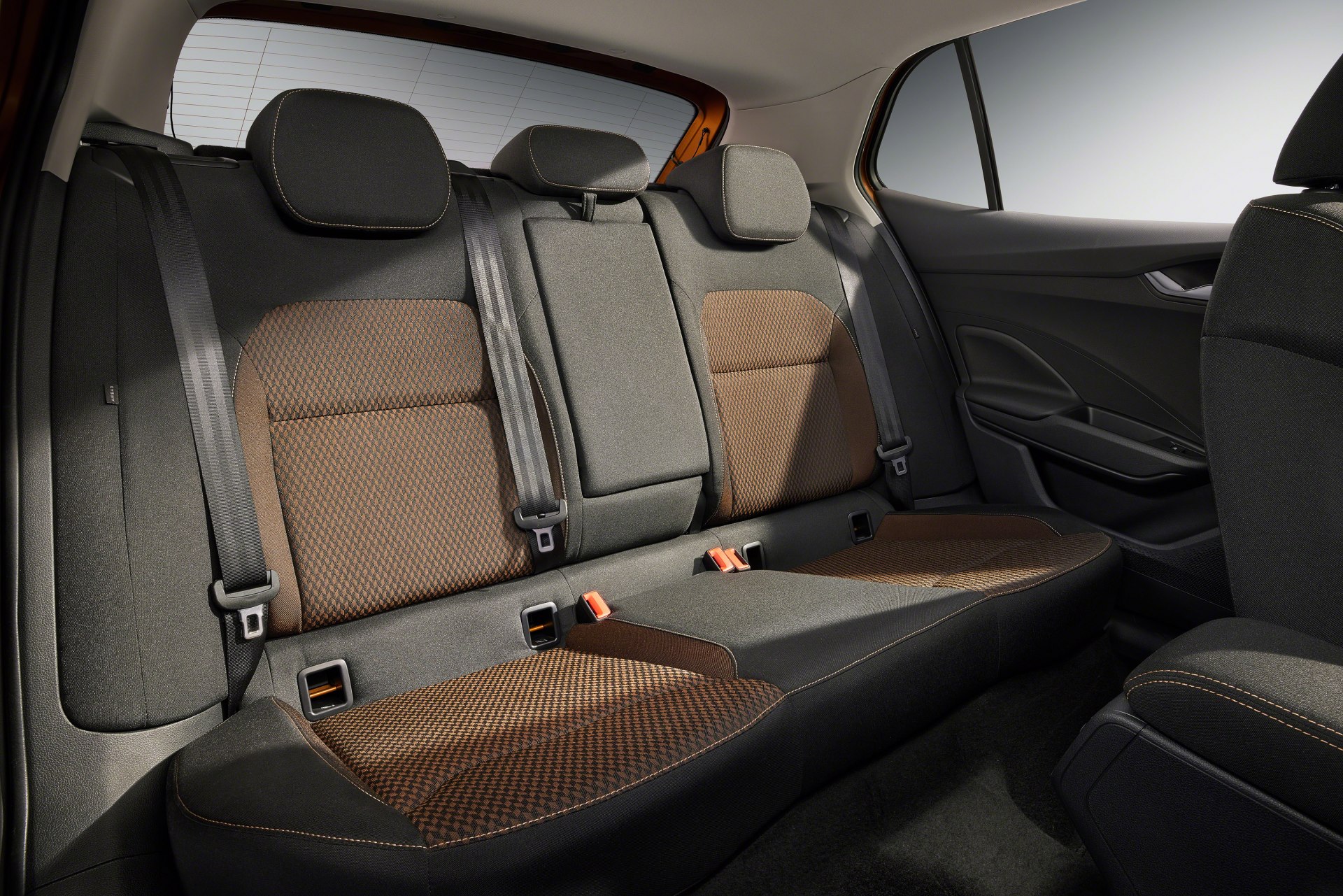
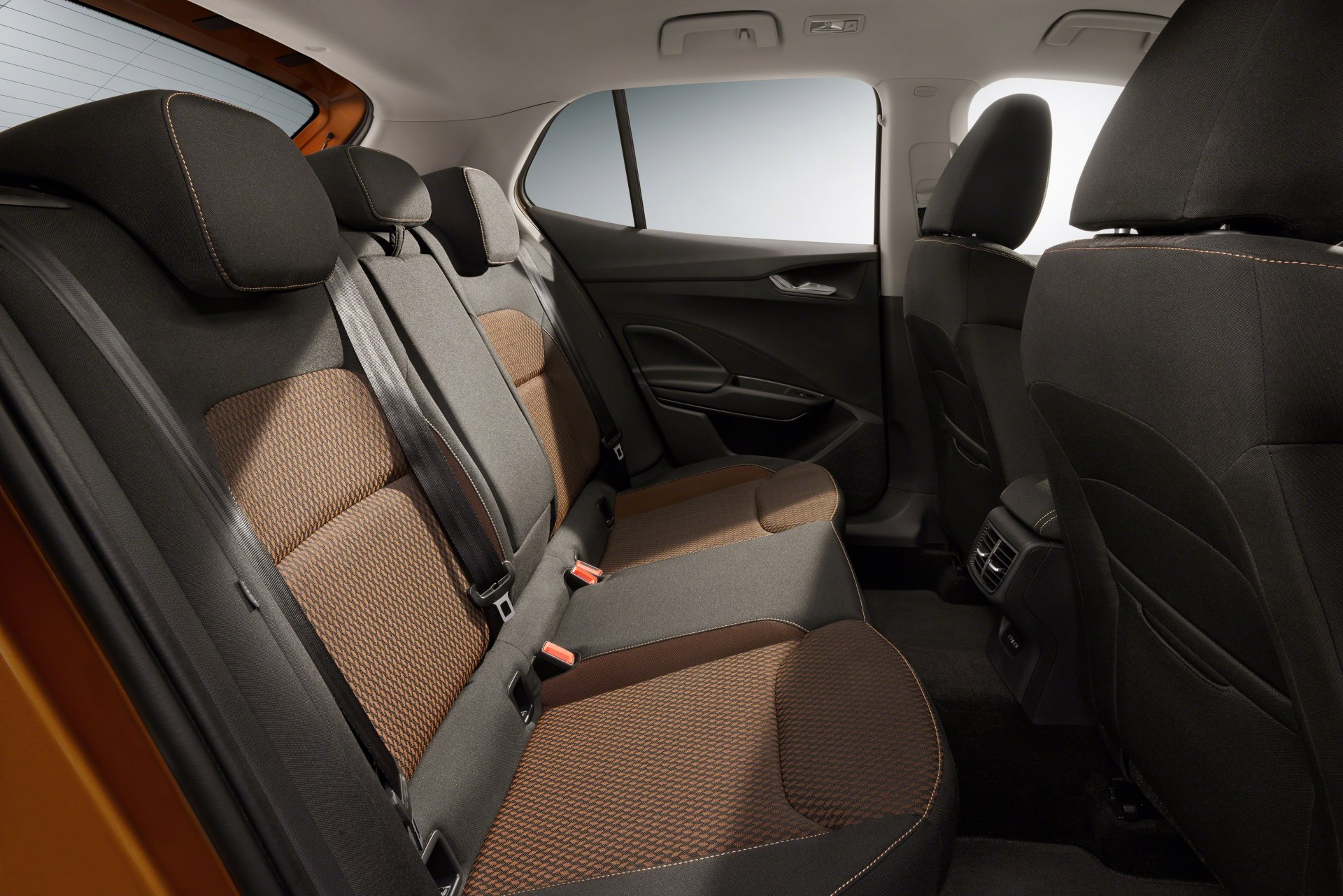
Material choice and seat design vary by trim. Sport-oriented versions generally use more supportive seats and darker detailing, while comfort-focused specifications place greater emphasis on softer materials and long-distance refinement.
Powertrain and performance
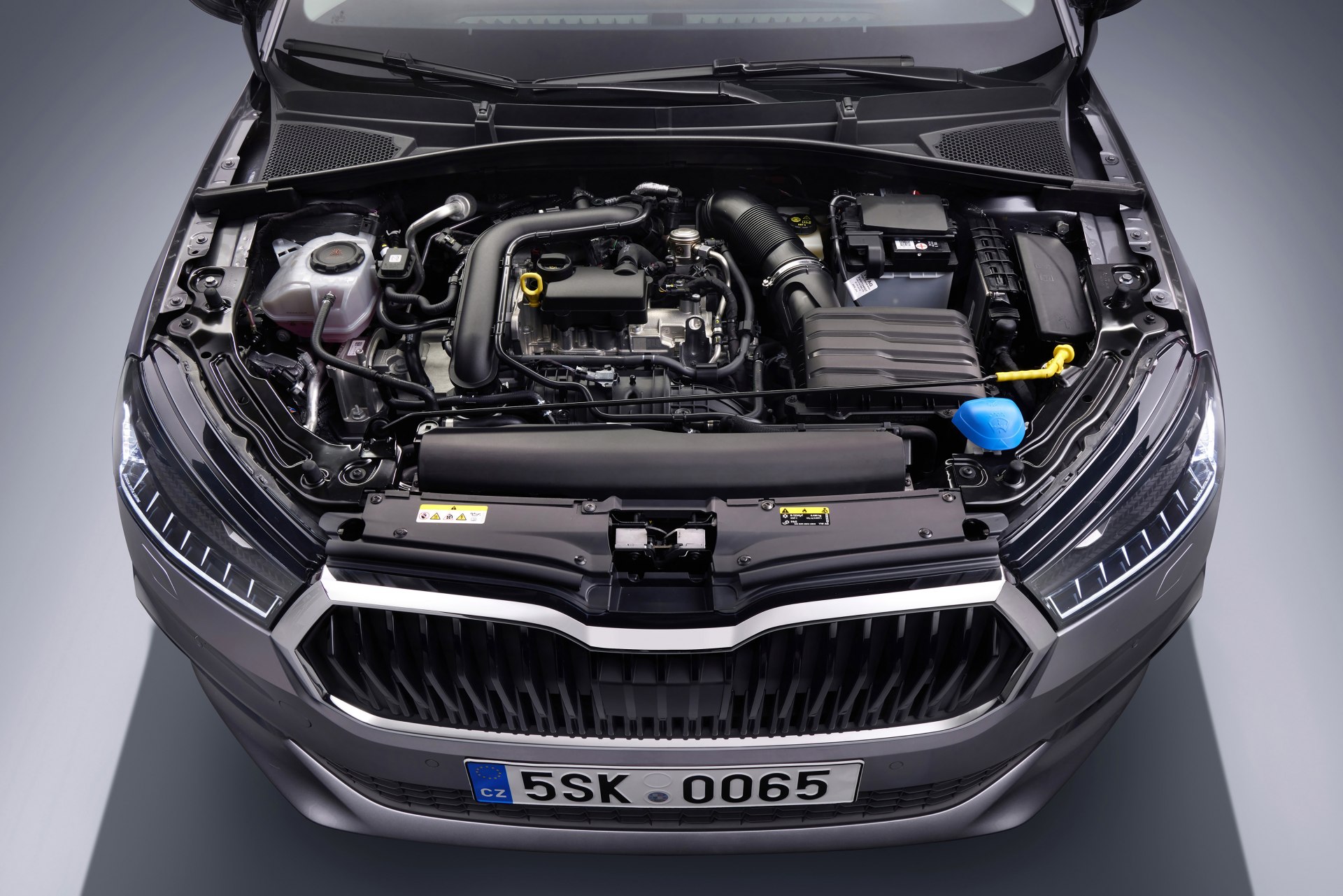
The current Fabia is petrol-powered. Across the wider range, power spans from efficient entry versions to the 130 kW Fabia 130. The 1.5 TSI-powered Fabia 130 pairs its stronger output with a seven-speed DSG and model-specific chassis tuning.
Real-world performance, efficiency and range depend on wheel size, equipment, temperature, driving style and market specification. For that reason, buyers should compare the exact local version rather than assuming every derivative delivers the headline figure of the most efficient or most powerful model.
Practicality and everyday use
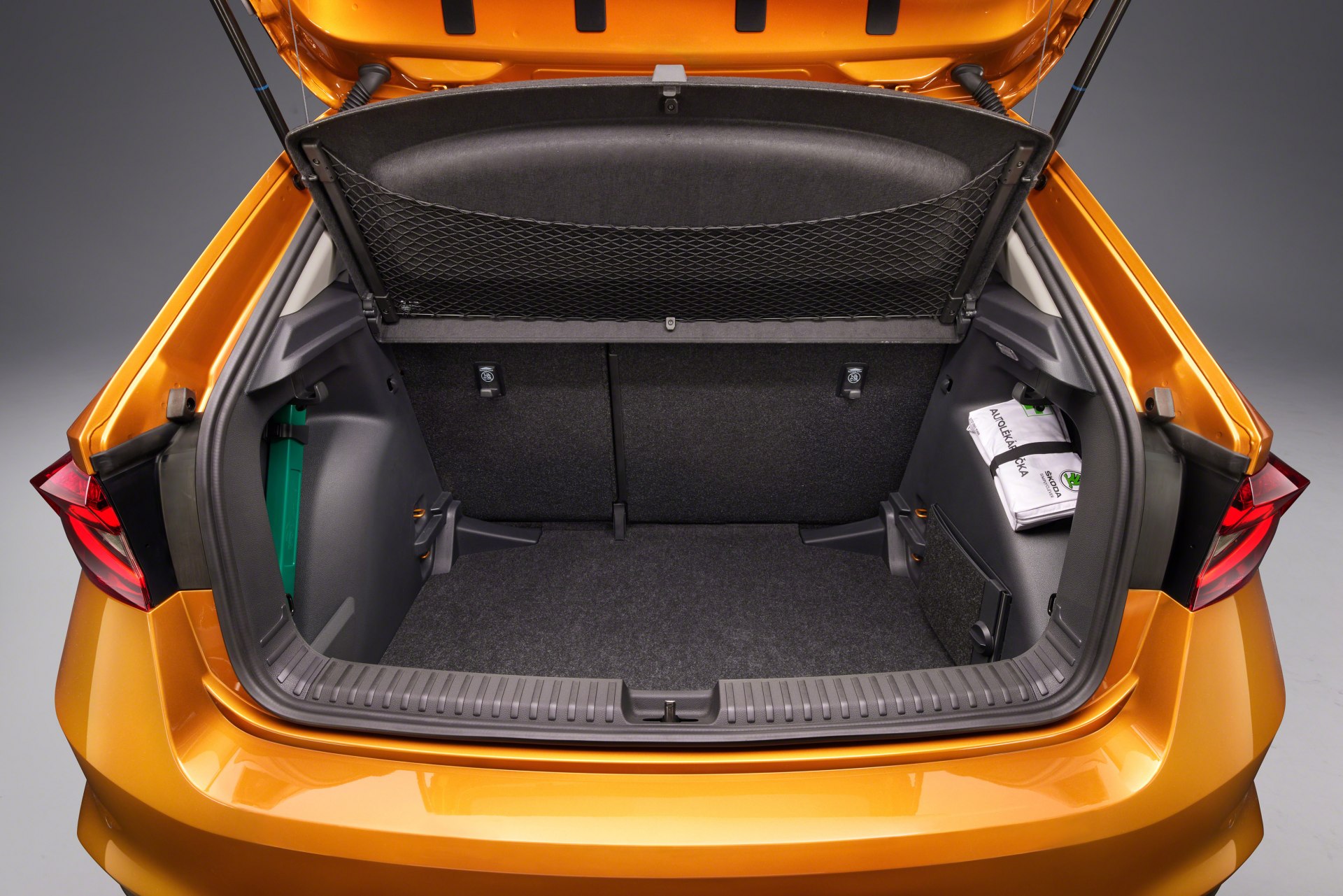
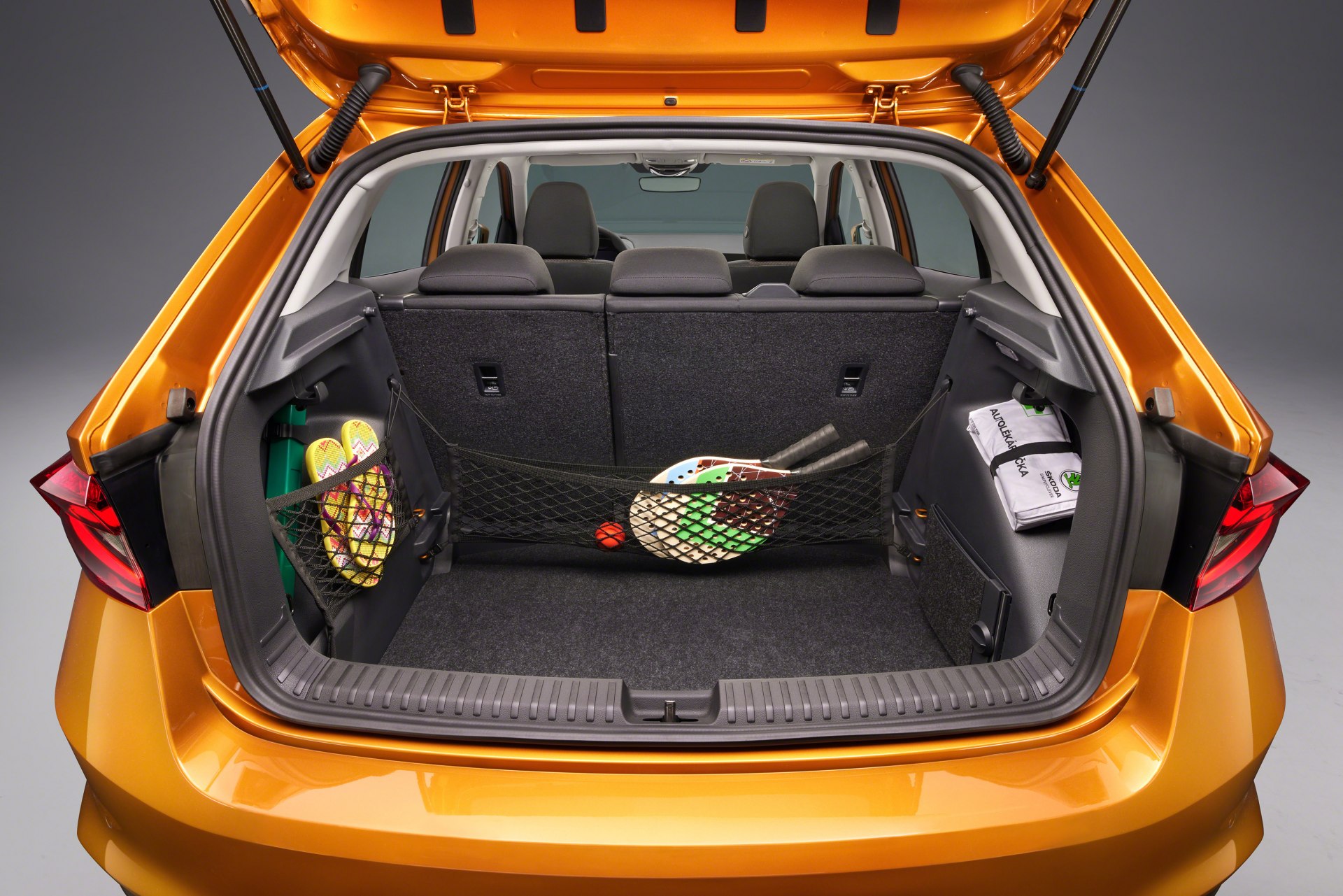
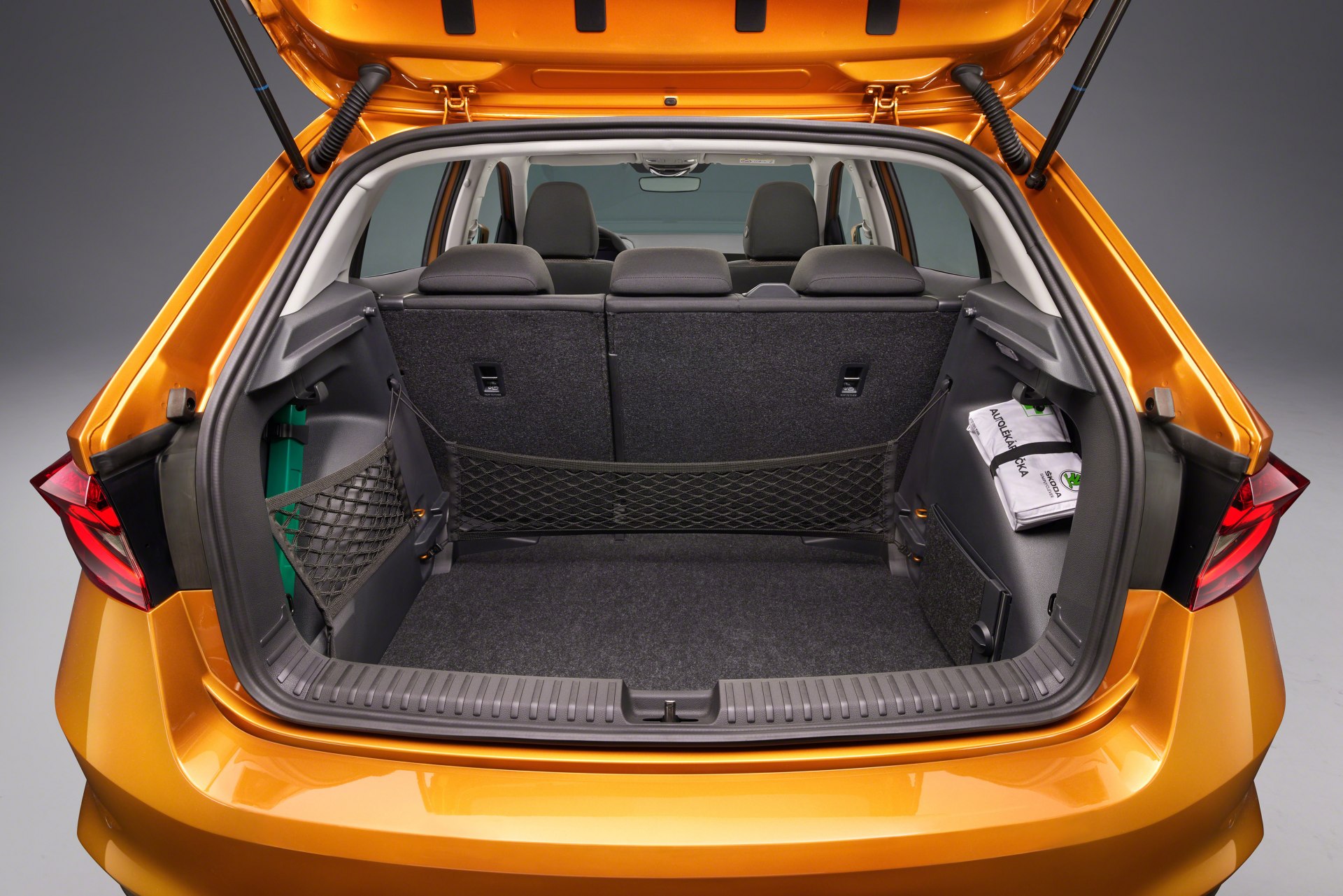
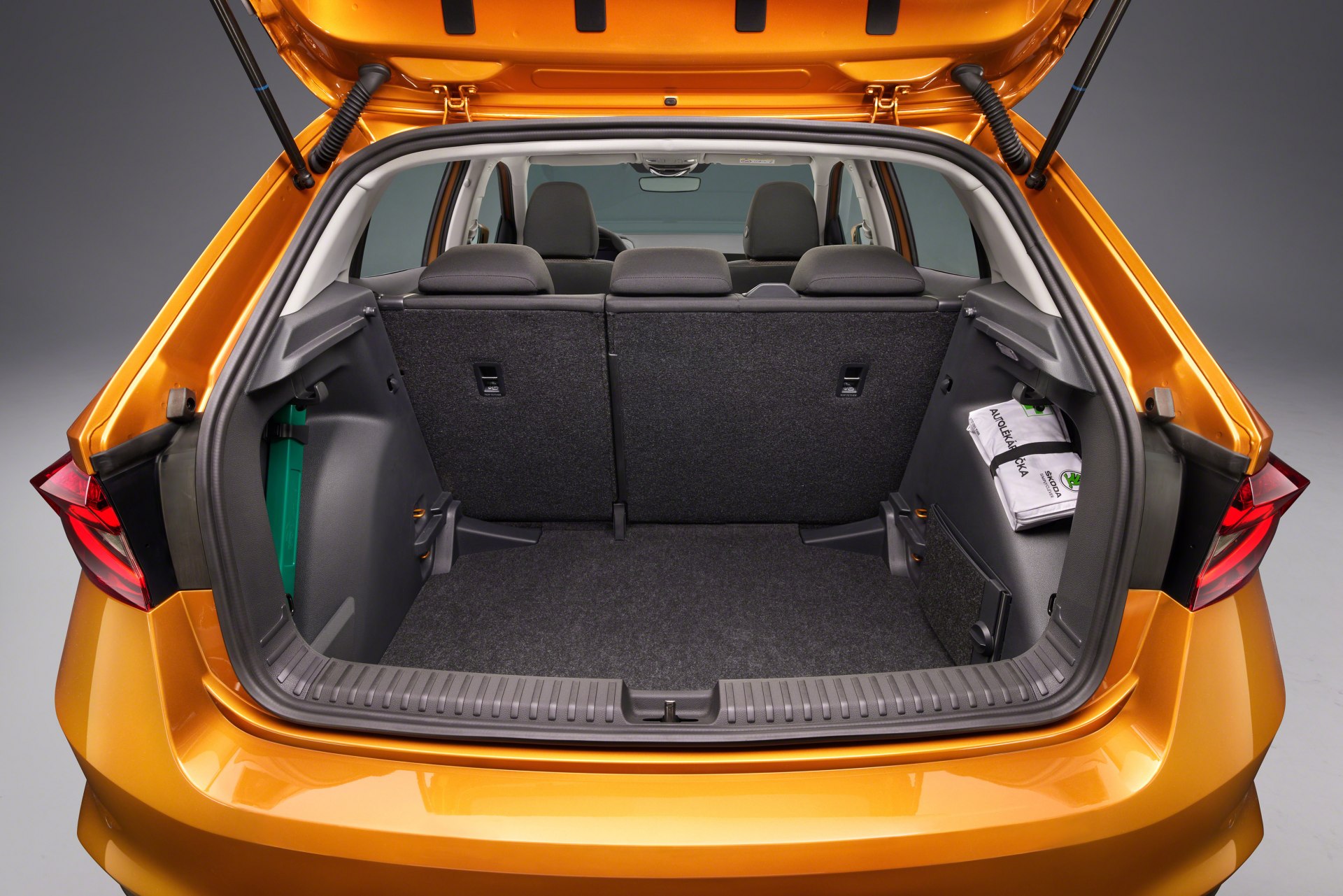
The 380-litre luggage compartment is a standout figure for a small hatchback. Folding the rear seats increases carrying capacity to around 1,190 litres, giving the Fabia enough flexibility for longer trips and small-family use.
Everyday usability also depends on details that do not always appear in headline specifications: rear-door access, storage space, charging or fuel access, seat-folding flexibility and the shape of the luggage compartment all matter when the car is used as a daily vehicle.
Technology and connectivity
Depending on specification, the cabin can include a digital instrument display, connected infotainment, smartphone integration and online services. Škoda also continues its Simply Clever approach with small storage and convenience solutions throughout the cabin.
Connected services increasingly tie navigation, vehicle status and smartphone functions together. On electrified models, the same software layer also handles charging information, route planning and energy-related functions.
Safety and driver assistance
The current Škoda Fabia is offered with a modern mix of active and passive safety systems. Equipment varies by trim and market, but current-generation driver assistance typically combines collision mitigation, lane and speed support, parking aids and increasingly sophisticated highway assistance.
These systems should be treated as support rather than a replacement for driver attention. Their exact availability can also depend on option packages, local regulations and software specification.
What matters most about this model
The Škoda Fabia is best understood through the role it plays in the range: a hatchback. Its strongest qualities come from how design, packaging and powertrain choices support that purpose rather than from any single headline number.
For a buyer, the most important comparison is usually between the specific drivetrain and equipment levels that fit the intended use: urban driving, long-distance travel, family carrying, performance or electric efficiency.
Source & photos: Škoda Auto.