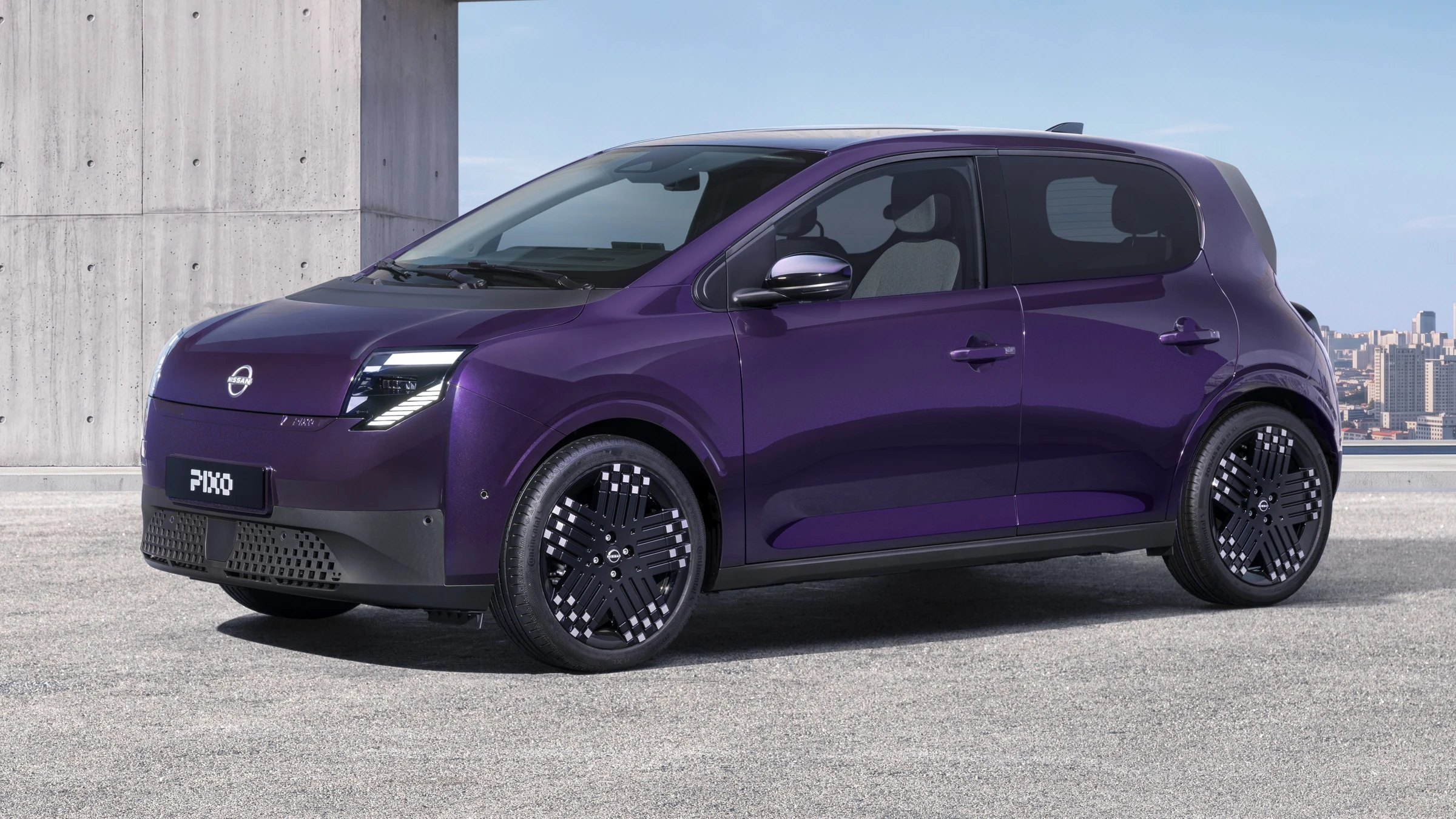
The all-new Nissan Pixo is a compact electric city car developed for European drivers who want a small EV with simple dimensions, useful interior space and modern connectivity. Nissan is returning to Europe's A-segment with a 27.5 kWh LFP battery, up to 259 km of WLTP range, 50 kW DC fast charging and 11 kW AC charging. The Pixo is designed around urban driving rather than outright performance, but its specification gives it enough range and charging flexibility for more than very short city journeys.
This Nissan Pixo overview covers the main details people are likely to search for: Nissan Pixo range, battery capacity, charging speed, charging time, power output, dimensions, interior, boot space, Google built-in technology, price information, release timing and official specifications. It also explains what the numbers mean for everyday use instead of presenting the Pixo as a simple photo gallery.
Nissan Pixo electric overview
The Nissan Pixo is an A-segment battery-electric hatchback created primarily for European cities. It measures 3,796 mm long and uses a 2,492 mm wheelbase, so a large percentage of its total length is dedicated to the cabin. The body is compact enough for tight streets and parking spaces, and Nissan quotes a 9.9-metre turning circle.
Nissan developed the Pixo in partnership with Renault. The collaboration allows the company to enter the small-EV segment with a focused European product while Nissan retains its own exterior and product identity. Production is planned at Renault's Novo Mesto plant in Slovenia.
Nissan Pixo range and 27.5 kWh LFP battery
The Nissan Pixo battery has a capacity of 27.5 kWh and uses lithium-iron-phosphate chemistry. Nissan says this is the first LFP battery used in one of its European models. LFP chemistry is increasingly common in smaller electric cars because it can suit vehicles designed around cost, durability and everyday charging rather than maximum battery size.
Official Nissan Pixo range is up to 259 km on the WLTP cycle. That figure places the Pixo clearly in the city-car category, but it also gives it enough official range for many suburban commutes, cross-town journeys and routine daily driving without requiring a very large battery pack.
Anyone searching for real-world Nissan Pixo range should remember that actual distance varies with speed, temperature, heating or air-conditioning use, road conditions and driving style. The 259 km figure is the official WLTP reference published by Nissan rather than a guarantee for every journey.
Nissan Pixo charging speed and charging time
DC fast charging is rated at 50 kW. Nissan quotes a 15-to-80-percent charging time of approximately 28 minutes when the Pixo is connected to a suitable rapid charger and conditions allow the battery to accept its maximum rate.
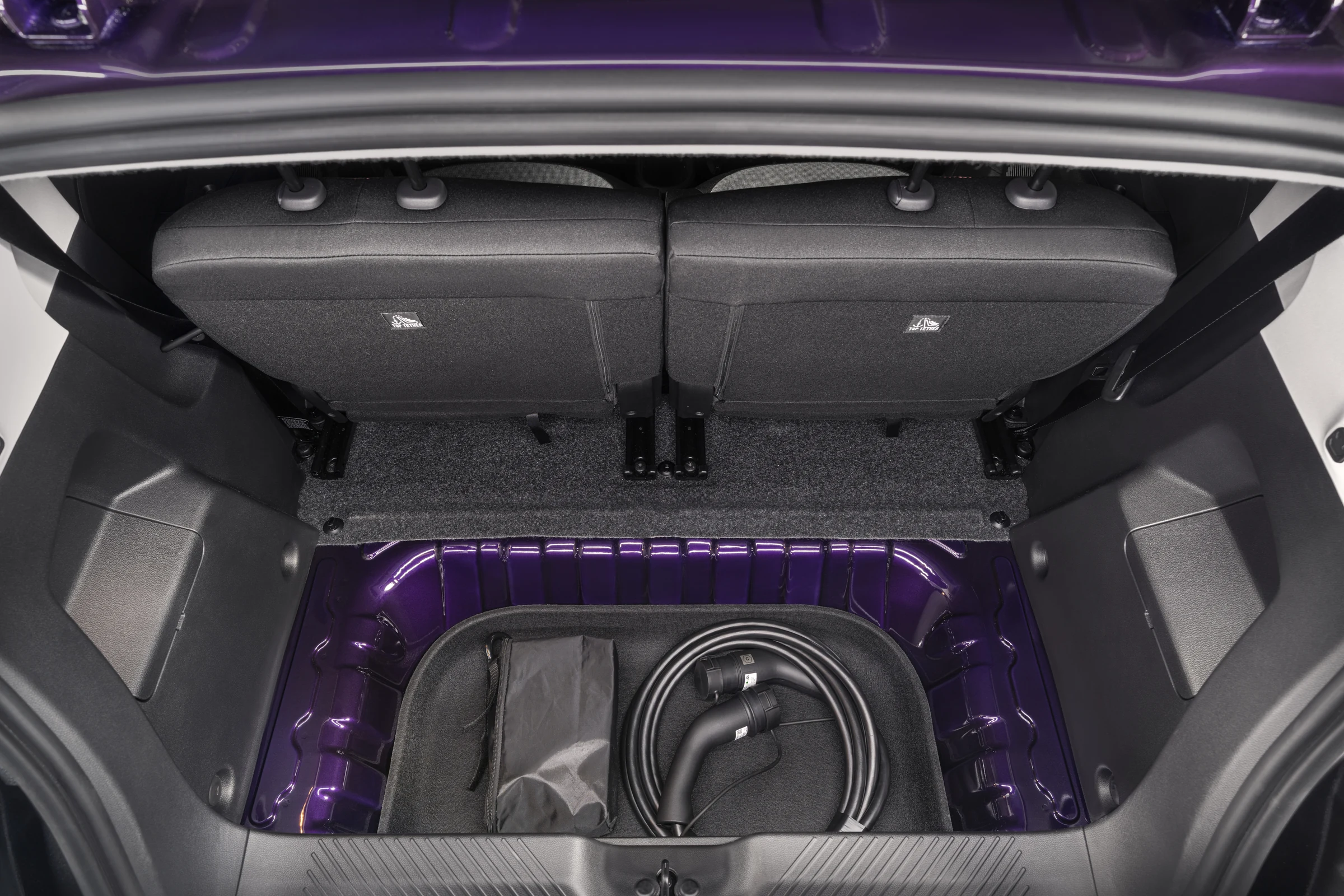
For home and workplace charging, the Nissan Pixo supports 11 kW AC charging as standard. Nissan's published specification also lists bidirectional capability for the AC charging system. The relatively small 27.5 kWh battery means that even moderate AC charging power can replenish a substantial portion of the battery during a normal overnight stop.
For buyers comparing Nissan Pixo charging time with larger EVs, peak charging power alone does not tell the whole story. A 50 kW maximum sounds modest next to high-end electric cars, but the Pixo also has a much smaller battery. The official 28-minute 15-to-80-percent figure is therefore the more useful number for planning a charging stop.
Nissan Pixo motor power and performance
The Pixo electric motor produces 60 kW, equivalent to roughly 82 metric horsepower. Nissan has not positioned the Pixo as a performance EV. Instead, the motor output is matched to the car's compact size and urban mission, where low-speed response, efficiency and ease of use matter more than a very high top-end power figure.
Nissan also equips the car with e-Pedal technology. In suitable conditions, stronger regenerative deceleration allows the driver to manage more of the car's speed through the accelerator pedal, which can make stop-start city driving more relaxed and help recover energy during deceleration.
Nissan Pixo dimensions and city-car size
| Overall length | 3,796 mm |
|---|---|
| Wheelbase | 2,492 mm |
| Overall width without mirrors | 1,790 mm |
| Height | 1,512 mm |
| Front overhang | 741 mm |
| Rear overhang | 563 mm |
| Ground clearance | 140 mm |
| Turning circle | 9.9 m |
These Nissan Pixo dimensions explain its role. At under 3.8 metres long, it is significantly easier to place in a small parking space than a family SUV, yet the wheelbase is long enough relative to the body to make useful passenger space possible. Short overhangs also contribute to the compact footprint.
Nissan Pixo interior and boot space
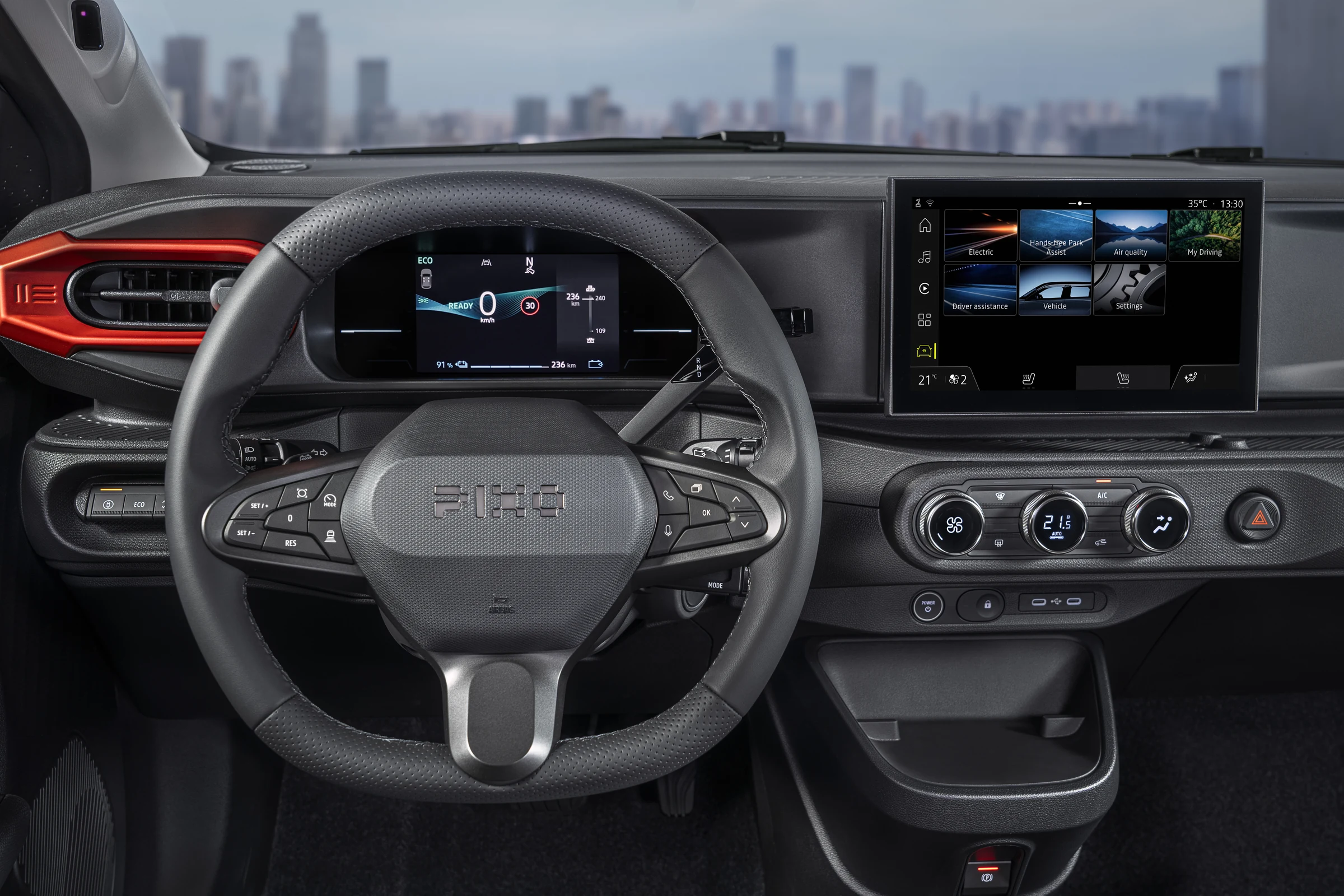
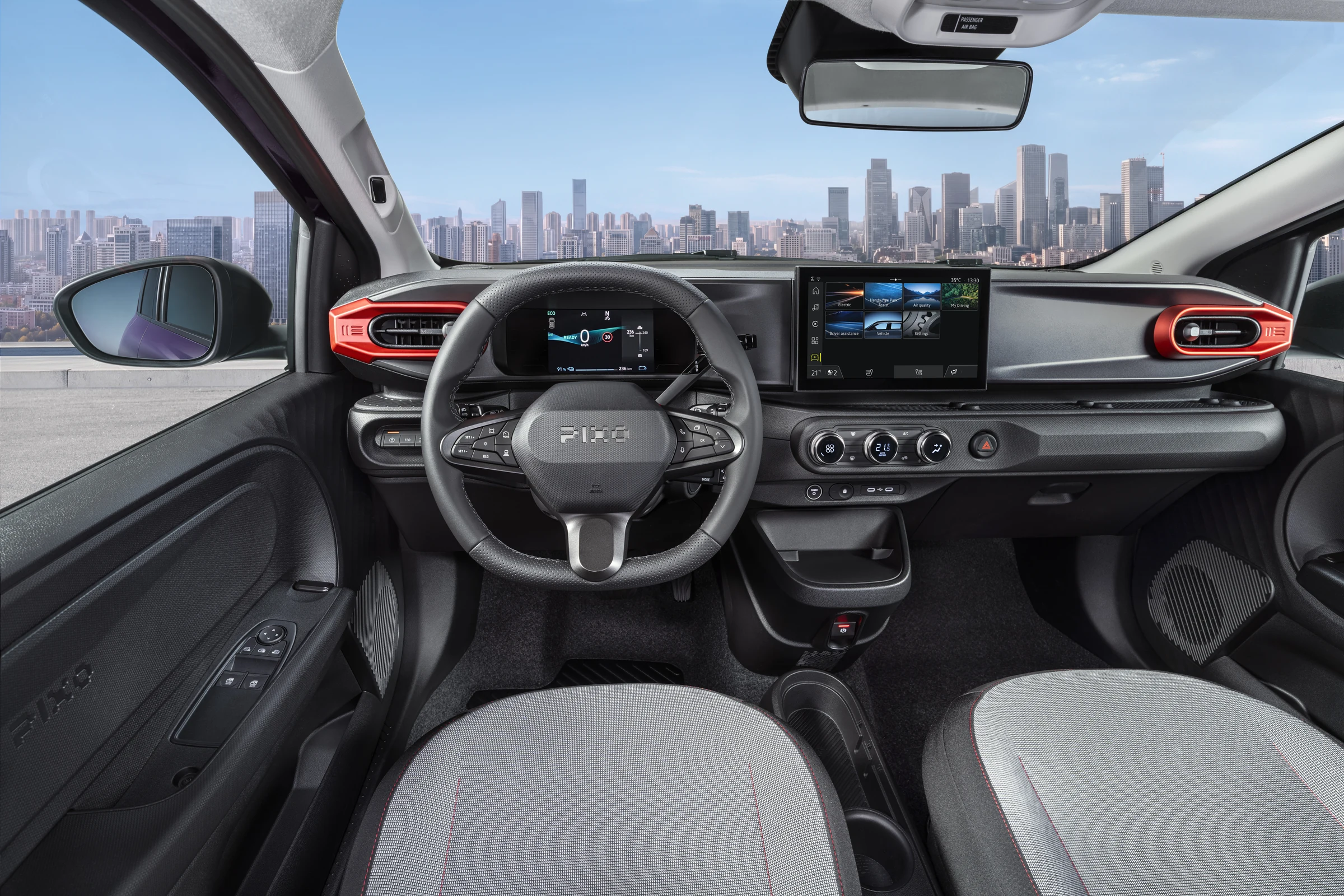
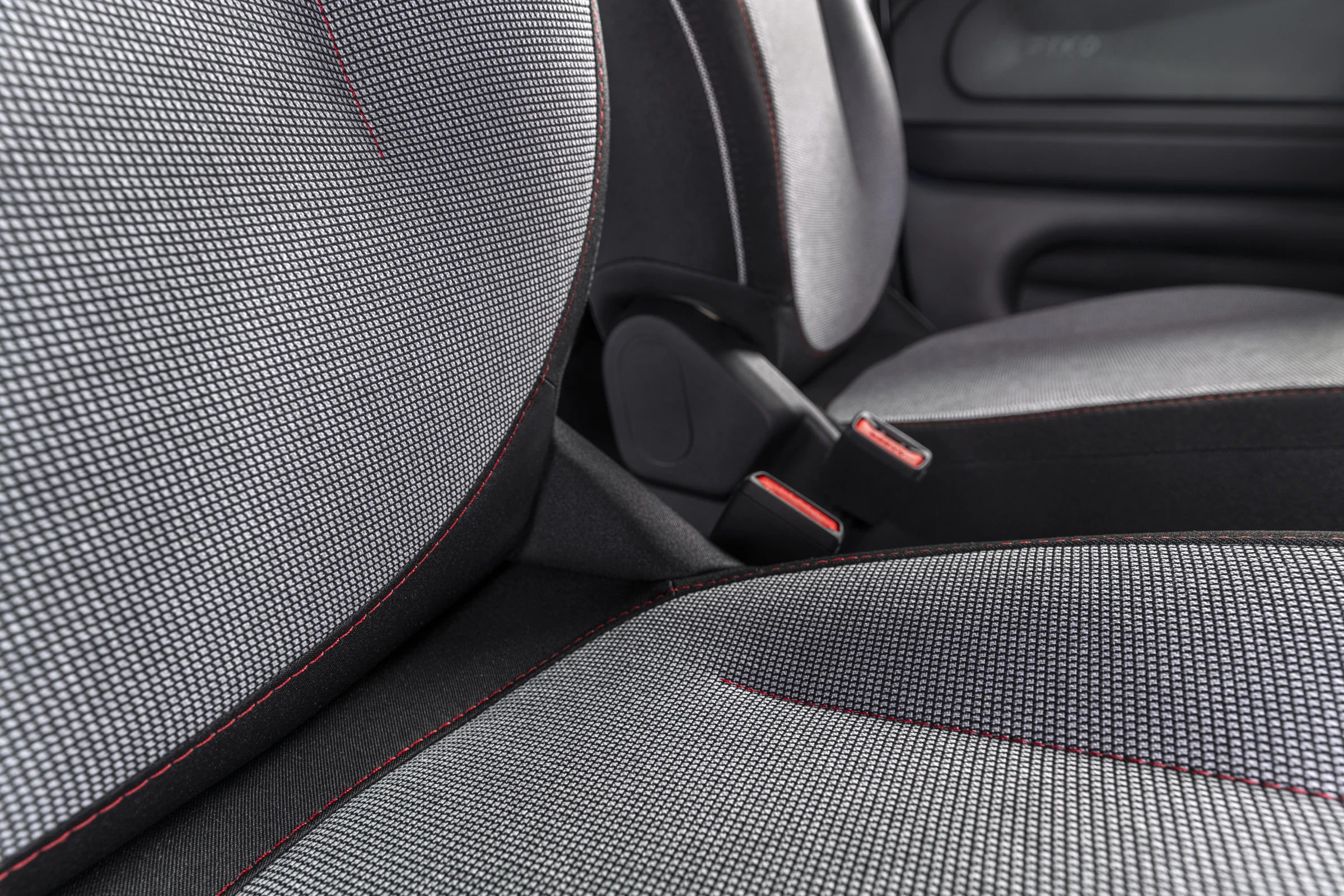
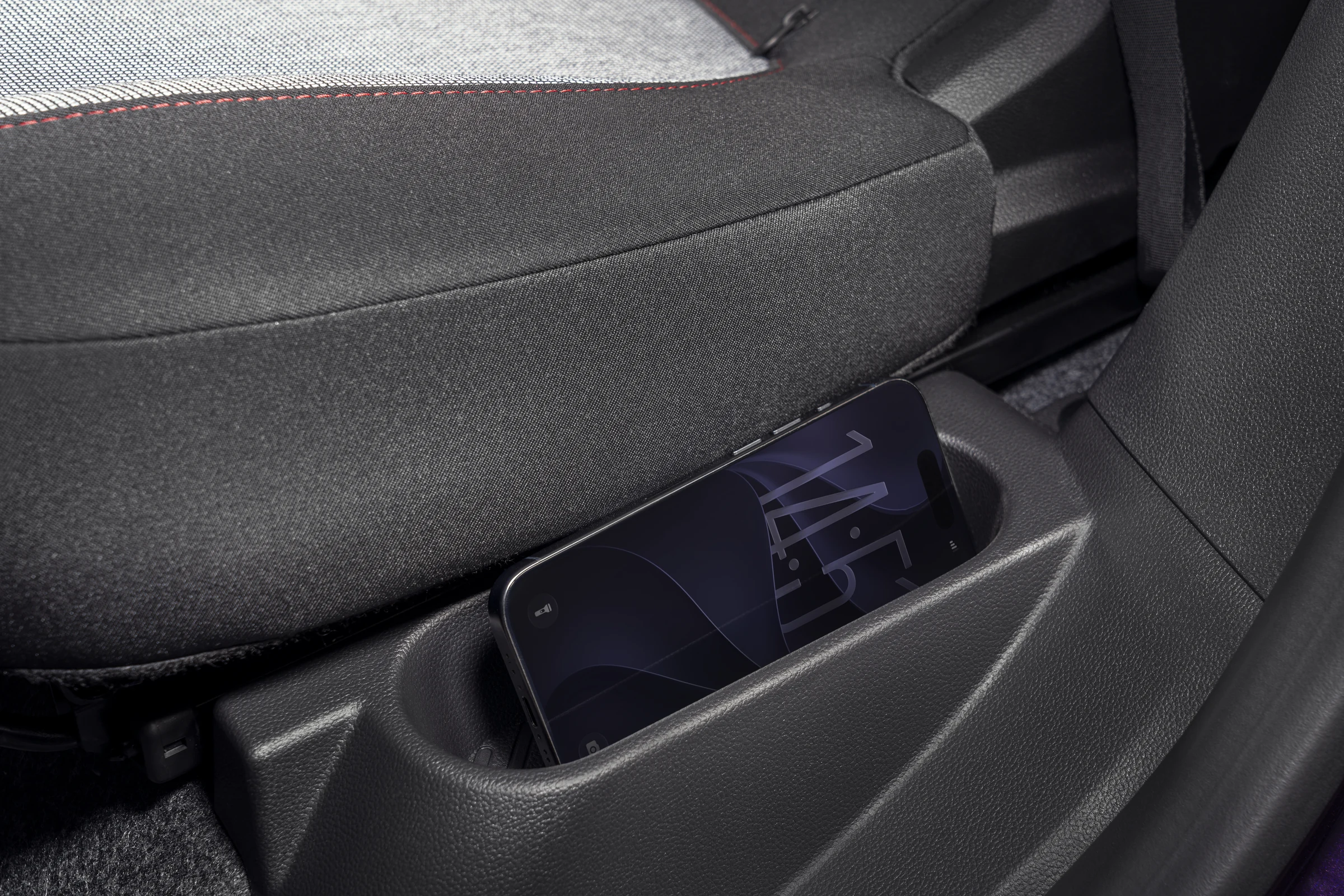
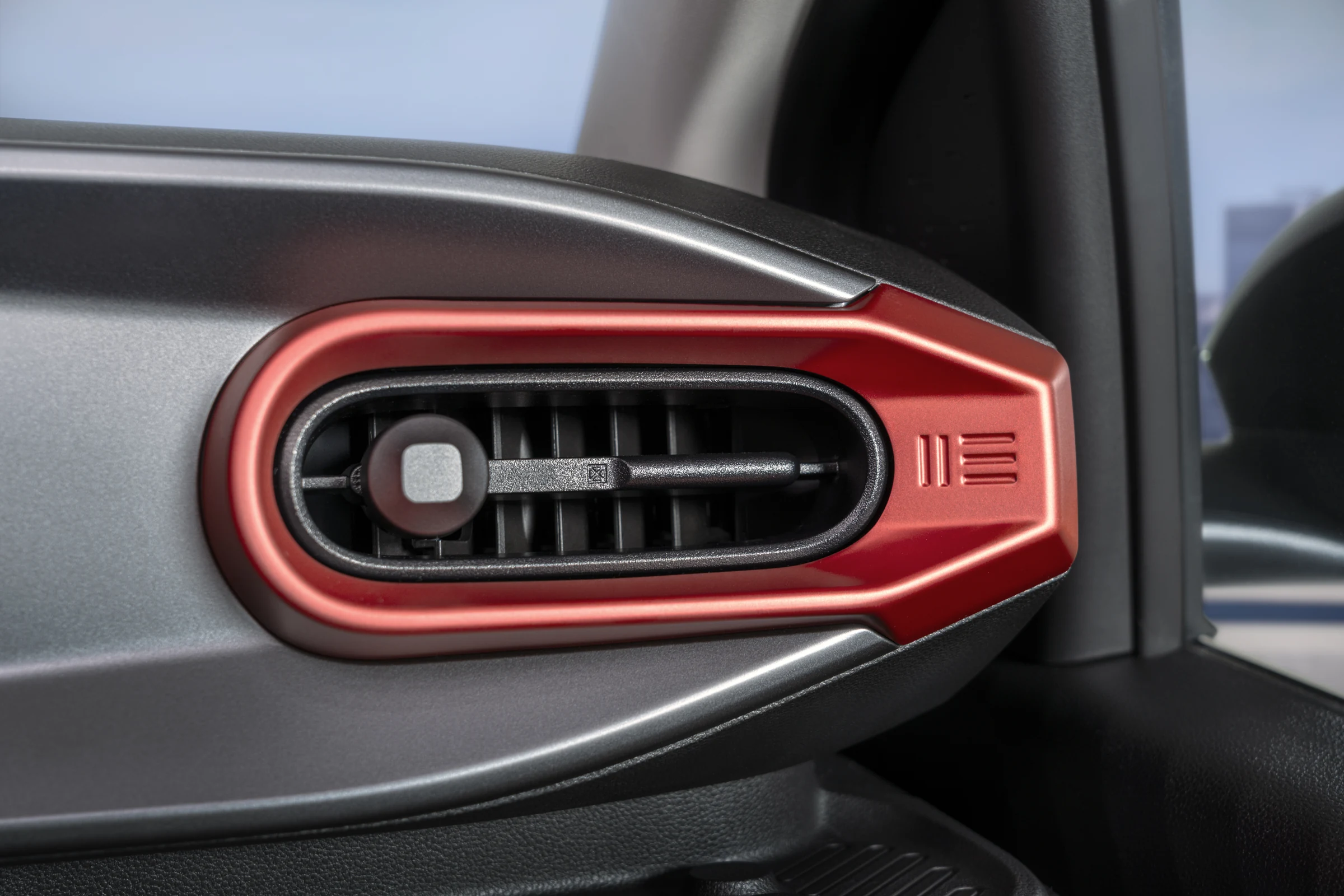
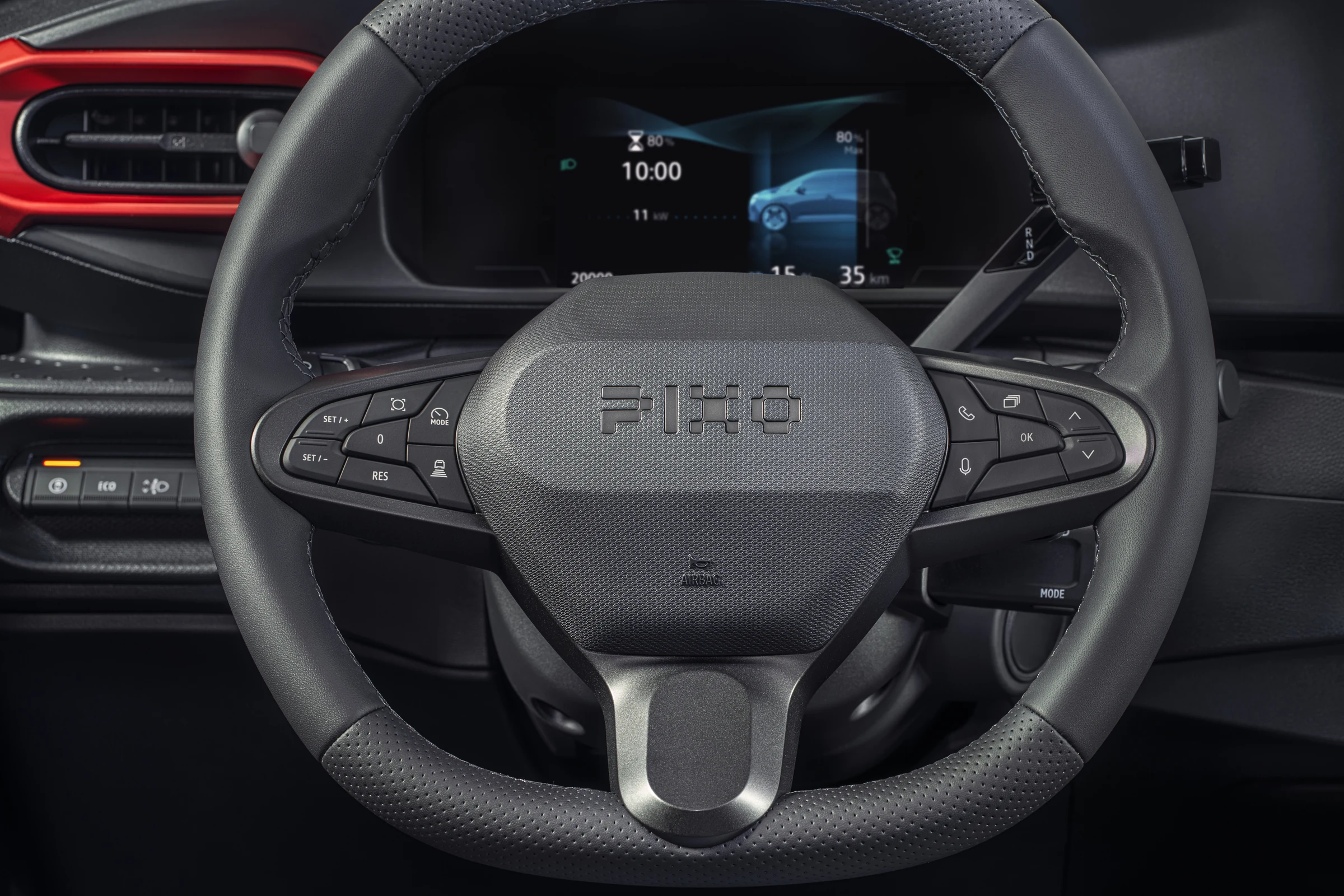
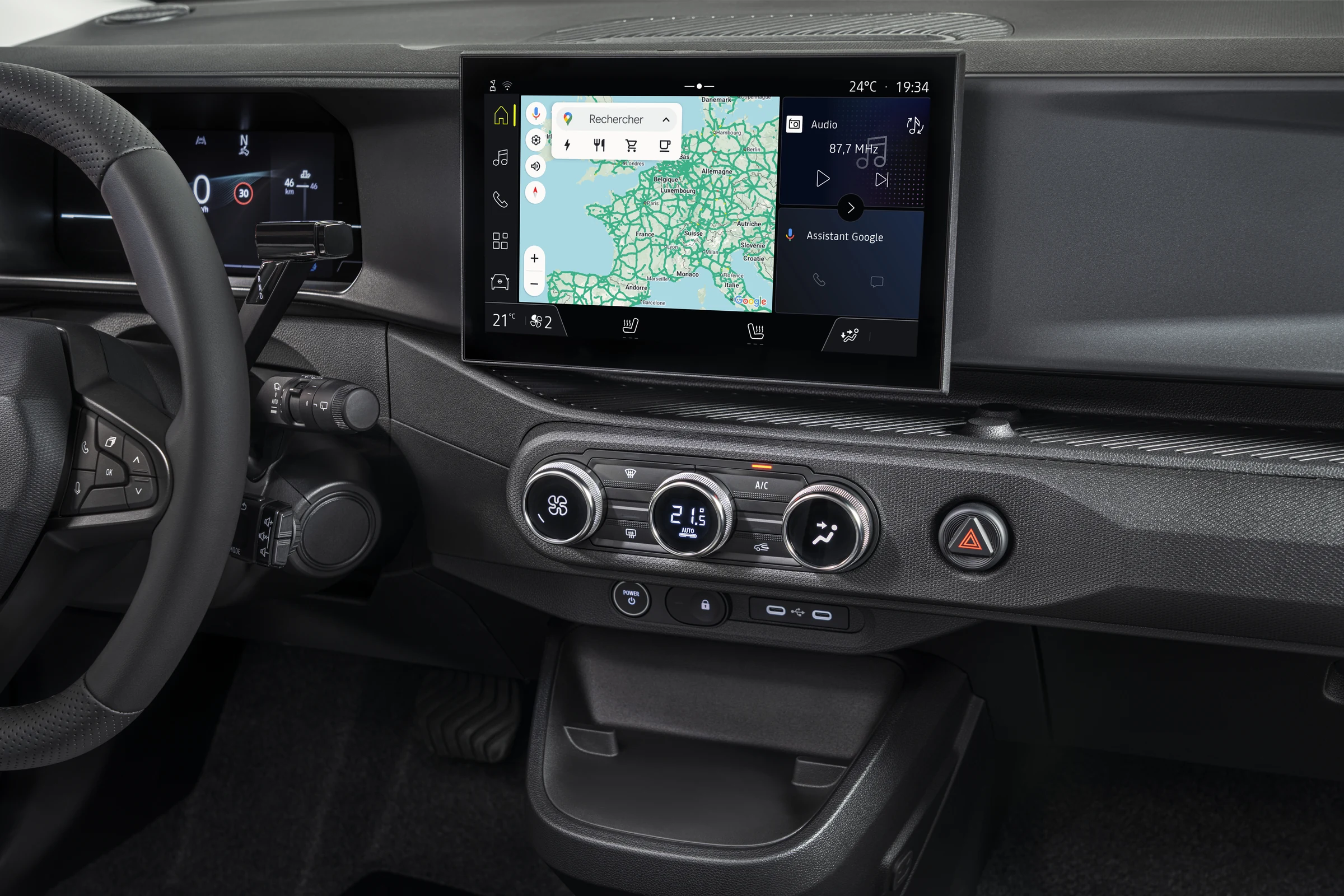
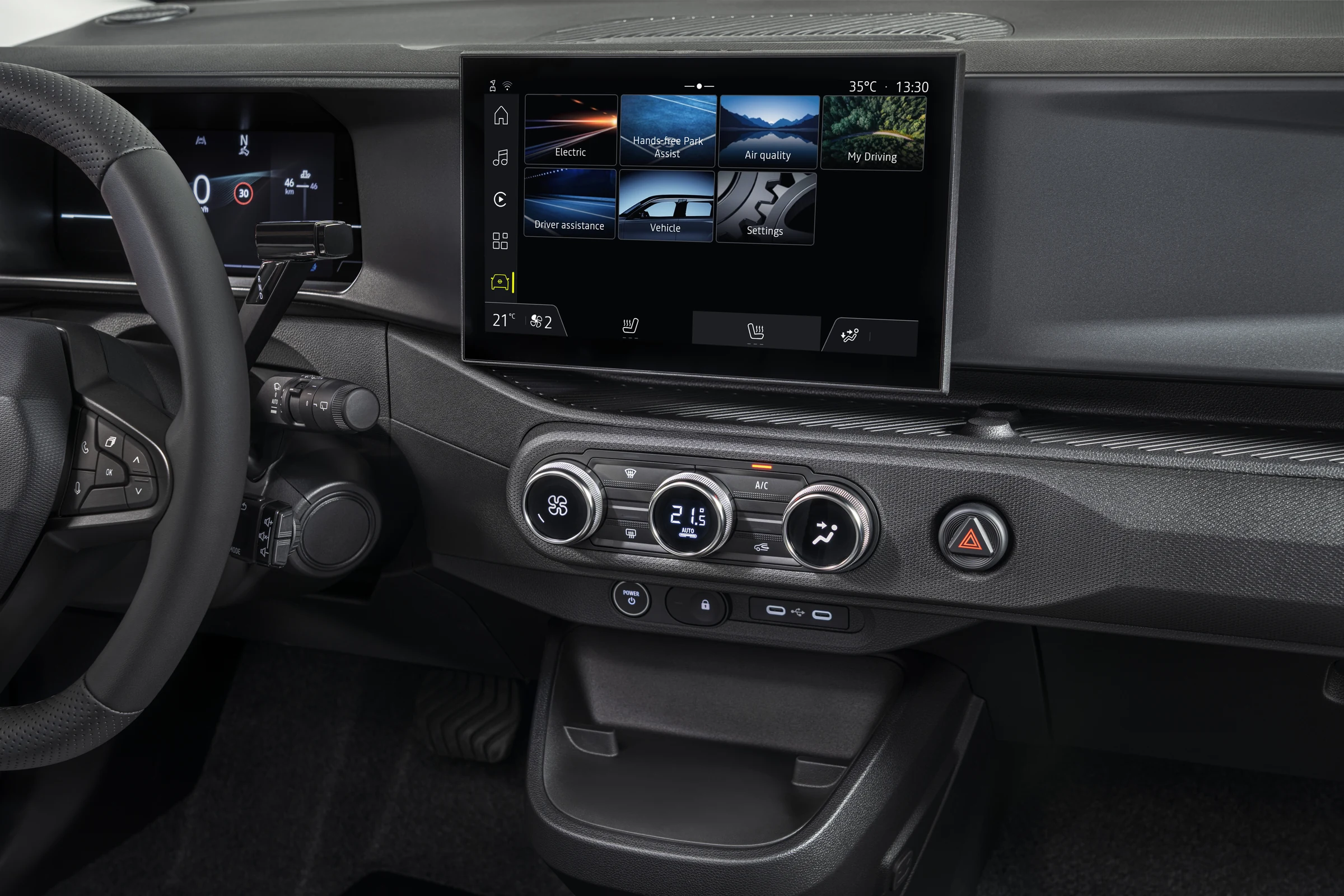
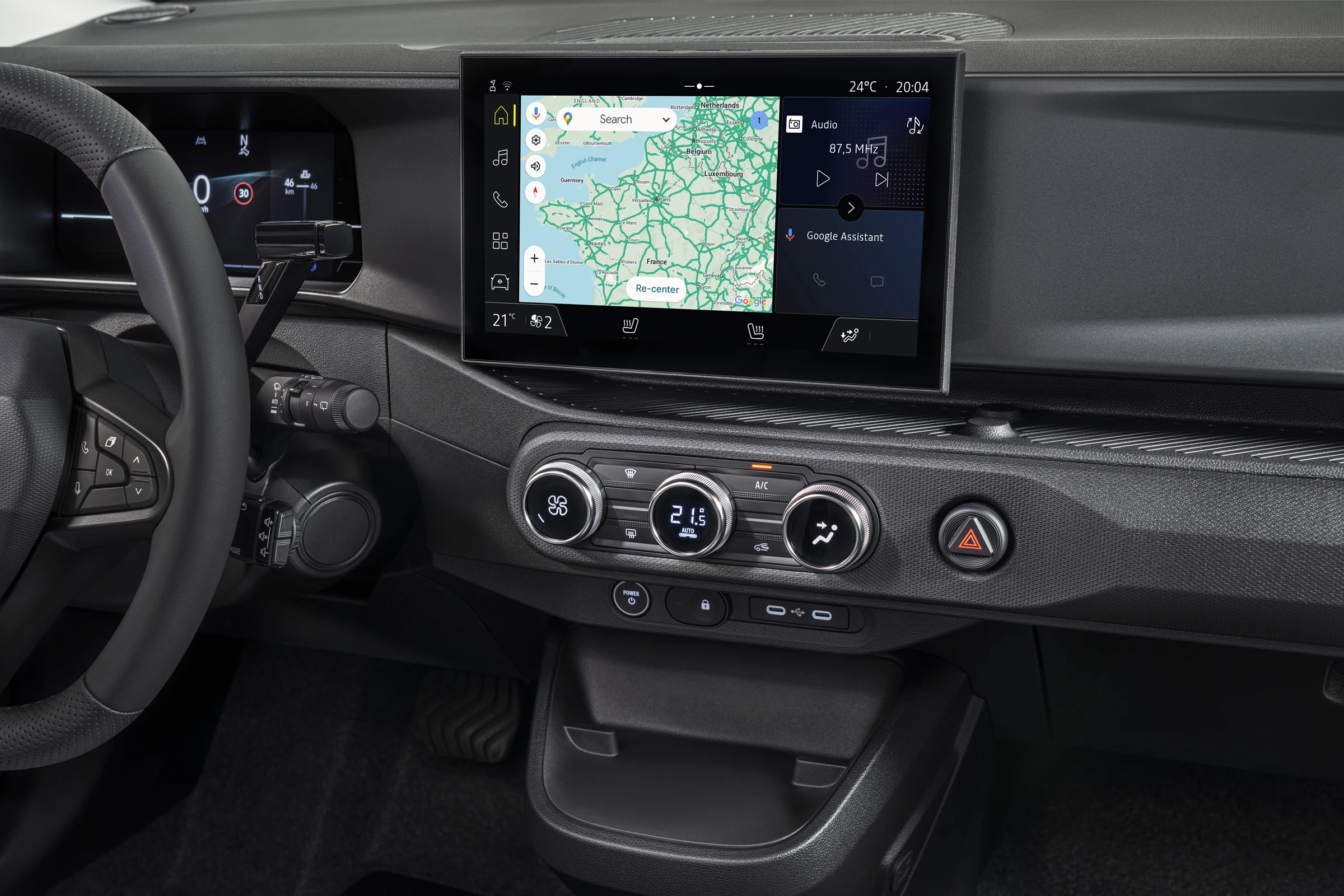
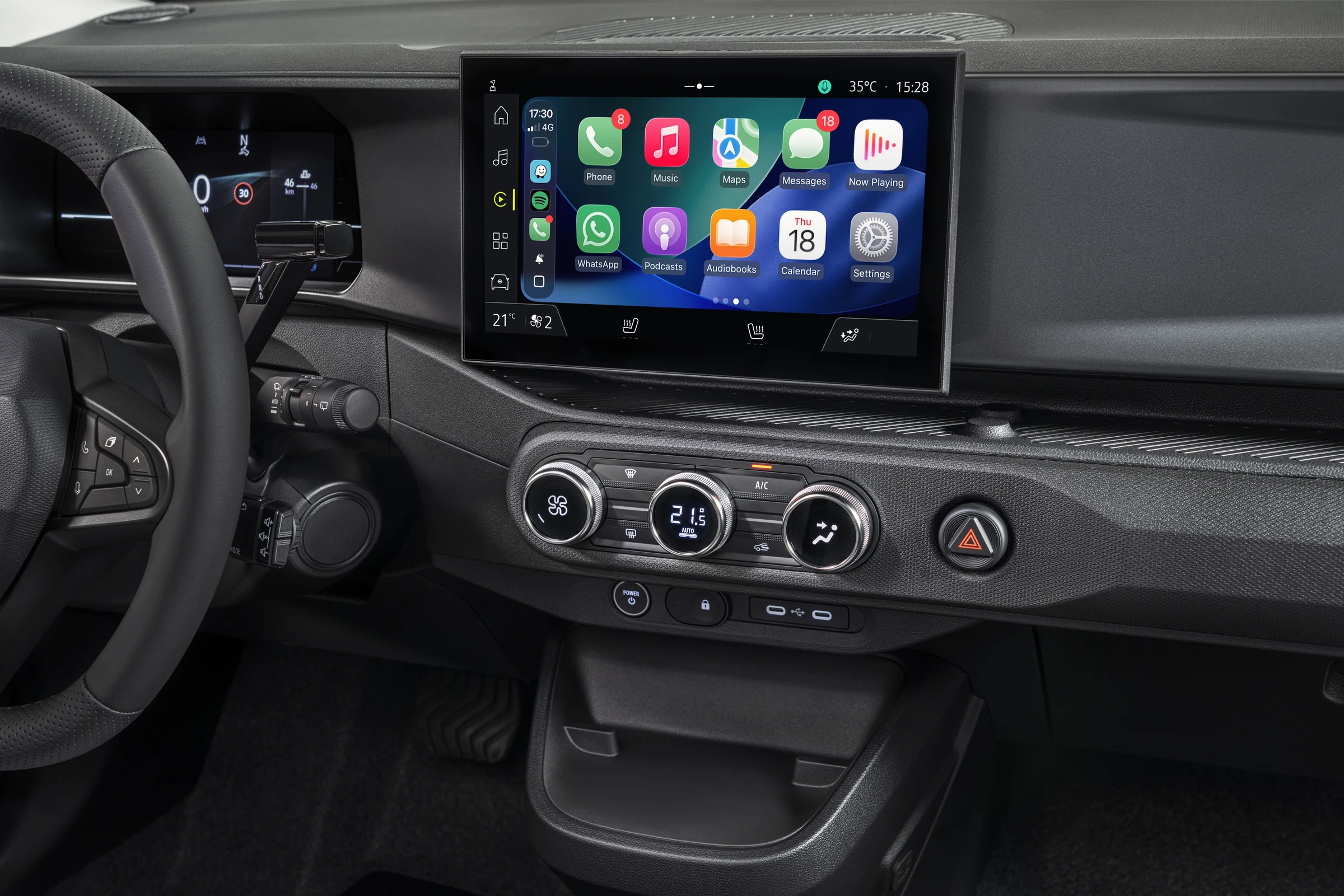
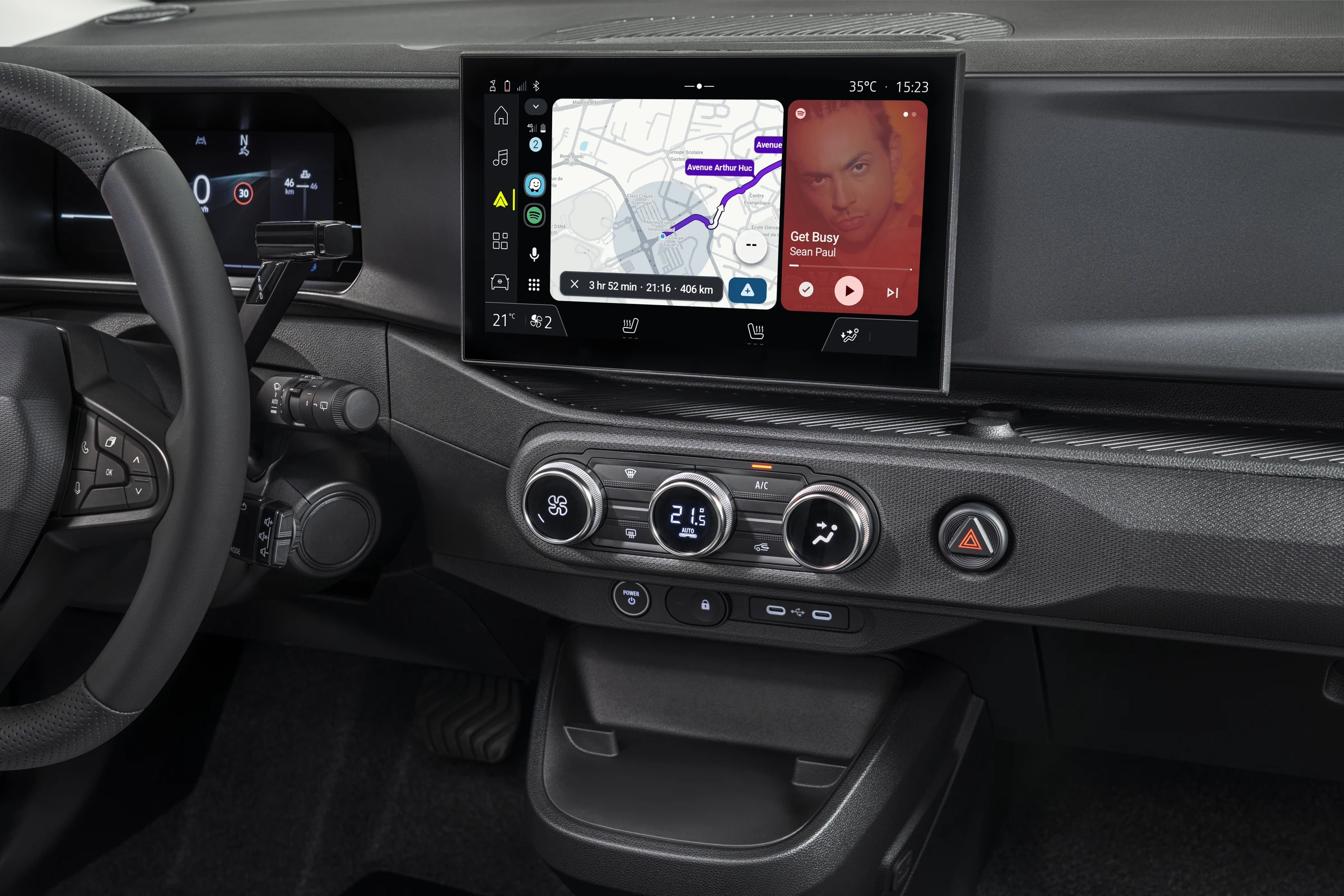
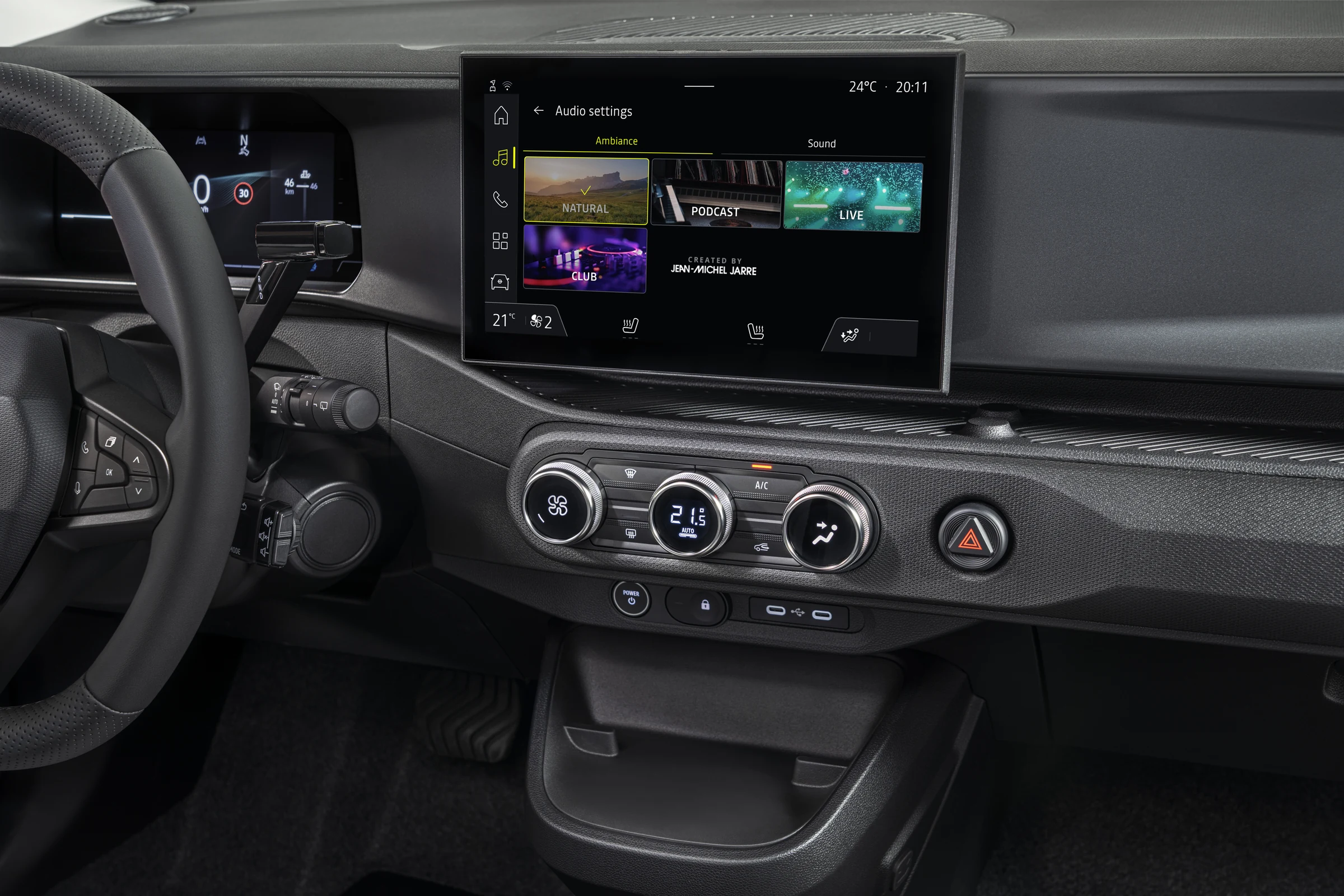
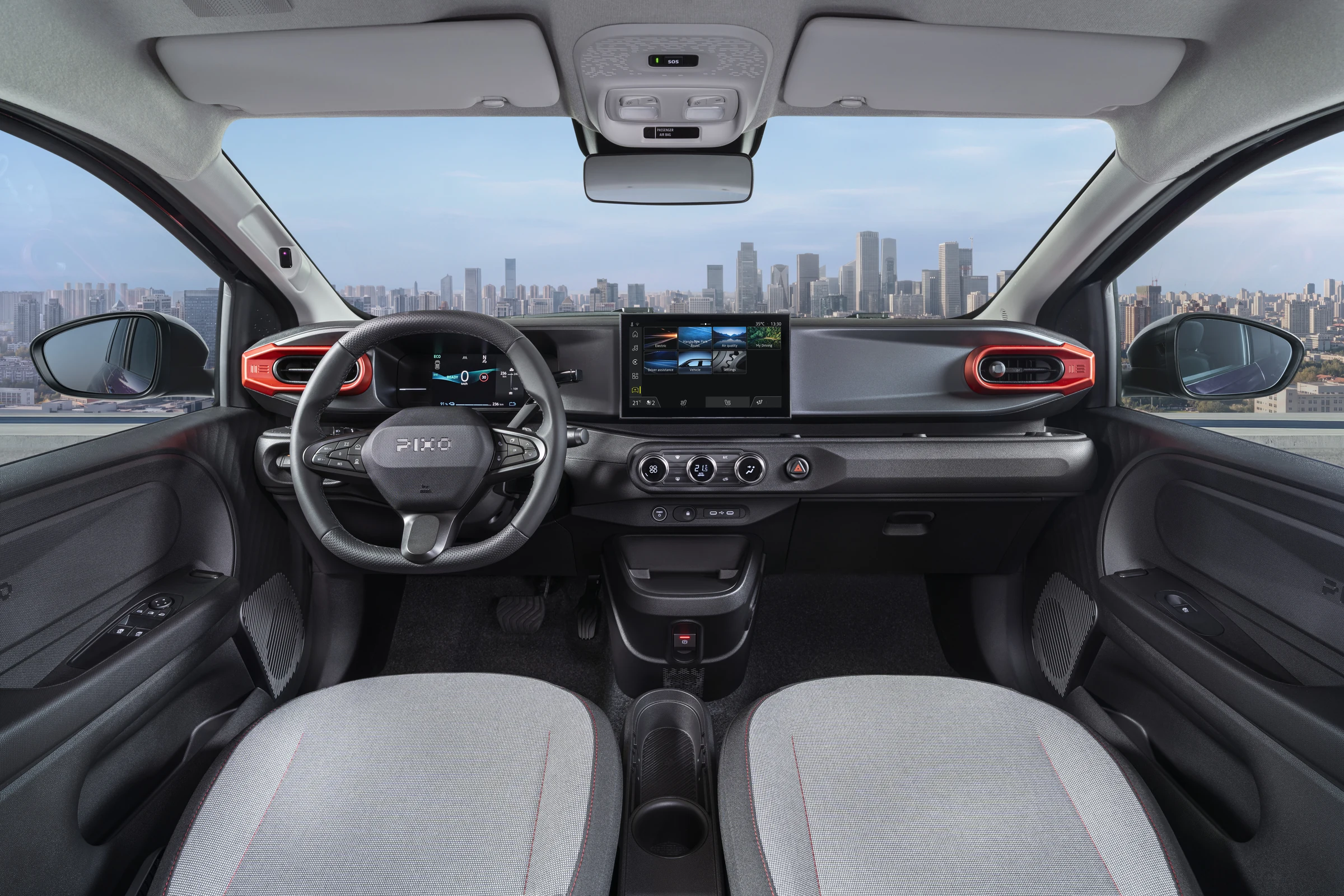
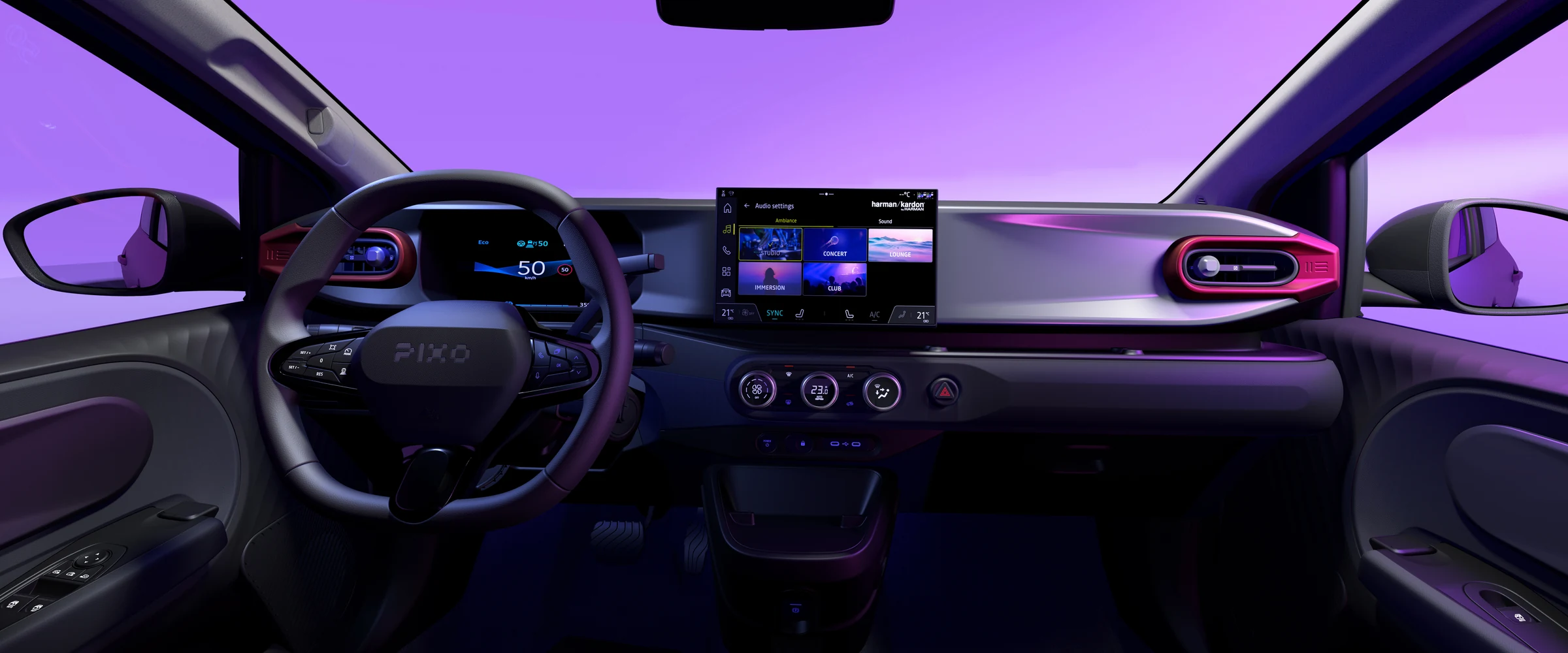
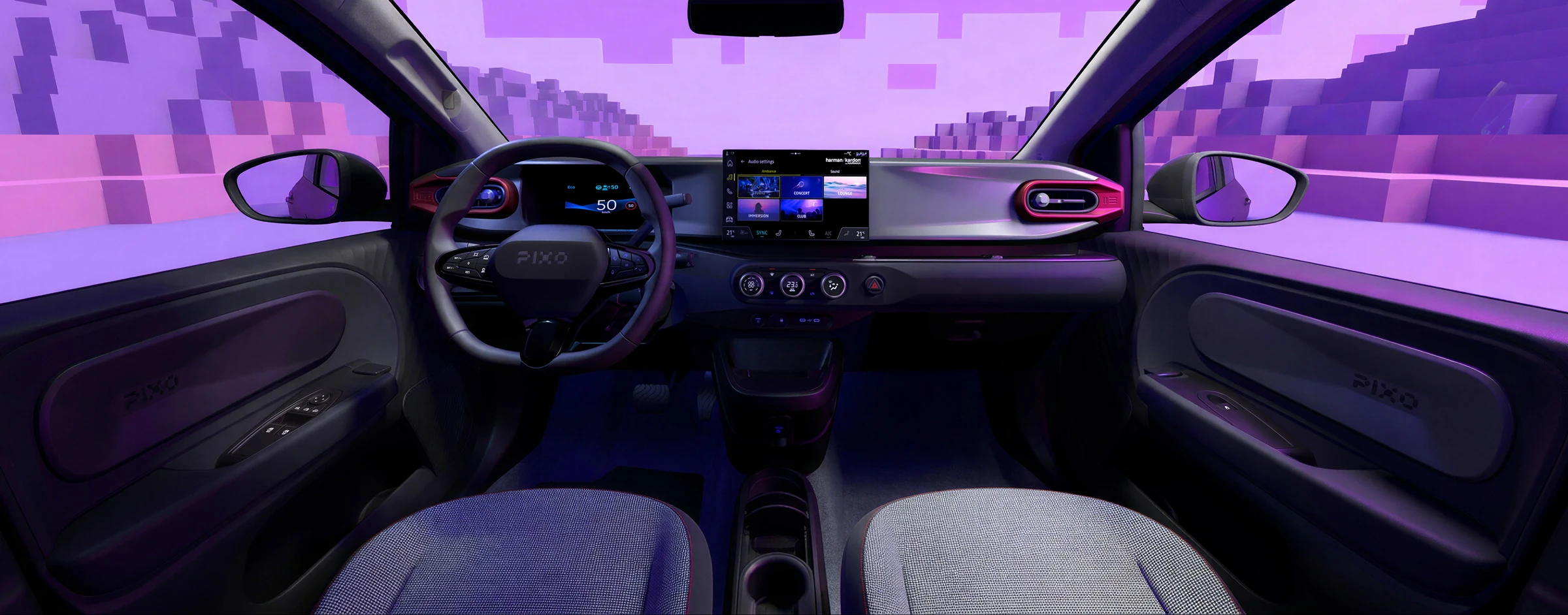
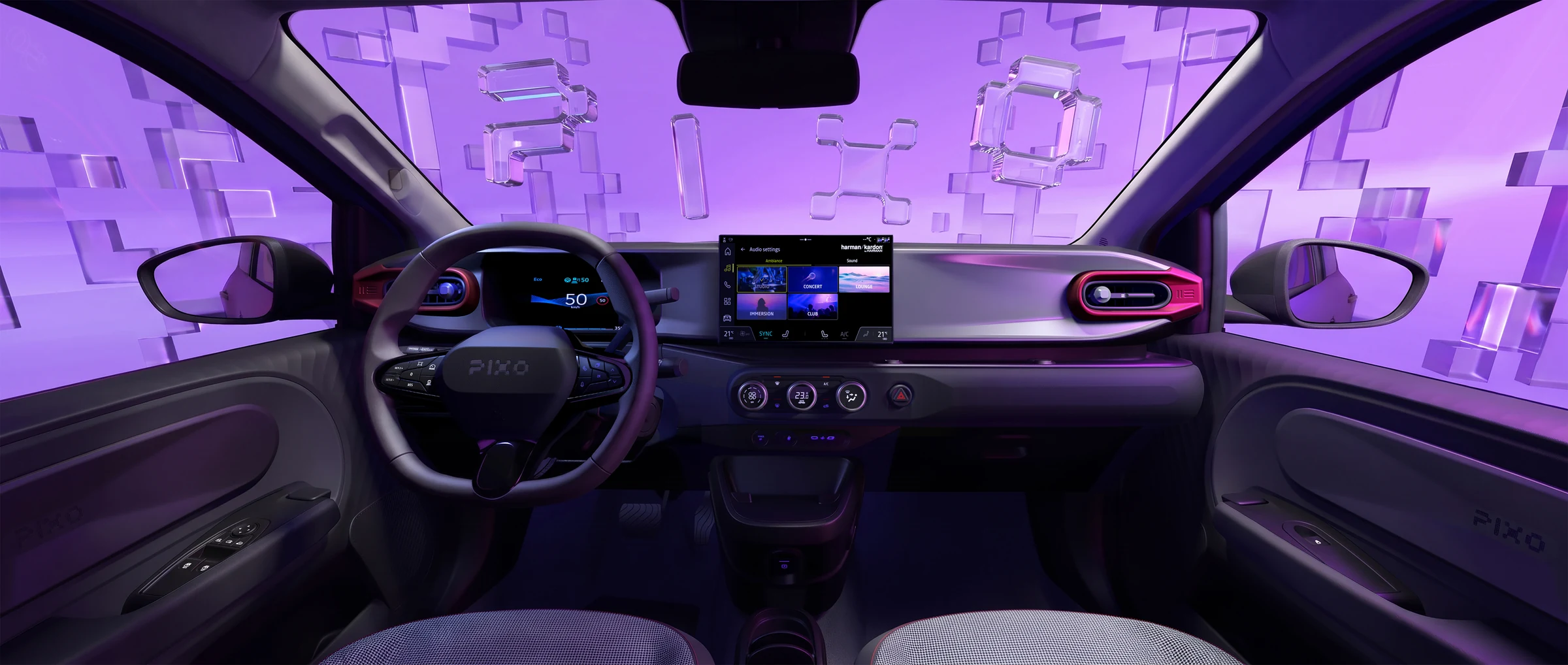
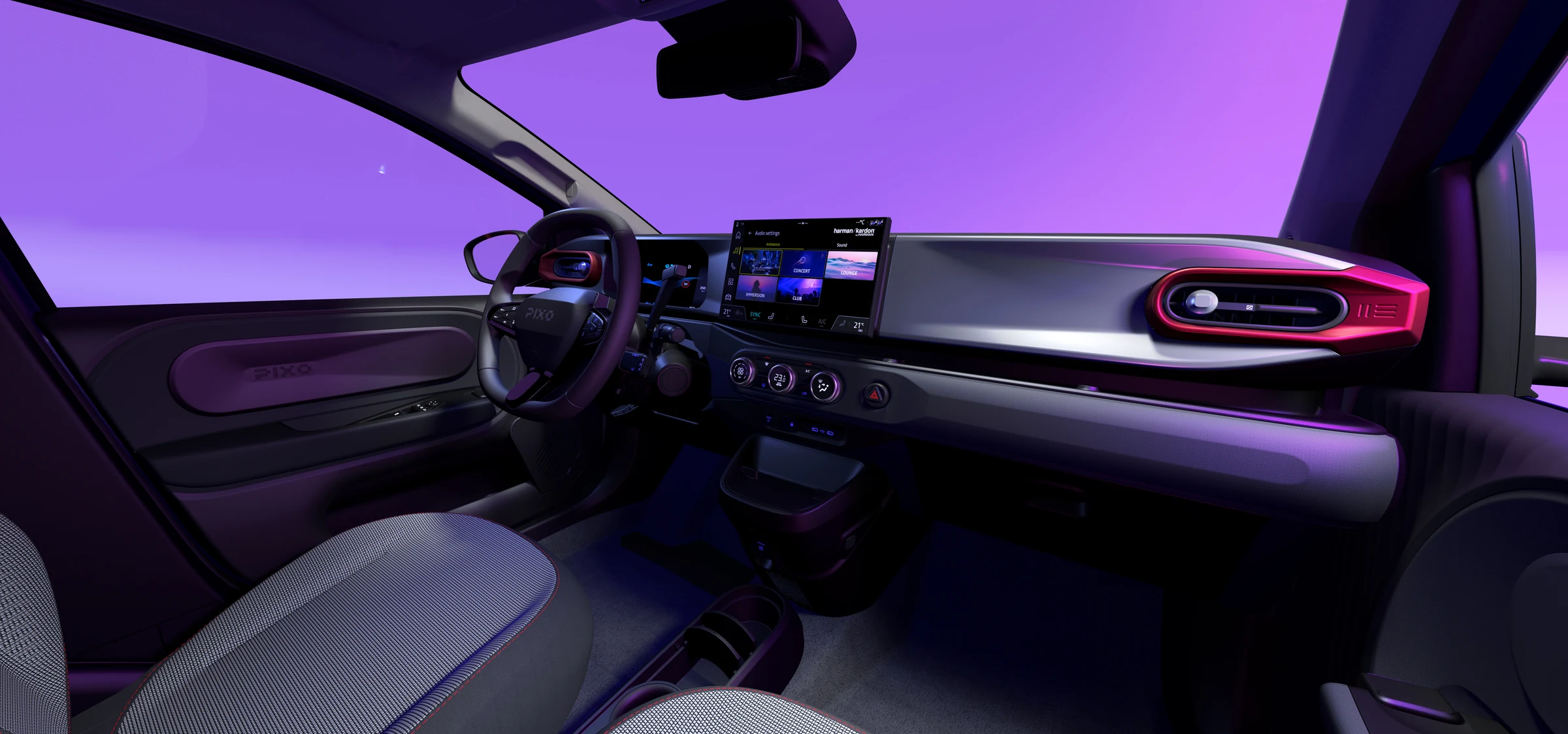
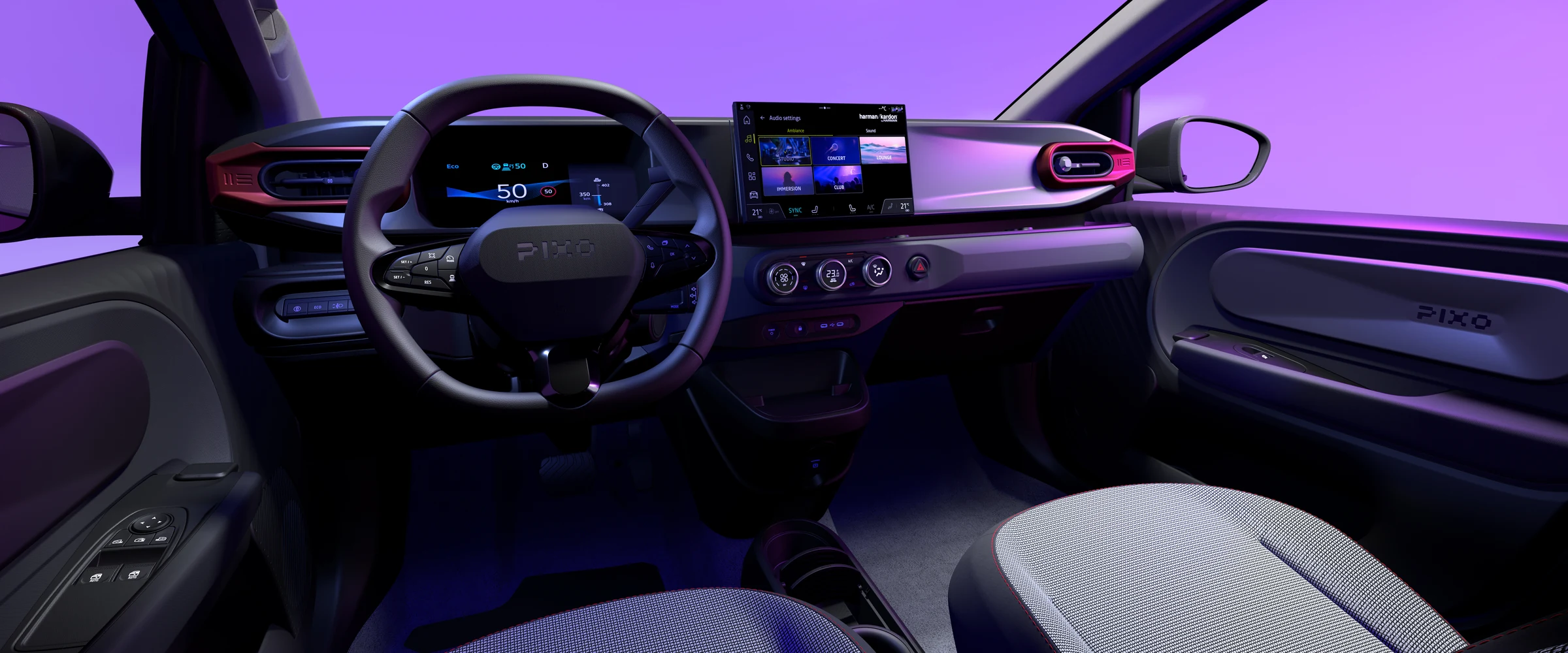
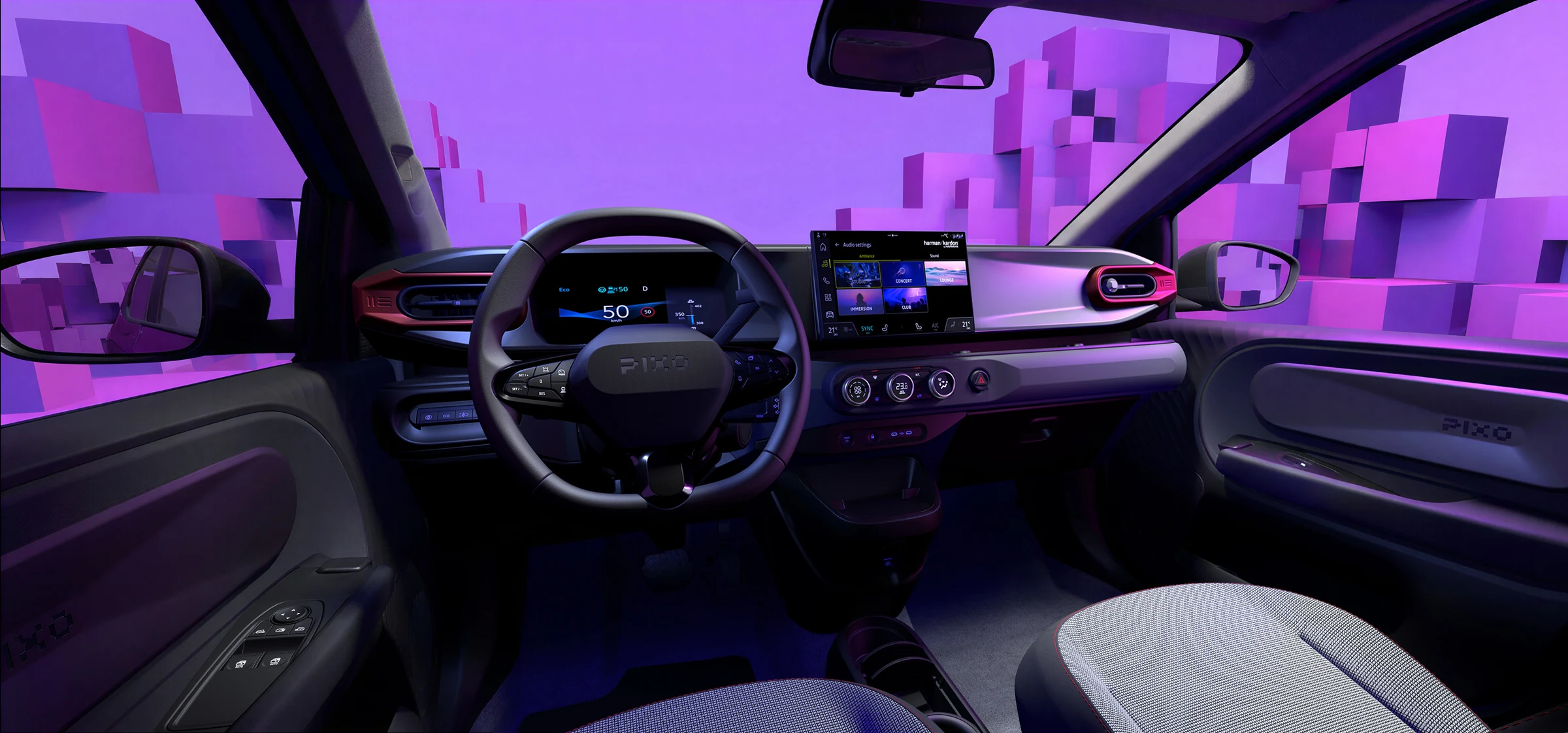
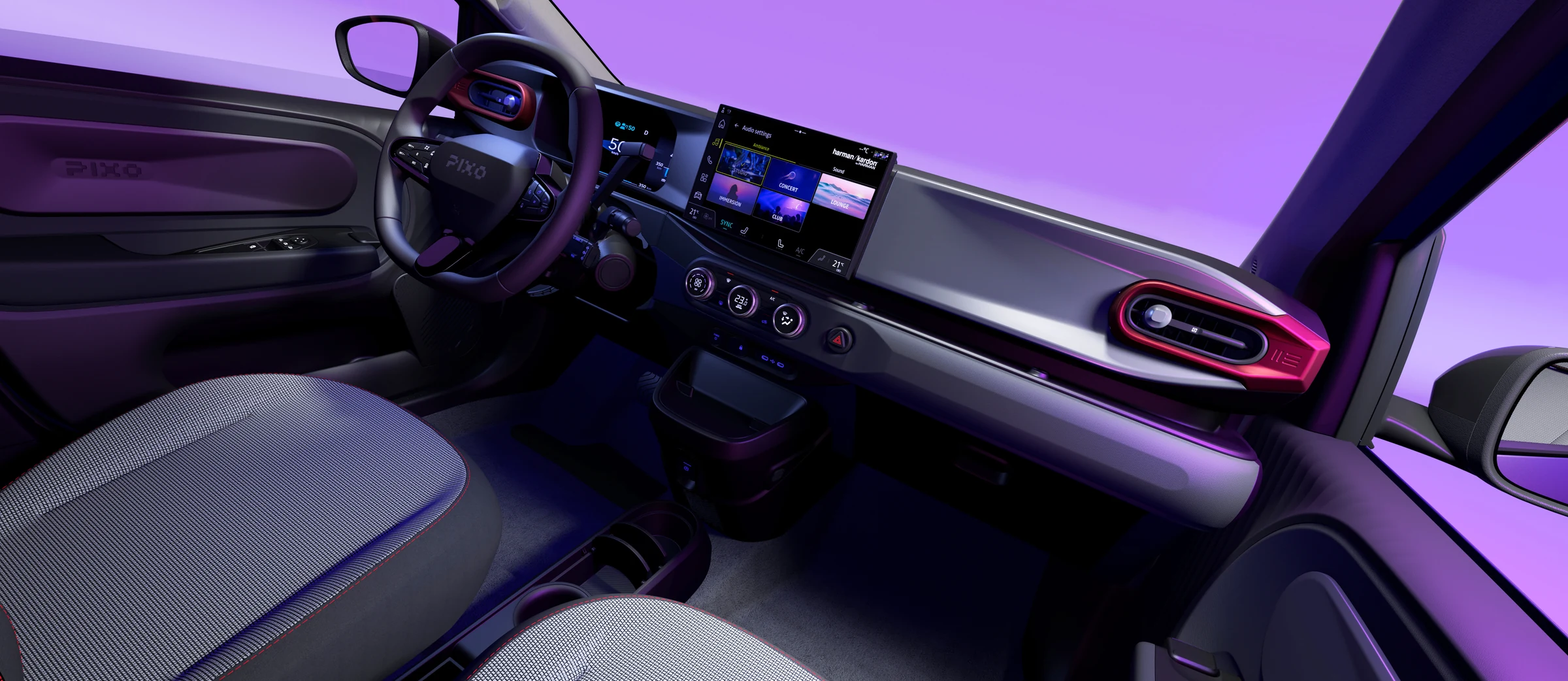
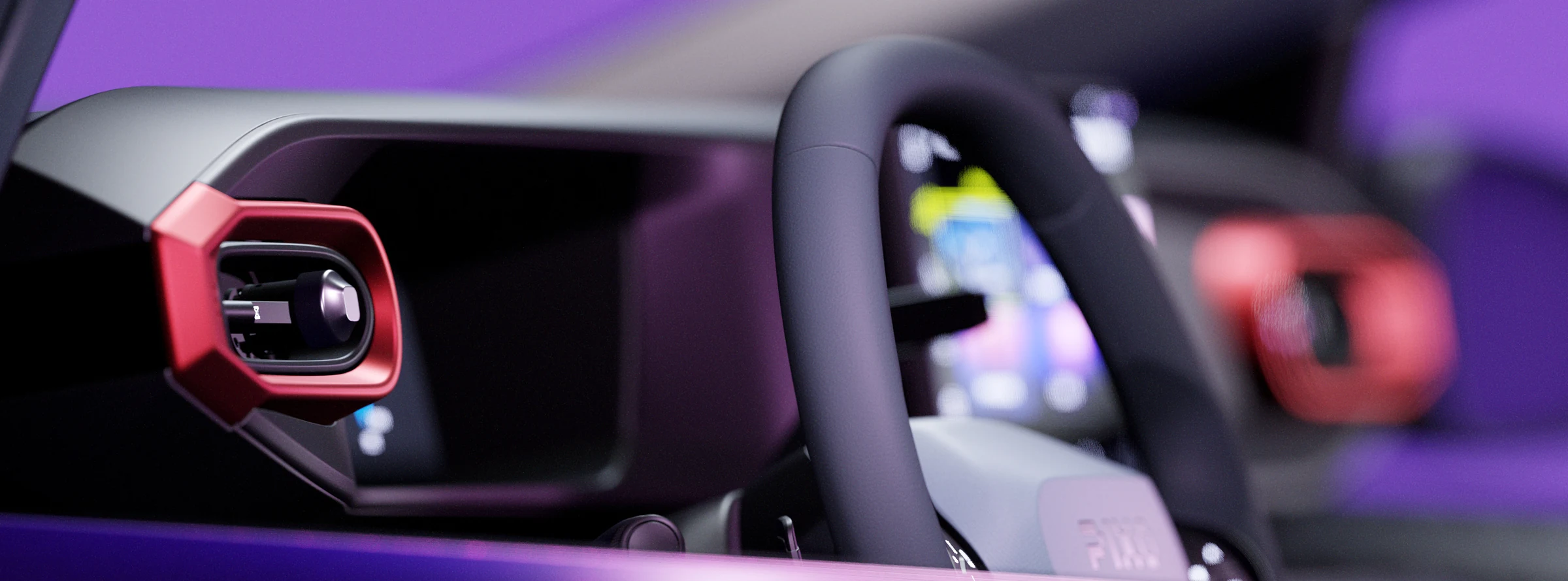
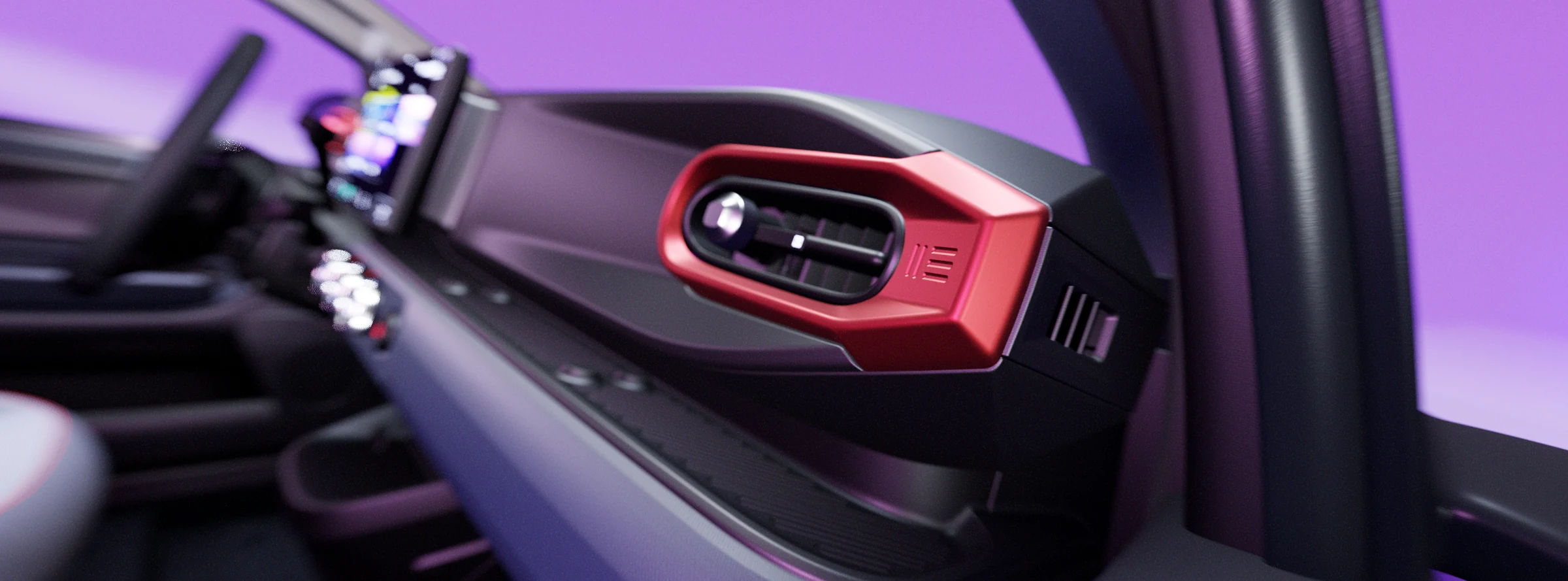
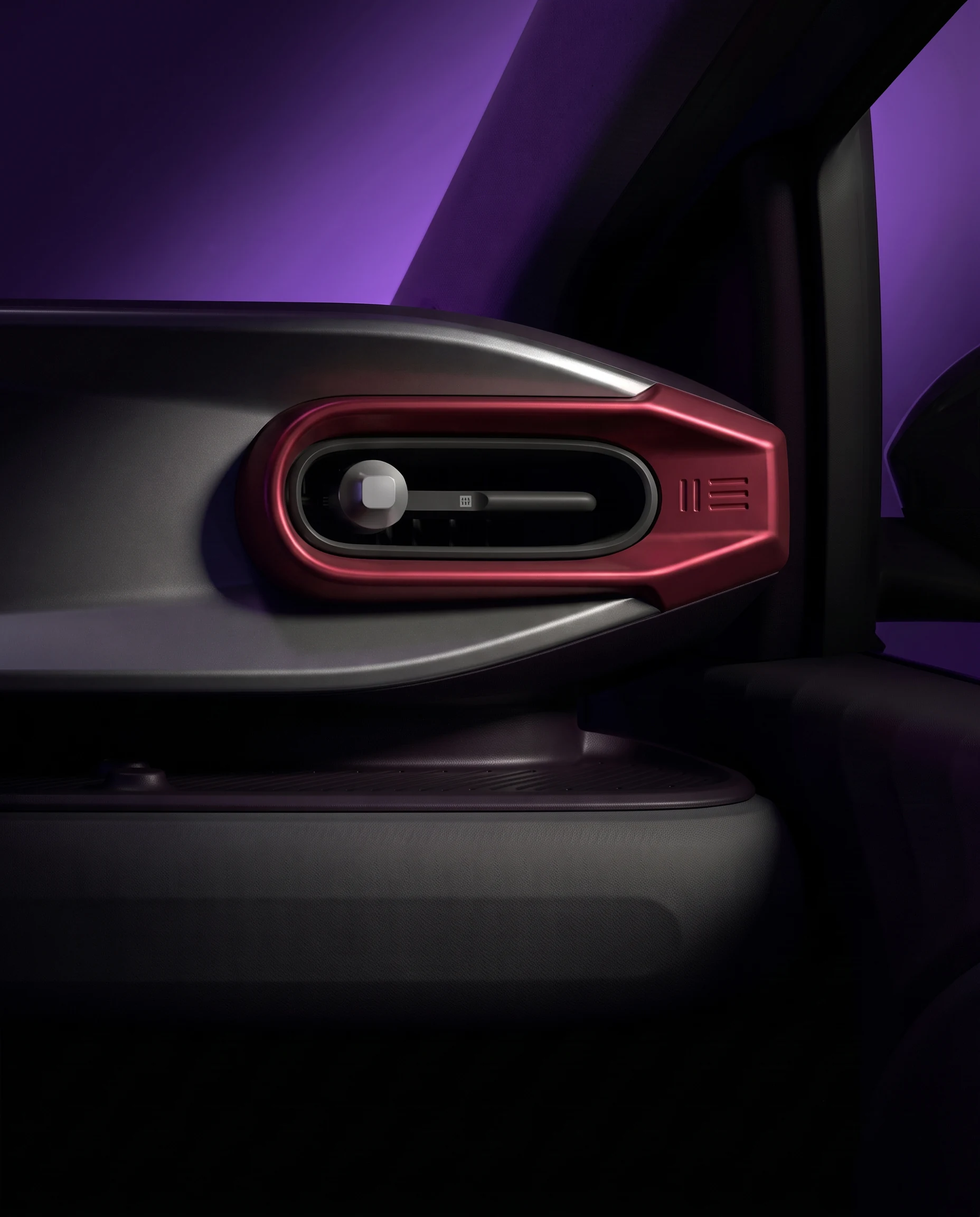
The Nissan Pixo interior is designed around practical use rather than unnecessary complexity. A digital instrument display and central infotainment screen provide the main information interfaces, while the cabin packaging is intended to make good use of the car's limited exterior length.
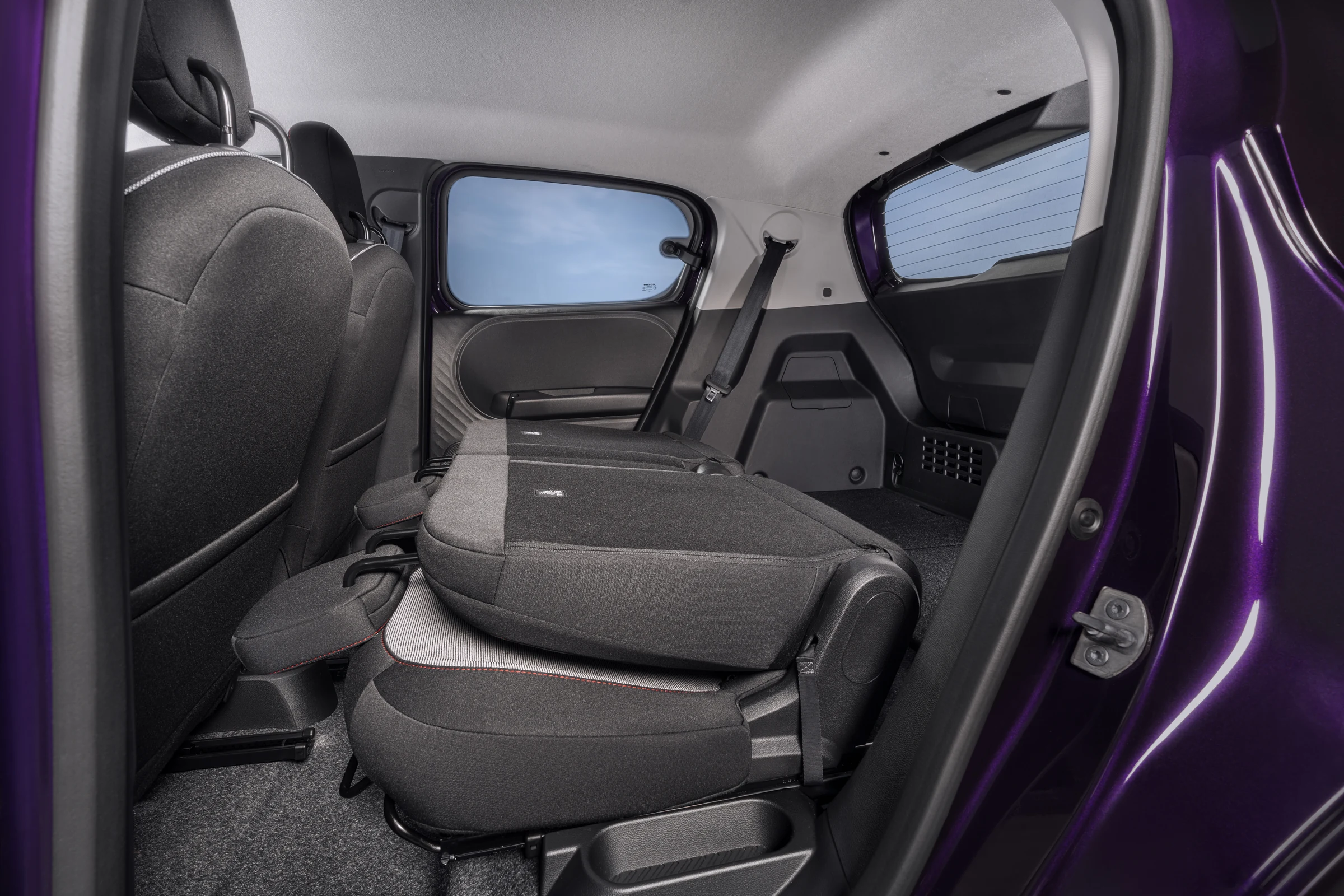
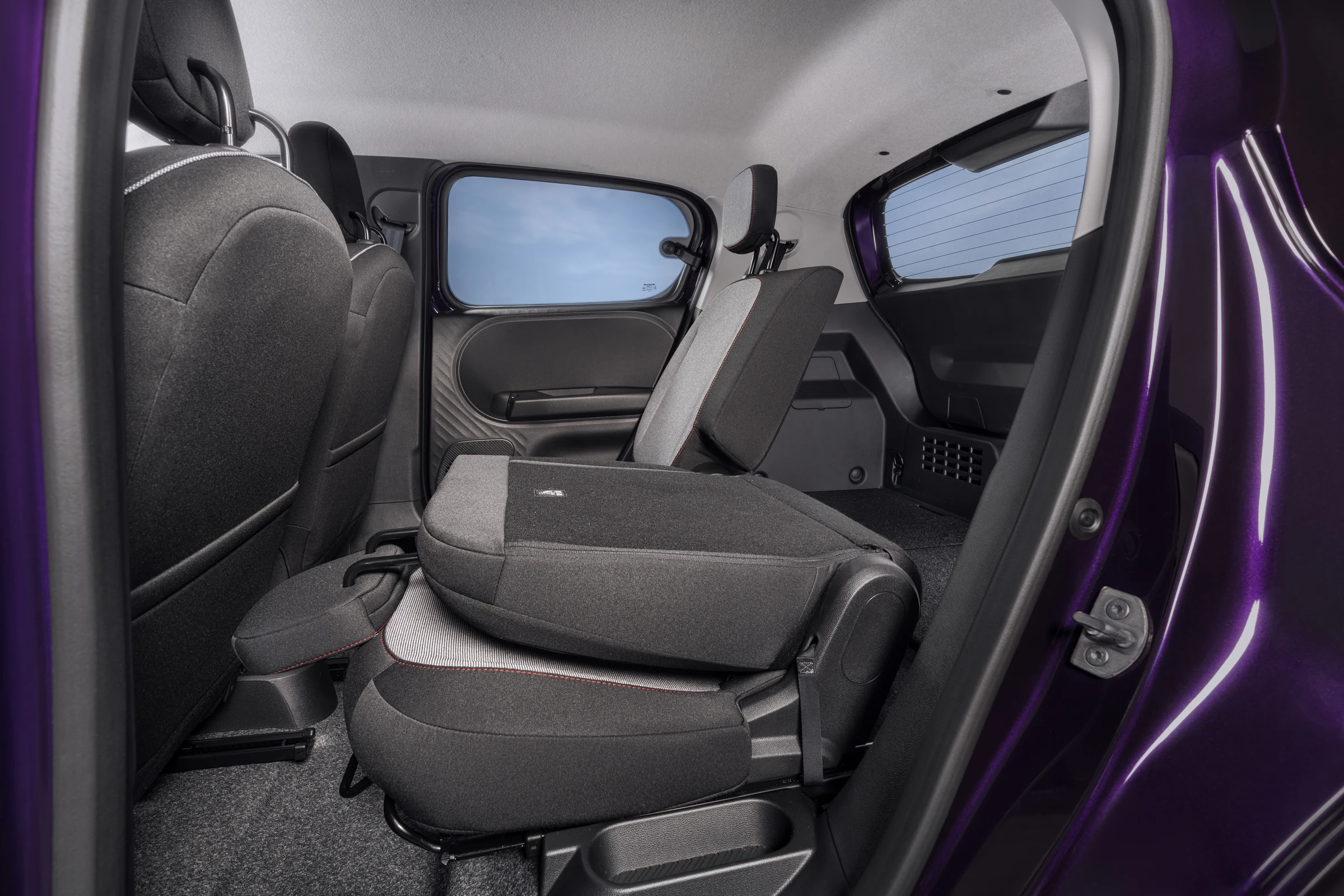
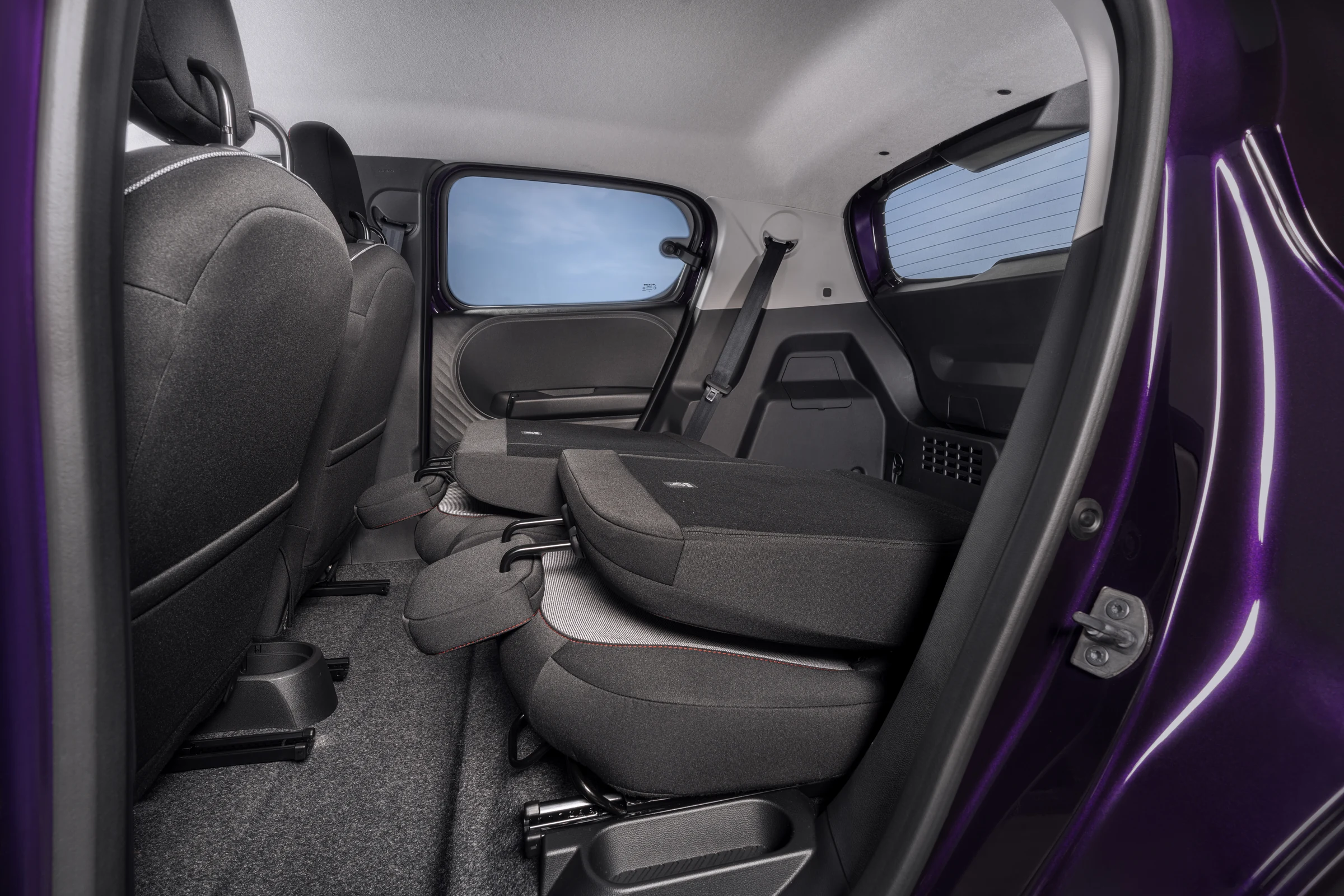
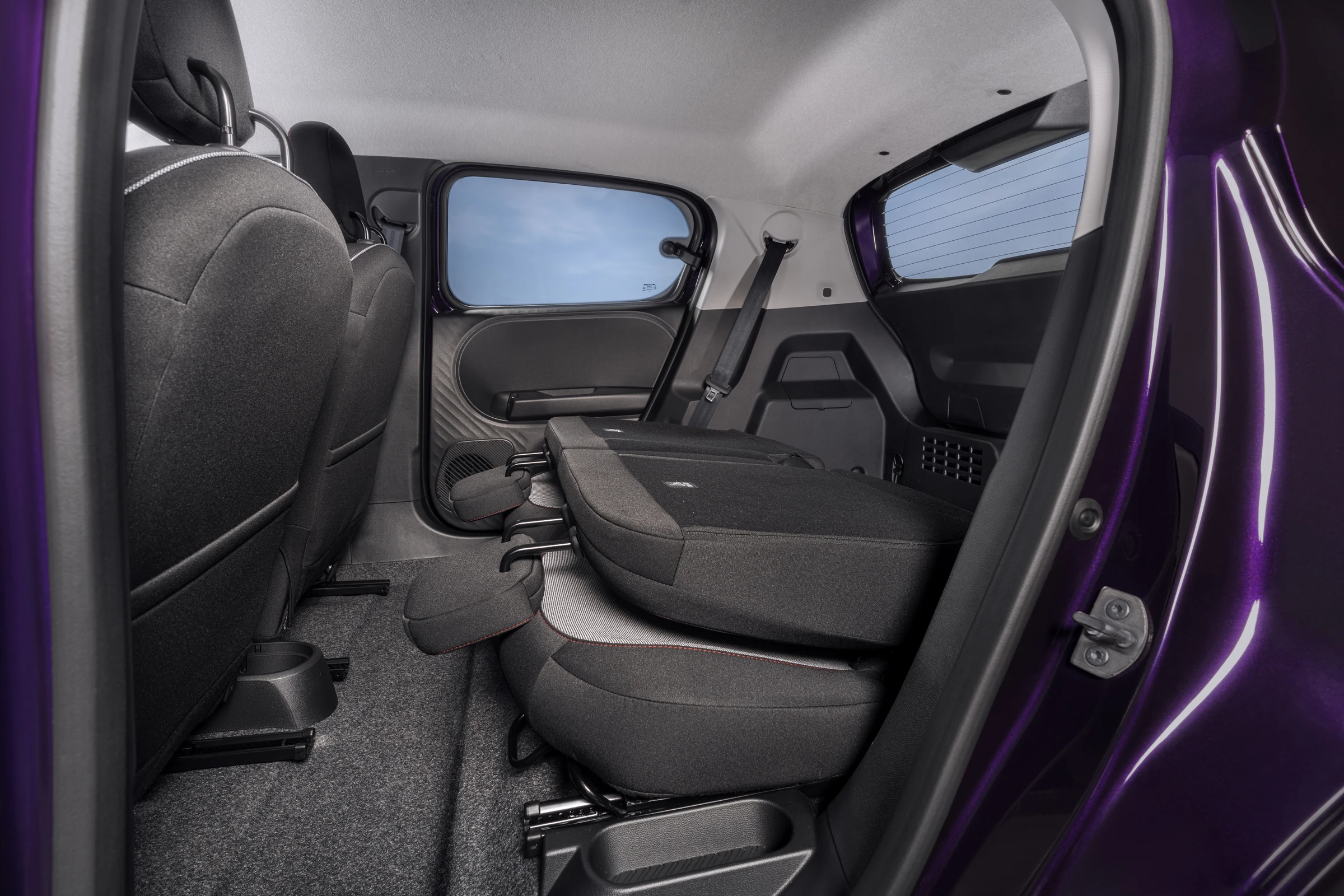
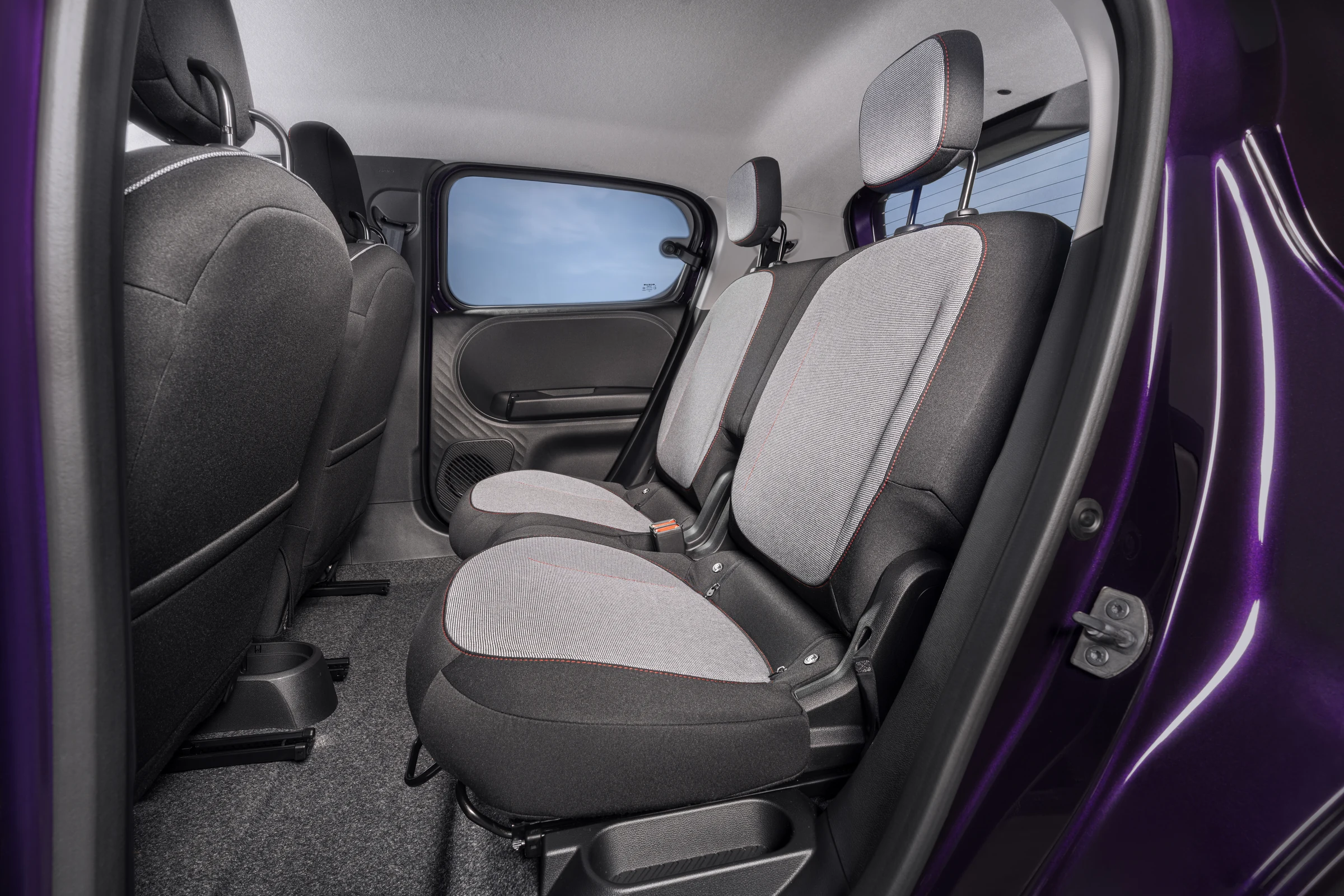
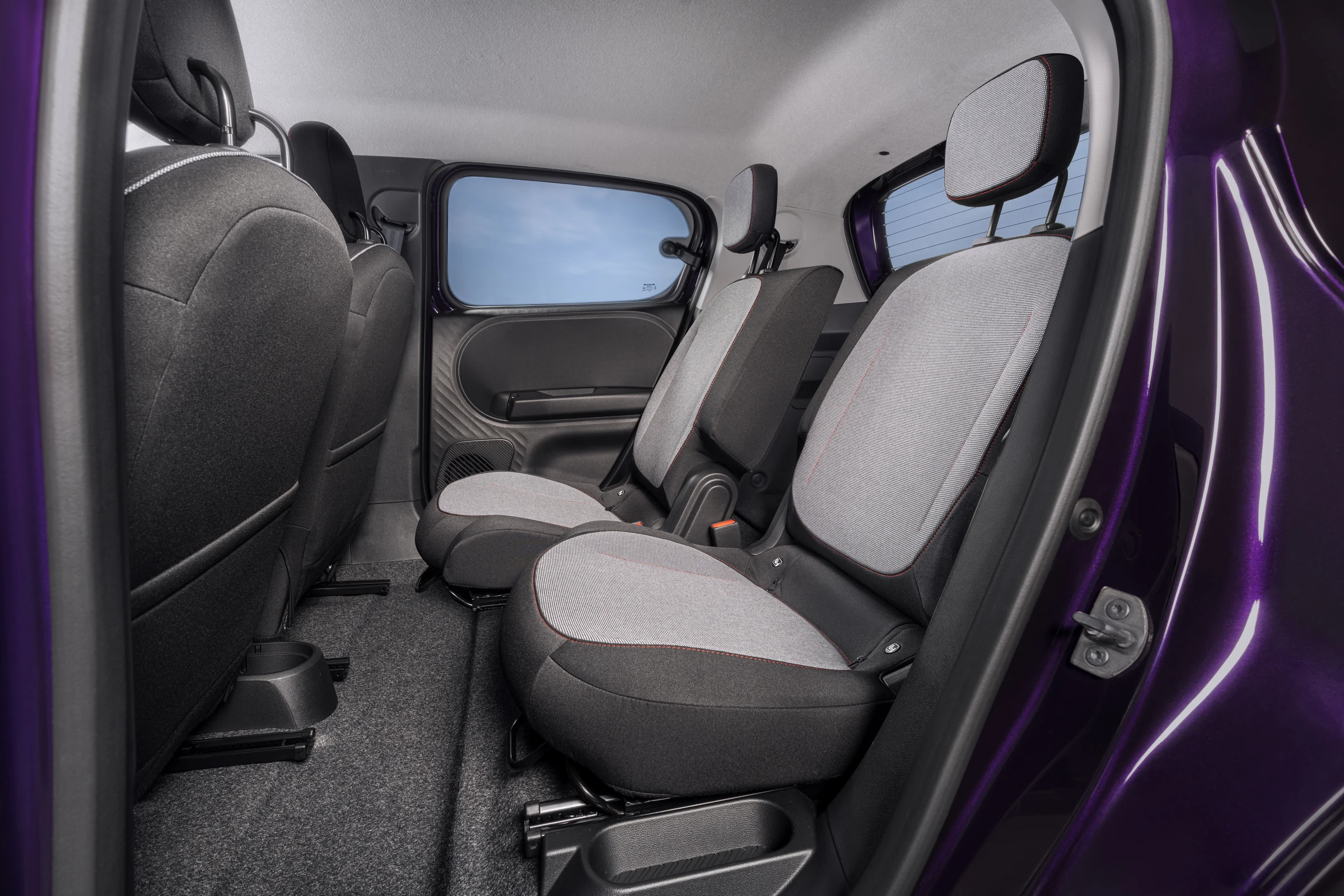
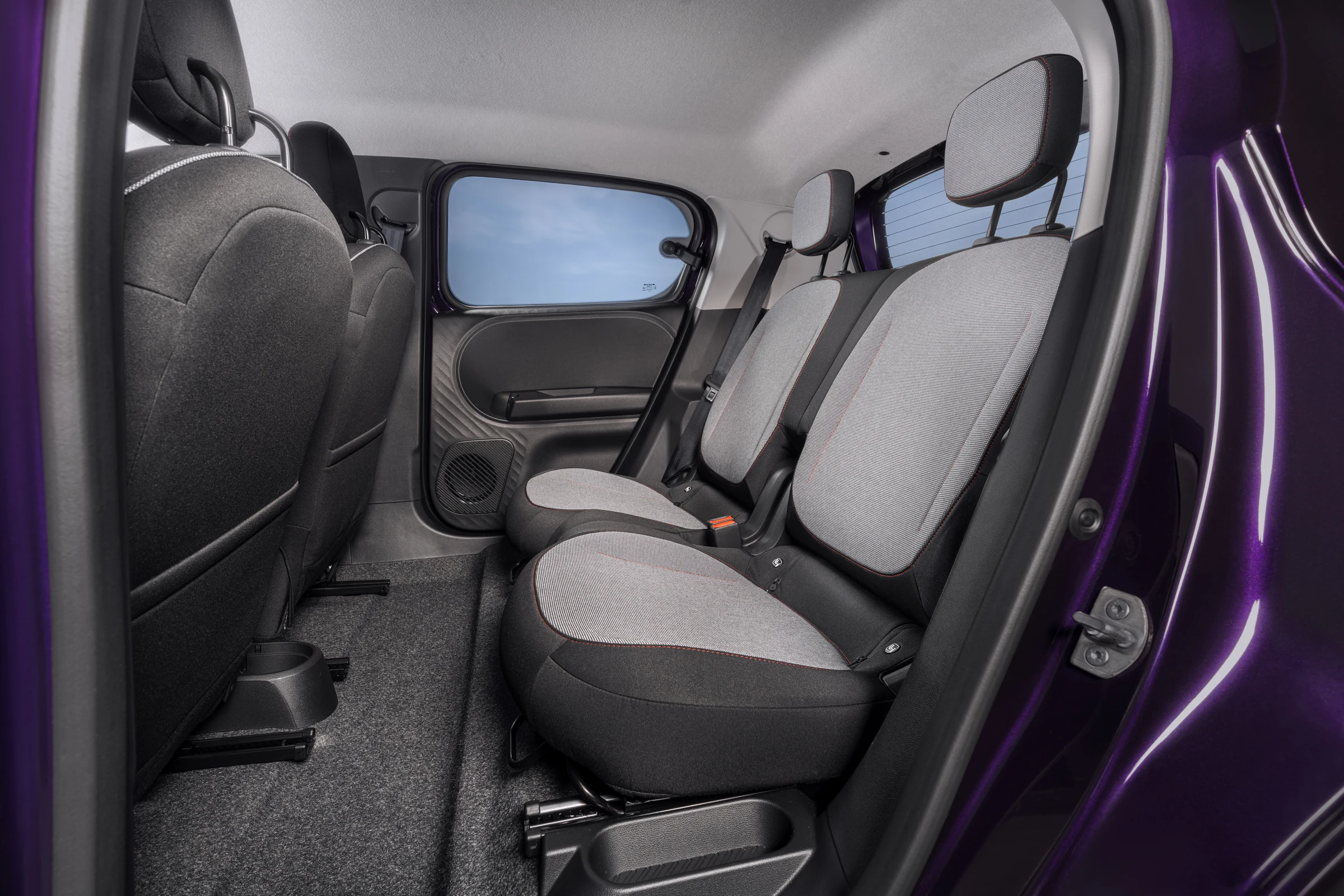
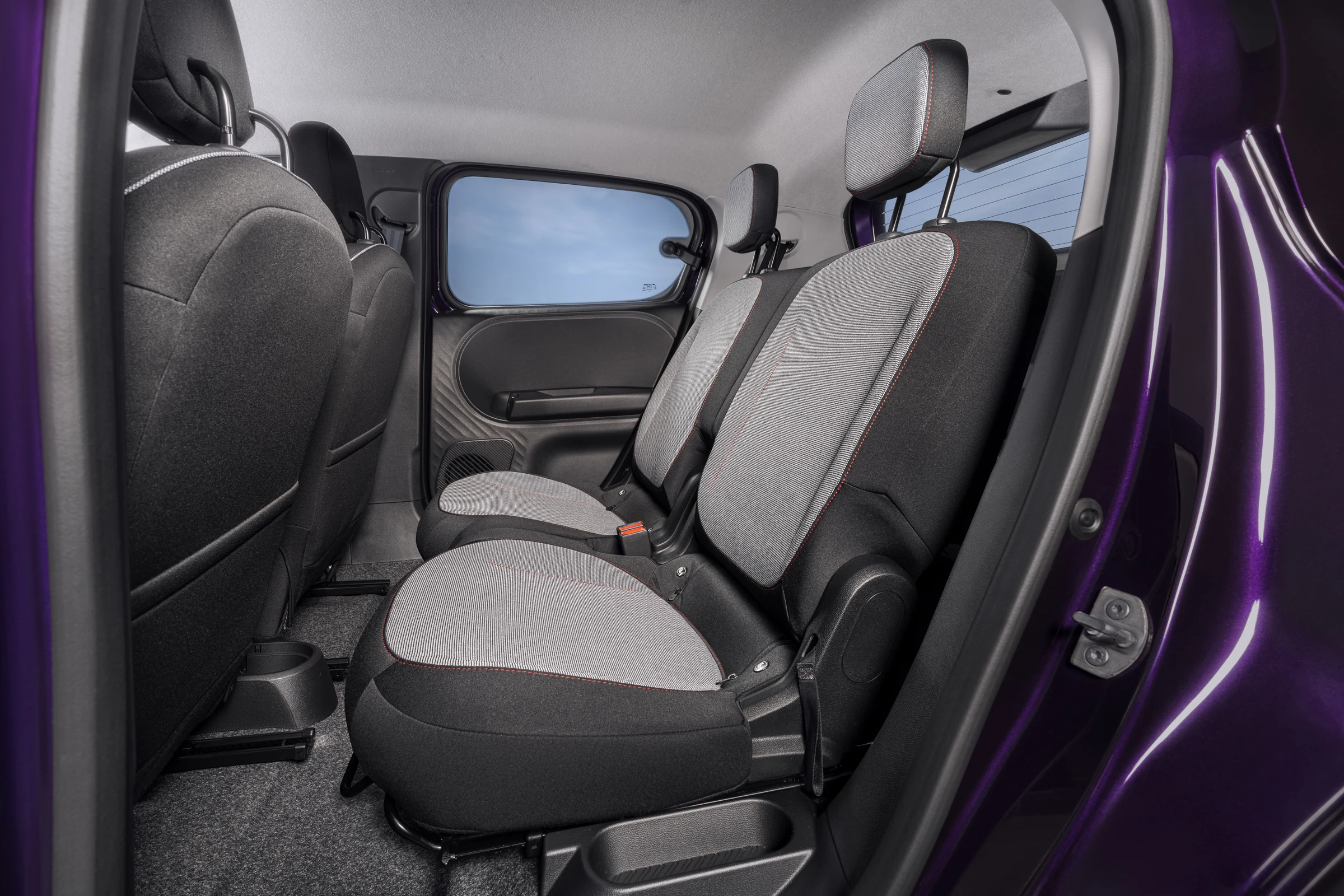
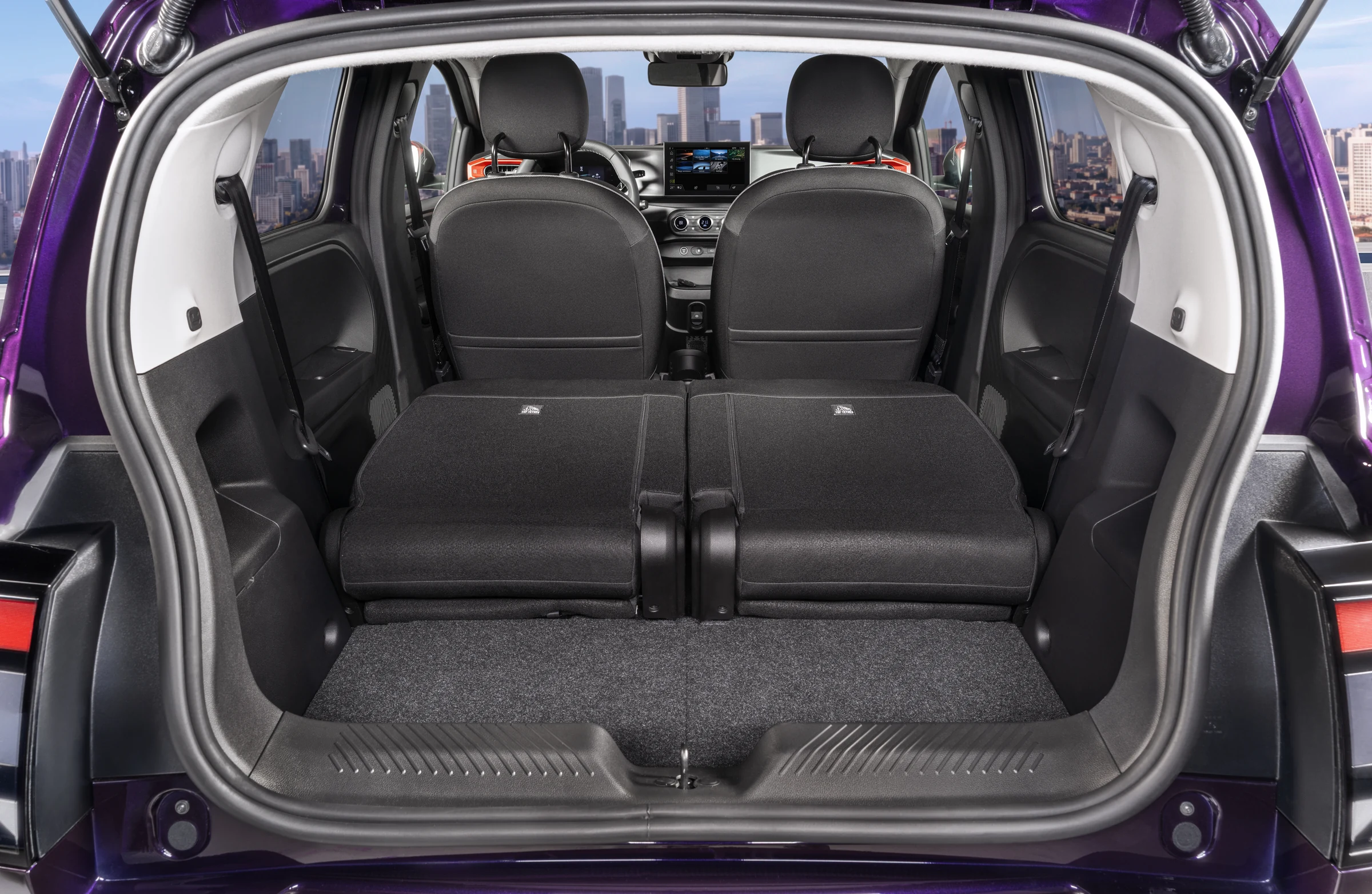
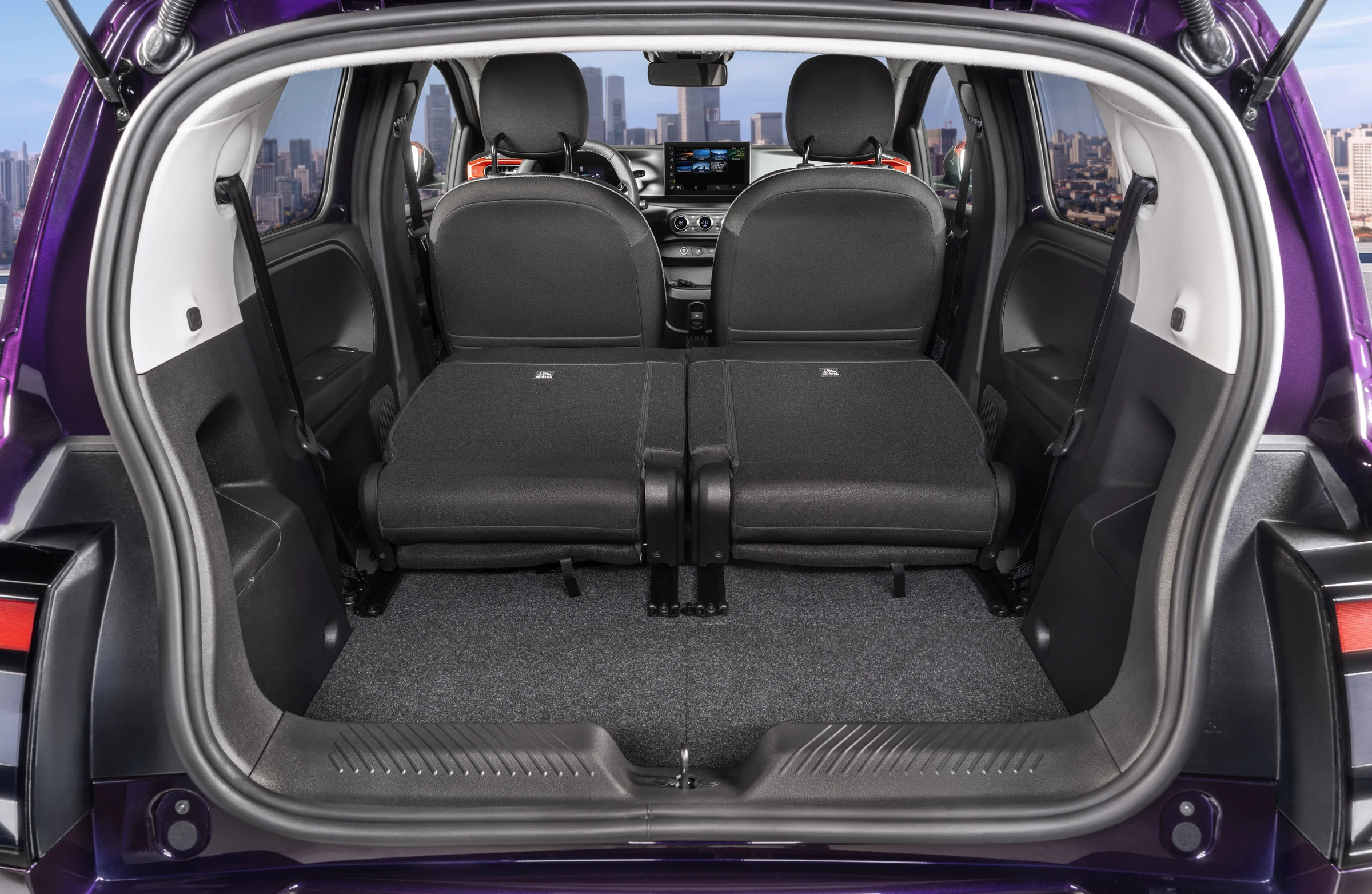
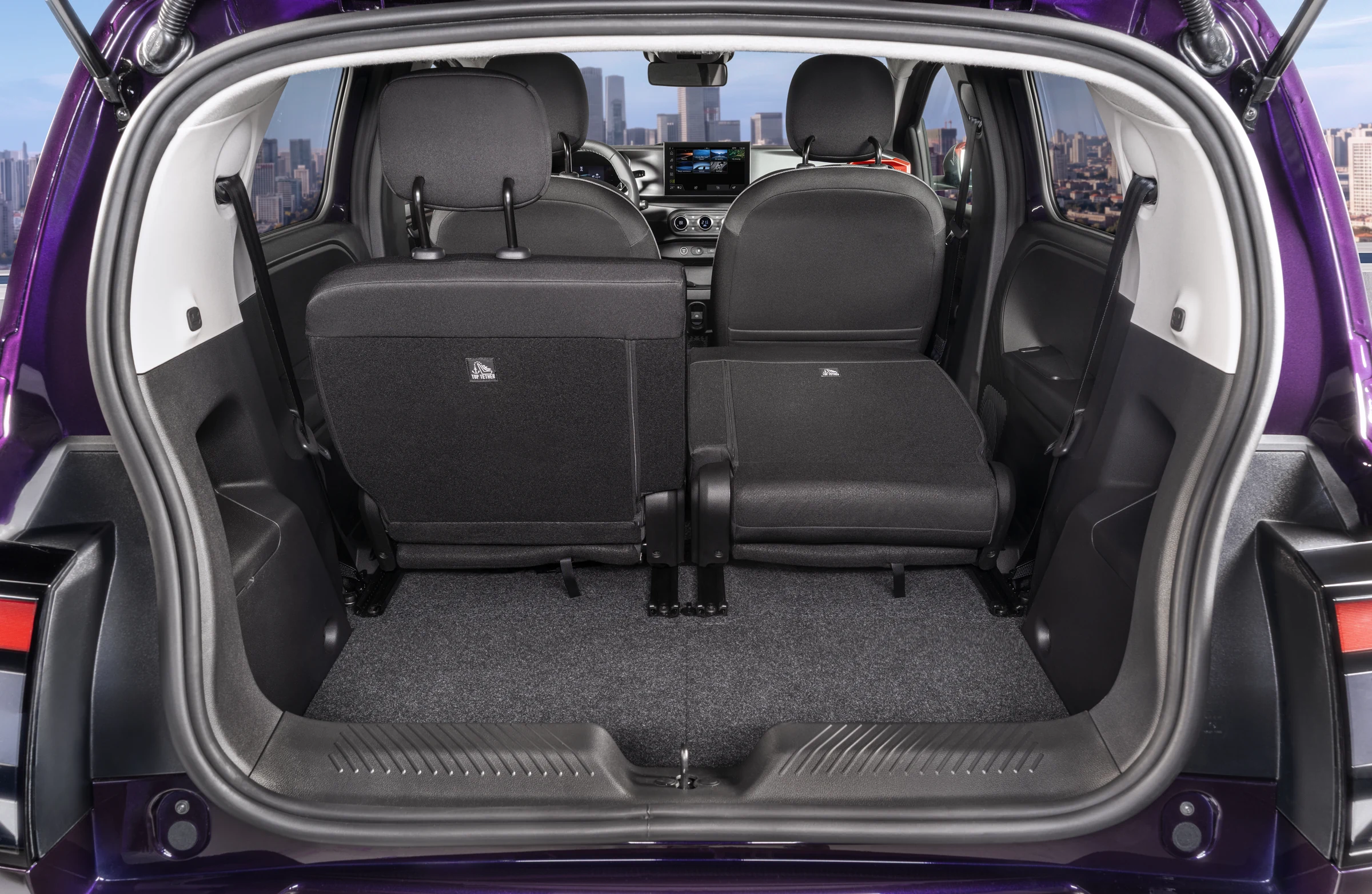
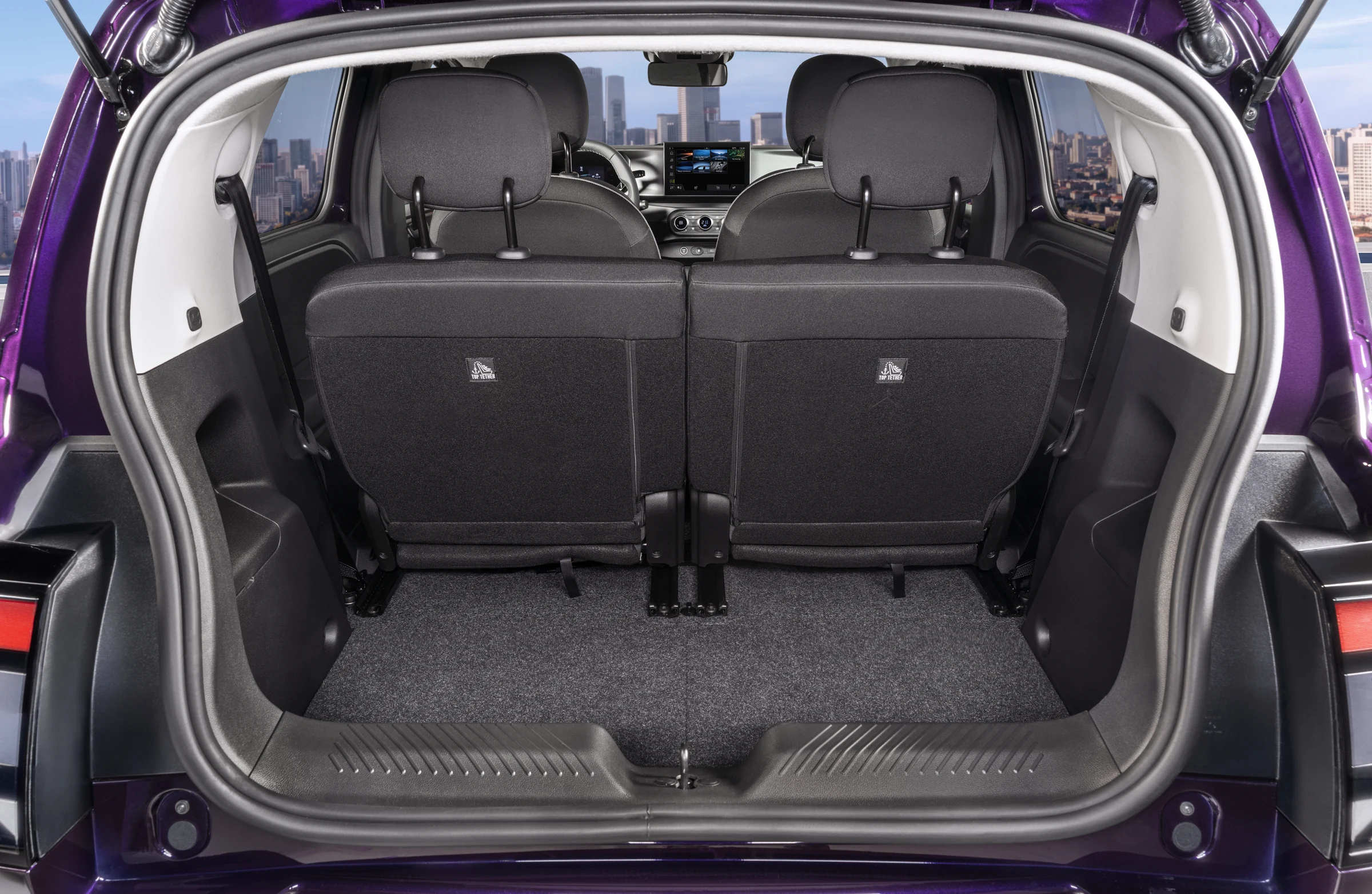
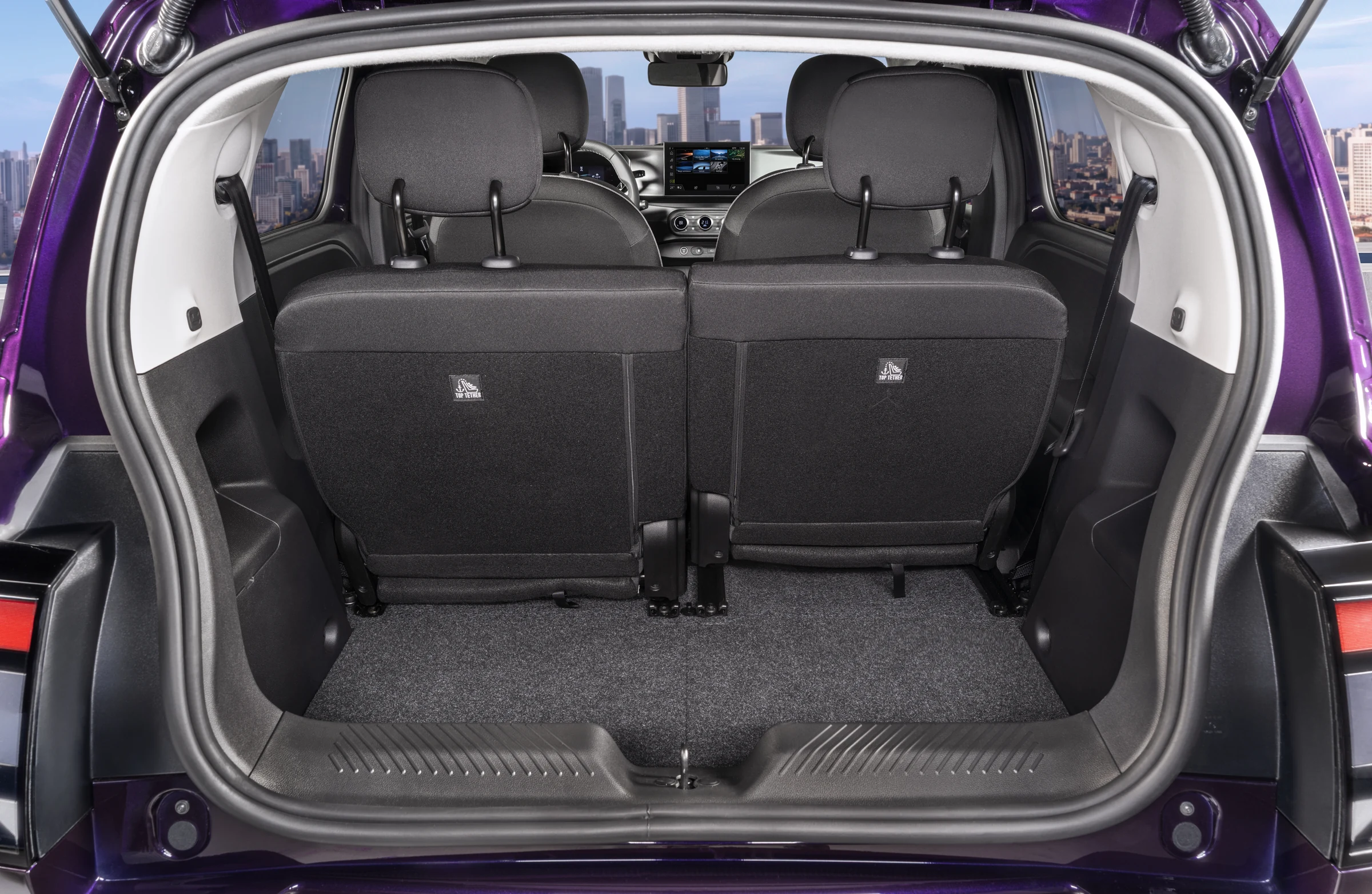
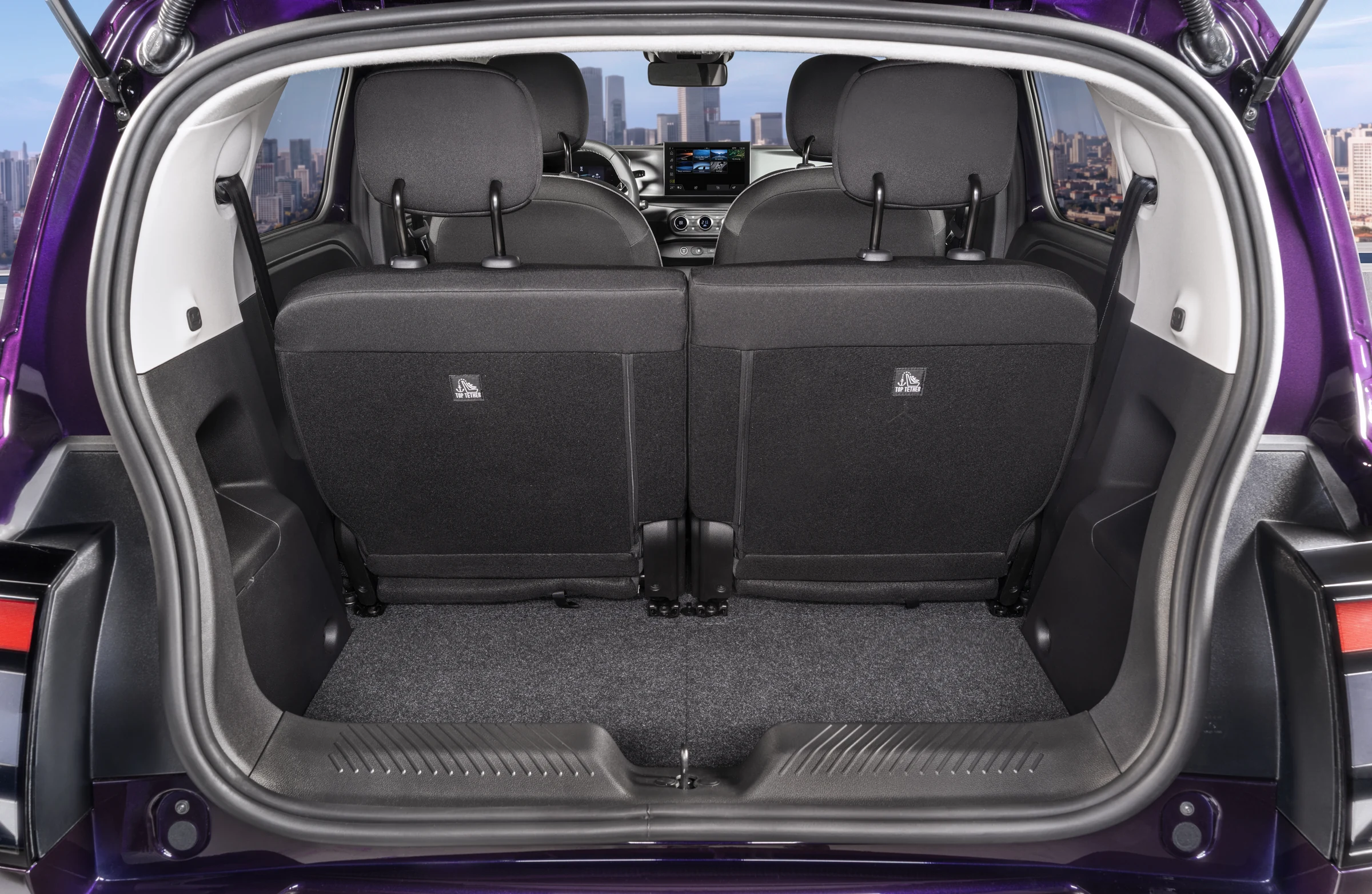
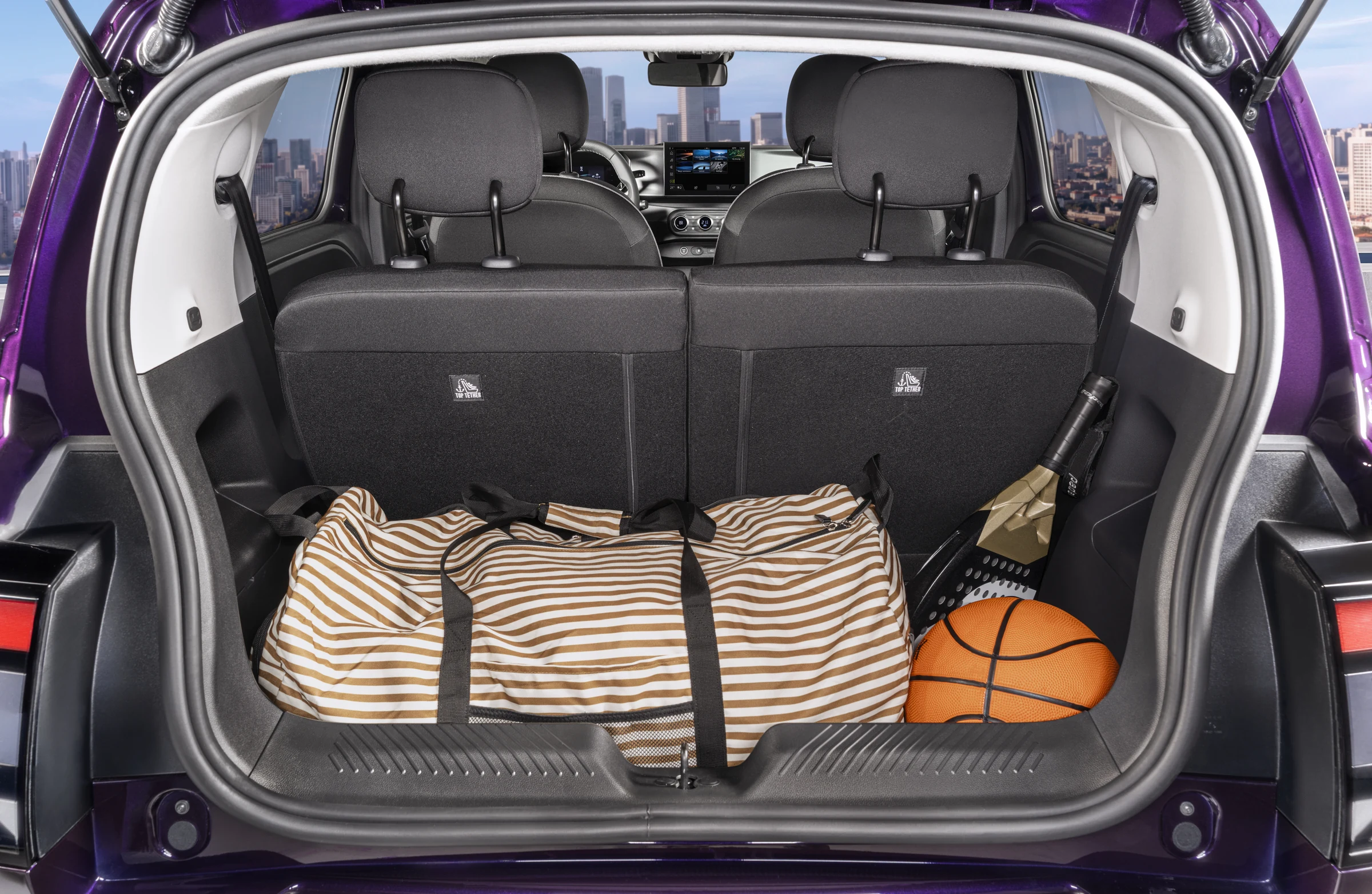
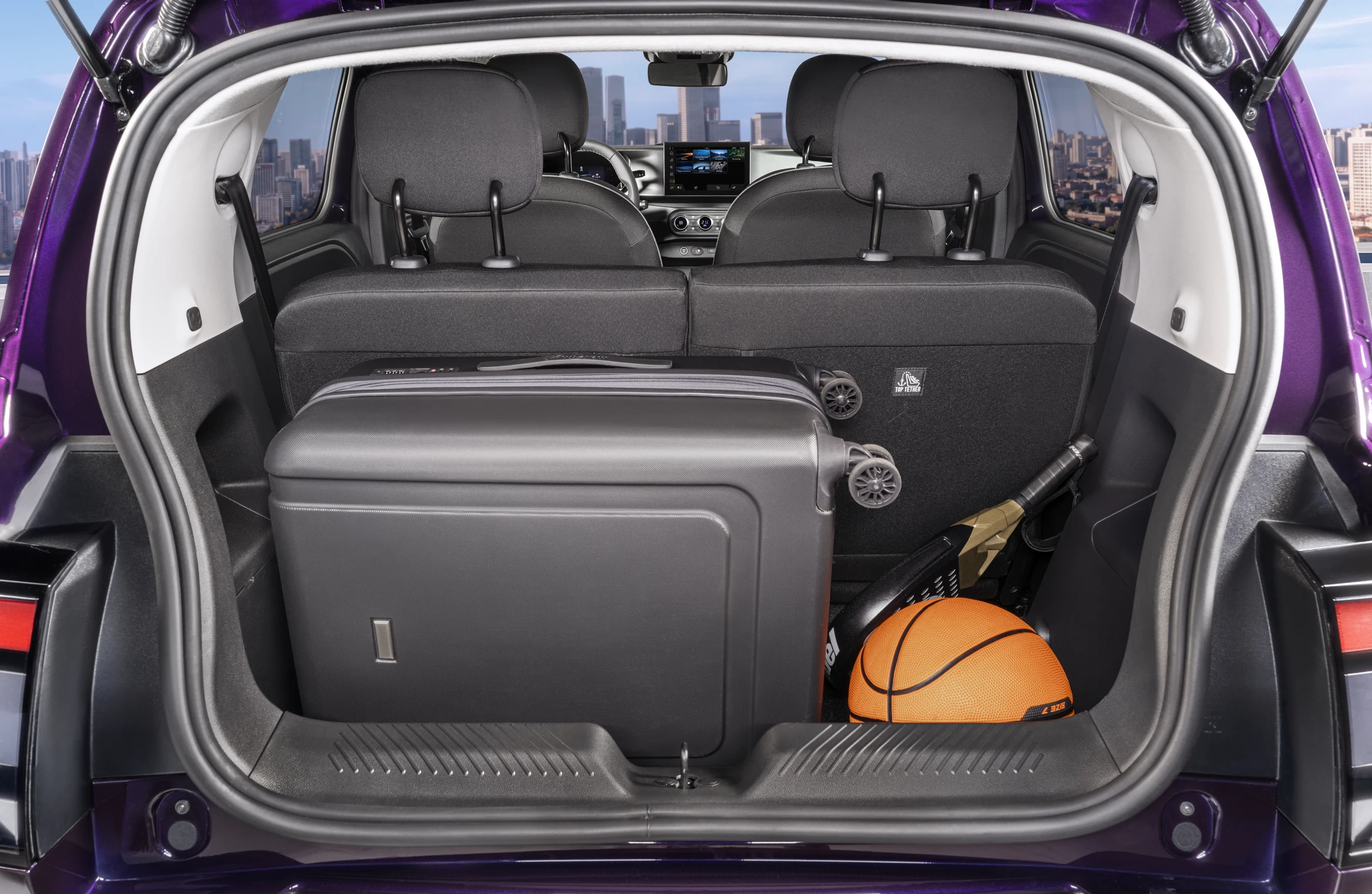
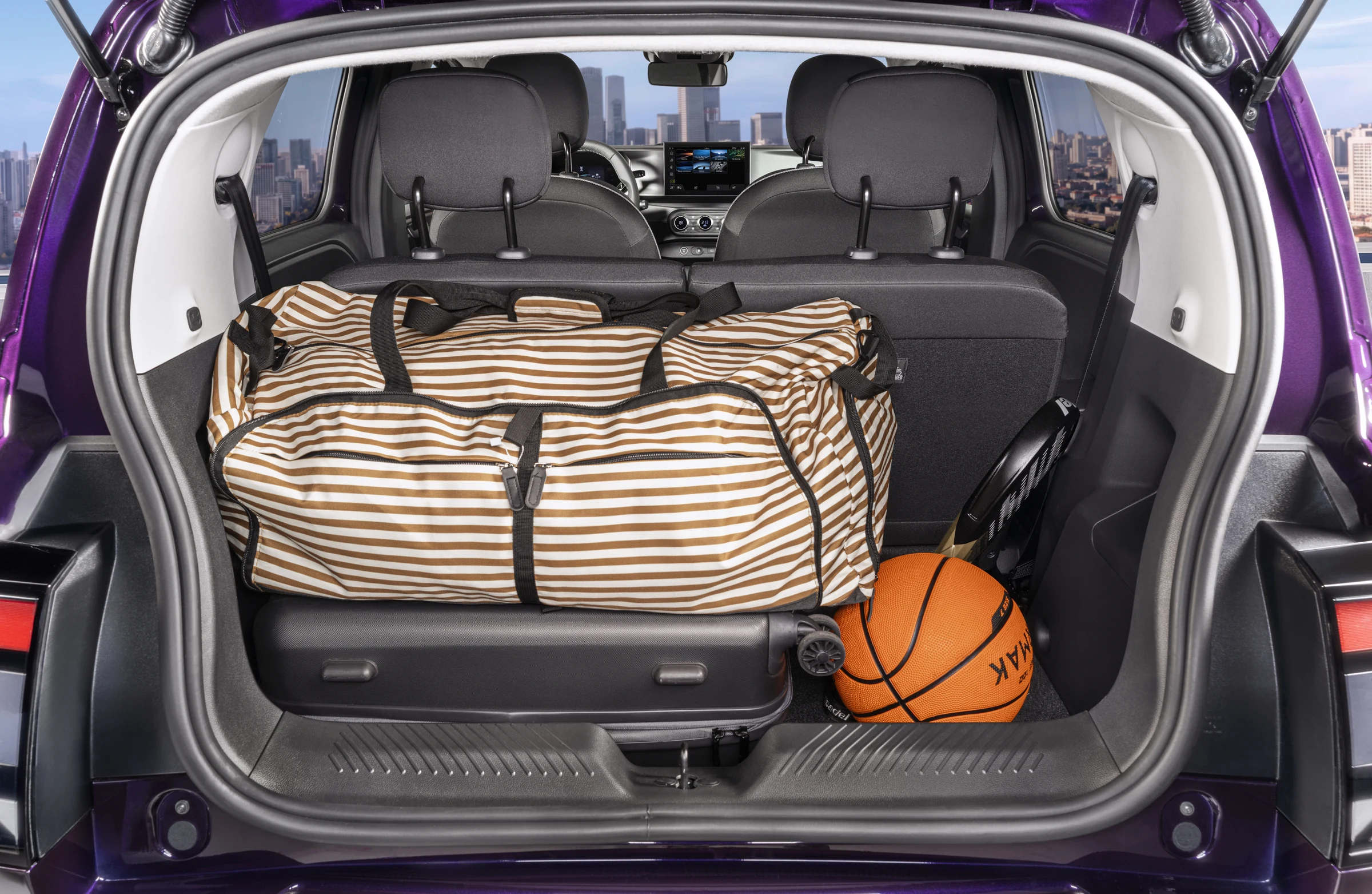
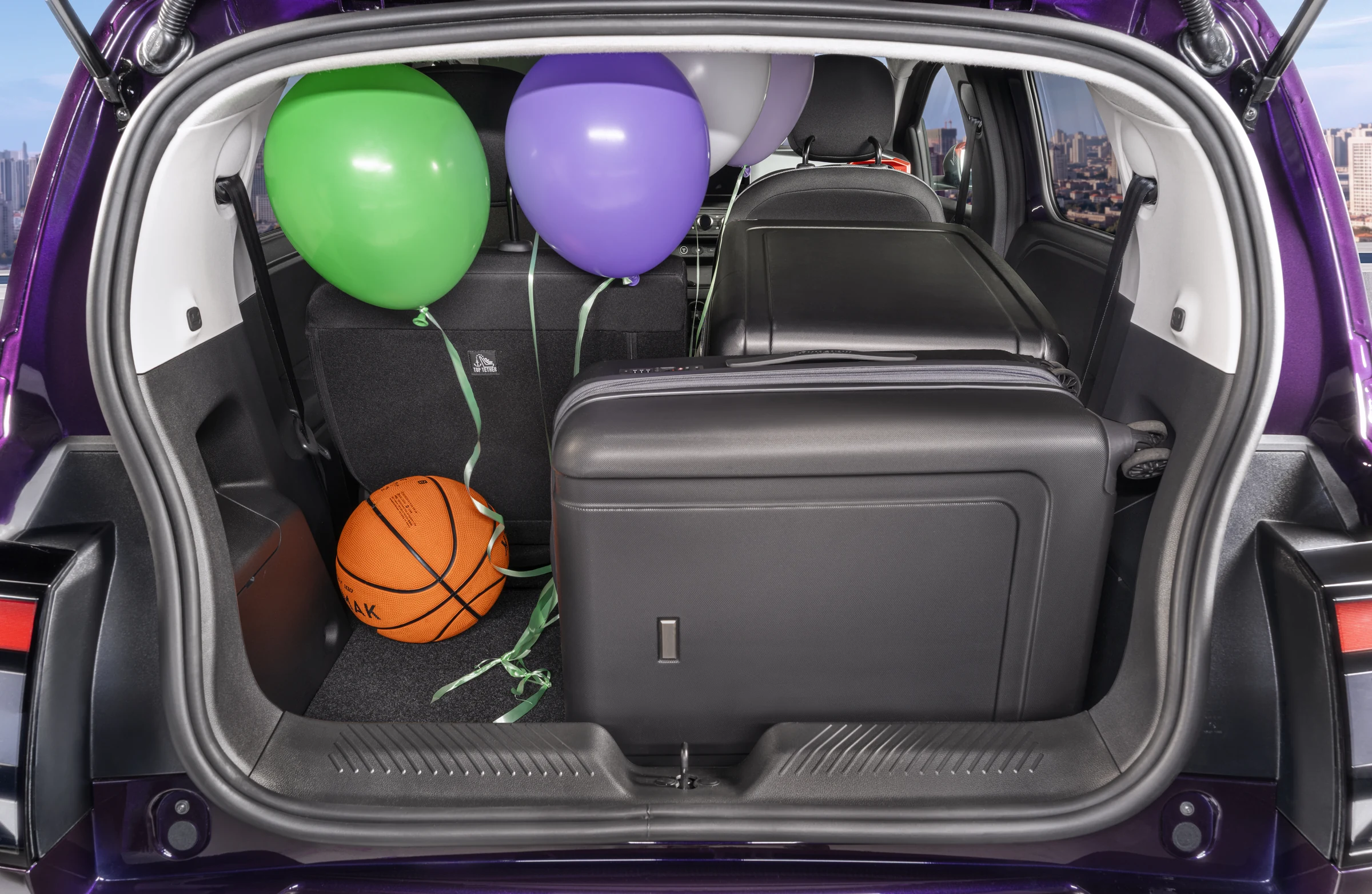
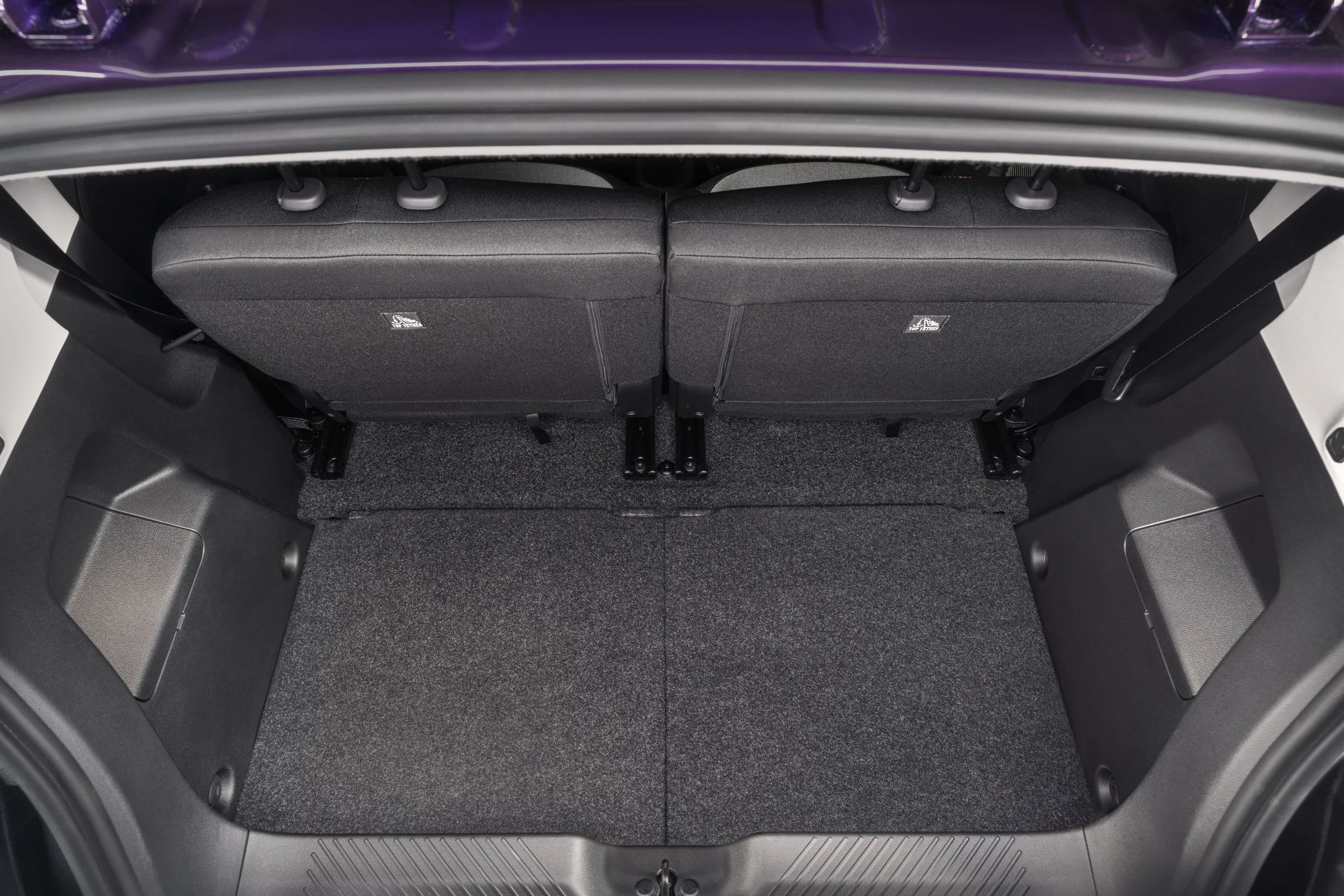
Nissan quotes 356 litres of VDA boot capacity with the rear seats in their normal position. Folding the rear seats increases luggage capacity to 1,221 litres. Those numbers are particularly relevant for anyone searching for Nissan Pixo boot space, because cargo capacity is often one of the biggest compromises in an A-segment electric car.
The rear seating arrangement is designed to improve flexibility between passenger room and luggage needs. That makes the Pixo more useful for grocery trips, small family duties and everyday carrying than its short overall length might suggest.
Nissan Pixo infotainment, Google built-in and Gemini
Connectivity is a major part of the Pixo specification. Nissan lists Google built-in with Gemini integration, giving the infotainment system access to familiar connected services and natural-language interaction. The MyNissan app supports functions such as navigation, real-time route planning, charging information and remote vehicle features where available.
This technology matters because small affordable EVs are increasingly expected to provide the same connected experience as larger cars. Buyers searching for Nissan Pixo technology, Pixo infotainment or Pixo Google built-in are therefore not looking at a stripped-out city car; connectivity is one of the model's headline features.
Nissan Pixo safety and driver assistance
Nissan lists automated emergency braking and a lane-keeping system among the Pixo driver-assistance features. Combined with e-Pedal and connected navigation functions, the package is aimed at making dense urban driving easier and more predictable.
Exact equipment can vary by market and trim, so buyers should check the local Nissan Pixo specification when ordering. The official launch information establishes the core systems, while country-specific equipment lists will determine which additional features are standard or optional.
Nissan Pixo exterior design
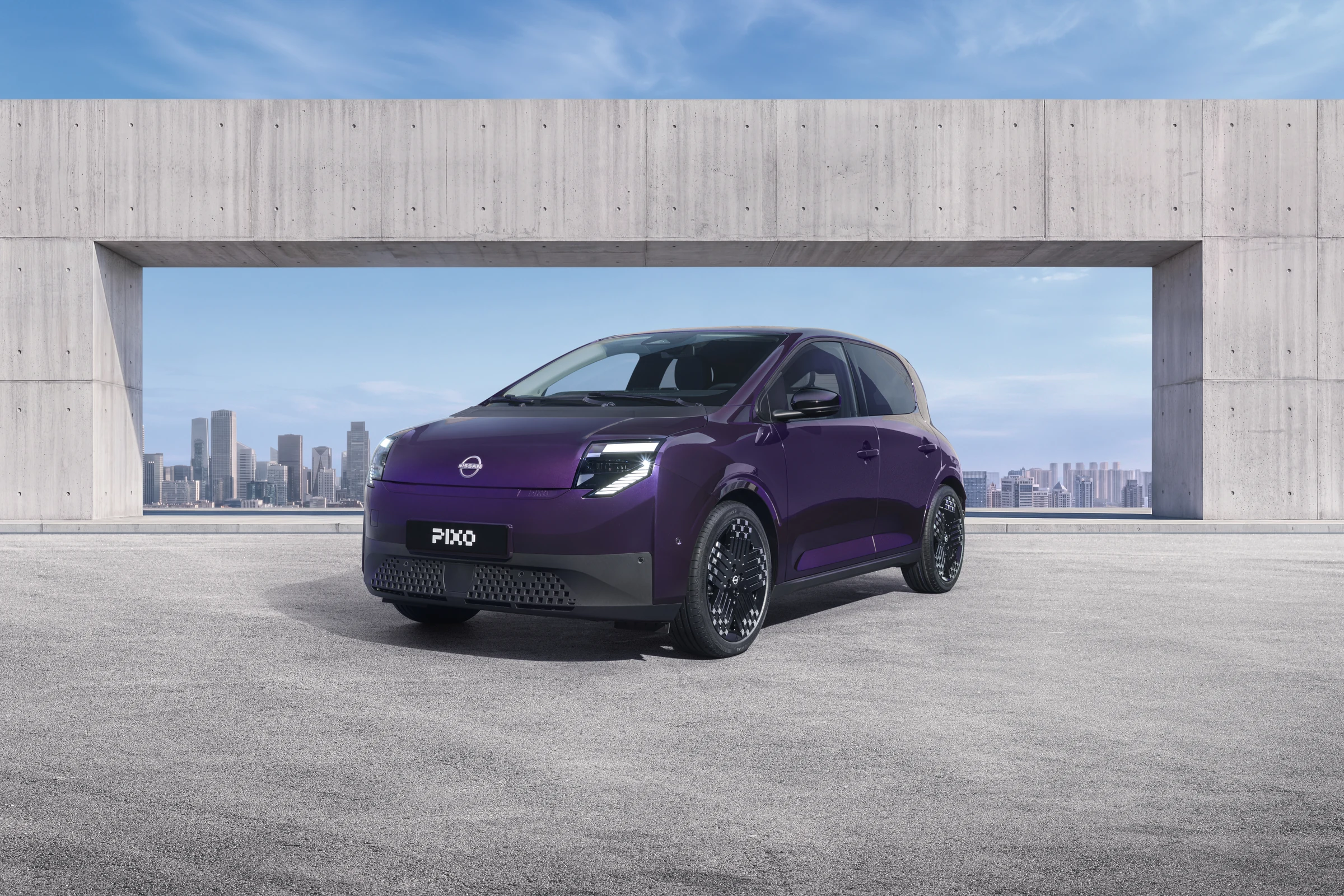
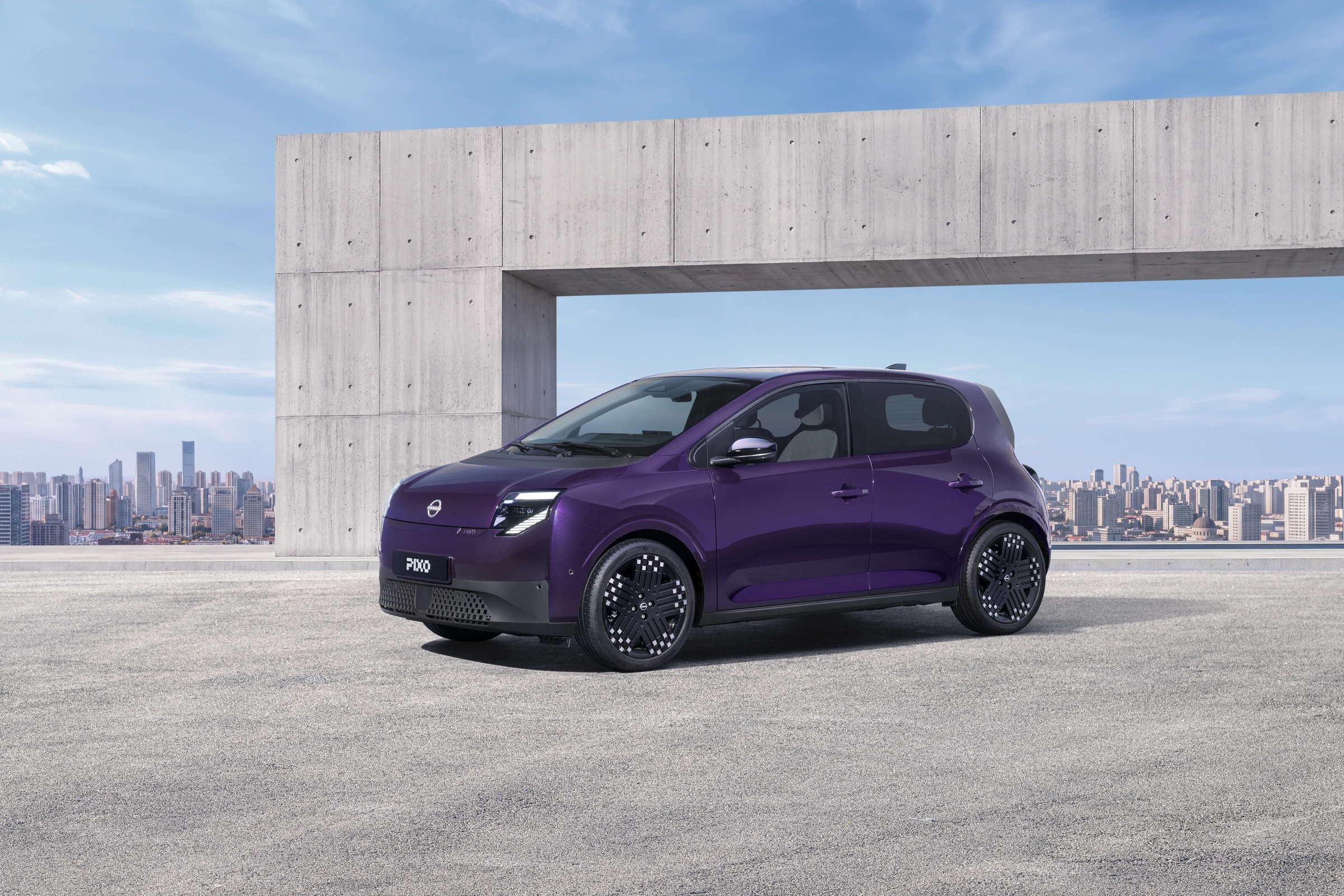
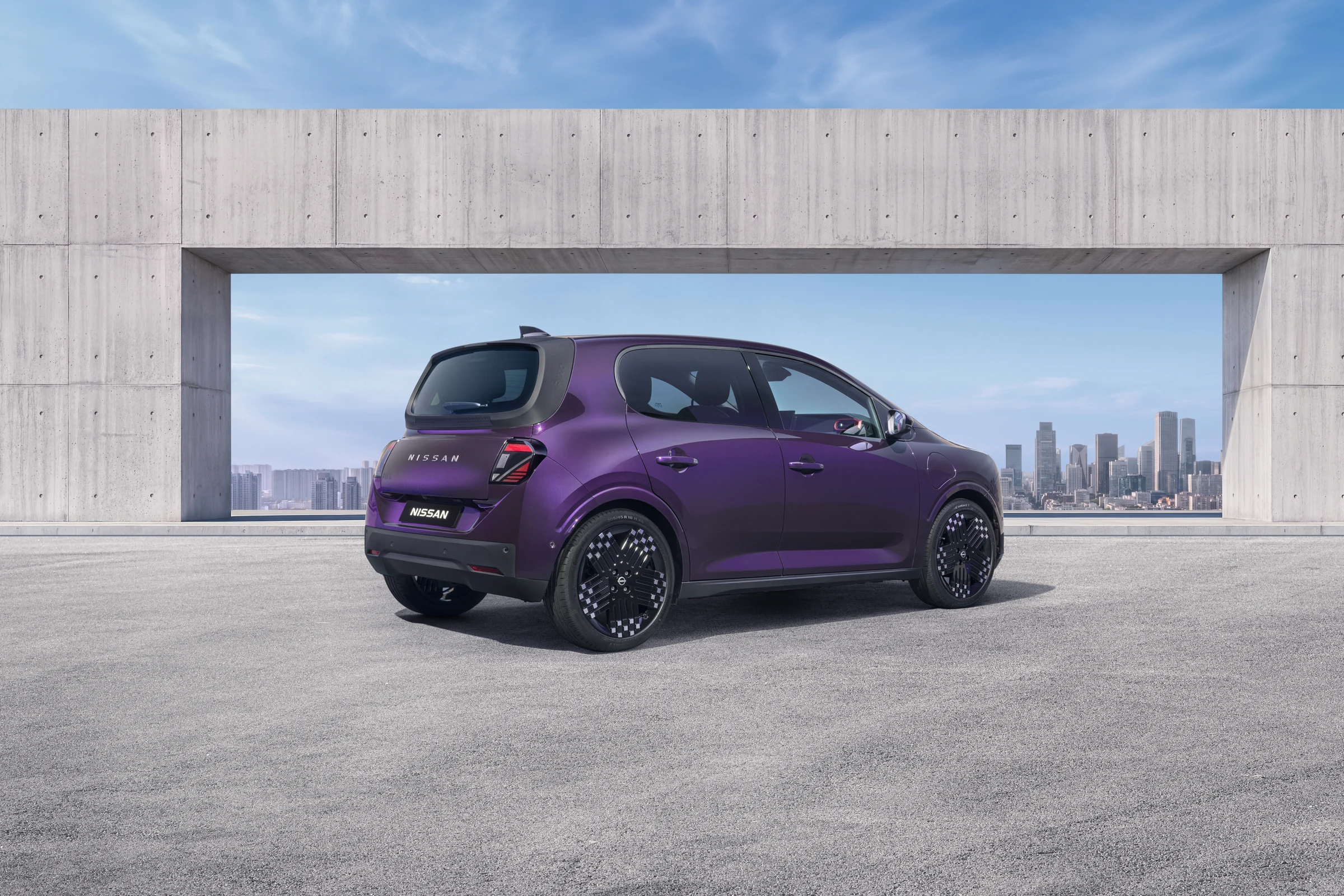
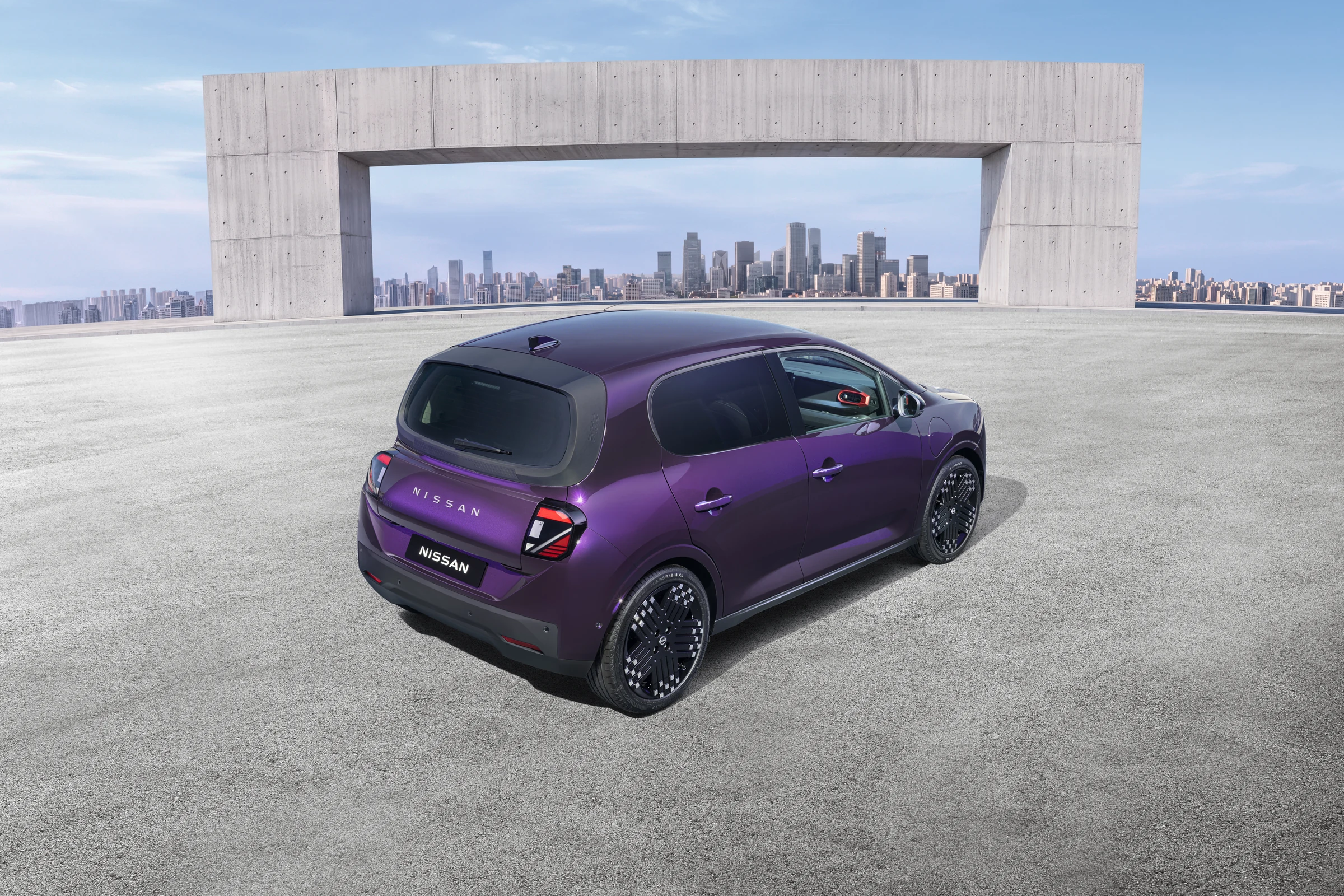
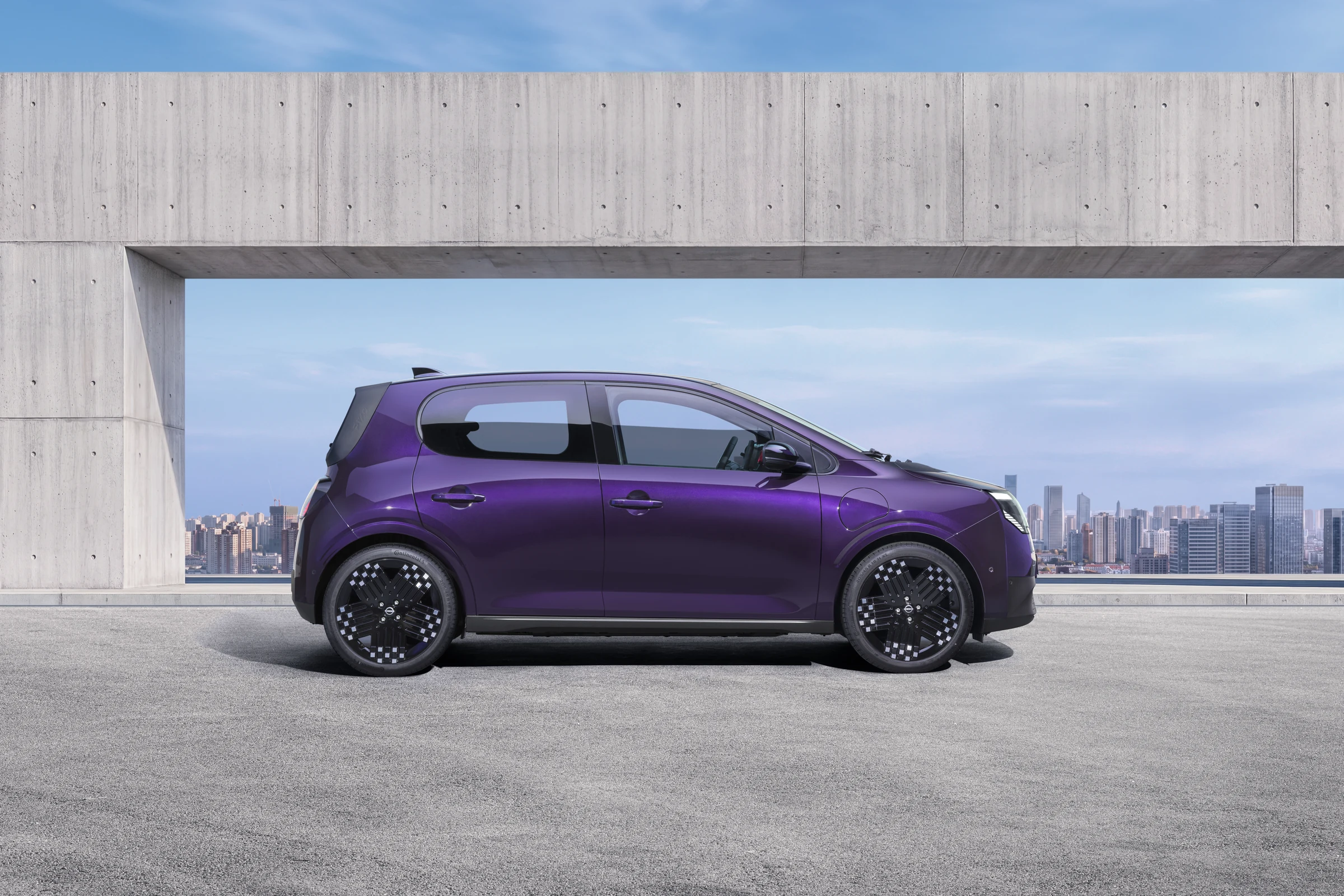
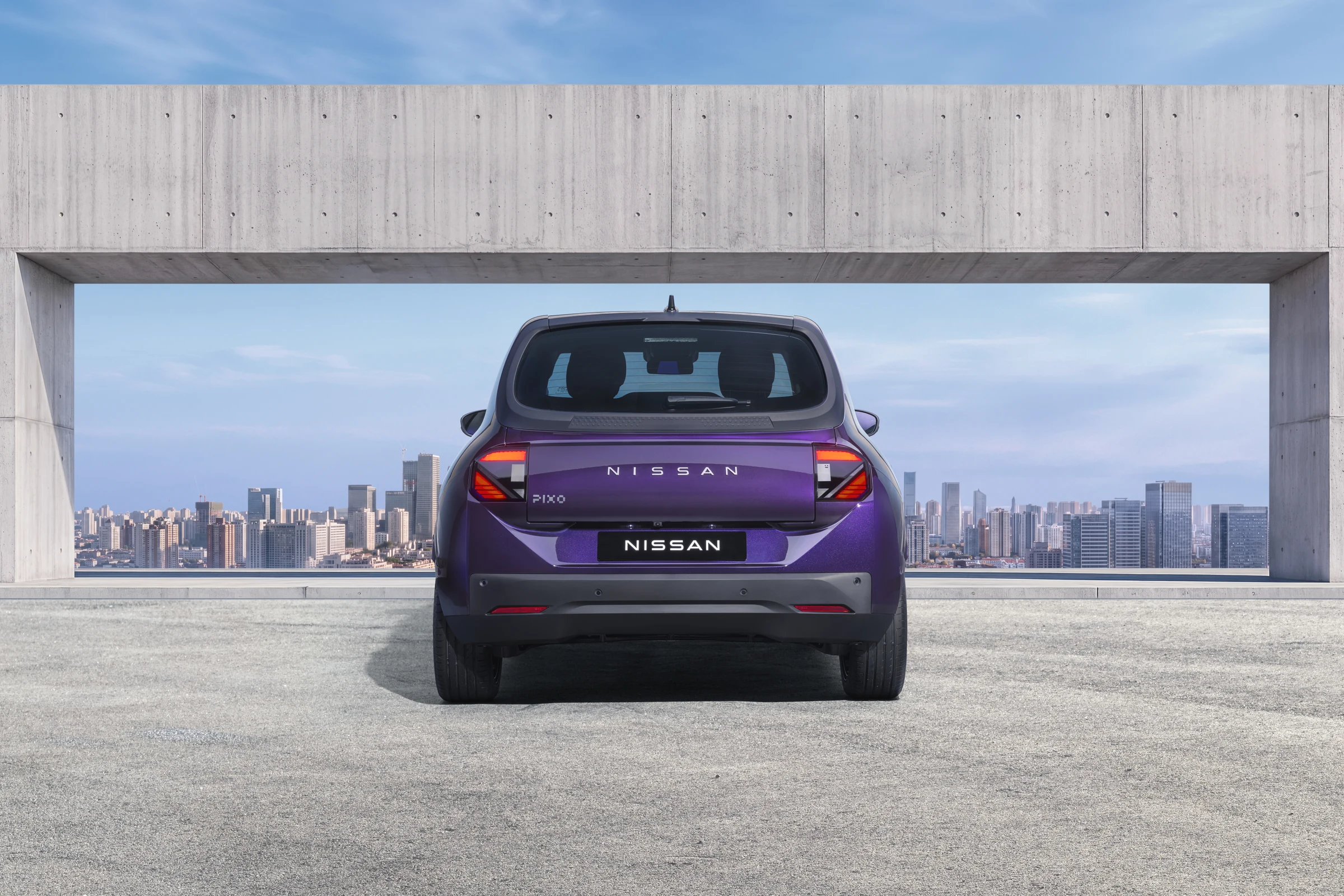
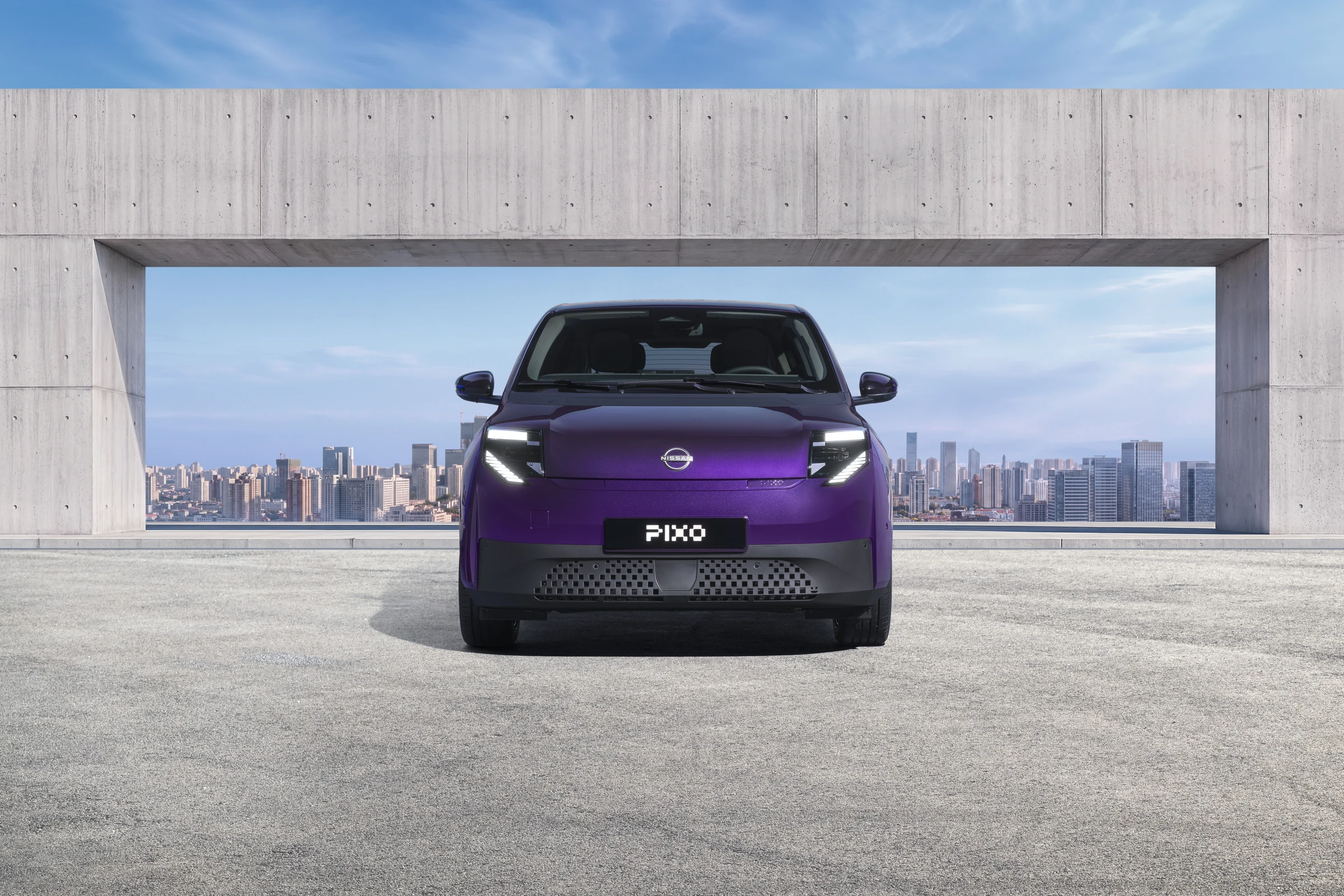
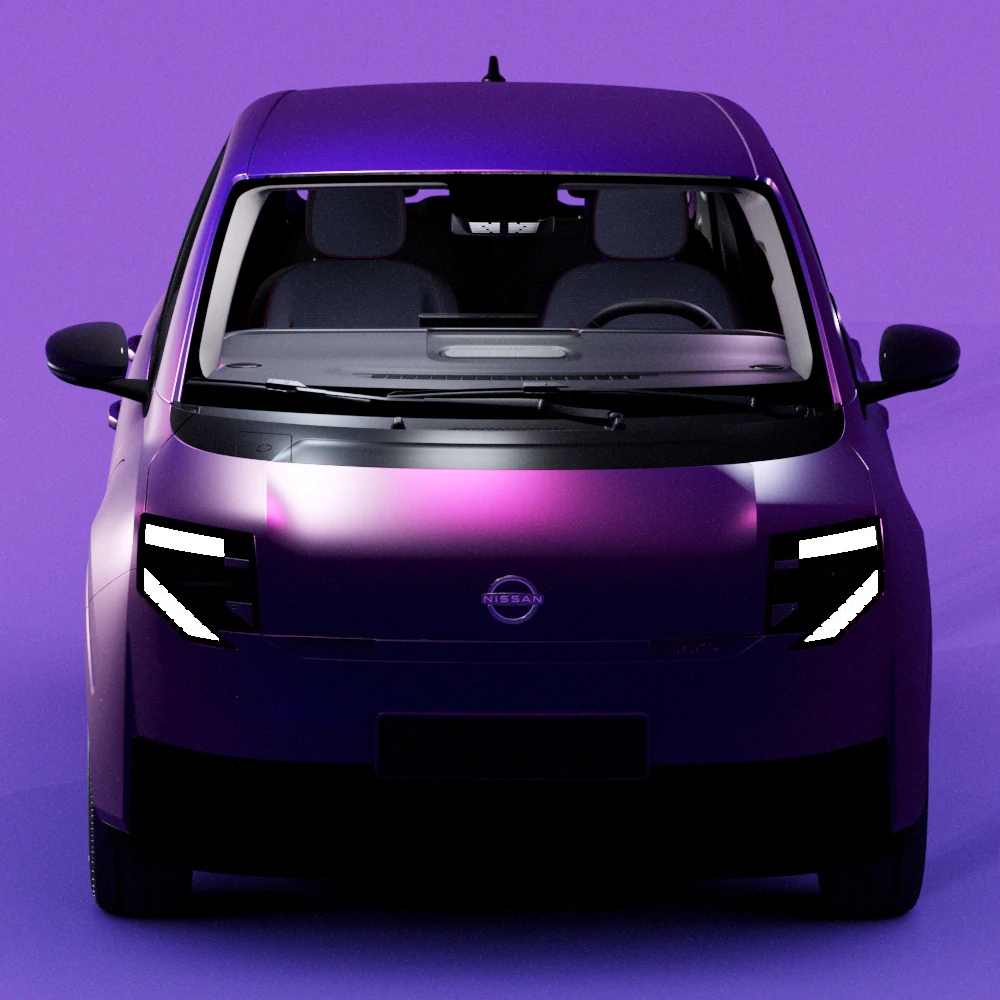
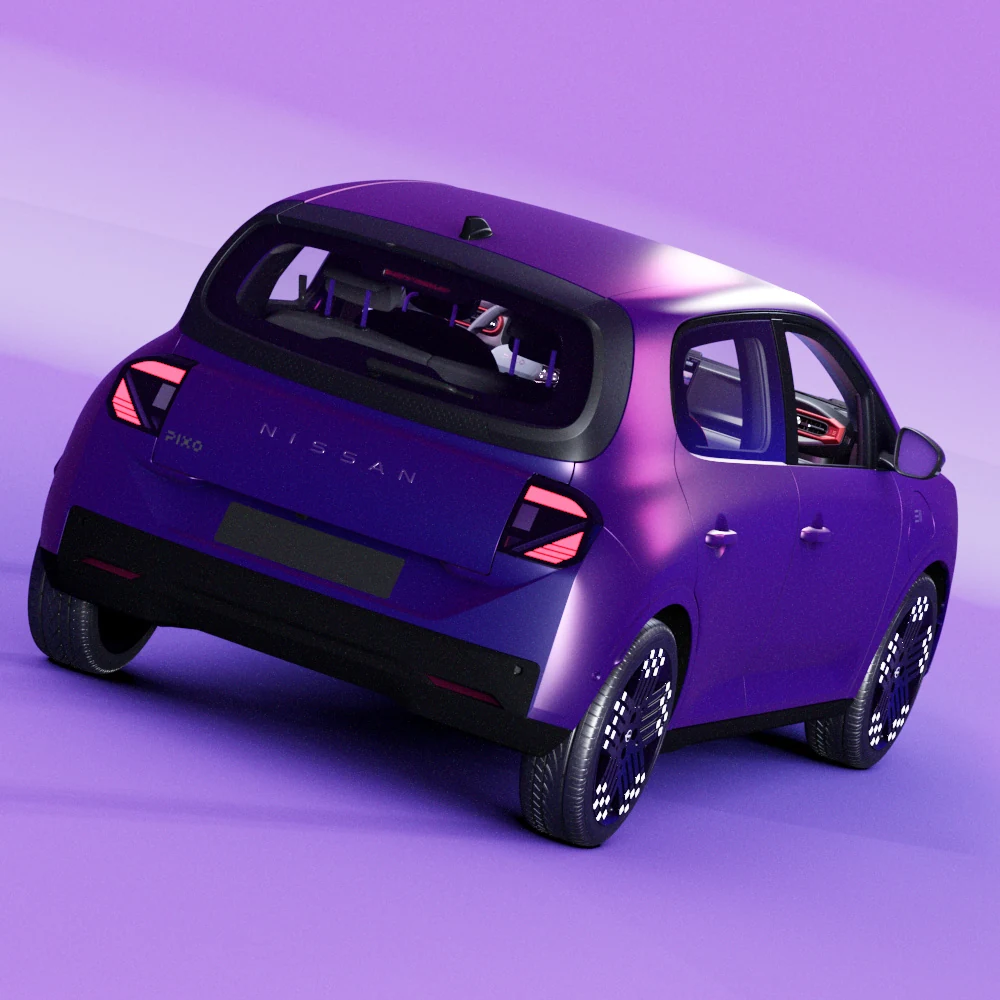
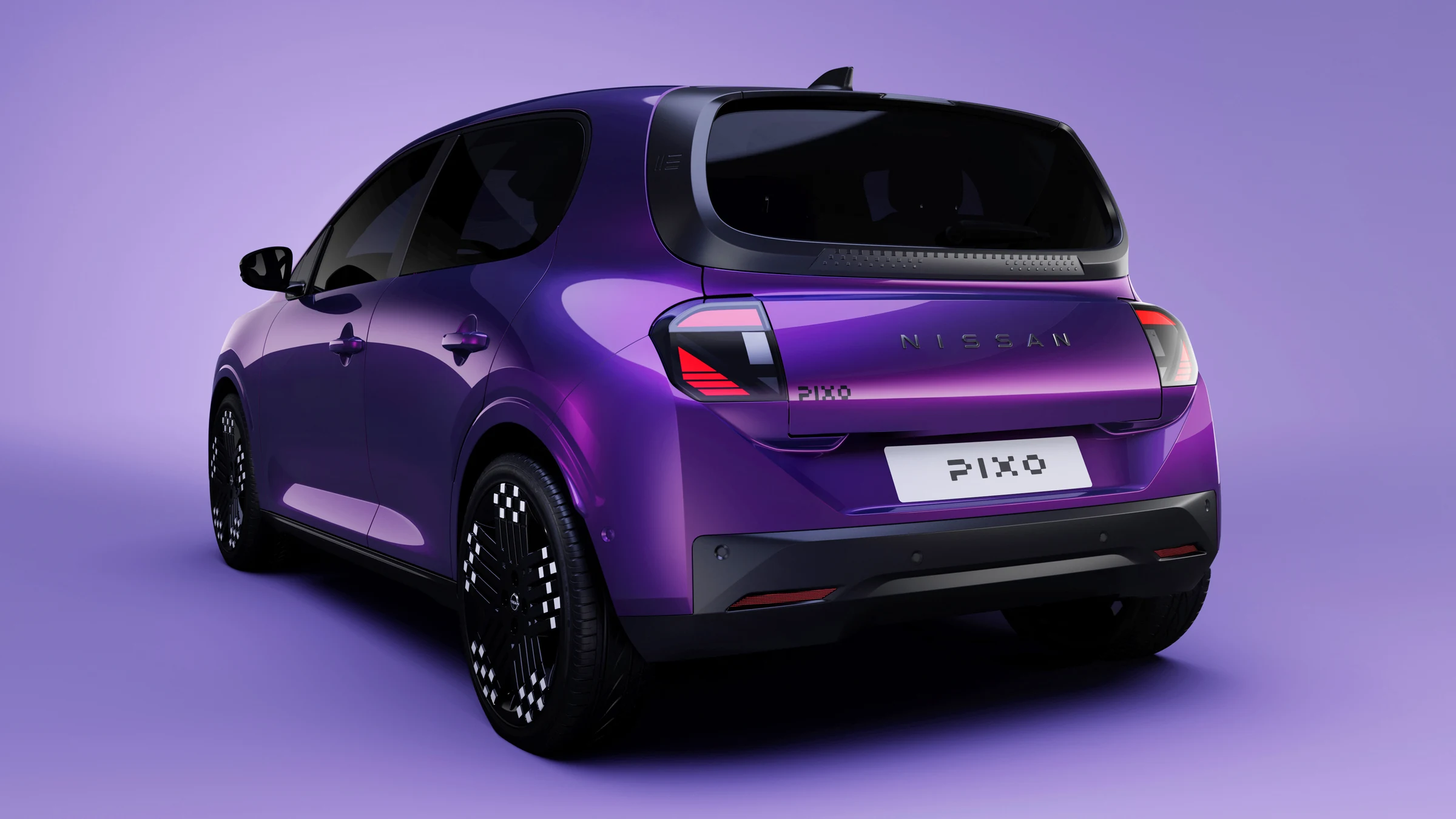
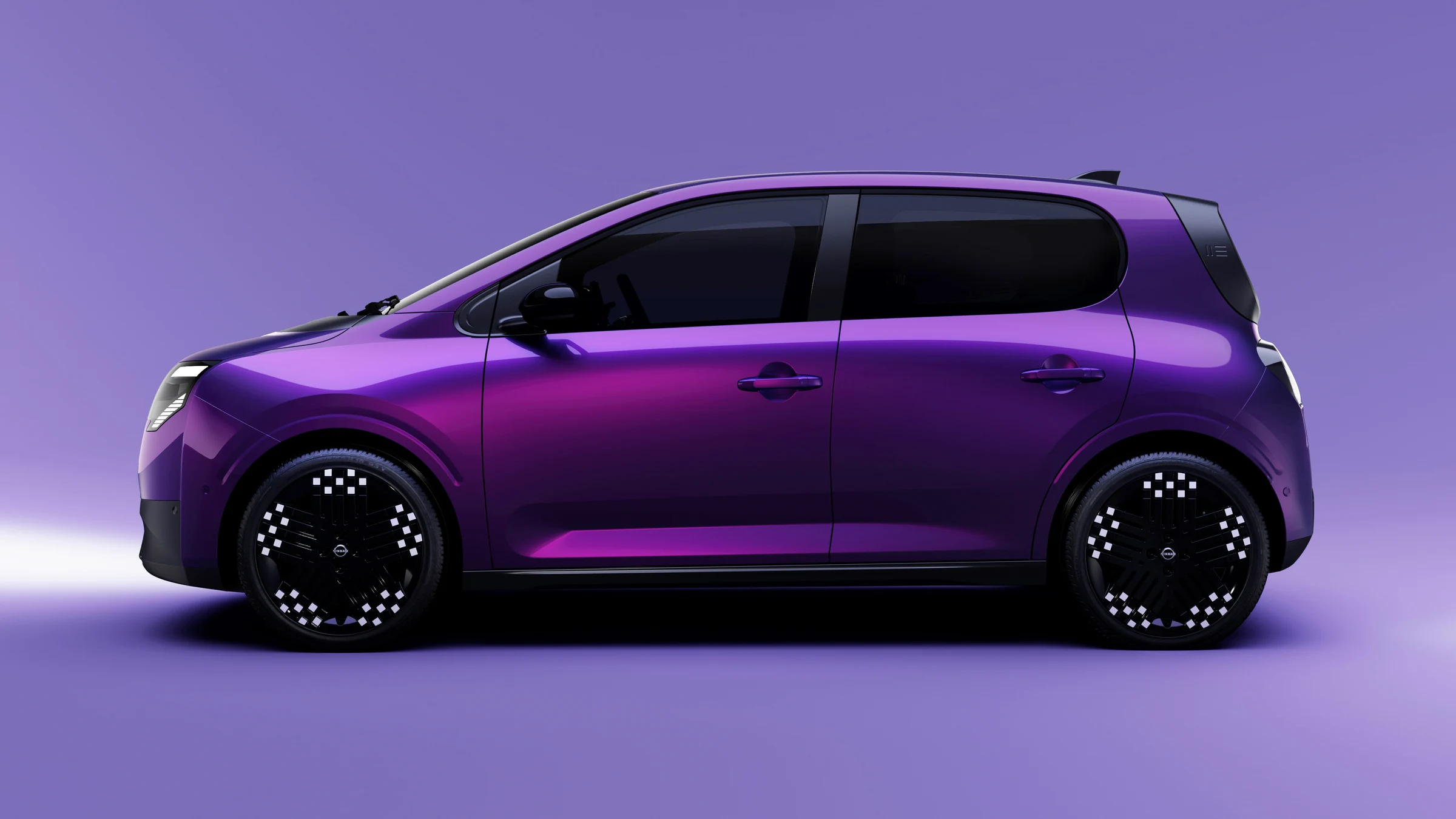
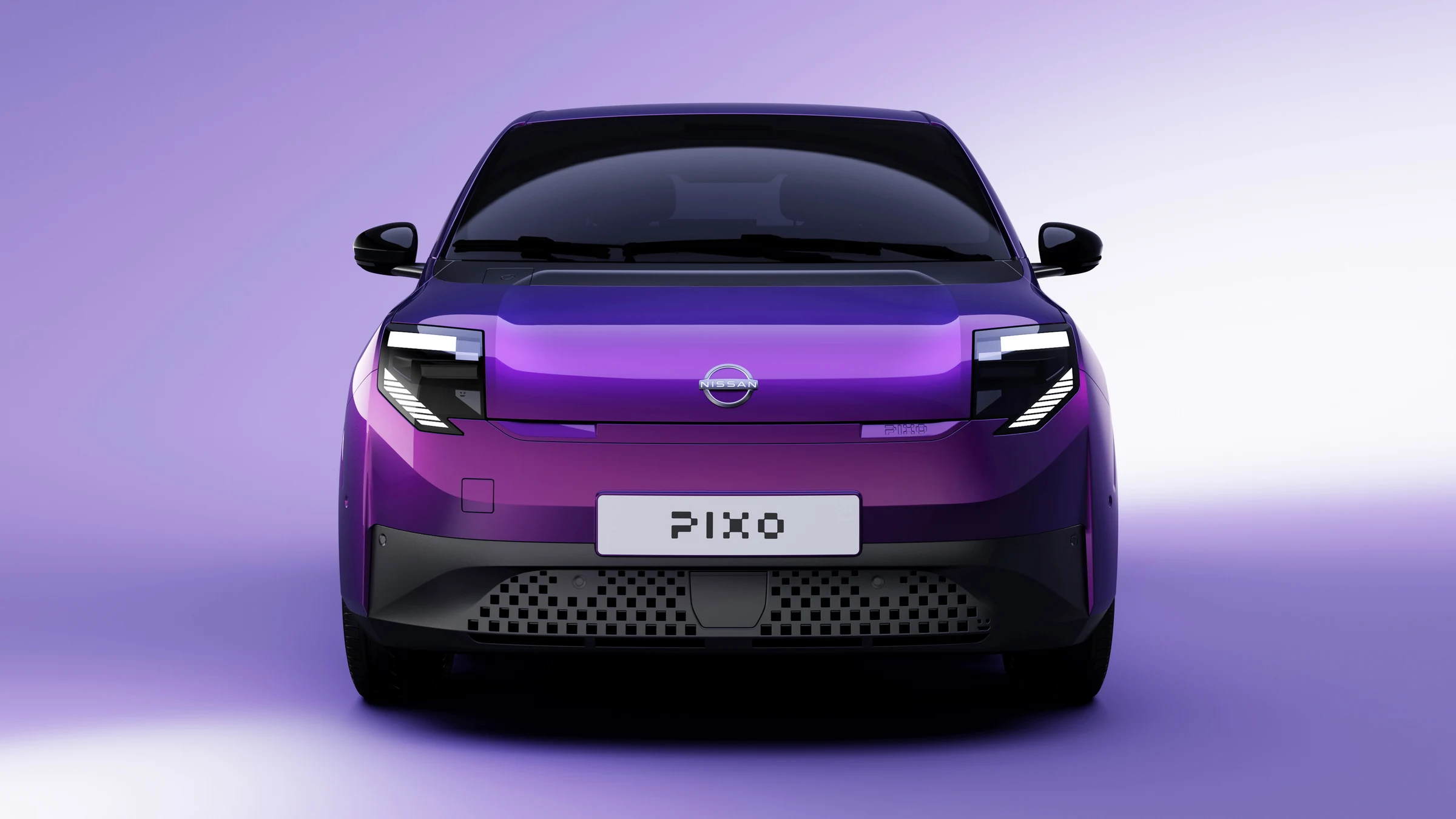
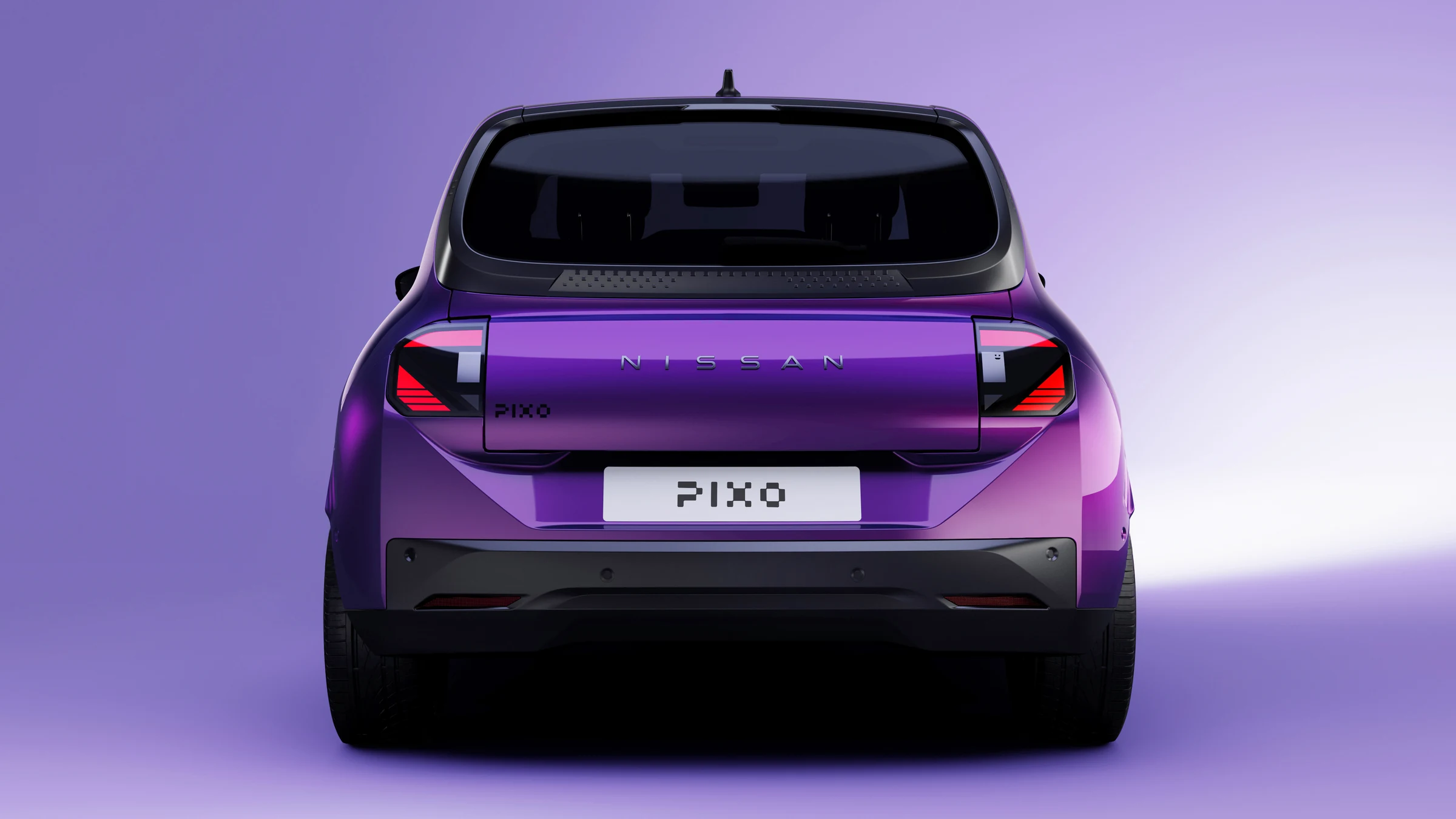
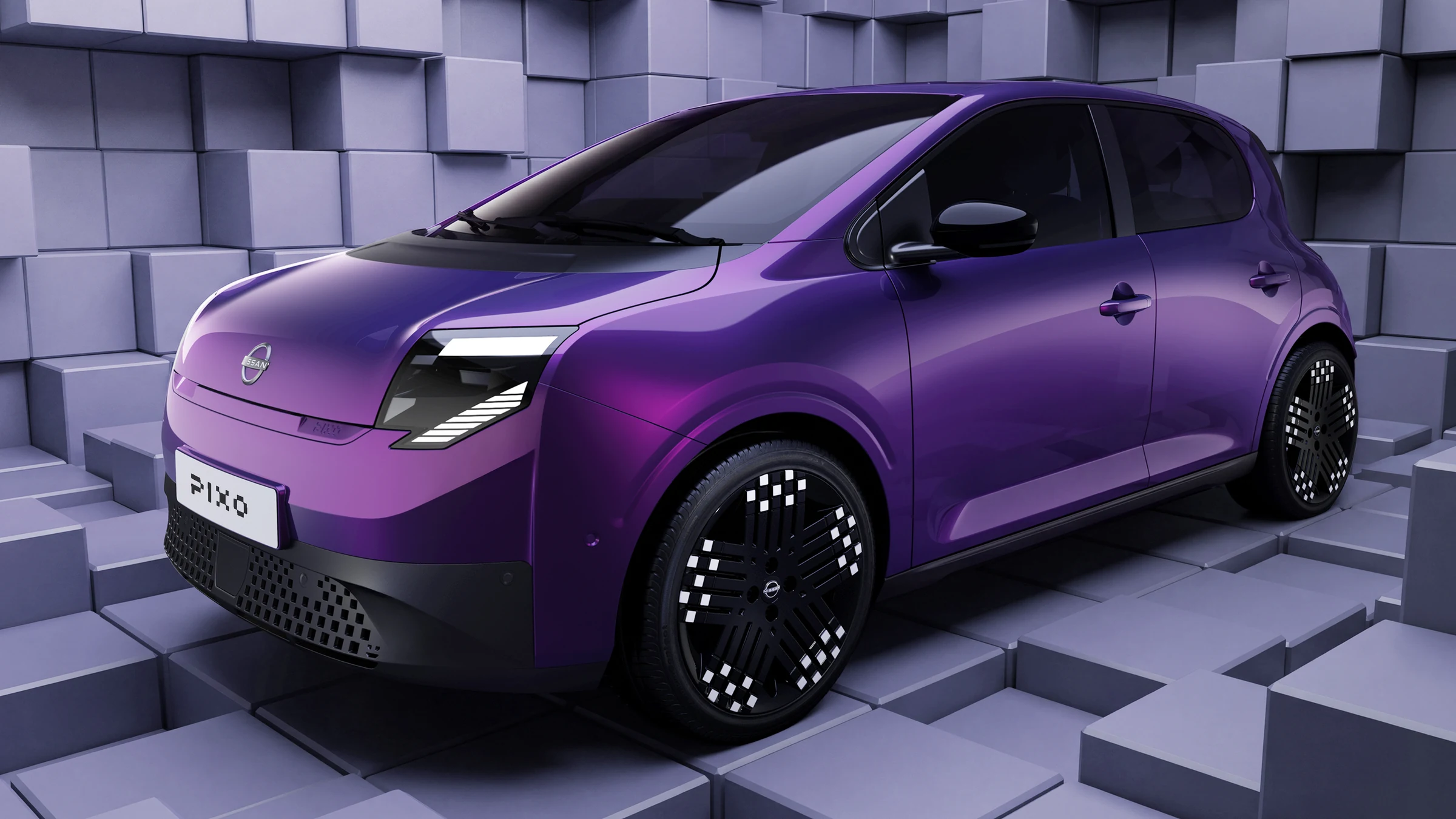
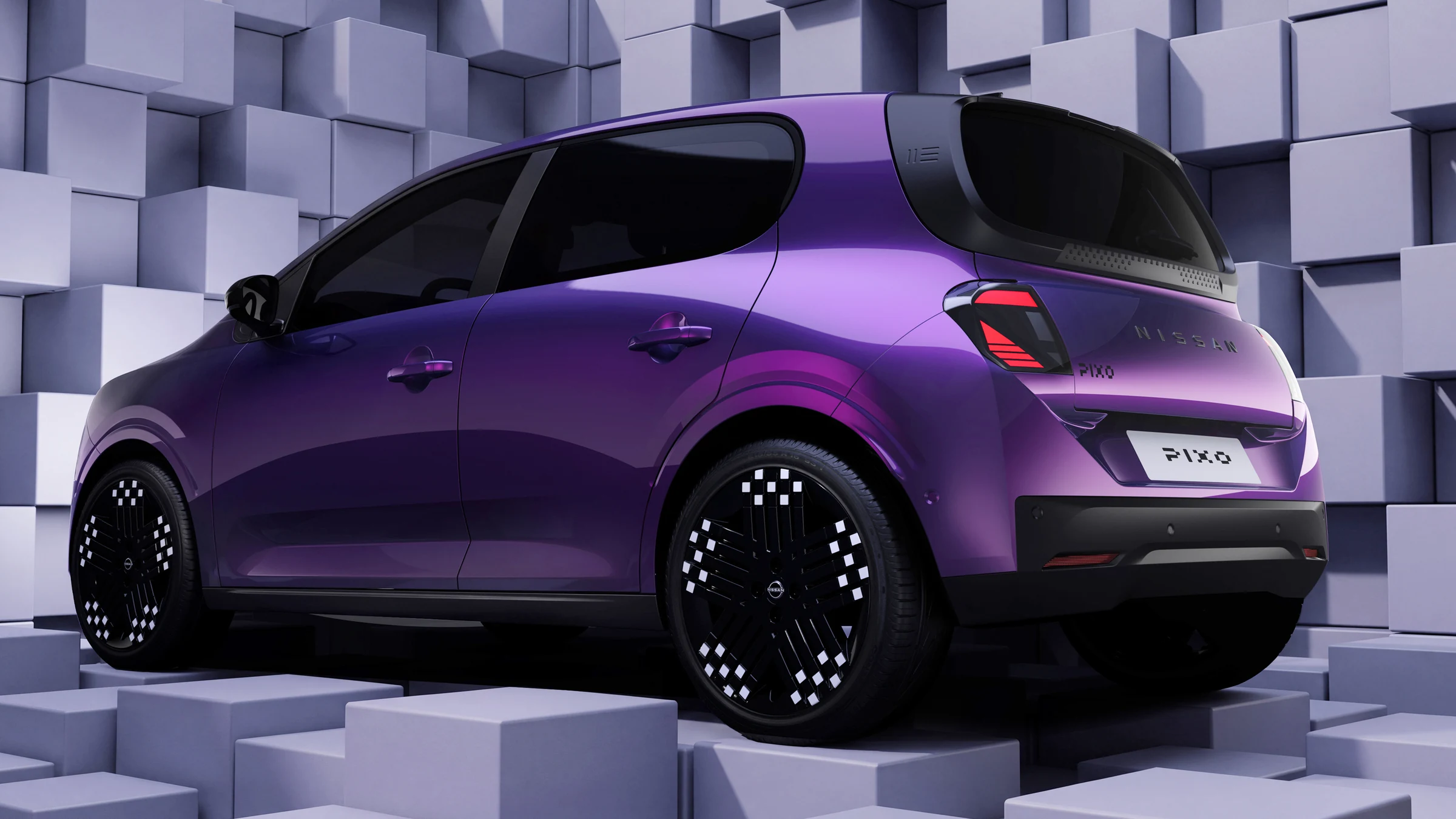
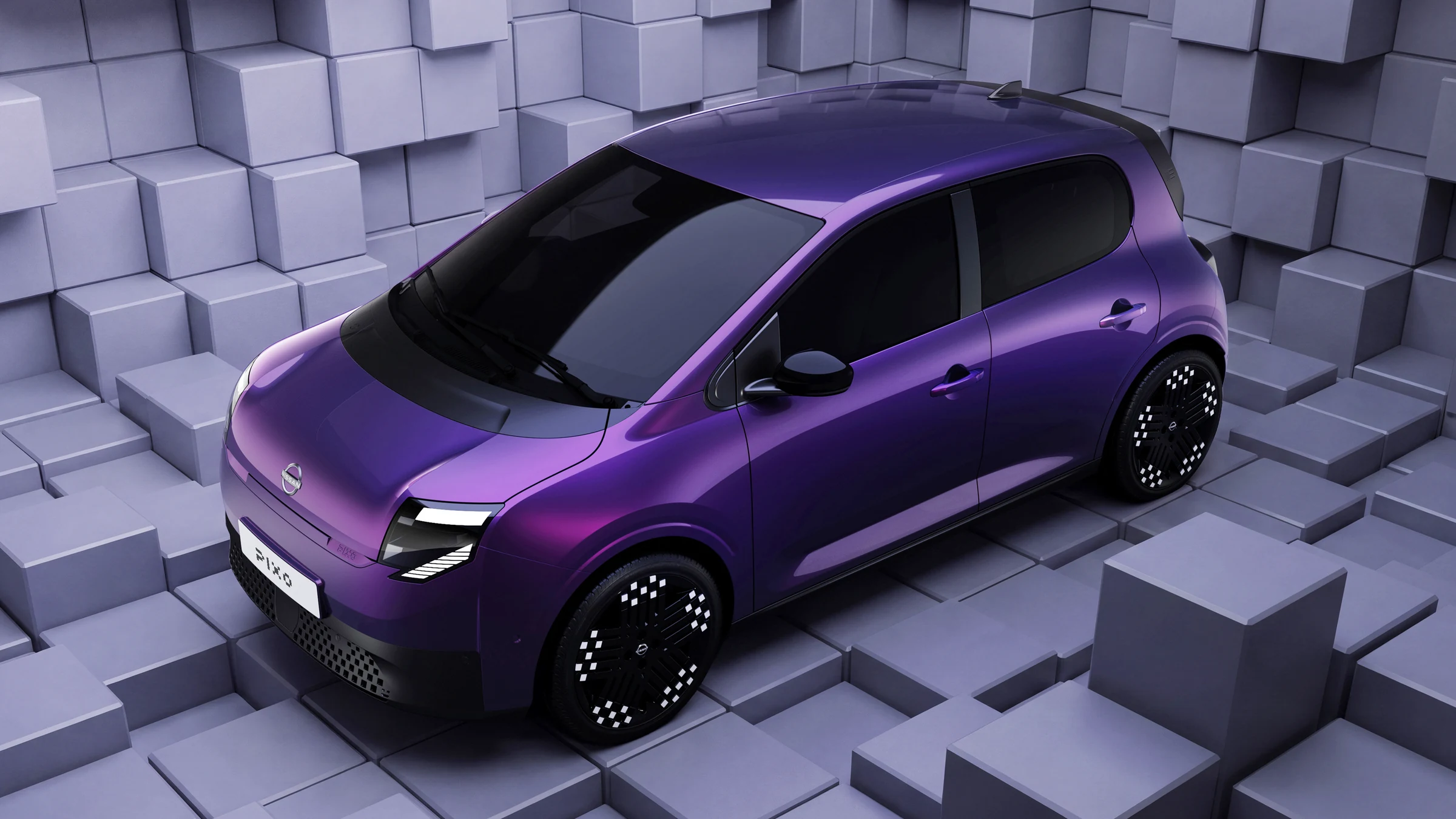
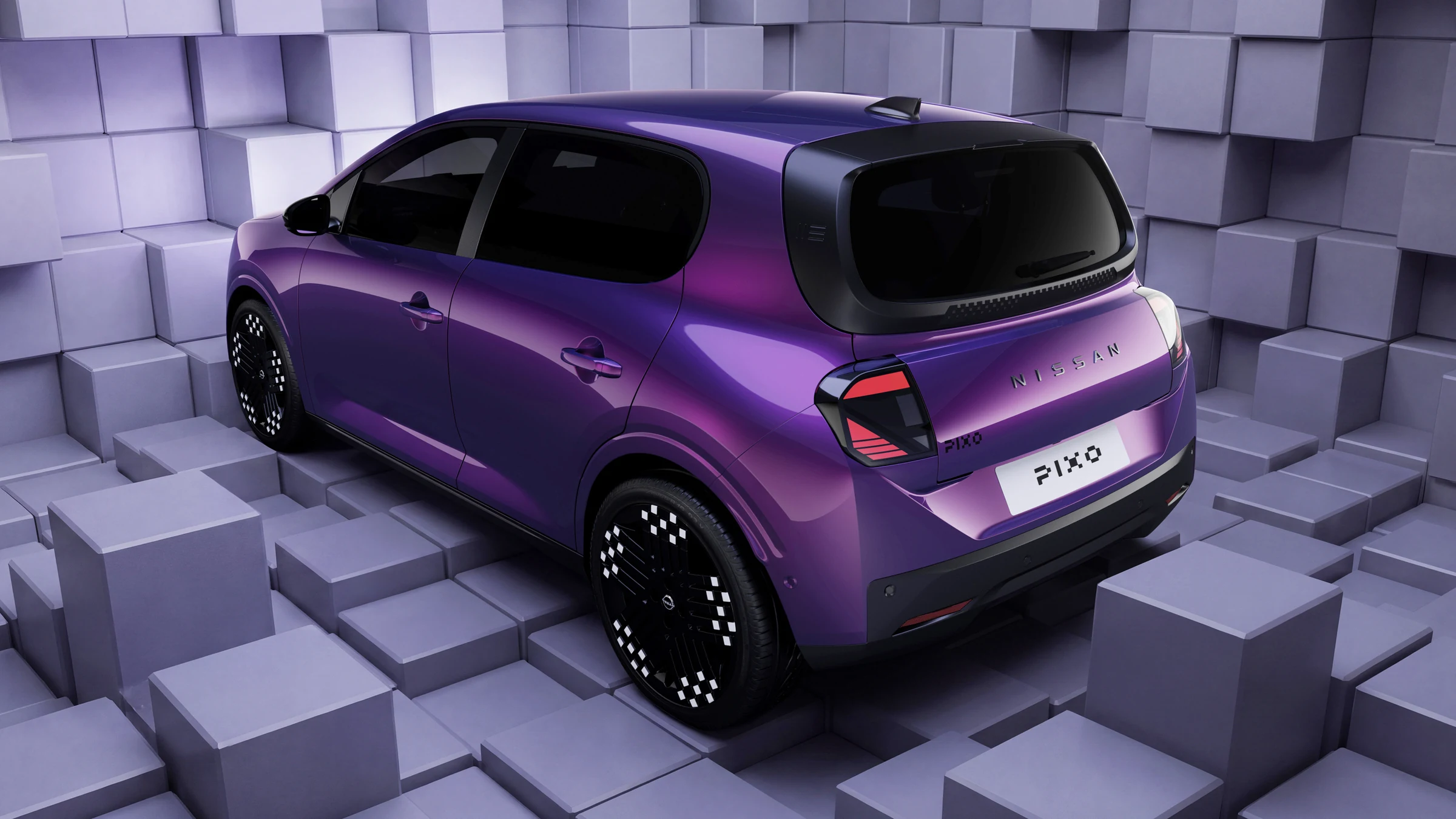
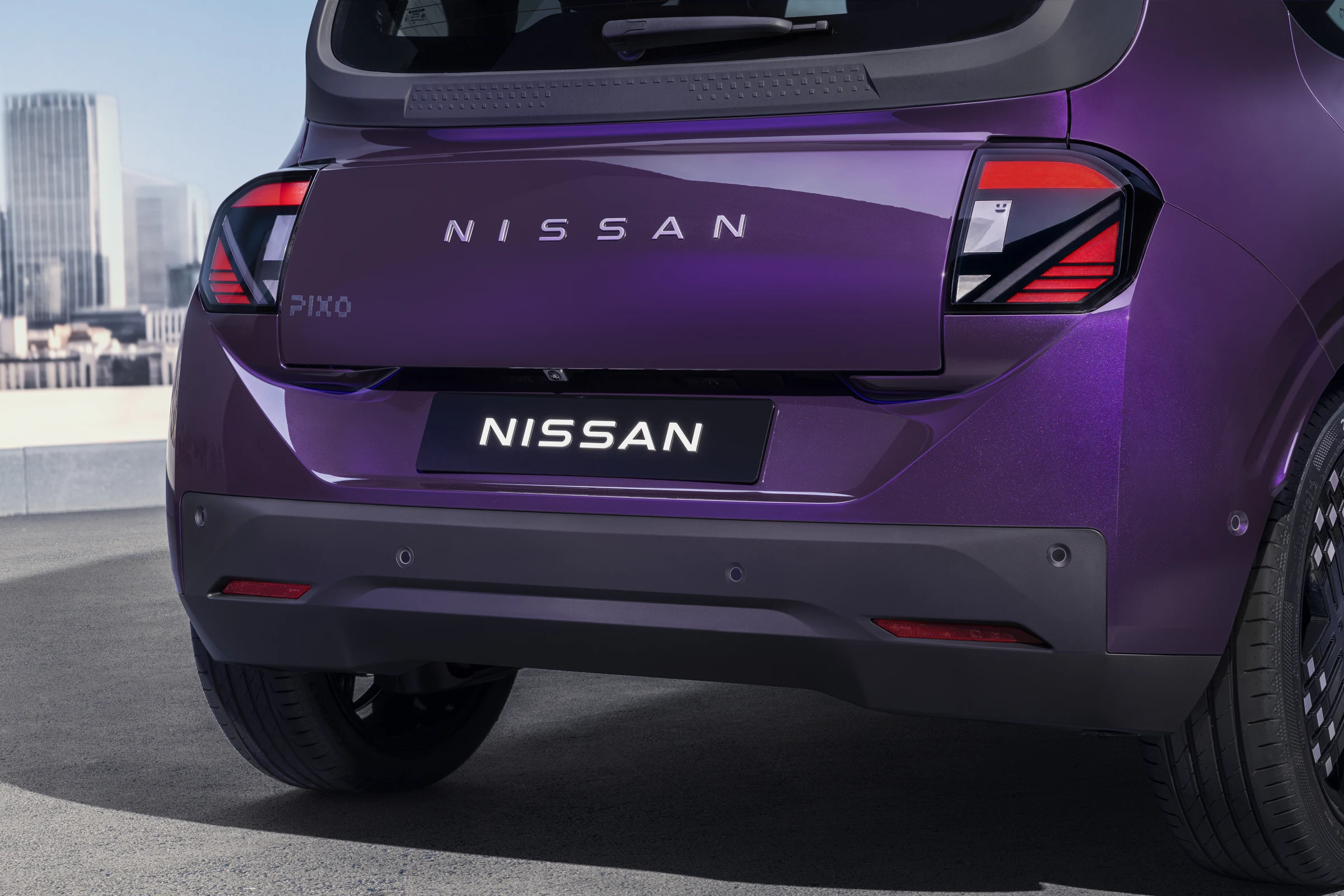
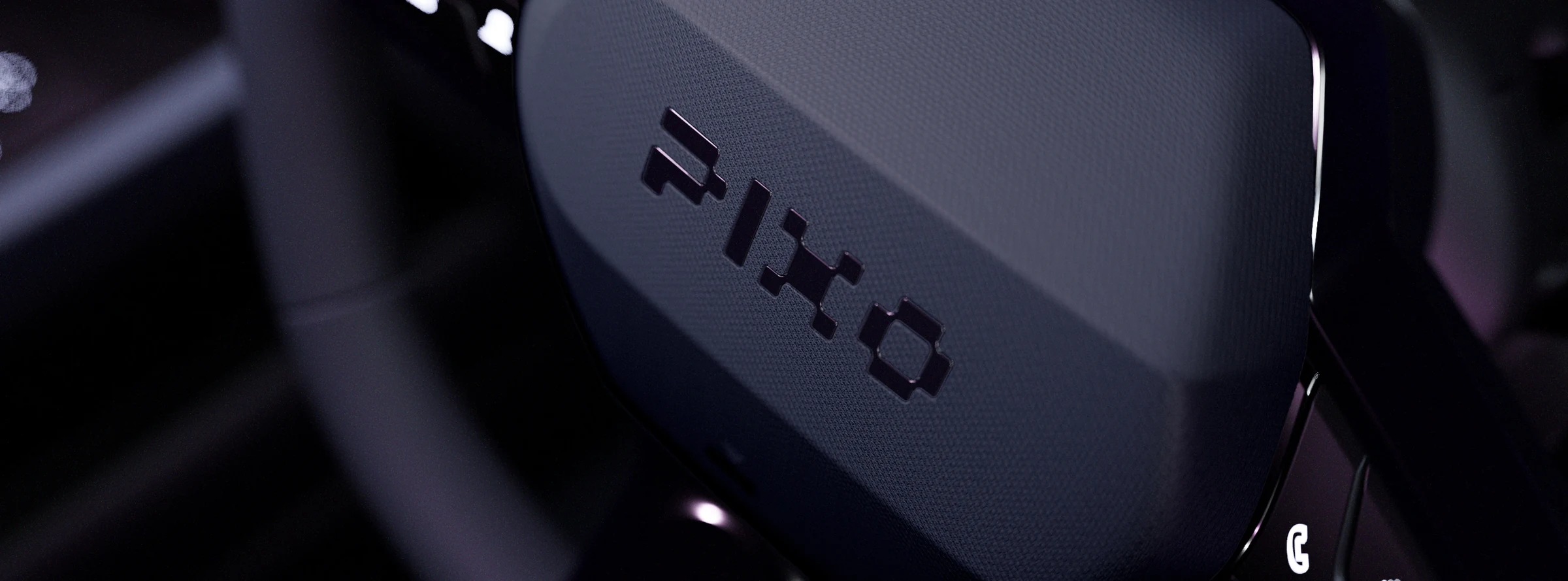
The Nissan Pixo exterior uses a compact upright hatchback shape with short overhangs, a strong shoulder line and distinctive lighting graphics. Pixel-inspired details appear around the design and help give the car a more playful visual identity than a purely utilitarian city EV.
The official Nissan Pixo photos show a car designed to look modern without hiding its practical proportions. Large glass areas, short body ends and a relatively tall roof help support visibility and interior packaging, while the lighting and graphic details provide the stronger brand character.
Nissan Pixo price and release date
For people searching for the Nissan Pixo price, Nissan has not yet published a final market-by-market price list. The company says pricing details will be announced in December. That means any unofficial Nissan Pixo price circulating before the market-specific announcement should be treated cautiously.
Nissan says customer deliveries are expected to begin in early 2027. The Pixo has been developed specifically for Europe, so availability will depend on individual European markets and the timing of each national launch.
Nissan Pixo specifications at a glance
| Vehicle type | A-segment battery-electric city car |
|---|---|
| Battery | 27.5 kWh LFP |
| WLTP range | Up to 259 km |
| Motor output | 60 kW |
| DC charging | 50 kW |
| DC charging time | 15-80% in approximately 28 minutes |
| AC charging | 11 kW |
| Boot space | 356 L VDA |
| Boot with rear seats folded | 1,221 L VDA |
| Length | 3,796 mm |
| Wheelbase | 2,492 mm |
| Turning circle | 9.9 m |
| Expected customer deliveries | Early 2027 |
Who is the Nissan Pixo for?
The Pixo makes the most sense for drivers who value compact size, easy manoeuvrability and relatively low charging demands. Its 259 km official range is not intended to compete with long-range electric SUVs, but the smaller battery also helps keep the car focused on the type of daily driving for which it was designed.
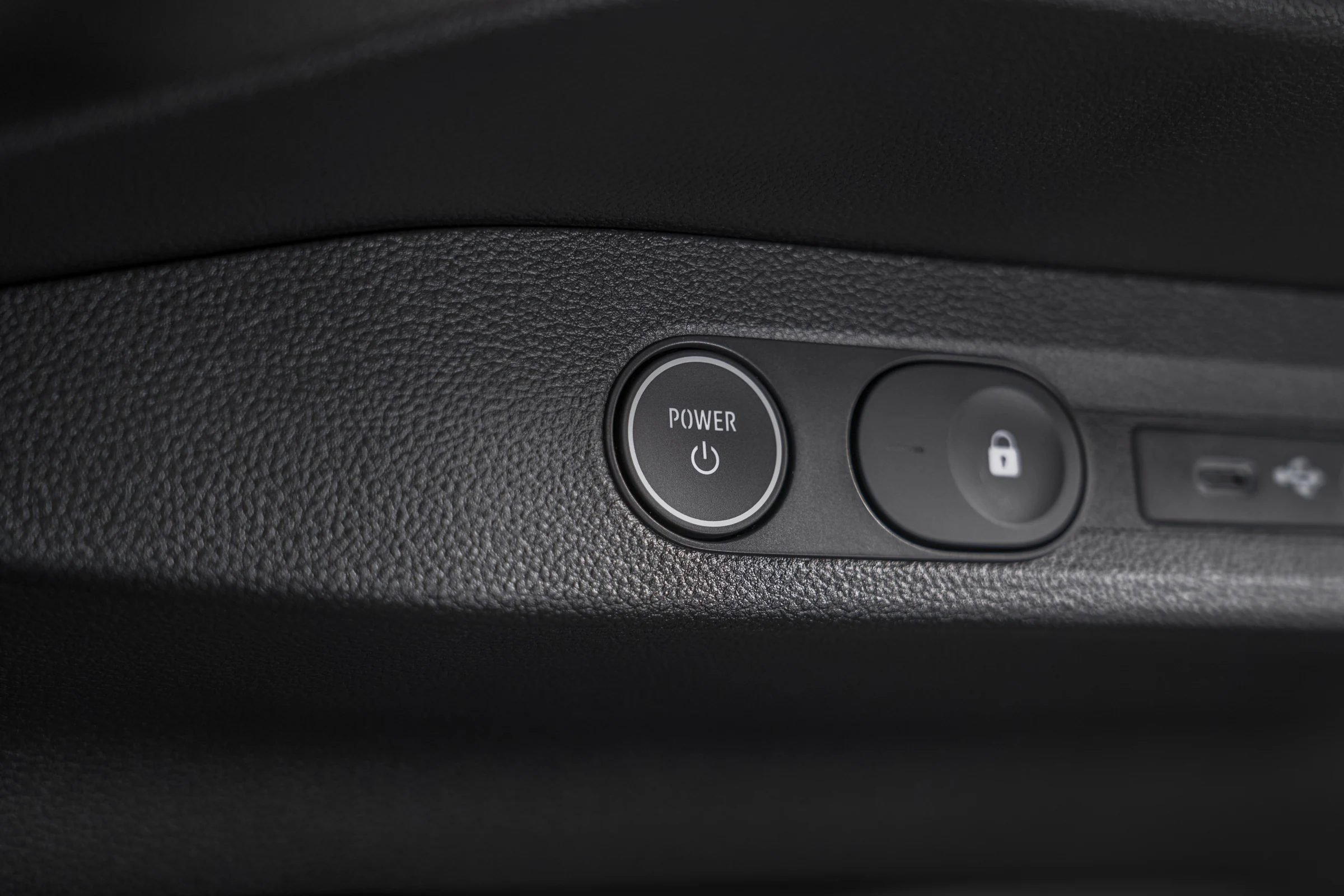
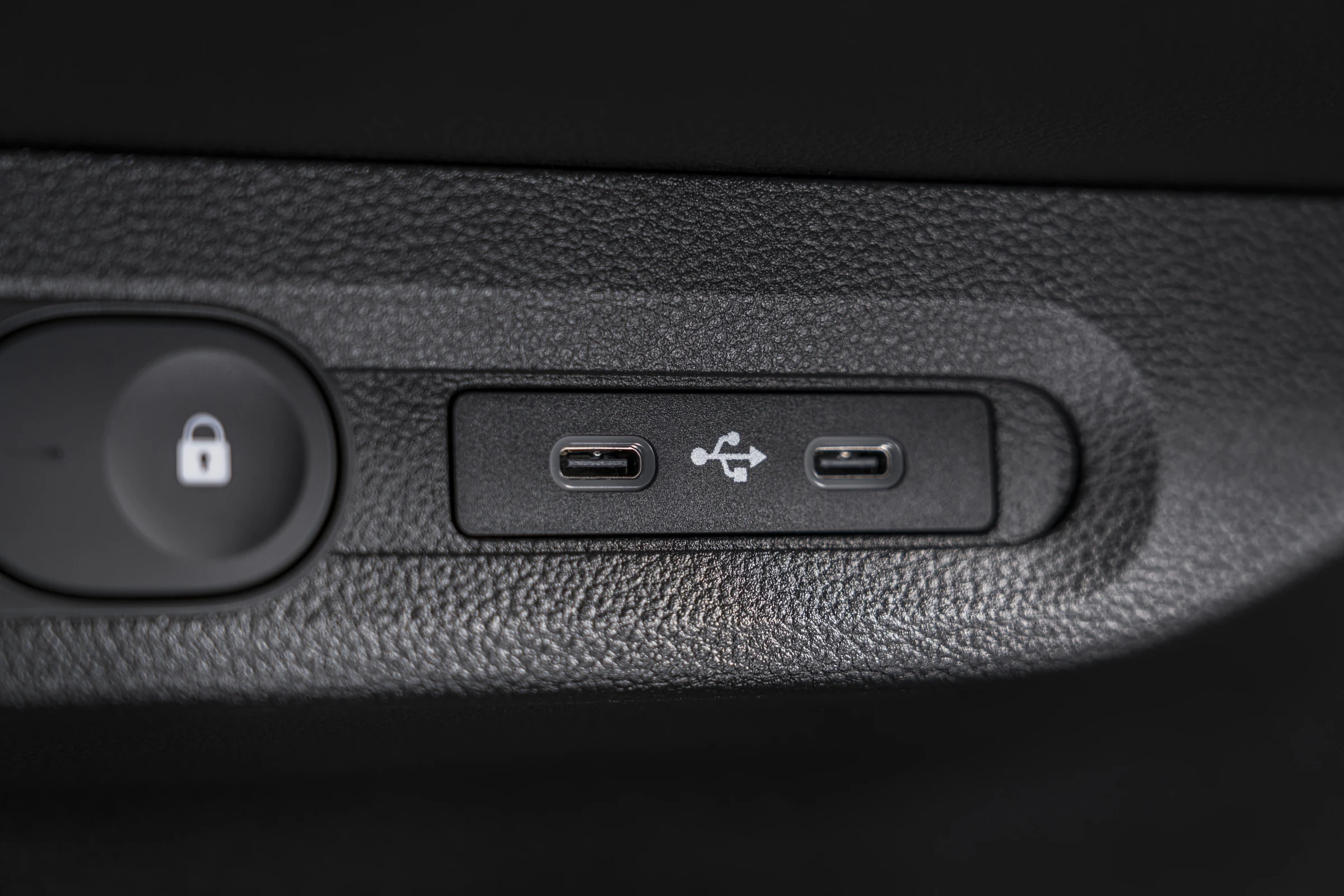
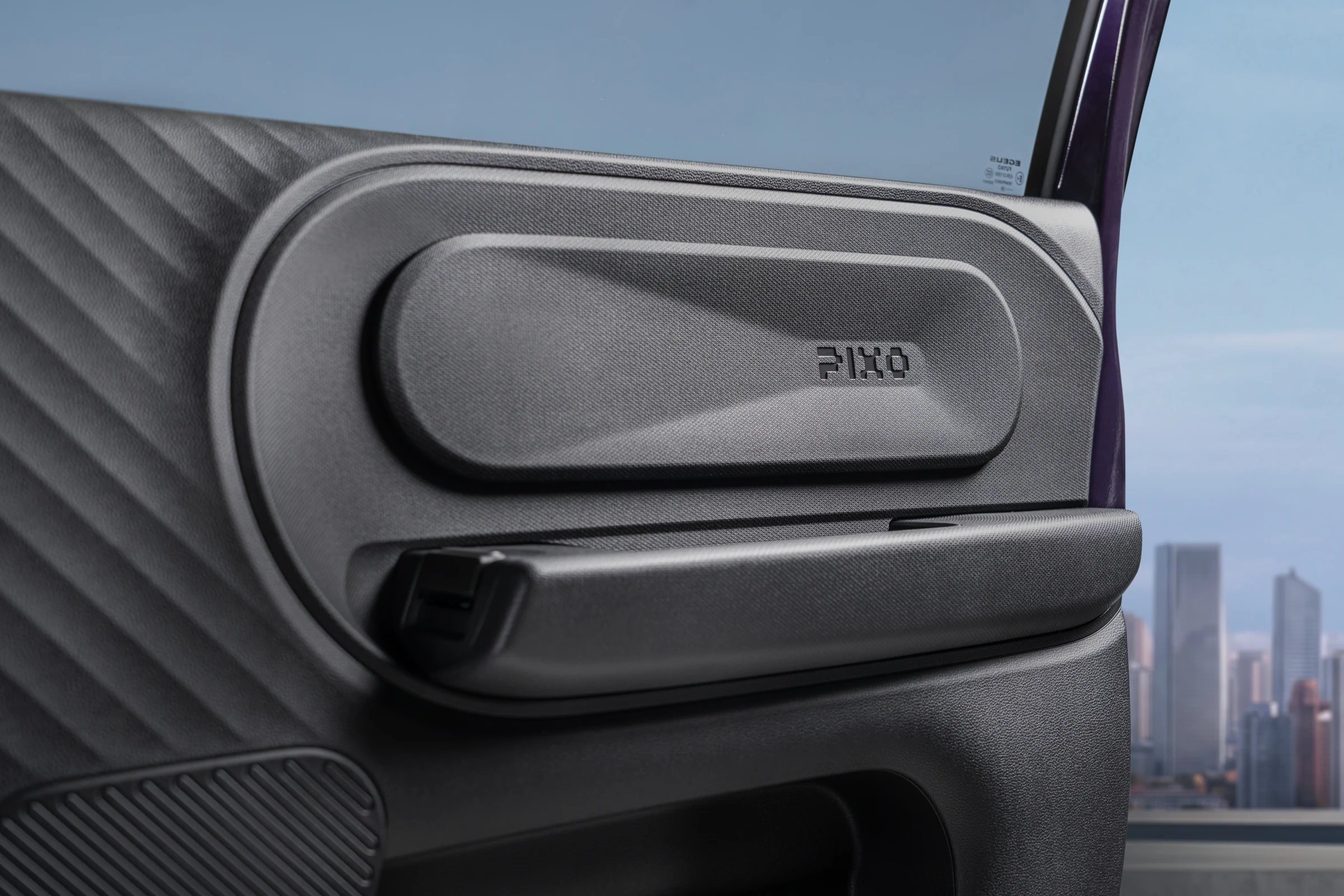
For anyone comparing Nissan Pixo range, Pixo battery size, charging speed, charging time, interior space, boot capacity, dimensions, motor power, Google built-in features, price and release date, the Pixo has a clearly defined role: a practical small electric car for European city life. The official Nissan Pixo exterior, interior and close-up photos below provide a closer look at the production design and cabin details.
Exterior

Interior
Close-up details
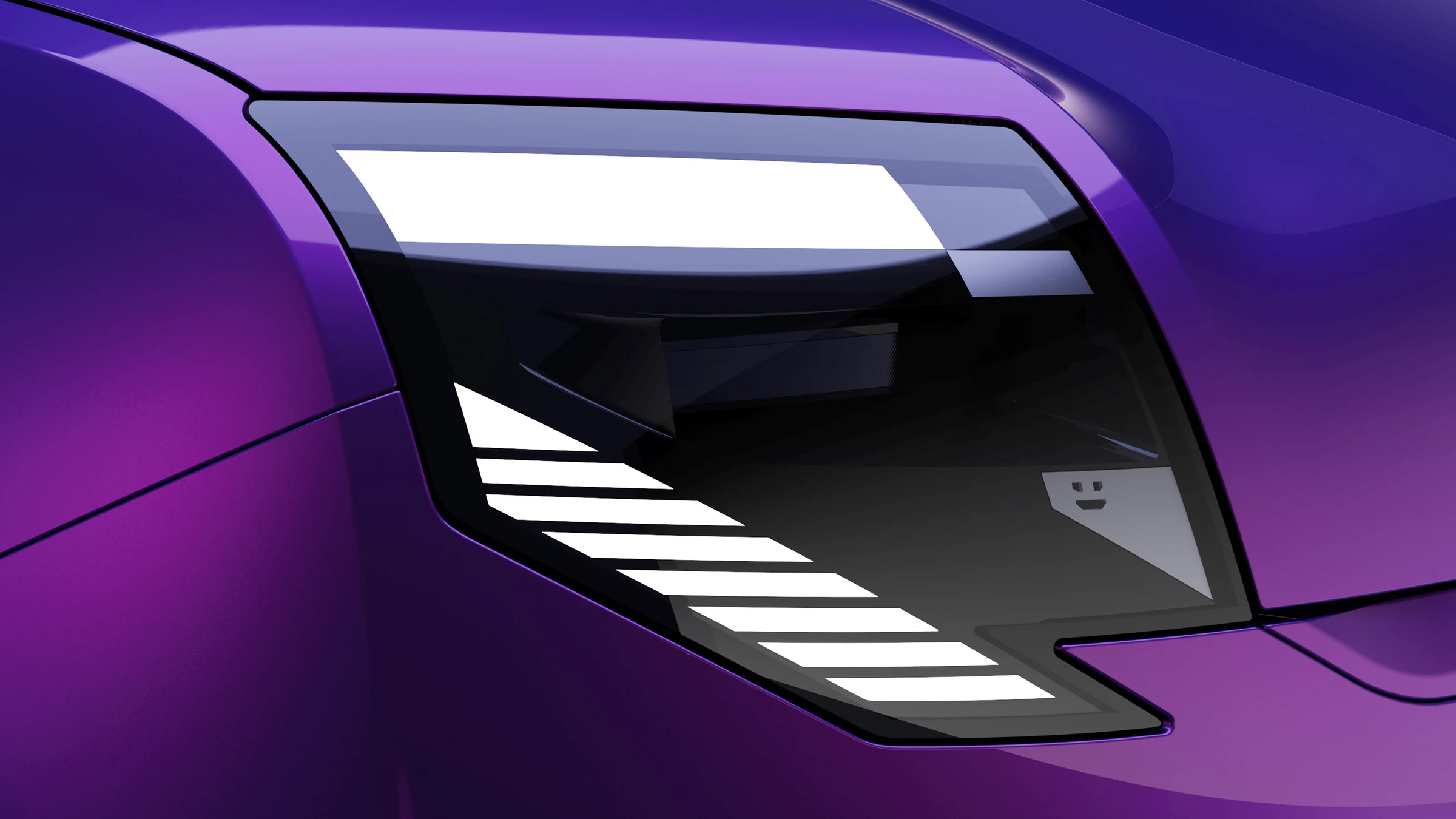

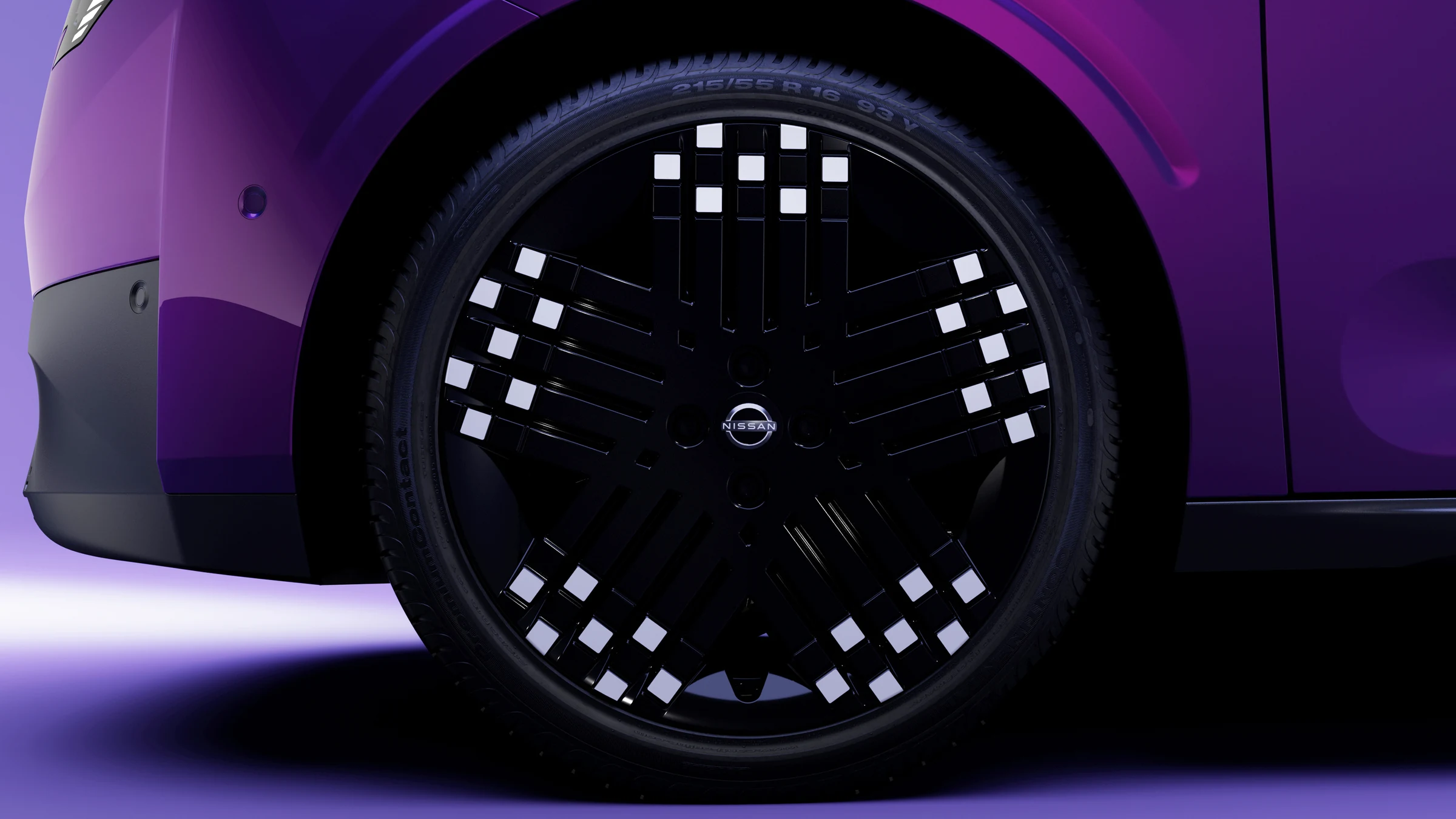
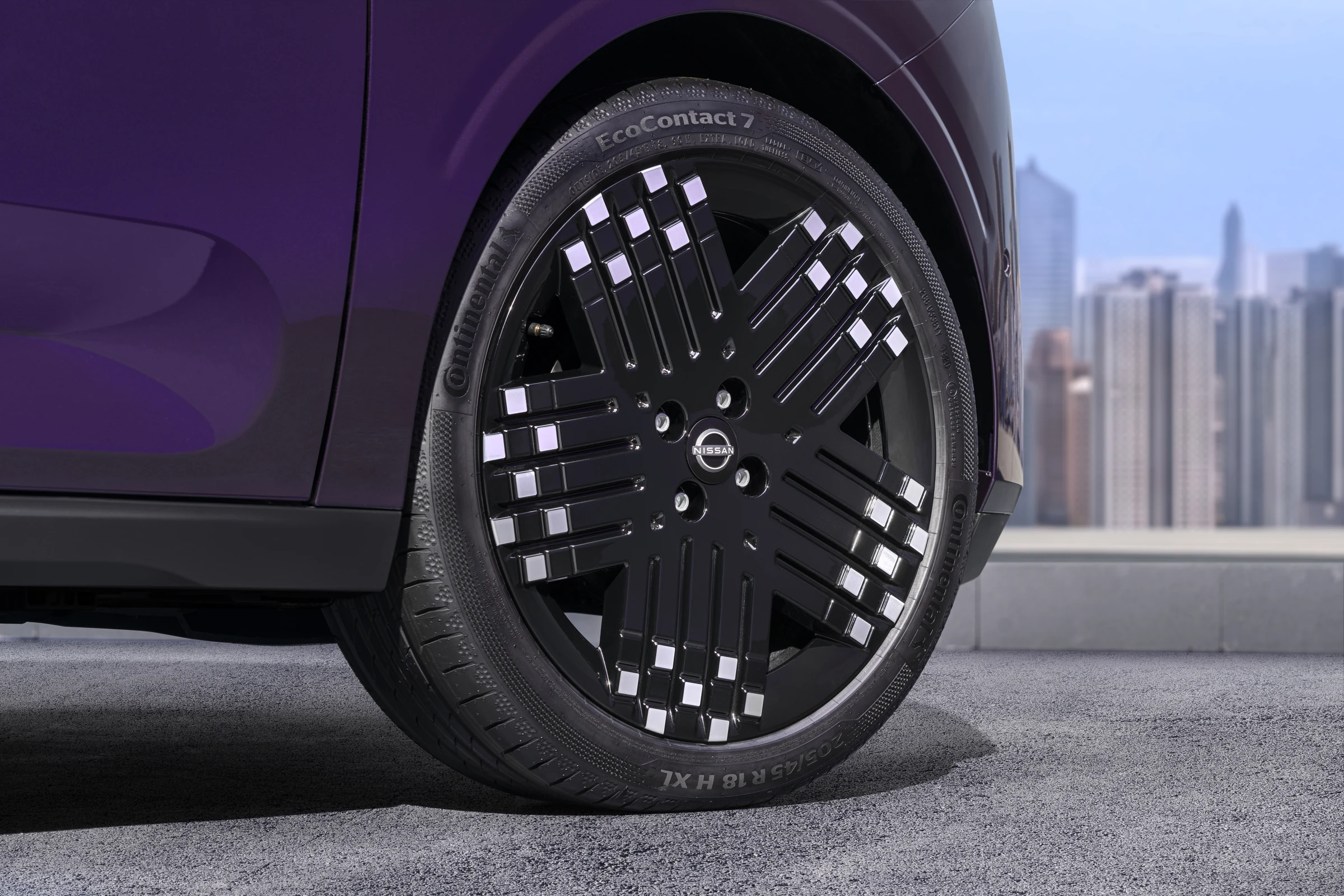
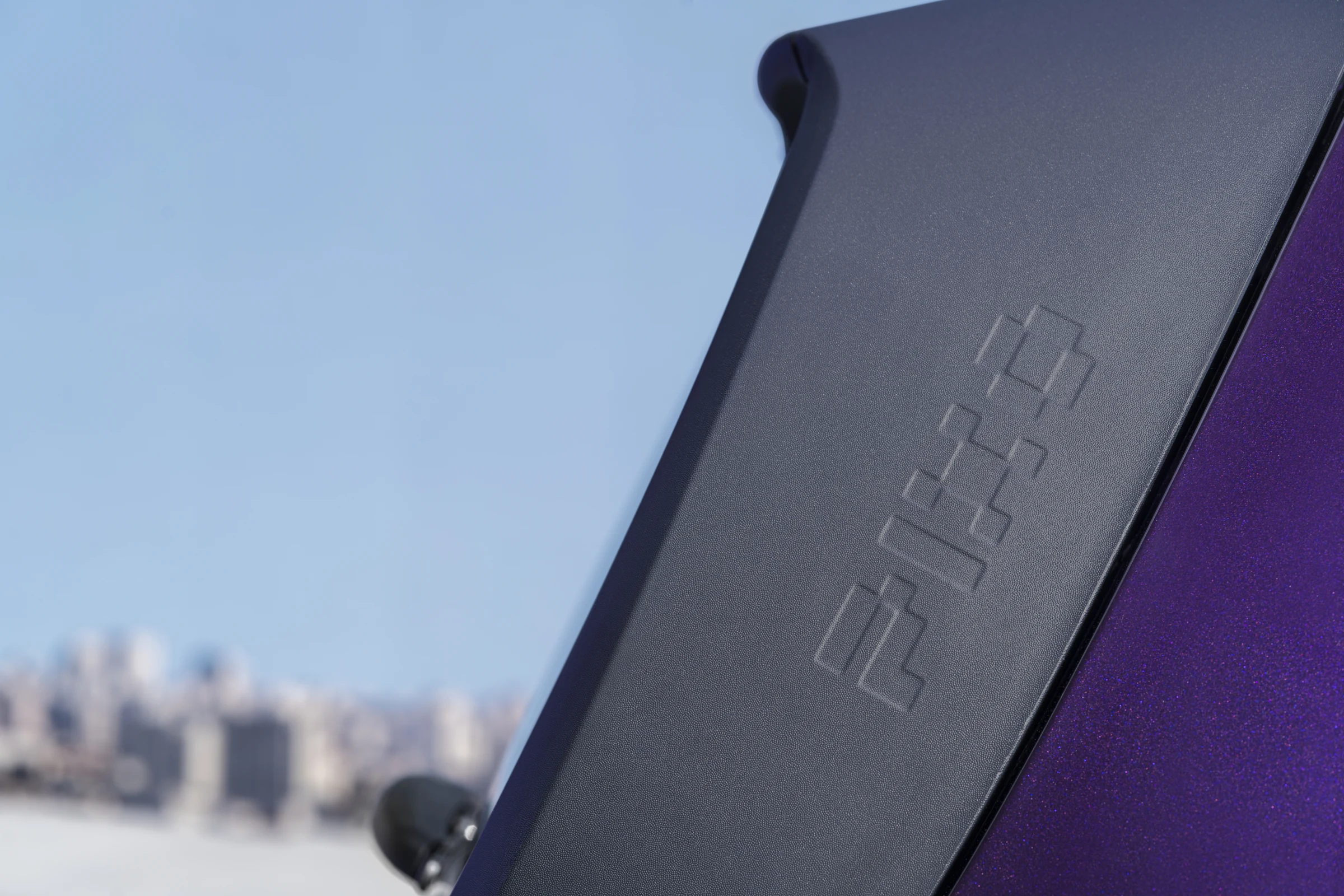
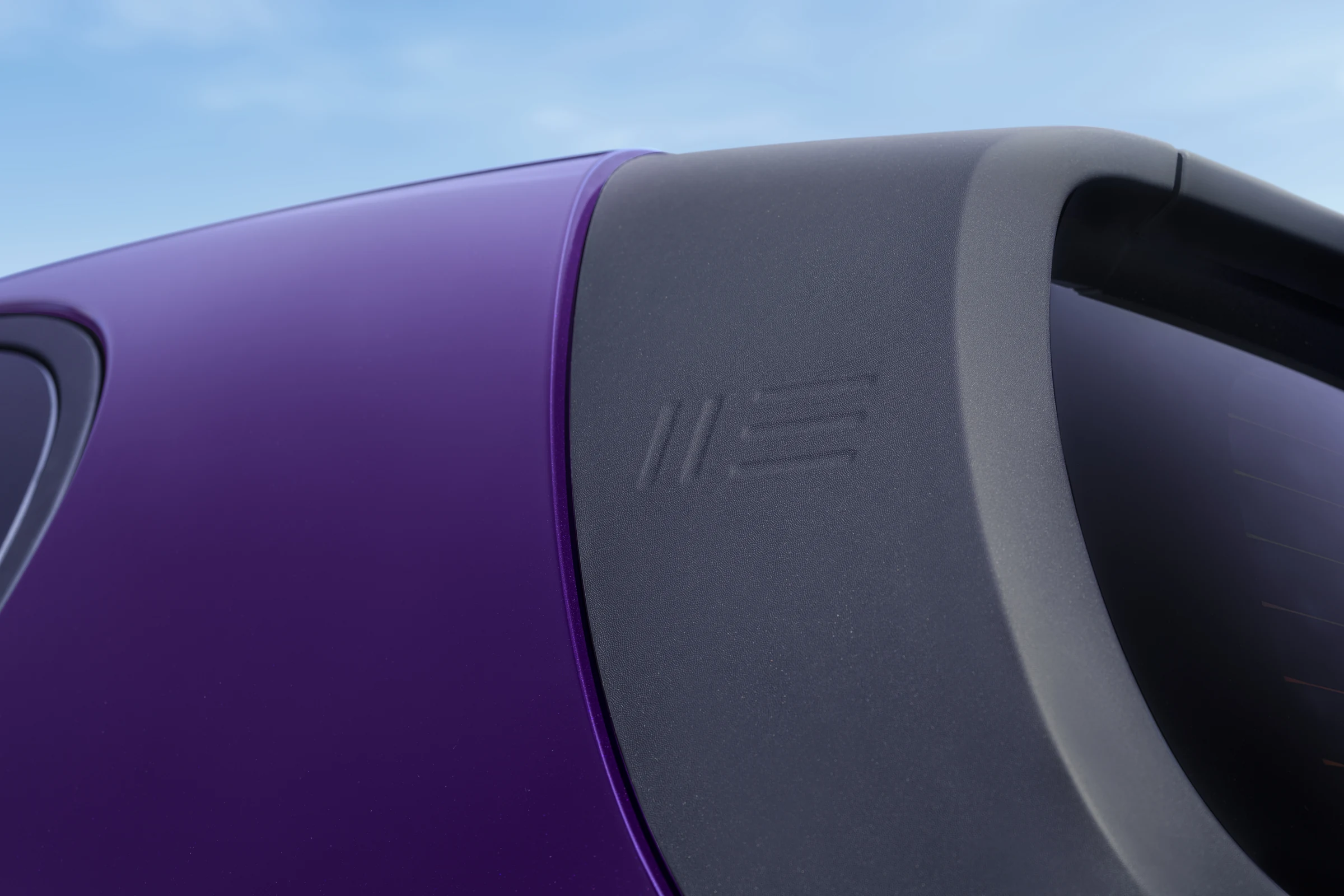
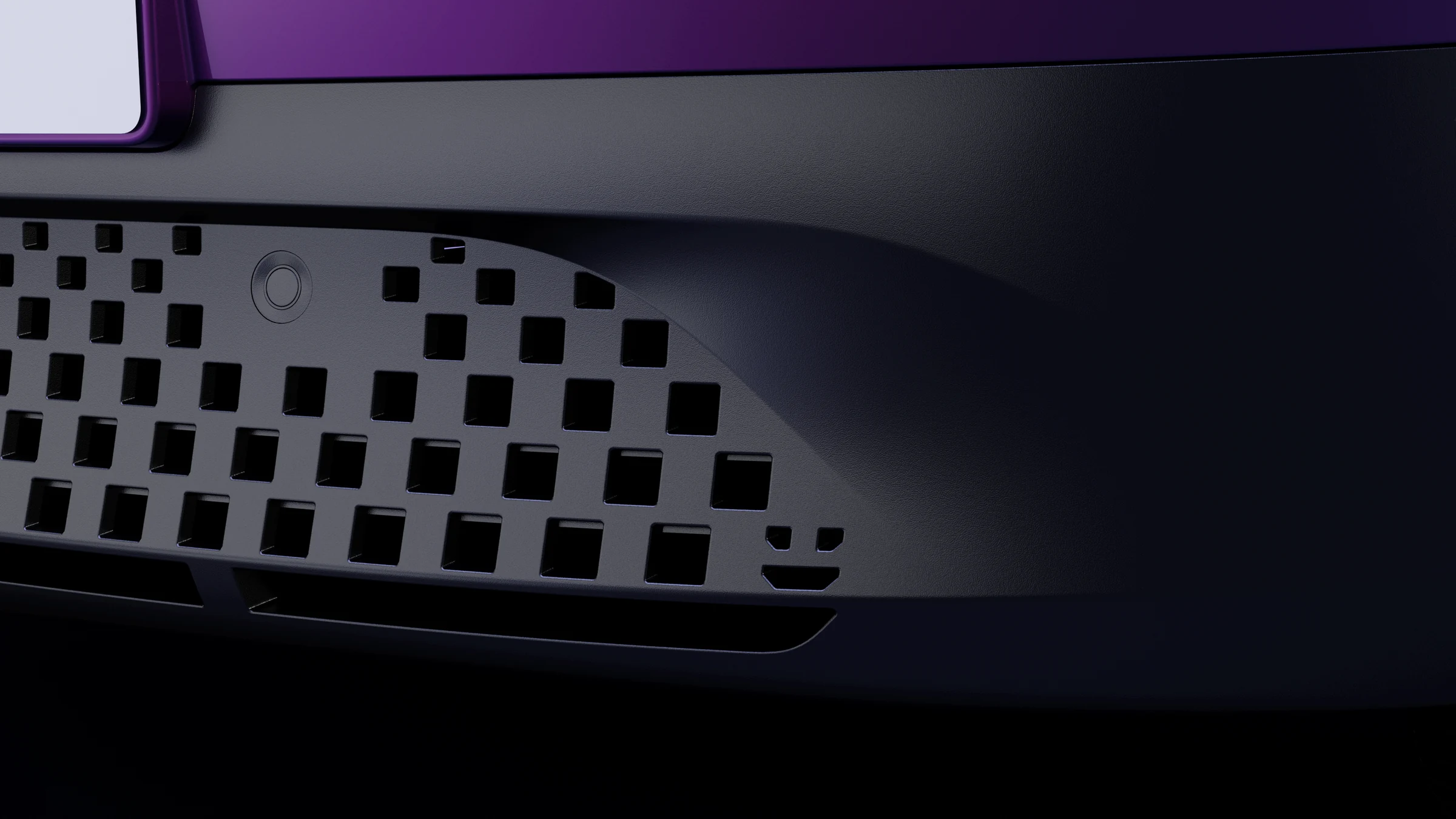
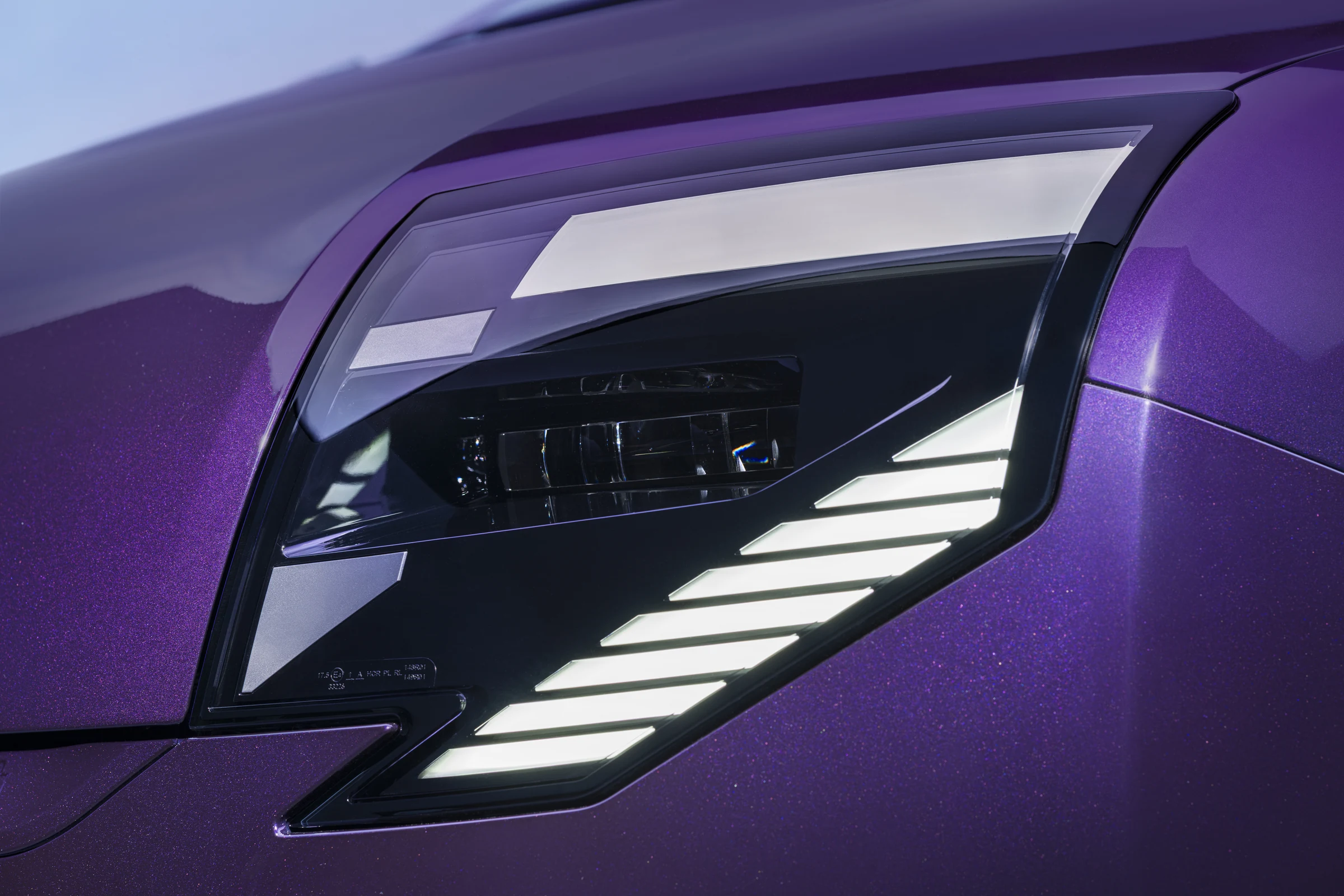

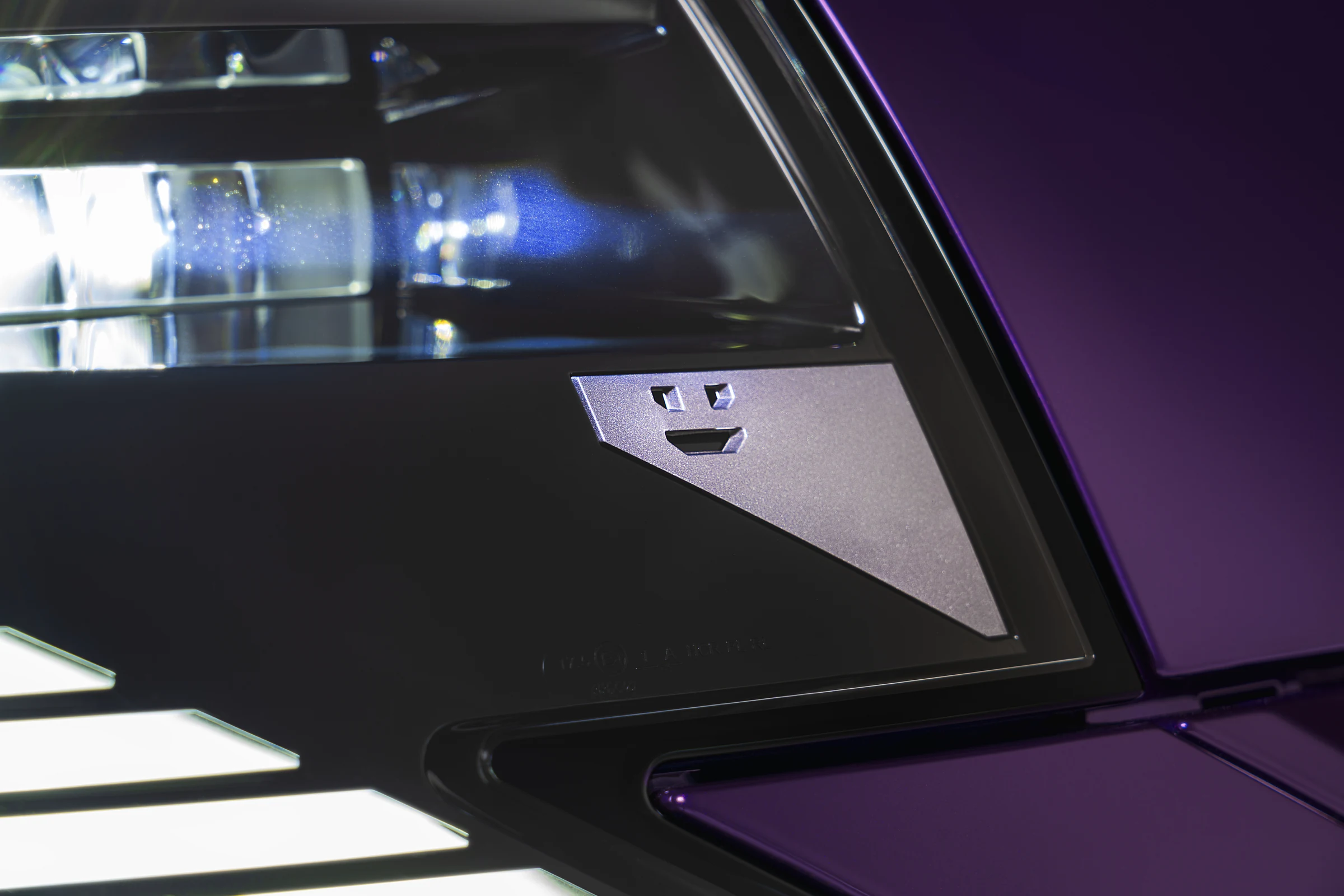

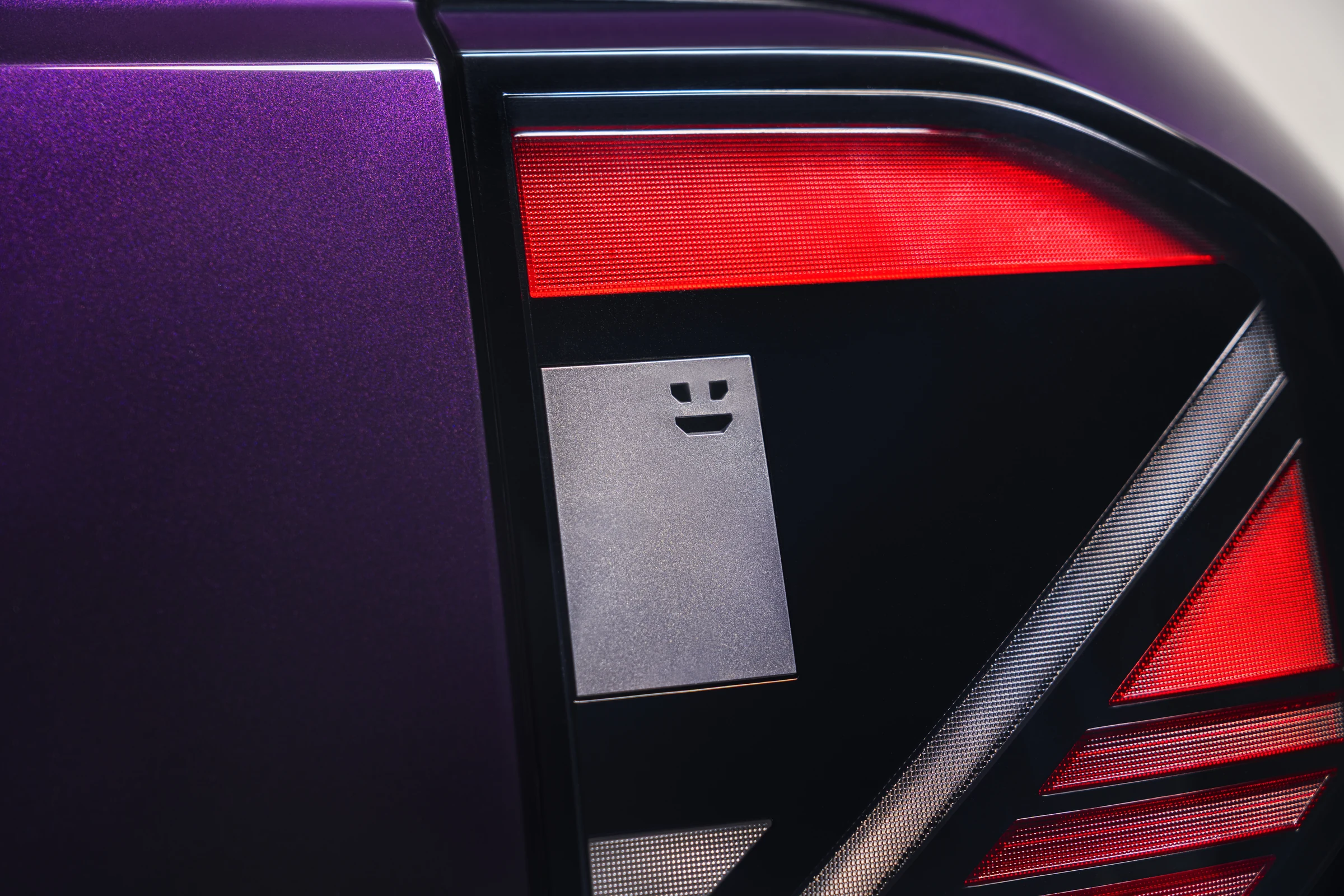
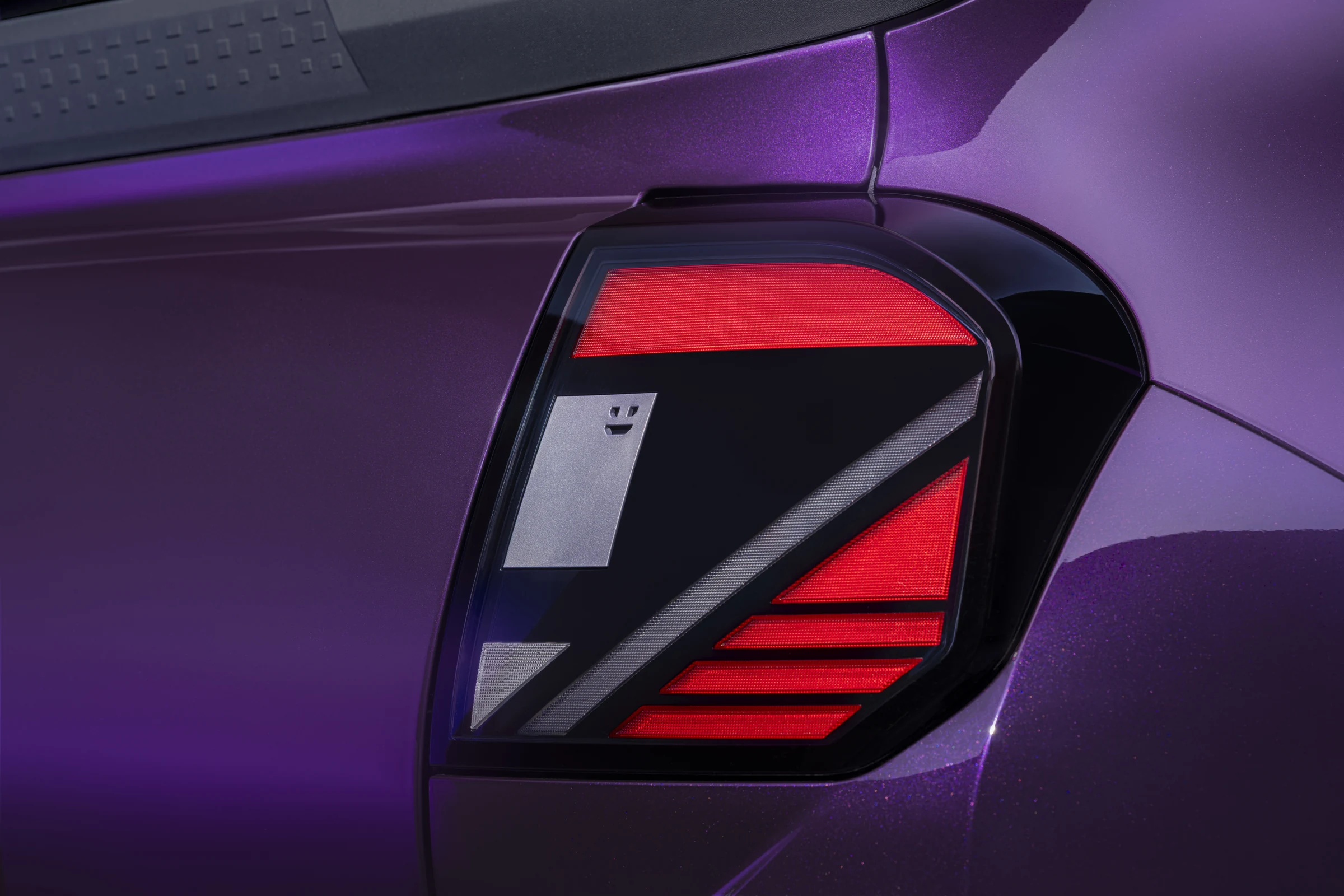
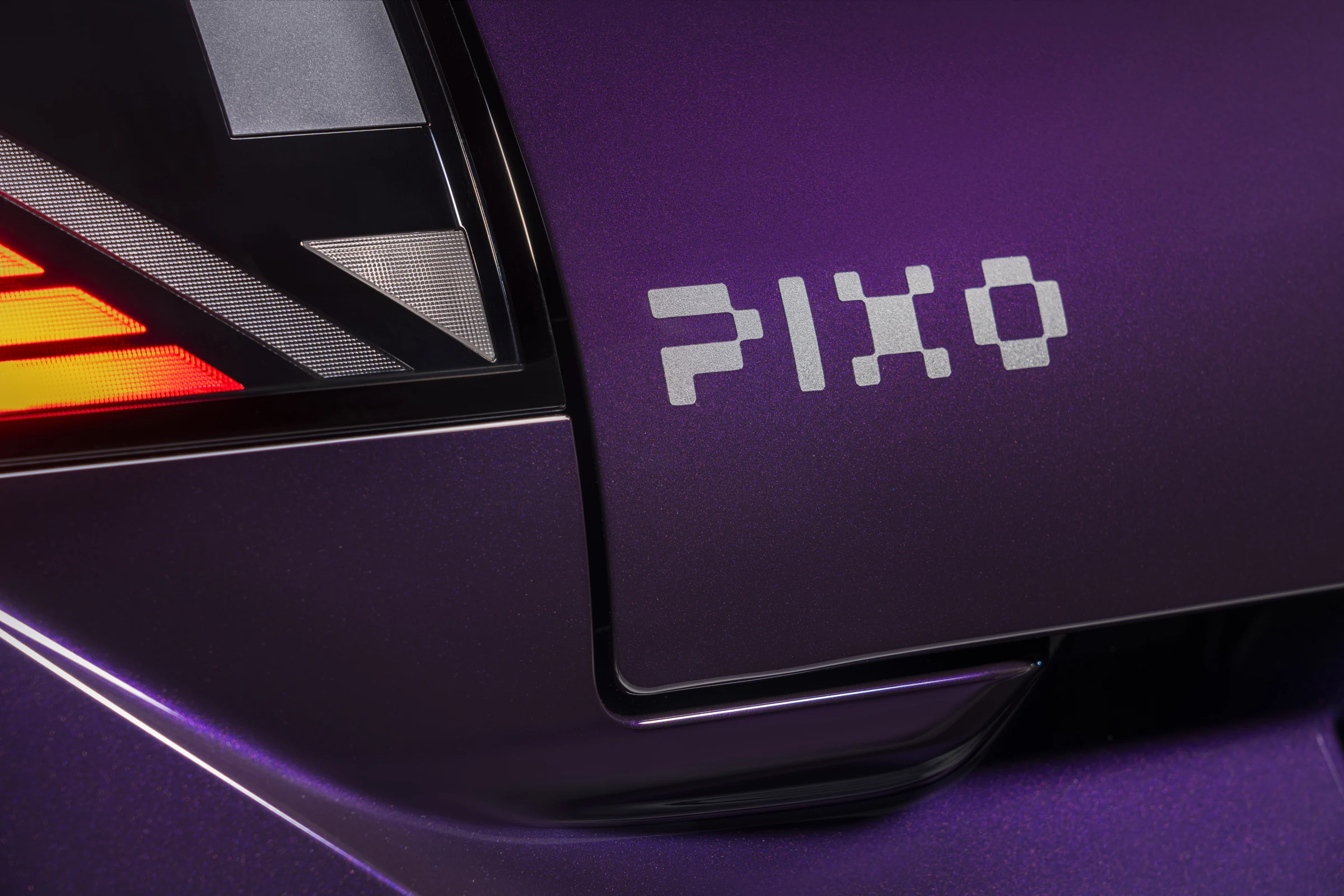

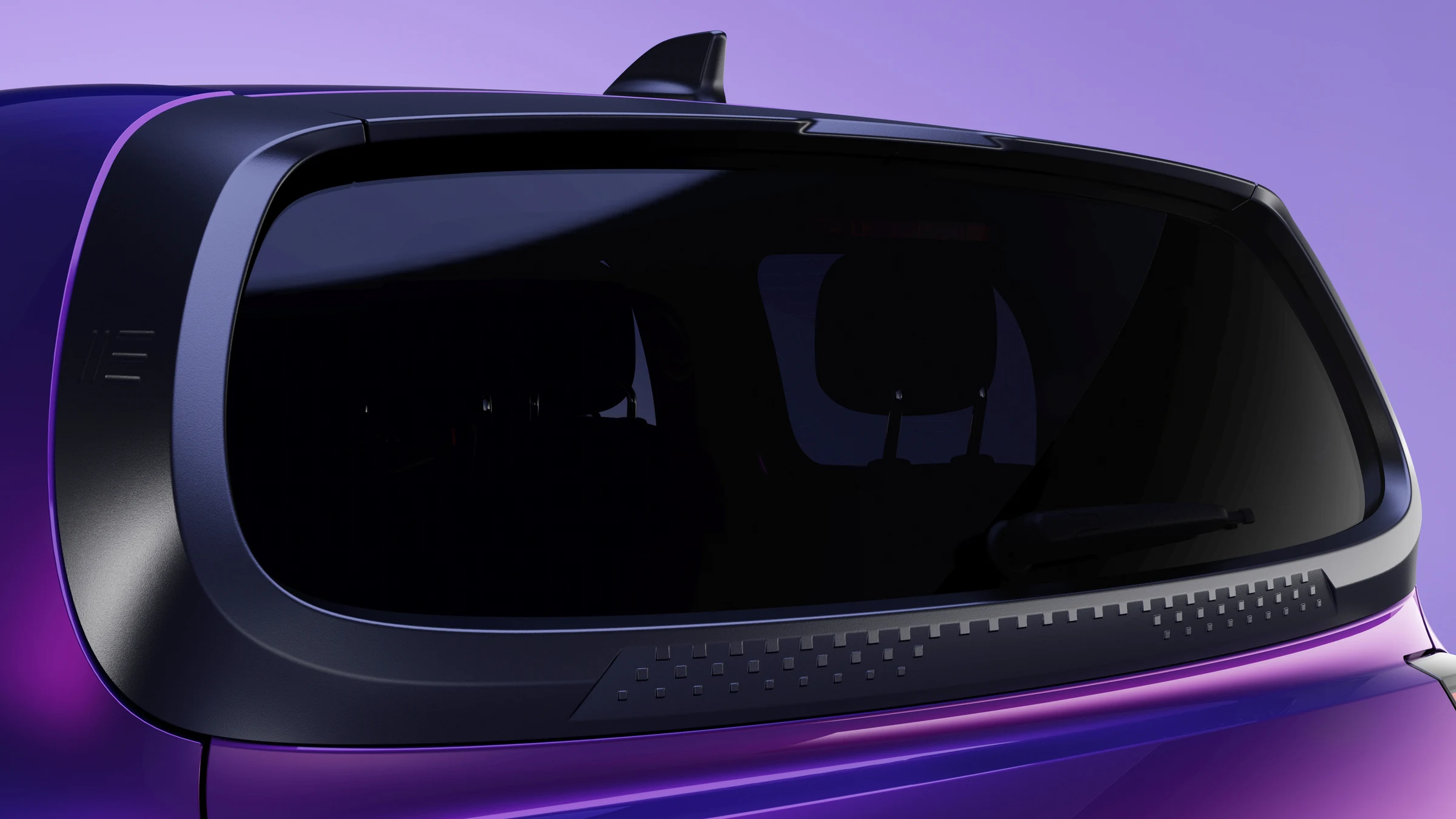
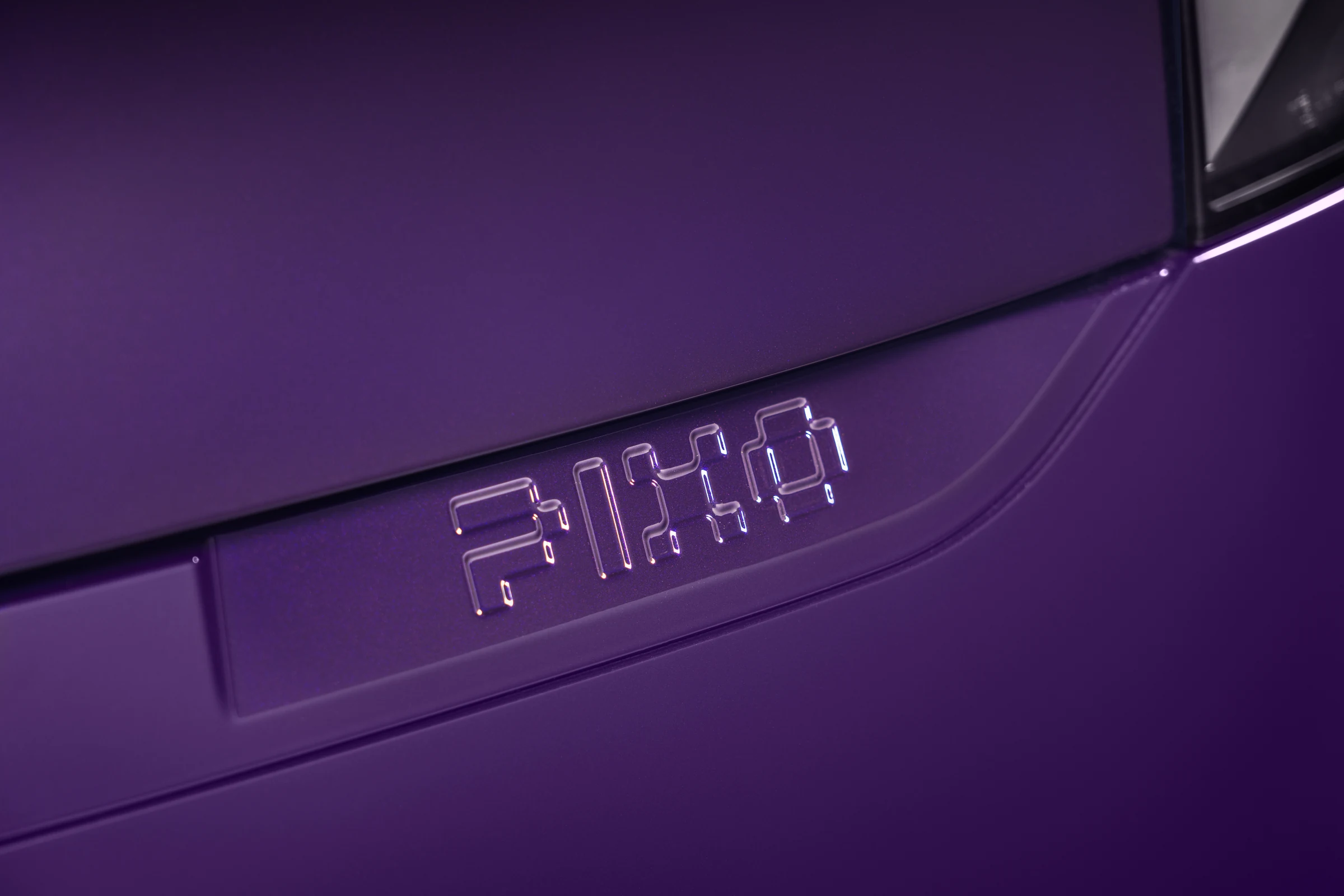
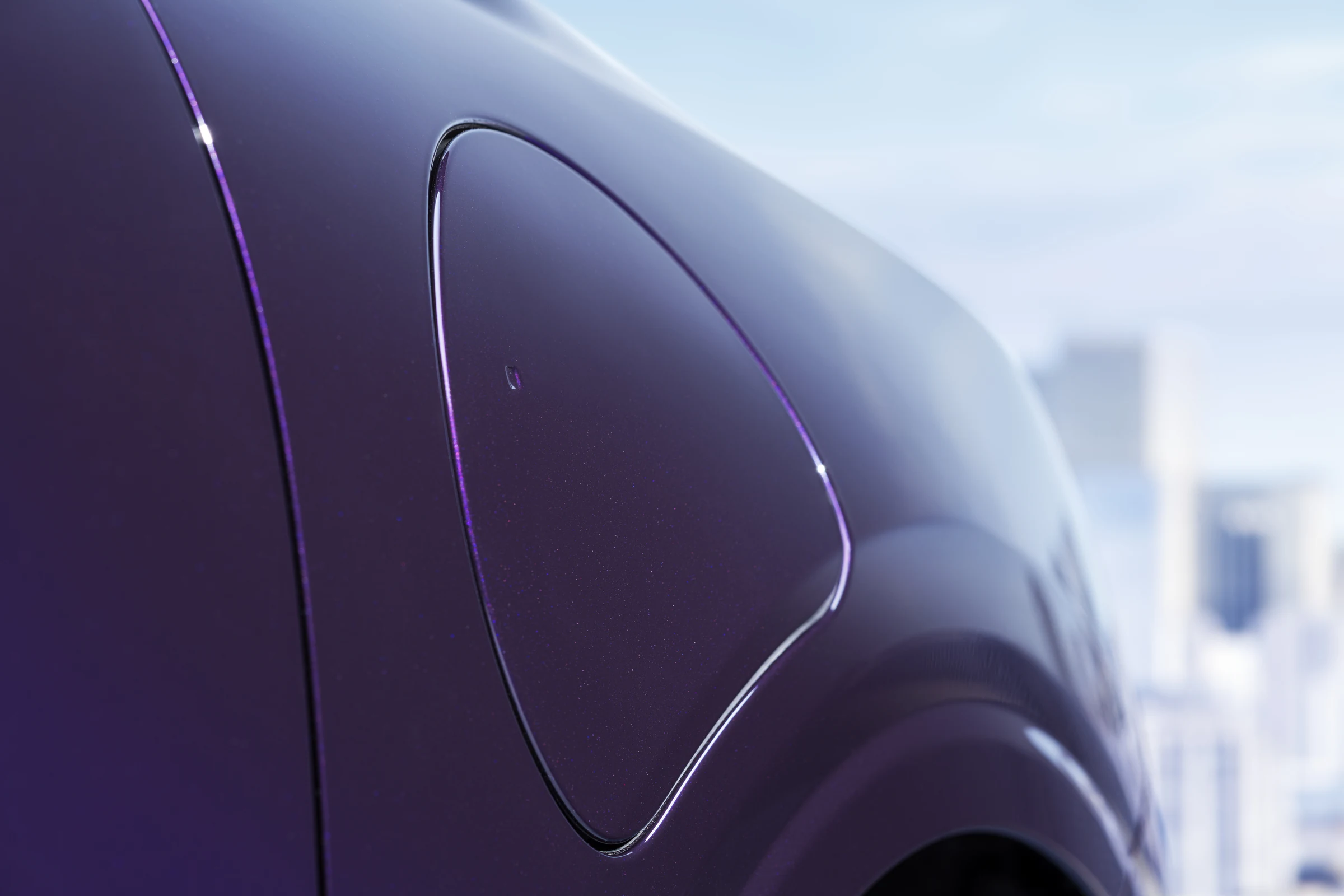
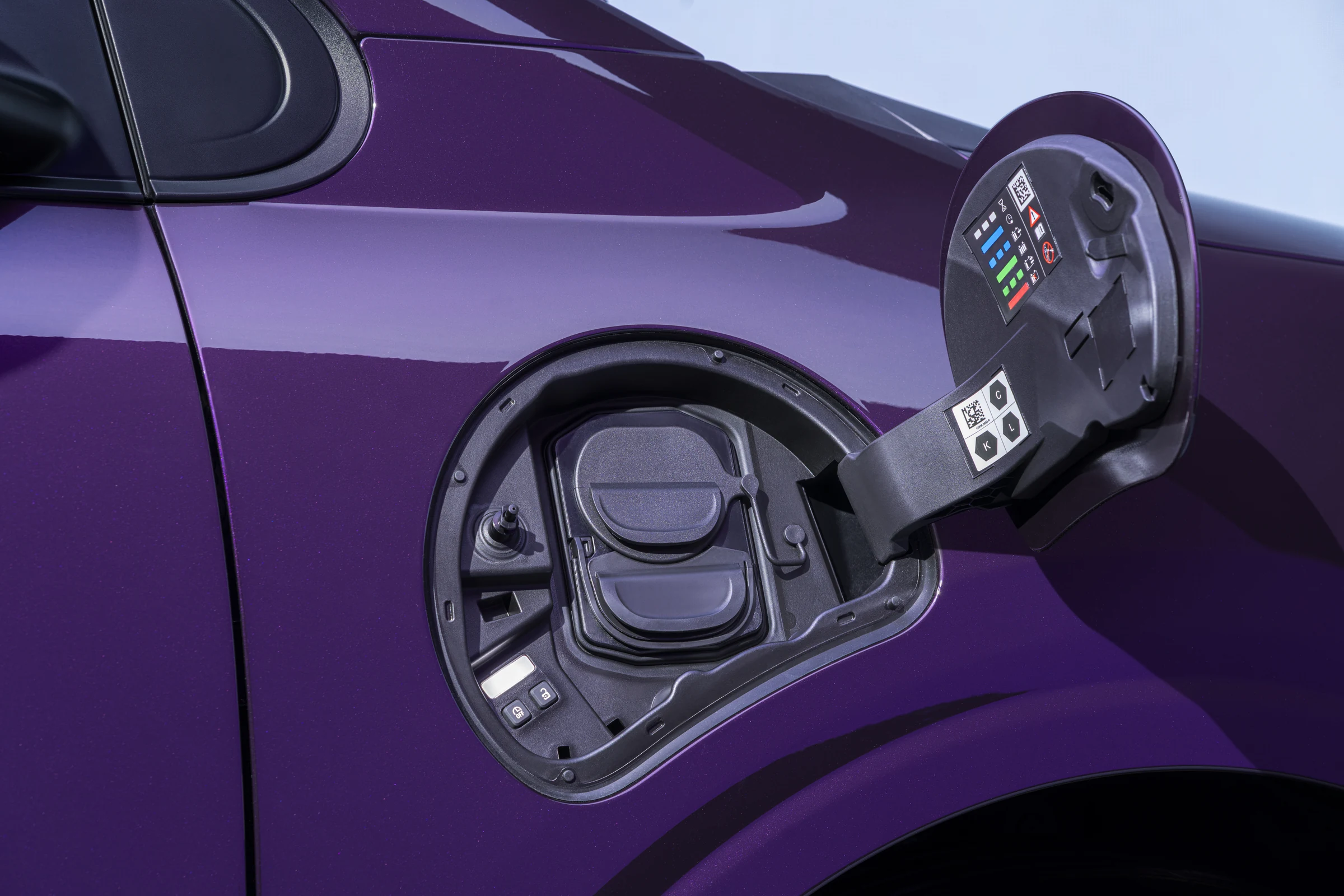
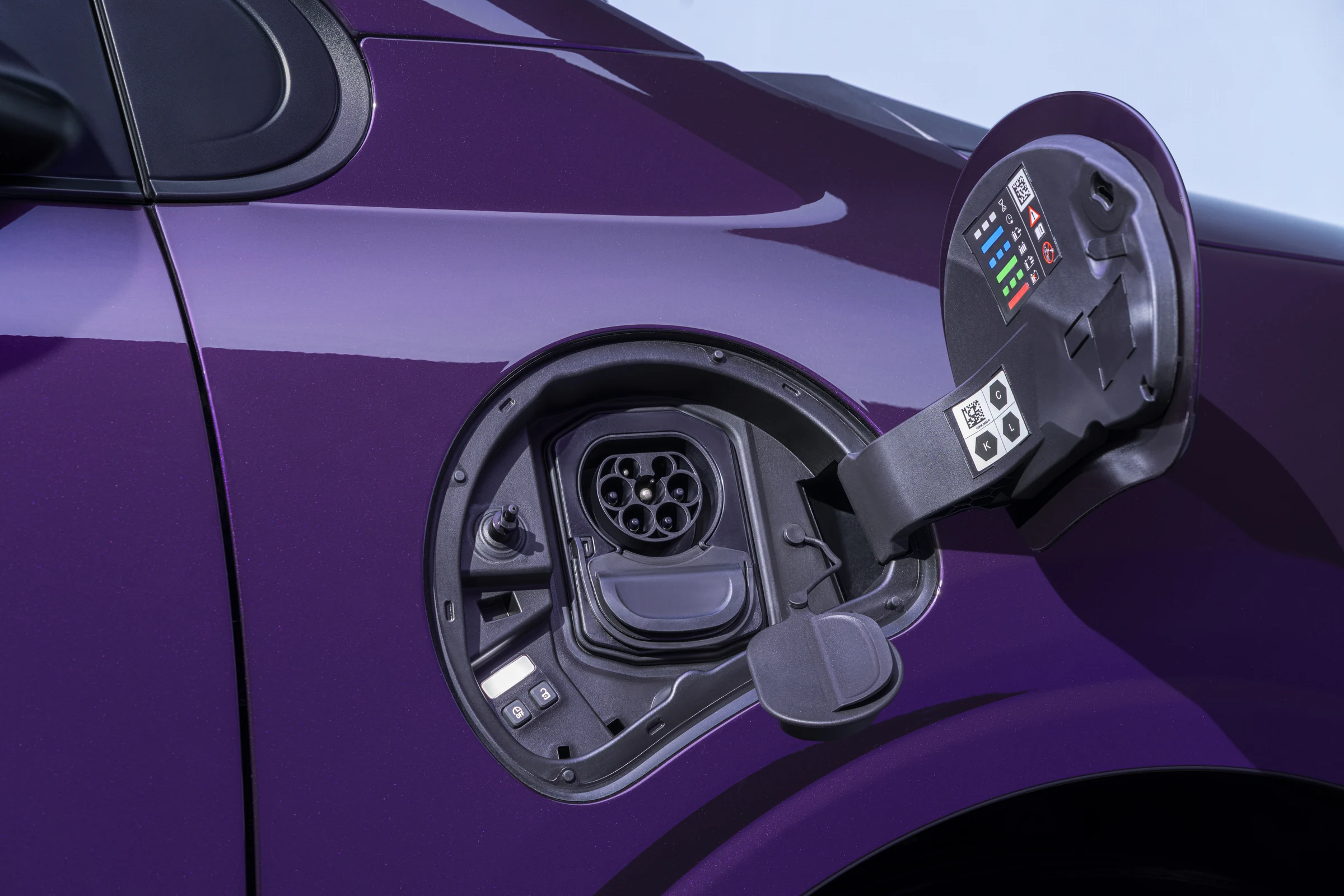
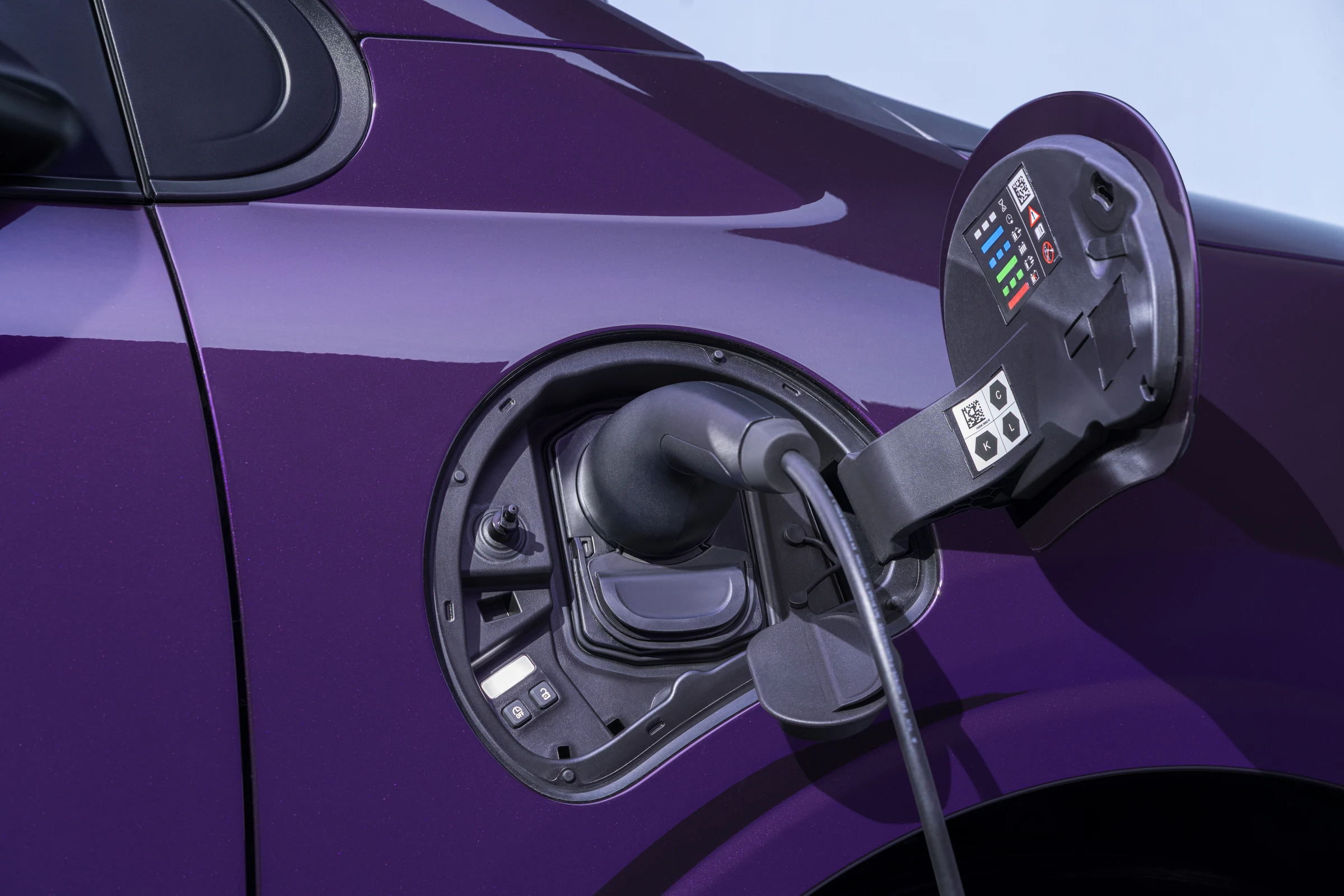
Photo credits: Nissan Motor Co..